Are bodybuilders sponsored because they win or because they’re visible?
Why social media reach underpins every deal
COMMENT By Gary Chappell
THERE is a question many bodybuilders do not like asking out loud: are sponsors backing physiques, or platforms? And how much does social media reach in bodybuilding sponsorship really matter?
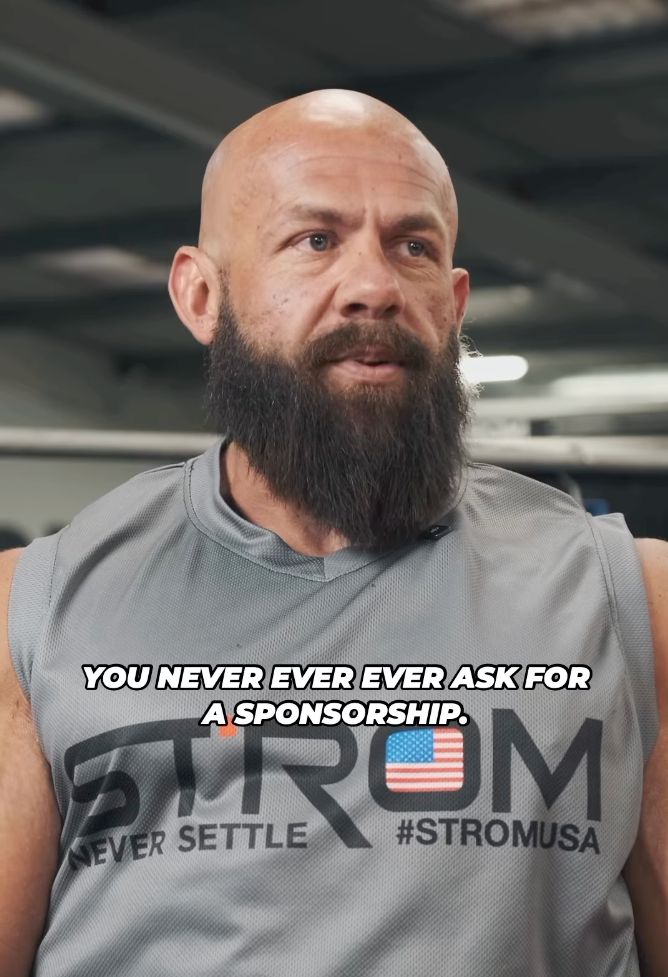
A recent social media post by new Masters IFBB Pro Matt Tofton, below, suggested bodybuilders should never ask companies for sponsorship. That sparked a comment from yours truly about how the phrase 'sponsored athletes' should really be re-labelled 'sponsored influencers', simply because it appears deals are underpinned by a person's social media reach rather than how many titles they had won. For instance, if they are not visible, how would brands know about them and why would they even bother if no one else can see them promoting their brand?
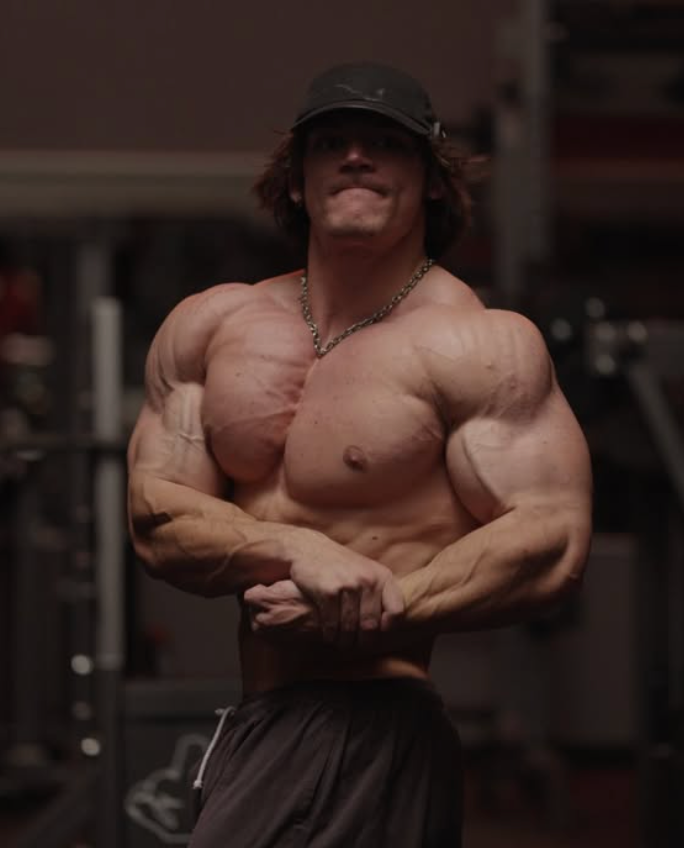
Sam Sulek is a case in point. He was signed by American company Hosstile for his huge following built in the wake of his successful YouTube channel. And this highlights how social media reach in bodybuilding sponsorship can outweigh stage results when brands assess commercial value.
Traditionally, sponsorship followed results. You won shows, you built credibility and brands came knocking. Trophies were proof. Stage shots were currency. But bodybuilding no longer exists purely on the stage. It exists on screens.
A shredded unknown who wins a regional show but has 800 Instagram followers is commercially invisible. Without reach, who knows they exist beyond the judges and the first two rows? Brands do not sponsor potential alone; they sponsor exposure.
My point was countered both by Tofton – who is sponsored by supplement company Strom – and Strom owner Rick Foster.
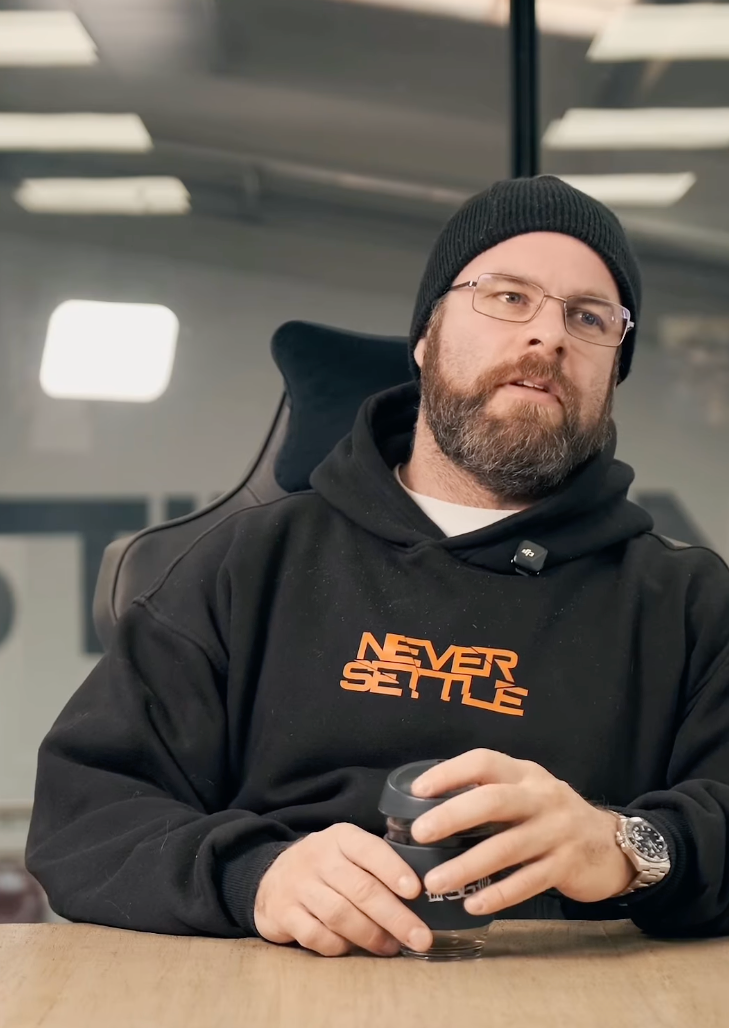
Foster, below, wrote: "I and I alone decide who we sponsor and social media following is not a thing I give a crap about. My athletes are genuinely my circle of closest friends."
While I am sure Foster is genuine and does not, indeed, care about social media reach, it still clearly plays a part. For example, if you are an up and coming, very promising bodybuilder, how would such brands be aware of you? Well, in this day and age, you would need to be visible on social media or YouTube. You would have a platform. A reach.
And it is from that very reach that brands would get in touch for you to represent them. Granted, the choice once brands are aware might well be what sort of person they are, or how talented or promising an athlete they are, how they present themselves etc.
Visibility is the gatekeeper, whether brands admit it or not
But the driving force that underpins every sponsorship deal is visibility. That doesn’t mean winning is irrelevant. Far from it. Placings still validate legitimacy. They separate influencers from athletes. But today, winning opens the door, visibility decides whether anyone walks through it.
The uncomfortable truth is this: social media does not replace achievement, but it amplifies it. A strong physique with no audience is a tree falling in the forest. A strong physique with reach becomes an asset.
So while people might not care about social media reach, without that already in place, athletes would never have been on their radar. Once they were, granted, the decision by some brands to choose talent or potential, or personality etc is undoubtedly there. But how many lesser known, arguably better, bodybuilders are regularly overlooked because they are not as prominent on social media? It might not drive the final decision, but it plays a significant part.
You see, the modern bodybuilder is not just judged under lights, they are judged by algorithms. Yes, you might choose which one of them represents your brand based on personality or talent or whatever, but without that initial visibility and reach, how do you even know they exist?
Whether brands admit it or not, social media reach in bodybuilding sponsorship underpins everything in the modern era.
LATEST POSTS:
- Samson Dauda turns 40: the rise of a champion
- PCA Masters Championships: Pro Cards not limited to overall winners
- Bodybuilding kidney health
- How modern blood-pressure targets are creating anxiety
- Online bodybuilding coaching: £300 a month for a text?

Leave a Reply