Why You’re Not Building Muscle: 3 Killers of Muscle Growth

If you’re training hard but not seeing results, the problem is rarely effort. More often, it comes down to a few key mistakes that quietly kill muscle growth.

The Alan Carson Column

THE path to most goals isn't usually a straight line and that includes the goal of maximum muscle gains.

Life can throw many unexpected challenges and setbacks our way that can slow down our muscle-building progress, or even cause it to stall out completely for a time. That's life sometimes.

However, from my own experience and through observation, I've noticed that much of what's limiting our progress is often within our control. Some of these progress killers are glaringly obvious, others more subtle.

Of course, there are many reasons for lacklustre muscle growth. But let's take a look at these three major growth blockers, understand how they hinder our gains and discuss how we can avoid these pitfalls.

These things are much more detrimental to our progress than the occasional missed workout or being a few grams out on our macros here and there.

bodybuilding training for muscle growth hypertrophy workout

1. Staying too lean is limiting your growth

Whether it's buzzwords like 'Dad Bod' or the endless stream of shredded physiques on our social media feeds, there seems to be more pressure to stay lean and 'Instagram Ready' all year, especially for the younger generation.

Influencers are now pushing 'maingaining' – hovering around maintenance calories while trying to build muscle slowly – as a modern alternative to traditional bulking. And while it's a good idea not to gain an excessive amount of body fat in a gaining phase, in swinging too far away from traditional 'bulking', many end up under-eating. This seriously limits their muscle-building potential.

Today's social media can be a warped lens to look through when it comes to gaining muscle. Being lean looks good on a screen, but it's a lousy way to approach gaining muscle.

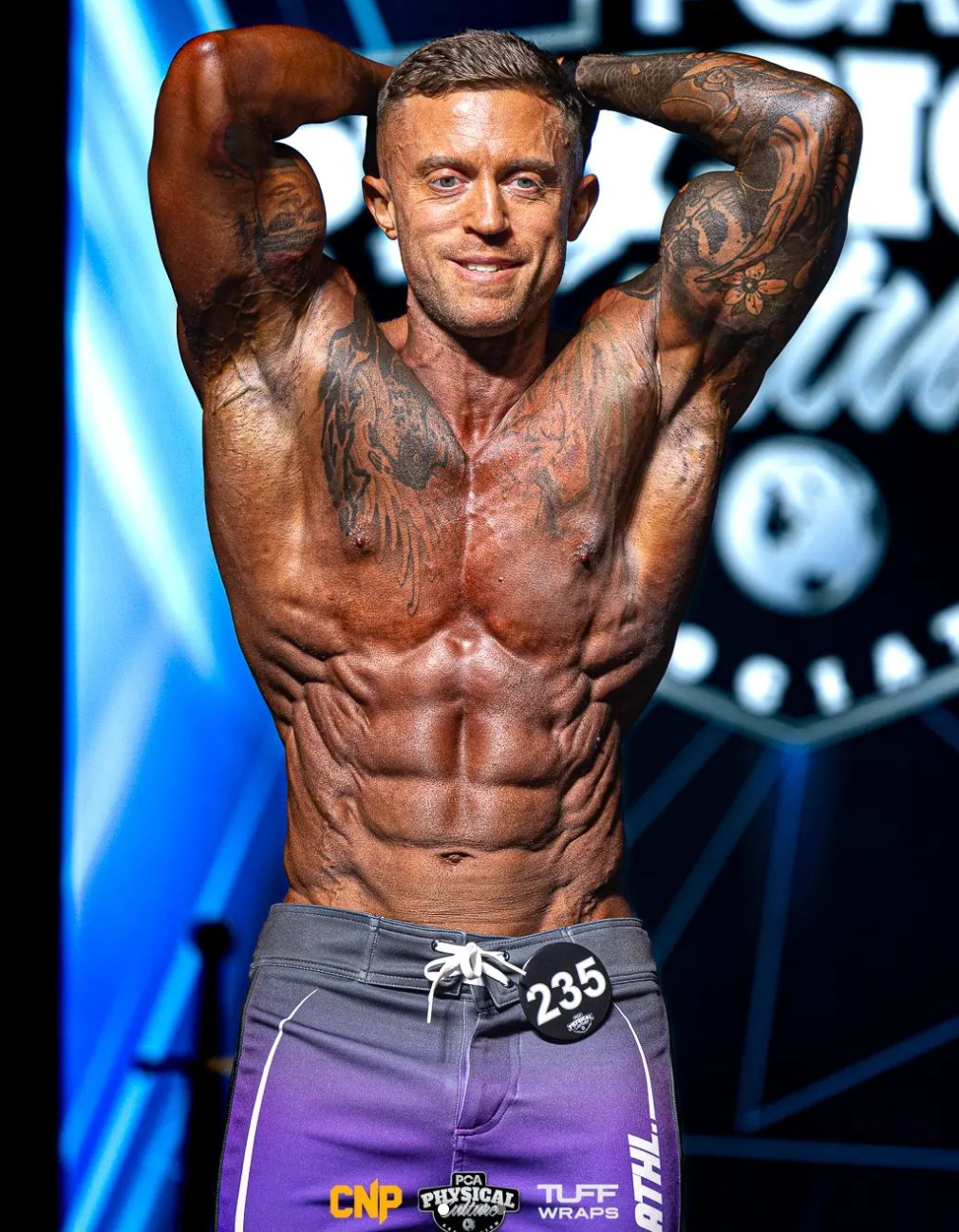
Trying to keep ripped abs is only going to slow muscle growth

Staying lean is fine if that's the goal. But if the goal is to add a considerable amount of muscle tissue to your frame, trying to keep those abs ripped all the time is only going to slow or stall progress.

Muscle doesn't grow under a microscope of daily mirror checks and Instagram posts. The reality is that building muscle is a slower process than cutting. And the visual changes aren't always that appealing compared to seeing those deeper cuts appearing in your abs week to week like you do when cutting.

Instead of obsessing over that constant lean look, I'm advocating for embracing a structured bulking phase, where your primary goal is maximum muscle growth. This means eating in a controlled surplus –providing your body with the necessary calories for muscle repair and growth – while keeping your food nutrient-dense.

This isn't an excuse for gluttony and indulgence. Quality physiques aren't usually built by dirty bulking on a diet of processed foods. They're developed through consistently disciplined eating and hard training. Muscle growth is a slow, steady journey that takes a lot of effort and an equal measure of patience. So don't sell yourself short on the quantity or quality of your nutrition when you're looking to gain muscle. Accept the temporary increase in body fat, knowing that when you strip back down, that extra muscle will make you look much more impressive.

bodybuilder physique muscle growth progress size development

2. Not recovering properly between sessions

There's a certain pride and sense of accomplishment we can feel when we're pushing ourselves hard in the gym. Speaking for myself, that's a feeling I chased in my early days of bodybuilding (and sometimes still do), often at the expense of my recovery and muscle growth.

If you're constantly hammering yourself in the gym without taking enough rest, you're not actually building your physique... you're just breaking it down and not affording your body the time and resources to recover properly. If you don't give your body adequate time to repair and replenish, you're constantly running on depleted resources and under-recovered tissues. This can lead to stagnation, burnout and even injury.

It's not being lazy. It's about being smart

Think of the ability to progressively overload as an outcome of adequate recovery and adaptation from previous hard training bouts. If your performance is declining, your pumps feel flat, or your joints are starting to complain, these are red flags that your recovery is suffering.

Rest days allow your body to super-compensate and come back stronger. I know it can feel like we're being lazy, but it's not. It's about being smart. I've come to value my rest days more and more with age, and so have my tendons!

3. Constantly changing your training programme

The best programme in the world won't work if you don't stick with it. One of the biggest progress killers is constantly jumping from one training plan to another, always chasing the next "secret" to muscle growth.

Social media has made this much worse. One minute, someone is convincing us that low-volume, high-intensity training is the key. And then the next, we see a celebrity scientist preaching ultra- high-volume. The result? Constant temptation to switch up your training, not staying consistent with one approach long enough to reap the benefits.

Muscle growth thrives on consistency and progression, not constant change. I joke that if you want to 'shock the body', maybe you should try eating once and training six times a day.

bodybuilder physique muscle growth progress size development

We need to give our bodies time to adapt to a training stimulus. Strength, hypertrophy and neurological efficiency all improve with repeated exposure to the same lifts over weeks and months. If we keep changing our training up before that happens, we can just end up spinning our wheels.

That doesn't mean you should never adjust your plan or experiment with different approaches. But rather than chasing novelty, focus on progressive overload – adding weight when you can, increasing reps and enhancing execution over time.

Stick with a well-structured programme for long enough to see measurable progress. Master the basics, execute them with intent and, as cliched as it sounds, trust the process.

The real "secret" to muscle growth lies in consistent effort and time.

About the Author
Alan Carson is a competitive bodybuilder and certified sports nutritionist based in Worcestershire. Competing since 2014, Alan secured the PCA British Masters Over 40s title in 2023 after returning to the stage following a four-year break. Alan works closely with a select number of clients, blending his expertise in nutrition, bodybuilding training and psychological aspects to help them reach peak potential both physically and mentally. With a passion for transformation, he's dedicated to helping clients improve their health, performance and physiques.

Read Alan Carson's previous columns HERE.

MORE FROM FRONTDOUBLE:

BODYBUILDING RESULTS

ATHLETE PROFILES

HEALTH AND EDUCATION HUB

Leave a Reply

Your email address will not be published. Required fields are marked *

How much protein do you really need to build muscle?

Some bodybuilders consume 600g of protein a day – but science suggests far less is needed for muscle growth

By Gary Chappell

Some bodybuilders claim to eat 400g, 500g or even 600g of protein per day in pursuit of muscle growth. But how much protein does the body actually need to build muscle – and is anything beyond that just wasted?

Consider this; if the body synthesized just six grams of protein per day into new muscle tissue you could gain 24lbs of lean bodyweight a year.

Yes, the argument of how much protein per day is required for muscle growth is as old as the hills. But one thing appears to be certain – you do not need as much as you think.

One IFBB Pro bodybuilder detailed on social media this year how he eats 600g of protein per day. Justifying this, he wrote: "Carbs don't build muscle, protein does."

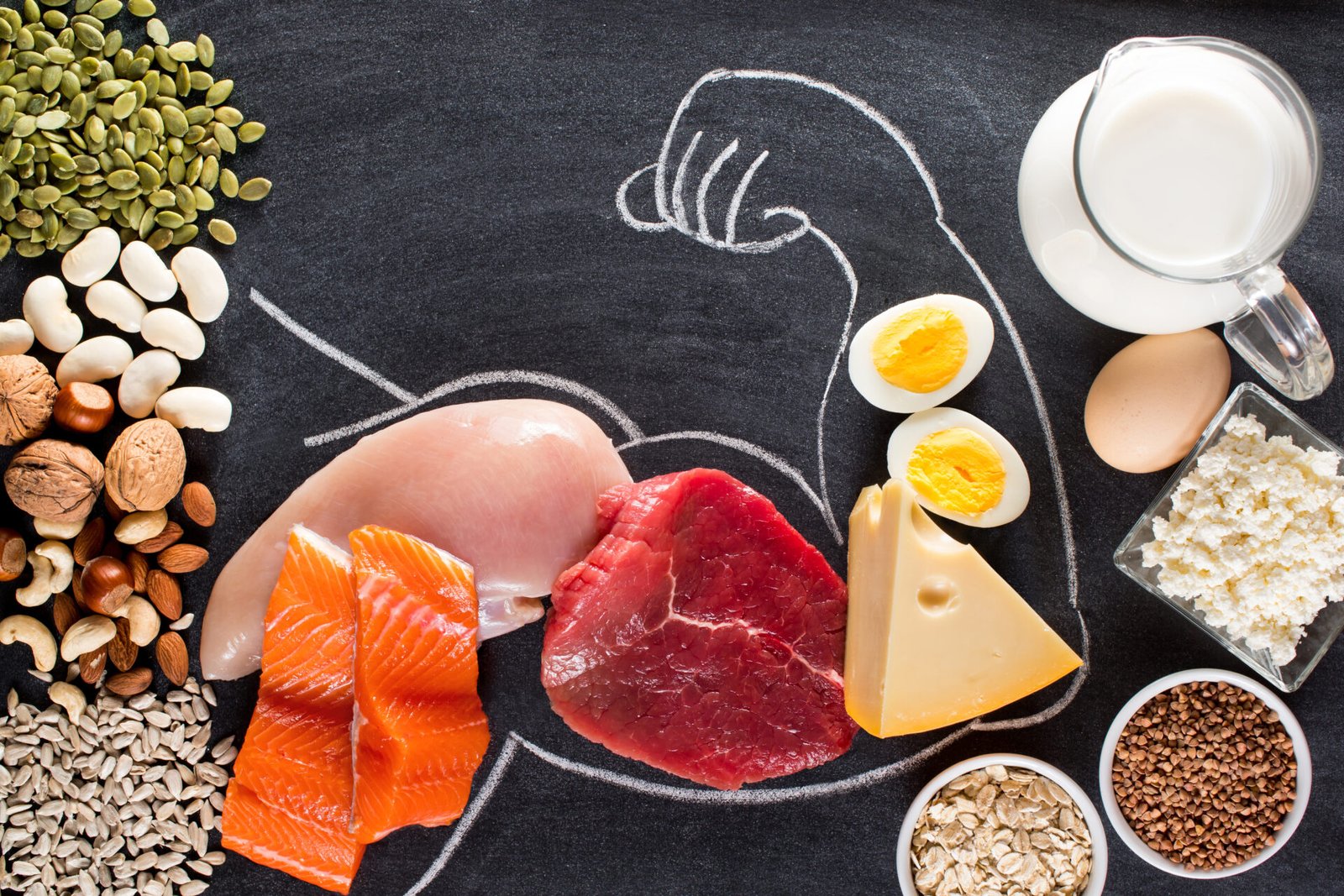
chicken and protein foods bodybuilding diet meal prep

He is right, of course. But if were as easy as simply eating more protein, then why not increase it to 1000g per day or higher? Well, because the human body just does not work like that.

Let's take his 600g per day as an example and see how much muscle someone consuming that much protein could expect to build over a year, if they were to synthesize all of that as muscle tissue.

What happens if you eat 600g of protein a day?

If a bodybuilder consumed 600g of protein per day and all of that protein were used exclusively for muscle protein synthesis [MPS] which, as we will see, is not realistic, we could estimate the potential muscle gain. Here is a rough calculation based on how much protein is required to synthesize muscle tissue:

This would suggest a massive muscle gain of 1.8 – 2.4 kg per day – an implausible scenario.

bodybuilder training on high protein diet muscle growth nutrition

If this extreme intake could indeed result in 1.8 – 2.4kg of muscle gained per day, over the course of a year, the total muscle gain would be:

Clearly, this is entirely unrealistic. In reality, the maximum natural muscle gain for even the most genetically gifted and dedicated bodybuilders is much lower – typically between six to 12 pounds per year (approximately 2.5 – 5.5 kg per year) under optimal conditions.

Why 600g of protein per day is inefficient

  1. Diminishing returns on protein: While consuming adequate protein is essential, excessive protein, beyond the body’s needs, does not result in linear increases in muscle mass. Studies suggest that protein intake well beyond 2.2 grams per kilogram (or roughly one gram per pound) does not contribute significantly to muscle gain.
  2. Excess protein is wasted: Consuming 600g of protein per day far exceeds what the body can use for muscle growth. The excess protein is either:
    • Converted to energy [carbohydrates] through gluconeogenesis if the body is in need of fuel.
    • Excreted as waste in the form of urea and contributing to unnecessary metabolic waste.
  3. Increased fat storage: Excess protein contributes to excess calories and, in a caloric surplus, this will likely result in fat gain rather than muscle gain, particularly if the body is already getting enough protein to support muscle growth.
  4. Logistical and financial unfeasibility: Consuming 600g of protein per day is not only impractical but also expensive. Even if someone could physically consume such an amount of protein, it may likely lead to digestive discomfort and will likely be financially unsustainable in the long term, given the cost of high-quality protein sources.
beef protein foods bodybuilding diet meal prep

How much protein intake to sustain one pound of muscle?

For competitive bodybuilders, the recommended protein intake falls within the range of 1.6 to 2.2 grams per kilogram of body weight (approximately 0.7 to 1.0 grams per pound of body weight) per day. This range supports muscle growth, recovery and the maintenance of lean body mass during intense training and competition preparation.

Each pound of muscle requires 0.9 – 1.8 grams of protein per day to survive and maintain itself. However, dietary protein intake must be higher to meet overall bodily demands and ensure sufficient protein is available for muscle maintenance. This is why protein recommendations for active individuals are often set at 1.6 – 2.2g/kg/day (0.7–1 g/lb of body weight).

Just 6g of daily protein needed in order to build 24lbs a year?

There is, in reality, seriously little protein used for muscle protein synthesis per day. And as we are about to show, using a little as six grams for MPS per day can result in a gain of 24lbs of muscle per year.

Assumptions:

  1. Composition of muscle: Skeletal muscle tissue is about 75% water, 20% protein and 5% other components (eg. glycogen, lipids, minerals).
  2. Muscle protein content: Each kilogram of muscle contains approximately 200 grams of protein (20% of its mass).
  3. Time Frame: 1 month = approximately 30 days.

Calculations:

1. Protein needed for muscle gain:

For each kilogram (or pound) of muscle gained:

So gaining 0.5 – two pounds of muscle requires synthesizing approximately:

2. Daily protein synthesis:

To distribute the required protein synthesis over 30 days:

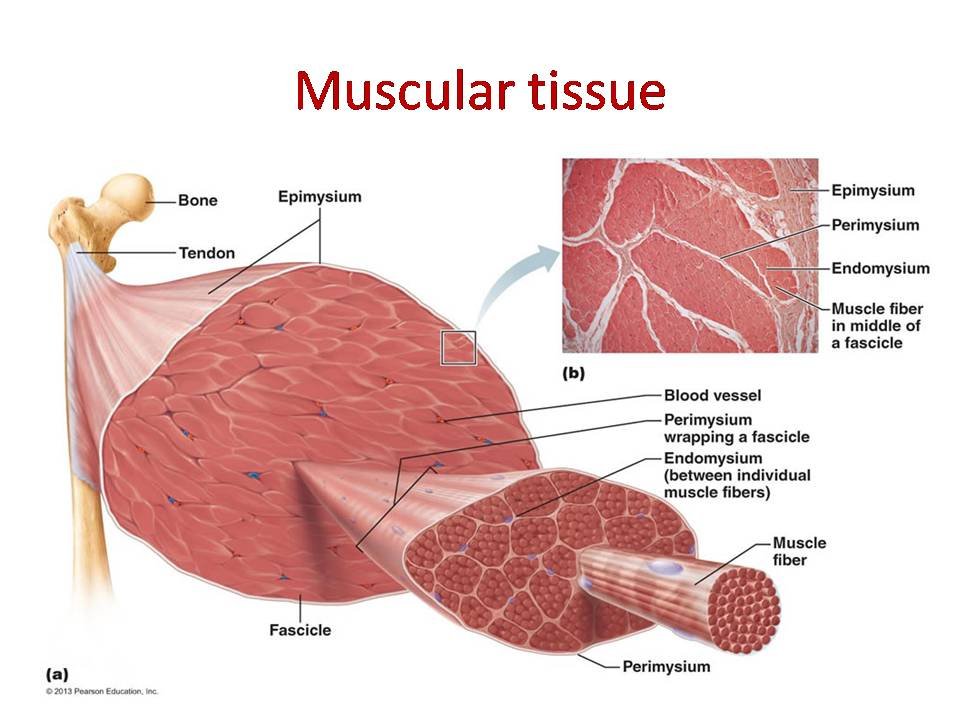
what muscle is made of diagram

Summary:

To gain 0.5 – two pounds of muscle per month:

Clarifying the Calculation:

  1. Theoretical protein synthesis:
    • If six grams of protein are synthesized into muscle daily, that equals: 6 g/day × 365 days/year = 2,190 g of protein
    • Since muscle is 20% protein, this translates to: 2,190 g divided by 0.2 = 10,950g (10.95 kg) of muscle/year.
    • This is approximately 24 pounds of muscle a year.

Most of us are not gaining 24lbs of lean muscle per year. We might be gaining well above 24lbs in our off-season. But after a competition prep, very few are 24lbs heavier than the last time they stepped on stage. So in reality, all that protein you have paid for and scoffed down has been used for a lot of other things aside from actually building muscle. All of which makes it appear to be a waste of money to set your protein intake at the top end of the scale and beyond. It seems excessive protein just turns out to be expensive carbohydrates.

Sources:

Phillips, S. M., et al. (2009). "Dietary protein and muscle mass: translating science to application and health benefit." Nutrition Reviews, 67(6), 402–410.

Maughan, R. J., et al. (2004). "Muscle Protein Turnover and Exercise." The Journal of Physiology, 554(Pt 3), 613–623.

MORE FROM FRONTDOUBLE:

BODYBUILDING RESULTS

ATHLETE PROFILES

HEALTH AND EDUCATION HUB
Leave a Reply

Your email address will not be published. Required fields are marked *

Bodybuilding contest prep tips

Contest prep in bodybuilding isn’t just about training – it’s about adherence. These simple tips from Men's Physique athlete ADAM NUGENT can help you stay on track and make your prep easier.

PREPPING for a bodybuilding show is easy, or at least the foundations of the prep are easy. The difficulty lies in the adherence to your plan and the self discipline required. But there are things you can put in place to reduce the want to venture outside of your plan.

So here are my three key tips to making your prep as easy as possible.

Food choices during contest prep

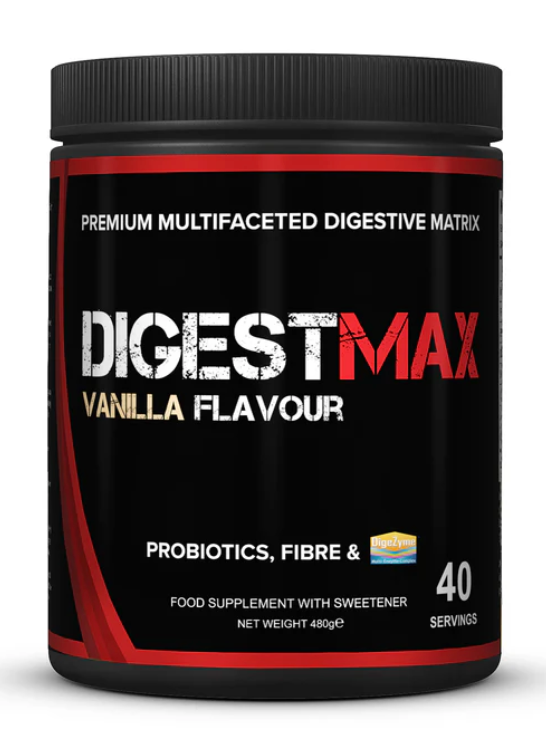
Strom Digest Max bodybuilding contest prep diet meals physique

Structuring meals for adherence

bodybuilding contest prep diet meals physique Adam Nugent

Keeping your diet sustainable

As an added extra, another tip that can be extremely beneficial for most athletes is to prep your meals ahead of time. Most of us don’t have the time to make every meal fresh. So batch-cooking your meals will take away the unnecessary stress of cooking four, five, six times a day. This will also help to free up more time to spend with your family and friends. Or keep up with other tasks you can’t afford to let slip while prepping for your show.

These are just a few of the ways you can improve adherence and make your prep much simpler. The main thing is to find a method that works for you and stick with it.

Adam Nugent's column is In association with Strom Sports

MORE FROM FRONTDOUBLE:

BODYBUILDING RESULTS

ATHLETE PROFILES

HEALTH AND EDUCATION HUB

Why You’re Not Building Muscle: 3 Killers of Muscle Growth

Genetics in Bodybuilding: What they really mean

Leave a Reply

Your email address will not be published. Required fields are marked *