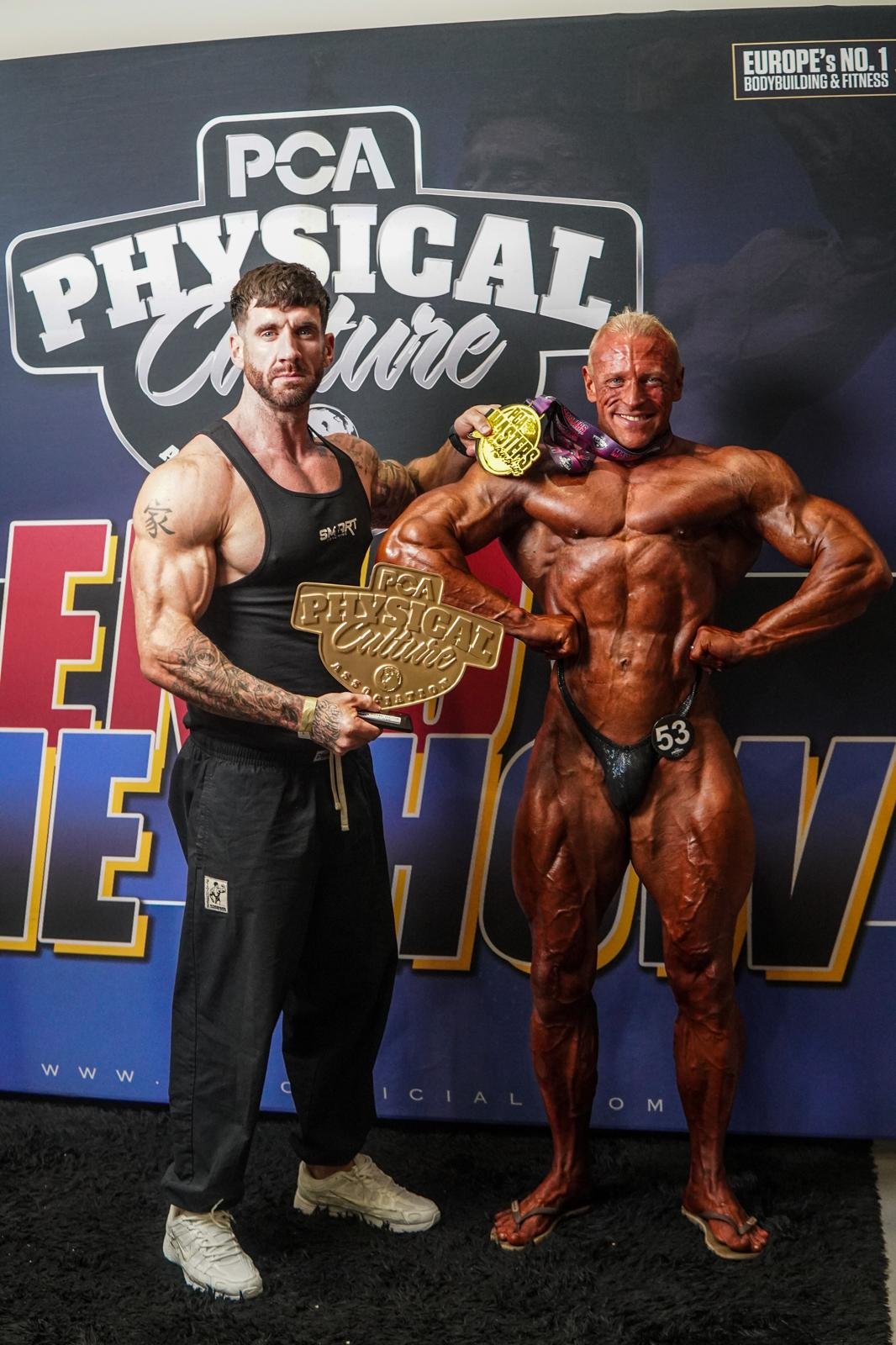
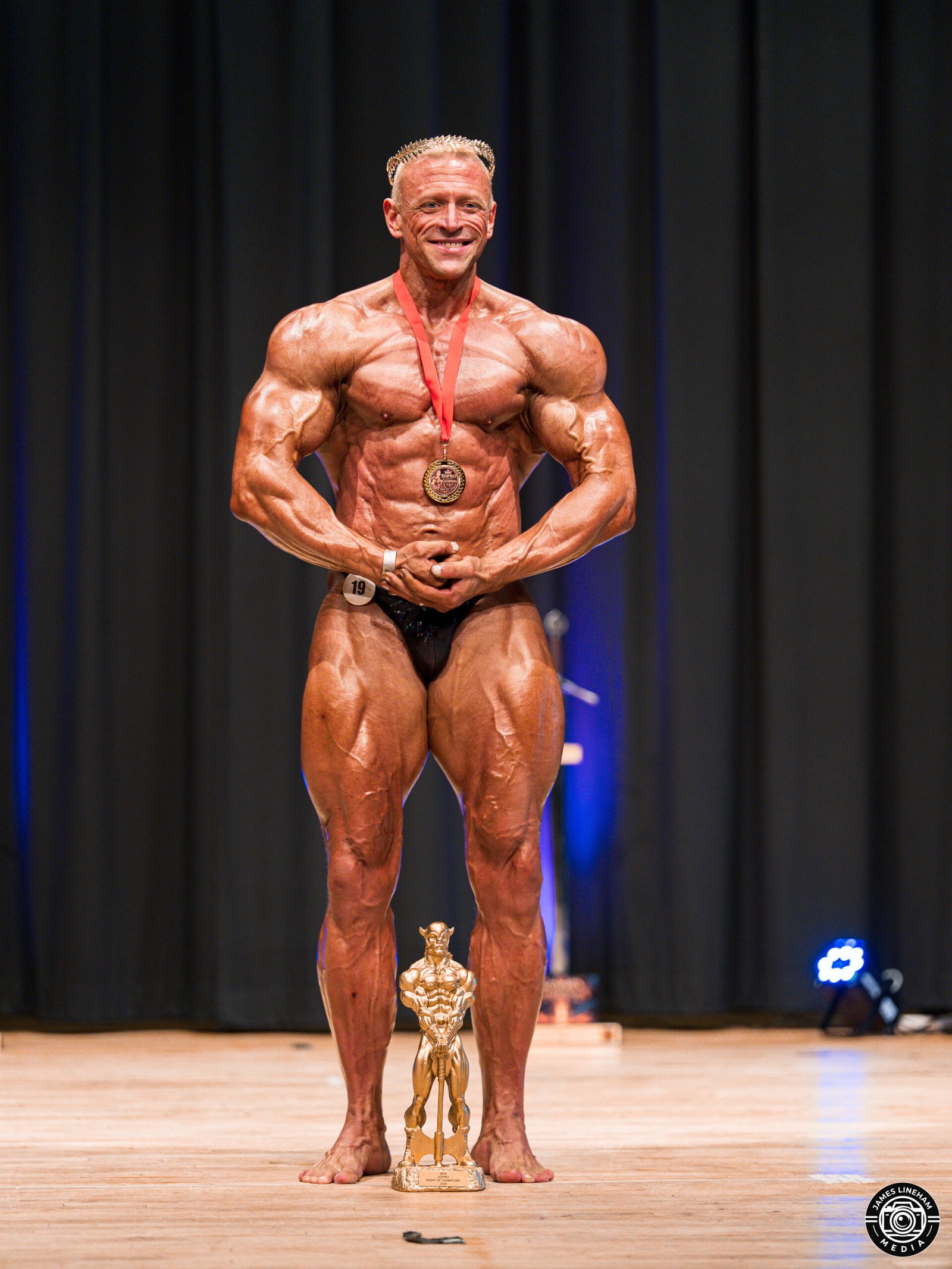
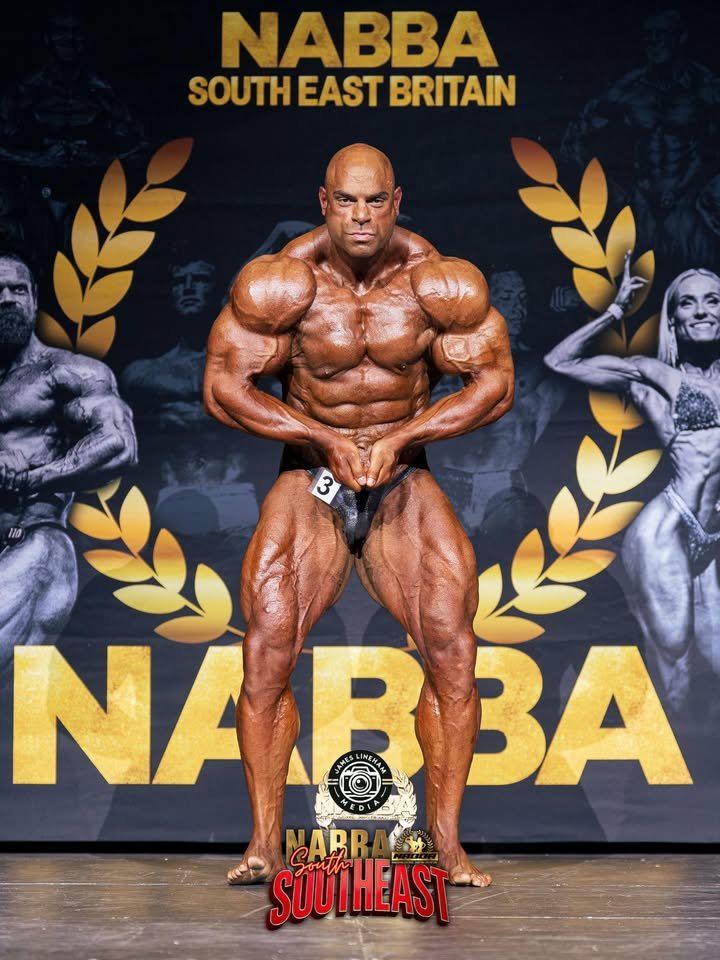
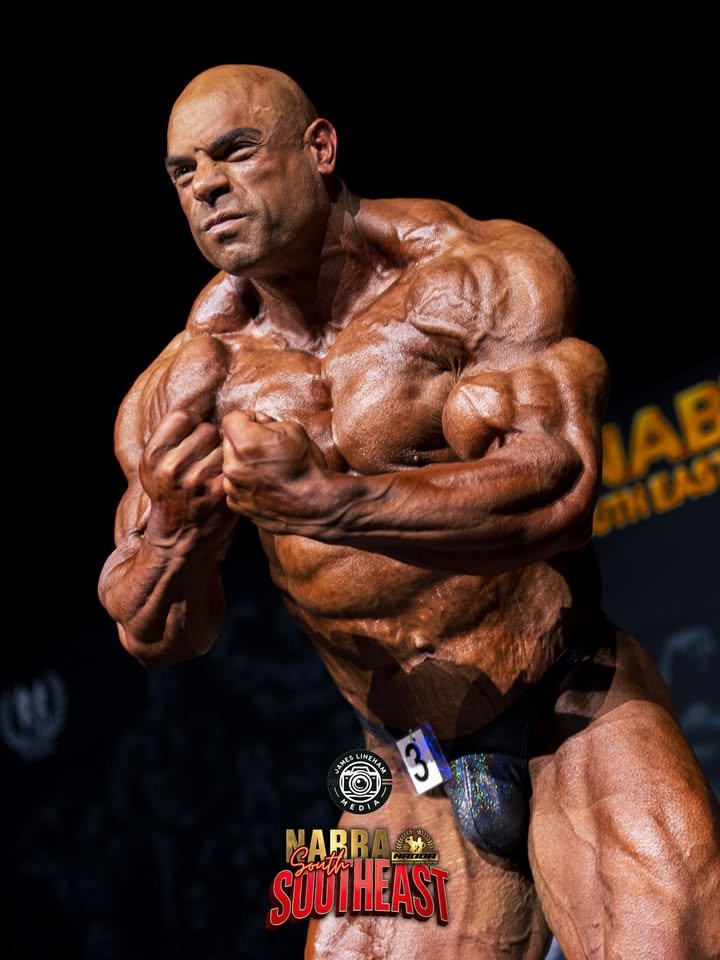
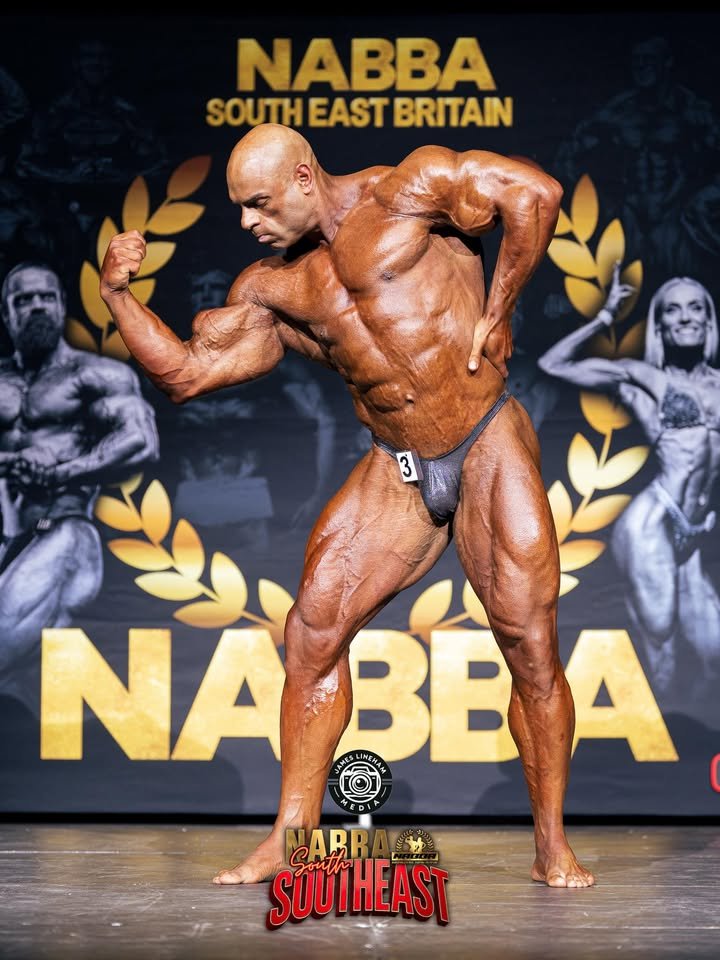
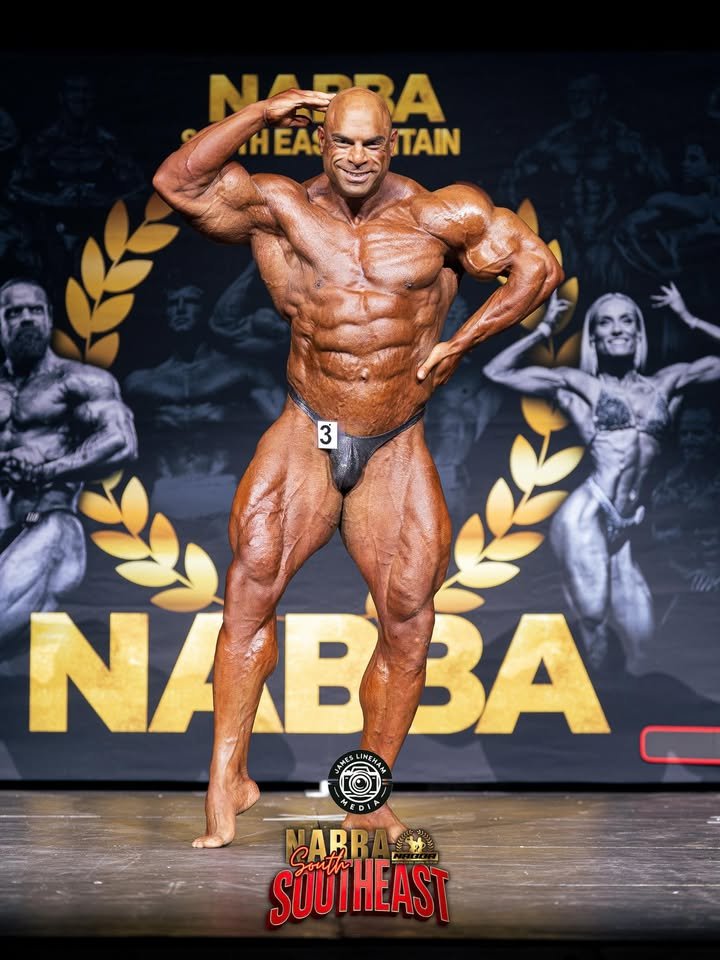
Sasan Heirati wins FIBO 2026: “We’re going back to the Olympia”

Sasan Heirati secured early Mr Olympia qualification with victory at FIBO 2026, declaring ‘it feels unreal’ after his first-place finish in Germany

By Gary Chappell

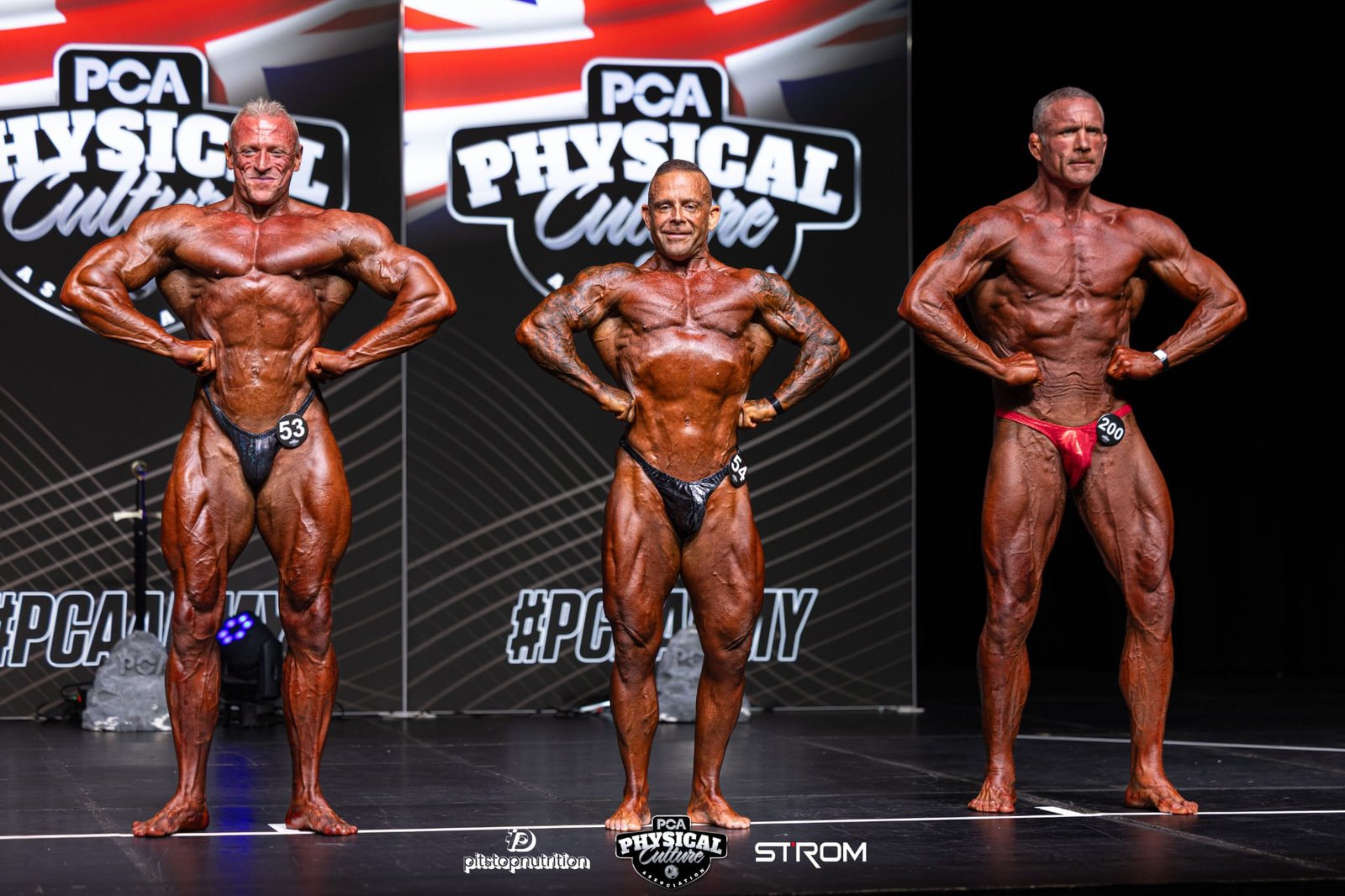
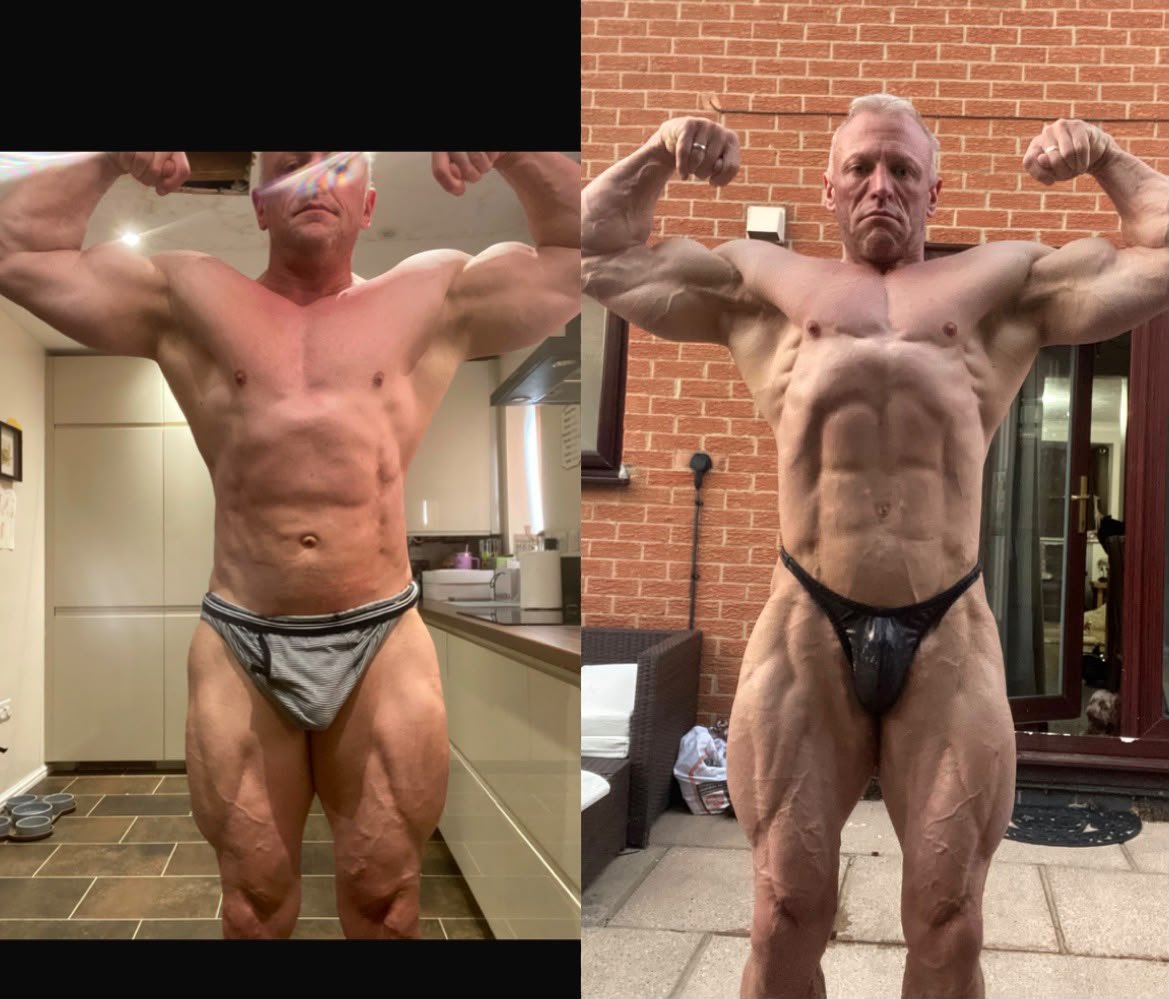
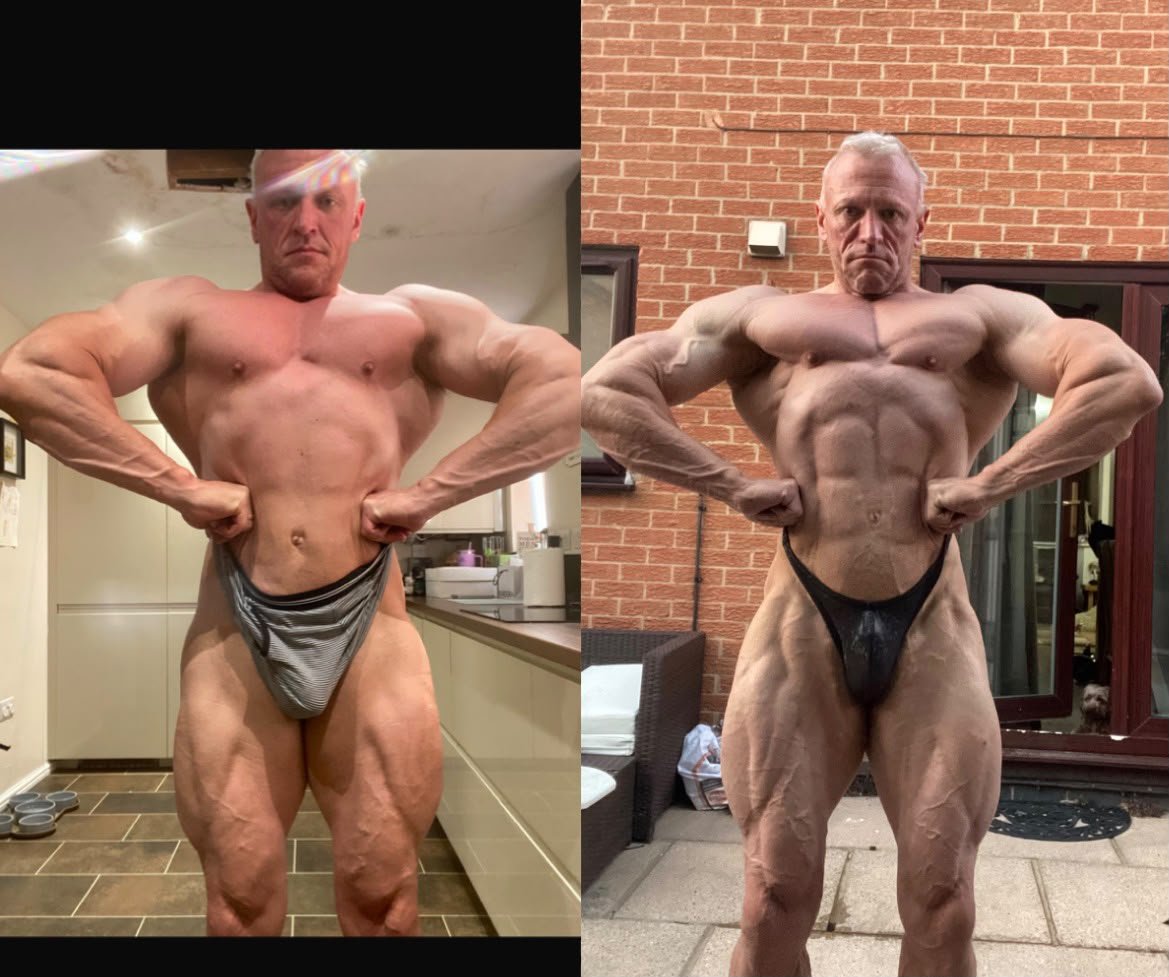
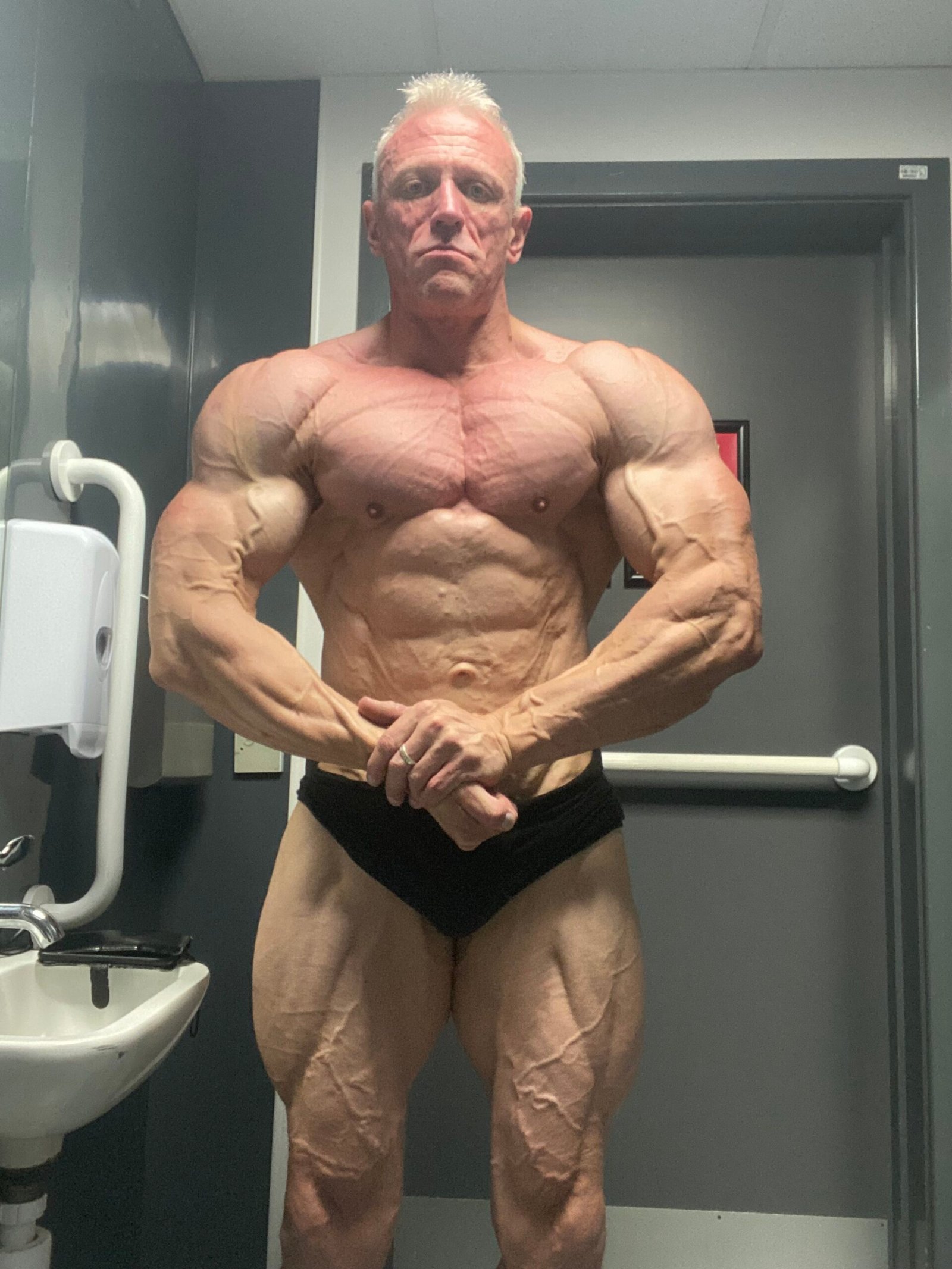
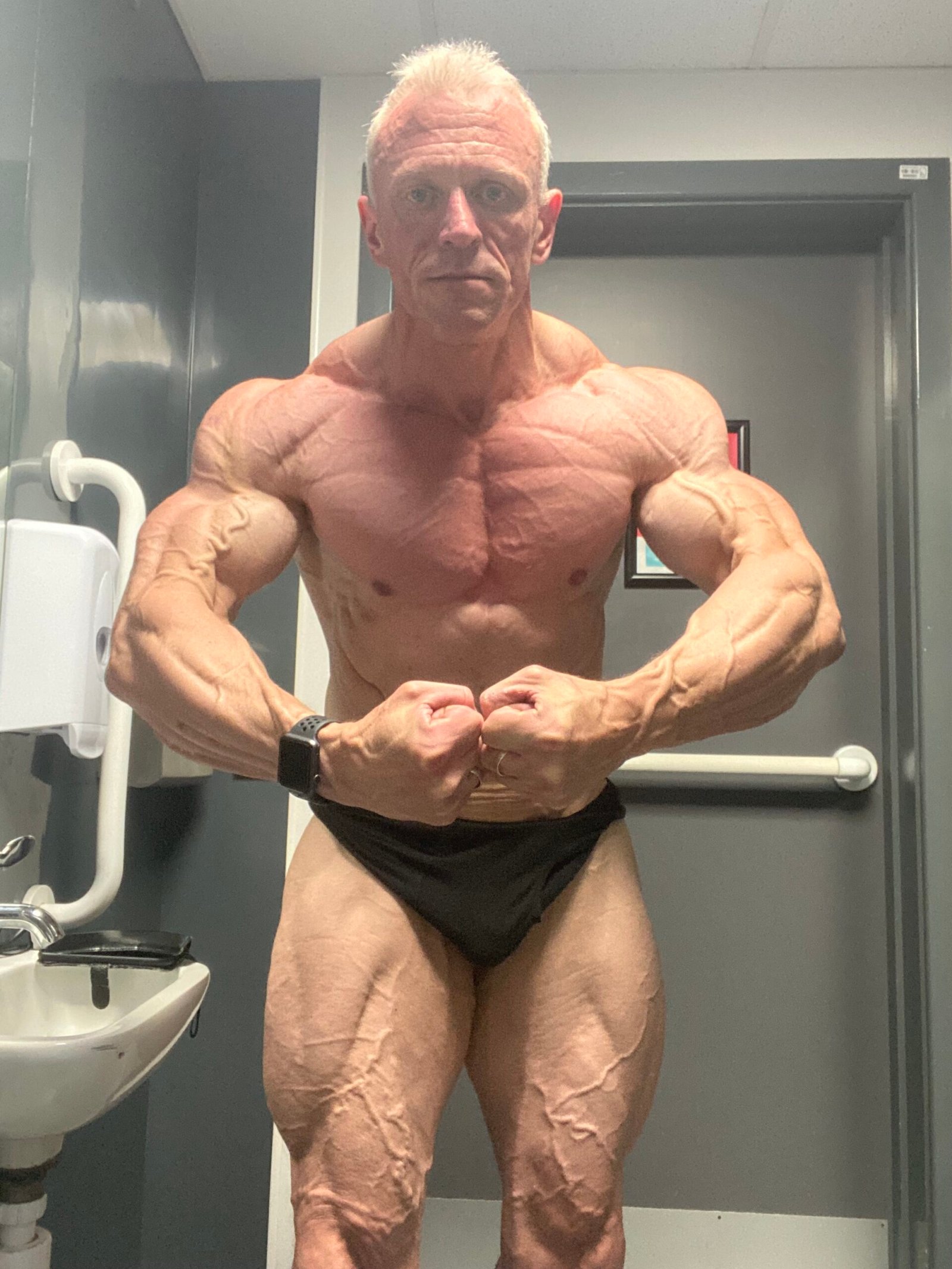
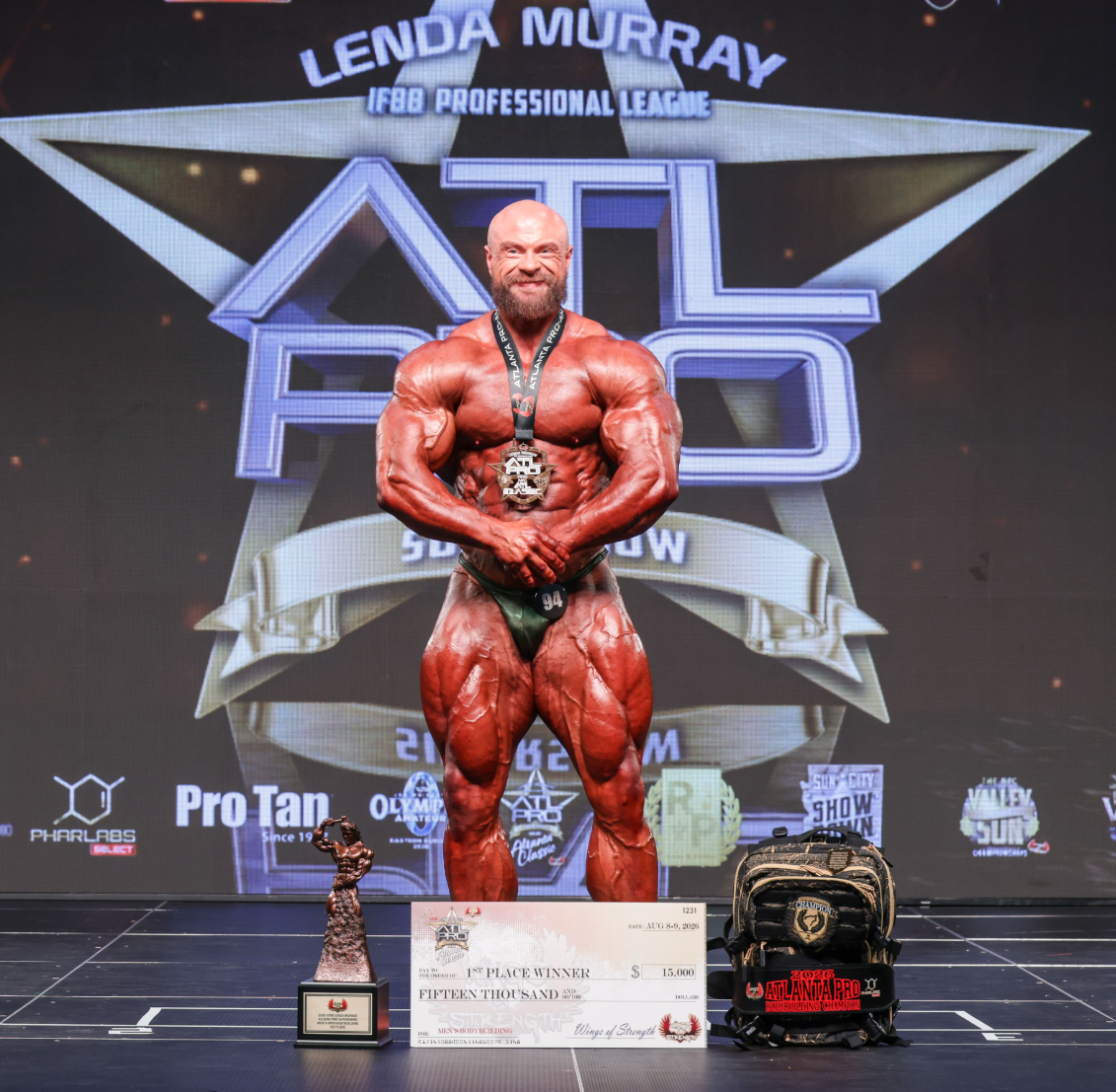
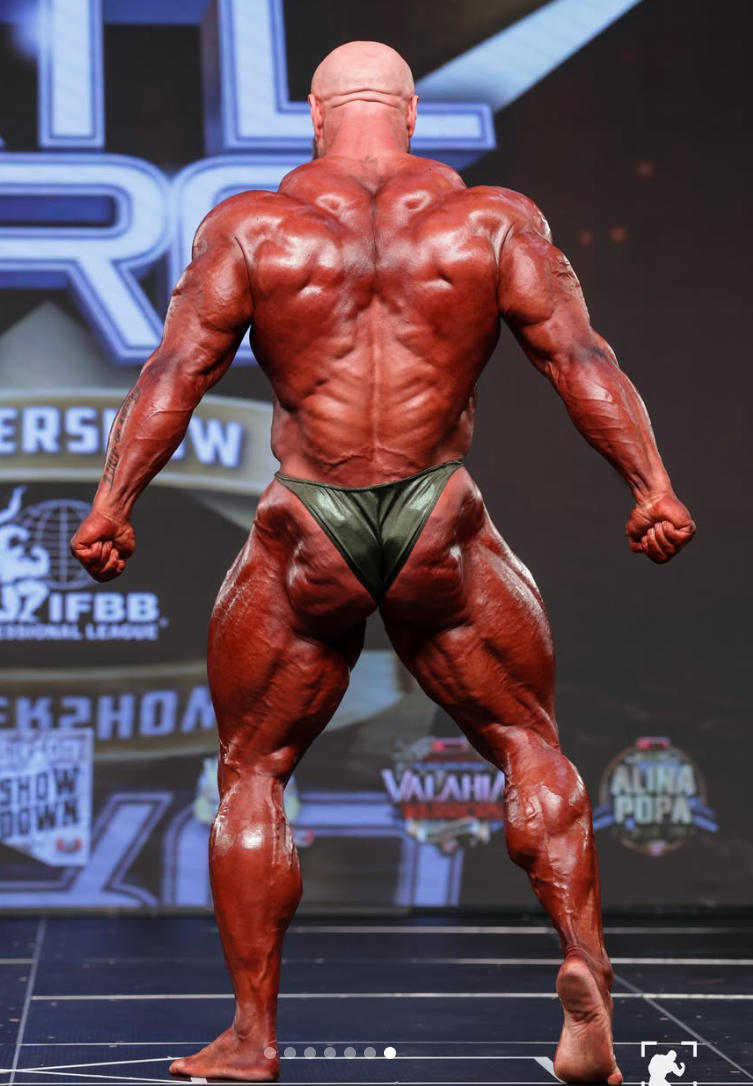
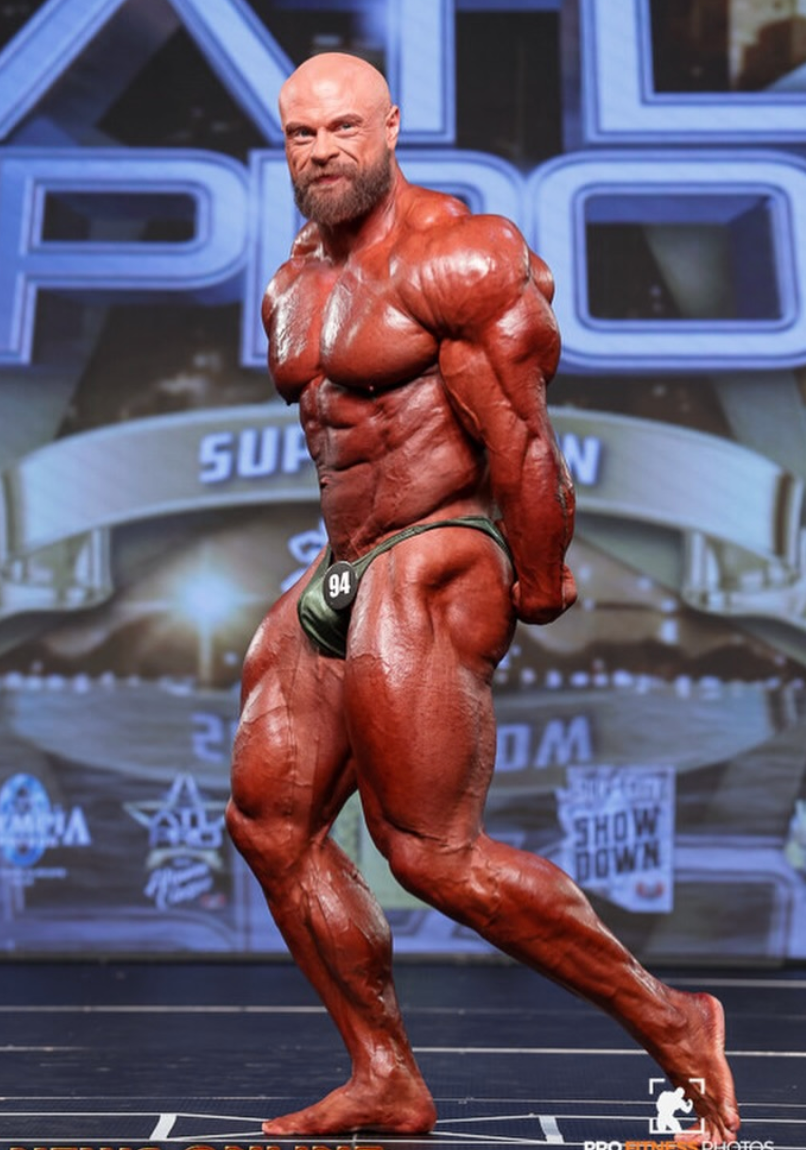
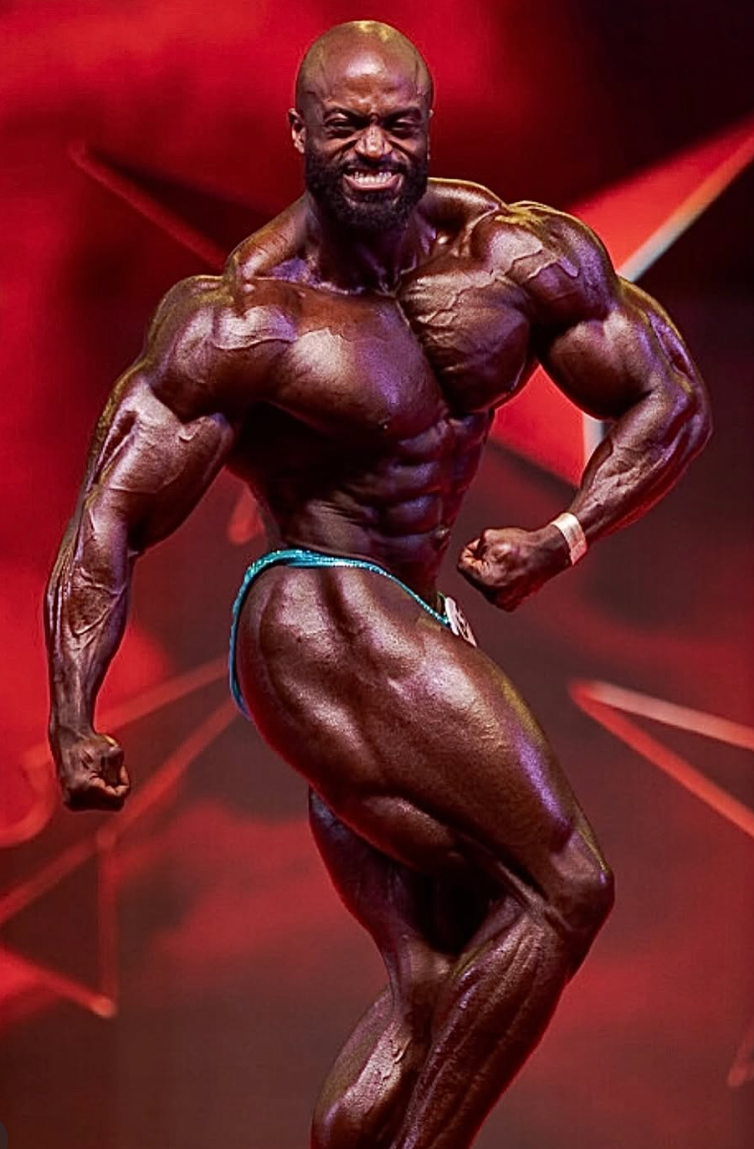
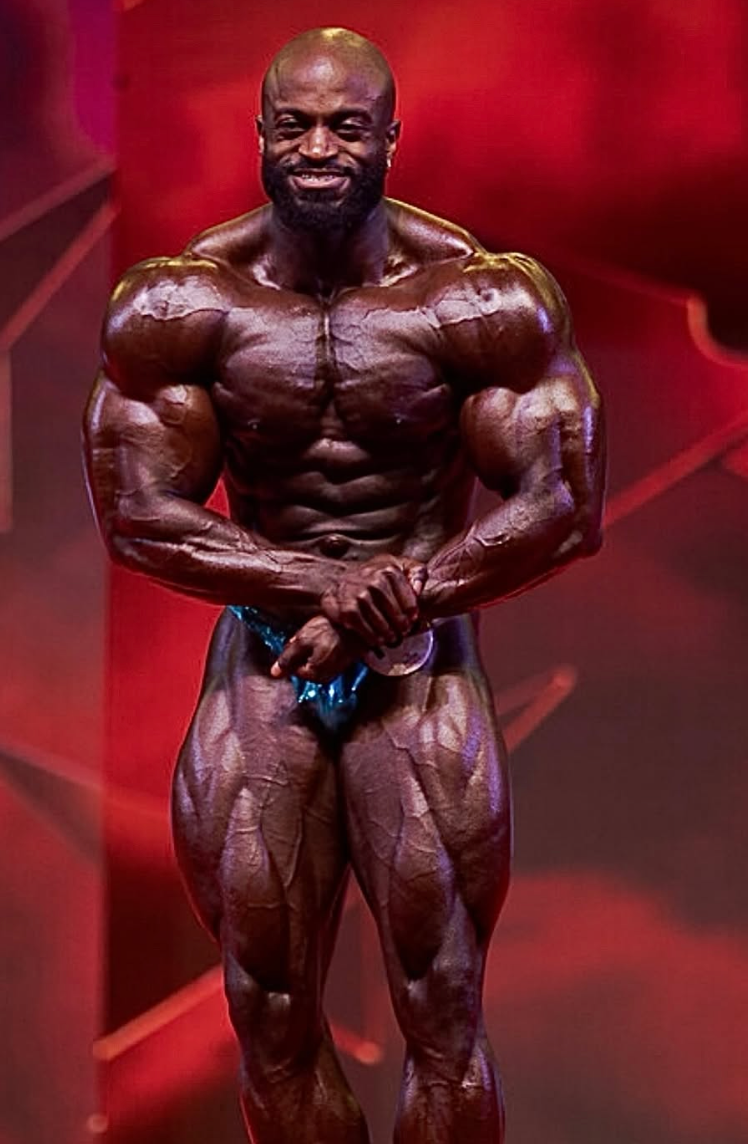
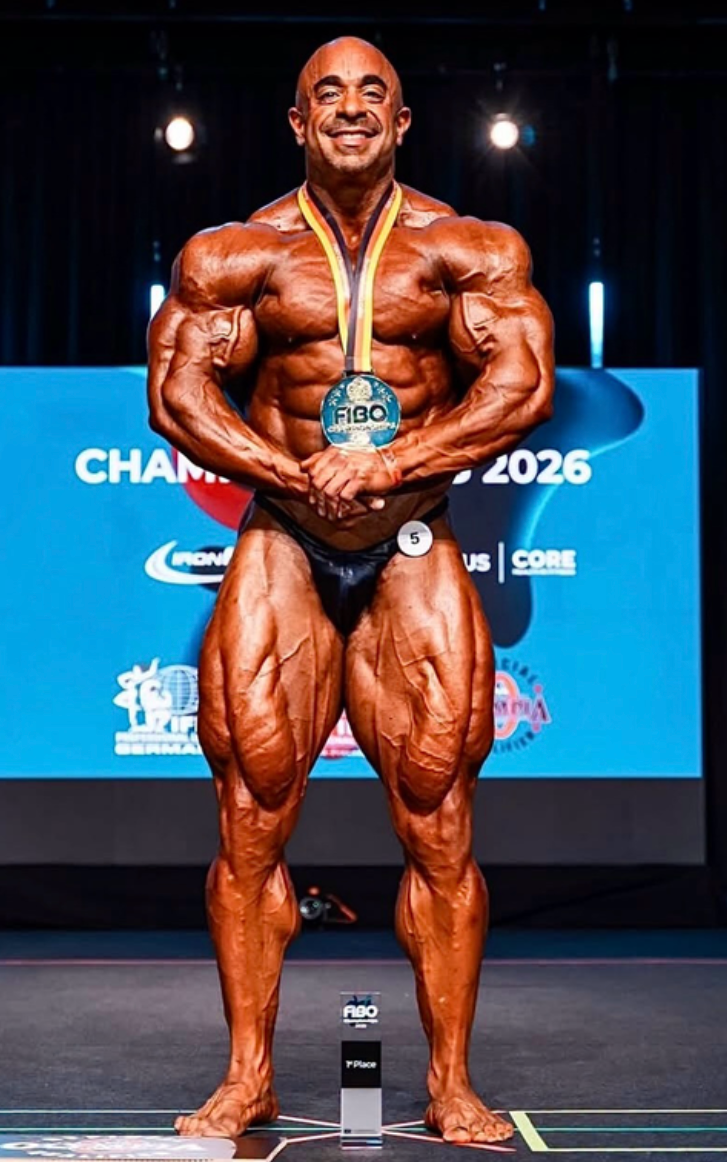
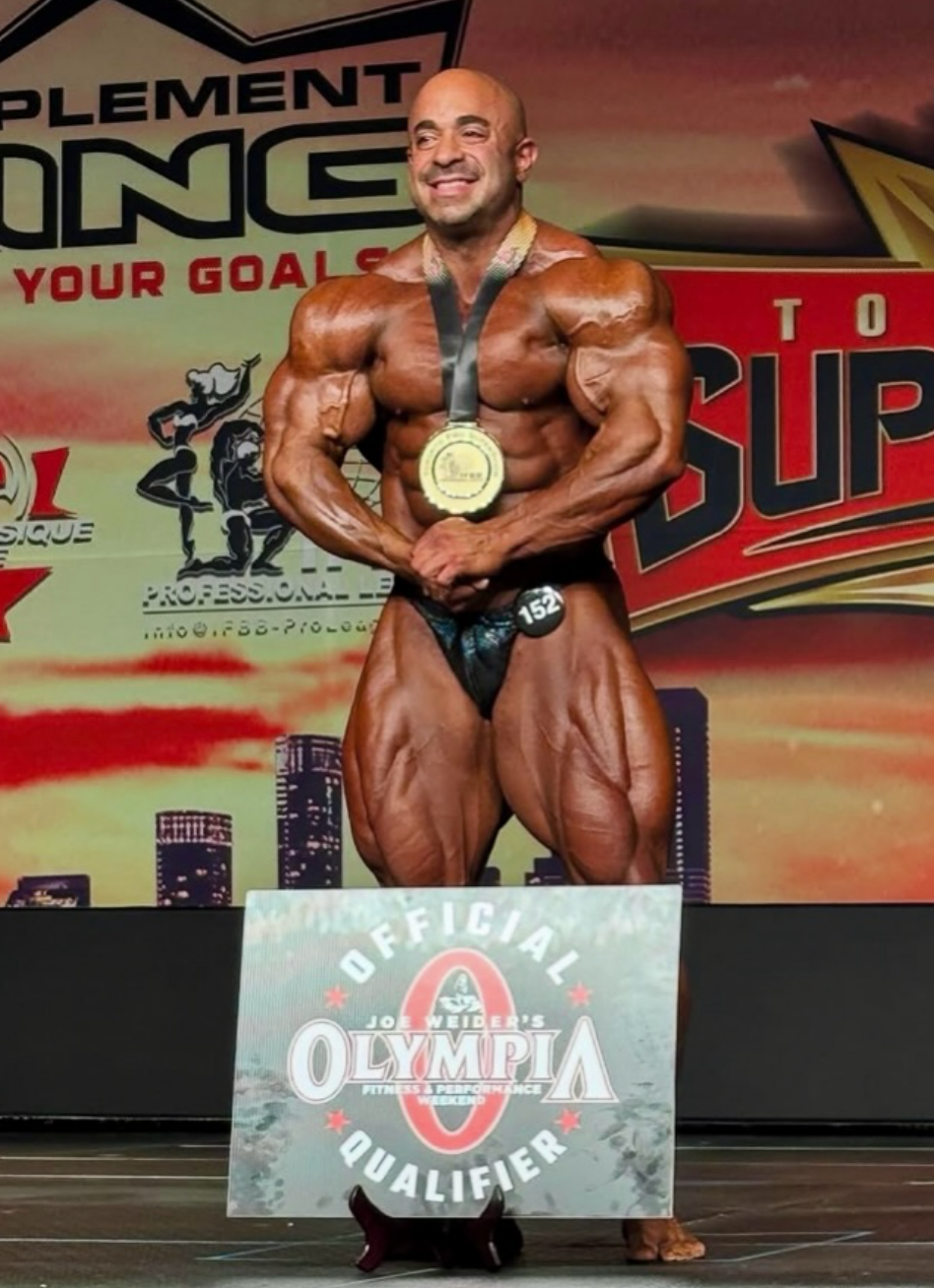
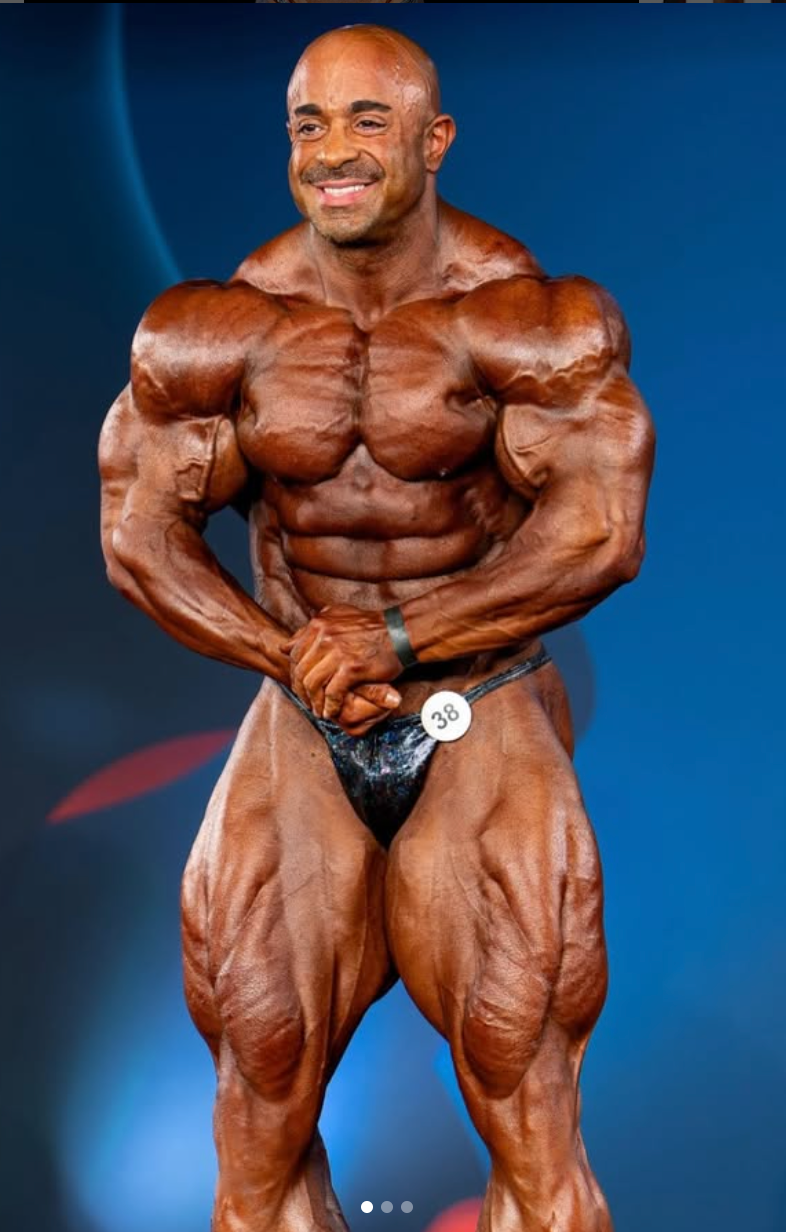
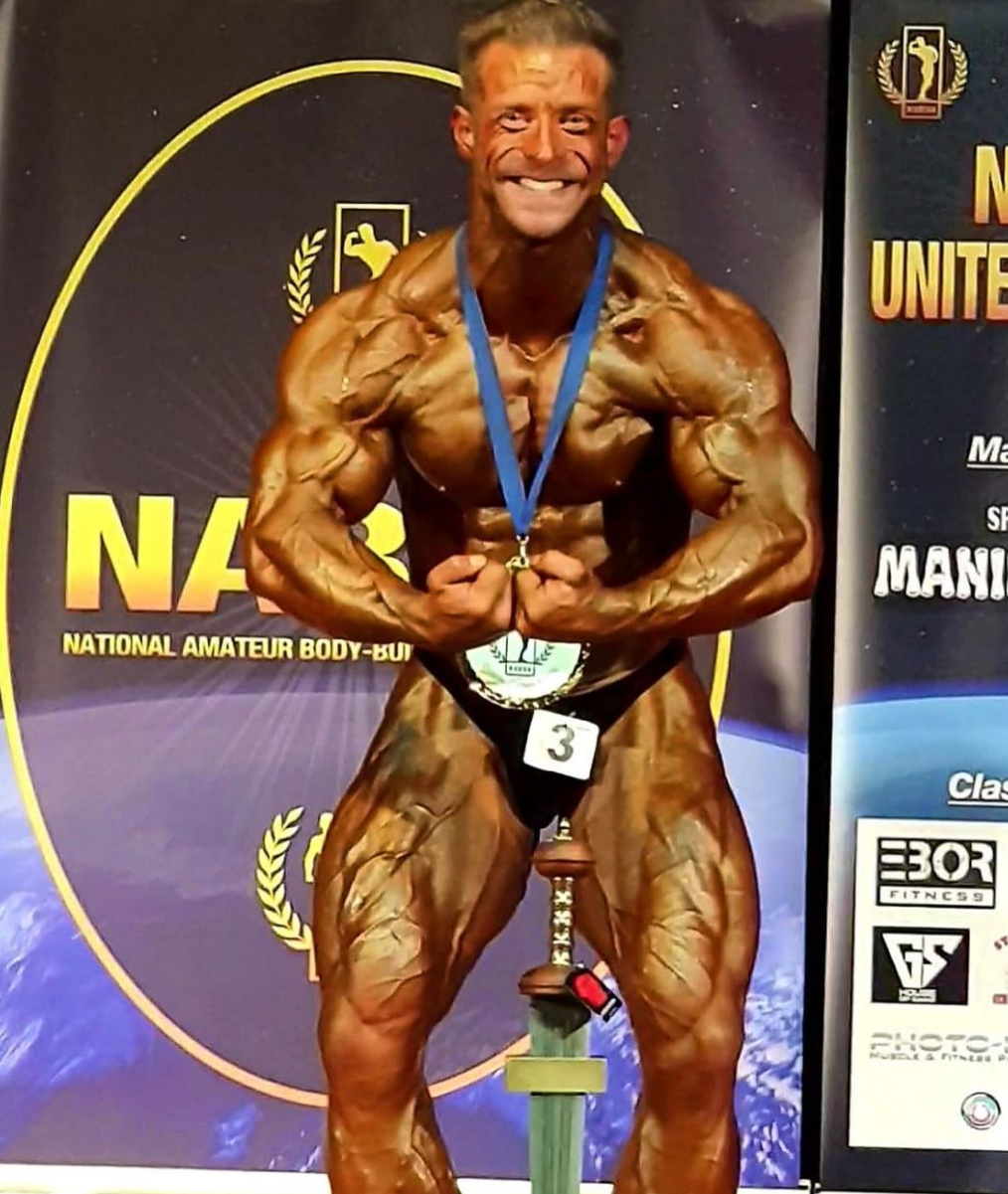
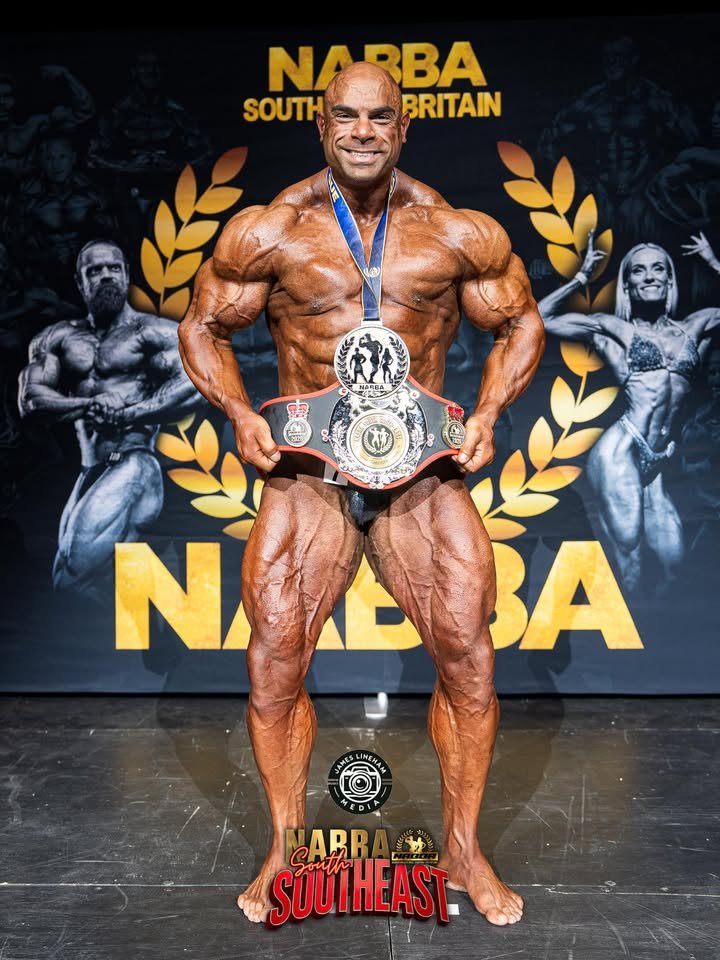
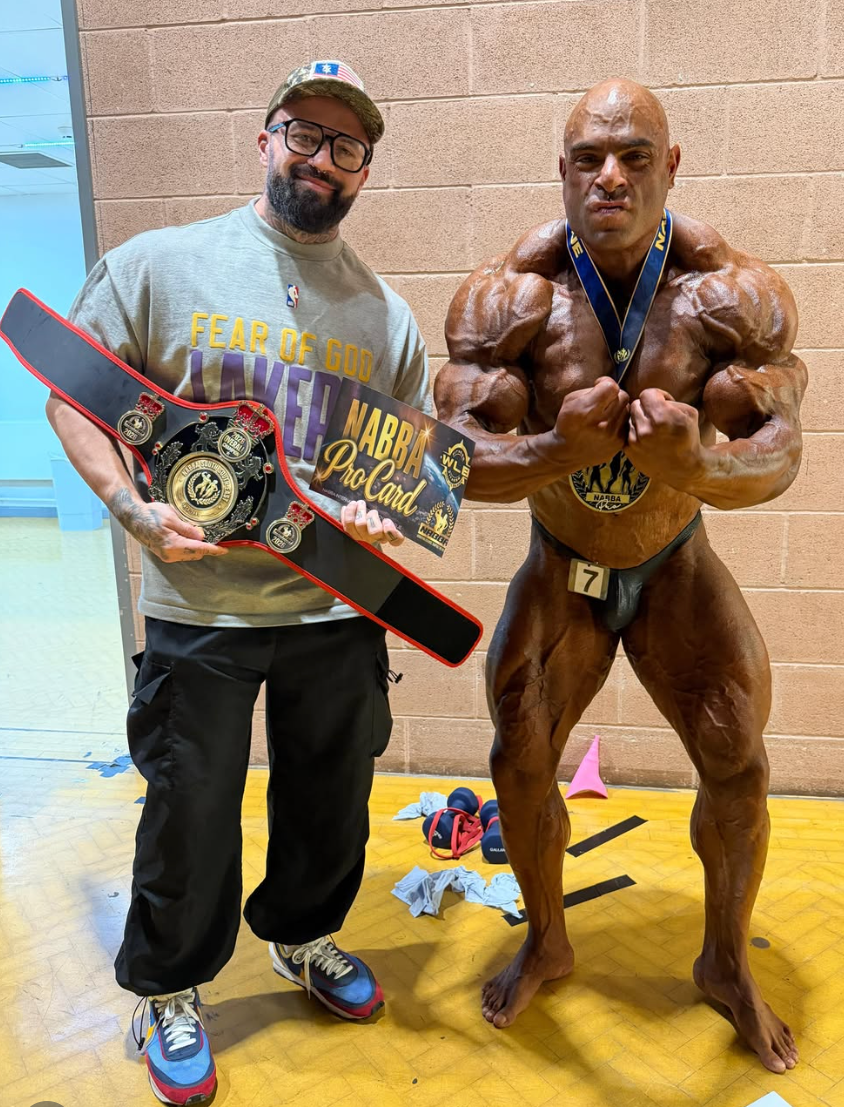
SASAN HEIRATI has qualified for the Mr Olympia after winning the 2026 FIBO Pro in Germany – securing his place on bodybuilding’s biggest stage far earlier than last season.

Heirati, who qualified for the Olympia in 2025 following a string of strong performances, returned to FIBO this weekend and went one better than last year’s runner-up finish. This time, he took the title.

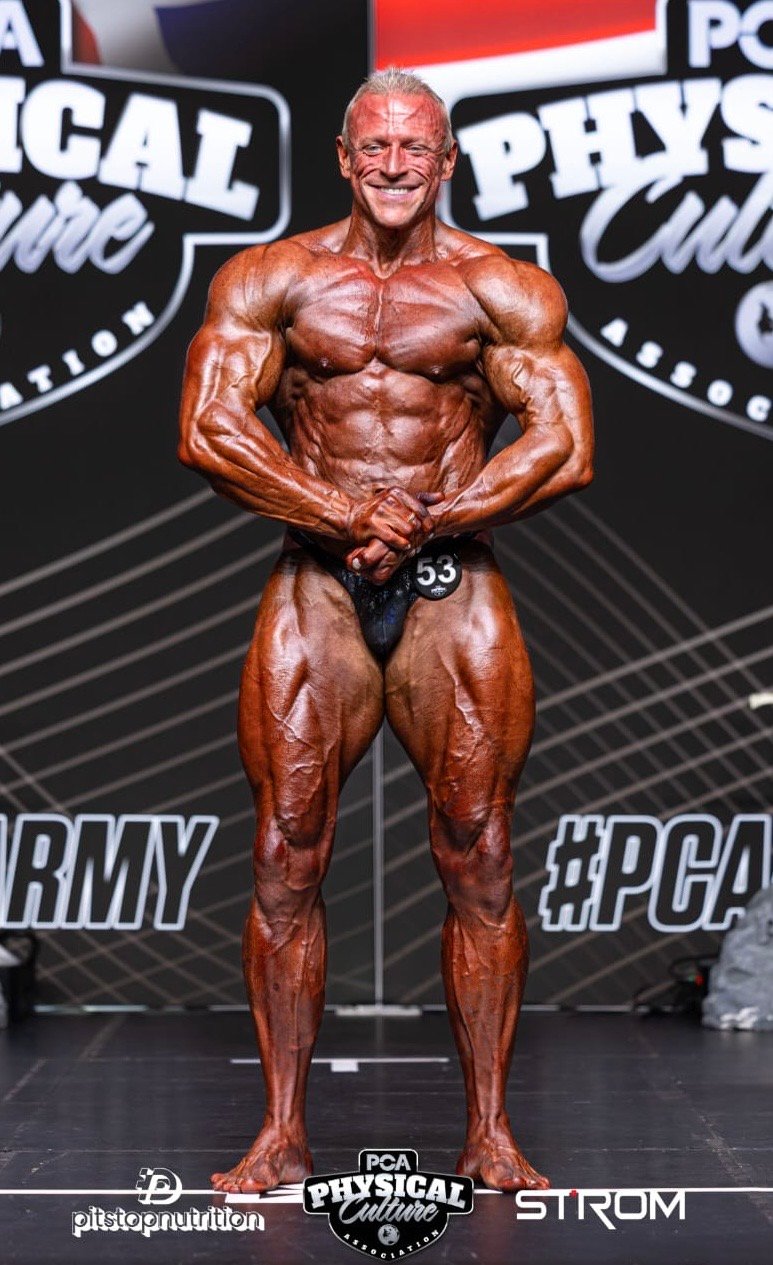
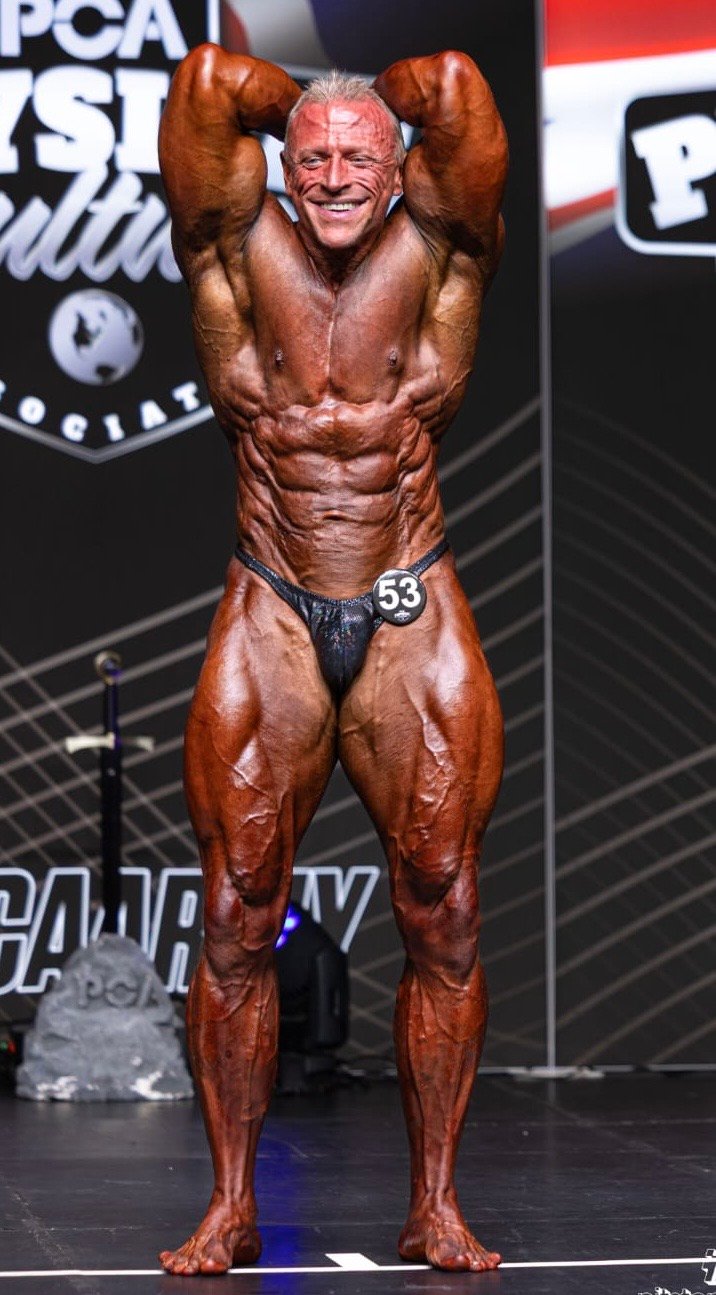
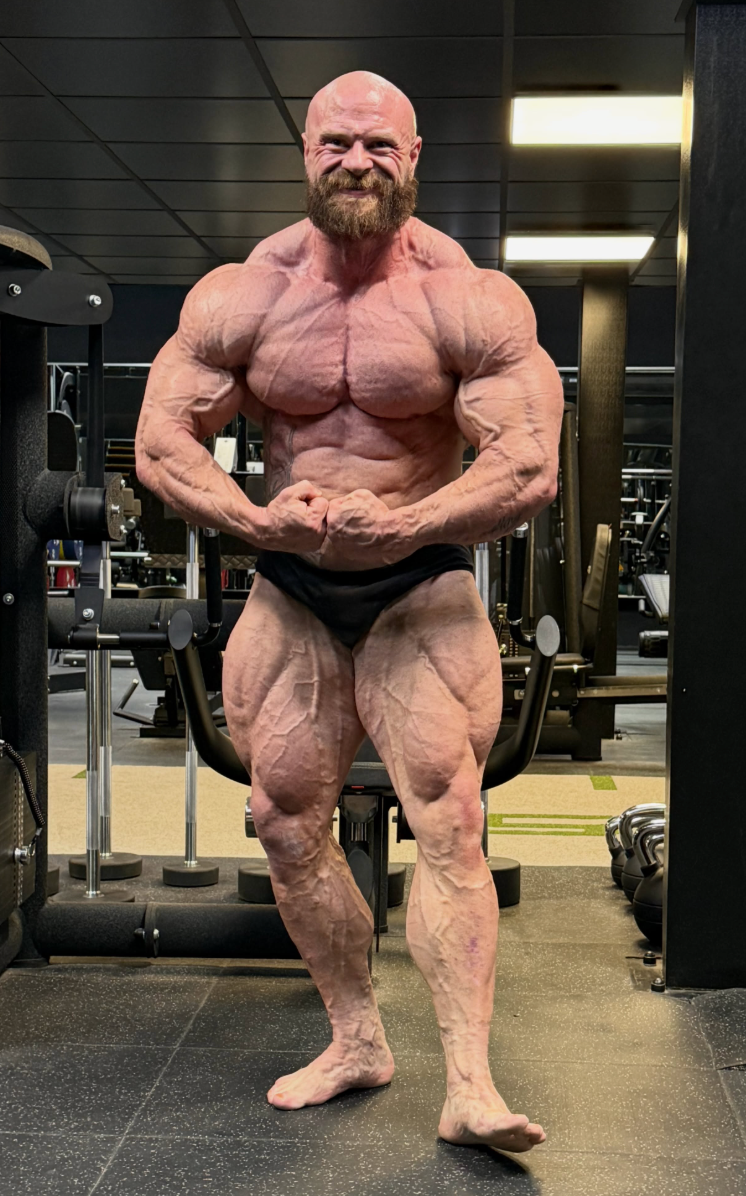
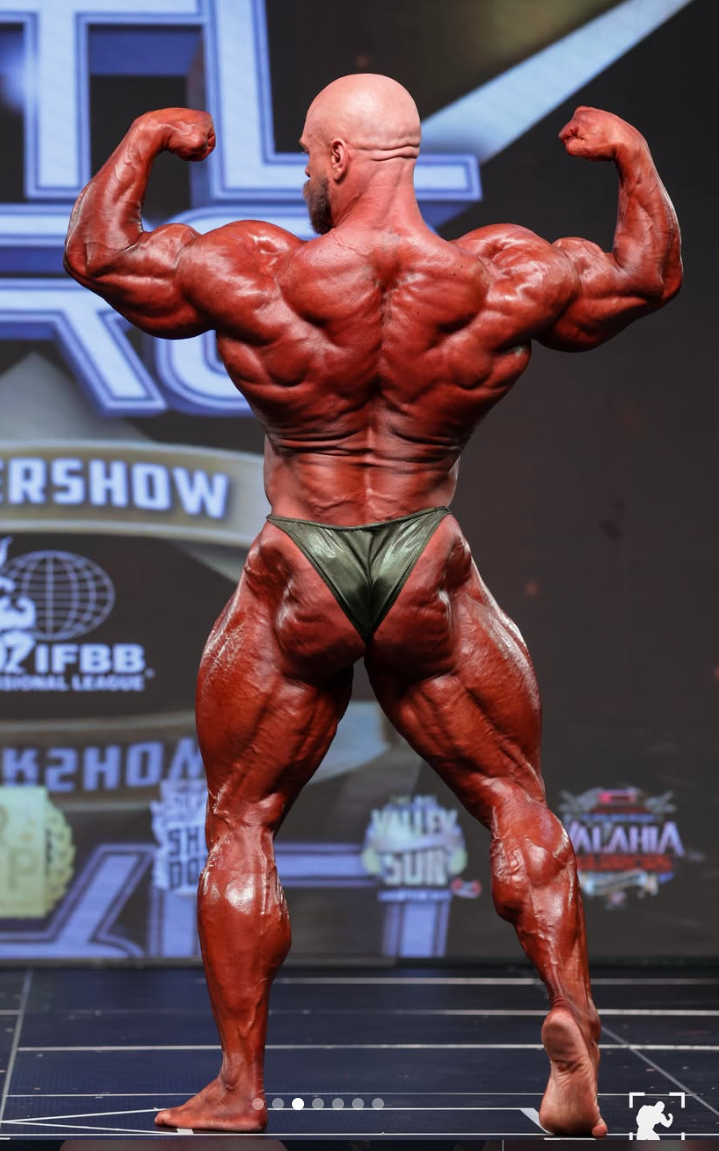
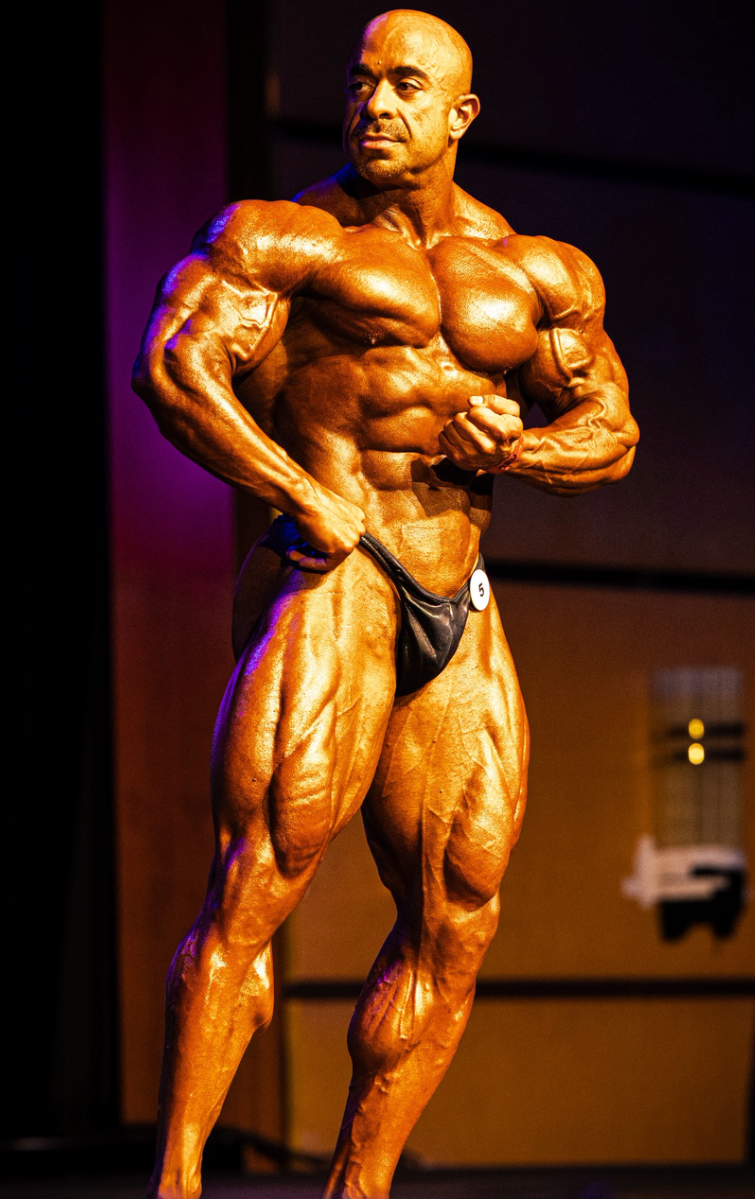
Footage emerging from the event described the performance as an “absolutely lights-out showing”, as the Briton delivered what many are already calling his best package to date.

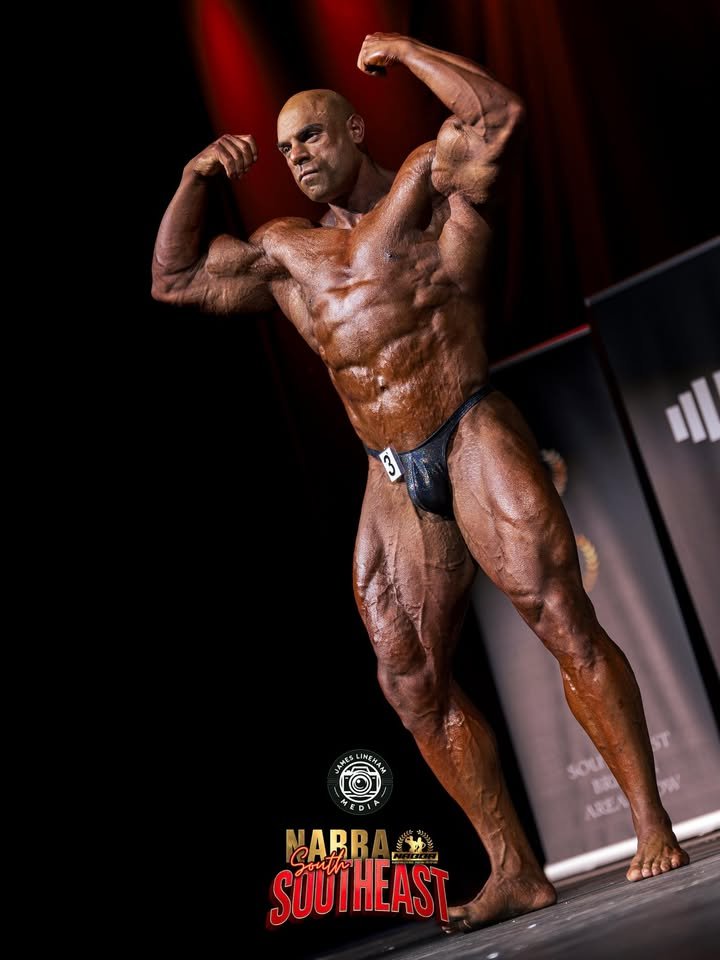
Sasan Heirati FIBO 2026 winner bodybuilding Olympia qualification stage Germany

A step forward from 2025

Twelve months ago, Heirati pushed hard but fell just short at FIBO, finishing second. That result formed part of a run that ultimately saw him qualify for the Mr Olympia later in the season.

Now, there is no waiting. No chasing. No near misses. Just qualification, secured in April.

Writing on social media, Heirati said: "We’re going BACK to the OLYMPIA!! First place at FIBO Germany last night and it feels unreal."

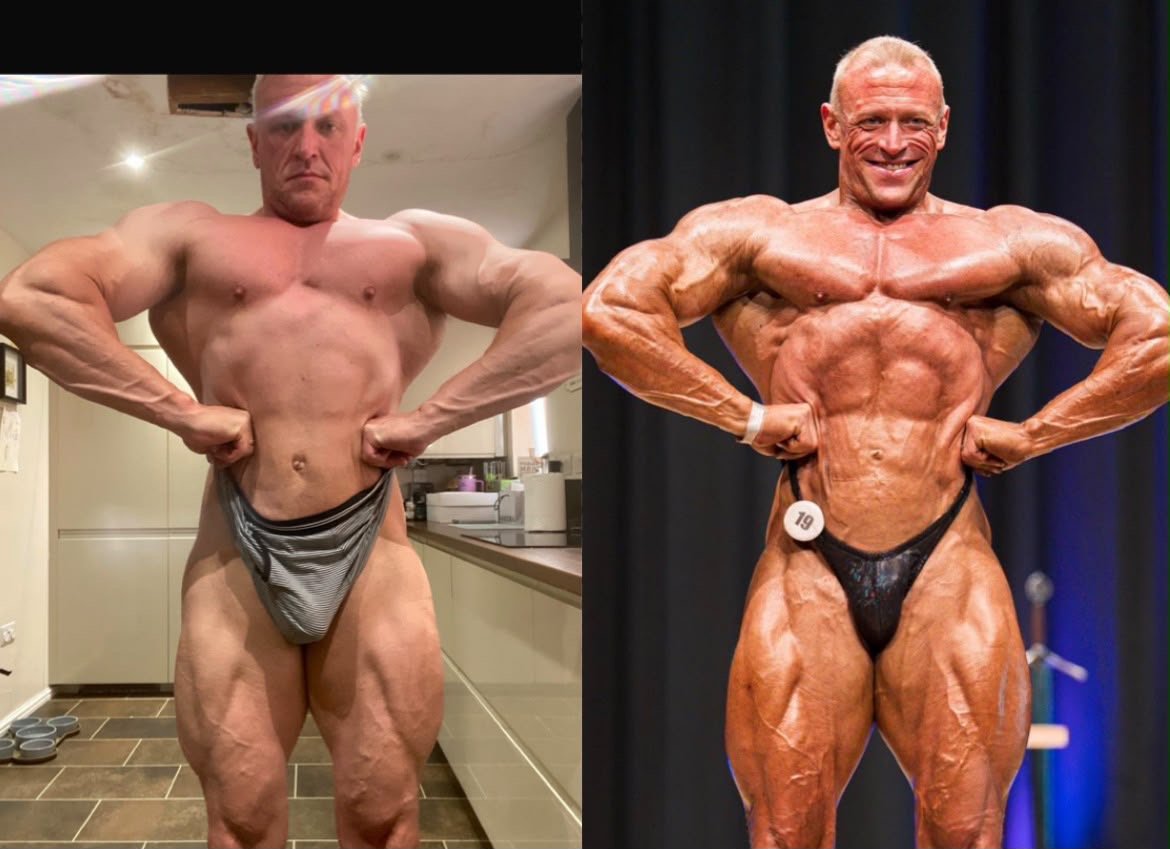
Heirati’s rise has been built on steady improvements in condition and presentation, but this showing felt different.

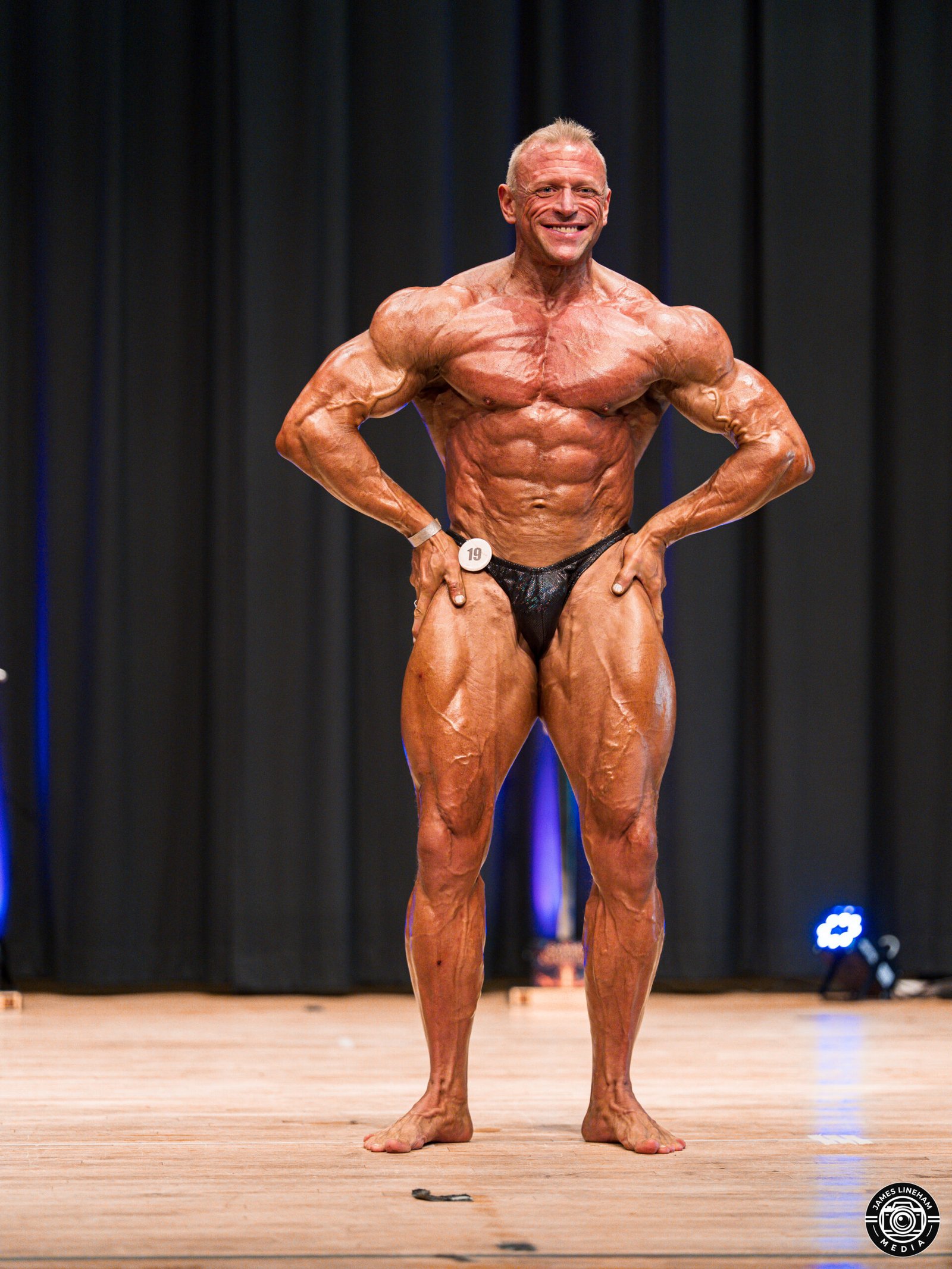
Where previous contests saw him edged out, this time the overall package, size, condition and shape, appeared to land decisively in his favour.
And with qualification already secured, the focus now shifts entirely to refinement.

Sasan Heirati FIBO 2026 winner bodybuilding Olympia qualification stage Germany

Olympia focus begins now

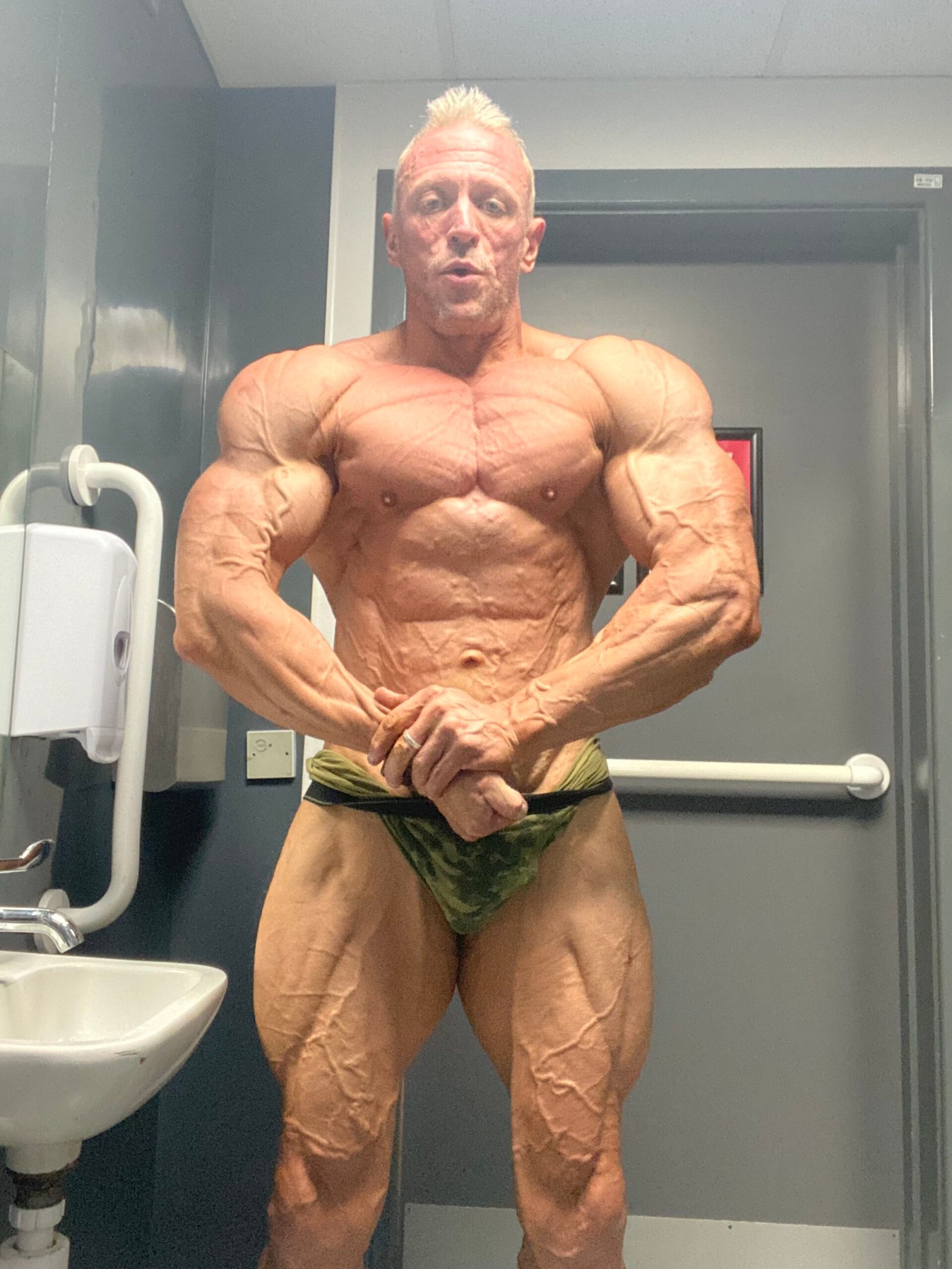
At 39, Heirati has previously suggested his competitive window may be limited. That makes moments like this count even more.

Instead of chasing qualification deep into the season, he now has time – time to improve, time to dial in and time to bring his best possible version to the Olympia stage.
For UK bodybuilding, Heirati’s win adds further strength to an already growing presence at the top level.

With Samson Dauda already established among the elite, Heirati’s continued progression ensures Britain remains firmly in the conversation.

MORE FROM FRONTDOUBLE:

Sasan Heirati Vows to qualify for Mr Olympia after second at FIBO

Samson Dauda: ‘I paid the price for not being bigger’ after Mr Olympia loss

IFBB HUB

BODYBUILDING RESULTS

ATHLETE PROFILES

HEALTH AND EDUCATION HUB

Leave a Reply

Your email address will not be published. Required fields are marked *

Drying out: Why bodybuilding’s favourite phrase is mostly a myth

“DRYING OUT ” is one of the most commonly used phrases in bodybuilding, especially during peak week. But the idea that you can simply remove water from under the skin to improve condition is largely a myth — and often misunderstood.

You spend 16 or more weeks getting all the fat off your body, so where is the water now holding in those final few days? If a full, hard, hydrated muscle is 70 per cent water, what are you drying out, exactly? Or do you mean flattening out?

You see, true “drying out” the way most competitors imagine it – selectively pulling water from under the skin while keeping muscles full – is not really possible in the way it is often described.

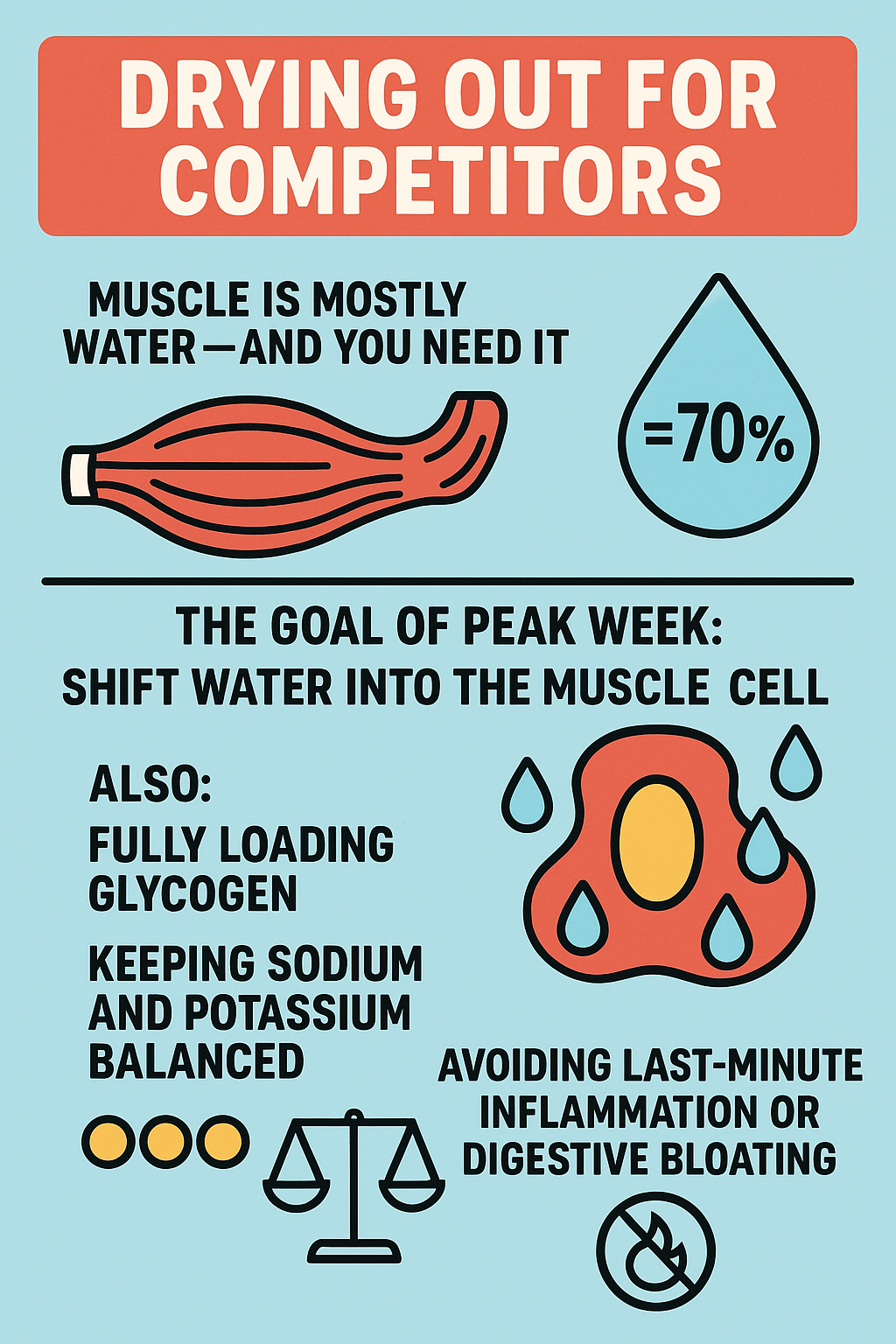
Muscle is mostly water – and you need it

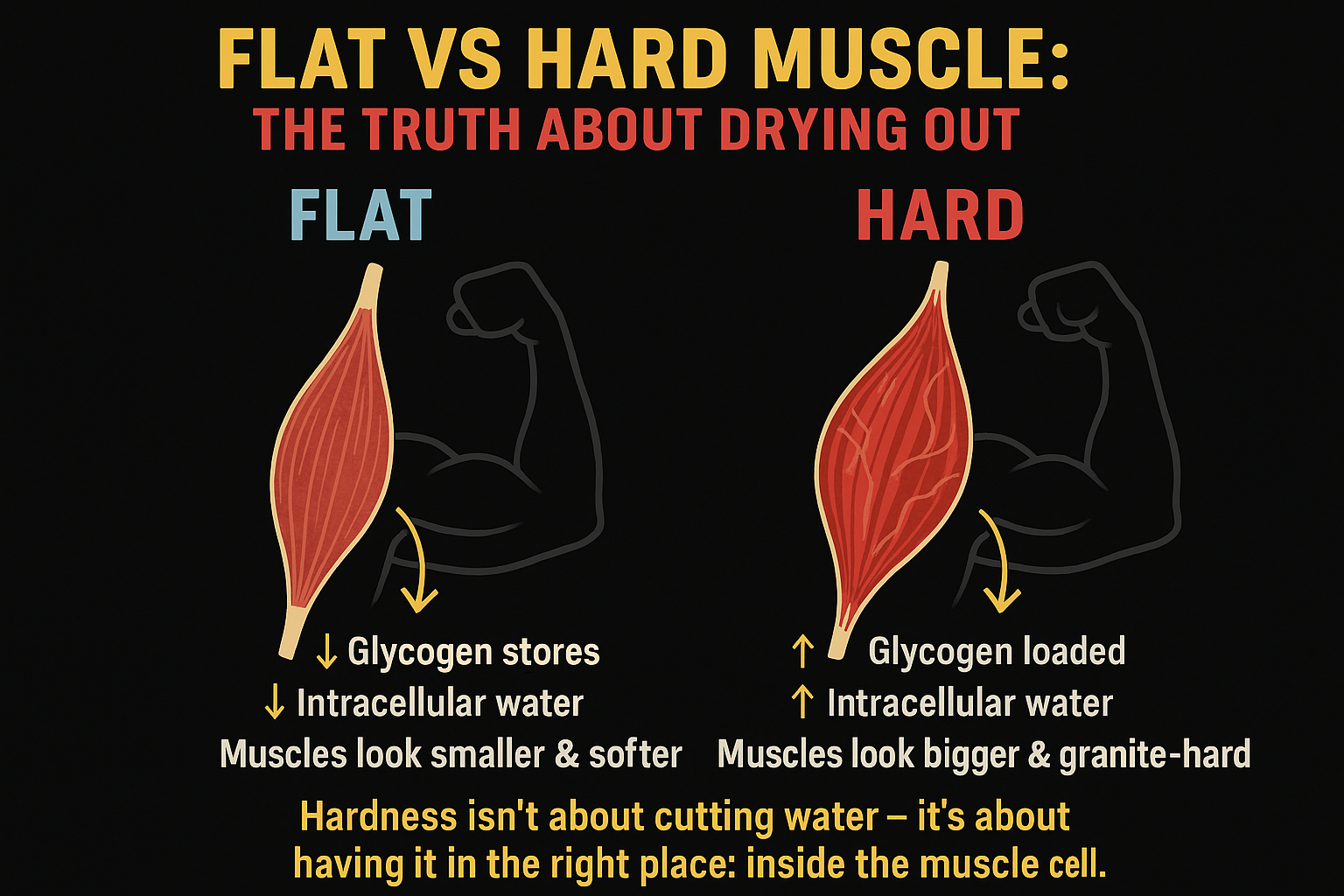
Skeletal muscle is about 70 per cent water, most of it stored inside the muscle cell along with glycogen. That intracellular water is what gives muscles their hard, round, stage-ready look. Strip it away and you lose fullness fast. That makes you look out of condition.

When competitors aggressively dehydrate, they are not just draining “water under the skin”, they are also flattening the very muscle volume they worked months to build. That is why a truly “dry” muscle (in the literal sense) looks soft and depleted, not granite-hard.

You cannot tell the body to only lose water from beneath the skin. Fluid balance is systemic; dehydrate and you will pull water from everywhere – including inside the muscle cells. In fact, the body's complex monitoring system maintains a 70/30 balance of intracellular/extracellular water all the time. You really cannot cheat the system.

The goal of peak week is not to lower total body water, it is to shift water into the muscle cell. That means:

The only real reason to “dry out”

There is one scenario where pulling a little water can help – if you have “filled to spill” during carb loading. Spillover means excess carbs and water end up outside the muscle cell, softening your look. In that case, strategic fluid or electrolyte manipulation might help move it back.

But here is the truth: in a perfectly executed prep, you could walk into show day drinking normally and still look shredded, vascular, and “dry” – because the water is exactly where it should be.

Peak week should be about managing water distribution, not chasing dehydration. The fuller the muscle cell, the drier you will look – and that comes from smart glycogen loading and electrolyte balance, not from cutting water to a trickle.

PCA Pro and judge Neil Andrews published a social media post on this very subject, which is definitely worth watching HERE.

Dryness is not about how little water you have in your body. It is about how much of it you have got in the right place.

REFERENCES:

  1. Costill DL, et al. "Muscle water and electrolytes following varied levels of dehydration in man." J Appl Physiol. 1976;40(1):6-11.
  2. Fitts RH. "Cellular mechanisms of muscle fatigue." Physiol Rev. 1994;74(1):49-94.
  3. Schoenfeld BJ. "The mechanisms of muscle hypertrophy and their application to resistance training." J Strength Cond Res. 2010;24(10):2857-2872.
  4. Shirreffs SM, Maughan RJ. "Restoration of fluid balance after exercise-induced dehydration." J Appl Physiol. 1998;84(6):1889-1895.
  5. Olsson KE, Saltin B. "Variation in total body water with muscle glycogen changes in man." Acta Physiol Scand. 1970;80(1):11-18.

This article forms part of FrontDouble’s health and education coverage, focusing on real-world hormone management in bodybuilding. Visit our Health and Education Hub HERE

Carly Thornton-Davies and Llewellyn Davies qualify for Masters Olympia at Toronto Pro

Carly Thornton-Davies and Llewellyn Davies secured Masters Olympia qualification after winning at the Toronto Pro following a 25,500-mile journey

By Gary Chappell

IT IS said that bodybuilding is the loneliest of sports. But if you have your spouse in tow maybe you really can conquer the world.

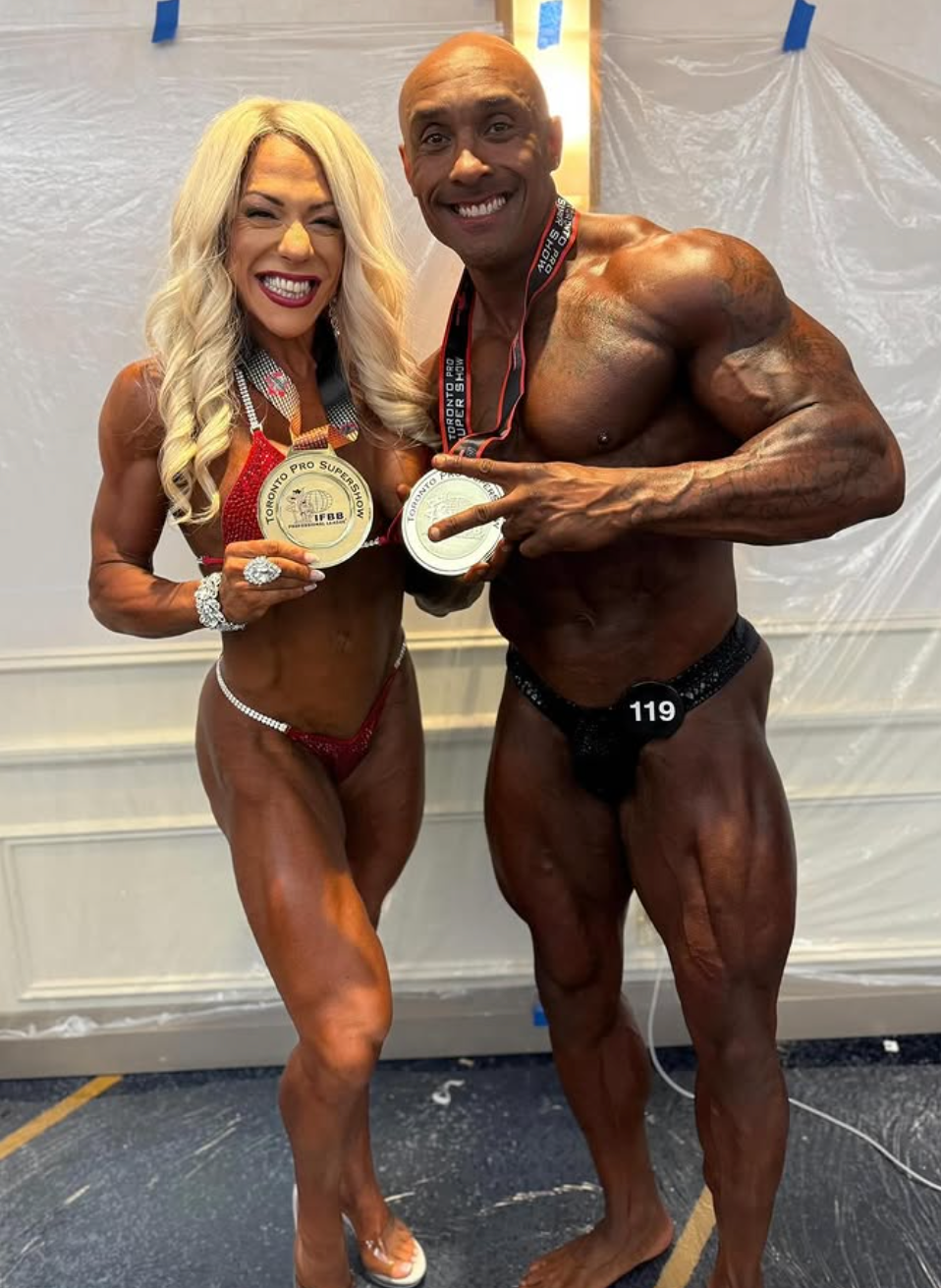
As the sun began to set in the leafy Canadian city of Toronto on Sunday evening, a married British couple were emerging as the stars of the weekend. By winning their respective classes at the Toronto Pro in women's Wellness and Men's Classic Physique, the pair secured their place at the Masters Olympia.

By the time they return home, Carly Thornton-Davies and Llewellyn Davies would have flown almost 25,500 miles. To offer some perspective, the earth is 24,901 miles in circumference.

But the biggest journey is yet to come. And it is one they will cherish for ever.

The Masters Olympia will take place in Toyko, Japan, across the weekend of August 9 and 10. And it will mean a further round-trip of almost 12,000 miles. This is bodybuilding on the professional, world stage.

Carly Thornton-Davies Llewellyn Davies Toronto Pro Masters Olympia qualification bodybuilding

Some might consider it third-time lucky for the pair, this being the third competition after shows in Seattle and Miami. But luck would discount the hard graft that has been put it in at the gym, the relentless slog of cardio, the extreme discipline of what must seem now like continuous dieting. Make no mistake, reaching the pinnacle of your sport over the age of 40 has very little to do with luck.

"Mindset of success isn’t always achieving something when you want it," said Carly. "You have to work hard on becoming the character within, in order to be rewarded. I work, I show up and I believe in myself so much that the power that resides within my mind will eventually be displayed."

Llewellyn added: "What a whirlwind the past five weeks have been. We have done three shows in America and Canada and have experienced what it actually takes to make a magnificent obsession become a reality.

"We made a promise to one another and held hands each step of the way. And we refused to take no for an answer. And I can finally say we are coming home as IFBB professional bodybuilding champions and Olympians."

Sasan Heirati Toronto Pro winner bodybuilding Mr Olympia qualification

British success did not there, either. Open bodybuilder Sas Heirati secured his place at the Mr Olympia in Las Vegas in October. He took the Toronto Pro title, beating Regan Grimes, who had pipped him for first at the previous show in California.

Heirati said: "We did it! Finally a win, finally I’m going to the Mr Olympia after taking first place at the Toronto Pro Supershow. It was a pleasure to attend this awesome event. To say it feels unreal would be an understatement.

"I want to say a quick thank you to everyone who’s helped me get this far. We aren't done yet this season."

MORE FROM FRONTDOUBLE:

BODYBUILDING RESULTS

ATHLETE PROFILES

HEALTH AND EDUCATION HUB

Heirati's Olympia vow after second at FIBO

Leave a Reply

Your email address will not be published. Required fields are marked *

Lewis Breed returns to gym after serious car crash injuries

IFBB pro Lewis Breed has returned to training just days after a serious car crash left him with multiple injuries including fractures and internal bleeding

By Gary Chappell

LEWIS BREED is back in the gym just days after suffering serious injuries in a head-on car crash.

What happened to Lewis Breed?

He suffered a number of injuries in the car crash, including, concussion, fracturing his arm in three places, internal bleeding, damage to his kidneys and bladder and needing an operation on his coccyx

Breed, who revealed details of his plan to qualify for the Mr Olympia in an exclusive interview with frontdouble.com two weeks prior to the smash, posted videos of him working out with his hand still in plaster. He said: "First day back in the gym and having a play with what’s manageable. Not training like a lunatic. However, if I didn’t train it would turn me into a lunatic."

Lewis Breed gym training after car crash injury arm in cast bodybuilding recovery

He used cuffs for some cable side lateral raises, saying: "I've never been a fan of cuffs. I like to grip and feel something. But with this we will do some cuff raises and see if it's manageable. See if we can get a good focus on the medial delt."

Breed can also be seen on the pec-deck. He moved the grip away from the hands, placing the bars into the elbow joint. He said: "I'm not putting any pressure on the wrist. I can get a nice squeeze in the pec and get some blood in there. That's all we need to do."

Finally he posted a video of some machine tricep work using the arm on which he has a cast. He said: "That's pretty decent. Because the fracture is on this underside, any pushing there is not going to cause any tension on to this side where the injury is. So that was quite nice, a nice squeeze on that one."

Lewis Breed gym training after car crash injury arm in cast bodybuilding recovery

Breed had planned to compete at the China Open, followed by the Portugal Open in a bid to qualify for this year's Mr Olympia. And during an interview with frontdouble.com prior to the car crash, he gave thanks to his wife Holly for making him the bodybuilder he is today.

Breed had said: "My wife has a massive input. She's more invested in the sport than I am. She invests all of her time, all of her effort, researching everything that I need to be done. I am the bodybuilder I am today – I have gone from amateur, to pro, to top 10, to top six, to top three, because of my wife. Because she's so invested. Every single time I'm on stage, she analyses it. She speaks to the judges and says, 'they said this, this and this'. And we'll spend hours going, 'right, you need to do this, this is how we do it, this is how you apply this etc'. She books all my appointments, she books all my treatments. She tells me where I'm going, what I'm doing."

MORE FROM FRONTDOUBLE:

Lewis Breed: “I wouldn’t be the bodybuilder I am today without my wife”

BODYBUILDING RESULTS

ATHLETE PROFILES

HEALTH AND EDUCATION HUB

Leave a Reply

Your email address will not be published. Required fields are marked *

Sasan Heirati Vows to qualify for Mr Olympia after second at FIBO

Briton Sasan Heirati promises to reach the Mr Olympia after pushing Andrew Jacked close at FIBO with his best physique to date

By Gary Chappell

SASAN HEIRATI has vowed that he "will qualify for the Mr Olympia this year" after finishing second at FIBO in Germany.

With what many perceive was his best look to date, Heirati pushed eventual winner Andrew Jacked to the limit. It was Heirati's second successive runner-up placing, after he also finished second at the Detroit Pro, missing out to William Bonac.

Writing on social media, Heirati said: "I WILL keep going, I WILL keep improving,and I WILL get to the Mr Olympia THIS year.

"I may not have won FIBO, but I won in many other ways. And I’ve never been more driven to keep climbing. Thank you EVERYONE for the endless support, comments and messages, I’m extremely grateful, I’m going to do my best to get back to you all. But for now it’s time to fly home to my amazing family."

Sasan Heirati FIBO bodybuilding 2025 second place condition physique

The support for Heirati was not in short supply. Reigning Mr Olympia and fellow Brit Samson Dauda said: "Great job brother. Had no doubt you were going to kill it."

Renowned coach and former IFBB Pro Milos Sarcev added: "You earned LOVE and RESPECT from all of us. Keep going. Keep climbing."

While Jacked was clearly the bigger man, Heirati's condition was second to none, particularly his quads. Heirati's shape and aesthetics were also superior to the winner.

In a recent podcast, Heirati hinted that this run could be his last and that he could retire within two years.

He told the Think Big Bodybuilding podcast: "I'm 39 now. And I have seen some aging in certain body parts and some aches and pains. But as a whole, after speaking to Chris [coach, Chris Aceto], I'm at my best, definitely. So for the foreseeable I'm going to try and keep going. Not for too long, because I want to be around for my kids. So I reckon I'll give it the next year or two."

MORE FROM FRONTDOUBLE:

Samson Dauda: From UK beginner to Mr Olympia champion

IFBB HUB

BODYBUILDING RESULTS

ATHLETE PROFILES

HEALTH AND EDUCATION HUB

Leave a Reply

Your email address will not be published. Required fields are marked *

Bodybuilding Prep Psychology

From BMWs to a brand new Xbox, we examine the psychological aspect of prep spending when approaching competition condition

YES fellow bodybuilders – prep spending is real.

If you have ever reached a certain level of seriously low body fat during prep that you feel an urge to start spending, then fear not. You are not alone.

This week, frontdouble columnist Josh Goold revealed that he had shed more than 43lbs. In fact, he had shed a further few pounds sterling – by buying a new Xbox.

Goold, also an online coach, told frontdouble that one of his clients bought a new BMW M2 during prep.

In fact, the editor of this website can confirm that each of his four cockapoos was bought during a contest prep.

Why bodybuilding prep affects behaviour

It seems that, when competitors reach very low levels of body fat, they may experience psychological changes that influence spending habits:

Bodybuilding prep can be so extreme for some of us that it sparks psychological spending triggers. The extreme focus on physique and the pressures of competition can make competitors more susceptible to making impulsive purchases, especially as they get leaner and the mental and physical demands of prep intensify.

So please tell us in the comments below – what is your biggest prep spend...?

MORE FROM FRONTDOUBLE:

Mental Health in Bodybuilding

Bodybuilding contest prep tips

Bodybuilding off season: The growth phase Explained

UK bodybuilding results

Leave a Reply

Your email address will not be published. Required fields are marked *

Peak week bodybuilding: a myth that ruins your physique?

Bodybuilder Ryan Mackins explains why overcomplicating peak week can destroy months of hard work – and why doing less might actually bring your best physique.

BODYBUILDER and online coach Ryan Mackins says when it comes to peak week before a show "less is more" for most people.

Mackins took to instagram recently to explain why he believes most of peak week is just not "worth the reward".

Strom Peak Max peak week

And this week he recorded a short video exclusively for frontdouble.com to explain his thoughts. You can view that at the bottom of this article.

In his social media post, Mackins explained that many of us work hard for months and look great leading up to the show. Then because history says peaking should be done a certain way, we change things and end up looking worse.

He said: "Peaking – the risk is very often not worth the reward. Speak to bodybuilders and they will very often have a story of how they “fucked it” whilst trying something to make their physique “peak”. Usually involving something wacky involving carbs and/or diuretics at the 11th hour.

Ryan Mackins peak week bodybuilding video less is more prep strategy

"I did fuck all for my last show [above]. Is it perfect? Far from it. But taking away the hassle of overthinking that side of things and the worry of having to keep checking if you’ve ruined it or whatever (constantly checking to see if you’ve smoothed over) was a brilliant thing.

"I treated the day like normal. No carb load at all. I just knew that on any given day I looked like this and without trying anything out the ordinary, I had a look that was predictable.

"Every bodybuilder I know and every one you know talks about the carb load into a show, convincing themselves that is going to be the secret to making them look invincible on stage. More often than not it is NOT the case. For a lot of people, less is more."

Watch Ryan Mackins' video explanation below:

Ryan Mackins can be contacted for online coaching by clicking here.

Bodybuilding contest prep tips

Retatrutide in bodybuilding

Health and Education Hub

UK Bodybuilding Results

Athlete Profiles

Leave a Reply

Your email address will not be published. Required fields are marked *

Off-season cardio for bodybuilding: does it boost muscle gains?

Can cardio actually help you grow? Top coaches are split – from Chris Aceto’s anti-cardio stance to Dorian Yates and Justin Harris using it to boost appetite, fitness and progression

By Gary Chappell

Off-season cardio is one of bodybuilding’s most debated topics. Some of the best coaches in the world argue it kills muscle growth. Others insist it is the key to eating more, recovering better and staying lean while gaining size.

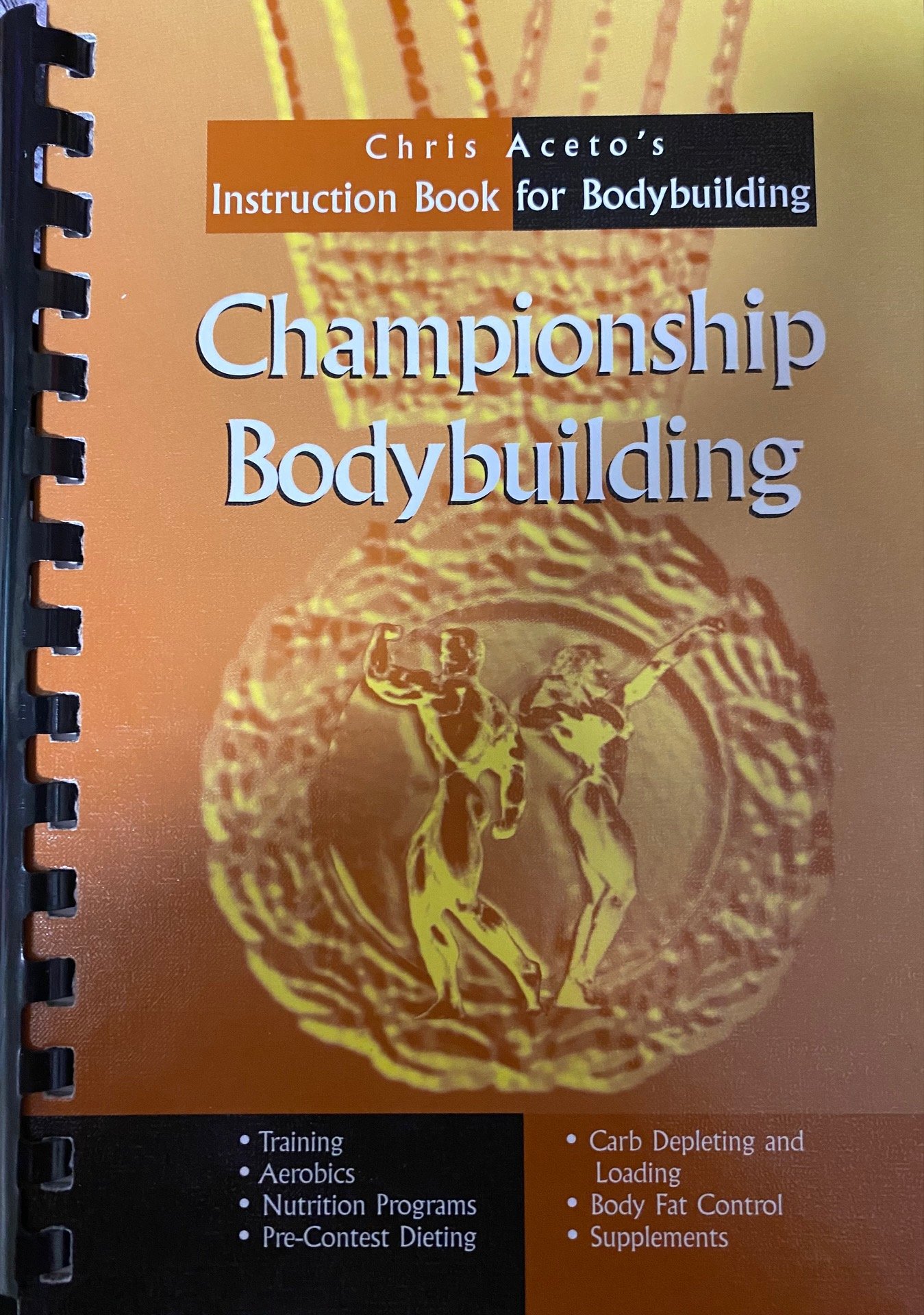
In his book ‘Championship Bodybuilding’ leading coach Chris Aceto says: “No bodybuilder who wishes to gain muscle mass should ever do aerobics in the off-season.”

Granted, the book was first published in 1996 and Aceto’s ‘opinion’ might have changed, but it has had at least 24 printings, with the most recent being 2019.

Remember, Aceto is regarded as one of the best coaches in the business, working with the likes of Britain's Sas Heirati among others.

Chris Aceto bodybuilding coach cardio off season debate

Why Chris Aceto says no to cardio

In his book, Aceto writes: “I don’t like cardio exercise for bodybuilding. When I tell people that at seminars, I usually irritate someone in the audience, who gets angry. 

“They say bodybuilders need to do cardio work for the heart. I disagree. First, a low level of body fat that can be achieved with a good diet and hard weight training is the best preventor of heart disease. 

“Anyone who has heart problems or borderline diabetes knows the first bit of advice the doctor gives is to lose some weight. Body fat plays havoc with your body.

“In my opinion, no bodybuilder who wishes to gain muscle mass should ever do aerobics in the off season. Weight training is an activity that creates an anabolic state. Aerobic training creates a catabolic state.

“Weight training will improve and increase the release of anabolic hormones in the body to support growth, while aerobic training can counteract this by decreasing the output of these hormones.

“A myth in bodybuilding is off-season cardio will stimulate the metabolism. Bodybuilders often do aerobic work in the off-season in the hope of staying leaner. Dead wrong!

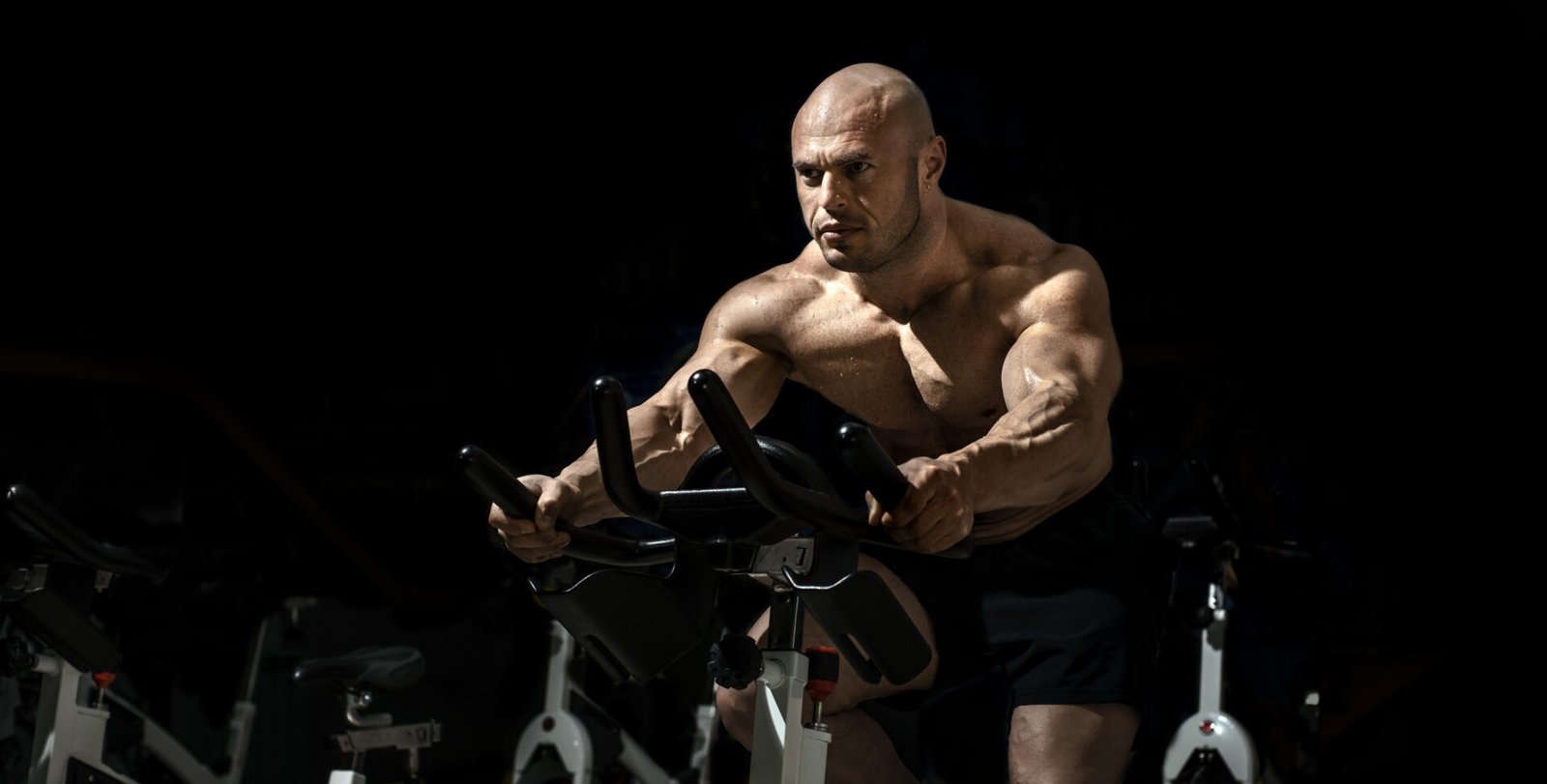
bodybuilder off season cardio exercise bike muscle growth

“First, aerobic activity does not burn as many calories as most believe. However, weight training adds muscle to the body, which causes the body to burn more calories even at rest.

“Both weight training and cardio work will stimulate the metabolism for a few hours following a workout.

“However, weight training stimulates muscle breakdown and remodelling. The act of recovery and muscle anabolism, stimulated from hard training, increases the need for calories.”

It is an interesting point. And one that is disputed by many.

Why Dorian Yates used cardio year-round

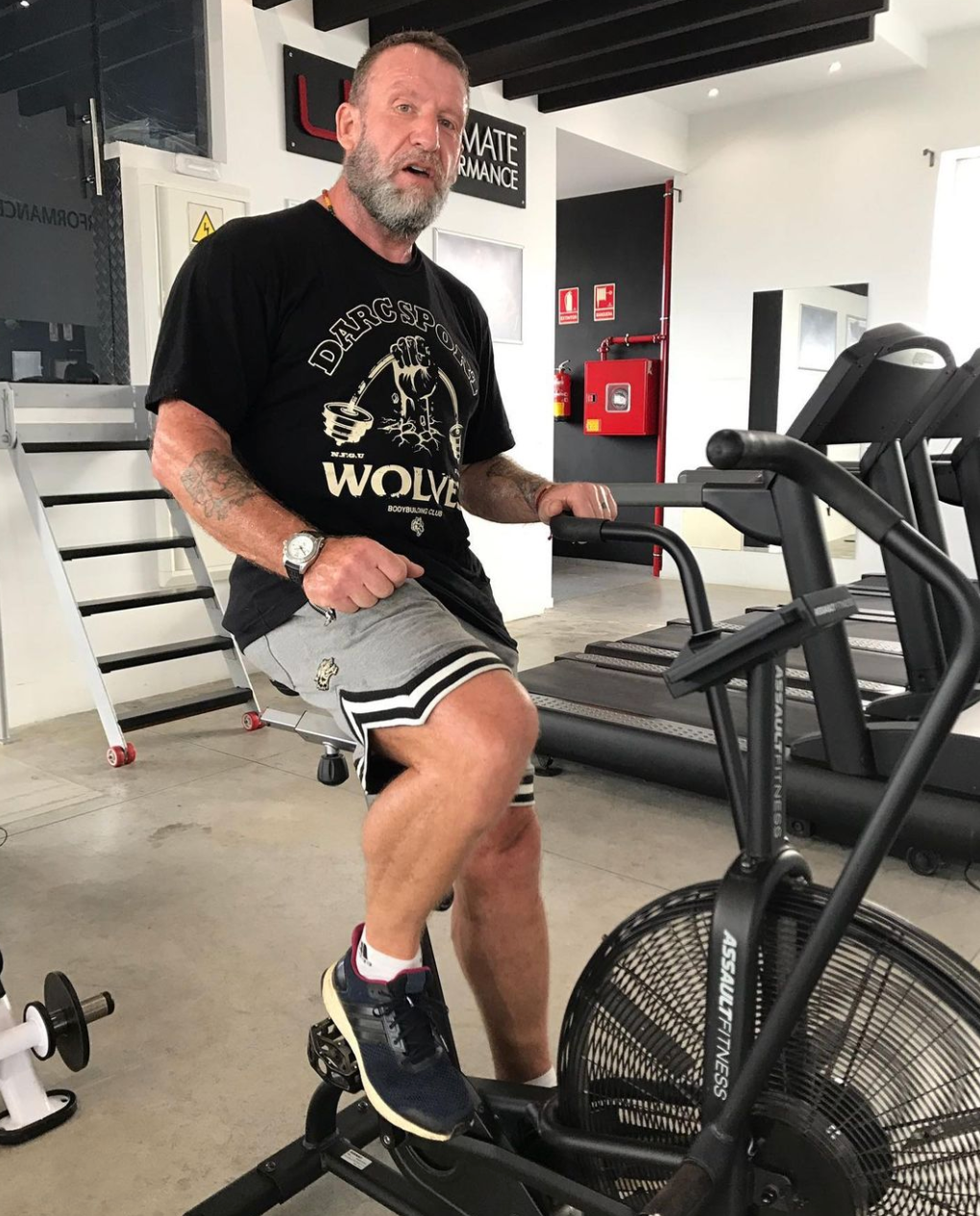
For example. six-times Mr Olympia Dorian Yates implemented cardio in his off-season. In an article for Muscle & Fitness he once wrote: “I advocate that bodybuilders at all levels initiate an aerobics program, because it has many benefits.

“First, it enhances general cardiovascular fitness and being healthy in heart and lung efficiency is a boon for a competing bodybuilder.

Dorian Yates off season cardio bodybuilding

“Second, this better level of general fitness increases metabolism. This makes your system much more efficient (than would be the case if you were sedentary) at assimilating the heavy protein intake necessary for bodybuilders.

“Third (and the reason I did cardio year-round when I was competing), it increases endurance so that when I launched into my contest-prep period where I started to train faster, I was ready for the pace from a fitness standpoint. The fourth main benefit is that doing cardio all year means you are able to take in a few more calories on a daily basis than would be the case if all you did was lift.

“In the offseason, I completed 30-minute power-walking sessions four times a week, first thing in the morning soon after I awoke and before breakfast. I just drank some water and then off I’d go.

“After having not eaten for 10 hours or so, I was in a low-carb state and, therefore, my body would more readily turn to fat for fuel.

“The pace was brisk, so I was breathing hard quickly. I took long strides and swung my arms to encourage general cardio stimulation.

“Writer Peter McGough once watched me power walking back to my house and he said that with my brisk pace, long strides and swinging arms, plus the fact that I weighed 275lbs, I looked like Frankenstein on speed. Moments like that make it all worthwhile!”

Tim Rosiek NABBA off season cardio

Coach and Class 2 bodybuilder Tim Rosiek believes off-season cardio is person dependent, however, saying: “It all depends on the individual; if they stay lean, then it’s not necessary. But if they’re carb sensitive, then it would be a good shout doing low impact cardio during the off-season.

“For example, I don’t do cardio in the off season mainly because I eat very clean and I’m lucky my genetics let me get away with not putting much fat on.

“But if I was unlucky and laid fat down quickly, I would do walking only, because fat burning requires oxygen and anything requiring more energy would deplete your glycogen and make you tired, which would affect your workout strength – and that is counter-productive to your growing period.”

Can cardio increase appetite and muscle growth?

American coach Justin Harris is a strong advocate of off-season cardio and explains how he uses it to mimic the respiratory strain of a 20-rep set of squats and, despite what Aceto believes, to stimulate appetite.

Harris utilises high intensity interval training for his off-season cardio at just 12 minutes. This takes the form of one minute low intensity, one minute high intensity, which over the duration of the session is considered six sets.

He says: “The harder you push in those high-intensity segments, the deeper into elevated post exercise oxygen consumption [EPOC].

Justin Harris off-season cardio

“Excess post-exercise oxygen consumption [EPOC, informally called afterburn] is a measurably increased rate of oxygen intake following strenuous activity.

“We need to perform in the gym and what is the hardest set in the gym? It is a high rep set of squats; 20 on squats or 12 on deadlifts. You don’t do them very often but when you do, you don’t want your lungs to be the failure point.

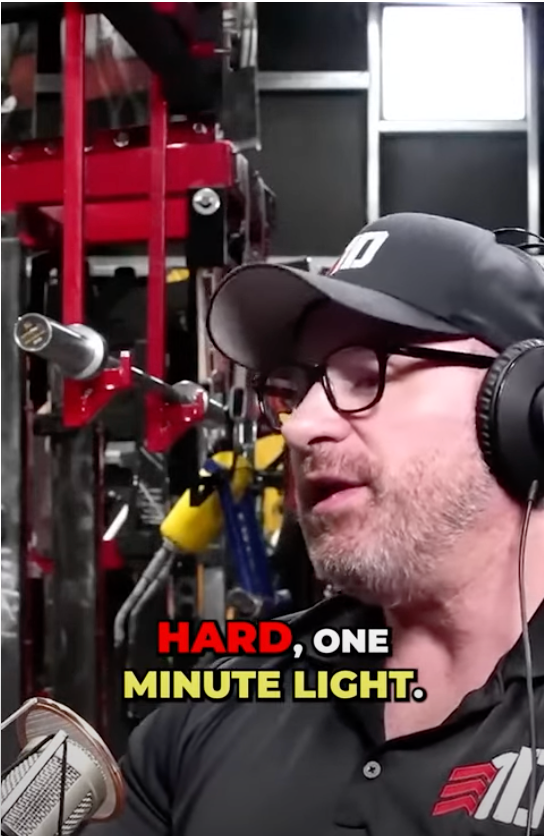
“So I have people do one minute hard, one minute light and it’s kind of self-deciding how hard you push because you have to work hard for that minute, but it can’t be so hard that you can’t recover in the next minute.

“I have people do about 12 minutes of that three or four times a week [in the off-season] and that is replacing 20 minutes of pretty decently hard cardio. So we know in the gym that are muscles are the failure point, not our lungs. You’re not progressing if your lungs are the failure point on a set of deadlifts rather than your back.

“But then on top of that, the appetite stimulation is so enormous and it is that which allows people to continue to eat more and more food.

“And no one wants to believe it because everyone who wants to get big thinks cardio is going to do the opposite.

“But in case after case after case, my clients who are religious with that just progress rapidly because we are able to continually add food – and they are doing this thing that’s also helping us keep some of the fat off in the process.”

Optimal training volume for hypertrophy

Optimal rep range for hypertrophy

Why You’re Not Building Muscle: 3 Killers of Muscle Growth

UK Bodybuilding Results

Leave a Reply

Your email address will not be published. Required fields are marked *

Growth Hormone doses: Just how much?

Stories of up to 16iu a day, Dave Palumbo's size 15, 16 and 17 shoes and why today's bodybuilders are leaner but don't look it

How much growth hormone do bodybuilders need is one of the most misunderstood questions in bodybuilding. From low-dose “health” protocols to high-level contest prep use, expectations often don’t match reality. This article breaks down what growth hormone actually does, how it works over time and what bodybuilders can realistically expect.

HOW much growth hormone to take for optimal results is a debate with no ending.

Some say doses of 2iu a day is plenty, others advise to take as much as you can tolerate.

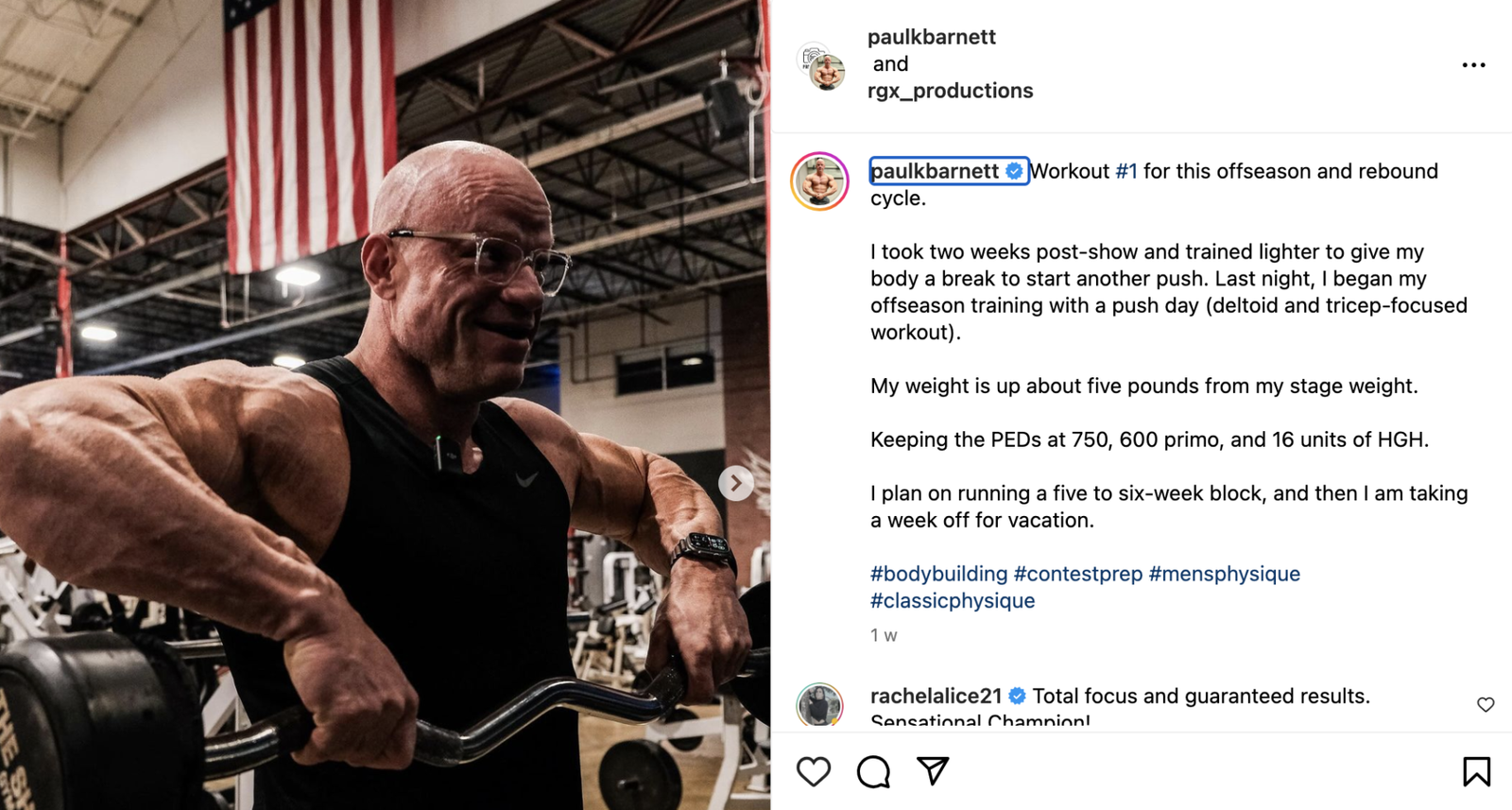
American bodybuilder Paul Barnett is one person very open with his usage.

Recently he revealed on social media that had worked up to 16iu of GH per day.

He told frontdouble.com: “I talk to quite a few pros behind the scenes and the saying I’ve heard a lot is, ‘Take as much as you can afford and tolerate’.

“Until this year the most I ran was 9iu. I’m currently at 16 and I do see a difference in fullness and density.”

One thing he also revealed on his social media posts, however, was his lethargy, writing: “I’m tired all day. Still trying to figure that out.”

Former bodybuilder and coach and host of Rx Muscle, Dave Palumbo, does not see much benefit in running higher doses.

Speaking to frontdouble.com, he said: “I feel 2-4iu per day is deal for maximum muscle growth with least side effects. Length of time on GH is more important than how much you use daily.”

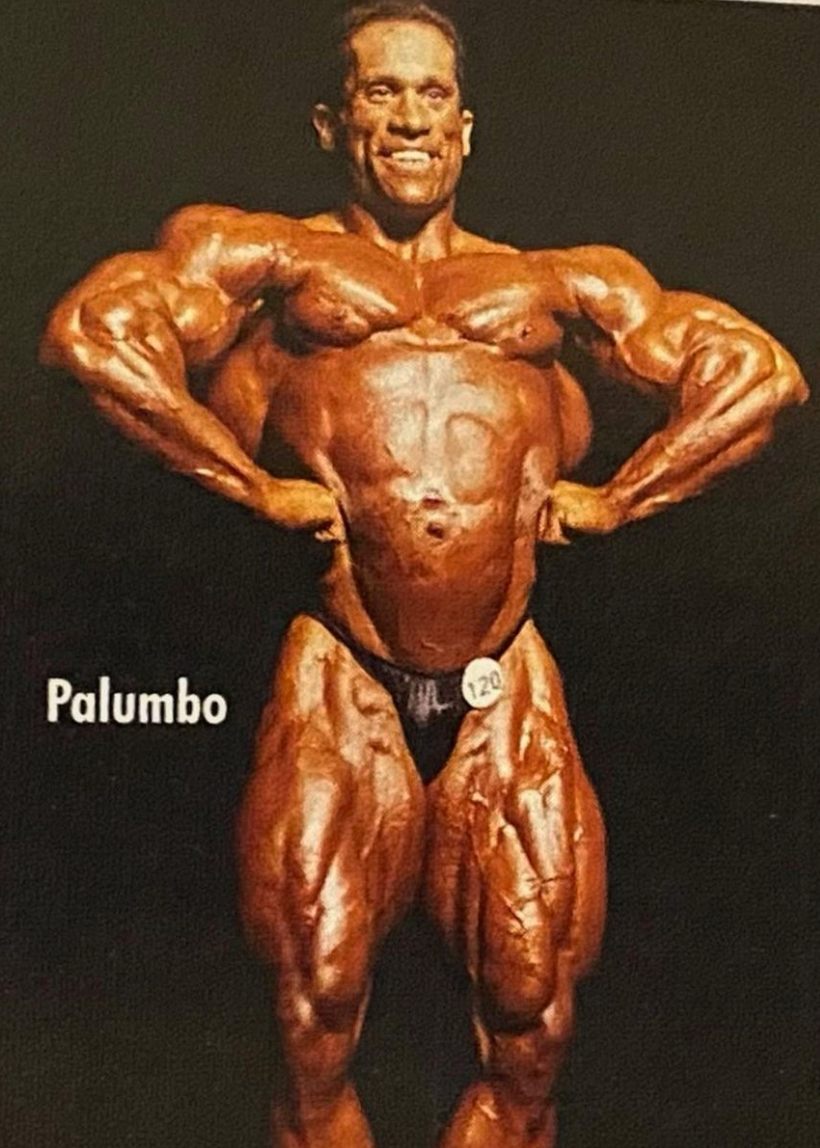
But whether the man himself adhered to such growth hormone doses during his competitive days is another question. Research and you can find a few memories of when he sold his old shoes. They started at size 15, then 16, then 17.

Maybe Palumbo discovered the ‘most side effects’ from higher doses for him was excessive foot growth and that is why he is now advocating lower-dose use. Maybe that will remain a mystery.

There is no one size fits all for growth hormone doses

In reality, how much growth hormone bodybuilders need depends less on the dose itself and more on time, consistency and overall training and diet.

The point is, however, that as usual these things are person dependent. What works for one may not work for another. It is a case of trial and error.

In the case of Barnett, for example, while he might be lethargic on 16iu a day, some might be OK.

On the tiredness issue, coach Justin Harris of Troponin Nutrition and 1st Detachment said: “It’s probably due to insulinogenic nature of IGF-1. Similar to how you feel sleepy after a large high carb meal.”

COMPARISON ROUND: How bodybuilders looked at the 1999 British GP (top) v the 2015 Mr Olympia

One difficulty for people considering their GH dose is often the debate around how bodybuilders looked in the 1990s compared to today.

You will often hear criticism from 90s bodybuilders about the condition of today’s athletes. Dorian Yates, John Hodgson, Flex Wheeler and Rich Gaspari have been particularly vocal about how ‘their day’ showed more granite-like physiques in comparison to today’s line-ups.

Harris says: “Long term high-dose GH use is the reason people think the 90s bodybuilers looked better. Guys today are leaner than they were back then, but the GH thickens skin so much at high doses that, even though everyone is leaner than they used to be, their conditioning doesn’t seem better – and often seems worse.

“It’s understandably hard as an athlete to know that about the 1990s guys and today’s guys and make the decision to use low-dose GH when, for any short-term timeframe, your look will always be better with higher dose GH; rounder muscles, fuller muscles, lower body fat, higher body weight, etc.

“It’s only with long-term use of high doses that the thicker skin, structural changes, reduced glycogen storage (likely due to insulin resistance) etc start to develop and then it’s even harder to go to 2iu GH because you’re losing your look – and dropping the GH dose will only accelerate that.”

Written and edited by Gary Chappell, UK Masters bodybuilder, Personal Trainer, Nutrition Advisor, prep and lifestyle coach and former national newspaper sports journalist.

MORE FROM FRONTDOUBLE:

BODYBUILDING RESULTS

ATHLETE PROFILES

HEALTH AND EDUCATION HUB

Leave a Reply

Your email address will not be published. Required fields are marked *