The complete guide to peptides in bodybuilding
From semaglutide and tirzepatide to BPC-157, MOTS-C and IGF-1 LR3 – why peptides have become one of the most talked-about areas of modern bodybuilding
By Gary Chappell
Peptides in bodybuilding have become one of the most talked-about areas of performance enhancement in recent years. It sometimes feels like no one got shredded or built muscle before they arrived.
Competitors now use them to improve fat loss, recovery, sleep, and overall physique quality, often alongside, or instead of traditional PEDs.
But what exactly are peptides? Do they actually work? And where do newer compounds such as MOTS-C and SLU-PP-332 fit into the picture?
What are peptides?
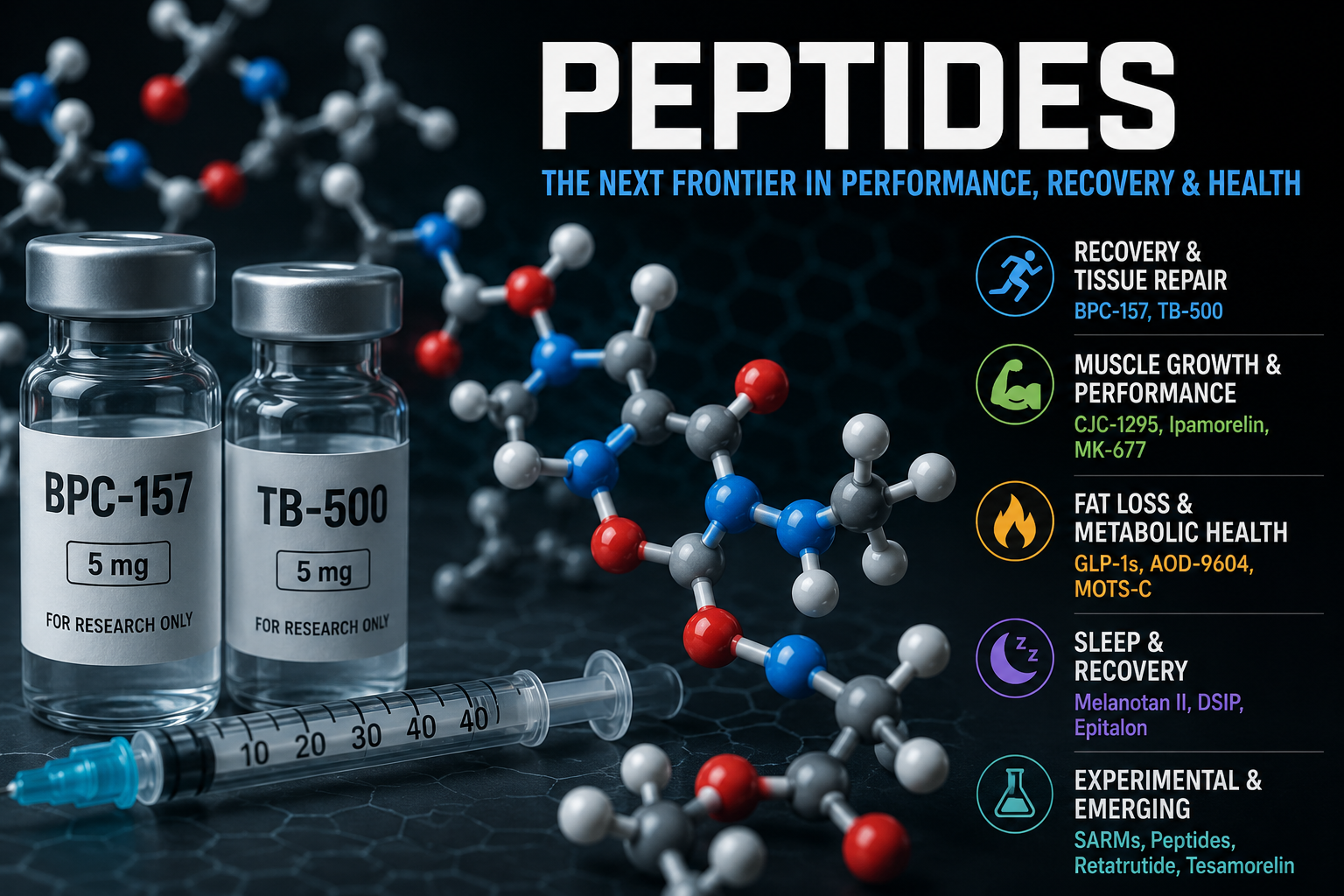
Peptides are short chains of amino acids that act as signalling molecules in the body. Instead of directly adding hormones like anabolic steroids peptides, depending on the compound, may help stimulate processes linked to:
- Release more growth hormone
- Repair damaged tissue
- Burn fat
- Regulate appetite and metabolism
The appeal for bodybuilders to use peptides is clear. Peptides are typically used to:
- Boost natural growth hormone (GH) and IGF-1 levels
- Enhance fat loss, particularly stubborn and visceral fat
- Build and preserve lean muscle through better protein synthesis and recovery
- Speed up recovery from workouts and training stress
- Accelerate injury healing (tendons, ligaments, muscles, joints)
- Improve sleep quality (deeper, more restorative sleep)
- Reduce inflammation and joint pain
- Strengthen connective tissue
- Aid body recomposition (better muscle-to-fat ratio)
- Provide anti-aging benefits (skin, hair, energy, and vitality)
Many athletes see peptides as a more targeted option compared to traditional PEDs, particularly for fat loss, recovery and injury management. Human data remains limited and long-term safety profiles are still largely unknown.
The most common peptides in bodybuilding
Fat loss and appetite control peptides
These GLP-1 (and multi-agonist) drugs have transformed contest prep:
- Semaglutide (Ozempic / Wegovy)
- Tirzepatide (Mounjaro / Zepbound) – dual agonist, very powerful
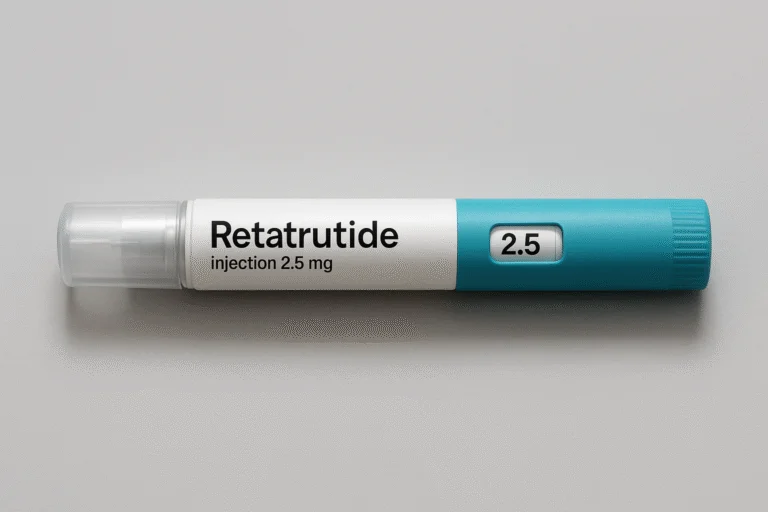
- Retatrutide – triple agonist, one of the most potent weight-loss compounds currently in development
These are the most widely used, but several other compounds are also worth mentioning:
AOD-9604 is also worth a mention. This is an HGH fragment designed specifically for fat breakdown with minimal other effects.
HGH Frag 176-191 is a modified fragment of growth hormone designed specifically to target fat loss with fewer GH-like effects.
Benefits of all: Powerful appetite suppression, easier dieting, significant fat loss, and improved insulin sensitivity. Retatrutide also increases energy expenditure.
Downsides: Muscle flatness if diet isn’t managed, GI side effects and difficulty with carb loading.
Growth hormone secretagogues and direct growth peptides
These increase your body’s own GH output or act downstream:
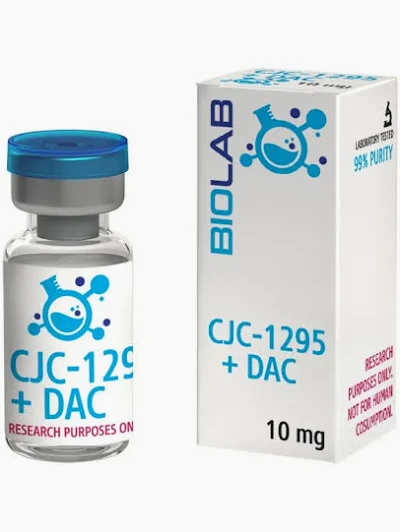
- CJC-1295 (with or without DAC) + Ipamorelin – the most popular stack
- Sermorelin
- Tesamorelin, especially effective for visceral fat
- GHRP-2 / GHRP-6
- MK-677 (Ibutamoren) – oral GH secretagogue (not a true peptide but commonly grouped)
- IGF-1 LR3 – strongly associated with muscle growth and nutrient partitioning
Potential advantages: Improved recovery, better sleep, fat loss, modest muscle gains and overall recomposition.
Reality check: Milder and slower than pharmaceutical HGH, but very effective when stacked properly.
Recovery and healing peptides
The go-to compounds for injury prevention and repair:
- BPC-157 – gut health, tendon/ligament repair, anti-inflammatory
- TB-500 (Thymosin Beta-4) – tissue regeneration, flexibility, angiogenesis
- GHK-Cu – collagen production, skin healing, anti-aging
- PEG-MGF (Pegylated Mechano Growth Factor) – associated with muscle repair and localised recovery, though human evidence remains limited.
- DSIP (Delta Sleep-Inducing Peptide) – primarily used to improve sleep quality and recovery.
The famous “Wolverine Stack” (BPC-157 + TB-500) is widely praised for getting athletes back to training faster.
Experimental metabolic compounds and exercise mimetics
This is the so-called cutting-edge shift toward metabolic efficiency:
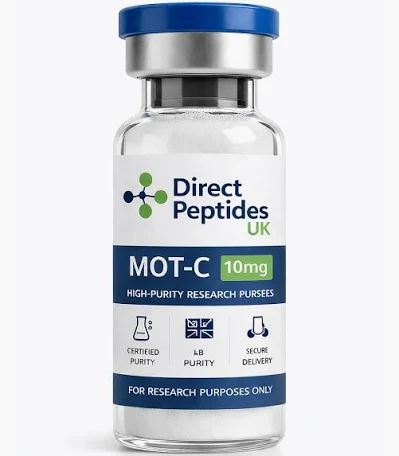
- MOTS-C – mitochondrial-derived peptide that improves cellular energy, fat utilisation and endurance
- SLU-PP-332 (SLU-PP-2) – exercise mimetic that activates metabolic pathways similar to endurance training
- Follistatin-344 is an experimental compound linked to myostatin inhibition and potential muscle growth enhancement. Extremely limited human data exists.
These compounds focus on optimisation and fat oxidation rather than pure size or hunger suppression. Research into these compounds remains in its early stages, particularly regarding long-term human use.
Do peptides actually work?
Results vary hugely depending on the compound, diet, training, genetics and overall PED use. Some peptides, particularly GLP-1 drugs and GH secretagogues, have substantial real-world feedback behind them. Others remain highly experimental and are driven more by anecdotal reports than robust human research.
Remember, peptides are not magic bullets, but they are excellent tools when combined, as mentioned, with solid training, nutrition and recovery.
This guide reflects the current landscape in bodybuilding as of 2026.
None of the compounds mentioned should be considered risk-free and many remain unapproved for bodybuilding use. Athletes should understand the legal, ethical and health implications before considering any performance-enhancing substance.
MORE FROM FRONTDOUBLE:
Insulin 101 for Bodybuilders: Complete Guide, Protocols & Safety
Growth Hormone doses: Just how much?
Is testosterone best for muscle growth?
UK bodybuilding results
Athlete profiles

Leave a Reply