How much protein do you really need to build muscle?
Some bodybuilders consume 600g of protein a day – but science suggests far less is needed for muscle growth
By Gary Chappell
Some bodybuilders claim to eat 400g, 500g or even 600g of protein per day in pursuit of muscle growth. But how much protein does the body actually need to build muscle – and is anything beyond that just wasted?
Consider this; if the body synthesized just six grams of protein per day into new muscle tissue you could gain 24lbs of lean bodyweight a year.
Yes, the argument of how much protein per day is required for muscle growth is as old as the hills. But one thing appears to be certain – you do not need as much as you think.
One IFBB Pro bodybuilder detailed on social media this year how he eats 600g of protein per day. Justifying this, he wrote: "Carbs don't build muscle, protein does."
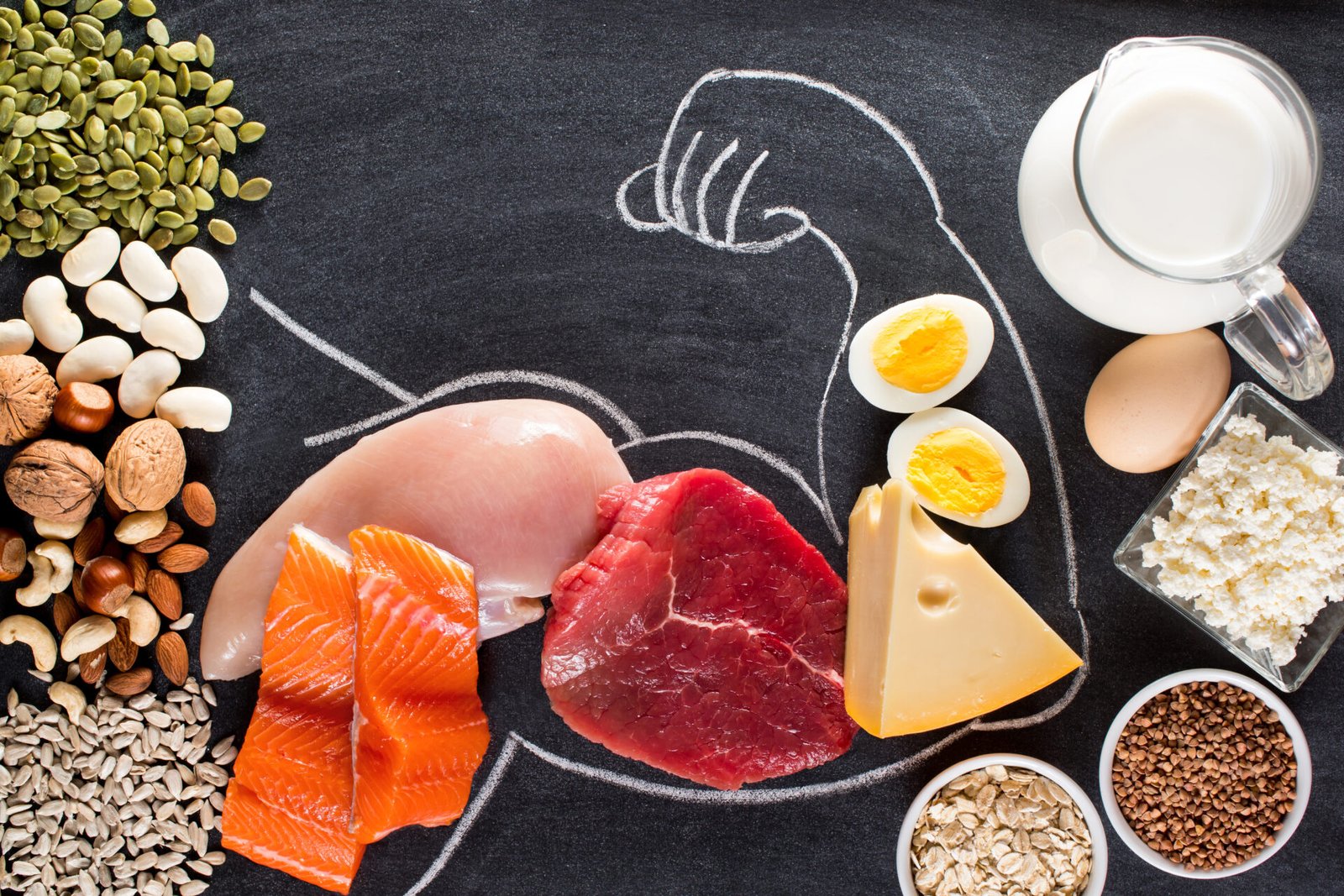
He is right, of course. But if were as easy as simply eating more protein, then why not increase it to 1000g per day or higher? Well, because the human body just does not work like that.
Let's take his 600g per day as an example and see how much muscle someone consuming that much protein could expect to build over a year, if they were to synthesize all of that as muscle tissue.
What happens if you eat 600g of protein a day?
If a bodybuilder consumed 600g of protein per day and all of that protein were used exclusively for muscle protein synthesis [MPS] which, as we will see, is not realistic, we could estimate the potential muscle gain. Here is a rough calculation based on how much protein is required to synthesize muscle tissue:
- It is generally estimated that for every one gram of muscle protein synthesized, the body gains approximately three to four grams of lean muscle mass (since muscle tissue is made of more than just protein; water, blood, minerals and other components contribute to total muscle mass). Let’s calculate the muscle gain based on 600 grams of protein per day:
- Low estimate: 600g of protein × 3g of lean mass per gram of muscle protein = 1,800 grams of muscle (1.8 kg) per day.
- High estimate: 600g of protein × 4g of lean mass per gram of muscle protein = 2,400 grams of muscle (2.4 kg) per day.
This would suggest a massive muscle gain of 1.8 – 2.4 kg per day – an implausible scenario.

If this extreme intake could indeed result in 1.8 – 2.4kg of muscle gained per day, over the course of a year, the total muscle gain would be:
- Low estimate: 1.8 kg/day × 365 = 657 kg (1,448 pounds) of muscle in a year.
- High estimate: 2.4 kg/day × 365 = 876 kg (1,928 pounds) of muscle in a year.
Clearly, this is entirely unrealistic. In reality, the maximum natural muscle gain for even the most genetically gifted and dedicated bodybuilders is much lower – typically between six to 12 pounds per year (approximately 2.5 – 5.5 kg per year) under optimal conditions.
Why 600g of protein per day is inefficient
- Diminishing returns on protein: While consuming adequate protein is essential, excessive protein, beyond the body’s needs, does not result in linear increases in muscle mass. Studies suggest that protein intake well beyond 2.2 grams per kilogram (or roughly one gram per pound) does not contribute significantly to muscle gain.
- Excess protein is wasted: Consuming 600g of protein per day far exceeds what the body can use for muscle growth. The excess protein is either:
- Converted to energy [carbohydrates] through gluconeogenesis if the body is in need of fuel.
- Excreted as waste in the form of urea and contributing to unnecessary metabolic waste.
- Increased fat storage: Excess protein contributes to excess calories and, in a caloric surplus, this will likely result in fat gain rather than muscle gain, particularly if the body is already getting enough protein to support muscle growth.
- Logistical and financial unfeasibility: Consuming 600g of protein per day is not only impractical but also expensive. Even if someone could physically consume such an amount of protein, it may likely lead to digestive discomfort and will likely be financially unsustainable in the long term, given the cost of high-quality protein sources.

How much protein intake to sustain one pound of muscle?
For competitive bodybuilders, the recommended protein intake falls within the range of 1.6 to 2.2 grams per kilogram of body weight (approximately 0.7 to 1.0 grams per pound of body weight) per day. This range supports muscle growth, recovery and the maintenance of lean body mass during intense training and competition preparation.
Each pound of muscle requires 0.9 – 1.8 grams of protein per day to survive and maintain itself. However, dietary protein intake must be higher to meet overall bodily demands and ensure sufficient protein is available for muscle maintenance. This is why protein recommendations for active individuals are often set at 1.6 – 2.2g/kg/day (0.7–1 g/lb of body weight).
Just 6g of daily protein needed in order to build 24lbs a year?
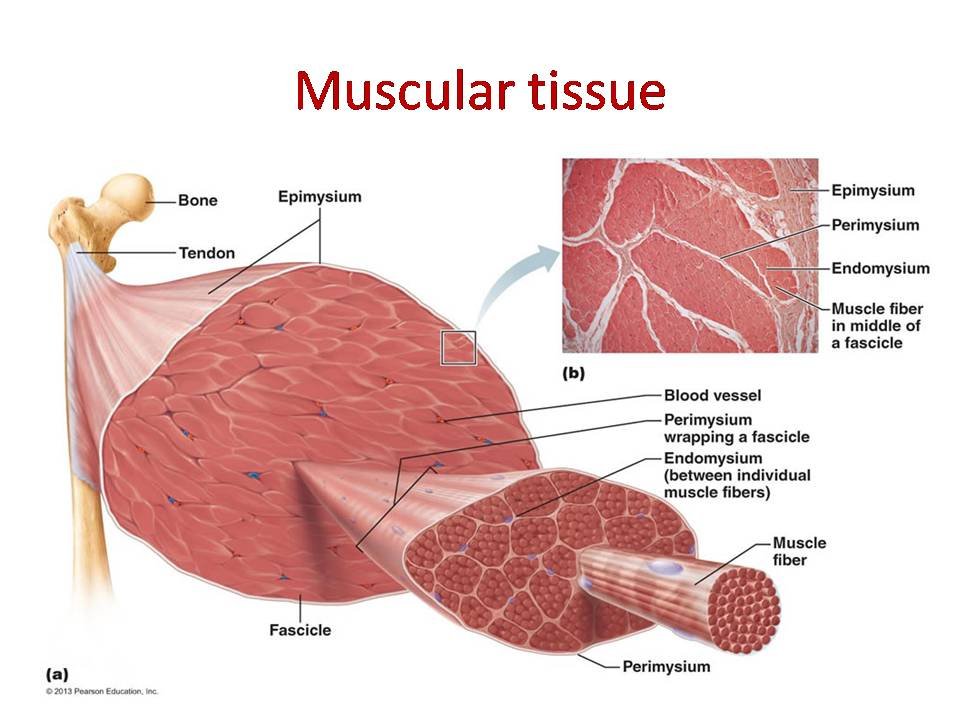
There is, in reality, seriously little protein used for muscle protein synthesis per day. And as we are about to show, using a little as six grams for MPS per day can result in a gain of 24lbs of muscle per year.
Assumptions:
- Composition of muscle: Skeletal muscle tissue is about 75% water, 20% protein and 5% other components (eg. glycogen, lipids, minerals).
- Muscle protein content: Each kilogram of muscle contains approximately 200 grams of protein (20% of its mass).
- Time Frame: 1 month = approximately 30 days.
Calculations:
1. Protein needed for muscle gain:
For each kilogram (or pound) of muscle gained:
- Protein in one pound of muscle: 1 pound = 0.454 kg
- 0.454 kg × 200 g/kg = 90.8 g of protein
So gaining 0.5 – two pounds of muscle requires synthesizing approximately:
- 0.5 pounds: 90.8 g × 0.5 = 45.4 g of protein
- Two pounds: 90.8 g × 2 = 181.6 g of protein
2. Daily protein synthesis:
To distribute the required protein synthesis over 30 days:
- For 0.5 pounds/month: 45.4 g divided by 30 days = 1.51 g/day
- For two pounds/month: 181.6 g divided by 30 days = 6.05 g
Summary:
To gain 0.5 – two pounds of muscle per month:
- Your body needs to synthesize 1.5g – six grams of protein per day into new muscle tissue.
Clarifying the Calculation:
- Theoretical protein synthesis:
- If six grams of protein are synthesized into muscle daily, that equals: 6 g/day × 365 days/year = 2,190 g of protein
- Since muscle is 20% protein, this translates to: 2,190 g divided by 0.2 = 10,950g (10.95 kg) of muscle/year.
- This is approximately 24 pounds of muscle a year.
Most of us are not gaining 24lbs of lean muscle per year. We might be gaining well above 24lbs in our off-season. But after a competition prep, very few are 24lbs heavier than the last time they stepped on stage. So in reality, all that protein you have paid for and scoffed down has been used for a lot of other things aside from actually building muscle. All of which makes it appear to be a waste of money to set your protein intake at the top end of the scale and beyond. It seems excessive protein just turns out to be expensive carbohydrates.
Sources:
Phillips, S. M., et al. (2009). "Dietary protein and muscle mass: translating science to application and health benefit." Nutrition Reviews, 67(6), 402–410.
Maughan, R. J., et al. (2004). "Muscle Protein Turnover and Exercise." The Journal of Physiology, 554(Pt 3), 613–623.
MORE FROM FRONTDOUBLE:
BODYBUILDING RESULTS
ATHLETE PROFILES
HEALTH AND EDUCATION HUB

Leave a Reply