Rita Trotter wins IFBB Pro Card: "Olympia, I'm coming for you"
PLUS: UK Stars Shine at Mr Big Evolution Portugal Pro 2026
By Gary Chappell
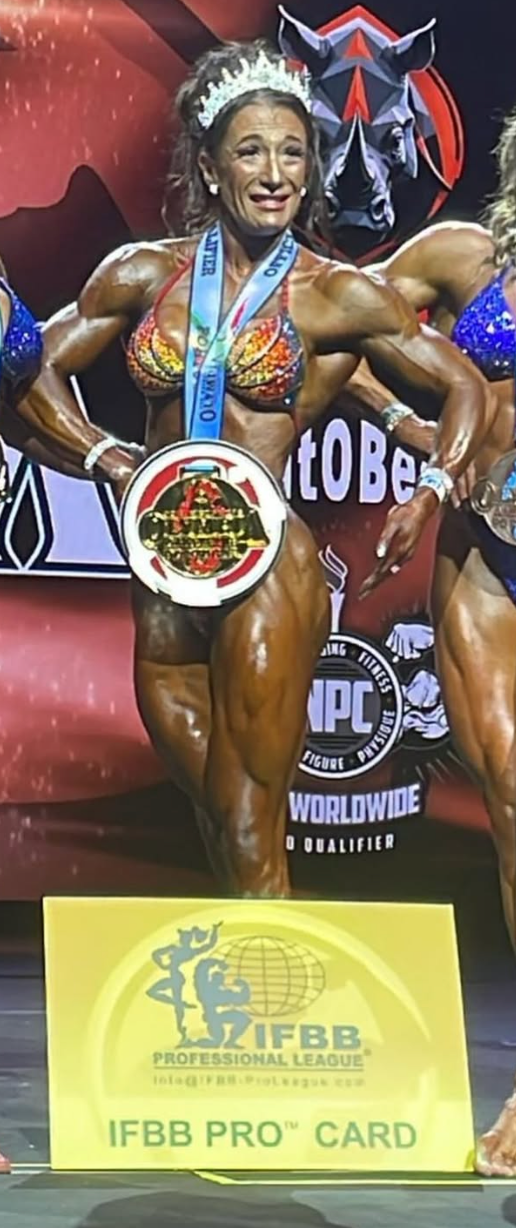
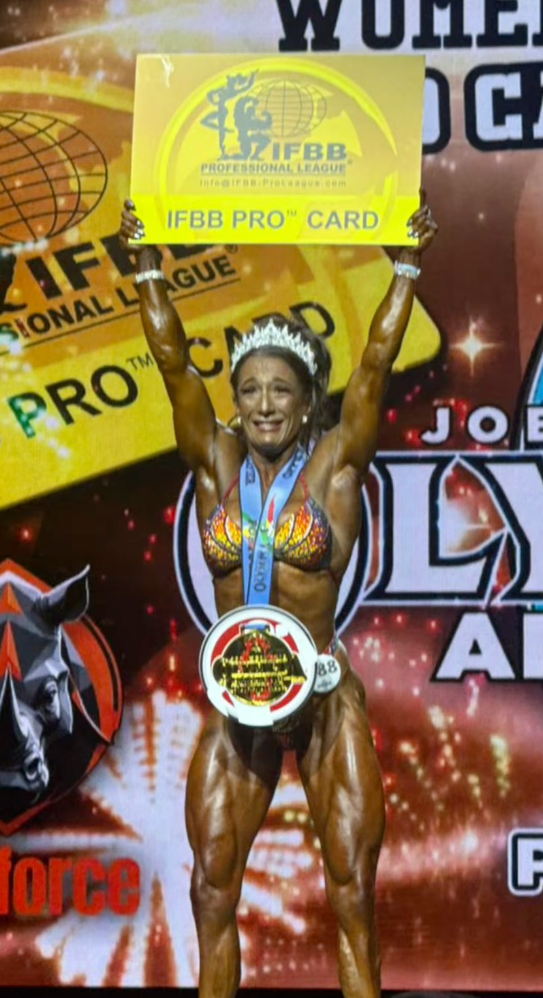
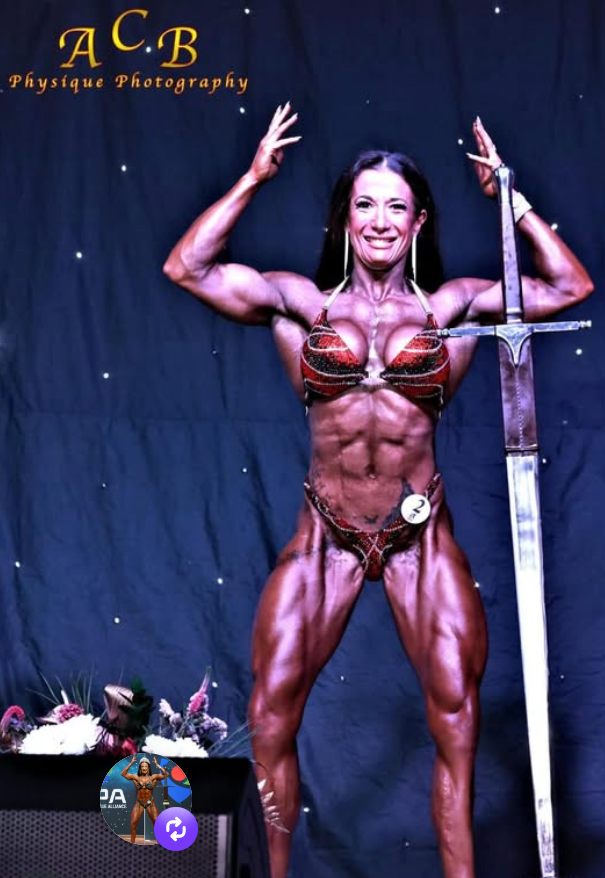
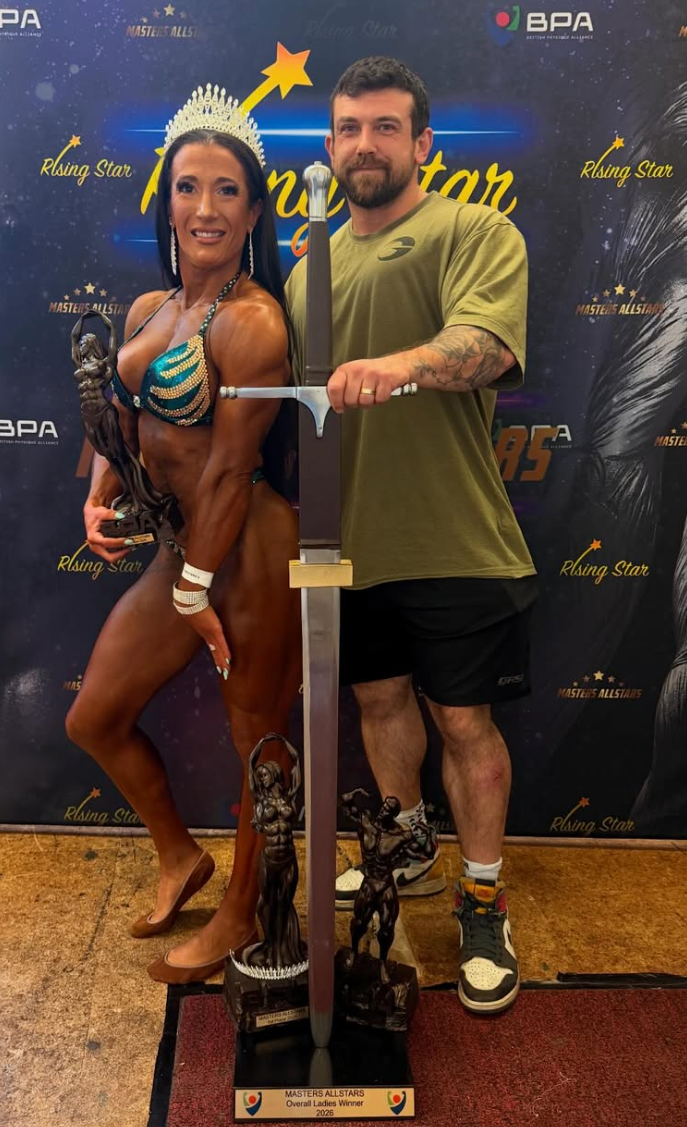
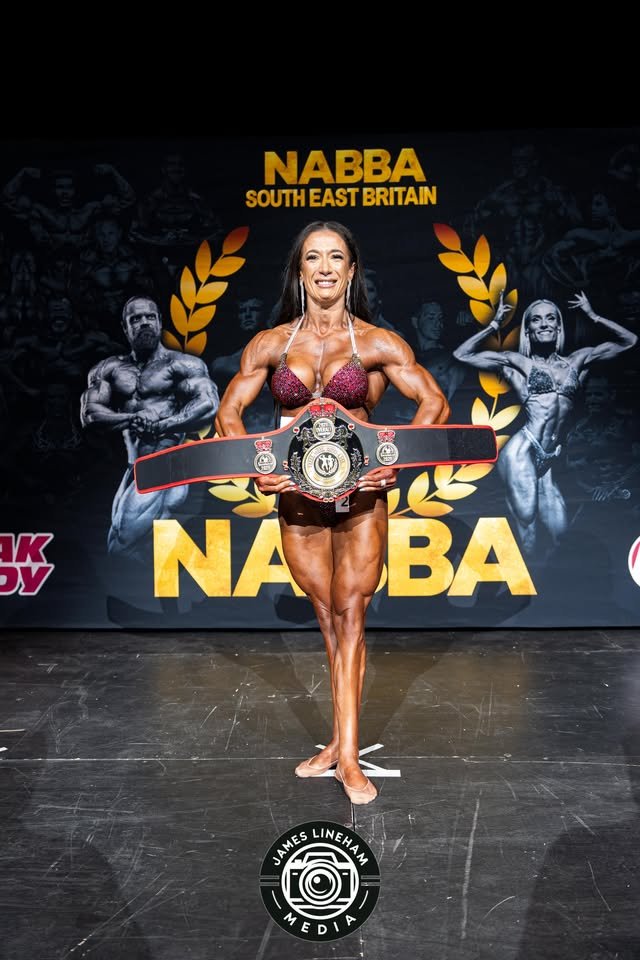
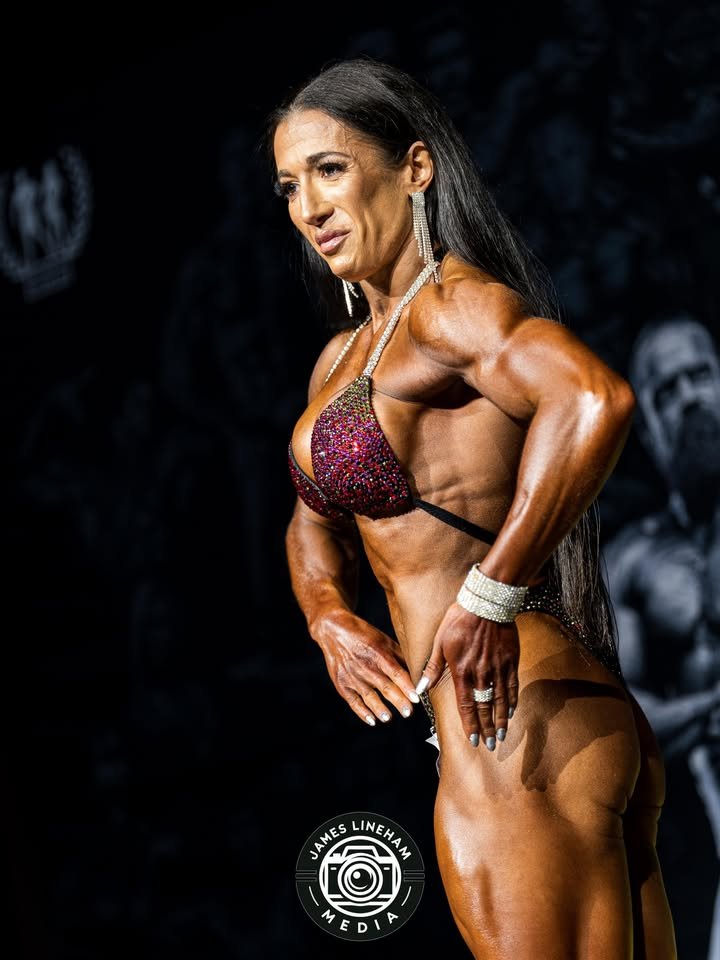
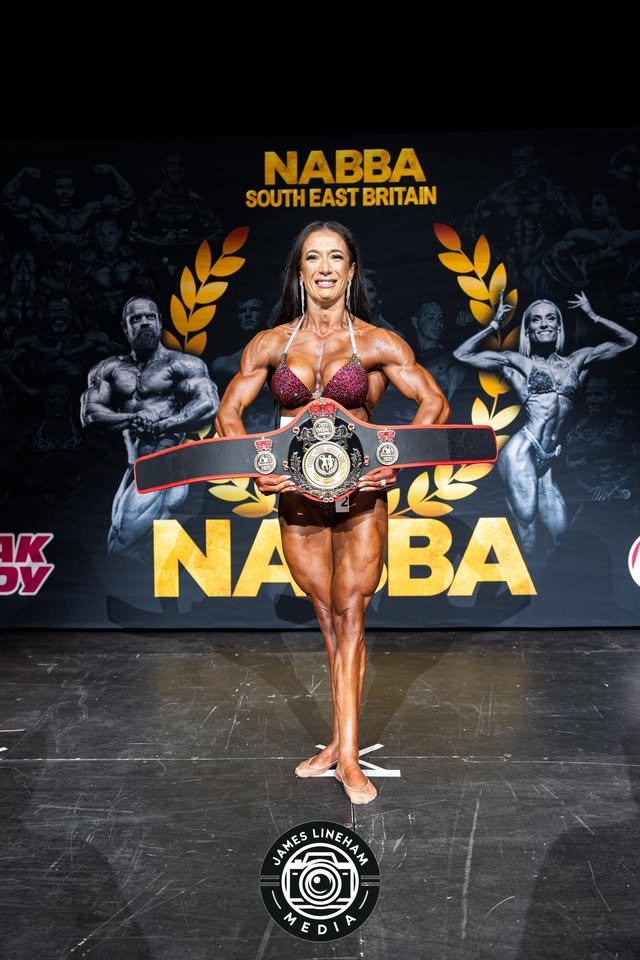
TWO months ago NABBA told Rita Trotter she needed more muscle to be awarded their Pro Card before reversing that decision and offering her one just hours later. On Saturday, however, she won the Amateur Olympia and is now an IFBB Pro.
And now she says: "Olympia, I'm coming for you."
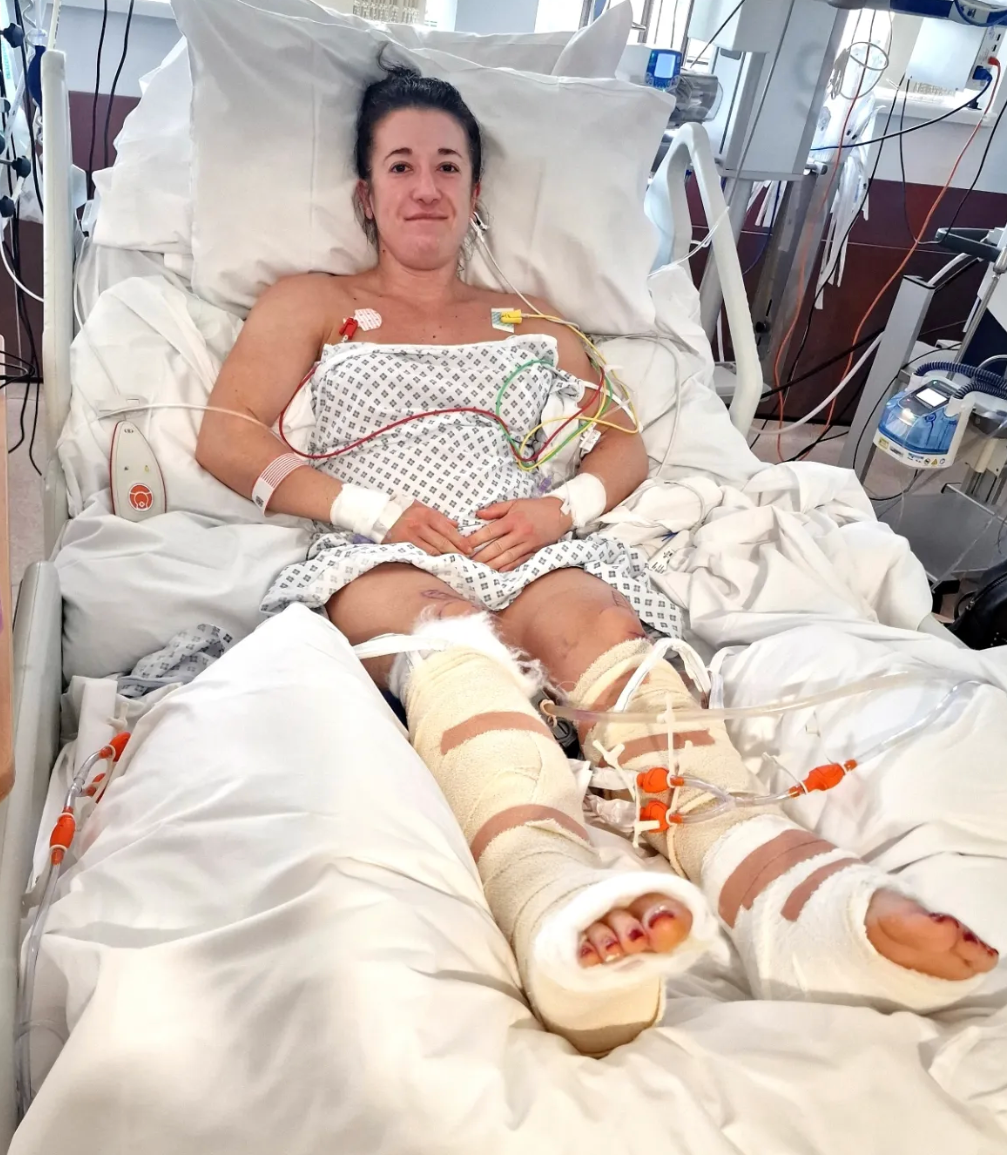
In the wake of Trotter's overall victory at that NABBA South East show, Trotter gave an exclusive interview to Front Double, in which she revealed how, just two years ago, a surgeon told her she would probably spend the rest of her life on crutches, never work as a Personal Trainer again and never return to bodybuilding.
This was because both of her legs, from the knee down, have no muscle and no nerves and her feet are paralysed. It all happened after routine blood tests to check she remained clear of the cervical cancer she beat five years ago flagged an issue and so a cervical biopsy was performed. This caused an infection, which then spread to her kidneys. Her kidneys then shut down.
In our interview, Trotter said: "When the kidneys shut down, your whole body fills with fluid. My lower legs filled with fluid. It's called compartment syndrome. It crushed all the muscle and nerves. They couldn't save it."
But fast forward two years and Trotter is now an IFBB Pro and the narrative is very different indeed.
Speaking again exclusively to Front Double, she said: "It still hasn't quite sunk in. Winning my IFBB Pro Card at the Amateur Olympia was the culmination of years of hard work, setbacks, resilience and refusing to let circumstances define what I was capable of achieving.
"When Front Double first shared my story, it was about overcoming life-threatening illness and major surgery and fighting my way back to the stage. To now be continuing that story as an IFBB Pro is something I'm incredibly proud of and grateful for.
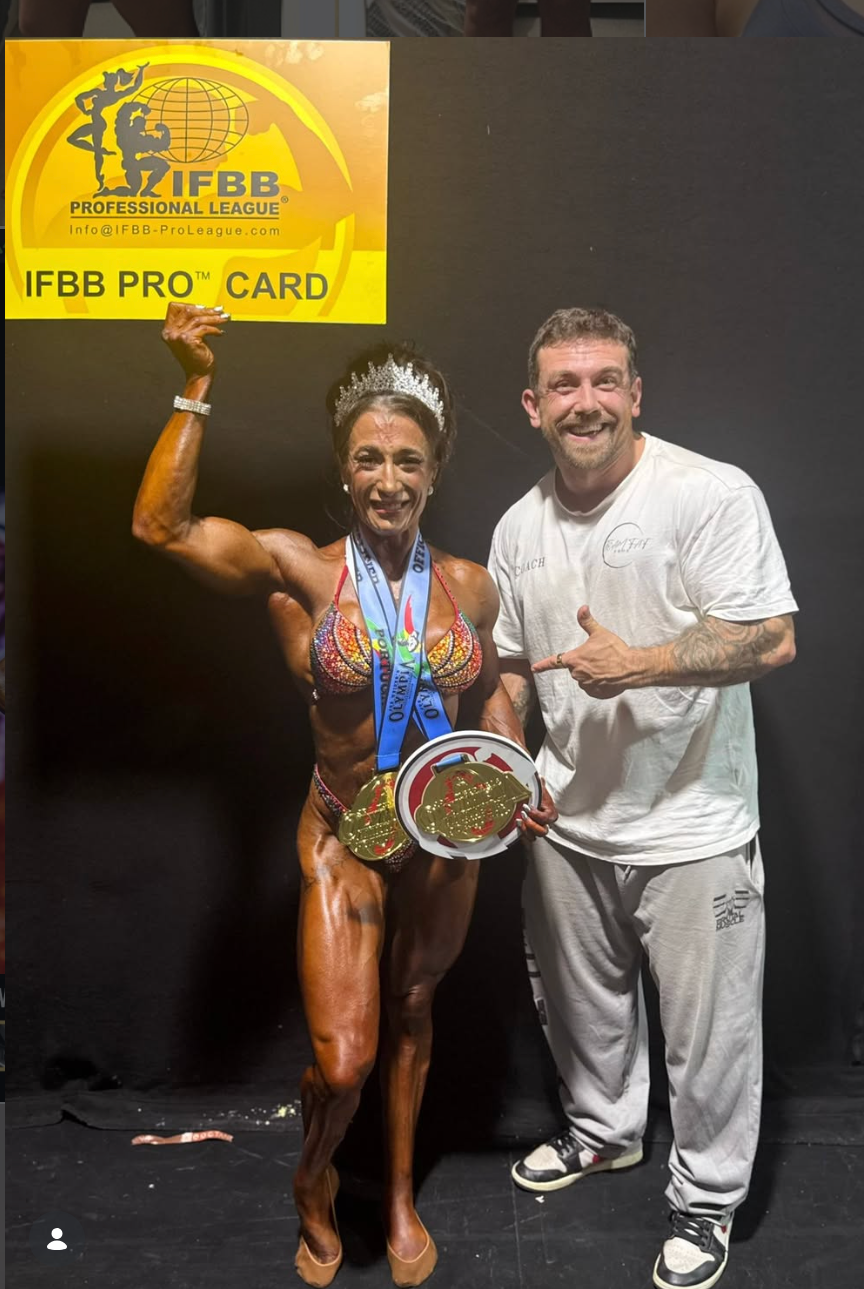
"The focus now shifts from chasing a Pro Card to becoming the best IFBB Pro I can be. That means embracing a proper off-season with patience, purpose and a long-term mindset. Rather than rushing back to the stage, this chapter is about building more muscle, refining every aspect of my physique, improving my presentation and giving myself the best possible opportunity to make a strong professional debut when the time is right.
"I'm taking my time to carefully consider the right path for this next phase of my career. There are some important decisions to make over the coming months and I want to ensure every choice supports my long-term goal rather than looking for quick results."
The dream is to qualify for the Olympia as a Pro
Trotter continued: "The dream now is very clear: to qualify for the Olympia as an IFBB Pro. Just earning the opportunity to stand on that stage alongside the best Women's Physique athletes in the world would mean everything to me. I know that won't happen overnight and I'm prepared to invest the time, patience and consistency needed to give myself the very best chance of getting there.
"If my journey has taught me anything, it's that success isn't defined by how quickly you arrive. It's built through resilience, discipline and showing up every single day, especially when the road isn't easy. Becoming an IFBB Pro is the achievement of a lifelong dream, but I genuinely believe it's only the beginning. The most exciting chapter of my story is still to be written.
"Olympia I'm coming for you."
Trotter also paid tribute on social media to many others who had helped her along the way and the relationships forged. She said: "One of the things I'm proudest of wasn't what happened on stage, but what happened behind it.
"Being able to help other athletes with their bikinis, posing and anything they needed reminded me that this sport is about so much more than trophies.
"The friendships, the kindness and the incredible people you meet along the way are what make bodybuilding so special.
"A huge thank you to my amazing friend Fallan @barbara_sue_aesthetics who somehow managed to be my tanning, hair and makeup guru all rolled into one. I honestly couldn't have done it without you.
"And a massive thank you to my coach @jordanfern_pro ... thank you for standing by my side, believing in me, guiding me, pushing me and helping me bring my best package to the biggest stage of my life. Having you there meant everything.
"To @sooby.sue.pro for getting my posing so on point. Couldn't have looked so good up there without you!! And to @bikinimama_store for providing me with the best ever bikini to win in!
"To my family, friends, clients, everyone who has followed this journey, sent messages, supported me and believed in me... thank you. Every single one of you has been part of this moment. This season has given me memories I'll treasure for ever.
"And now... the next chapter begins. IFBB Pro. And I'm overflowing with gratitude."
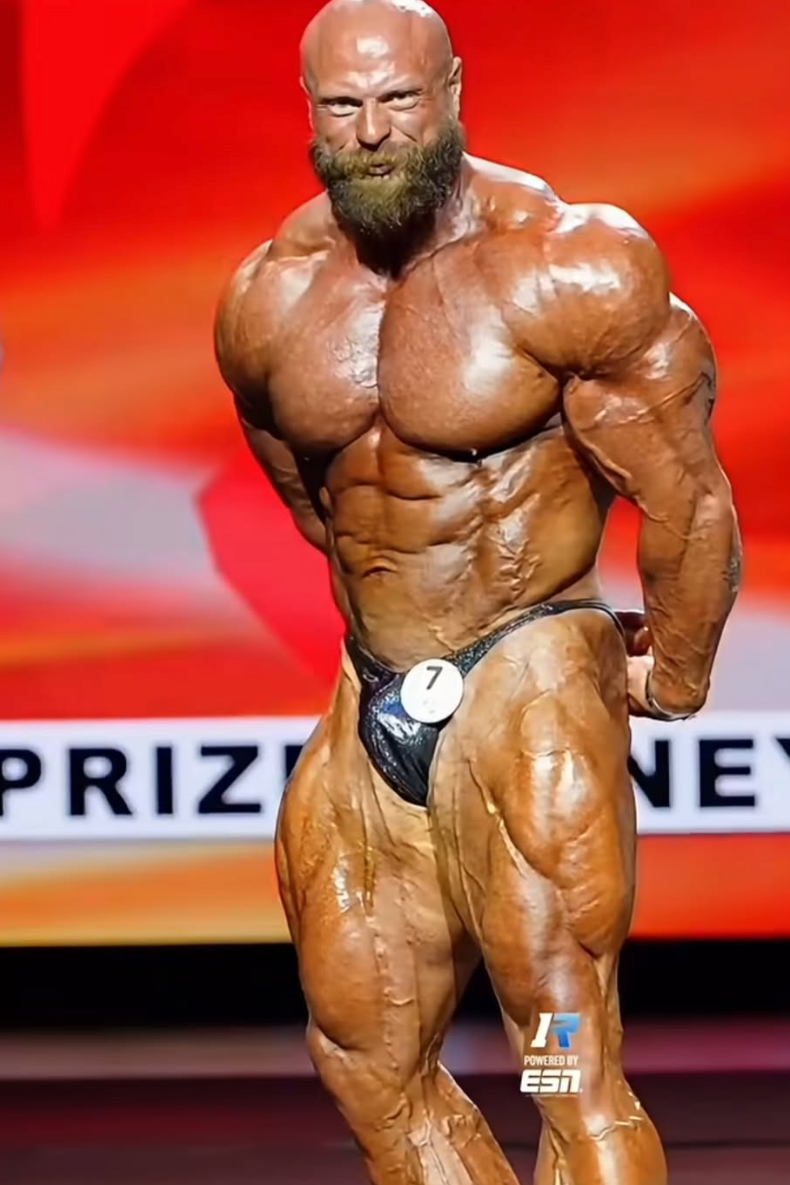
BRITISH bodybuilding had a strong showing at the 2026 Mr Big Evolution Portugal Pro on Sunday July 5 in Estoril – with James Hollingshead going toe-to-toe with eventual winner Jordan Hutchinson.
The event, an IFBB Pro League Olympia qualifier spanning 10 divisions, drew a stacked international field — and UK athletes made their presence felt across the board.
Holllingshead narrowly missed taking victory and qualifying for the Olympia in what many ringside called one of the closest calls of the night.
Hollingshead's size and conditioning were on full display and the runner-up finish keeps him firmly in the Olympia conversation. Fellow Brit Marc Hector also took to the Open stage, placing eighth in a brutally deep lineup.
The women's divisions were well represented too. Kerry Sexton finished ninth in Bikini, Chelsey Warnes and Lorna Paterson both placed 16th in Wellness, and Taylor Joslin landed eighth in Figure. The UK's Fit Model contingent – Marnie Al-Saraf, Emily Olivia and Melanie Wilkinson – rounded out a solid team effort across the card.
With Olympia qualification on the line in every division, Portugal was never going to be an easy stage and Hollingshead's near-miss is proof he is still operating at the sharp end of the sport. Hector's eighth-place finish, meanwhile, banks valuable experience against elite competition.
MORE FROM FRONTDOUBLE:
"Both my legs, from the knee down, have no muscle and no nerves. My feet are paralysed. I can't feel them"
"I had to save myself”: Former Olympia competitor, 52, shares full prep and comeback from mental health crisis
BODYBUILDING RESULTS
ATHLETE PROFILES
HEALTH AND EDUCATION HUB
Mental Health in Bodybuilding
Jay Howlett: From anxiety to success at IBFA South East show

Leave a Reply