Optimal training volume for hypertrophy

From low-volume HIT to high-volume training, we break down how many sets you really need to build muscle

The Alan Carson Column

The optimal training volume for hypertrophy has been debated in bodybuilding for decades. On one side, there are low-volume, high-intensity training (HIT) advocates who argue that brief but maximally intense sessions maximise muscle growth and recovery. On the other, high-volume proponents claim that more sets and reps lead to superior hypertrophy.

Both sides have strong arguments and both approaches have produced successful bodybuilders. So what is the truth? And more importantly, what is the best approach for you?

What the science says about training volume

If we look at the scientific literature, we find support for both high and low training volumes. Some studies suggest that higher training volumes (more sets per muscle group per week) lead to greater hypertrophy. A meta-analysis by Schoenfeld et al. (2017) indicated a dose-response relationship between training volume and muscle growth, with more sets leading to more hypertrophy up to a point.
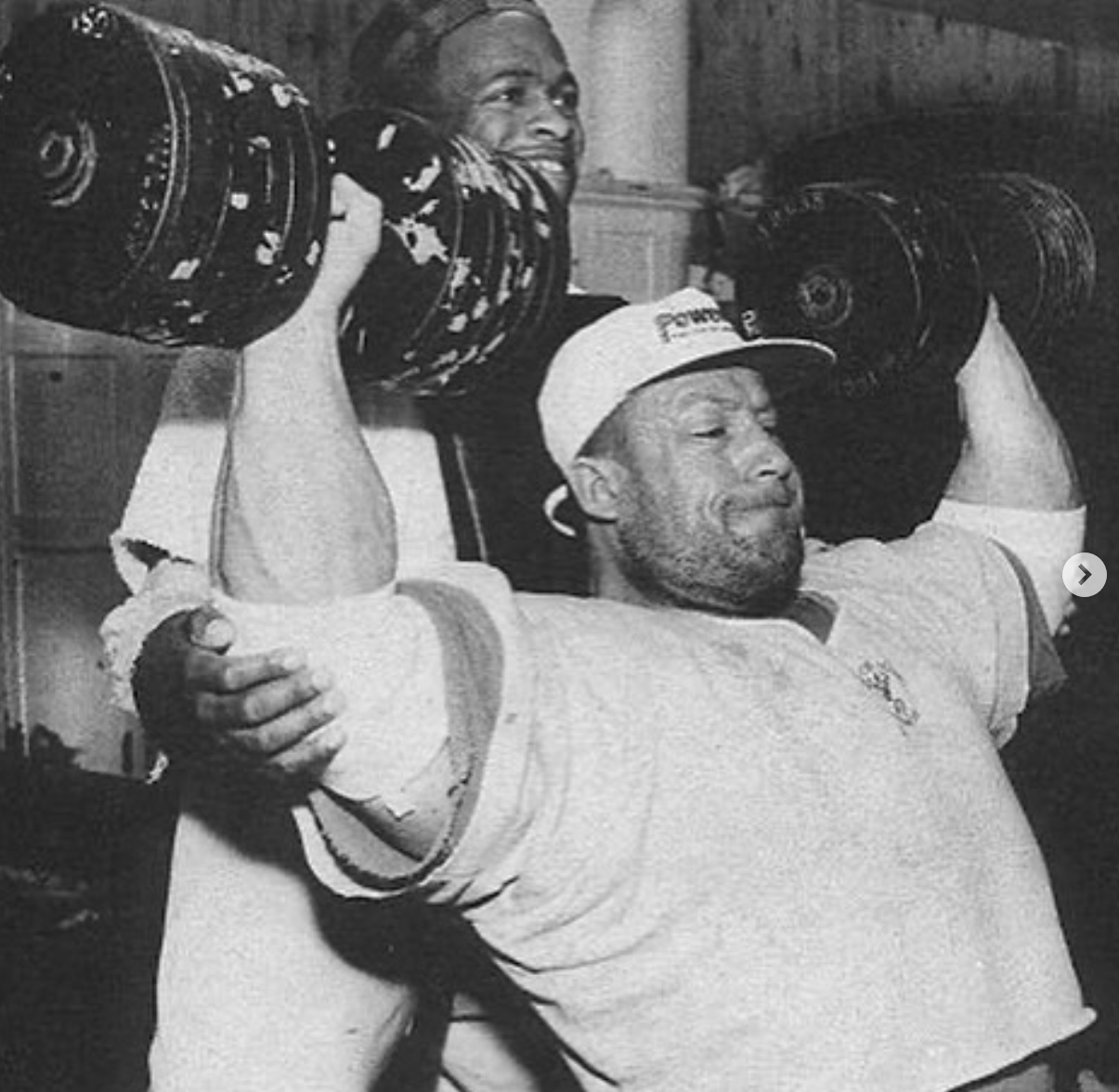
Dorian Yates low volume high intensity training bodybuilding

HIT training, made famous by people such as Arthur Jones, Mike Mentzer and Dorian Yates (above), focuses on maximising intensity while minimising total work. Many HIT advocates argue that anything above one or two sets to failure is not only unnecessary but that additional sets could impede progress. Studies such as those by Fisher et al. (2013) suggest that lower volumes, when performed with high intensity, can be equally effective for hypertrophy.

Surely, science can give us a definitive answer? Well, it's complicated and, when you begin to critically analyse studies by considering factors like those listed below, you can decide how much stock you might want to put into a study in terms of any conclusions you might draw. In other words, you have to get into the details.

How many subjects were in the study?
Have other studies produced similar results?
Were the subjects trained or untrained?
How advanced were the subjects?
Were they male or female?
Were they natural or assisted?
How old were the subjects?
How long was the study?
Were the subjects exposed to both conditions?
Was the study performed on all body parts or just on specific body parts?
Were the scientists taking measurements blinded?

As you can see, there are lots of things to consider that could make the findings of any study more or less relevant to you as an individual. Also, can you imagine all the uncontrollable variables involved, such as sleep quantity and quality, stress and nutrition? Do you think they might affect the results? You bet they would.

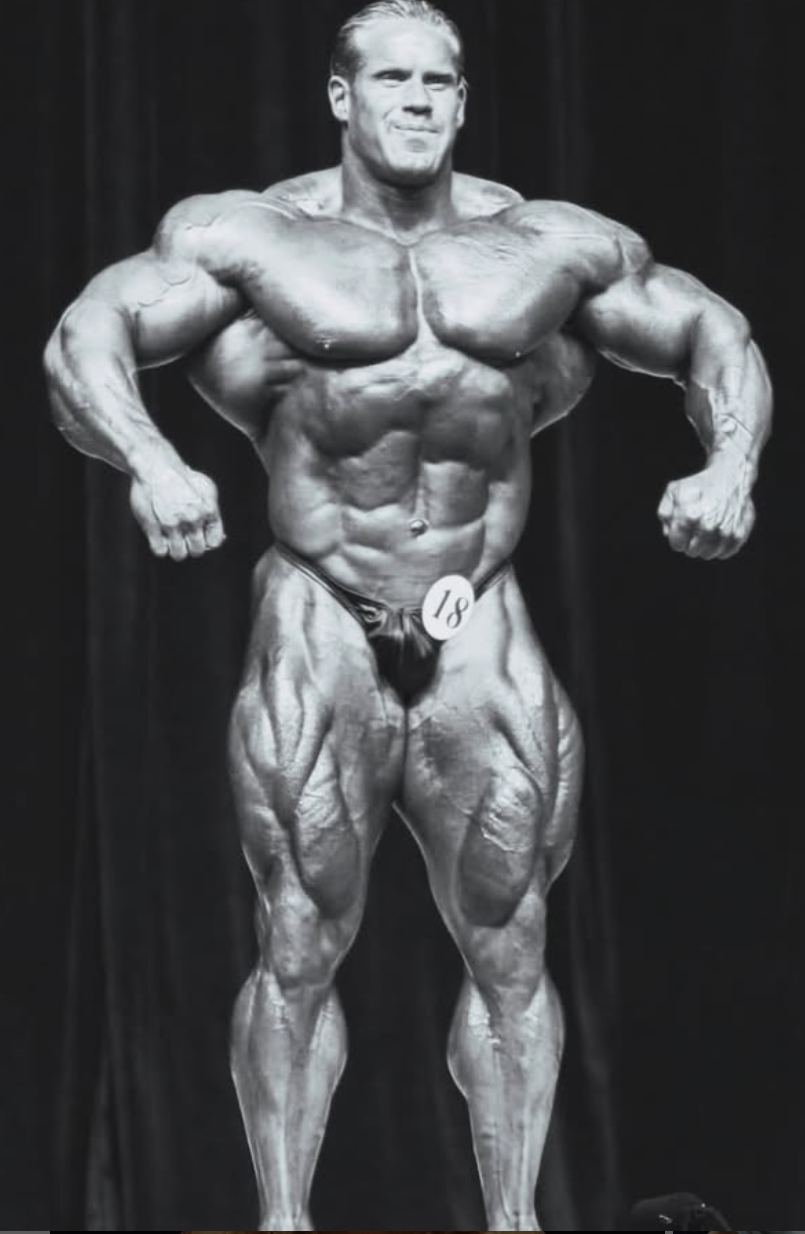
Jay Cutler high volume bodybuilding training routine

What elite bodybuilders actually do

If we examine the routines of the most successful Olympia competitors, we see a range of approaches. Dorian Yates, for example, built his huge, dense physique on low-volume, high-intensity training, performing only a few all-out sets to failure per workout. In contrast, Jay Cutler (above) thrived on high-volume training without training to failure.

This tells us two things:
1) Both approaches can work – There is no single formula for success.
2) Individual factors play a huge role – Genetics, recovery capacity, training experience and even personality type (some people prefer to go all-out on their sets).

How to find your ideal training volume

Given the fact we can observe results to support both low-volume and high-volume training, a one-size-fits-all prescription for training volume is unrealistic. Research and coaching experience both indicate significant individual variability.

A useful framework is the concept of Minimum Effective Volume (MEV) and Maximum Recoverable Volume (MRV), which Dr. Mike Israetel and his colleagues introduced. MEV is the least amount of work required to make progress, while MRV is the most volume an individual can handle before recovery and performance decline. The goal should be to train within this range, gradually adjusting volume if needed while monitoring recovery.

Progressive overload and adaptation

Regardless of volume, progressive tension overload remains a key driver of hypertrophy. A lower-volume approach can be highly effective if intensity and progression are prioritised. On the other hand, higher volumes without sufficient effort and progression will yield suboptimal results. This highlights the importance of effort and execution in training. In other words, two all-out sets executed accurately to failure will probably be more effective than five lazy "fluff and pump" sets.

We know that proximity to failure is important, with each rep closer to failure being more effective but also more fatiguing. This hints at there being a sweet spot. Intensity and volume are inversely proportionate. Put another way, you can't sprint a marathon.
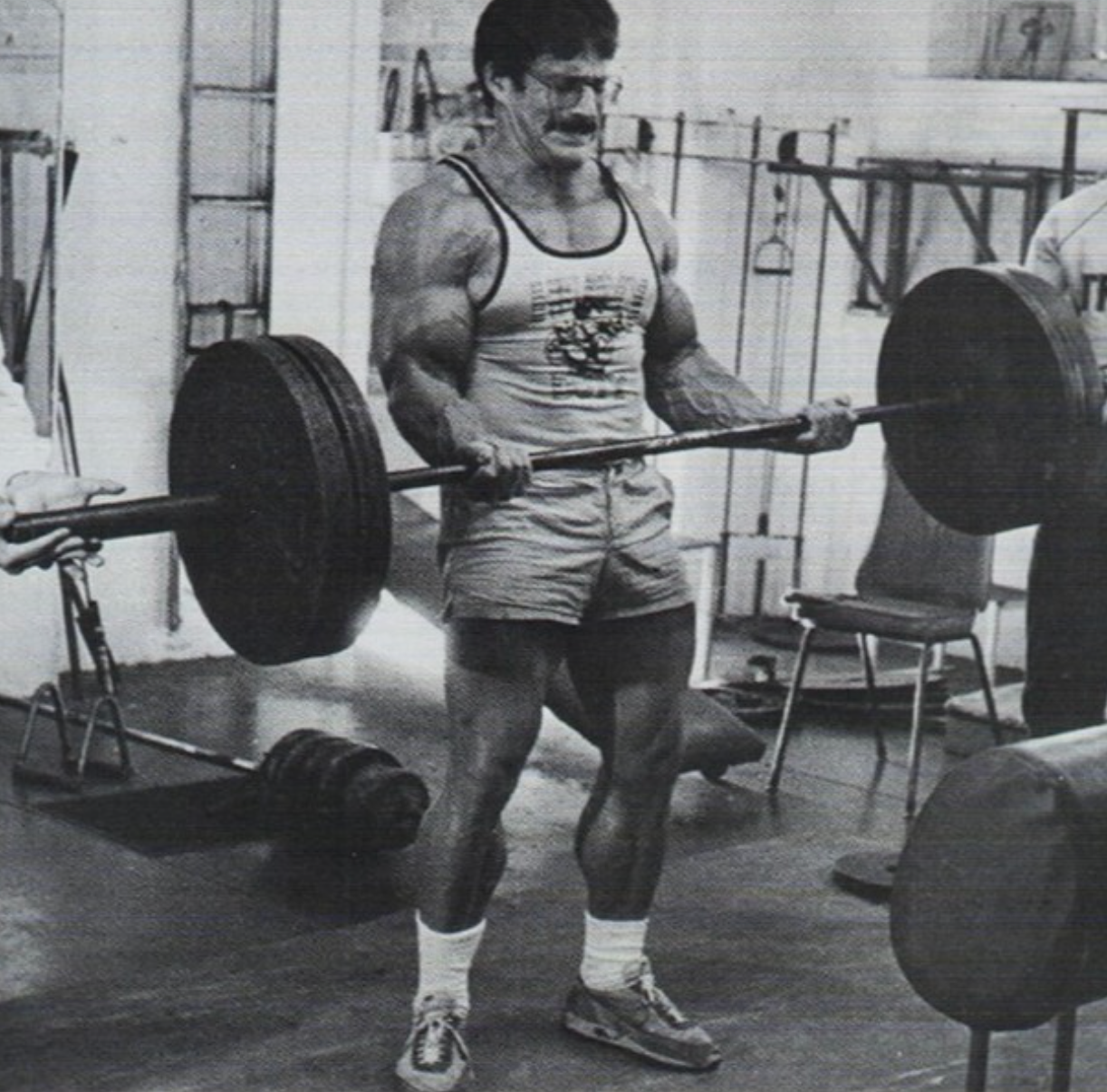
Mike Mentzer heavy duty HIT low volume training bodybuilding
HEAVY DUTY: Mike Mentzer

Individualisation and auto-regulation

Some people seem to thrive on higher volumes, while others find it leads to excessive fatigue. Factors such as sleep, stress, nutrition and genetics all influence volume tolerance. Instead of mindlessly following a set prescription, we should all experiment and adjust based on recovery, performance and progress.

Even within an individual, different muscle groups may have varying volume requirements. For example, some might find that their quads require fewer sets to grow, while their shoulders or biceps seem to need more volume to grow. Adjusting training volume based on performance feedback, such as soreness, recovery time and progression in strength, allows for a more tailored and effective approach to hypertrophy. Understanding these nuances allows for better individualisation of volume across different body parts, rather than applying a uniform approach.

The law of diminishing returns

More is not always better. While increasing volume might enhance hypertrophy to a point, excessive volume often leads to signs of overtraining, such as joint pain, plateaus or reductions in strength, increased fatigue, less growth and prolonged recovery times. There is a balance between stimulus and recovery that must be respected, as well as how much training we can practically fit into our schedules.

How many sets should you do?

The reality is that both high and low-volume training can be effective and the optimal approach depends on the individual. Instead of engaging in dogmatic debates, the best course of action is to experiment, track results and adjust accordingly. By understanding the principles of volume, intensity and recovery, we can tailor our training for maximum growth. In the end, the best training volume is not dictated by science or tradition alone but by what allows consistent progress over time.

About the Author
Alan Carson is a competitive bodybuilder and certified sports nutritionist based in Worcestershire. Competing since 2014, Alan secured the PCA British Masters Over 40s title in 2023 after returning to the stage following a four-year break. Alan works closely with a select number of clients, blending his expertise in nutrition, bodybuilding training and psychological aspects to help them reach peak potential both physically and mentally. With a passion for transformation, he's dedicated to helping clients improve their health, performance and physiques.

Optimal rep range for hypertrophy

Why Dorian Yates did deadlifts last on back day

Insulin 101 for Bodybuilders: Complete Guide, Protocols & Safety

UK Bodybuilding Results

Leave a Reply

Your email address will not be published. Required fields are marked *

Optimal rep range for hypertrophy

From heavy low-rep strength work to high-rep pump training, we break down what really builds muscle – and where most bodybuilders go wrong

The Alan Carson Column

The optimal rep range for hypertrophy has been debated in bodybuilding for decades. Traditionally, the 6-12 rep range has been seen as the gold standard, delivering solid results for decades. But with studies suggesting that rep ranges from six to as high as 30 can be similarly effective for hypertrophy, there is room to explore how different approaches can impact muscle growth and possibly even the appearance of a physique.

Let's weigh the pros and cons of various rep ranges and apply science and common sense to determine what might work best for you.

What actually causes muscle growth?

At its core, muscle growth (hypertrophy) is primarily driven by mechanical tension. Mechanical tension refers to the force generated when muscles contract under load, especially during eccentric movements. Naturally, heavier loads create more tension, which stimulates the muscle fibres to adapt and grow. This process involves mechanosensors and it is quite fascinating how they work (at least if you're a bit of nerd).

Mechanosensors in muscle fibres

Integrins
Integrins are proteins embedded in the muscle cell membrane that sense mechanical tension. When muscles contract or stretch under load, these proteins detect changes in the physical environment and transmit signals into the cell.

Costameres
Costameres are structures on the muscle membrane that connect the cytoskeleton (the cell's internal framework) to the extracellular matrix (the structure outside the cell). They act as tension-sensitive complexes that help distribute force across muscle fibres and initiate intracellular signalling.

optimal rep ranges for muscle growth alan carson bodybuilder

Titin
Titin is a large protein in muscle fibres that acts like a spring, helping muscles resist stretch. It also has mechanosensing properties, detecting tension and initiating biochemical signals that contribute to hypertrophy.

Muscle damage
Controlled eccentric loading and novel exercises can induce muscle damage. This is one of the reasons we ache more when we do exercises we aren't used to. While muscle damage is thought to play a role in hypertrophy, it's generally accepted that this is secondary to mechanical tension.

Metabolic stress
Higher-rep training creates a greater build-up of metabolites, leading to cell swelling. It's thought that this mechanism can lead to anabolic signalling that causes hypertrophy, but this is believed to be less potent than mechanical tension.

Brad Schoenfeld's research highlights the interplay of these factors. While all three contribute, mechanical tension seems to be the strongest mechanism for muscle growth.

Pros and cons of different rep ranges

Strength development (1-5 reps)
Pros:
• Builds maximal strength through skill and neural adaptation.
• Improves force production, which can enhance performance in compound lifts and more hypertrophic rep ranges
Cons:
• Potential higher risk of injury due to heavy loads.

• Limited total training volume, which alone may not provide sufficient stimulus for hypertrophy.

optimal rep ranges for muscle growth alan carson bodybuilder

Classic hypertrophy (6-15 reps)
Pros:
• Provides a balance of mechanical tension and metabolic stress.
• Moderate rep ranges allow for manageable fatigue, enabling consistent, high-quality sets.
Cons:
• Requires careful execution to avoid overloading connective tissues or causing burnout.
• Training only in this range might neglect the potential benefits of other training stimuli.

Higher rep pump work (15+ reps)
Pros:
• Huge pumps. It's fun, right?
• Enhances blood flow, aiding recovery and connective tissue health.
Cons:
• High-rep sets can lead to poor form as fatigue sets in, increasing injury risk or at least reducing the accuracy of the training.
• Less mechanical tension, which limits its effectiveness for maximal hypertrophy.

Sarcoplasmic vs myofibrillar hypertrophy

Two distinct types of muscle hypertrophy appear to occur. Often referred to as sarcoplasmic hypertrophy and myofibrillar hypertrophy. The exact extent to which they can be independently targeted or how much they each contribute to overall growth remains a topic of discussion.

Sarcoplasmic hypertrophy
Sarcoplasmic hypertrophy is characterised by an increase in the non-contractile components of the muscle, such as fluid, glycogen and other cellular elements that support muscular endurance and metabolic activity. This form of growth is often associated with higher-rep, pump-focused training. It might explain the rounder, fuller muscle appearance seen in some bodybuilders. Think Jay Cutler (below).

Jay Cutler physique showing full muscle from higher rep training

Myofibrillar hypertrophy
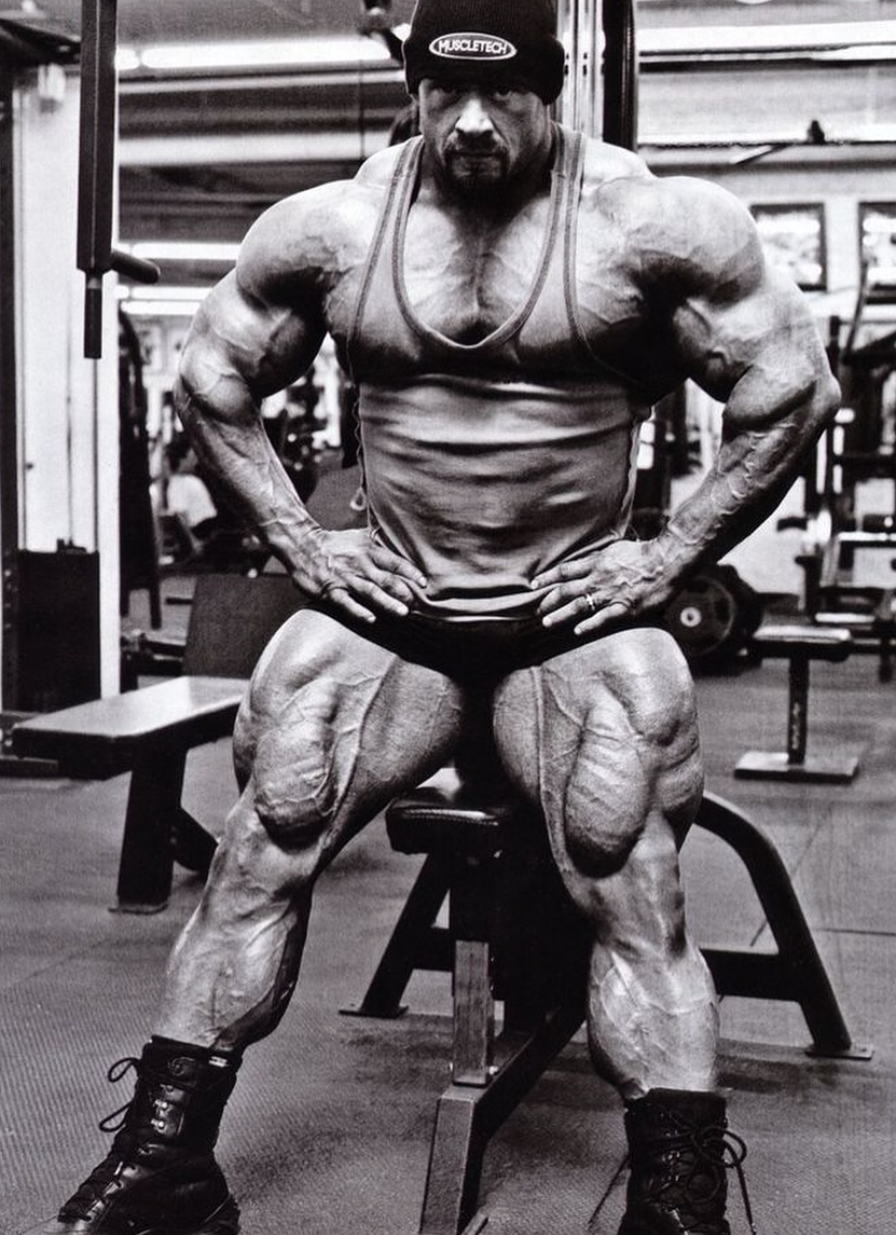
Myofibrillar hypertrophy involves the growth of the contractile elements within the muscle. This form of hypertrophy is often linked to heavy, lower-rep training that maximises mechanical tension. Within bodybuilding, those who favour heavier training appear to develop muscles that appear harder and denser, potentially reflecting more myofibrillar adaptations. Think Branch Warren (below).

While these concepts help explain observable differences between training methods and physiques, they shouldn't overcomplicate programming.

Both sarcoplasmic and myofibrillar hypertrophy contribute to muscle size and it's likely that no training method targets one exclusively. Most resistance training programmes promote both to some degree, though the emphasis may shift depending on the rep range, load and rest intervals.

Sticking to tried-and-true rep ranges (eg, 6-15) and progressively overloading the muscles is a proven strategy for building size and strength, regardless of the underlying mechanisms.

Isolation vs compound movements

Through experience and common sense, you’ve likely noticed that different exercises may lend themselves better to specific rep ranges. In general, with hypertrophy as the main goal, compound exercises might best be performed in the 6-12 rep range, where mechanical tension is maximised, but cardiovascular fatigue doesn't compromise form and, therefore, effectiveness and safety of training.

Certain isolation exercises can be effective at higher reps (12-15+), where it's important to minimise joint strain. For example, heavy sets of six on lateral raises or calf raises may not be practical or safe. It's also thought that calves and shoulders often respond well to higher reps due to their high proportion of slow-twitch fibres.

Branch Warren dense muscle from heavy low rep training

How to apply rep ranges in training

Incorporating all rep ranges strategically can benefit your training by offering variety and stimulating growth through multiple pathways. You can be big and strong!

1-5 Reps
Helps build maximal strength and, therefore, bragging rights (who doesn’t want to be strong?)
6-12 Reps
This rep range seems to be the bread and butter of muscle growth.
Let's face it: the judges (or the chick at the beach) don't care what you can bench; they just want to see impressive pecs!
15+ Reps
Great for getting skin-splitting pumps, accessory exercises, calf and shoulder training, or connective tissue health.

The takeaway

Building muscle doesn't need to be overcomplicated. The optimal rep range for most bodybuilders lies in the 6-15 rep range, where the benefits of the main mechanism that promotes growth (mechanical tension) can be obtained. Progressively overloading in this range is almost certainly the best approach for hypertrophy.

Don’t miss the forest for the trees
This article has focused on rep ranges. However, it's worth pointing out that, regardless of whether you are aiming to hit six reps or 15 reps on any given set, progressive tension overload should be the main focus when training for maximum hypertrophy. And that requires consistency and hard effort in all aspects of bodybuilding which, as well as training, include adequate nutrition and recovery, as they are also the drivers of success in bodybuilding.
Then, there is the question of volume.
How many sets should we be doing?
We will leave that discussion for another day!

optimal rep ranges for muscle growth alan carson bodybuilder

About the Author
Alan Carson is a competitive bodybuilder and certified sports nutritionist based in Worcestershire. Competing since 2014, Alan secured the PCA British Masters Over 40s title in 2023 after returning to the stage following a four-year break. Alan works closely with a select number of clients, blending his expertise in nutrition, bodybuilding training and psychological aspects to help them reach peak potential both physically and mentally. With a passion for transformation, he's dedicated to helping clients improve their health, performance and physiques.

Read Alan Carson's previous columns HERE.

FRONTDOUBLE TRAINING ARTICLES

Growth Hormone doses: Just how much?

Bodybuilding contest prep tips

UK Bodybuilding Results

Leave a Reply

Your email address will not be published. Required fields are marked *

Is testosterone best for muscle growth?

Bodybuilder Josh Goold discusses how to find your optimal dose

POT OF GOOLD! The Josh Goold Column

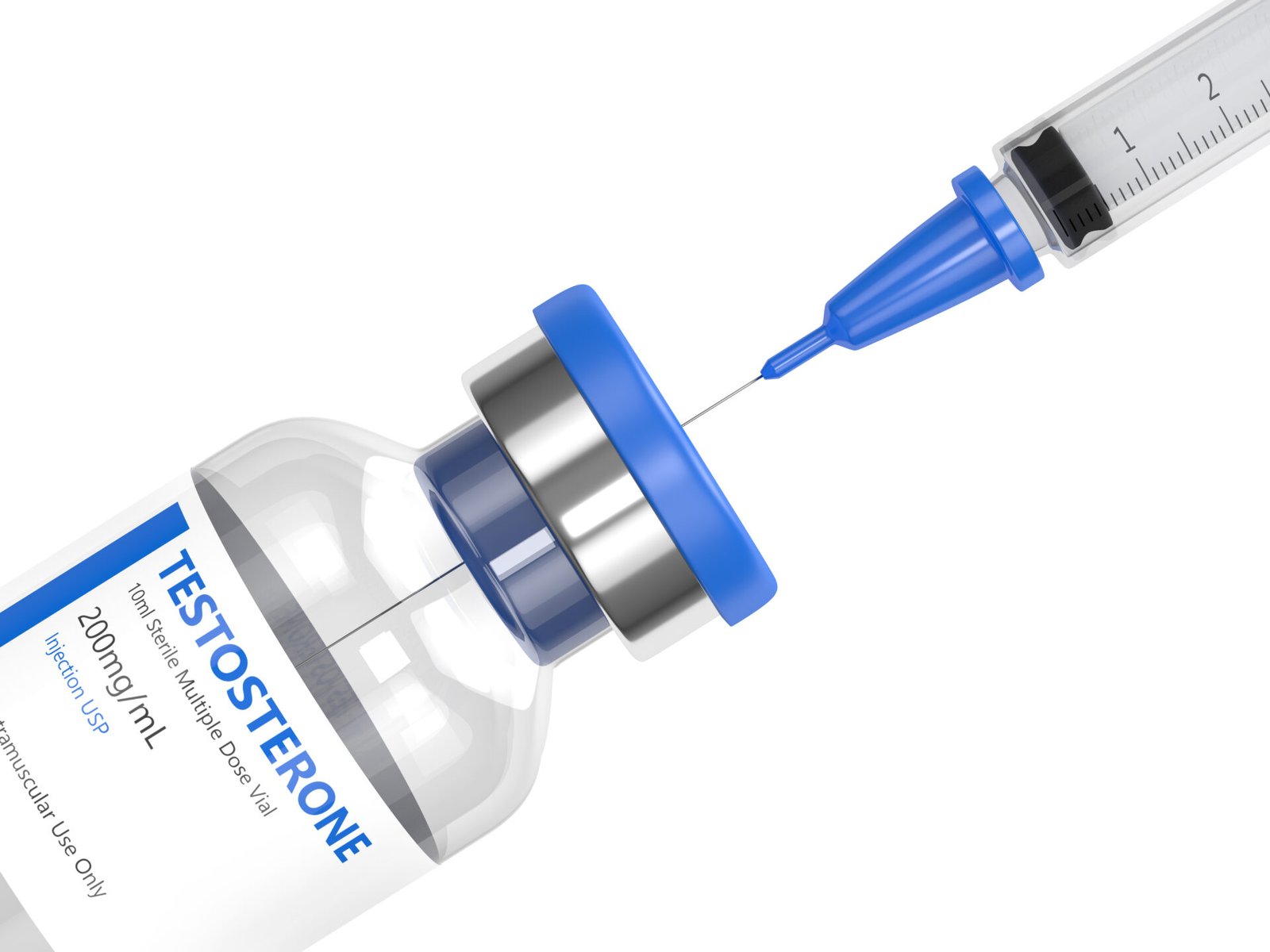
BACK before my time, the thought process of running your weekly testosterone to 1000mg as quickly as possible was thought to be best.

Now we know more about anabolic steroids, progressing cycles and total anabolic load, we understand that this concept is a little outdated.

But there is merit in trying to run your testosterone as high as your body can tolerate, until a modulation of oestrogen is needed. For some this could be 250mg, for others this could be up to 500mg to 600mg.

Testosterone is naturally occurring in the body, so we are used to the hormone. That being said, not to the larger supra-physiological levels.

Exogenous testosterone is one of the most studied anabolic steroids we have at hand. So understanding its abilities, its mechanisms, the potential it can give to us and also the consequences, is very easy to come by.

Testosterone will increase protein synthesis

Testosterone will drive anabolism, recruit protein faster and Increase muscle protein synthesis (MPS). This is just like other compounds, but other compounds are not as widely used in medicine, unlike testosterone.

For me, this gives it merit in attempting to run testosterone as high as your body can tolerate . Find your optimal testosterone dose before looking at modulating oestrogen with a DHT or something else.

So you can see it’s a little different from the early 2000s of racing to a weekly amount of 1000mg. There’s a lot more thought going into it in finding your optimal testosterone dosage.

Now the question is how do we modulate oestrogen (e2) while tapering test.

Well, the idea is to find out how much testosterone you can tolerate without needing to modulate. This is your optimal dosage. You see the likes of bodybuilder John Jewett showing how to taper by 50mg per week. He does this to the point where we see those negative e2 sides appear.

I’m not saying you need to wait for bitch tits (gynecomastia) to grow. But until we start to see noticeable side effects, such as uncomfortable fluid retention and higher blood pressure.

Once you have found your optimal testosterone dose, then we can look at potential methods of modulation. An aromatase inhibitor (AI), SERM or DHT (primobolan or masteron) helps modulate e2 very well.

I will discuss which one is best over the coming weeks. And I will also discuss growth hormone and insulin stacked within a cycle.

MORE FROM FRONTDOUBLE:

GROWTH HORMONE GUIDE

BODYBUILDING RESULTS

ATHLETE PROFILES

HEALTH AND EDUCATION HUB

Leave a Reply

Your email address will not be published. Required fields are marked *

Quad workout bodybuilding: Eddie Sykes reveals his new leg routine after horrific injury

After a 600kg leg press accident left him with a broken pelvis, Eddie Sykes was forced to completely rethink leg training. This is the quad-focused routine that brought him back to the stage

AFTER a broken pelvis threatened to leave him unable to walk bodybuilder Eddie Sykes has shared the new quad workout that has helped him return to the stage.

In an exclusive interview with frontdouble.com in December, Sykes detailed the extensive injuries he suffered during a 600kg leg press in 2020 and how the NHS, under pressure from the Government's Covid protocols at the time, concluded that his scans showed no damage.

Sykes then paid for private healthcare, with doctors there finding, rightly, that he "needed help and needed help now" or he would struggle to ever walk again, let alone return to bodybuilding. He had broken his pelvis, severed his adductor longus and torn off his pectineus and pyramidalis.

In our December interview, Sykes detailed his incredible return from this injury to winning the NABBA Mr England last September and has now shared the quad workout he uses to ensure there is no repeat of that horrific injury.

Sykes must now use a fraction of the weight he used to lift and instead focuses purely on the movement, the squeeze, tension and pre-exhaustion work – so it is actually not possible to go as heavy as he used to.

One week his leg training routine is quad dominant, as below, with the next being hamstring focused.

His full training video will soon be available on his YouTube channel but below is a sneak preview of his revised leg training routine:

Eddie Sykes’ quad workout for bodybuilding

Leg extension – three working sets

1: 15-20 reps

2: Triple drop set 15 reps each

3: 20 reps with a hold

Pendulum squat

Two sets, last one a drop set

Leg press

One set, 100kg, to 100 reps

Abductor

Three sets, 10-15 reps

Calf raise using leg press

Three sets, 10-15 reps


Why not try this leg workout yourself and let us know in the comments below how you got on.

Eddie Sykes is also available for coaching and his details can be found in our Directory.

Optimal rep range for hypertrophy

Optimal training volume for hypertrophy

Health and Education Hub

Leave a Reply

Your email address will not be published. Required fields are marked *

Off-season cardio for bodybuilding: does it boost muscle gains?

Can cardio actually help you grow? Top coaches are split – from Chris Aceto’s anti-cardio stance to Dorian Yates and Justin Harris using it to boost appetite, fitness and progression

By Gary Chappell

Off-season cardio is one of bodybuilding’s most debated topics. Some of the best coaches in the world argue it kills muscle growth. Others insist it is the key to eating more, recovering better and staying lean while gaining size.

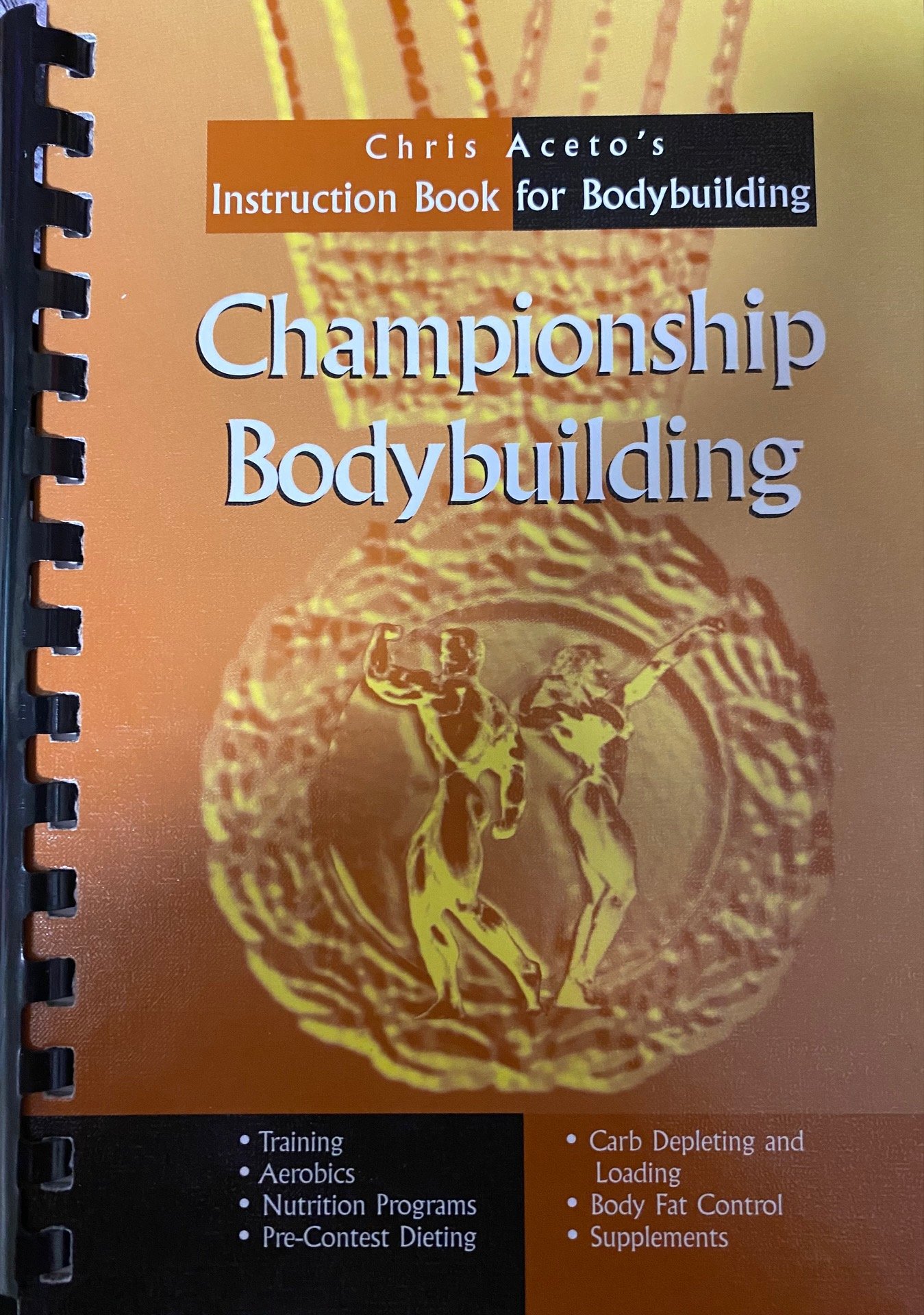
In his book ‘Championship Bodybuilding’ leading coach Chris Aceto says: “No bodybuilder who wishes to gain muscle mass should ever do aerobics in the off-season.”

Granted, the book was first published in 1996 and Aceto’s ‘opinion’ might have changed, but it has had at least 24 printings, with the most recent being 2019.

Remember, Aceto is regarded as one of the best coaches in the business, working with the likes of Britain's Sas Heirati among others.

Chris Aceto bodybuilding coach cardio off season debate

Why Chris Aceto says no to cardio

In his book, Aceto writes: “I don’t like cardio exercise for bodybuilding. When I tell people that at seminars, I usually irritate someone in the audience, who gets angry. 

“They say bodybuilders need to do cardio work for the heart. I disagree. First, a low level of body fat that can be achieved with a good diet and hard weight training is the best preventor of heart disease. 

“Anyone who has heart problems or borderline diabetes knows the first bit of advice the doctor gives is to lose some weight. Body fat plays havoc with your body.

“In my opinion, no bodybuilder who wishes to gain muscle mass should ever do aerobics in the off season. Weight training is an activity that creates an anabolic state. Aerobic training creates a catabolic state.

“Weight training will improve and increase the release of anabolic hormones in the body to support growth, while aerobic training can counteract this by decreasing the output of these hormones.

“A myth in bodybuilding is off-season cardio will stimulate the metabolism. Bodybuilders often do aerobic work in the off-season in the hope of staying leaner. Dead wrong!

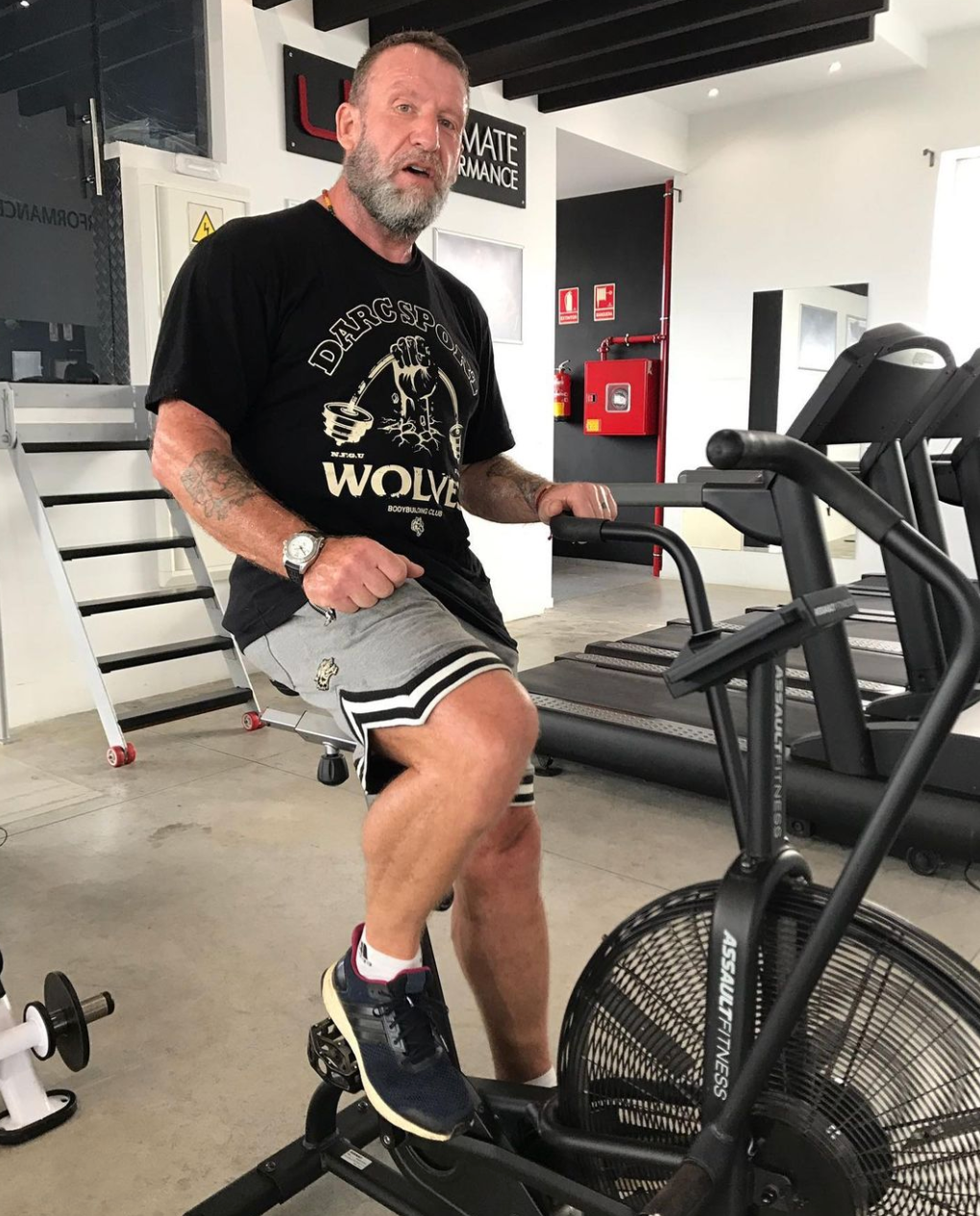
bodybuilder off season cardio exercise bike muscle growth

“First, aerobic activity does not burn as many calories as most believe. However, weight training adds muscle to the body, which causes the body to burn more calories even at rest.

“Both weight training and cardio work will stimulate the metabolism for a few hours following a workout.

“However, weight training stimulates muscle breakdown and remodelling. The act of recovery and muscle anabolism, stimulated from hard training, increases the need for calories.”

It is an interesting point. And one that is disputed by many.

Why Dorian Yates used cardio year-round

For example. six-times Mr Olympia Dorian Yates implemented cardio in his off-season. In an article for Muscle & Fitness he once wrote: “I advocate that bodybuilders at all levels initiate an aerobics program, because it has many benefits.

“First, it enhances general cardiovascular fitness and being healthy in heart and lung efficiency is a boon for a competing bodybuilder.

Dorian Yates off season cardio bodybuilding

“Second, this better level of general fitness increases metabolism. This makes your system much more efficient (than would be the case if you were sedentary) at assimilating the heavy protein intake necessary for bodybuilders.

“Third (and the reason I did cardio year-round when I was competing), it increases endurance so that when I launched into my contest-prep period where I started to train faster, I was ready for the pace from a fitness standpoint. The fourth main benefit is that doing cardio all year means you are able to take in a few more calories on a daily basis than would be the case if all you did was lift.

“In the offseason, I completed 30-minute power-walking sessions four times a week, first thing in the morning soon after I awoke and before breakfast. I just drank some water and then off I’d go.

“After having not eaten for 10 hours or so, I was in a low-carb state and, therefore, my body would more readily turn to fat for fuel.

“The pace was brisk, so I was breathing hard quickly. I took long strides and swung my arms to encourage general cardio stimulation.

“Writer Peter McGough once watched me power walking back to my house and he said that with my brisk pace, long strides and swinging arms, plus the fact that I weighed 275lbs, I looked like Frankenstein on speed. Moments like that make it all worthwhile!”

Tim Rosiek NABBA off season cardio

Coach and Class 2 bodybuilder Tim Rosiek believes off-season cardio is person dependent, however, saying: “It all depends on the individual; if they stay lean, then it’s not necessary. But if they’re carb sensitive, then it would be a good shout doing low impact cardio during the off-season.

“For example, I don’t do cardio in the off season mainly because I eat very clean and I’m lucky my genetics let me get away with not putting much fat on.

“But if I was unlucky and laid fat down quickly, I would do walking only, because fat burning requires oxygen and anything requiring more energy would deplete your glycogen and make you tired, which would affect your workout strength – and that is counter-productive to your growing period.”

Can cardio increase appetite and muscle growth?

American coach Justin Harris is a strong advocate of off-season cardio and explains how he uses it to mimic the respiratory strain of a 20-rep set of squats and, despite what Aceto believes, to stimulate appetite.

Harris utilises high intensity interval training for his off-season cardio at just 12 minutes. This takes the form of one minute low intensity, one minute high intensity, which over the duration of the session is considered six sets.

He says: “The harder you push in those high-intensity segments, the deeper into elevated post exercise oxygen consumption [EPOC].

Justin Harris off-season cardio

“Excess post-exercise oxygen consumption [EPOC, informally called afterburn] is a measurably increased rate of oxygen intake following strenuous activity.

“We need to perform in the gym and what is the hardest set in the gym? It is a high rep set of squats; 20 on squats or 12 on deadlifts. You don’t do them very often but when you do, you don’t want your lungs to be the failure point.

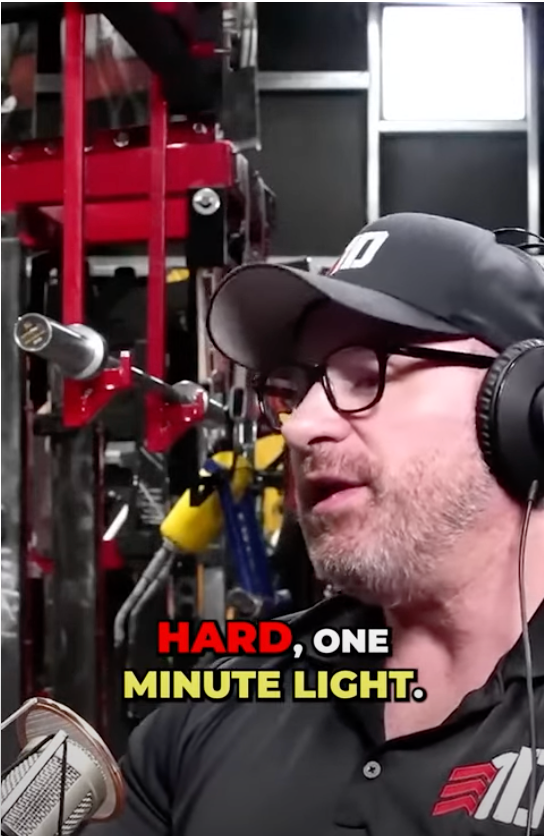
“So I have people do one minute hard, one minute light and it’s kind of self-deciding how hard you push because you have to work hard for that minute, but it can’t be so hard that you can’t recover in the next minute.

“I have people do about 12 minutes of that three or four times a week [in the off-season] and that is replacing 20 minutes of pretty decently hard cardio. So we know in the gym that are muscles are the failure point, not our lungs. You’re not progressing if your lungs are the failure point on a set of deadlifts rather than your back.

“But then on top of that, the appetite stimulation is so enormous and it is that which allows people to continue to eat more and more food.

“And no one wants to believe it because everyone who wants to get big thinks cardio is going to do the opposite.

“But in case after case after case, my clients who are religious with that just progress rapidly because we are able to continually add food – and they are doing this thing that’s also helping us keep some of the fat off in the process.”

Optimal training volume for hypertrophy

Optimal rep range for hypertrophy

Why You’re Not Building Muscle: 3 Killers of Muscle Growth

UK Bodybuilding Results

Leave a Reply

Your email address will not be published. Required fields are marked *