From the archives: Eddie Hall on anxiety, depression and the mindset of The Beast

By Gary Chappell

FORMER World’s Strongest Man Eddie “The Beast” Hall is set to appear at the PCA British Finals on Sunday, October 18 and the British bodybuilding community has taken notice.

Since retiring from strongman, Hall has moved from the deadlift platform into combat sports, boxing and physique work. His appearance at one of the biggest weekends in UK bodybuilding is another sign of his drive to keep pushing physical boundaries.

Long before any of that, at the height of his strongman fame, I sat down with Hall for an interview that turned out to be far more personal than I expected.
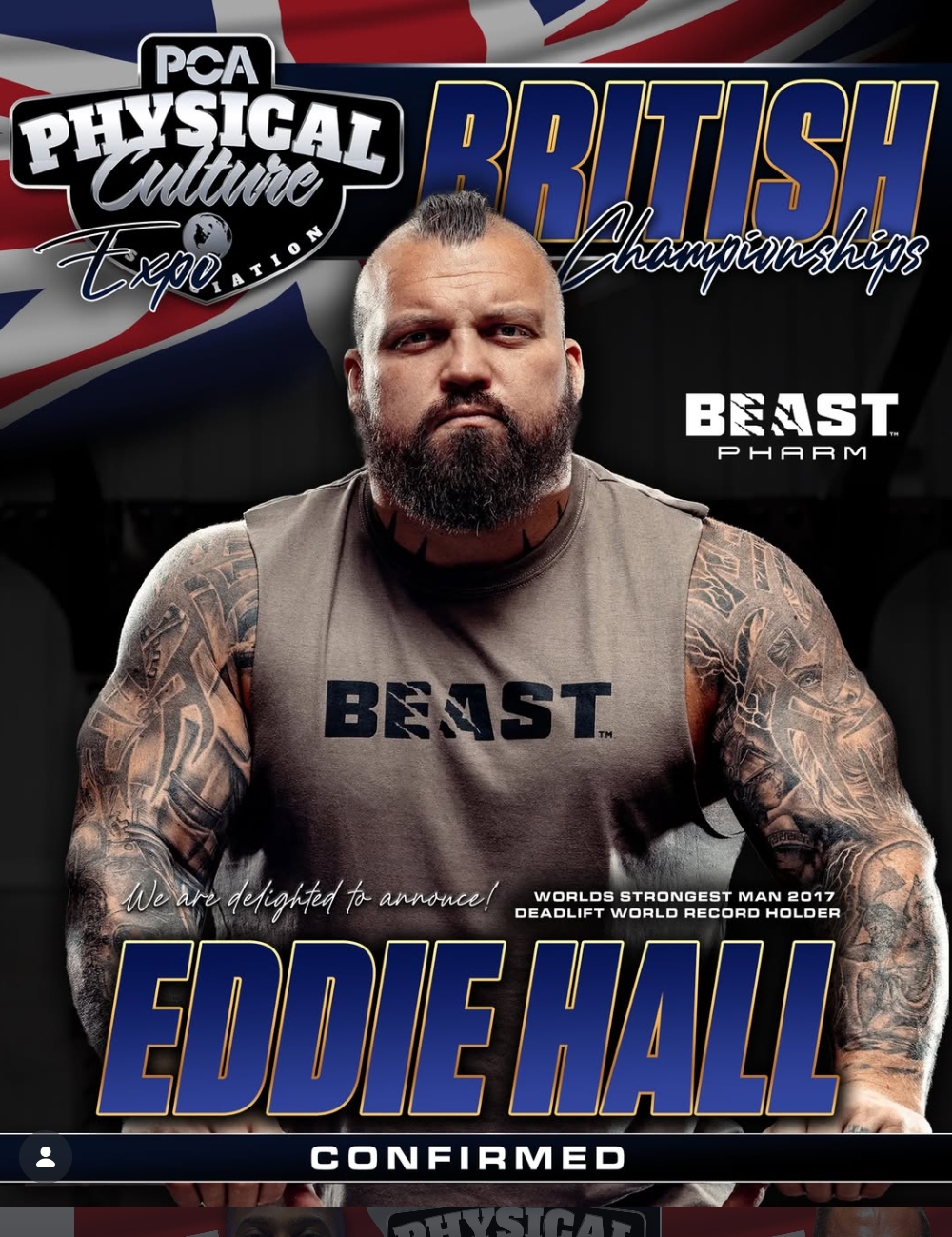
Eddie Hall at PCA British Finals

The world saw an unstoppable force. But as a journalist and as a competitive bodybuilder who knows the mental side of forcing the body to change, I wanted to look past the trophies. During our chat in 2018, Hall spoke openly about severe childhood anxiety, depression and his mental health, with an honesty that is still rare among elite athletes.

For Hall, training was not just about winning. It was how he coped.

With The Beast heading to the PCA British Finals, here is my 2018 interview with him again, a reminder that the heaviest weights he ever carried were not made of iron.


*This article was written by Gary Chappell and was first published by the Daily Express in 2018.
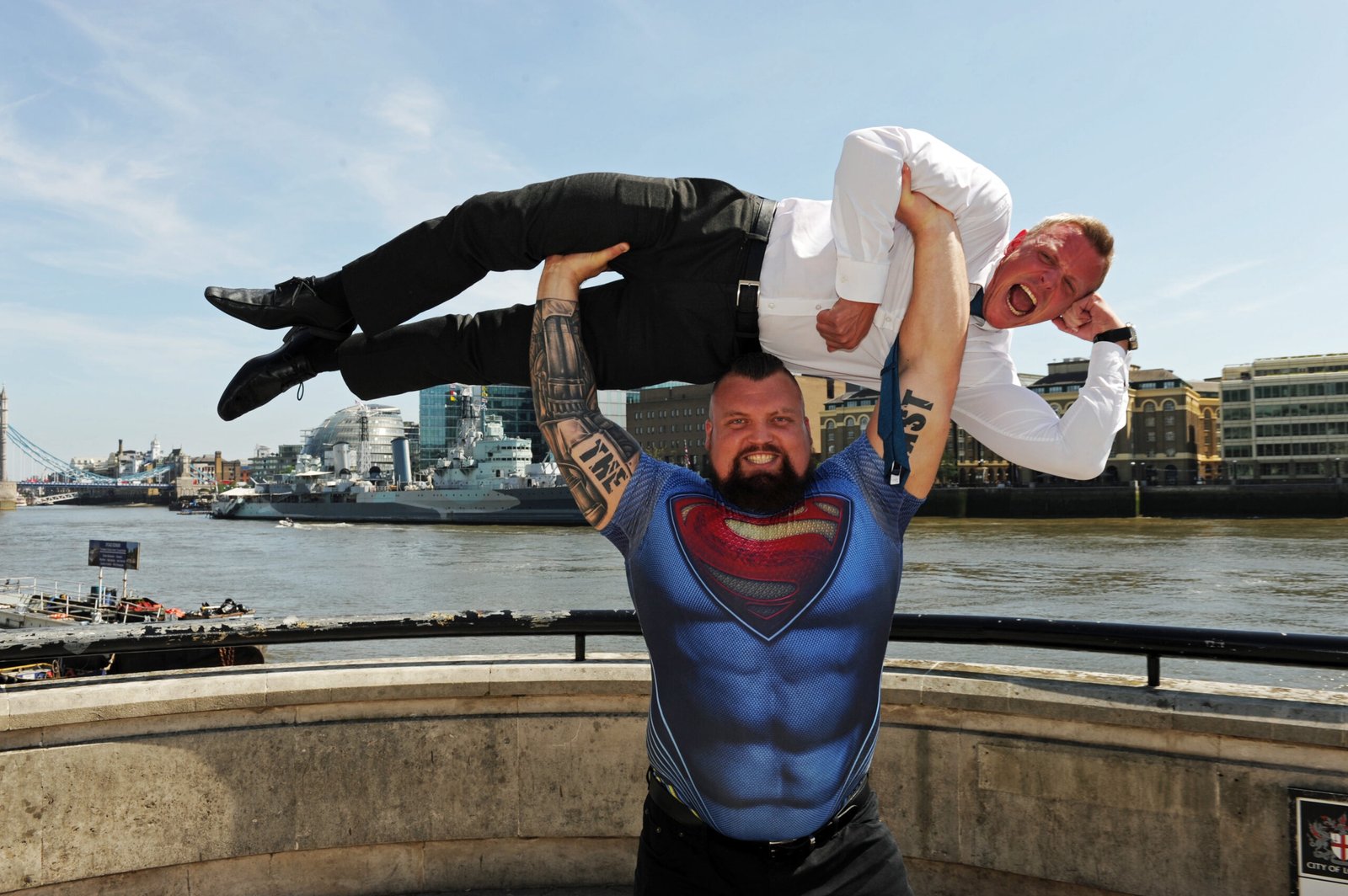
Eddie Hall and Gary Chappell
Reporter Gary Chappell and World's Strongest Man Eddie Hall. Picture: Peter Luckhurst

EDDIE HALL is the strongest man in the world. He is the first and only person to lift half a tonne. He can walk along pulling a plane. There is almost no feat of strength that is beyond him. But to get there almost cost him his marriage and his relationship with his two children. But it may also have cured a depression and anxiety that threatened to end his life.

His skin-tight laser blue Superman T-shirt hugged his 27-stone frame and made him look more akin to a comic character as he bounded out of a black taxi on London’s Lower Thames Street.

Fresh from gracing ITV’s famous couch on This Morning, he laughed while regaling how he narrowly avoided swearing on live TV while chatting with Phillip Schofield and Holly Willoughby.

He has every reason to be relaxed; he is the World’s Strongest Man – the sporting title he craved for so long – his family are set up for life and acting lessons are well underway as he plans to emulate his hero Arnold Schwarzenegger.
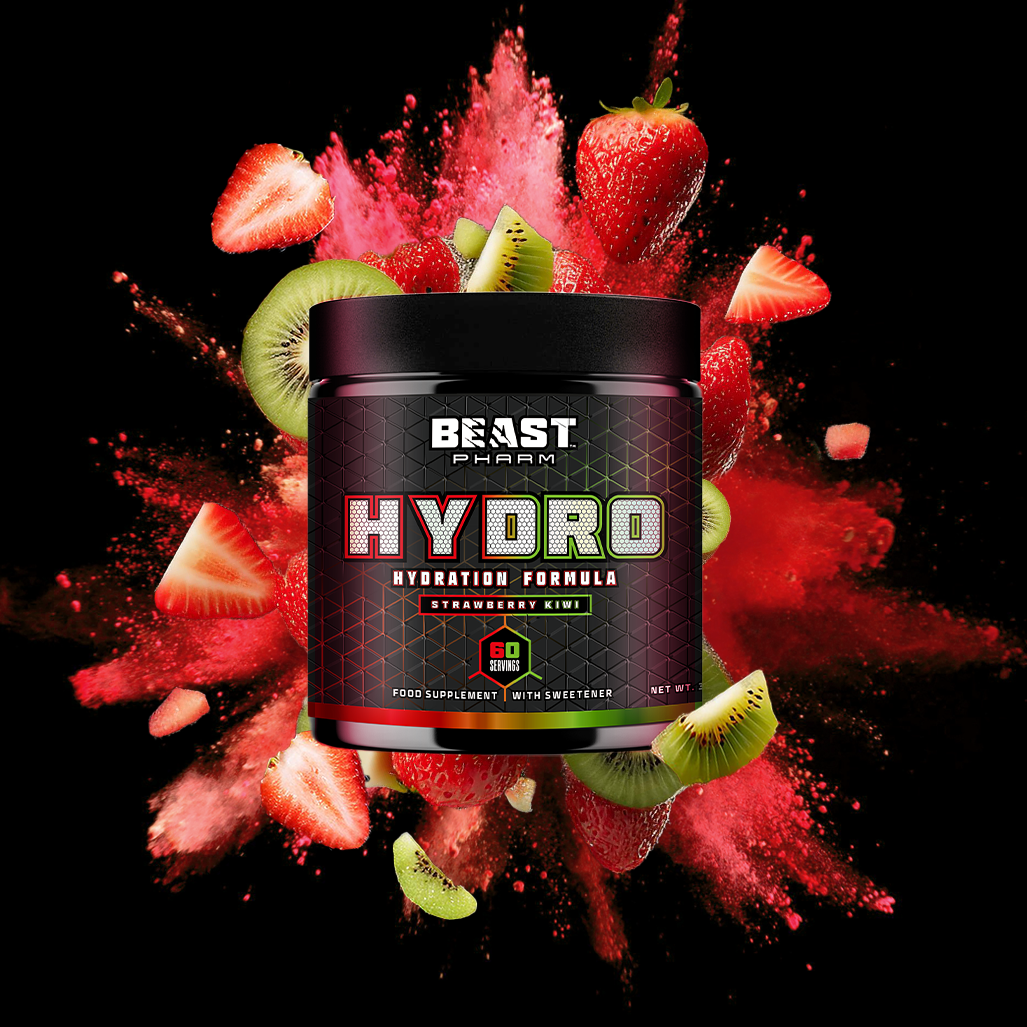
Beast Pharm Big D saturation formula creatine

As we walk alongside the Thames, Hall takes every giant step as if he does not have a care in the world, no hint of the time he locked himself in the school toilets, rocking back and forth in a desperate bid to ease his anxiety.

No hint of downing bottles of whisky as a 14-year-old to drown the depression, or the fact a future as an Olympic swimmer had gone terribly wrong, or the hours spent throwing up because he could not face the every-day task of meeting pals in Stoke-on-Trent or enjoying a family meal.

No hint of the fact his training for the World’s Strongest Man almost crushed his marriage and made him a stranger to his children.

No hint of enjoying the thought that his sporting ambition could lead to his death, thus ridding him of the plague of mental health problems.
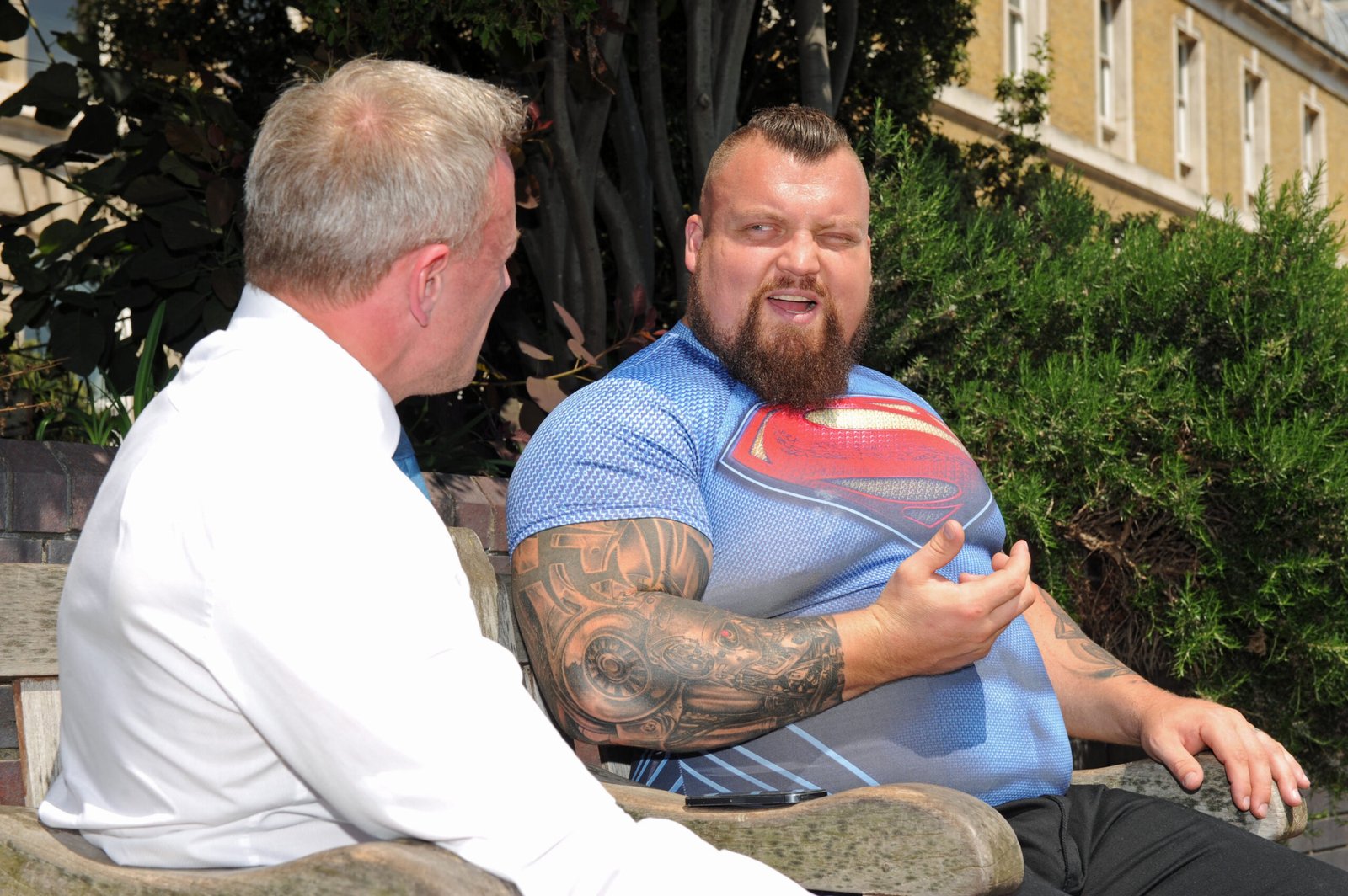
 Eddie Hall interview
Gary Chappell talks to World's Strongest Man Eddie Hall. Picture: Peter Luckhurst

In his autobiography, Strongman: My Story, first released last year but updated this month with a special diary of his World's Strongest Man victory, Hall's voice is captured brilliantly as he describes a boisterous childhood with his two brothers, a strong bond with his nan, fights with 20 police officers and how strongman saved his life.

Squeezing us both on to a bench in the baking heat, Hall finally gave a glimpse of the pain behind the hard-man exterior.

“When I was 12 or 13 my nan was diagnosed with cancer,” he says. “I was having a really hard time at school, I was thrown out of the swimming club – which was going to be my career – I was always in trouble with the police, in trouble with my parents, my family, always getting into fights and, I don’t know, it just f****** hit me hard. I got huge anxiety attacks where I couldn’t leave the house.

“Sometimes I just couldn’t go to school and ultimately that’s why I got expelled because, when I was there, I just didn’t want to be there. I was always in panic mode.
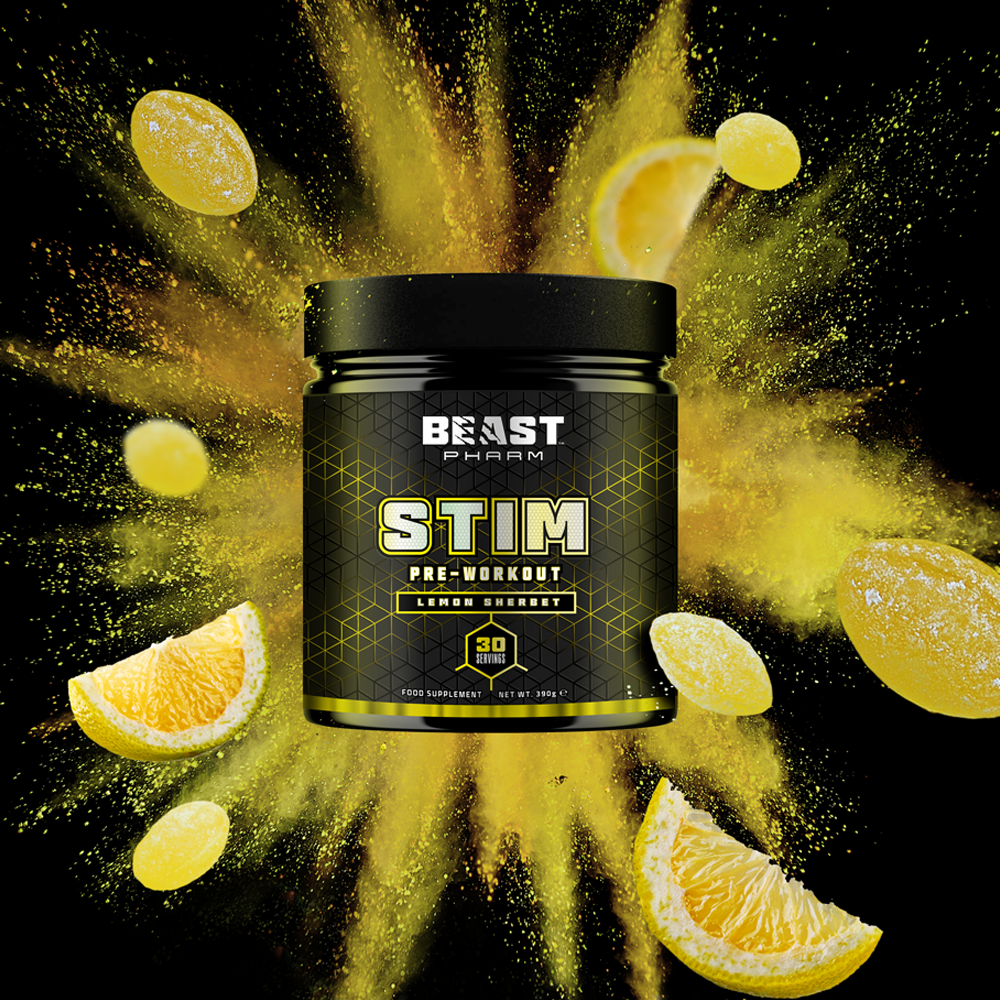
Beast Pharm stim pre-workout

“I’d always be wanting to go to the toilet to sit on my own and just rock back and forth and just calm down and get the anxiety out.

“If I had to go out for a family meal or go out with mates, I’d be throwing up before I went out, I’d be that anxious.

“Doctors put me straight on Prozac and straight into counselling. I was on them for about four years and it did help. Then I started doing strongman and it just disappeared.”

Except that it did not. Not entirely. Thrown out of swimming’s World Class Potential Programme after clashing with its “military” discipline, Hall found he was naturally gifted elsewhere too. At just 17 years old he could deadlift a quarter of a tonne. His unbelievable early strength was his route from no-hoper to achiever.

Five years later he was the UK’s Strongest Man, a title he went on to win for six successive years.

The pinnacle, however, was the world title.

But such feats of strength appeared easy compared the road to get there.
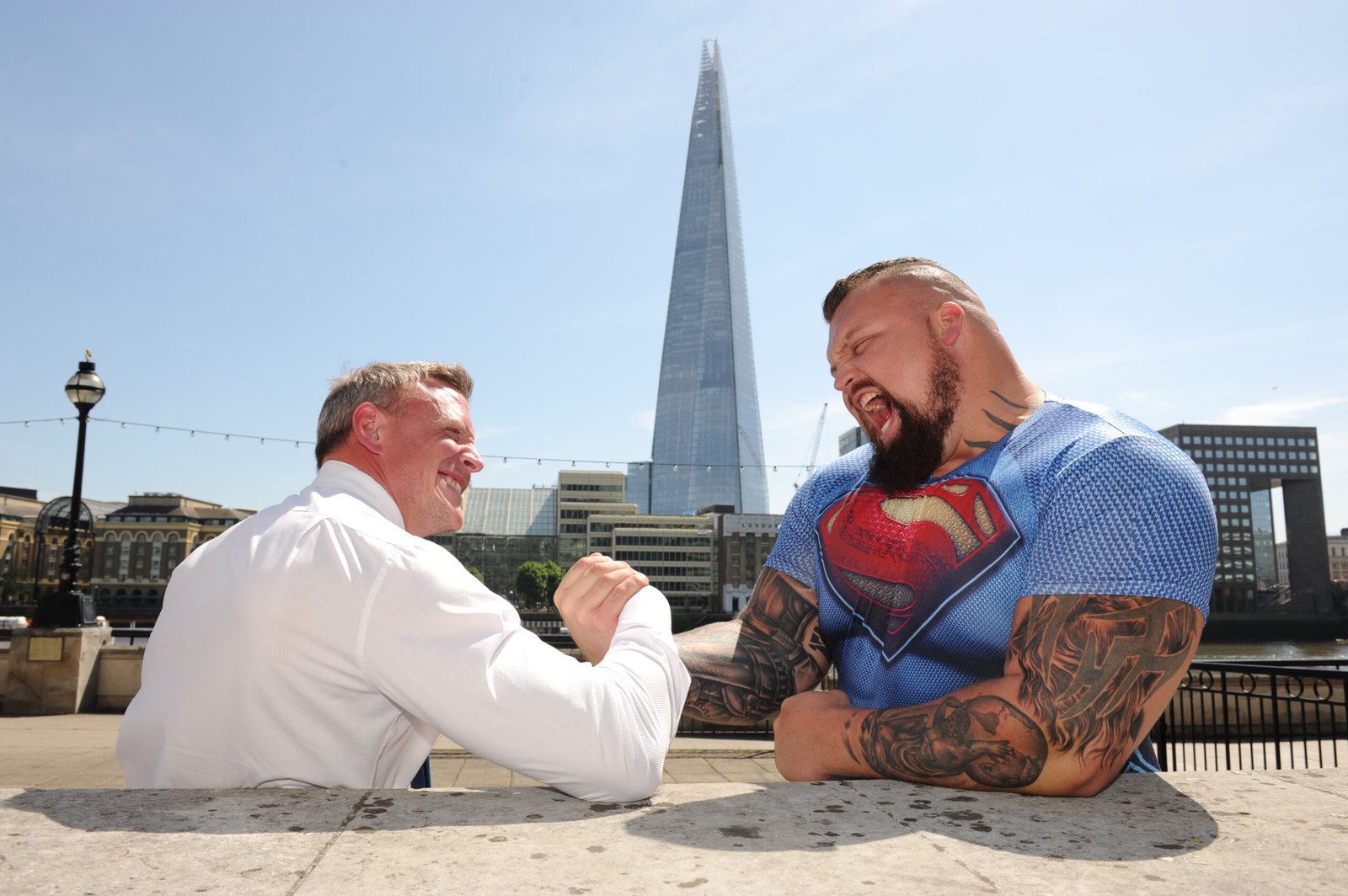
Eddie Hall arm wrestle
Gary Chappell 'beats' World's Strongest Man Eddie Hall in an arm wrestle. Picture: Peter Luckhurst

Hall describes it as his suicide mission; when the big black dog returned.

“Five weeks before I won it, my wife was basically packing her bags... she was gone, she was out the house,” he says.

“I had to beg her to give me five more weeks just to let me win the World’s Strongest Man.

“I promised her I’d win it and that our life would get better. And thank f*** I won it because, honest to God, that saved my marriage.

“You see, because of my depression I didn’t really give a s*** if I died doing it because, unless I won the World’s Strongest Man, there was no point in me living anyway.

“In a way it was my suicide. It was a win-win for me; if I died along the way, I died, and if I won, I’d achieve the dream.

“I didn’t care about my well-being. I didn’t care about anybody around me – my wife, my kids, my family, mum, dad, brothers – I didn’t give a f***.
“I was training four hours a day, physio two hours a day, stretching an hour a day, hot-cold treatments an hour a day, hyperbaric an hour a day, meditation, I was sleeping 13 hours a day, food prep, eating food.

“Honestly, no joke, I would see my wife and kids for an hour or two a week at most.

“And that put so much strain on me mentally because, if I failed, all that f****** sacrifice would have been for nothing. And that in itself made me very anxious and very depressed.

“I was paying my wife no attention. I would f*** up Christmas, birthdays, meals out, I wouldn’t do anything because I was obsessed with strongman.

“It just got to the point where my wife just didn’t have a husband and my kids didn’t have a dad.

“My son Maximus didn’t know me. I’ve got a nine-year-old daughter as well who I don’t know. I’m getting to know her now but I didn’t because I spent so much f****** time obsessed with strongman.”

On May 28, 2017 Hall was finally crowned World’s Strongest Man – on the 40th anniversary of the competition – in Botswana.
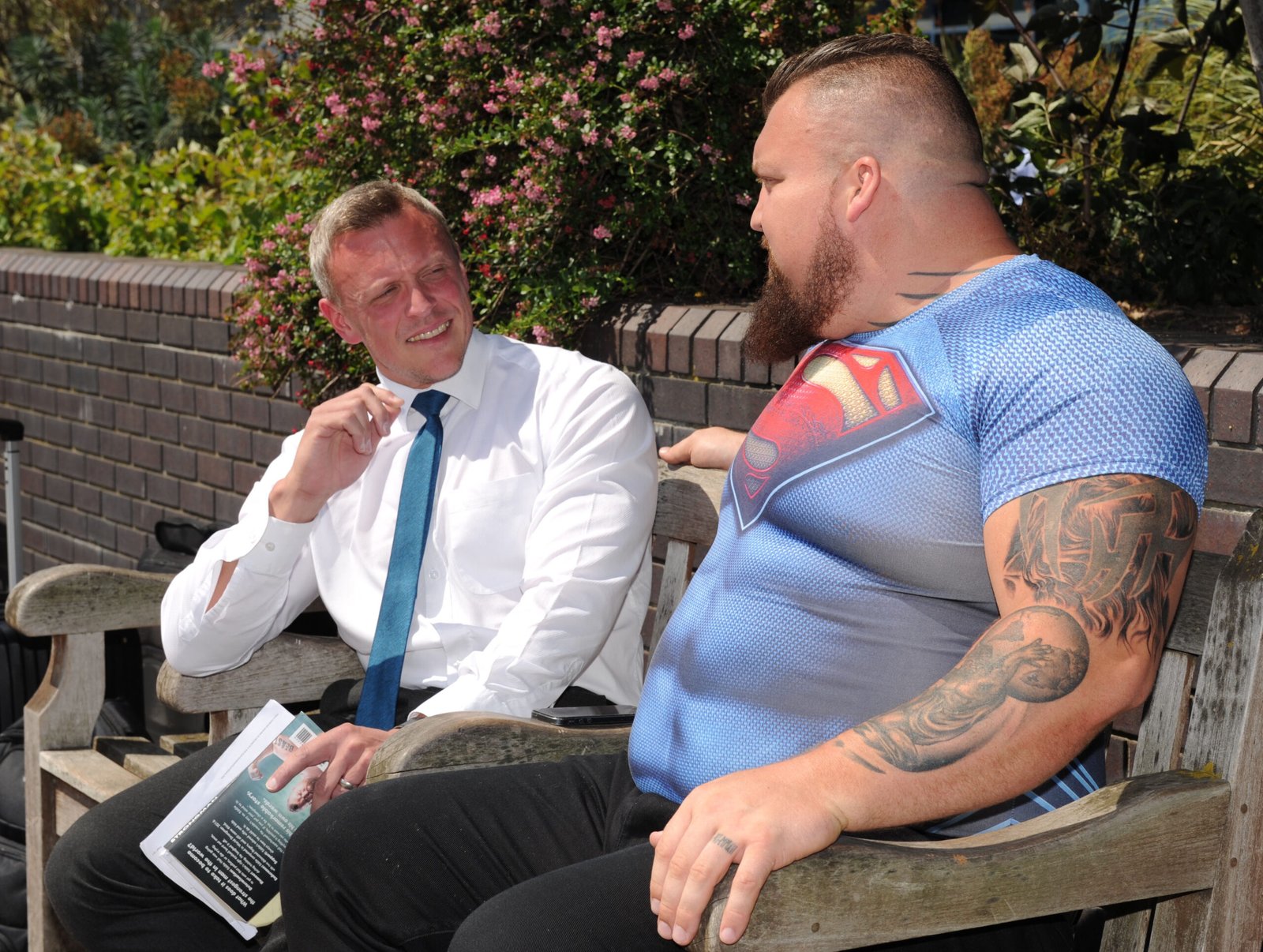
Eddie Hall and Gary Chappell FrontDouble
Gary Chappell talks to World's Strongest Man Eddie Hall. Picture: Peter Luckhurst

Smoother times are now ahead.

“I can honestly say that, since I’ve won the title, the depression has disappeared,” he says.

“I can now look in the mirror and be content, happy and see success. And that for me made all the worries as a kid disappear.

“All that stress and strain of your career, your GCSEs; that was my middle finger to all those teachers saying, ‘You’re going to be a nobody, you’re going to be in jail or dead’."

If anything in this interview resonates with you, support is available. Visit FrontDouble's Helplines section for mental health resources.

Beast Pharm FrontDouble discount

NOW READ:

Jim Georgiou Q&A: “Without routine, I would fall apart”

"I had to save myself”: Former Olympia competitor, 52, shares full prep and comeback from mental health crisis

Mental Health in Bodybuilding

BODYBUILDING RESULTS

ATHLETE PROFILES

HEALTH AND EDUCATION HUB

Every results board, athlete profile, interview and feature on FrontDouble is kept going by readers who chip in each month. Support us from £4 a month and get your name on the FrontDouble Supporters Wall.

Support FrontDouble – from £4/month

Apple Pay, Google Pay & cards accepted · Cancel anytime

Leave a Reply

Your email address will not be published. Required fields are marked *

Mental Health in Bodybuilding

Mental health in bodybuilding is often overlooked, despite the intense pressure, discipline and physical demands of the sport

By Dan Harries of Muscle Radar

WE ALL know the "before and after" photos that flood bodybuilding social media: shredded physiques, bulging biceps and triumphant smiles. They fuel our motivation, inspire us to push harder and promise a path to self-improvement.  But what about the journey behind those transformations? What about the struggles with body image, the relentless pressure to be "perfect" and the sacrifices that often go unmentioned? All of these contribute to mental health in bodybuilding.


Bodybuilding can be incredibly rewarding. It teaches discipline, fosters a strong sense of community and pushes you to achieve goals you never thought possible. However, it can also be a breeding ground for anxiety, depression and, particularly, body dysmorphia. A distorted perception of your own physique can be crippling, both on and off the stage. And it means mental health in bodybuilding can be fragile.

While bodybuilding demands immense dedication and can be incredibly rewarding, it's also crucial to understand and address the psychological challenges. This article aims to equip bodybuilders with the knowledge and tools to build a resilient mindset, navigate the complexities of PED use and, ultimately, find true strength beyond just muscle mass.

How bodybuilding affects mental health

mental health bodybuilding training physique stress

Bodybuilding demands extreme dedication to diet and training. But that intense focus on your body can easily tip into obsessive self-scrutiny. We're constantly judging ourselves against impossible standards, fueled by social media's highlight reel of genetic elites and photo editing. 

This constant comparison creates anxiety and can lead to a disconnect between how we actually look and how we think we look. It can negatively effect mental health in bodybuilding. A recent report from The Sun found that body dysmorphic disorder (BDD) affects approximately 1 in 50 people in the UK, with media portrayals of idealized physiques fueling unrealistic expectations and mental health struggles. 

It's time to pull back the curtain and confront the toxic aspects of the bodybuilding culture that can warp our perceptions.

Body dysmorphia in bodybuilding

Bodybuilding, at its core, is a subjective sport. Judging criteria, while outlined, often comes down to individual preferences, fleeting trends and even subconscious biases on the part of judges. This means there is no definitive "perfect" physique, no magic formula that guarantees victory. 

The constant striving for an unattainable body can leave athletes feeling perpetually inadequate, no matter how much progress they make. It's important to remember that the goalposts are always shifting and that external validation should not be the sole measure of success.

Instagram, Facebook and other platforms are powerful tools for motivation and community building. However, they can also be a breeding ground for comparison and self-doubt and can negatively effect mental health in bodybuilding.

Heavily filtered images, strategically posed photos and misleading claims of "natural" physiques can create an unrealistic standard that many bodybuilders feel compelled to chase. 

Research from the Mental Health Foundation (2024) highlights that, while physical activity improves mental health, body image concerns can prevent participation in fitness and sports. 

Learn to critically evaluate the images you see online and remember that they are rarely an accurate reflection of reality. Unfollow accounts that trigger negative emotions, limit your screen time and make a conscious effort to focus on your own journey and progress.

The extreme dietary restrictions required for contest prep can also take a toll on mental health. Restrictive dieting can lead to increased anxiety, irritability, obsessive thoughts about food and even eating disorders. 

It can often be beneficial to work with a qualified and reputable coach to create a sustainable eating plan that nourishes your body and mind. Learn to manage cravings in healthy ways, plan for occasional indulgences and avoid the cycle of restriction and binge eating.

mental health bodybuilding training physique stress peds

PEDs and mental health risks

The allure and illusion of PEDs promise huge changes such as increased muscle mass, strength and faster recovery times. It is important to remember the reasons these can be problematic. I’m not saying these are "good" or "bad" and whether or not they should be taken. However, it is crucial for bodybuilders to look after not just their body but also their minds. 

Hormonal imbalance and mental instability is another factor. There are reports of elevated aggression and mood swings and links between PEDS and depression, anxiety and low self esteem as your levels and hormone balances are affected. Remember to thoroughly research any PEDS for its mental side effects and ways to mitigate this.

According to the NHS, misuse of anabolic steroids can lead to severe health complications such as heart attacks, strokes, liver and kidney tumors and high blood pressure. Furthermore, the Mayo Clinic reports that PED use has been linked to heightened aggression, anxiety and depression.

PEDSs are by no means magic either. You’re not going to be looking like Ronnie Coleman or Dorian Yates after a few cycles or even a few years of training. Those physiques take many, many years of consistent training, PED use, strict diet and last but by no means least, passion. Take the ever growing Classic Physique division, it will take years of utmost dedication to even get close to IFBB pro level – even if you do have ‘elite’ genetics.

bodybuilding dysmorphia physique comparison

While not physically addictive, the pursuit for improved performance may lead to an addiction, where the lines become blurred. However once you do come off you may experience withdrawals such as low testosterone, fatigue, mood changes and depression. 

I can’t emphasise enough the importance of thorough research and obtaining PEDs from reputable sources and even with a good source and potency reports, these days, you still can’t guarantee that your batch is not underdosed.

Make sure to look up guidance on proper cycling, dosages and post-cycle therapy (PCT). There are plenty of resources out there from people like John Jewett to books like William Llewellyn’s Anabolics bible. There’s no excuse for not being clued up in 2025.

I also want to stress the absolute necessity of regular blood work to monitor health markers and identify potential problems. There are plenty of places online now offering this sort of service at various prices, usually about £70 but gets more expensive depending on how detailed you want to go. Some only need a finger prick blood sample which can easily be done at home. 

mental health bodybuilding training physique stress

Building a healthier mindset

It is difficult to get out of the "never good enough" mindset, but by being aware and taking positive steps, it can be done. It can be easy to focus on external success. Winning titles and a pro card may be important, but that is not the only type of growth that can be achieved and not everybody's goal either. 

It is difficult to have self compassion when everything revolves around perfection. Practice some self-kindness and acceptance (like treating yourself with the same care and understanding you would offer a friend). Challenge negative self-talk and replace it with more positive and realistic thoughts.

If bodybuilding is just about the body, then is it just a superficial pursuit. What made you start?

Connecting to that reason for starting can be a great way to take the pressure off. Just remember it’s OK to take a couple of weeks off if you need to. You don’t have to answer to anybody and trust me, take some time off Instagram or social media, it will do you a world of good.

Bodybuilding is often an individual sport, but that doesn't mean you need to be alone. It is essential you have support that can make the difference on how you deal with mental stress. This can be within the bodybuilding community, finding local gyms and mentors and can be used to bounce ideas off and open up about issues you may have.

bodybuilding dysmorphia physique comparison

Build a healthy support system within the bodybuilding community. We understand what you are going through better than anyone, use this to your advantage by opening up and talking about things. Your family may not understand what you are going through in bodybuilding, explaining this and getting them onboard can be the difference between good or bad mental health. Also, getting help from a professional may assist in understanding any underlying issues, and help you to refocus. 

Bodybuilding will always have its challenges and pressure. But by being open and aware we can break from the toxic sides of the sport. It is about being the best version of yourself by any means and not sacrificing your body or mind. 

The key to success comes with not only pushing yourself to the limit but listening to your body and mind and knowing when to step back or seek help. By finding your strength it is also possible to push the stigma surrounding mental health.


If you found this article helpful, drop Dan your email on the Muscle Radar site to get their newsletter, which gives you all the most up-to-date bodybuilding news, training, diet tips and more. 


References:

[1] The Sun. "Rise of 'girls' disease' that's driving young men to attempt suicide."
[2] Mental Health Foundation. "Moving more is good for our mental health, so what's stopping us?"
[3] NHS. "Anabolic steroid misuse."
[4] Mayo Clinic. "Performance-enhancing drugs: Know the risks."

MORE FROM FRONTDOUBLE:

Body Dysmorphia in Bodybuilding: When Top Condition Isn’t Enough

Genetics in Bodybuilding: What they really mean

Bodybuilding contest prep tips

High Haematocrit in Bodybuilding: The Silent Killer?

UK bodybuilding results

Leave a Reply

Your email address will not be published. Required fields are marked *

Bodybuilding Prep Psychology

From BMWs to a brand new Xbox, we examine the psychological aspect of prep spending when approaching competition condition

YES fellow bodybuilders – prep spending is real.

If you have ever reached a certain level of seriously low body fat during prep that you feel an urge to start spending, then fear not. You are not alone.

This week, frontdouble columnist Josh Goold revealed that he had shed more than 43lbs. In fact, he had shed a further few pounds sterling – by buying a new Xbox.

Goold, also an online coach, told frontdouble that one of his clients bought a new BMW M2 during prep.

In fact, the editor of this website can confirm that each of his four cockapoos was bought during a contest prep.

Why bodybuilding prep affects behaviour

It seems that, when competitors reach very low levels of body fat, they may experience psychological changes that influence spending habits:

Bodybuilding prep can be so extreme for some of us that it sparks psychological spending triggers. The extreme focus on physique and the pressures of competition can make competitors more susceptible to making impulsive purchases, especially as they get leaner and the mental and physical demands of prep intensify.

So please tell us in the comments below – what is your biggest prep spend...?

MORE FROM FRONTDOUBLE:

Mental Health in Bodybuilding

Bodybuilding contest prep tips

Bodybuilding off season: The growth phase Explained

UK bodybuilding results

Leave a Reply

Your email address will not be published. Required fields are marked *