High haematocrit in bodybuilding is a growing concern, particularly among athletes using performance-enhancing drugs.
BODYBUILDERS using performance enhancing drugs (PEDs) should all know the importance of getting their blood markers checked on a regular basis. But how many consider whether their blood has started to become too thick?
Many understand the importance of keeping lipids, liver and kidney health in check. But what about those related to elevated haemoglobin, haematocrit levels and an increased red blood cell count? Haemoglobin, the protein in red blood cells that carries oxygen, is vital for overall health. But in bodybuilders using PEDs, an increase in haemoglobin can pose significant health risks. This, along with red blood cell count and haematocrit levels, can indicate how thick a person's blood has become.
The role of haemoglobin, RBC and haematocrit in the body
Haemoglobin’s primary function is to transport oxygen from the lungs to the tissues and organs. When the body requires more oxygen, such as during intense physical exertion, haemoglobin levels can increase to meet the demand. However, in athletes using PEDs, haemoglobin levels can, over time, spike to dangerously high levels. This condition, known as polycythemia, increases the viscosity (thickness) of the blood.
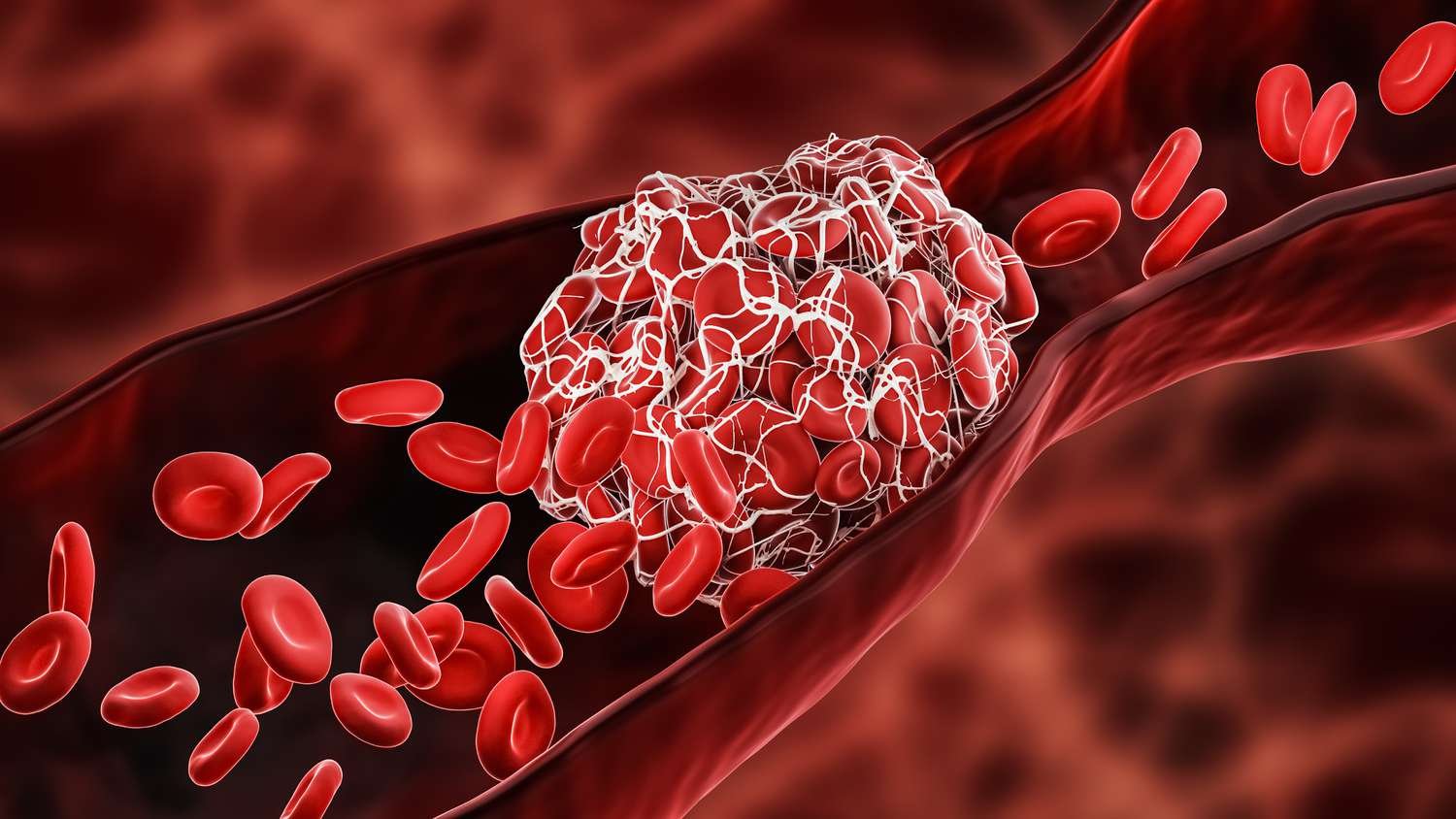
Blood that is too thick can increase the likelihood of blood clots, which can lead to strokes, heart attacks, or pulmonary embolisms. These complications arise because the heart and blood vessels must work harder to pump thicker blood through the body. The increased risk is compounded when PEDs are used, as they can elevate blood pressure and cholesterol levels.
Red Blood Cells are the most common type of cell in your blood. They are primarily responsible for carrying oxygen from your lungs to the rest of your body. And returning carbon dioxide back to the lungs to be exhaled.
Haematocrit (Hct) is a measure of the percentage of your blood that is made up of red blood cells. It gives insight into the concentration of red blood cells in the blood.
UK reference ranges for haemoglobin, RBC and haematocrit
1. Haemoglobin levels
What It measures: Haemoglobin is the protein in red blood cells that carries oxygen throughout your body.
What to look for: Elevated haemoglobin levels can indicate thicker blood because it suggests that there are more red blood cells or more haemoglobin within the blood. High haemoglobin levels often correlate with haemoconcentration (thicker blood).
Normal Ranges:
Men: 130–180 g/L [grams per litre]
Women: 115–165 g/L
Anything significantly above these values could be considered high. But it is important to look at the actual numbers in the context of your overall health.
2. Haematocrit (Hct)
What It measures: Haematocrit is the percentage of your blood that is made up of red blood cells.
What to look for: If haematocrit levels are high, it indicates that a larger proportion of your blood is made up of red blood cells, which can contribute to thicker blood. This is a common marker for polycythemia or haemoconcentration.
Normal Ranges:
Men: 40–50%
Women: 36–45%
Haematocrit levels above the normal range could indicate that the blood has become too thick, which increases the risk of clotting and cardiovascular issues.
3. Red Blood Cell Count (RBC)
What It measures: RBC count measures the number of red blood cells in a given volume of blood.
What to look for: While RBC count may be elevated in conditions like polycythemia vera (a condition where the body produces too many red blood cells), it can also be affected by dehydration. A very high RBC count can make the blood thicker.
Normal Ranges:
Men: 4.7–6.1 million cells per microliter (cells/µL)
Women: 4.2–5.4 million cells/µL
How high haemoglobin, RBC and haematocrit can be dangerous
Increased risk of blood clots:
When these three levels are high, it is often a sign that your blood has thickened, which means it does not flow as easily through the arteries and veins. This increases the risk of blood clots, which can lead to serious conditions like deep vein thrombosis (DVT), pulmonary embolism, or even a stroke or heart attack.
Clots can form more easily in the body when blood is more viscous and, in the worst-case scenario, these clots can travel to the lungs, brain, or heart, causing life-threatening events.
Strain on the heart:
Thick blood requires the heart to work harder to pump it throughout the body. Over time, this can strain the heart, potentially leading to conditions such as heart failure, especially in those with underlying heart issues, or other cardiovascular conditions.
The heart's ability to efficiently pump thickened blood can be compromised, leading to an increased risk of developing high blood pressure (hypertension) and heart disease.
Stroke and other cardiovascular events:
The thickened blood can lead to clot formation, which may obstruct blood flow to the brain, causing a stroke. The haemoglobin danger level for a stroke is thought to be about 200 g/L.
Impaired circulation:
High levels in these markers can cause poorcirculation, as thicker blood struggles to flow properly through smaller blood vessels, such as capillaries. This can lead to symptoms like fatigue, dizziness and numbness in extremities due to inadequate oxygen and nutrient delivery to tissues.
Potential kidney damage:
Over time, thickened blood can place stress on the kidneys, as they work harder to filter it. This can contribute to kidney damage or even kidney failure in severe cases. However, eGFR [estimated glomerular filtration rate], is not always the best way to determine how healthy you kidneys are performing, because it does not take into consideration higher than normal levels of muscle mass.
Why thickened blood is a silent killer
Often, thickened blood is discovered incidentally during routine blood tests. Or when the individual presents with symptoms of related complications (like a stroke or heart attack). Many individuals with high haemoglobin, high RBC and high haemotocrit may not feel unwell initially, or experience obvious symptoms, especially if the increase is gradual. As a result, the condition can go unnoticed until more severe complications arise.
When getting regular blood tests during the year, do not rely on coaches to give you the green light to continue pushing unabated. Check and investigate these particular markers yourself. These factors, among others, are essential to ensure levels remain within safe ranges, mitigating the risk of stroke and other cardiovascular complications. One remedy to consider should you have thickened blood is professional blood letting. One blood let, usually a pint, is thought to lower haemoglobin levels by about 6-7 points.






Leave a Reply