Steroids in Bodybuilding: Is Bodybuilding Too Drug Obsessed?

Neil Andrews says bodybuilding isn’t won with a syringe – but James Llewellin argues modern peptides are changing the game

By Gary Chappell

Bodybuilding drug use has become one of the most debated topics in the sport.

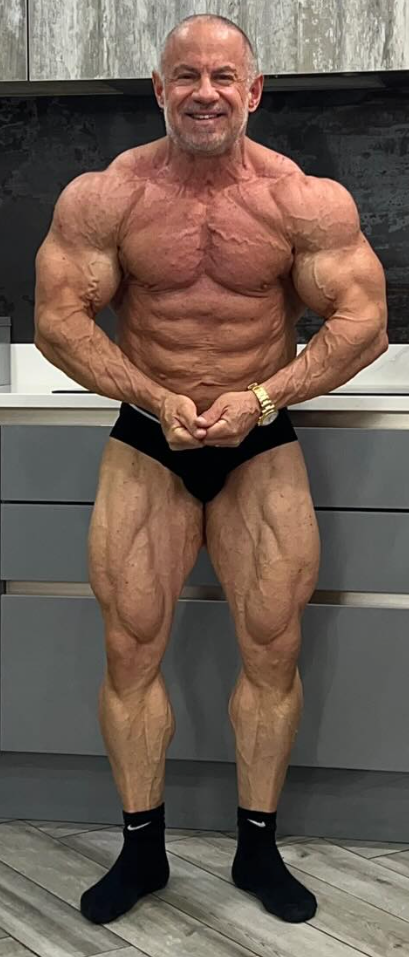
So when new Masters IFBB Pro Neil Andrews talks about drug use in bodybuilding, it carries more weight than most.

This is a man competing with a mechanical heart valve, a story already documented on Frontdouble and one that inevitably changes how he approaches enhancement, risk and longevity.

Now running what he says is just 200mg of testosterone cypionate per week, Andrews has thrown himself into one of the sport’s most sensitive debates: has bodybuilding become too drug-driven?

“This game isn’t won with a syringe”

In a recent Instagram post, Andrews did not hold back. “When did bodybuilding become so drug obsessed?" said the man who, in November last year, won his IFBB Pro Card at the European Masters in Milan.

He then listed what is fast becoming the toolkit of modern prep, before making it clear he used none of these during his last run:

And he said: “Bodybuilding has become heavily drug-driven, no denying that. But let’s get one thing straight. Nothing replaces hard work, consistency and going to those dark places others avoid. No drug, no peptide, no protocol is going to do that for you.

"It won’t build grit. It won’t build discipline. And it won’t carry you through prep when you’re exhausted, flat and questioning everything.

"You know why I stand on that? Because last year I beat guys across multiple shows, federations and internationally running 10 times what I was."

Andrews then delivered his most pertinent point: “This game isn’t won with a syringe.

"It’s won with mindset, execution and who’s willing to suffer longer. Get comfortable being uncomfortable."

For Andrews, the argument is rooted in experience, not theory. And it is a message that cuts directly against the current direction of the sport, where newer compounds and peptides are becoming increasingly mainstream.

Even in commercial gyms across the country, bodybuilders will be asked about performance-enhancing drugs long before diet and training are even at a basic, structured level.

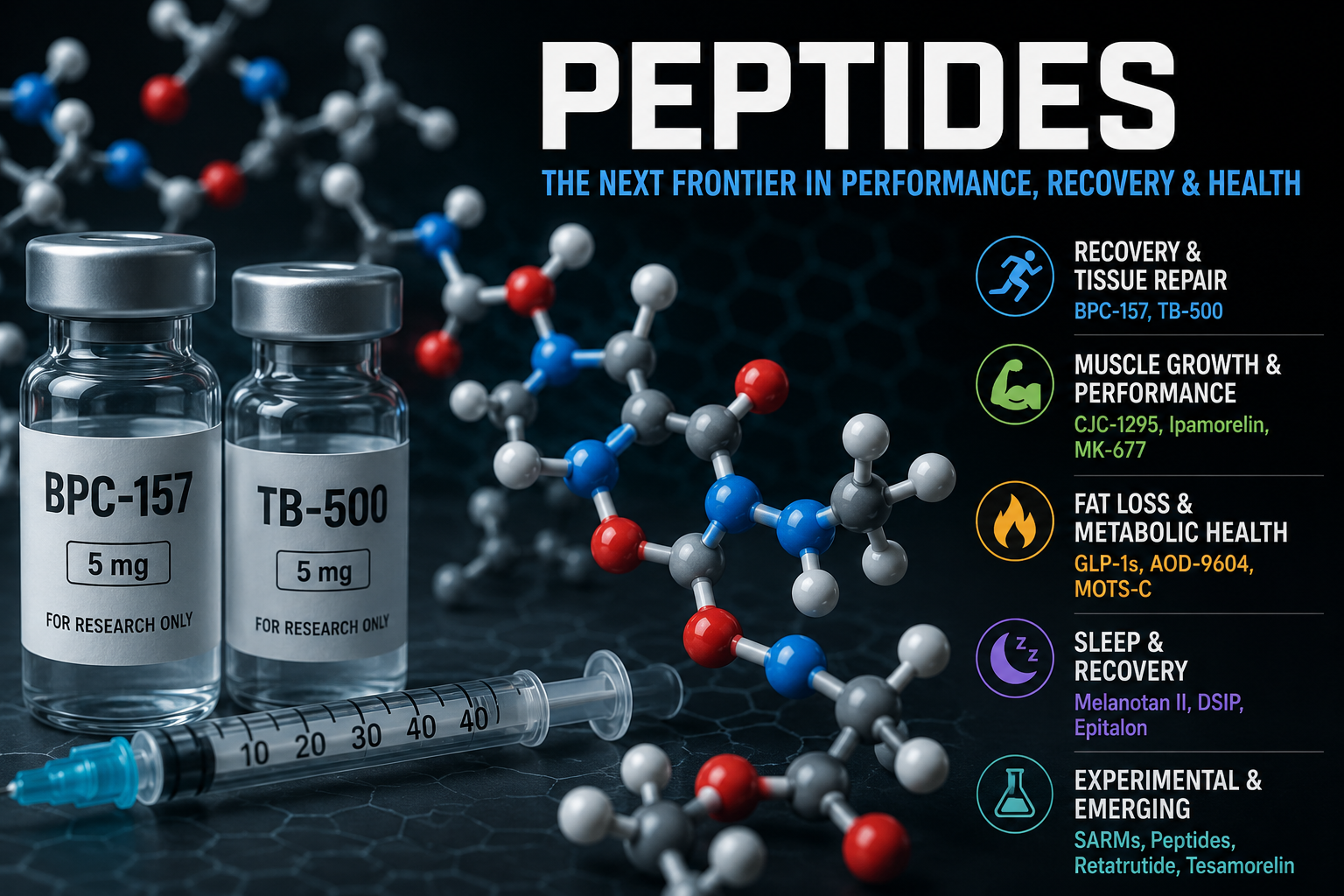
Enter an Olympia voice and the 'peptide rabbit hole'

But the response from former 212 Mr Olympia competitor James Llewellin (above), who is set to return to the stage in the amateur ranks at May's PCA Universe this season, shows just how much the landscape has shifted.

While Llewellin did not disagree with the fundamentals of Andrews' argument, he went on to post a compelling narrative in support of peptides.

Responding directly to Andrews, Llewellin said: "Firstly, incredible conditioning mate and, secondly, until a few months ago I would have said exactly the same.

"In fact I still do. Nothing beats hard work, no drug, no peptide nothing. But when you start to go down the whole peptide rabbit hole, it’s quite remarkable what these signaling peptides can do. And not just performance enhancing.

"Nothing beats gear for muscle gains. Nothing. There isn’t a peptide out there that can really build muscle."

Health vs performance

Llewellin continues: "But there are some incredible peptides that are able to up-regulate metabolism, increase mitochondria function, reverse fatty liver, improve cholesterol, regulate blood sugar, lower blood pressure and decrease body fat.

"Peptides are of huge benefit for not only health but also longevity. The exact opposite of what AAS do to you.

"At 53 years old and with two kids, my health has never been so important to me and using less anabolics and conventional fat burners was always the goal for this “comeback” prep.

"Peptides aren’t hormones, they are amino acids that signal the body to do things better and more efficiently. I’ve been super impressed with them. I’ve never felt so good on prep at this [level of] body fat.

"I feel like I’m [in my] off-season, yet normally I’d be killing myself with 1-1.5 hours of cardio a day with my inflammation through the roof. I’d be moody, quiet and not really present for my family. That’s never a good thing.

"Delve a little into them, Neil, even if it’s just for your health. It can always be tweaked and improved no matter how healthy you are.

"Yes hard work and consistency will never be beaten but, when you combine that with less gear and certain peptides, the results can be pretty amazing."

Two philosophies. One sport

What makes this exchange compelling is that both sides agree on the fundamentals: hard work wins, discipline matters and there is no shortcut

But they diverge on one crucial question: Are modern compounds enhancing the process, or replacing it?

Andrews’ position is shaped by something most competitors never face. Competing with a mechanical heart valve forces a level of restraint and realism that cuts through bodybuilding’s usual bravado.

Llewellin's argument, however, reflects where the sport is heading; less reliance on high-dose anabolic stacks, more interest in metabolic and signalling compounds, greater focus on health markers. Not instead of hard work but alongside it.

This is not a case of right vs wrong, it is a shift. Competitive bodybuilding is no longer just food, training and steroids. It is becoming hormones, peptides, metabolism and health optimisation

And the question now is not whether drugs are part of the sport. It’s how much is too much and what actually matters most?


Read more on Frontdouble:

Retatrutide in contest prep

Why drying out is a myth

Kidney health in bodybuilding

Bodybuilding results

Health and Education Hub

Follow us on instagram


Leave a Reply

Your email address will not be published. Required fields are marked *

Retatrutide in bodybuilding: The triple agonist that could redefine contest prep

How the rules of fat loss are being rewritten

By Gary Chappell

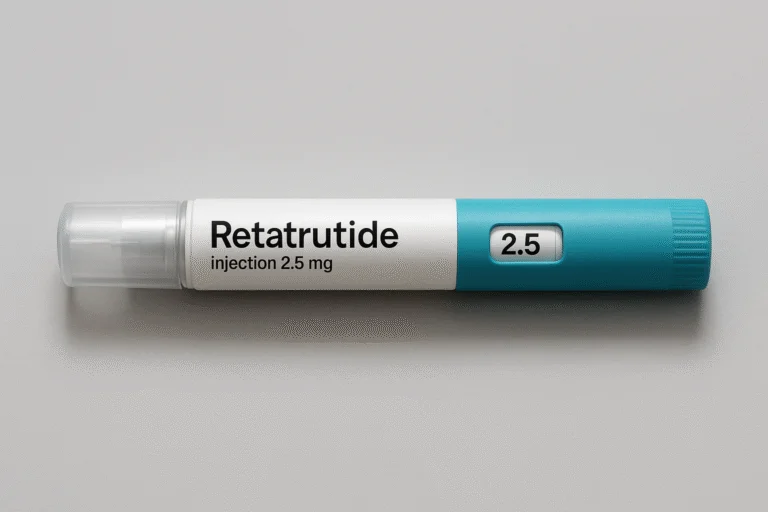
FOR decades bodybuilding prep has been a brutal balancing act between getting stage ready and holding on to every ounce of hard-earned muscle. Traditionally, that has meant manipulating food, cardio and, in many cases, anabolic steroids and fat burners. Now, in this study by frontdouble, a new class of drugs – originally designed for diabetics and the clinically obese – are rewriting the rules of fat loss.

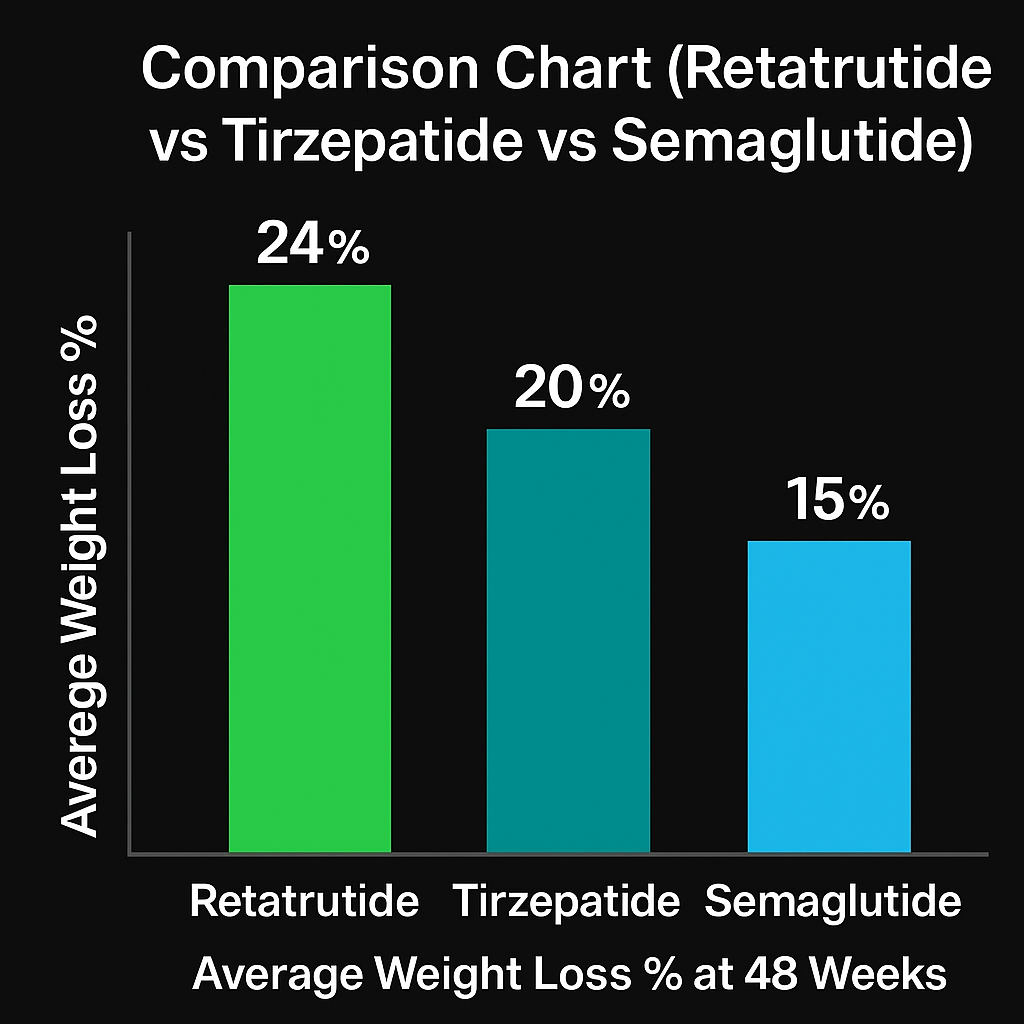
You will likely have heard of semaglutide (Ozempic/Wegovy) and tirzepatide (Mounjaro). Both have been hailed as miracle drugs in the mainstream for their ability to slash appetite and drive huge weight loss, despite some stories of adverse side effects at higher doses. Now, however, there is a new kid on the block: retatrutide.

Still in "clinical trials", retatrutide is showing the most dramatic results yet – with patients in phase two studies losing up to 24% of bodyweight in under a year. For competitive bodybuilders, the implications are enormous.

retatrutide fat loss bodybuilding prep conditioning

What exactly is retatrutide?

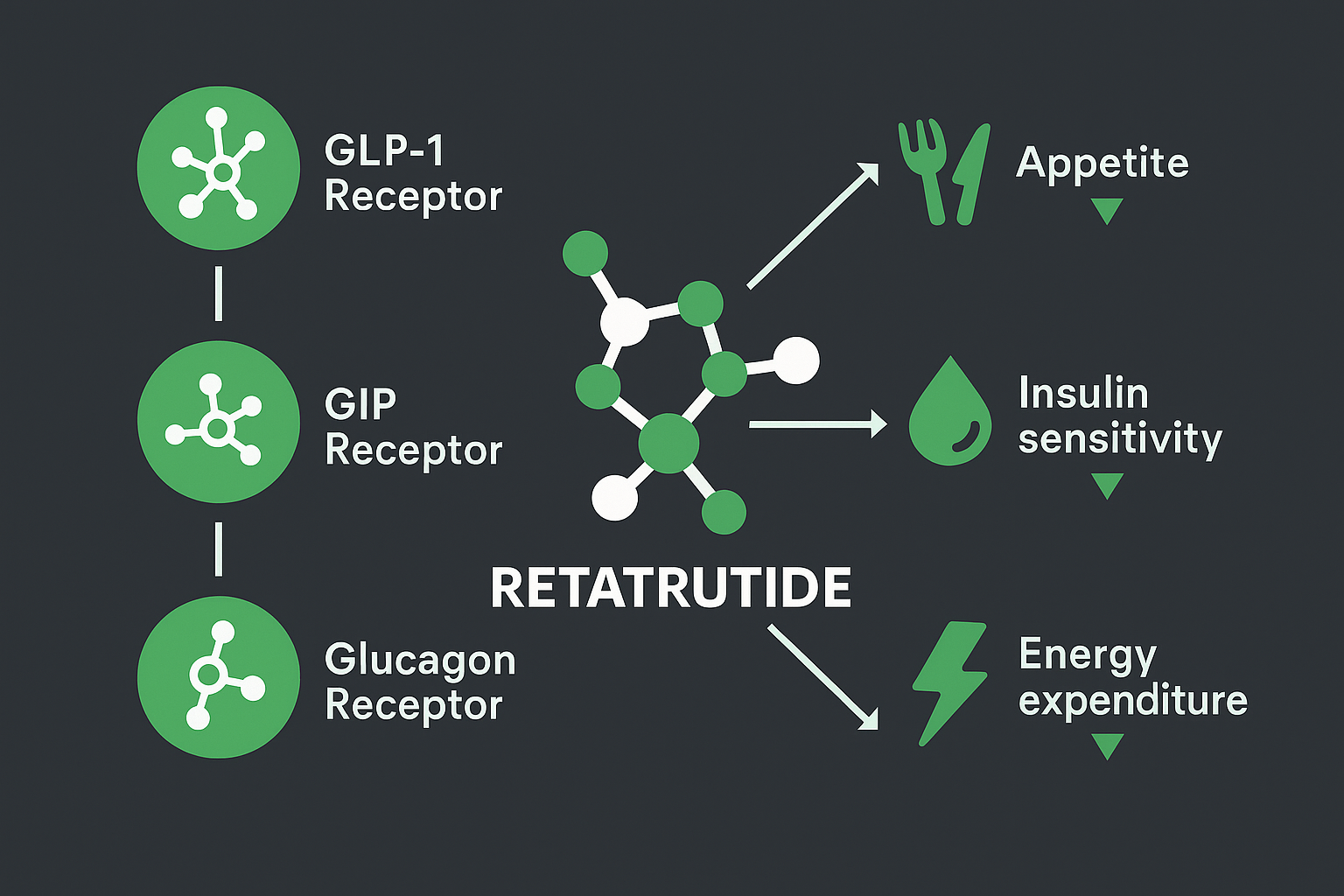
Retatrutide is what is called a triple agonist, meaning it works on three different hormonal pathways, as follows:

  1. GLP-1 agonism: suppresses appetite, slows gastric emptying, improves insulin sensitivity.
  2. GIP agonism: enhances insulin release, improves carb handling, may improve fat metabolism.
  3. Glucagon agonism: increases energy expenditure and fat oxidation.

That third piece – glucagon receptor activation – is what makes retatrutide unique. Whereas semaglutide and tirzepatide mostly just help you eat less, retatrutide may also help you burn more calories at rest. That is a potential game-changer.

Some bodybuilders have no doubt already experimented with semaglutide and tirzepatide and the pros and cons are becoming clearer:

Retatrutide promises even more fat loss power, but that also means these risks are magnified if the drug is not managed correctly.

retatrutide fat loss bodybuilding prep conditioning

How could retatrutide fit into prep?

1. Appetite control

No question: this is the biggest benefit. At six weeks out, hunger can often begin to feel like torture. Retatrutide, much like its predecessors, could make dieting far smoother, leading to fewer binges, fewer slip-ups and more compliance.

2. Metabolic output

The glucagon pathway may help keep energy expenditure higher even as food intake drops. In practice, that could mean less cardio needed to peel off the final fat – or at least less of the “metabolic crash” that leaves athletes flat and tired.

3. Conditioning the stubborn areas

Every competitor knows the last fat to go is glutes, hamstrings, and lower back. Data so far suggests retatrutide strips both visceral and subcutaneous fat efficiently. In theory, it could help achieve that paper-thin look that separates “lean” from “stage-ready".

retatrutide fat loss bodybuilding prep conditioning comparison with tirsepatide and semaglutide

But here are some caveats

Muscle Retention

GLP-1/GIP/glucagon agonists do not target fat specifically, they just reduce energy intake and increase burn. If you do not deliberately program high protein, the body will use muscle tissue as fuel. In prep, where muscle preservation is everything, that is a major concern.

Flatness and carbohydrate handling

Many athletes already struggle to carb load properly on semaglutide or tirzepatide due to slower gastric emptying and suppressed hunger. Retatrutide may amplify this issue. Imagine peak week when you need 600–800g carbs per day to fill – and your client physically cannot stomach it.

Digestive side effects

The nausea, reflux and bloating commonly seen with GLP-1s are more than an inconvenience in bodybuilding. A distended gut or inability to process food quickly enough can wreck your stage look and your pump.

Unknowns in lean athletes

The trials so far have been in obese and type 2 diabetic populations. We do not know yet how retatrutide behaves in a 200lb bodybuilder at five per cent body fat, also running PEDs such as Tren, Mast, and GH. The interactions are uncharted territory.

bodybuilding fat loss drugs prep conditioning physique

Bodybuilders are no strangers to pharmacological “help” in prep. So how does retatrutide stack up?

So retatrutide is not a replacement, but a different kind of weapon: it makes the diet easier to follow and may boost fat burn slightly.

Here’s where it might fit:

The smarter play might be using it in the first half of prep to get an athlete leaner, sooner. Then tapering it off before the final stage run-in.

Retatrutide's profile is hard to ignore. For mainstream patients, it looks like the most powerful fat-loss drug ever tested. For bodybuilders, it could mean:

But it also comes with big risks: flatness, muscle loss, digestive unpredictability and unknown interactions with PEDs. Retatrutide is not about revving the engine, it is about cutting hunger and nudging metabolism. Used wisely, it could smooth the prep journey.

Retatrutide might be the next big tool in the prep coach’s kit but, as always, no drug replaces the work.

This article forms part of FrontDouble’s health and education coverage, focusing on real-world hormone management in bodybuilding. Visit our Health and Education Hub HERE

MORE FROM FRONTDOUBLE:

Growth Hormone doses: Just how much?

Insulin 101 for Bodybuilders: Complete Guide, Protocols & Safety

Bodybuilding off season: The growth phase Explained

Bodybuilding contest prep tips

BODYBUILDING RESULTS

ATHLETE PROFILES

Leave a Reply

Your email address will not be published. Required fields are marked *

Mental Health in Bodybuilding

Mental health in bodybuilding is often overlooked, despite the intense pressure, discipline and physical demands of the sport

By Dan Harries of Muscle Radar

WE ALL know the "before and after" photos that flood bodybuilding social media: shredded physiques, bulging biceps and triumphant smiles. They fuel our motivation, inspire us to push harder and promise a path to self-improvement.  But what about the journey behind those transformations? What about the struggles with body image, the relentless pressure to be "perfect" and the sacrifices that often go unmentioned? All of these contribute to mental health in bodybuilding.


Bodybuilding can be incredibly rewarding. It teaches discipline, fosters a strong sense of community and pushes you to achieve goals you never thought possible. However, it can also be a breeding ground for anxiety, depression and, particularly, body dysmorphia. A distorted perception of your own physique can be crippling, both on and off the stage. And it means mental health in bodybuilding can be fragile.

While bodybuilding demands immense dedication and can be incredibly rewarding, it's also crucial to understand and address the psychological challenges. This article aims to equip bodybuilders with the knowledge and tools to build a resilient mindset, navigate the complexities of PED use and, ultimately, find true strength beyond just muscle mass.

How bodybuilding affects mental health

mental health bodybuilding training physique stress

Bodybuilding demands extreme dedication to diet and training. But that intense focus on your body can easily tip into obsessive self-scrutiny. We're constantly judging ourselves against impossible standards, fueled by social media's highlight reel of genetic elites and photo editing. 

This constant comparison creates anxiety and can lead to a disconnect between how we actually look and how we think we look. It can negatively effect mental health in bodybuilding. A recent report from The Sun found that body dysmorphic disorder (BDD) affects approximately 1 in 50 people in the UK, with media portrayals of idealized physiques fueling unrealistic expectations and mental health struggles. 

It's time to pull back the curtain and confront the toxic aspects of the bodybuilding culture that can warp our perceptions.

Body dysmorphia in bodybuilding

Bodybuilding, at its core, is a subjective sport. Judging criteria, while outlined, often comes down to individual preferences, fleeting trends and even subconscious biases on the part of judges. This means there is no definitive "perfect" physique, no magic formula that guarantees victory. 

The constant striving for an unattainable body can leave athletes feeling perpetually inadequate, no matter how much progress they make. It's important to remember that the goalposts are always shifting and that external validation should not be the sole measure of success.

Instagram, Facebook and other platforms are powerful tools for motivation and community building. However, they can also be a breeding ground for comparison and self-doubt and can negatively effect mental health in bodybuilding.

Heavily filtered images, strategically posed photos and misleading claims of "natural" physiques can create an unrealistic standard that many bodybuilders feel compelled to chase. 

Research from the Mental Health Foundation (2024) highlights that, while physical activity improves mental health, body image concerns can prevent participation in fitness and sports. 

Learn to critically evaluate the images you see online and remember that they are rarely an accurate reflection of reality. Unfollow accounts that trigger negative emotions, limit your screen time and make a conscious effort to focus on your own journey and progress.

The extreme dietary restrictions required for contest prep can also take a toll on mental health. Restrictive dieting can lead to increased anxiety, irritability, obsessive thoughts about food and even eating disorders. 

It can often be beneficial to work with a qualified and reputable coach to create a sustainable eating plan that nourishes your body and mind. Learn to manage cravings in healthy ways, plan for occasional indulgences and avoid the cycle of restriction and binge eating.

mental health bodybuilding training physique stress peds

PEDs and mental health risks

The allure and illusion of PEDs promise huge changes such as increased muscle mass, strength and faster recovery times. It is important to remember the reasons these can be problematic. I’m not saying these are "good" or "bad" and whether or not they should be taken. However, it is crucial for bodybuilders to look after not just their body but also their minds. 

Hormonal imbalance and mental instability is another factor. There are reports of elevated aggression and mood swings and links between PEDS and depression, anxiety and low self esteem as your levels and hormone balances are affected. Remember to thoroughly research any PEDS for its mental side effects and ways to mitigate this.

According to the NHS, misuse of anabolic steroids can lead to severe health complications such as heart attacks, strokes, liver and kidney tumors and high blood pressure. Furthermore, the Mayo Clinic reports that PED use has been linked to heightened aggression, anxiety and depression.

PEDSs are by no means magic either. You’re not going to be looking like Ronnie Coleman or Dorian Yates after a few cycles or even a few years of training. Those physiques take many, many years of consistent training, PED use, strict diet and last but by no means least, passion. Take the ever growing Classic Physique division, it will take years of utmost dedication to even get close to IFBB pro level – even if you do have ‘elite’ genetics.

bodybuilding dysmorphia physique comparison

While not physically addictive, the pursuit for improved performance may lead to an addiction, where the lines become blurred. However once you do come off you may experience withdrawals such as low testosterone, fatigue, mood changes and depression. 

I can’t emphasise enough the importance of thorough research and obtaining PEDs from reputable sources and even with a good source and potency reports, these days, you still can’t guarantee that your batch is not underdosed.

Make sure to look up guidance on proper cycling, dosages and post-cycle therapy (PCT). There are plenty of resources out there from people like John Jewett to books like William Llewellyn’s Anabolics bible. There’s no excuse for not being clued up in 2025.

I also want to stress the absolute necessity of regular blood work to monitor health markers and identify potential problems. There are plenty of places online now offering this sort of service at various prices, usually about £70 but gets more expensive depending on how detailed you want to go. Some only need a finger prick blood sample which can easily be done at home. 

mental health bodybuilding training physique stress

Building a healthier mindset

It is difficult to get out of the "never good enough" mindset, but by being aware and taking positive steps, it can be done. It can be easy to focus on external success. Winning titles and a pro card may be important, but that is not the only type of growth that can be achieved and not everybody's goal either. 

It is difficult to have self compassion when everything revolves around perfection. Practice some self-kindness and acceptance (like treating yourself with the same care and understanding you would offer a friend). Challenge negative self-talk and replace it with more positive and realistic thoughts.

If bodybuilding is just about the body, then is it just a superficial pursuit. What made you start?

Connecting to that reason for starting can be a great way to take the pressure off. Just remember it’s OK to take a couple of weeks off if you need to. You don’t have to answer to anybody and trust me, take some time off Instagram or social media, it will do you a world of good.

Bodybuilding is often an individual sport, but that doesn't mean you need to be alone. It is essential you have support that can make the difference on how you deal with mental stress. This can be within the bodybuilding community, finding local gyms and mentors and can be used to bounce ideas off and open up about issues you may have.

bodybuilding dysmorphia physique comparison

Build a healthy support system within the bodybuilding community. We understand what you are going through better than anyone, use this to your advantage by opening up and talking about things. Your family may not understand what you are going through in bodybuilding, explaining this and getting them onboard can be the difference between good or bad mental health. Also, getting help from a professional may assist in understanding any underlying issues, and help you to refocus. 

Bodybuilding will always have its challenges and pressure. But by being open and aware we can break from the toxic sides of the sport. It is about being the best version of yourself by any means and not sacrificing your body or mind. 

The key to success comes with not only pushing yourself to the limit but listening to your body and mind and knowing when to step back or seek help. By finding your strength it is also possible to push the stigma surrounding mental health.


If you found this article helpful, drop Dan your email on the Muscle Radar site to get their newsletter, which gives you all the most up-to-date bodybuilding news, training, diet tips and more. 


References:

[1] The Sun. "Rise of 'girls' disease' that's driving young men to attempt suicide."
[2] Mental Health Foundation. "Moving more is good for our mental health, so what's stopping us?"
[3] NHS. "Anabolic steroid misuse."
[4] Mayo Clinic. "Performance-enhancing drugs: Know the risks."

MORE FROM FRONTDOUBLE:

Body Dysmorphia in Bodybuilding: When Top Condition Isn’t Enough

Genetics in Bodybuilding: What they really mean

Bodybuilding contest prep tips

High Haematocrit in Bodybuilding: The Silent Killer?

UK bodybuilding results

Leave a Reply

Your email address will not be published. Required fields are marked *

High Haematocrit in Bodybuilding: The Silent Killer?

High haematocrit in bodybuilding is a growing concern, particularly among athletes using performance-enhancing drugs.

BODYBUILDERS using performance enhancing drugs (PEDs) should all know the importance of getting their blood markers checked on a regular basis. But how many consider whether their blood has started to become too thick?

Many understand the importance of keeping lipids, liver and kidney health in check. But what about those related to elevated haemoglobin, haematocrit levels and an increased red blood cell count? Haemoglobin, the protein in red blood cells that carries oxygen, is vital for overall health. But in bodybuilders using PEDs, an increase in haemoglobin can pose significant health risks. This, along with red blood cell count and haematocrit levels, can indicate how thick a person's blood has become.

The role of haemoglobin, RBC and haematocrit in the body

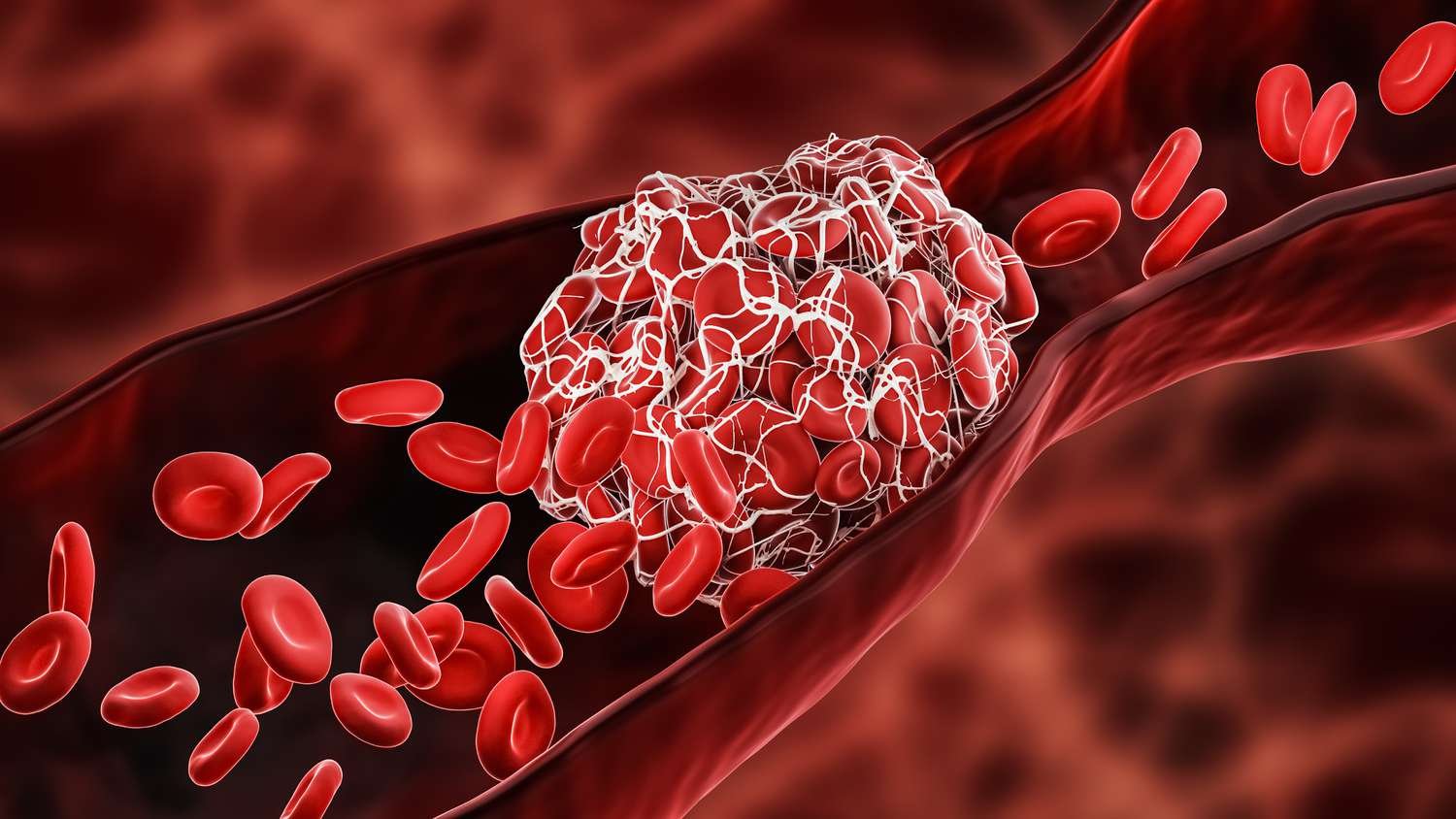
Haemoglobin’s primary function is to transport oxygen from the lungs to the tissues and organs. When the body requires more oxygen, such as during intense physical exertion, haemoglobin levels can increase to meet the demand. However, in athletes using PEDs, haemoglobin levels can, over time, spike to dangerously high levels. This condition, known as polycythemia, increases the viscosity (thickness) of the blood.

Blood that is too thick can increase the likelihood of blood clots, which can lead to strokes, heart attacks, or pulmonary embolisms. These complications arise because the heart and blood vessels must work harder to pump thicker blood through the body. The increased risk is compounded when PEDs are used, as they can elevate blood pressure and cholesterol levels.

high haematocrit bodybuilding blood test results

Red Blood Cells are the most common type of cell in your blood. They are primarily responsible for carrying oxygen from your lungs to the rest of your body. And returning carbon dioxide back to the lungs to be exhaled.

Haematocrit (Hct) is a measure of the percentage of your blood that is made up of red blood cells. It gives insight into the concentration of red blood cells in the blood.

UK reference ranges for haemoglobin, RBC and haematocrit

1. Haemoglobin levels

Normal Ranges:

Anything significantly above these values could be considered high. But it is important to look at the actual numbers in the context of your overall health.

2. Haematocrit (Hct)

high haematocrit bodybuilding blood test results

3. Red Blood Cell Count (RBC)

How high haemoglobin, RBC and haematocrit can be dangerous

  1. Increased risk of blood clots:
    • When these three levels are high, it is often a sign that your blood has thickened, which means it does not flow as easily through the arteries and veins. This increases the risk of blood clots, which can lead to serious conditions like deep vein thrombosis (DVT), pulmonary embolism, or even a stroke or heart attack.
    • Clots can form more easily in the body when blood is more viscous and, in the worst-case scenario, these clots can travel to the lungs, brain, or heart, causing life-threatening events.
  2. Strain on the heart:
    • Thick blood requires the heart to work harder to pump it throughout the body. Over time, this can strain the heart, potentially leading to conditions such as heart failure, especially in those with underlying heart issues, or other cardiovascular conditions.
    • The heart's ability to efficiently pump thickened blood can be compromised, leading to an increased risk of developing high blood pressure (hypertension) and heart disease.
  3. Stroke and other cardiovascular events:
    • The thickened blood can lead to clot formation, which may obstruct blood flow to the brain, causing a stroke. The haemoglobin danger level for a stroke is thought to be about 200 g/L.
  4. Impaired circulation:
    • High levels in these markers can cause poor circulation, as thicker blood struggles to flow properly through smaller blood vessels, such as capillaries. This can lead to symptoms like fatigue, dizziness and numbness in extremities due to inadequate oxygen and nutrient delivery to tissues.
  5. Potential kidney damage:
    • Over time, thickened blood can place stress on the kidneys, as they work harder to filter it. This can contribute to kidney damage or even kidney failure in severe cases. However, eGFR [estimated glomerular filtration rate], is not always the best way to determine how healthy you kidneys are performing, because it does not take into consideration higher than normal levels of muscle mass.
bodybuilding blood work hemoglobin rbc levels

Why thickened blood is a silent killer

Often, thickened blood is discovered incidentally during routine blood tests. Or when the individual presents with symptoms of related complications (like a stroke or heart attack). Many individuals with high haemoglobin, high RBC and high haemotocrit may not feel unwell initially, or experience obvious symptoms, especially if the increase is gradual. As a result, the condition can go unnoticed until more severe complications arise.

When getting regular blood tests during the year, do not rely on coaches to give you the green light to continue pushing unabated. Check and investigate these particular markers yourself. These factors, among others, are essential to ensure levels remain within safe ranges, mitigating the risk of stroke and other cardiovascular complications. One remedy to consider should you have thickened blood is professional blood letting. One blood let, usually a pint, is thought to lower haemoglobin levels by about 6-7 points.

References:

https://www.medicalnewstoday.com/articles/319842#causes

https://pubmed.ncbi.nlm.nih.gov/11153743

https://www.healthily.co.uk/blog/anabolic-steroids-blood-test

MORE FROM FRONTDOUBLE:

Bodybuilding kidney health

Growth Hormone doses: Just how much?

Retatrutide in bodybuilding

BODYBUILDING RESULTS

ATHLETE PROFILES

HEALTH AND EDUCATION HUB

Leave a Reply

Your email address will not be published. Required fields are marked *