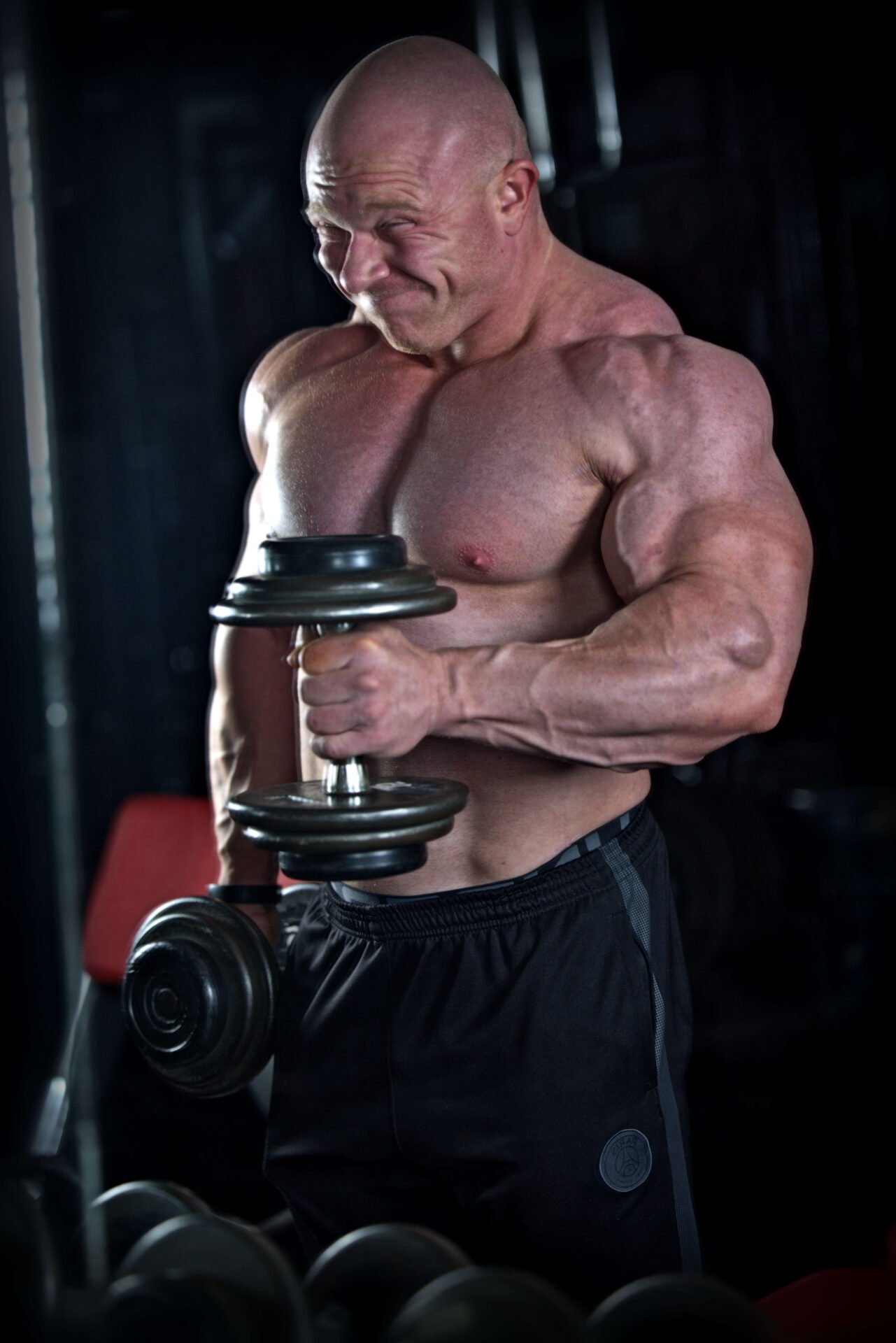
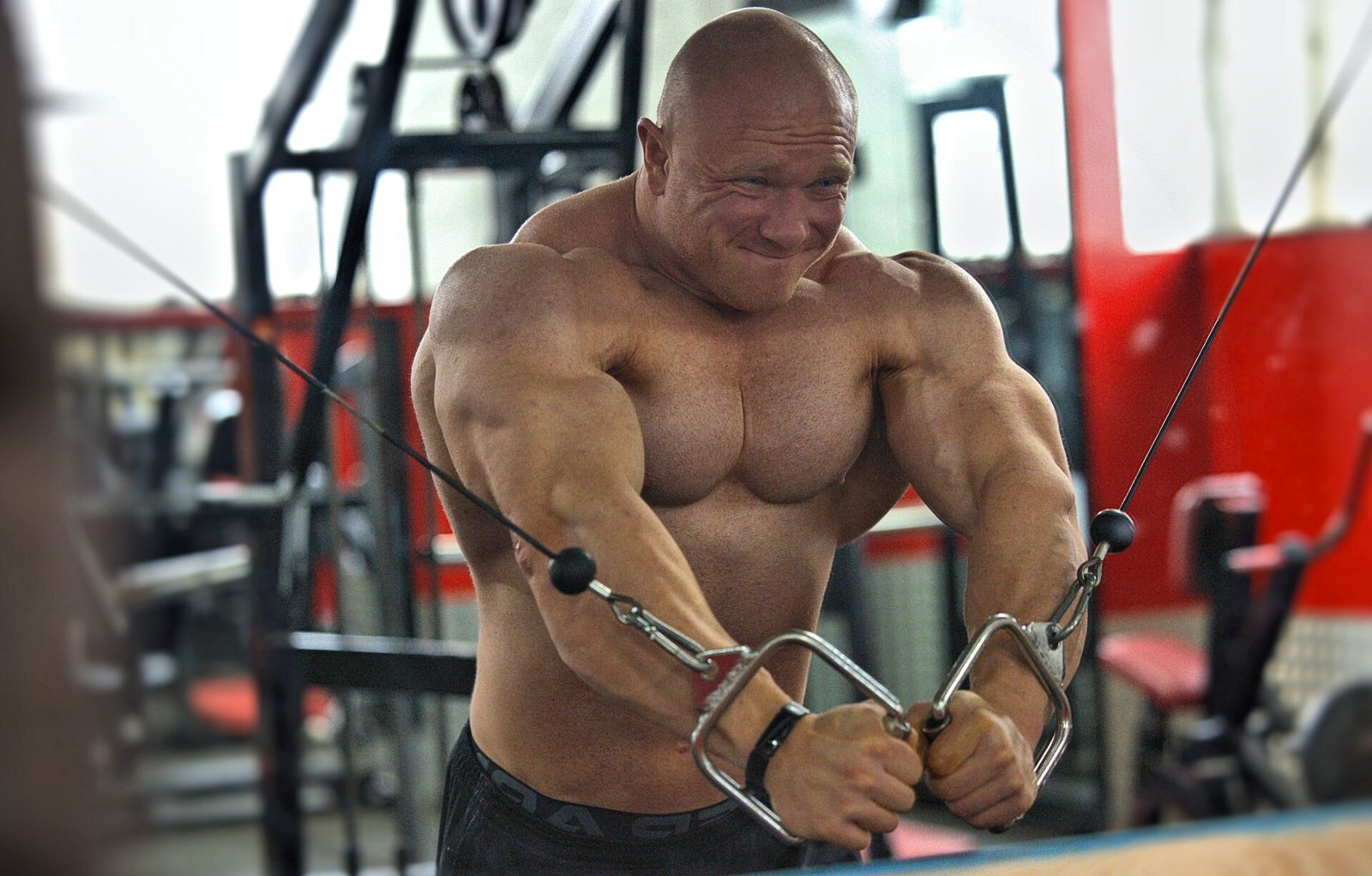
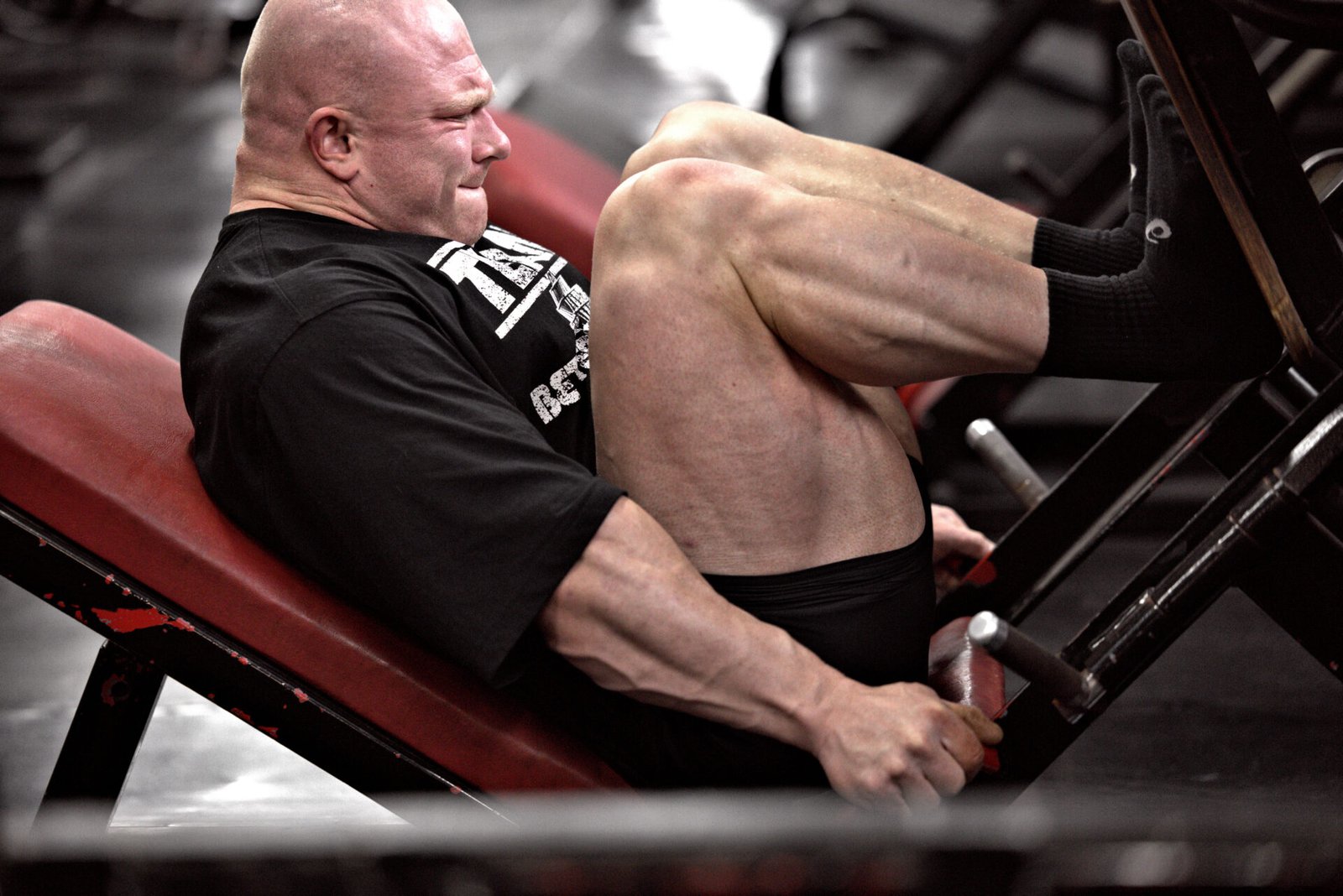
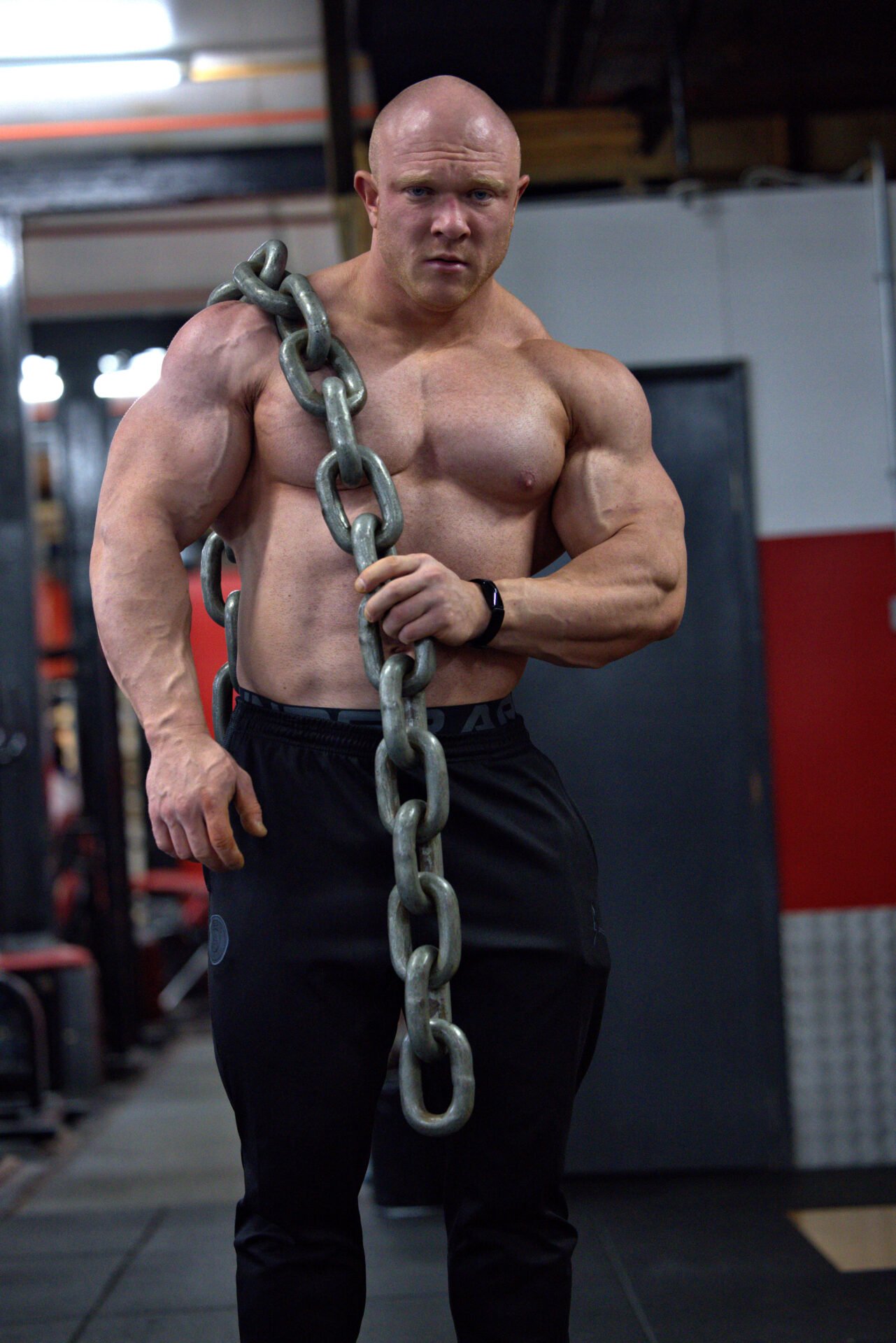
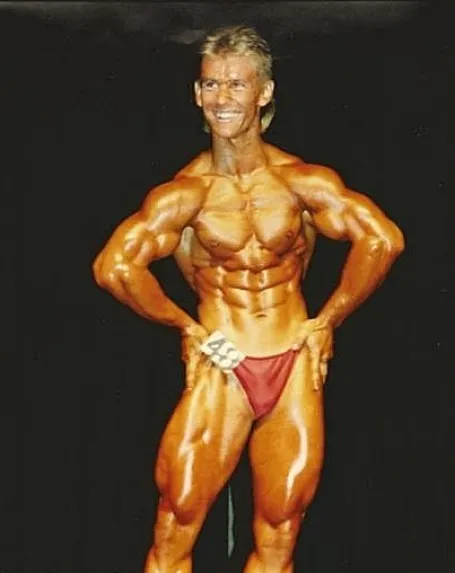
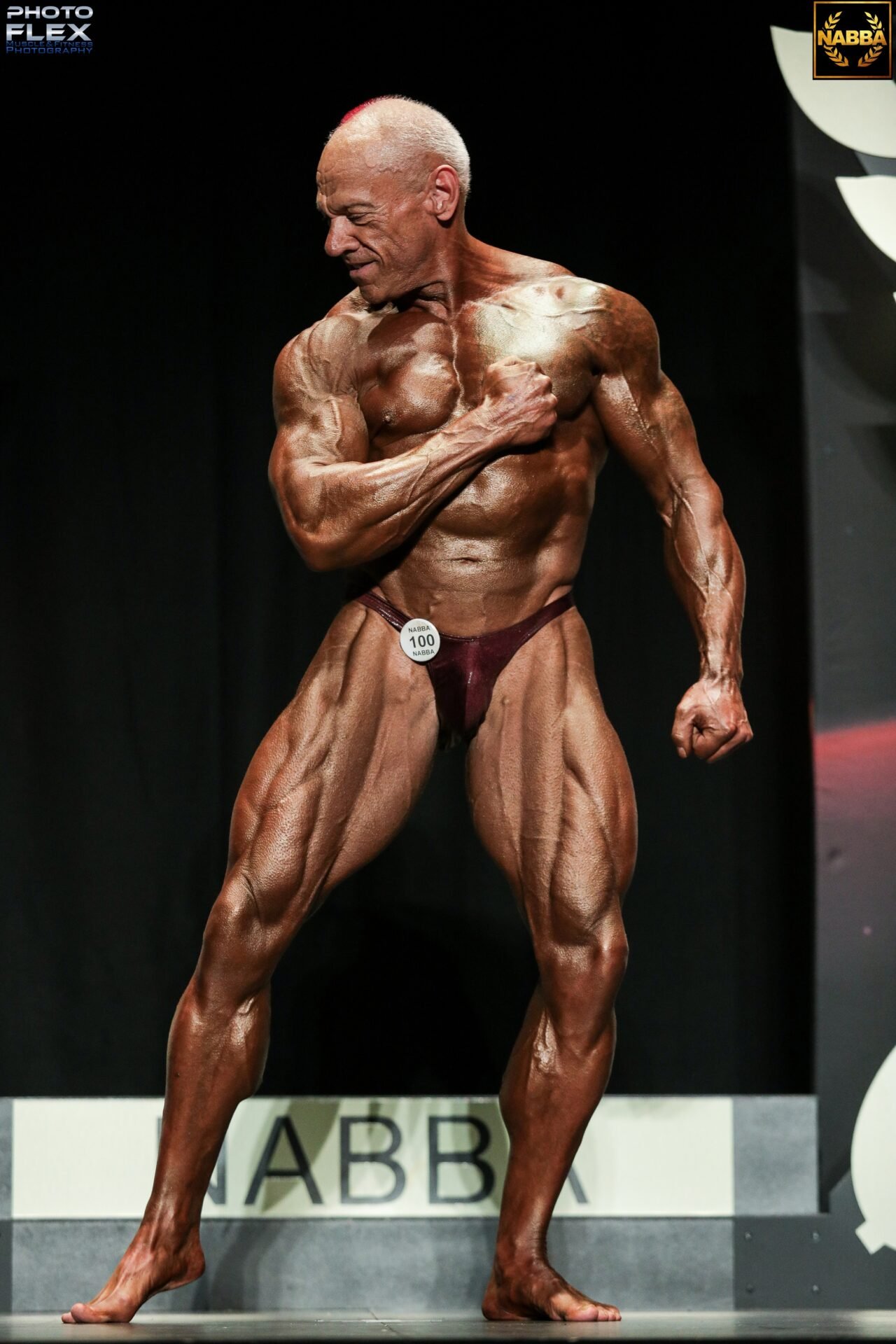
Why You’re Not Building Muscle: 3 Killers of Muscle Growth

If you’re training hard but not seeing results, the problem is rarely effort. More often, it comes down to a few key mistakes that quietly kill muscle growth.

The Alan Carson Column

THE path to most goals isn't usually a straight line and that includes the goal of maximum muscle gains.

Life can throw many unexpected challenges and setbacks our way that can slow down our muscle-building progress, or even cause it to stall out completely for a time. That's life sometimes.

However, from my own experience and through observation, I've noticed that much of what's limiting our progress is often within our control. Some of these progress killers are glaringly obvious, others more subtle.

Of course, there are many reasons for lacklustre muscle growth. But let's take a look at these three major growth blockers, understand how they hinder our gains and discuss how we can avoid these pitfalls.

These things are much more detrimental to our progress than the occasional missed workout or being a few grams out on our macros here and there.

bodybuilding training for muscle growth hypertrophy workout

1. Staying too lean is limiting your growth

Whether it's buzzwords like 'Dad Bod' or the endless stream of shredded physiques on our social media feeds, there seems to be more pressure to stay lean and 'Instagram Ready' all year, especially for the younger generation.

Influencers are now pushing 'maingaining' – hovering around maintenance calories while trying to build muscle slowly – as a modern alternative to traditional bulking. And while it's a good idea not to gain an excessive amount of body fat in a gaining phase, in swinging too far away from traditional 'bulking', many end up under-eating. This seriously limits their muscle-building potential.

Today's social media can be a warped lens to look through when it comes to gaining muscle. Being lean looks good on a screen, but it's a lousy way to approach gaining muscle.

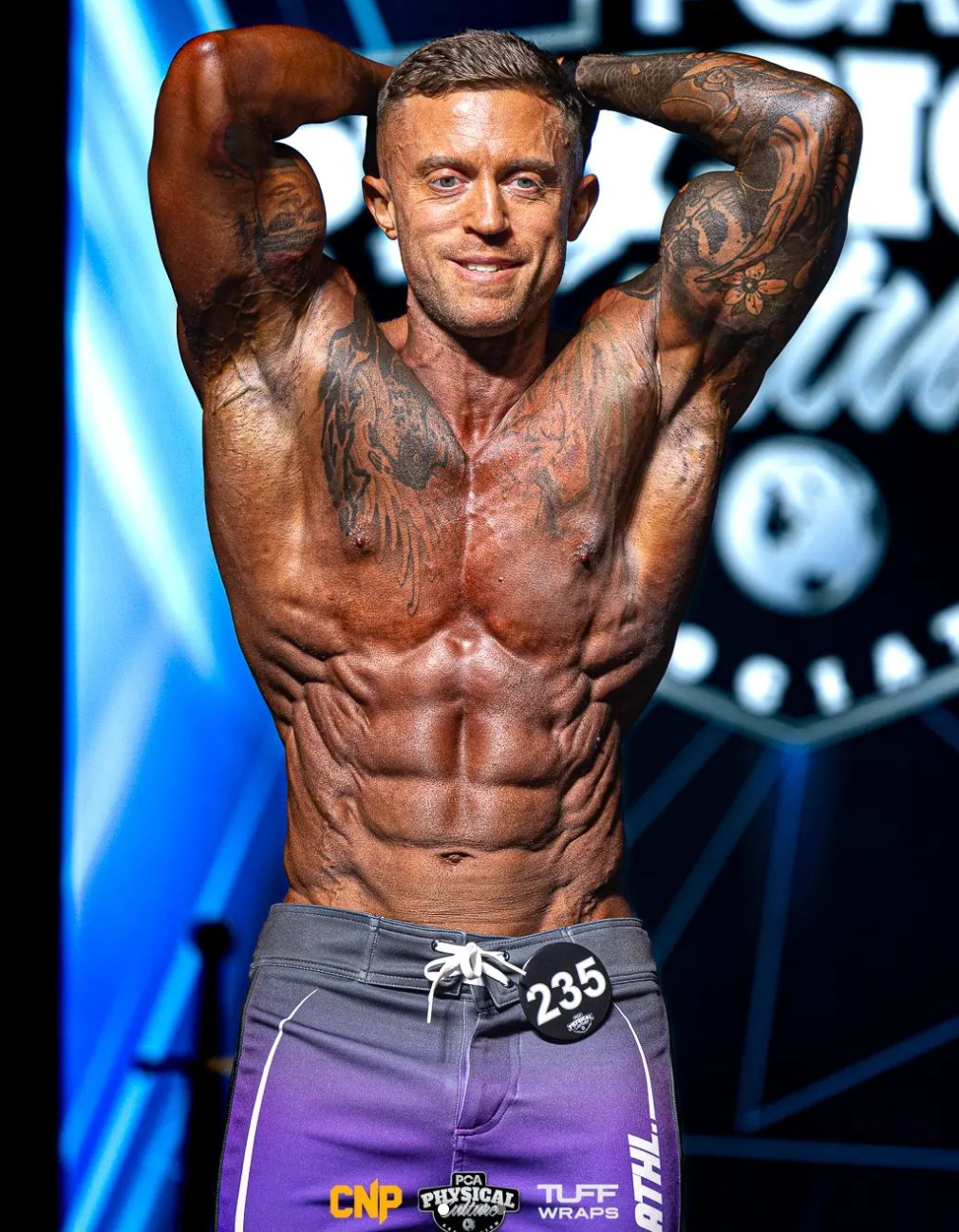
Trying to keep ripped abs is only going to slow muscle growth

Staying lean is fine if that's the goal. But if the goal is to add a considerable amount of muscle tissue to your frame, trying to keep those abs ripped all the time is only going to slow or stall progress.

Muscle doesn't grow under a microscope of daily mirror checks and Instagram posts. The reality is that building muscle is a slower process than cutting. And the visual changes aren't always that appealing compared to seeing those deeper cuts appearing in your abs week to week like you do when cutting.

Instead of obsessing over that constant lean look, I'm advocating for embracing a structured bulking phase, where your primary goal is maximum muscle growth. This means eating in a controlled surplus –providing your body with the necessary calories for muscle repair and growth – while keeping your food nutrient-dense.

This isn't an excuse for gluttony and indulgence. Quality physiques aren't usually built by dirty bulking on a diet of processed foods. They're developed through consistently disciplined eating and hard training. Muscle growth is a slow, steady journey that takes a lot of effort and an equal measure of patience. So don't sell yourself short on the quantity or quality of your nutrition when you're looking to gain muscle. Accept the temporary increase in body fat, knowing that when you strip back down, that extra muscle will make you look much more impressive.

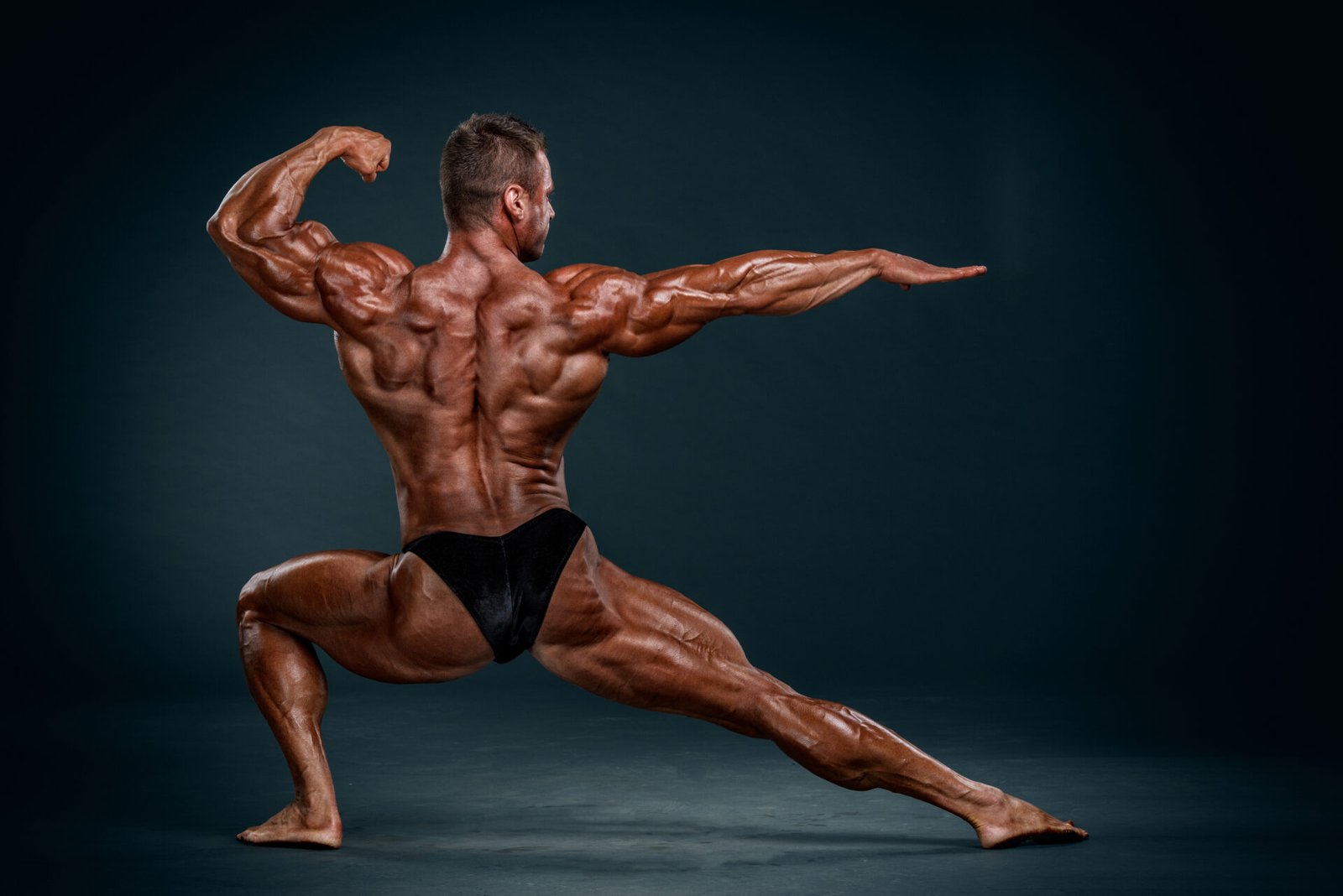
bodybuilder physique muscle growth progress size development

2. Not recovering properly between sessions

There's a certain pride and sense of accomplishment we can feel when we're pushing ourselves hard in the gym. Speaking for myself, that's a feeling I chased in my early days of bodybuilding (and sometimes still do), often at the expense of my recovery and muscle growth.

If you're constantly hammering yourself in the gym without taking enough rest, you're not actually building your physique... you're just breaking it down and not affording your body the time and resources to recover properly. If you don't give your body adequate time to repair and replenish, you're constantly running on depleted resources and under-recovered tissues. This can lead to stagnation, burnout and even injury.

It's not being lazy. It's about being smart

Think of the ability to progressively overload as an outcome of adequate recovery and adaptation from previous hard training bouts. If your performance is declining, your pumps feel flat, or your joints are starting to complain, these are red flags that your recovery is suffering.

Rest days allow your body to super-compensate and come back stronger. I know it can feel like we're being lazy, but it's not. It's about being smart. I've come to value my rest days more and more with age, and so have my tendons!

3. Constantly changing your training programme

The best programme in the world won't work if you don't stick with it. One of the biggest progress killers is constantly jumping from one training plan to another, always chasing the next "secret" to muscle growth.

Social media has made this much worse. One minute, someone is convincing us that low-volume, high-intensity training is the key. And then the next, we see a celebrity scientist preaching ultra- high-volume. The result? Constant temptation to switch up your training, not staying consistent with one approach long enough to reap the benefits.

Muscle growth thrives on consistency and progression, not constant change. I joke that if you want to 'shock the body', maybe you should try eating once and training six times a day.

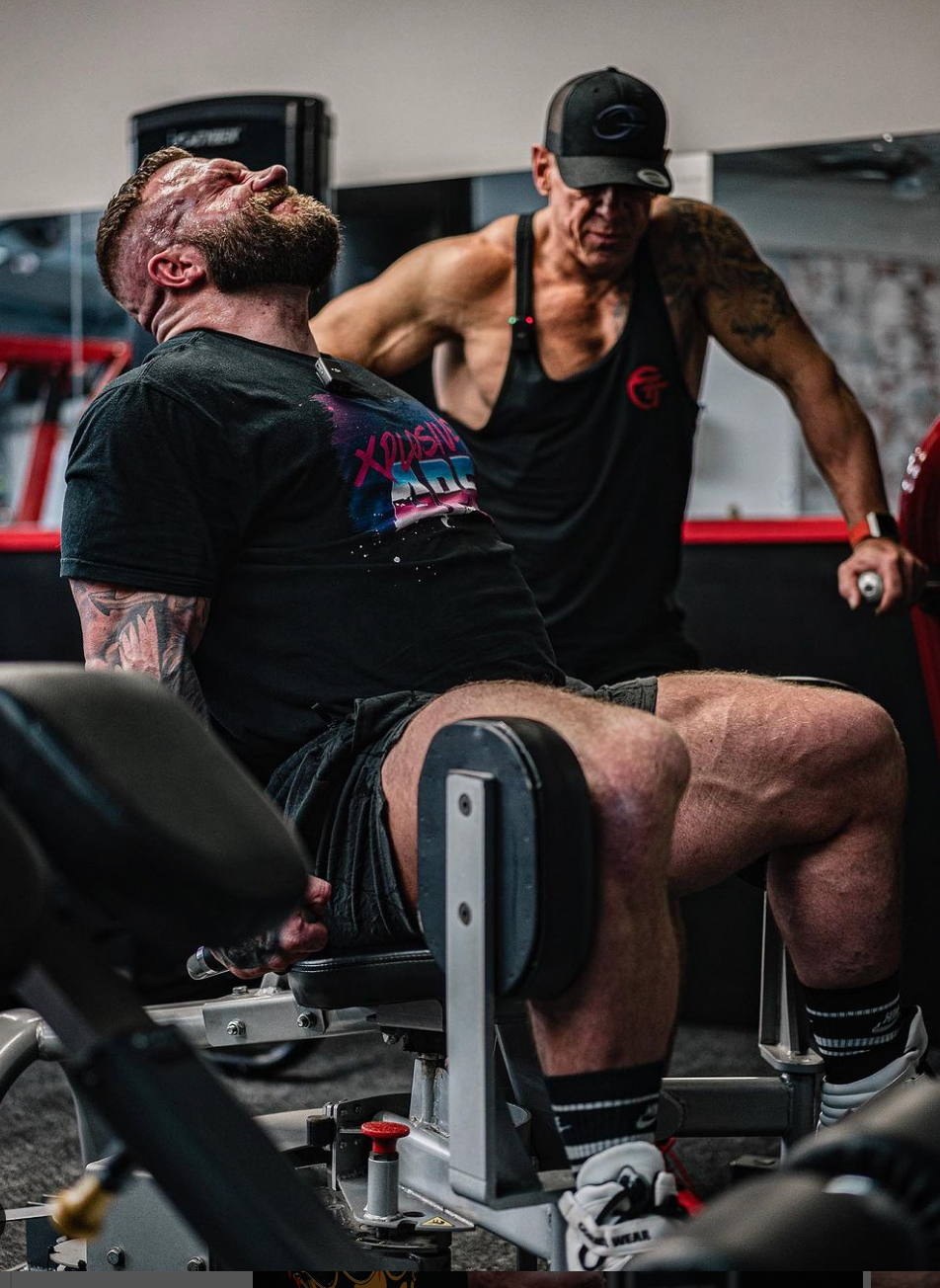
bodybuilder physique muscle growth progress size development

We need to give our bodies time to adapt to a training stimulus. Strength, hypertrophy and neurological efficiency all improve with repeated exposure to the same lifts over weeks and months. If we keep changing our training up before that happens, we can just end up spinning our wheels.

That doesn't mean you should never adjust your plan or experiment with different approaches. But rather than chasing novelty, focus on progressive overload – adding weight when you can, increasing reps and enhancing execution over time.

Stick with a well-structured programme for long enough to see measurable progress. Master the basics, execute them with intent and, as cliched as it sounds, trust the process.

The real "secret" to muscle growth lies in consistent effort and time.

About the Author
Alan Carson is a competitive bodybuilder and certified sports nutritionist based in Worcestershire. Competing since 2014, Alan secured the PCA British Masters Over 40s title in 2023 after returning to the stage following a four-year break. Alan works closely with a select number of clients, blending his expertise in nutrition, bodybuilding training and psychological aspects to help them reach peak potential both physically and mentally. With a passion for transformation, he's dedicated to helping clients improve their health, performance and physiques.

Read Alan Carson's previous columns HERE.

MORE FROM FRONTDOUBLE:

BODYBUILDING RESULTS

ATHLETE PROFILES

HEALTH AND EDUCATION HUB

Leave a Reply

Your email address will not be published. Required fields are marked *

Optimal training volume for hypertrophy

From low-volume HIT to high-volume training, we break down how many sets you really need to build muscle

The Alan Carson Column

The optimal training volume for hypertrophy has been debated in bodybuilding for decades. On one side, there are low-volume, high-intensity training (HIT) advocates who argue that brief but maximally intense sessions maximise muscle growth and recovery. On the other, high-volume proponents claim that more sets and reps lead to superior hypertrophy.

Both sides have strong arguments and both approaches have produced successful bodybuilders. So what is the truth? And more importantly, what is the best approach for you?

What the science says about training volume

If we look at the scientific literature, we find support for both high and low training volumes. Some studies suggest that higher training volumes (more sets per muscle group per week) lead to greater hypertrophy. A meta-analysis by Schoenfeld et al. (2017) indicated a dose-response relationship between training volume and muscle growth, with more sets leading to more hypertrophy up to a point.

Dorian Yates low volume high intensity training bodybuilding

HIT training, made famous by people such as Arthur Jones, Mike Mentzer and Dorian Yates (above), focuses on maximising intensity while minimising total work. Many HIT advocates argue that anything above one or two sets to failure is not only unnecessary but that additional sets could impede progress. Studies such as those by Fisher et al. (2013) suggest that lower volumes, when performed with high intensity, can be equally effective for hypertrophy.

Surely, science can give us a definitive answer? Well, it's complicated and, when you begin to critically analyse studies by considering factors like those listed below, you can decide how much stock you might want to put into a study in terms of any conclusions you might draw. In other words, you have to get into the details.

How many subjects were in the study?
Have other studies produced similar results?
Were the subjects trained or untrained?
How advanced were the subjects?
Were they male or female?
Were they natural or assisted?
How old were the subjects?
How long was the study?
Were the subjects exposed to both conditions?
Was the study performed on all body parts or just on specific body parts?
Were the scientists taking measurements blinded?

As you can see, there are lots of things to consider that could make the findings of any study more or less relevant to you as an individual. Also, can you imagine all the uncontrollable variables involved, such as sleep quantity and quality, stress and nutrition? Do you think they might affect the results? You bet they would.

Jay Cutler high volume bodybuilding training routine

What elite bodybuilders actually do

If we examine the routines of the most successful Olympia competitors, we see a range of approaches. Dorian Yates, for example, built his huge, dense physique on low-volume, high-intensity training, performing only a few all-out sets to failure per workout. In contrast, Jay Cutler (above) thrived on high-volume training without training to failure.

This tells us two things:
1) Both approaches can work – There is no single formula for success.
2) Individual factors play a huge role – Genetics, recovery capacity, training experience and even personality type (some people prefer to go all-out on their sets).

How to find your ideal training volume

Given the fact we can observe results to support both low-volume and high-volume training, a one-size-fits-all prescription for training volume is unrealistic. Research and coaching experience both indicate significant individual variability.

A useful framework is the concept of Minimum Effective Volume (MEV) and Maximum Recoverable Volume (MRV), which Dr. Mike Israetel and his colleagues introduced. MEV is the least amount of work required to make progress, while MRV is the most volume an individual can handle before recovery and performance decline. The goal should be to train within this range, gradually adjusting volume if needed while monitoring recovery.

Progressive overload and adaptation

Regardless of volume, progressive tension overload remains a key driver of hypertrophy. A lower-volume approach can be highly effective if intensity and progression are prioritised. On the other hand, higher volumes without sufficient effort and progression will yield suboptimal results. This highlights the importance of effort and execution in training. In other words, two all-out sets executed accurately to failure will probably be more effective than five lazy "fluff and pump" sets.

We know that proximity to failure is important, with each rep closer to failure being more effective but also more fatiguing. This hints at there being a sweet spot. Intensity and volume are inversely proportionate. Put another way, you can't sprint a marathon.

Mike Mentzer heavy duty HIT low volume training bodybuilding
HEAVY DUTY: Mike Mentzer

Individualisation and auto-regulation

Some people seem to thrive on higher volumes, while others find it leads to excessive fatigue. Factors such as sleep, stress, nutrition and genetics all influence volume tolerance. Instead of mindlessly following a set prescription, we should all experiment and adjust based on recovery, performance and progress.

Even within an individual, different muscle groups may have varying volume requirements. For example, some might find that their quads require fewer sets to grow, while their shoulders or biceps seem to need more volume to grow. Adjusting training volume based on performance feedback, such as soreness, recovery time and progression in strength, allows for a more tailored and effective approach to hypertrophy. Understanding these nuances allows for better individualisation of volume across different body parts, rather than applying a uniform approach.

The law of diminishing returns

More is not always better. While increasing volume might enhance hypertrophy to a point, excessive volume often leads to signs of overtraining, such as joint pain, plateaus or reductions in strength, increased fatigue, less growth and prolonged recovery times. There is a balance between stimulus and recovery that must be respected, as well as how much training we can practically fit into our schedules.

How many sets should you do?

The reality is that both high and low-volume training can be effective and the optimal approach depends on the individual. Instead of engaging in dogmatic debates, the best course of action is to experiment, track results and adjust accordingly. By understanding the principles of volume, intensity and recovery, we can tailor our training for maximum growth. In the end, the best training volume is not dictated by science or tradition alone but by what allows consistent progress over time.

About the Author
Alan Carson is a competitive bodybuilder and certified sports nutritionist based in Worcestershire. Competing since 2014, Alan secured the PCA British Masters Over 40s title in 2023 after returning to the stage following a four-year break. Alan works closely with a select number of clients, blending his expertise in nutrition, bodybuilding training and psychological aspects to help them reach peak potential both physically and mentally. With a passion for transformation, he's dedicated to helping clients improve their health, performance and physiques.

Optimal rep range for hypertrophy

Why Dorian Yates did deadlifts last on back day

Insulin 101 for Bodybuilders: Complete Guide, Protocols & Safety

UK Bodybuilding Results

Leave a Reply

Your email address will not be published. Required fields are marked *

Ryan Mackins: From bodybuilding to Arm Wrestling

PCA Pro bodybuilder Ryan Mackins on his Arm Gods contest, how nose surgery put an end to sneezing and his off-season size goals for 2025

By Gary Chappell

RYAN MACKINS says he was more nervous ahead of his arm wrestling debut than stripping half naked for a bodybuilding competition.

In an exclusive video interview with frontdouble.com Mackins, 37, described the technique required to avoid injury and enjoy success at the arm wrestling table.

He also described how septum surgery put an end to 15 years of snoring and why he prefers the flat look to his physique over carbing up.

ryan mackins arm wrestling bodybuilding interview training

Mackins said: "Turns out there's an arm wrestling club 20 minutes from my house, so I came down and I was naturally good at it. And you know what, to be naturally good at something for me is rare because bodybuilding I'm not naturally good at – because I'm so tall.

"So all of a sudden I'm beating these guys who were really experienced. Fast forward a year and a half, I have my first proper match and the guy who I beat was a professional – and he's actually won some pretty big titles."

How I ended 15 years of snoring

Mackins added: "One side of my nose was blocked up and it affected my recovery during sessions when I was training. After a very taxing set I'd be out of breath and couldn't catch my breath.

"I snored, probably for 15 years, pretty excessively and the reason why this happened, it could partly genetic, but also I had a fight when I was 17. Somebody head-butted me.

"So what they [surgeons] have actually done is they've put a bit of my cartilage from my ear into my nose. They've lifted the tip of my nose and straightened out the septum and guess what, I don't snore at all any more."

Bodybuilder Ryan Mackins PCA

Why my physique looks better flat

Most bodybuilders carb up in the final week to bring their physique back to life. At 6ft 3in, Mackins believes his body looks better without it.

He said: "When I'm a bit flatter. I show more detail. So because I'm 6ft 3in and I've got a very wide clavicle, when I'm on stage this is a problem. It's actually a negative because I've got so much frame to fill out. In almost every single show I've ever done, I'm the largest guy in terms of skeletal structure. But that's not a good thing. I rely on detail because I'm not going to be the thickest guy."

WATCH THE FULL INTERVIEW WITH RYAN MACKINS BELOW:

MORE FROM FRONTDOUBLE:

BODYBUILDING RESULTS

ATHLETE PROFILES

HEALTH AND EDUCATION HUB
Leave a Reply

Your email address will not be published. Required fields are marked *

Nick Elliott: Bodybuilder Profile

Nick Elliott is one of the UK’s most promising bodybuilders, with his sights firmly set on earning IFBB Pro League status.

WHEN Nick Elliott was just a lad all he dreamt of was becoming a professional footballer. And until the age of 15 he was bang on track.

Pain in his ankles spoiled his enjoyment of the beautiful game and cut short his promising career. But fast forward 18 years and he is now bang on track to becoming a professional bodybuilder.

With a thick, dense, muscular physique, Elliott's 5ft 7in frame came close to doing just that in 2024. Few would doubt him achieving IFBB Pro League status this year.

From football to bodybuilding

His sporting journey appeared to earmark him for success from early on. As a boy, Elliott was signed by Bradford City's academy and he had high hopes of rubbing shoulders with the sport's footballing elite.

uk bodybuilder nick elliott training
Picture: Anthony Chia-Bradley

"I spent most of my football career at Bradford City academy," he said. "I was picked up from a young age. I had offers from a few big teams but the logistics were too difficult to travel there multiple times a week, so we [me and my family] opted for Bradford City.

"But I was about 15 when I was released, then went to play for Guiseley, then Bradford Park Avenue. By then I'd decided I didn’t enjoy it any more and gave it up – I suffered badly with tendinitis in my ankles and a lot of the time I couldn’t last a full game. That contributed massively towards ending my football career."

By the age of 22, however, Elliott had found bodybuilding.

uk bodybuilder nick elliott training
Picture: Anthony Chia-Bradley

Training style and philosophy

He said: "When I first started training, I followed the trend of high volume, high frequency. But after attending a Dorian Yates seminar, I soon figured this wasn’t the way to go for me.

"Dorian said to me personally, 'try my methods and watch how strong you get'. I immediately implanted his plan – and never looked back."

One look at Elliott's physique and you can tell he is a no-nonsense lifter; a strong bodybuilder with a focus on compound exercises. He is also not one to chop and change his routine to follow the latest social media trend.

"All my progress has come from training HIT style, four times per week," he says. "I’m a big believer of mastering the basics and not for all this new-school scientific training approach.

uk bodybuilder nick elliott training
Picture: Anthony Chia-Bradley

"My advice is to get strong at the hard stuff. Once you have acquired the muscle mass, then of course you can get away with some isolation work of specific body parts. But my workout plan hasn’t really changed in the last five years.

"I would advise all the up and coming aspiring bodybuilders to avoid all the rubbish you see on Instagram and just get strong at the basics. Progress your lifts, whether it’s an extra rep, more control, or extra weight and watch how fast you grow when you train to true failure.

"It really is as simple as 'train hard, eat in a surplus of calories, minimal supplementation, adequate rest'. And you will grow.

uk bodybuilder nick elliott training
Picture: Anthony Chia-Bradley

"You should be getting that anxious, nervous feeling before every training session, knowing you have to go in and aim to beat your lifts from the week before. If you go in with no structure, full of excuses why you can’t do the hard exercises, your progress is going to be minimal in comparison.

"Regarding training, I’ve always done a typical bro split and never fallen for the new style of push, pull, legs."

Nick Elliott training split

Monday: Chest and shoulders

Tuesday: Back and calves

Thursday: Arms and calves

Friday: Legs

Picture: Anthony Chia-Bradley

Nick Elliott's typical back routine

Three sets of pull ups to failure

Two working sets of Barbell rows

Two working sets of Dorian deadlifts

Two working sets close grip seated low row

Two working sets Dumbbell rows

Two working sets single-arm hammer rows

uk bodybuilder nick elliott training
Picture: Anthony Chia-Bradley

He added: "I also don’t have your typical textbook-bodybuilder approach to diet in the off-season. I’m very relaxed, eat a variety of different foods, eat off-plan meals whenever I want. I believe you’ve got to enjoy the process, or you won’t last.

"Come contest prep I will be on it, but off-season I’m not scared to eat a pizza or burger post workout."

Competition results and future goals

In his last competition, the William Bonac Classic in Holland in December, many people thought Elliott had been unfairly treated. He finished third in the heavyweight division, despite looking better than the winner, who was awarded his pro card.

uk bodybuilder nick elliott training
Picture: Anthony Chia-Bradley

But after a much-needed break and off-season, Elliott will return to the stage at the 2Bros British Finals in October. Few would bet against him achieving pro status in his home city of Bradford.

He said: "I’ve had a long five-week break from the gym and diet after my last showing in the Netherlands.

"I will be looking to compete in the 2Bros British Finals in Bradford October, my home town. So it will be typical if I win there after travelling all round Europe and not being successful."

All pictures by Anthony Chia-Bradley. You can visit his website here.

MORE FROM FRONTDOUBLE:

UK bodybuilding results

Ian Christopher: Masters Bodybuilder Profile

Volume vs Intensity: Which builds more muscle?

UK bodybuilding show calendar

From brink of death to IFBB Pro in three years

Leave a Reply

Your email address will not be published. Required fields are marked *

Lee Priest interview: “If you’re on your phone in the gym, you’re not serious”

IFBB Pro bodybuilder Lee Priest believes phone use in the gym is one of the biggest signs of a lack of focus, arguing that serious bodybuilders approach training with intensity and purpose. In this interview with FrontDouble, he also discusses off-season food and why the NABBA Universe made him nervous

By Gary Chappell

LEE PRIEST has told competitive athletes: "If you're using your phone in the gym, you are not a serious bodybuilder."

Priest is currently in the UK as part of The Unholy Tour and recently told fans he thought current Mr Olympia Samson Dauda would not beat the likes of Paul Dillett or Flex Wheeler from the 90s era.

And he has had his say on the current gym habit of mobile phone usage, with some sitting on machines scrolling and working out their thumbs more than their muscles.

He said: "If you're serious about being a bodybuilder and you've got your phone in the gym, you're not fucking serious. Unless you're a heart surgeon on call. People say, 'Oh, but Lee, I use it for music'. If you have to use your phone for cardio, that's fine. Back in the day, people would talk to each other in the gym, help each other out. There was a comradeship in the gym. Now everyone's in their own little world with their fucking headphones in.

"Guys are training and I'm like, 'don't you talk and spot each other? You've both got your fucking headphones on in your own little world'. They're like, 'well I use it for music' and I'm like, 'there's music in the gym'. I couldn't even tell you what song was playing because I'm so focused on the training.

Lee Priest bodybuilder
Picture: Anthony Chia-Bradley

"It's like when people say, 'you've got to look at yourself in the mirror'. OK, when I squat seven plates I don't look at myself in the mirror and think, 'oh, Lee you're so strong'. You see an image there but you're so focused on the exercise, you're just going up and down. And I was the same with music.

"So I don't buy the excuses of 'I just want to listen to my music'. You go to pick a song, you look at your phone and you've got messages – 'I'll just have a look'. Whatever's on your phone, whether it's Facebook, Instagram, it's going to be there an hour or two later. That's why I love it when I go on a plane somewhere. It might just be an hour flight but, as soon as the plane lands, what do you hear? Ding, ding, ding. You're like, 'fuck, what did I miss'? People are so glued to their phones, it's just crazy. So just leave it out, you'll have a better workout without it.

"I'll go in the gym now and I'm not training crazy but sometimes I'll do two different exercises and one guy's only done two sets and I look over his shoulder and he's on YouTube or something. But they think you're just 'old fashioned' and blah, blah, blah. No, you're focused in the gym. What other sport would you see someone doing that? Mike Tyson, or any fighter, sparring, ding, ding, bell's gone and then they're sitting in the corner scrolling through their phone. 

Why phone use kills serious training

"Back in the day, you saw someone struggling you'd go over and just give them a spot. You don't see that any more. People are in their own little world. It's just stupid. As I said, phones and listening to music is good for cardio but if you're serious about your training that's just a distraction all the time."

In a previous interview, Priest revealed how he "hated competing" but still did at least 11 shows one season. But he also detailed how competing at the NABBA Universe in 2013 made him more nervous than any other show.

He said: "I remember getting ready for the Universe in 2013. I was kicked out of the IFBB, so I took seven years off. But I thought, 'if I make a comeback and don't look good, or even if I look good and don't do well, I don't want to read the internet the next day'.

Picture: Anthony Chia-Bradley

"So when I started getting ready for that the pressure I was putting on myself was quite high. I was single and all I thought about was training, dieting and I was burning myself out mentally. Then I met a girl who had four kids and she moved in with me, but it was a good distraction because I could go to the gym and train and when I got home I'd take them to the beach and stuff, come home, have another meal, go to the gym.

"So it was good having that other thing on the side just to keep your mind off it, because if you're constantly talking about eating, talking about drugs, talking about training, you're just going to go crazy and it's going to drive people around you crazy. As long as you've got your training done and you're sticking to your meals, you can still go and do other stuff. Your muscles are not going to disappear."

In between the clean food, I'd throw in some shit food

Building those muscles came with mountains of food. Priest is known for blowing up in weight during his off-seasons back in the day. And he provided a little insight into how he ate.

"Generally, most days breakfast might have been scrambled eggs on toast. But then two hours later, McDonald's," he said. "Then after that I might have had steak and rice, then two hours later a big Chinese meal. It's almost like you're doing a clean diet  but in between the clean diet I'm just throwing shit food in. So there might have been two and a half thousand calories of clean food and three thousand of shit food. Then when it comes time to diet, I just take the crap in between out.

"I still liked drinking full cream milk or half and half where it's like milk and half cream that sort of stuff, so I might just sit down and have a liter of milk, a loaf of bread and a whole load of chicken and stuff. In the off season, the biggest my waist became was 44 inches and when I dieted down it would be 29."

Pictures by Anthony Chia Bradley. Visit his website here.

More dates for Lee Priest, The Unholy Tour can be found here.

READ LEE PRIEST COMPARING SAMSON DAUDA TO FLEX WHEELER HERE

MORE FROM FRONTDOUBLE:

BODYBUILDING RESULTS

ATHLETE PROFILES

HEALTH AND EDUCATION HUB
Leave a Reply

Your email address will not be published. Required fields are marked *

Optimal rep range for hypertrophy

From heavy low-rep strength work to high-rep pump training, we break down what really builds muscle – and where most bodybuilders go wrong

The Alan Carson Column

The optimal rep range for hypertrophy has been debated in bodybuilding for decades. Traditionally, the 6-12 rep range has been seen as the gold standard, delivering solid results for decades. But with studies suggesting that rep ranges from six to as high as 30 can be similarly effective for hypertrophy, there is room to explore how different approaches can impact muscle growth and possibly even the appearance of a physique.

Let's weigh the pros and cons of various rep ranges and apply science and common sense to determine what might work best for you.

What actually causes muscle growth?

At its core, muscle growth (hypertrophy) is primarily driven by mechanical tension. Mechanical tension refers to the force generated when muscles contract under load, especially during eccentric movements. Naturally, heavier loads create more tension, which stimulates the muscle fibres to adapt and grow. This process involves mechanosensors and it is quite fascinating how they work (at least if you're a bit of nerd).

Mechanosensors in muscle fibres

Integrins
Integrins are proteins embedded in the muscle cell membrane that sense mechanical tension. When muscles contract or stretch under load, these proteins detect changes in the physical environment and transmit signals into the cell.

Costameres
Costameres are structures on the muscle membrane that connect the cytoskeleton (the cell's internal framework) to the extracellular matrix (the structure outside the cell). They act as tension-sensitive complexes that help distribute force across muscle fibres and initiate intracellular signalling.

optimal rep ranges for muscle growth alan carson bodybuilder

Titin
Titin is a large protein in muscle fibres that acts like a spring, helping muscles resist stretch. It also has mechanosensing properties, detecting tension and initiating biochemical signals that contribute to hypertrophy.

Muscle damage
Controlled eccentric loading and novel exercises can induce muscle damage. This is one of the reasons we ache more when we do exercises we aren't used to. While muscle damage is thought to play a role in hypertrophy, it's generally accepted that this is secondary to mechanical tension.

Metabolic stress
Higher-rep training creates a greater build-up of metabolites, leading to cell swelling. It's thought that this mechanism can lead to anabolic signalling that causes hypertrophy, but this is believed to be less potent than mechanical tension.

Brad Schoenfeld's research highlights the interplay of these factors. While all three contribute, mechanical tension seems to be the strongest mechanism for muscle growth.

Pros and cons of different rep ranges

Strength development (1-5 reps)
Pros:
• Builds maximal strength through skill and neural adaptation.
• Improves force production, which can enhance performance in compound lifts and more hypertrophic rep ranges
Cons:
• Potential higher risk of injury due to heavy loads.

• Limited total training volume, which alone may not provide sufficient stimulus for hypertrophy.

optimal rep ranges for muscle growth alan carson bodybuilder

Classic hypertrophy (6-15 reps)
Pros:
• Provides a balance of mechanical tension and metabolic stress.
• Moderate rep ranges allow for manageable fatigue, enabling consistent, high-quality sets.
Cons:
• Requires careful execution to avoid overloading connective tissues or causing burnout.
• Training only in this range might neglect the potential benefits of other training stimuli.

Higher rep pump work (15+ reps)
Pros:
• Huge pumps. It's fun, right?
• Enhances blood flow, aiding recovery and connective tissue health.
Cons:
• High-rep sets can lead to poor form as fatigue sets in, increasing injury risk or at least reducing the accuracy of the training.
• Less mechanical tension, which limits its effectiveness for maximal hypertrophy.

Sarcoplasmic vs myofibrillar hypertrophy

Two distinct types of muscle hypertrophy appear to occur. Often referred to as sarcoplasmic hypertrophy and myofibrillar hypertrophy. The exact extent to which they can be independently targeted or how much they each contribute to overall growth remains a topic of discussion.

Sarcoplasmic hypertrophy
Sarcoplasmic hypertrophy is characterised by an increase in the non-contractile components of the muscle, such as fluid, glycogen and other cellular elements that support muscular endurance and metabolic activity. This form of growth is often associated with higher-rep, pump-focused training. It might explain the rounder, fuller muscle appearance seen in some bodybuilders. Think Jay Cutler (below).

Jay Cutler physique showing full muscle from higher rep training

Myofibrillar hypertrophy
Myofibrillar hypertrophy involves the growth of the contractile elements within the muscle. This form of hypertrophy is often linked to heavy, lower-rep training that maximises mechanical tension. Within bodybuilding, those who favour heavier training appear to develop muscles that appear harder and denser, potentially reflecting more myofibrillar adaptations. Think Branch Warren (below).

While these concepts help explain observable differences between training methods and physiques, they shouldn't overcomplicate programming.

Both sarcoplasmic and myofibrillar hypertrophy contribute to muscle size and it's likely that no training method targets one exclusively. Most resistance training programmes promote both to some degree, though the emphasis may shift depending on the rep range, load and rest intervals.

Sticking to tried-and-true rep ranges (eg, 6-15) and progressively overloading the muscles is a proven strategy for building size and strength, regardless of the underlying mechanisms.

Isolation vs compound movements

Through experience and common sense, you’ve likely noticed that different exercises may lend themselves better to specific rep ranges. In general, with hypertrophy as the main goal, compound exercises might best be performed in the 6-12 rep range, where mechanical tension is maximised, but cardiovascular fatigue doesn't compromise form and, therefore, effectiveness and safety of training.

Certain isolation exercises can be effective at higher reps (12-15+), where it's important to minimise joint strain. For example, heavy sets of six on lateral raises or calf raises may not be practical or safe. It's also thought that calves and shoulders often respond well to higher reps due to their high proportion of slow-twitch fibres.

Branch Warren dense muscle from heavy low rep training

How to apply rep ranges in training

Incorporating all rep ranges strategically can benefit your training by offering variety and stimulating growth through multiple pathways. You can be big and strong!

1-5 Reps
Helps build maximal strength and, therefore, bragging rights (who doesn’t want to be strong?)
6-12 Reps
This rep range seems to be the bread and butter of muscle growth.
Let's face it: the judges (or the chick at the beach) don't care what you can bench; they just want to see impressive pecs!
15+ Reps
Great for getting skin-splitting pumps, accessory exercises, calf and shoulder training, or connective tissue health.

The takeaway

Building muscle doesn't need to be overcomplicated. The optimal rep range for most bodybuilders lies in the 6-15 rep range, where the benefits of the main mechanism that promotes growth (mechanical tension) can be obtained. Progressively overloading in this range is almost certainly the best approach for hypertrophy.

Don’t miss the forest for the trees
This article has focused on rep ranges. However, it's worth pointing out that, regardless of whether you are aiming to hit six reps or 15 reps on any given set, progressive tension overload should be the main focus when training for maximum hypertrophy. And that requires consistency and hard effort in all aspects of bodybuilding which, as well as training, include adequate nutrition and recovery, as they are also the drivers of success in bodybuilding.
Then, there is the question of volume.
How many sets should we be doing?
We will leave that discussion for another day!

optimal rep ranges for muscle growth alan carson bodybuilder

About the Author
Alan Carson is a competitive bodybuilder and certified sports nutritionist based in Worcestershire. Competing since 2014, Alan secured the PCA British Masters Over 40s title in 2023 after returning to the stage following a four-year break. Alan works closely with a select number of clients, blending his expertise in nutrition, bodybuilding training and psychological aspects to help them reach peak potential both physically and mentally. With a passion for transformation, he's dedicated to helping clients improve their health, performance and physiques.

Read Alan Carson's previous columns HERE.

FRONTDOUBLE TRAINING ARTICLES

Growth Hormone doses: Just how much?

Bodybuilding contest prep tips

UK Bodybuilding Results

Leave a Reply

Your email address will not be published. Required fields are marked *

Volume vs Intensity: Which builds more muscle?

The debate between volume vs intensity in bodybuilding has been ongoing for decades, with strong arguments on both sides when it comes to building muscle.

DURING anybody's journey through bodybuilding there is likely to be a phrase or two that strikes a chord.

Keep It Simple Stupid [KISS] is one. Another that resonates comes from Lee Priest, never one to mince his words but, in the context of this article, he may have had a point. "Just fucking train," were his wise words.

But countless people in gyms across the country 'just fucking train' and few experience the sort of results that will take them to the stage, let alone win them a competition. So there must be more nuance to training than just those two phrases.

Dante Trudel volume vs intensity bodybuilding training hypertrophy

According to 'the science', volume is king for hypertrophy. But then how does one explain the anecdotal evidence from training routines such as DC Training by Dante Trudel [above] [DC = DoggCrapp, which was his website username at the time]?

DC Training, when it was first released, was met with a mixed reception. Some loved it and hailed it as a revelation, while others ridiculed it. How could muscle growth possibly be stimulated with just one exercise per bodypart – and one set?

But it was hardly a revelation. Dorian Yates had been advocating a similar type of training for years. In fact, he wrote as much in his second book, A Warrior's Story.

Up until he won the EFBB [now UKBFF] British Championships in 1986, Yates was using a standard upper-lower split. He trained three times a week. The main differences between his split and DC Training is that Yates did two to three sets, whereas DC Training advocates counting just one working set and extreme, weighted stretching for up to one minute. The number of rest-pause sets with DC, however, can be as high as two or three. And with a three-second negative, it attempts to squeeze as much intensity out of each rep as possible.

Dorian Yates training split upper body
Dorian Yates training split legs

It was only later in his career that Yates dropped the number of sets he was performing. But even then he would still do more than one exercise per body part. It was here that he moved from three times a week four times [images above].

Volume v Intensity – how does the science compare?

Here’s a comparison of DC Training and high-volume training through the lens of scientific research on hypertrophy:

1. Training Volume and Frequency

Science Insight: While high-volume training aligns more closely with traditional research favouring higher set counts, DC Training’s emphasis on intensity can still produce hypertrophic gains.

volume vs intensity bodybuilding training hypertrophy

2. Intensity and Failure Training

Science Insight: Research shows that training close to failure is effective for hypertrophy but that training to absolute failure every set is not necessary. High-volume training often yields greater cumulative workload without hitting failure as consistently. This aligns with evidence supporting effective hypertrophy without needing maximal fatigue.

3. Frequency and Recovery

Science Insight: Research suggests that higher frequencies (eg two to three times per week) may support better hypertrophic outcomes. It does this by keeping muscles in a more consistent state of stimulus and recovery.

volume vs intensity bodybuilding training hypertrophy

4. Progressive Overload and Periodisation

Science Insight: Research supports progressive overload as essential for hypertrophy, but managing fatigue is crucial for sustainability. High-volume training with periodisation often leads to longer-term adherence and growth compared to constantly hitting failure, as in DC Training.

Which Is More Effective?

In conclusion, while both low volume and high-volume training can lead to gains in muscle size, high-volume training has a broader base of scientific support and might be more universally effective, especially for consistent, long-term hypertrophy. Having said that, what we know for certain is that no one size ever fits all. And, as usual, it is what works best for you, the individual, that will result in the most progress.

At the beginning of this analysis, we spoke about phrases. Often, when something is working and is, therefore, good, many of us look for better. It is in that process where progress can become derailed. So, finally: "If it ain't broke, don't fix it."

MORE FROM FRONTDOUBLE:

BODYBUILDING RESULTS

ATHLETE PROFILES

HEALTH AND EDUCATION HUB
Leave a Reply

Your email address will not be published. Required fields are marked *

Why Dorian Yates did deadlifts last on back day

The six-time Mr Olympia had already explained his deadlift method in 1998 – long before the latest social media furore

By Gary Chappell

Dorian Yates has long been credited with some of the most effective training methods in bodybuilding – including his decision to perform deadlifts at the end of back day.

In fact, social media has been beside itself of late after a clip showed current-day Yates describing how he used deadlifts in that manner.

His training method of implementing deadlifts last on back day is actually nothing new, despite the recent furore. Generation Iron jumped on this too. Have they not read his book, A Warrior's Story, either? It is a goldmine of information.

There are many training philosophies. Bodybuilders such as Jordan Peters claims you need to “do your time” with routines such as full body before moving to an upper/lower. Lee Priest, however, says in his own style: “Just f***ing” train.

Others suggest you could “train like a pussy” and, if your nutrition is on point, you could still get good results. They name bodybuilders such as Paul Dillett, who reportedly was not someone who trained with maximum effort but looked incredible.

Yates began with a full body split. He used this for six months before progressing to an upper-lower [he makes no apology to Jordan Peters…]. It was a routine he kept until winning his IFBB Pro card at the then EFBB British Championships in 1986.

Dorian Yates deadlifts last back day training method shown in book

What he wrote in A Warrior’s Story

Writing in his book, A Warrior’s Story, Yates says: “When I began split-routine training, I weighed 180lbs. I kept on it for two years right through to my first novice contest in 1985, when I weighed 210lbs.

“In fact, I didn’t abandon this program until after I won the British heavyweight division in October 1986. I can give my first split routine no higher recommendation than, if I had to do it all over again, I would follow the same program.”

Initially, Yates implemented his upper/lower routine over four days a week. But he said: “After a week and a half of adhering to this schedule, I felt tired and stressed out. It was as if my nervous system was out of whack.

“I was obviously doing too much and my body was sending me a distress signal. The schedule was revised so that I trained every other day, but even that proved too ambitious for my body’s reserves. Eventually, I settled on training three days a week, which meant that, over a 14-day period, I worked each half of my body three times.”

What is interesting is when he talks about what cycle the body follows. Many people like to count how many times a week they train to find out how many times over a year they are hitting each muscle group.

Dorian Yates A Warrior’s Story book cover bodybuilding training

But Yates argues: “The premise that a training program should be in sync with a seven-day cycle was almost sacred back in 1983. but I had no qualms about breaking that tradition. Human physiology ticks to a 24-hour clock, not a seven-day calendar and I was doing what was best for Dorian Yates.”

In fact, what was best for Dorian Yates between 1983 and 1985 was doing deadlifts last, after barbell rows and chins or pulldowns – having already training his chest. And this was before training delts and abs.

Why Yates did deadlifts last

In the book, he writes on deadlifts: "I conclude my back workout with deadlifts. The purpose of this exercise is to thicken the musculature of the whole lower-back region and to bring out full development of the lower lats right down to the point of insertion.

"For deadlifts, I warm up with 310 pounds for eight reps and then load the bar to 405 pounds for my main set. The lower back is a very strong but injury-prone area, so I follow textbook style for deadlifts. At the starting position, I keep my head up, my back flat and my knees bent. Then, driving through my hips, I pull the bar upward and concentrate of utilising only the power of my lats, as I progress to the standing upright position.

"After a slight pause, I then slowly return the weight to the floor. Eight reps usually take me to failure and that's it, no partials or anything else. Unlike the barbell rows, I'm not looking for any Purple Heart commendations with this exercise."

So far from Yates suddenly dropping a golden nugget of training information, as some would have you believe, this knowledge has actually been available for 26 years.

FRONTDOUBLE TRAINING ARTICLES

ATHLETE PROFILES

UK BODYBUILDING RESULTS

Leave a Reply

Your email address will not be published. Required fields are marked *

The core fundamentals: how to build a stronger midsection for bodybuilding

Why abs aren’t just made in the kitchen and how smarter core training can sharpen your physique, improve control on stage and separate you from the pack.

The Adam Nugent Column

A strong, well-developed midsection can make or break a physique on stage. While body fat levels determine how visible your abs are, the quality of your core development is built through targeted training and control under load.

When we think about the midsection, or core, in bodybuilding terms, the primary thought is of course what we see on the outside. Think about when you are on stage and how much space your midsection takes up in your overall physique. Then you’ll understand why a strong midsection can play a significant role in your success at the show. Not just for having the better abs, but a sharp set of abs can catch the judges eyes in deeper line ups where others may be missed.

Velosi Whey Strom

I’ve always trained my abs in the growing phase and during prep, with the same focus as any other body part. So it’s time for me to share my ‘must do’s’ when it comes to training the midsection.

Higher reps – Your abs are accustomed to a much higher amount of work than most other body parts, due to being utilised in nearly every movement we perform throughout the day.
While the load may be minimal, this constant use of the midsection means they can take much more volume. I personally aim for anywhere from 10 to 30 reps depending on the exercise.

Keep it simple – you may see some fancy reverse-banded upside down rubbish on social media, but your abs aren’t complicated. Choose a few of the old fashioned favourites such as hanging leg raises, decline sit ups, crunches and cable wood chops and make every set count.

Conscious bracing – while this isn’t strictly an exercise, focusing on bracing during your
resistance exercises will make it much easier to keep your abs contracted on stage when
you’re hitting your poses. This also applies when training the abs. It can be very easy to let
the hip flexors take over, especially when the abs are fatigued, so when you stop feeling the
abs working – stop!

Adam Nugent defined abs core training midsection conditioning

Best core exercises for bodybuilding. I repeat this workout twice a week:

Hanging Leg Raises – 3 sets of 15 to 20 reps.
*If you can’t quite hit the number of reps on hanging leg raises, supplement these with lying leg raises.
Decline Sit Ups – 3 sets of 10 to 20 reps (or failure).
*The level of decline you choose will dictate the difficulty of the movement. Start with the bench around 45 degrees and this should help to develop the lower section of the abs.
Cable Wood Chops – 2 sets of 15 to 20 reps per side.
*Set the cable high and focus on the opposing side of your abs. Don’t over rotate.

If you are competing and you’ve reached a level of condition to be proud of, the last task is to make sure you are peaked right to maximise the detail in the midsection.

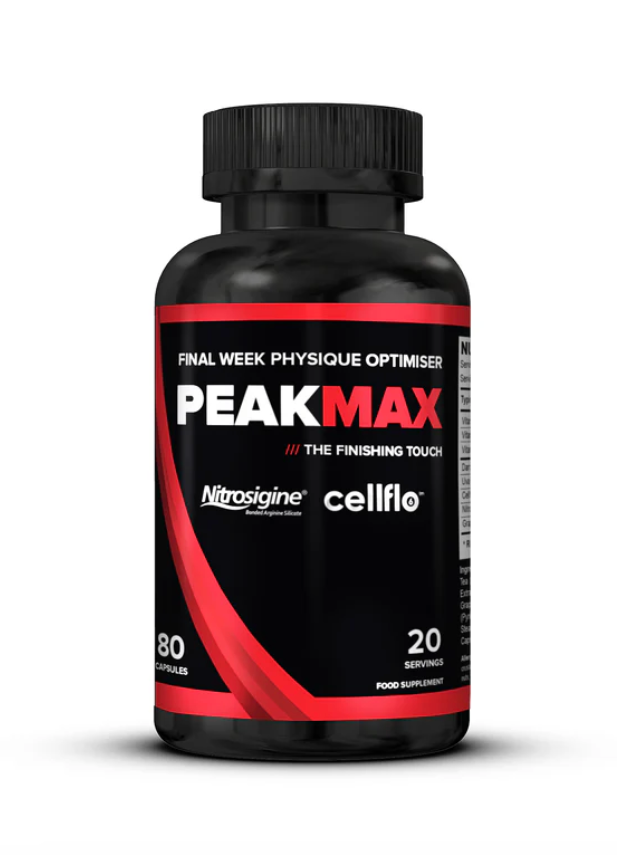
Strom Sports Nutrition PeakMax is my go-to peaking supplement for every show I do. It adds the finishing touch to the weeks of hard work. I highly recommend it for anyone who competes. You can pick it up here.

Peak Max Strom

Optimal rep range for hypertrophy

Optimal training volume for hypertrophy

Health and Education Hub

UK Bodybuilding Results

Leave a Reply

Your email address will not be published. Required fields are marked *

Bodybuilding contest prep tips

Contest prep in bodybuilding isn’t just about training – it’s about adherence. These simple tips from Men's Physique athlete ADAM NUGENT can help you stay on track and make your prep easier.

PREPPING for a bodybuilding show is easy, or at least the foundations of the prep are easy. The difficulty lies in the adherence to your plan and the self discipline required. But there are things you can put in place to reduce the want to venture outside of your plan.

So here are my three key tips to making your prep as easy as possible.

Food choices during contest prep

Strom Digest Max bodybuilding contest prep diet meals physique

Structuring meals for adherence

bodybuilding contest prep diet meals physique Adam Nugent

Keeping your diet sustainable

As an added extra, another tip that can be extremely beneficial for most athletes is to prep your meals ahead of time. Most of us don’t have the time to make every meal fresh. So batch-cooking your meals will take away the unnecessary stress of cooking four, five, six times a day. This will also help to free up more time to spend with your family and friends. Or keep up with other tasks you can’t afford to let slip while prepping for your show.

These are just a few of the ways you can improve adherence and make your prep much simpler. The main thing is to find a method that works for you and stick with it.

Adam Nugent's column is In association with Strom Sports

MORE FROM FRONTDOUBLE:

BODYBUILDING RESULTS

ATHLETE PROFILES

HEALTH AND EDUCATION HUB

Why You’re Not Building Muscle: 3 Killers of Muscle Growth

Genetics in Bodybuilding: What they really mean

Leave a Reply

Your email address will not be published. Required fields are marked *

Bodybuilding off season: The growth phase Explained

The Physique Coach MATT ADAMS explains why the end of prep is actually where the hard work starts

WHEN it comes to bodybuilding and physique training, the term "off season" often conjures images of relaxed routines and less stringent discipline. However, I’ve always found this term misleading. The so-called "off season" or growth phase is, in reality, a period that demands just as much, if not more, discipline, focus and mental fortitude as competition prep. 

Why the off season is misunderstood

The term "off season" implies a break or downtime, suggesting that we are somehow less focused or committed. This couldn't be further from the truth. In fact, the growth phase is where the real magic happens. It's the time when we lay the groundwork for future success, building the muscle, strength and mental resilience needed to excel on stage.

bodybuilding off season muscle growth training

The Importance of the Growth Phase

In the growth phase, we're not just maintaining what we've built; we're pushing boundaries and setting new standards. This period is about progressive overload, increasing training intensity and meticulously managing nutrition to support muscle growth while minimising fat gain. It’s a strategic approach that requires detailed planning and execution.

While competition prep has its own challenges, the growth phase tests your mental strength in different ways. Without the immediate goal of a looming competition, it can be easy to lose focus. This phase demands unwavering commitment and the ability to stay motivated over the long haul. It's about maintaining a vision for the future and working tirelessly towards it, day in and day out.

bodybuilding off season muscle growth training nutrition discipline

Contrary to what some might think, the growth phase isn’t a free-for-all when it comes to diet. Precision nutrition is crucial. It’s about finding the right balance of macronutrients to fuel intense workouts, support recovery and promote muscle hypertrophy, while keeping fat gain in check. This requires a high level of discipline and constant adjustments based on progress and feedback.

The growth phase also provides an opportunity to address any nagging injuries and focus on recovery. It's a time to listen to your body, incorporate mobility work and ensure that you're setting yourself up for longevity in the sport. Proper recovery protocols and smart training decisions now can prevent setbacks during competition prep.

bodybuilding bulk phase physique training

One often overlooked aspect of the growth phase is posing practice. Nailing your poses is crucial and it shouldn't be left until the last minute. The best physique on stage can finish last if not presented well and, conversely, a well-presented physique can outshine a better one. Practising posing regularly during the growth phase ensures that, when it's time to compete, your presentation is flawless. This is a non-negotiable aspect of your preparation.

During this critical phase, having a coach who understands the nuances of the growth phase is invaluable. A good coach provides the necessary structure, accountability and support to keep you on track. They help adjust training and nutrition plans as needed, ensuring that you’re continually progressing towards your goals.

bodybuilding bulk phase physique training Matt Adams physique coach

Conclusion

The "off season" or growth phase is a time of intense focus and dedication. It’s when we build the foundation for future success, develop mental resilience and hone our discipline. As athletes, we must approach this phase with the same, if not greater, level of commitment as we do during competition prep. Remember, champions are made in the off season. Embrace the growth phase with the seriousness it deserves and you’ll be setting yourself up for unparalleled success when it’s time to step on stage again.

In summary, the growth phase is not a break – it's a critical part of your journey. Approach it with dedication and you'll see the results in your next competition. Stay disciplined, stay focused and keep pushing forward. And don't forget to nail your posing – it's a non-negotiable that can make or break your success on stage.

Matt Adams is a coach and bodybuilder. You can enquire about hiring Matt by clicking here.

MORE FROM FRONTDOUBLE:

Bodybuilding contest prep tips

Genetics in Bodybuilding: What they really mean

Why You’re Not Building Muscle: 3 Killers of Muscle Growth

UK bodybuilding results

Athlete profiles

Leave a Reply

Your email address will not be published. Required fields are marked *

Quad workout video: Eddie Sykes reveals full leg session after horrific injury

After a 600kg leg press accident left him with a broken pelvis, Eddie Sykes rebuilt his physique with a completely new approach. This is his full quad workout on video

THE bodybuilder told he might never walk again after a horrific leg press injury has published his new quad training video.

In an exclusive interview with frontdouble.com in December, Eddie Sykes detailed the extensive injuries he suffered during a 600kg leg press in 2020. He had broken his pelvis, severed his adductor longus and torn off his pectineus and pyramidalis.

Having been dismissed by the NHS, under pressure from Government protocols during their response to Covid, Sykes paid for private healthcare. It was here when he discovered the true extent of his horrific injuries and the risks he faced.

Eddie Sykes quad workout video bodybuilding leg press injury recovery training
FULL BLOWN: Eddie Sykes and NABBA judge Steve Johnson

Three years later, he had not only fought back to full fitness, but he had become a British champion and secured second in the NABBA Universe. It was a comeback like no other.

Last month, Sykes spoke to frontdouble.com to share his current leg training routine. Because of his leg press injury, Sykes must now use a fraction of the weight he used to lift. Instead, he focuses purely on the movement, the squeeze, tension and pre-exhaustion work. It is actually not possible to go as heavy as he used to.

And now he has published his full routine on his YouTube channel, which frontdouble.com is republishing now for you to see.

From Leg Press injury to Mr England: A Bodybuilding Comeback

Quad workout bodybuilding: Eddie Sykes reveals his new leg routine after horrific injury

Optimal rep range for hypertrophy

UK Bodybuilding Results

Leave a Reply

Your email address will not be published. Required fields are marked *

Quad workout bodybuilding: Eddie Sykes reveals his new leg routine after horrific injury

After a 600kg leg press accident left him with a broken pelvis, Eddie Sykes was forced to completely rethink leg training. This is the quad-focused routine that brought him back to the stage

AFTER a broken pelvis threatened to leave him unable to walk bodybuilder Eddie Sykes has shared the new quad workout that has helped him return to the stage.

In an exclusive interview with frontdouble.com in December, Sykes detailed the extensive injuries he suffered during a 600kg leg press in 2020 and how the NHS, under pressure from the Government's Covid protocols at the time, concluded that his scans showed no damage.

Sykes then paid for private healthcare, with doctors there finding, rightly, that he "needed help and needed help now" or he would struggle to ever walk again, let alone return to bodybuilding. He had broken his pelvis, severed his adductor longus and torn off his pectineus and pyramidalis.

In our December interview, Sykes detailed his incredible return from this injury to winning the NABBA Mr England last September and has now shared the quad workout he uses to ensure there is no repeat of that horrific injury.

Sykes must now use a fraction of the weight he used to lift and instead focuses purely on the movement, the squeeze, tension and pre-exhaustion work – so it is actually not possible to go as heavy as he used to.

One week his leg training routine is quad dominant, as below, with the next being hamstring focused.

His full training video will soon be available on his YouTube channel but below is a sneak preview of his revised leg training routine:

Eddie Sykes’ quad workout for bodybuilding

Leg extension – three working sets

1: 15-20 reps

2: Triple drop set 15 reps each

3: 20 reps with a hold

Pendulum squat

Two sets, last one a drop set

Leg press

One set, 100kg, to 100 reps

Abductor

Three sets, 10-15 reps

Calf raise using leg press

Three sets, 10-15 reps


Why not try this leg workout yourself and let us know in the comments below how you got on.

Eddie Sykes is also available for coaching and his details can be found in our Directory.

Optimal rep range for hypertrophy

Optimal training volume for hypertrophy

Health and Education Hub

Leave a Reply

Your email address will not be published. Required fields are marked *

Bodybuilding training advice: Why keeping it simple works best

Social media is full of ‘experts’ pushing secrets but simple training, consistent nutrition and time remain the real keys to building muscle By Gary Chappell SOCIAL MEDIA is awash with so-called experts and thinly veiled attacks but keeping it simple when it comes to bodybuilding is always key. You will see a constant steam of...

Continue reading frontdouble.com, the online bodybuilding magazine, for just £2.99 a month.

Gain access to premium articles.

Join Now

Already a member? Log in here

Genetics in Bodybuilding: What they really mean

Bodybuilder TIM ROSIEK discusses the key word in the sport and how genetics are more than they seem

THERE is a lot of talk about genetics in bodybuilding but there is perhaps more to the word than you think.

Yes, genetics play an important part in the sport – and this is the reason we all are not all top IFBB professionals. 

But what are they, exactly?

What genetics mean in bodybuilding

Genetics are the reason why some people have great body parts despite barely training them and why some people will train weak body parts seemingly for ever with hardly any results.

You must know someone who has the most amazing calves without ever having trained them, or the most monstrous traps with seemingly any effort.

Genetics will not only be a major part in your ability to grow muscle but also how balanced they are. For example, is your left bicep the same shape and size as your right? Are your abs the perfect shape and evenness creating the perfect six pack? Or are they irregular in appearance, with a large gap down the middle?

Genetics will ultimately be the driver for how your physique will turn out, how balanced you will grow, how fast you will grow, how lean you will be in the off-season and on stage. And this is the case no matter how many performance-enhancing drugs you may choose to take.

Metabolism, appetite and recovery

You have to ask yourself, why are top IFBB pros on the Olympia stage? It’s not that they train any harder than many of us, or they eat better than many of us [although they probably do], or even take more gear than many of us.

Their bodies are just blessed with the ability to grow faster, more even and symmetrical and keep leaner than us.

But that is genetics on the surface. When a fellow gym-goer says something like, ‘he’s just got good genetics’, they are talking about all we have discussed above.

Tim Rosiek genetics in bodybuilding muscle growth physique development

But in truth, genetics run much deeper than that.

Muscle growth and physique structure

How is your appetite, for example? Are you able to force down thousands of calories of good, clean good in the off-season when you are not hungry? Or, having eaten four of five meals already, do you wince at the thought of another meal?

This is genetics.

And what about your metabolism? Do you, as people are fond of saying, ‘put on 10lbs just by looking at a carb’, or can you eat like there is no tomorrow and barely add an ounce of bodyweight?

This is genetics.

How do you respond to gear? Do you suffer from all sorts of side effects using the bare minimum? Or can you tolerate moderate to high doses with relative comfort? What about compounds such as clenbuterol? Can you cope with high doses, or do you shake like a leaf with the bare minimum?

This too is genetics.

And how disciplined are you with your nutrition? Can you accept some suffering during a contest prep, or do you run to the cupboard for a snack each time you fill a twinge of hunger?

You are either genetically predisposed to being extremely disciplined, or you might get close, but never close enough.

All genetics.

Ronnie Coleman genetics in bodybuilding muscle growth physique development

This is something the more mature bodybuilder understands but perhaps not the younger generation. They all want to be professionals in a year or two – you must have heard countless people in the gym saying: “I want to get my pro card”, as if was as easy as going to the shops and buying it.

But you must have at the very least favourable genetics or you will never reach the stage, let alone win a pro card. 

If you look at Lee Priest for example, he won the Mr Australia when he was only 18 years of age. So why isn’t there loads of monstrous 18-year-olds wondering the planet? Because there are certainly more 18-year-olds training than ever before. 

Ronnie Coleman competed natural until he was 30 years of age. Have you ever seen a picture of him on his pro debut in 1992? He was a monster and still natural. This is not the norm but just superior genetics. 

So why do these pros grow better than most of us mere mortals? Well, they have the ability to synthesise protein more rapidly, recover quicker and have naturally higher levels of hormones.

Lee Priest genetics in bodybuilding muscle growth physique development

There is some evidence that some of these top bodybuilders have a gene defect with myostatin. This gene stops you growing past a certain given point. Have you ever seen a Belgium blue cow? They literally just eat grass and the amount of lean muscle mass is ridiculous.

What we are certain of is that better genetics for growing will make you grow faster from training and utilise your food better. Your body will make better use of the drugs so, in theory, you will need less of them to build muscle. All this and the ability to grow your muscles evenly and symmetrical too, appetite, metabolism, discipline etc.

I have seen so many amazing genetically gifted bodybuilders not make the stage because they can’t take dieting or the training is too much. 

The mindset of a champion is genetic too, to a point. It is very possible for an athlete with poorer genetics to beat a genetially gifted bodybuilder because they can train harder, be more consistent, eat better, suffer that little bit more to get leaner than the rest.

Now have a think about yourself. Which genetics are strong for you. And which is your genetic limitation.

MORE FROM FRONTDOUBLE:

BODYBUILDING RESULTS

ATHLETE PROFILES

HEALTH AND EDUCATION HUB
Why You’re Not Building Muscle: 3 Killers of Muscle Growth

Do bodybuilders still use Dianabol?

Leave a Reply

Your email address will not be published. Required fields are marked *

Bodybuilding Judging Tips: What Judges Really Look For

Bodybuilding judge STEVE JOHNSON has revealed the simple mistakes that can ruin a competitor’s chances on stage, highlighting what judges are really looking for.

YOU have spent the best part of 16 weeks preparing for this one moment. The hard work is done. Or so you believe. Actually, some competitors can win or lose a show based on their stage presence. Don’t fall into that trap. Here are my tips for adding that final gloss:

What judges are actually looking for

First and foremost, you only get one chance to make a first impression on the judges, so please look like you are enjoying yourself. Nobody wants to watch someone who looks miserable, but a big smile and body demeanour that makes you look like you’re enjoying yourself will always attract the eye of the judges.

As a judge, I regularly see athletes unintentionally hide their body from the judges and to be fair it’s frustrating at times. It can make a difference to your placing, as the judges can only judge what they can see and not what they can’t. You are judged on the shapes you create on the day and not what your body is really like. For example: if someone has a huge wide back but doesn’t open it on their lat spreads and the guy at side of him does, even though you know he is not as developed, you have to judge with the guy who’s back looks best in front of you. This is why its so important these days to practice posing as much as training and getting a posing coach if necessary. Your aim is to create the illusion you are better than what you are.

bodybuilding competition judging criteria physique posing Steve Johnson
PHOTO: LEE ARCHER

How to improve your chances on stage

Make sure you practice your tan in advance of the show and that it is applied by someone who knows what they are doing. You are trying to avoid streaks and tans that will run onstage under hot lighting. There are many different tans out there as well as many different skin types, so choose appropriate tanning (and glaze) that will enhance your physique/figure. Even on the judging table (close-up view) a physique can fade into the background if too light in colour. Some federations allow instant tans backstage and some don’t, so always check up on this and follow the pre-tanning protocols for skin preparation.

One thing that is off putting to a judge is body hair, so please make sure you remove visible hair as necessary. Guys need to be more on point with this than girls and I have seen many athletes do a partial job and its very distracting to the eye and ruins the professionalism of your overall appearance. I have seen it this year and, although in this case it didn’t affect placing (they won) it is the one thing I will remember him for and not his physique. In this instance it was shaved thighs but unshaven glutes and calves. Also, I have seen underarm hair left which again just ruins the look of the physique. This might sound pedantic but if a judge is trying to find a reason to split two athletes because it’s a close decision, then this could indeed come into their way of thinking (right or wrong).

These are just some very basic tips as there are many other things I see on a regular basis and in particular with posing, which I can cover at another time.

Don’t ruin your chances of success by not nailing these simple areas.

Best wishes Steve Johnson (32 years a judge)

Teamtops Coaching: 

Contact:

MORE FROM FRONTDOUBLE:

BODYBUILDING RESULTS

ATHLETE PROFILES

Lee Priest on Samson vs Flex: How do modern physiques compare?

Leave a Reply

Your email address will not be published. Required fields are marked *