Steroids in Bodybuilding: Is Bodybuilding Too Drug Obsessed?

Neil Andrews says bodybuilding isn’t won with a syringe – but James Llewellin argues modern peptides are changing the game

By Gary Chappell

Bodybuilding drug use has become one of the most debated topics in the sport.

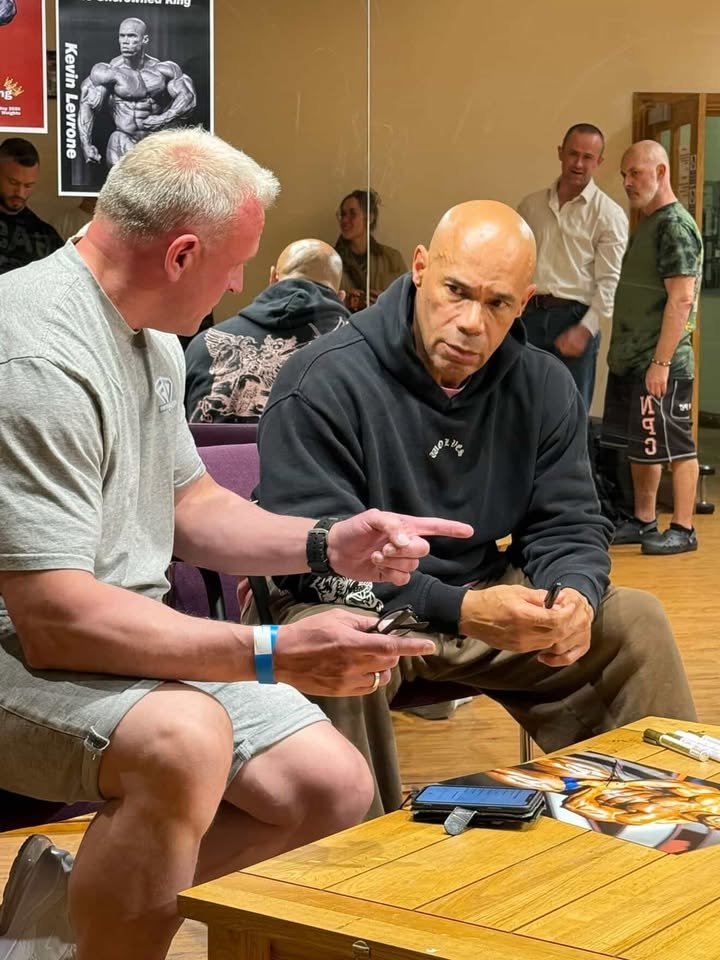
So when new Masters IFBB Pro Neil Andrews talks about drug use in bodybuilding, it carries more weight than most.

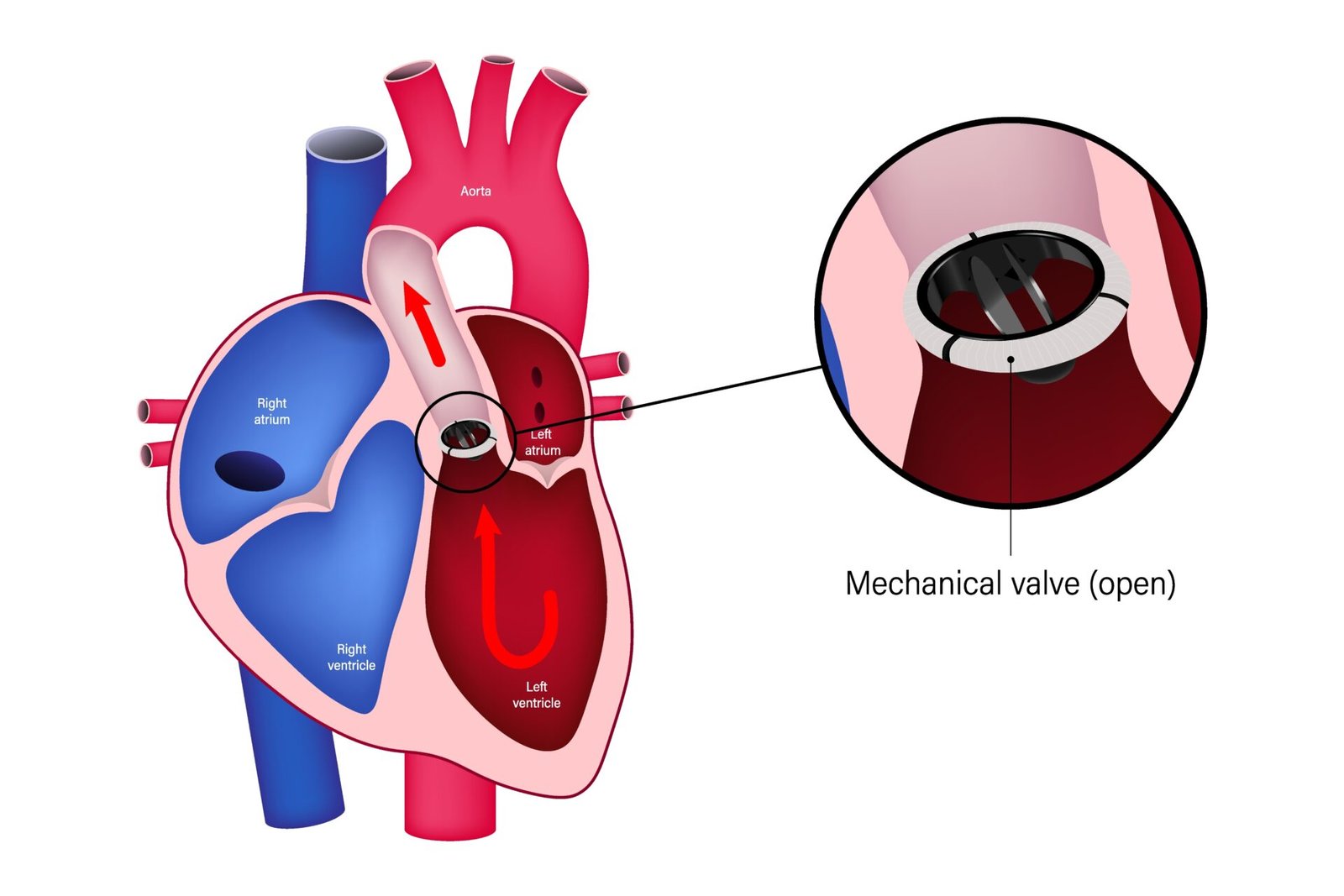
This is a man competing with a mechanical heart valve, a story already documented on Frontdouble and one that inevitably changes how he approaches enhancement, risk and longevity.

Now running what he says is just 200mg of testosterone cypionate per week, Andrews has thrown himself into one of the sport’s most sensitive debates: has bodybuilding become too drug-driven?

“This game isn’t won with a syringe”

In a recent Instagram post, Andrews did not hold back. “When did bodybuilding become so drug obsessed?" said the man who, in November last year, won his IFBB Pro Card at the European Masters in Milan.

He then listed what is fast becoming the toolkit of modern prep, before making it clear he used none of these during his last run:

And he said: “Bodybuilding has become heavily drug-driven, no denying that. But let’s get one thing straight. Nothing replaces hard work, consistency and going to those dark places others avoid. No drug, no peptide, no protocol is going to do that for you.

"It won’t build grit. It won’t build discipline. And it won’t carry you through prep when you’re exhausted, flat and questioning everything.

"You know why I stand on that? Because last year I beat guys across multiple shows, federations and internationally running 10 times what I was."

Andrews then delivered his most pertinent point: “This game isn’t won with a syringe.

"It’s won with mindset, execution and who’s willing to suffer longer. Get comfortable being uncomfortable."

For Andrews, the argument is rooted in experience, not theory. And it is a message that cuts directly against the current direction of the sport, where newer compounds and peptides are becoming increasingly mainstream.

Even in commercial gyms across the country, bodybuilders will be asked about performance-enhancing drugs long before diet and training are even at a basic, structured level.

Enter an Olympia voice and the 'peptide rabbit hole'

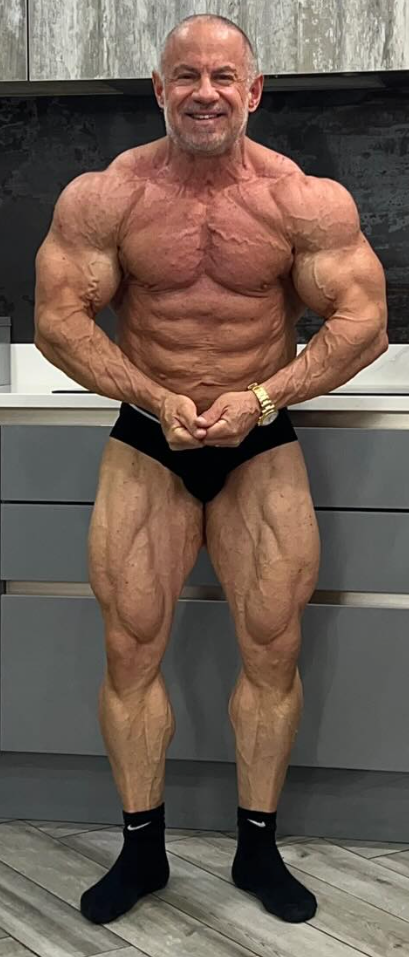
But the response from former 212 Mr Olympia competitor James Llewellin (above), who is set to return to the stage in the amateur ranks at May's PCA Universe this season, shows just how much the landscape has shifted.

While Llewellin did not disagree with the fundamentals of Andrews' argument, he went on to post a compelling narrative in support of peptides.

Responding directly to Andrews, Llewellin said: "Firstly, incredible conditioning mate and, secondly, until a few months ago I would have said exactly the same.

"In fact I still do. Nothing beats hard work, no drug, no peptide nothing. But when you start to go down the whole peptide rabbit hole, it’s quite remarkable what these signaling peptides can do. And not just performance enhancing.

"Nothing beats gear for muscle gains. Nothing. There isn’t a peptide out there that can really build muscle."

Health vs performance

Llewellin continues: "But there are some incredible peptides that are able to up-regulate metabolism, increase mitochondria function, reverse fatty liver, improve cholesterol, regulate blood sugar, lower blood pressure and decrease body fat.

"Peptides are of huge benefit for not only health but also longevity. The exact opposite of what AAS do to you.

"At 53 years old and with two kids, my health has never been so important to me and using less anabolics and conventional fat burners was always the goal for this “comeback” prep.

"Peptides aren’t hormones, they are amino acids that signal the body to do things better and more efficiently. I’ve been super impressed with them. I’ve never felt so good on prep at this [level of] body fat.

"I feel like I’m [in my] off-season, yet normally I’d be killing myself with 1-1.5 hours of cardio a day with my inflammation through the roof. I’d be moody, quiet and not really present for my family. That’s never a good thing.

"Delve a little into them, Neil, even if it’s just for your health. It can always be tweaked and improved no matter how healthy you are.

"Yes hard work and consistency will never be beaten but, when you combine that with less gear and certain peptides, the results can be pretty amazing."

Two philosophies. One sport

What makes this exchange compelling is that both sides agree on the fundamentals: hard work wins, discipline matters and there is no shortcut

But they diverge on one crucial question: Are modern compounds enhancing the process, or replacing it?

Andrews’ position is shaped by something most competitors never face. Competing with a mechanical heart valve forces a level of restraint and realism that cuts through bodybuilding’s usual bravado.

Llewellin's argument, however, reflects where the sport is heading; less reliance on high-dose anabolic stacks, more interest in metabolic and signalling compounds, greater focus on health markers. Not instead of hard work but alongside it.

This is not a case of right vs wrong, it is a shift. Competitive bodybuilding is no longer just food, training and steroids. It is becoming hormones, peptides, metabolism and health optimisation

And the question now is not whether drugs are part of the sport. It’s how much is too much and what actually matters most?


Read more on Frontdouble:

Retatrutide in contest prep

Why drying out is a myth

Kidney health in bodybuilding

Bodybuilding results

Health and Education Hub

Follow us on instagram


Leave a Reply

Your email address will not be published. Required fields are marked *

How modern blood-pressure targets are creating anxiety

Why 120/80 might be "guideline normal" but is far from "real world normal"

By Gary Chappell

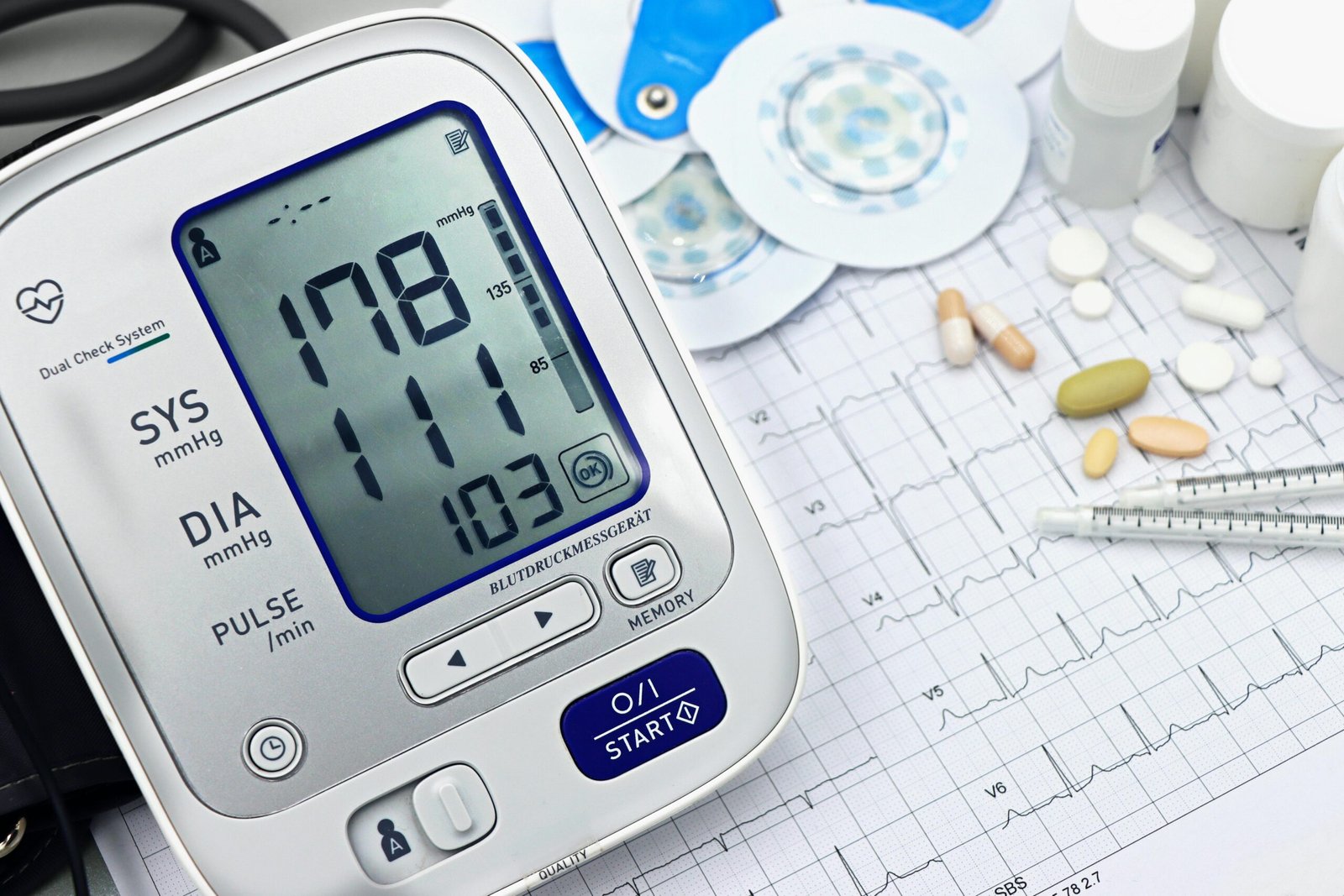
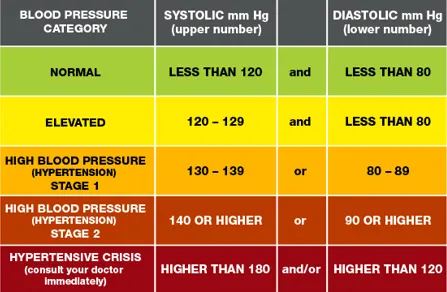
WE ARE told 120/80 mmHg represents normal blood pressure with anything significantly above that labelled hypertension.

Yet many people in the UK, especially men over 40, report being told something very different in real life. In fact, frontdouble.com has been told that paramedics see 150/90 as "normal".

So which version is correct? And more importantly, are modern blood-pressure targets unintentionally creating anxiety in people who may never realistically sit at 120/80 again?

blood pressure bodybuilding

Where 120/80 came from

Blood pressure guidelines tightened significantly over the past decade. Large trials such as SPRINT suggested that targeting lower systolic blood pressure (about 120 mmHg) in higher-risk populations, reduced cardiovascular events compared with higher targets.

That influenced global guidance and shifted public messaging toward lower “optimal” numbers.

But consider this. SPRINT:

It was not a study of healthy, active middle-aged adults trying to stay within a textbook ideal. And this is where a now-global problem has manifested.

Systolic pressure naturally rises over time due to structural changes in blood vessels. For many adults over 45, particularly men, maintaining a consistent 120 systolic reading is not physiologically typical.

While this does not mean high blood pressure should be ignored, it does raise a question: Are we treating natural ageing as pathology?

blood pressure bodybuilding

Blood pressure: Risk versus reality

Guidelines are built for population-level risk reduction. This means they are largely generalised. They are designed to try to lower stroke rates, reduce heart attacks and improve long-term outcomes across millions of people.

They are not written for individualised athletic physiology, heavily muscled strength athletes and bodybuilders, or people with above-average body mass.

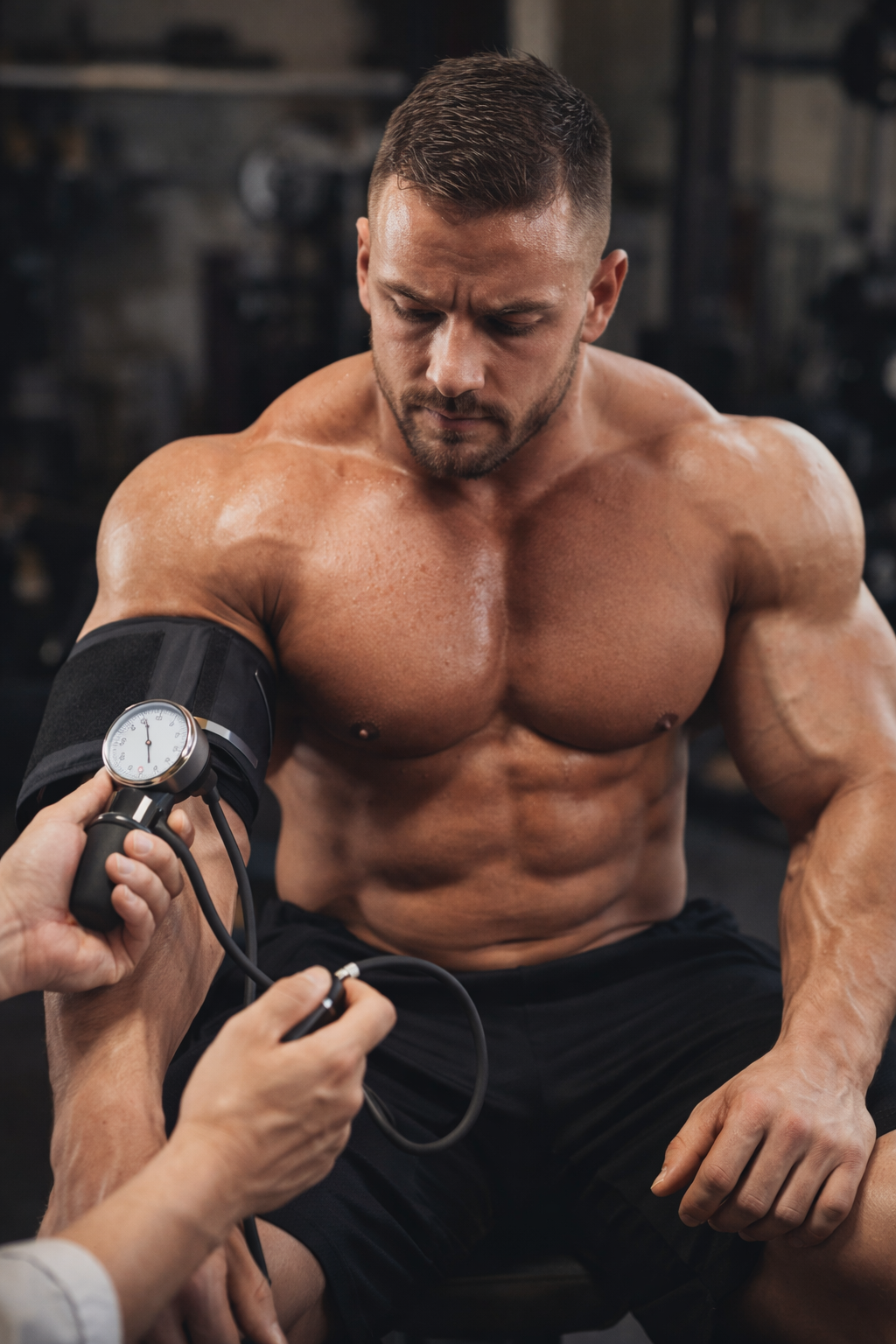
A 110kg resistance-trained male with elevated cardiac output and high muscle mass may not map neatly on to public health charts derived from sedentary populations. Yet the same 120/80 benchmark is applied universally.

And there is another uncomfortable layer to this; being told you are “hypertensive” when you feel well can trigger health anxiety, repeated checking, hypervigilance and stress. All of which can trigger high blood pressure. Especially in isolation.

The irony is difficult to ignore. For some individuals, constant focus on chasing 120/80 may increase sympathetic nervous system activation, potentially driving readings higher.

This does not mean high blood pressure is imaginary, but it does suggest that messaging matters.

blood pressure bodybuilding numbers
GUIDELINES: But are they too simplified?

Why paramedics say 150/90 is “normal”

In acute care settings, clinicians assess danger, not long-term optimisation. A stable adult at 150/90 is not in crisis or regarded as a hypertensive emergency and so does not require urgent intervention. So reassurance is given that it is not acutely dangerous.

What this means is that official guidelines may be simplified for public messaging. There is a difference between:

For some people, especially older adults, aggressively pushing systolic blood pressure down can cause dizziness, falls, reduced cerebral perfusion and lower diastolic pressure. This means that lower is not automatically better for everyone.

Let's take bodybuilders, for example. They often present with higher bodyweight, increased left ventricular mass (physiological adaptation), higher haematocrit, elevated sympathetic tone, stimulant use and sleep disruption. Their cardiovascular profile differs from sedentary populations.

So while this does not make elevated blood pressure harmless, it means it complicates blanket statements. Bodybuilders not showing 120/80 blood pressure does not mean they are suddenly a walking heart attack or stroke. And those parading such numbers on social media does not mean they are a bastion of health, either. It does mean boasting about 120/80 simply to tick a box on the "official guidelines" is likely doing more harm than good to those watching.

bodybuilding blood pressure

So what should people do?

Instead of asking: “Is 150/90 normal?”, better questions may be:

Blood pressure is one dial on a much larger dashboard.

While 120/80 may be optimal in an "official" statistical sense, optimal is not always achievable for every adult at every age. And that does not automatically signify imminent danger.

There is a risk that simplified public messaging turns nuanced cardiovascular risk into a binary label – normal versus abnormal – creating unnecessary worry.

The goal should not be chasing a single number. The goal should be understanding risk and reducing it intelligently.

References

  1. NICE (UK) – Hypertension in adults: diagnosis and management (NG136)
    Official UK guidance defining clinic threshold of 140/90 mmHg.
    https://www.nice.org.uk/guidance/ng136
  2. NHS – High blood pressure (hypertension)
    Public-facing UK explanation of blood pressure categories and risk.
    https://www.nhs.uk/conditions/high-blood-pressure-hypertension/
  3. SPRINT Research Group (2015)
    A Randomized Trial of Intensive versus Standard Blood-Pressure Control.
    Found lower cardiovascular events with intensive systolic target (~120 mmHg) in higher-risk adults.
    https://pubmed.ncbi.nlm.nih.gov/26551272/
  4. ACC/AHA Guideline for the Prevention, Detection, Evaluation, and Management of High Blood Pressure (2017)
    Influential US guideline lowering hypertension definition to 130/80 mmHg.
    https://pubmed.ncbi.nlm.nih.gov/29133356/
  5. Franklin SS et al. (1997)
    Hemodynamic patterns of age-related changes in blood pressure.
    Explains age-related arterial stiffness and rising systolic pressure.
    https://pubmed.ncbi.nlm.nih.gov/9116922/

MORE FROM FRONTDOUBLE.COM

High Haematocrit in Bodybuilding: The Silent Killer?

Health and Education Hub

UK bodybuilding results

Leave a Reply

Your email address will not be published. Required fields are marked *

High haemoglobin and haematocrit: real risk vs gym myth

How dangerous is it, what markers to look for and how your body can reset to higher levels

By Gary Chappell

FOR years the bodybuilding world has talked about “danger thresholds”, “ticking time bombs” and imminent stroke risk whenever someone returns a high haemoglobin and haematocrit result.

But what does the medical evidence actually say? And how should athletes interpret elevated numbers without falling into fear-based thinking?

This article breaks down what raised haemoglobin (Hb) and haematocrit (HCT) really mean, what doctors are genuinely concerned about, the role of testosterone replacement therapy (TRT) and anabolic steroid use and, most importantly, what the actual risks are according to medical evidence.

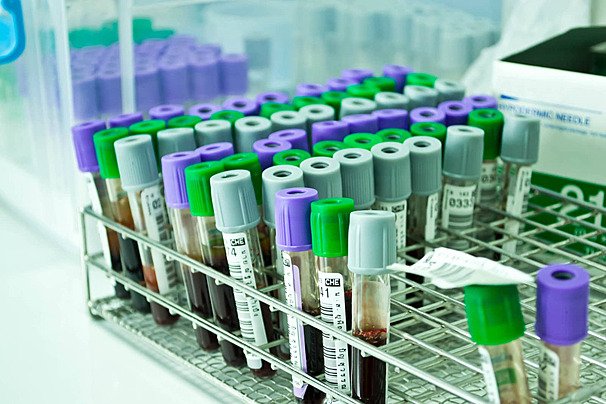
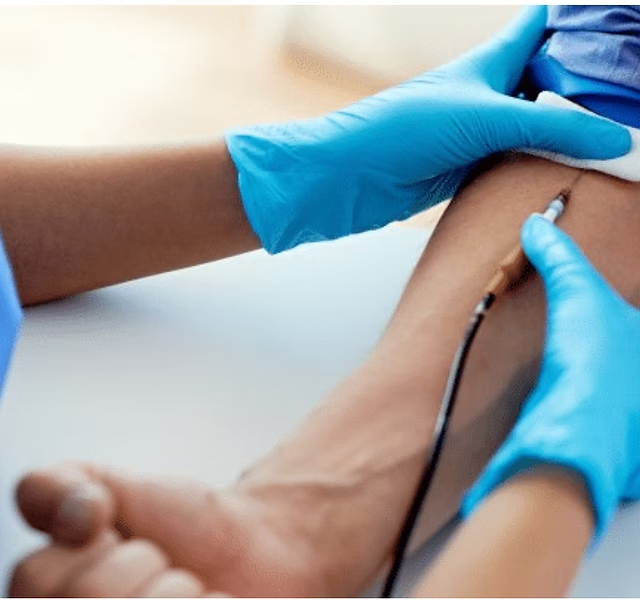
multiple blood sample tubes for lab analysis bodybuilding haemoglobin haematocrit rbc

What are haemoglobin and haematocrit?

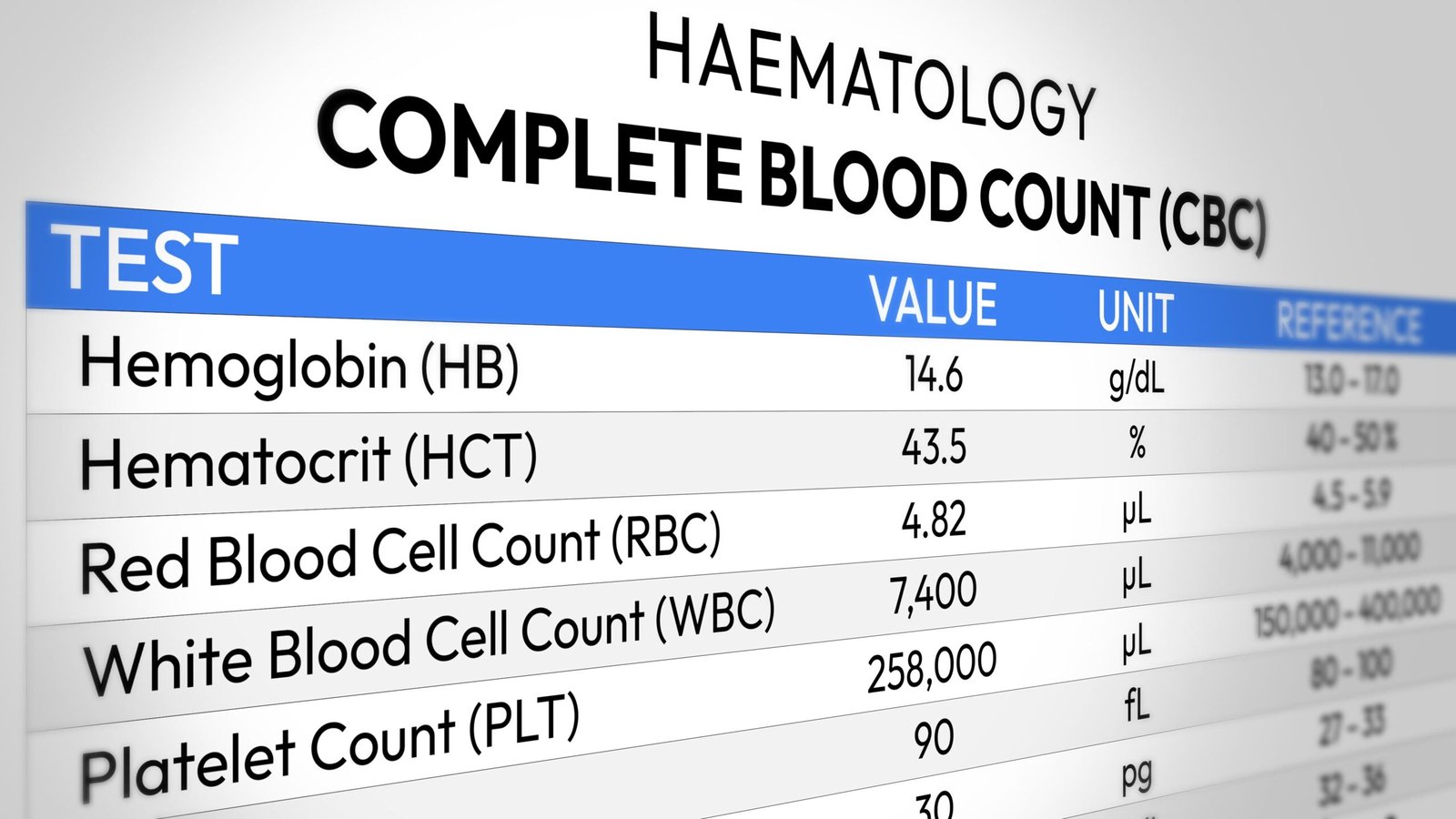
Hb) and HCT are two key values measured in a full blood count.

Normal ranges vary slightly by laboratory but, in adult males, haemoglobin is typically around 135–175g/L, while haematocrit usually sits between 40–50 per cent. Values above these ranges are considered elevated. When both haemoglobin (Hb) and haematocrit (HCT) are raised, this is often referred to as erythrocytosis or polycythaemia.

Why haemoglobin and haematocrit become elevated

1 Primary erythrocytosis (polycythaemia vera)

This is a rare blood cancer in which the bone marrow produces excessive red blood cells, most commonly due to JAK2 mutations. It is usually accompanied by raised platelets and white blood cells and requires specialist haematology care.

2 Secondary erythrocytosis

This is far more common, particularly in athletes, and includes causes such as:

With testosterone or androgen use, red blood cell production is stimulated via increased erythropoietin signalling and altered iron metabolism. Medically, this is classified as secondary erythrocytosis.

complete blood count showing haemoglobin and haematocrit values bodybuilding

What bodybuilders often get wrong

The typical gym narrative goes something like this: “High haematocrit means thick blood, which means a stroke is imminent.”

That is not how medicine works. Elevated Hb and HCT can increase blood viscosity, but blood viscosity alone does not guarantee clotting, stroke, heart attack or death. The relationship between red cell mass and thrombosis is complex and context-dependent.

In many forms of erythrocytosis, thrombosis risk is influenced by platelet and white-cell behaviour, not just red cell count Some inherited conditions show clot risk independent of haematocrit level. And in certain cases, repeated blood removal/letting (phlebotomy) has paradoxically increased clotting risk by disrupting blood dynamics

Put simply: haematocrit alone is not a reliable predictor of clotting events.

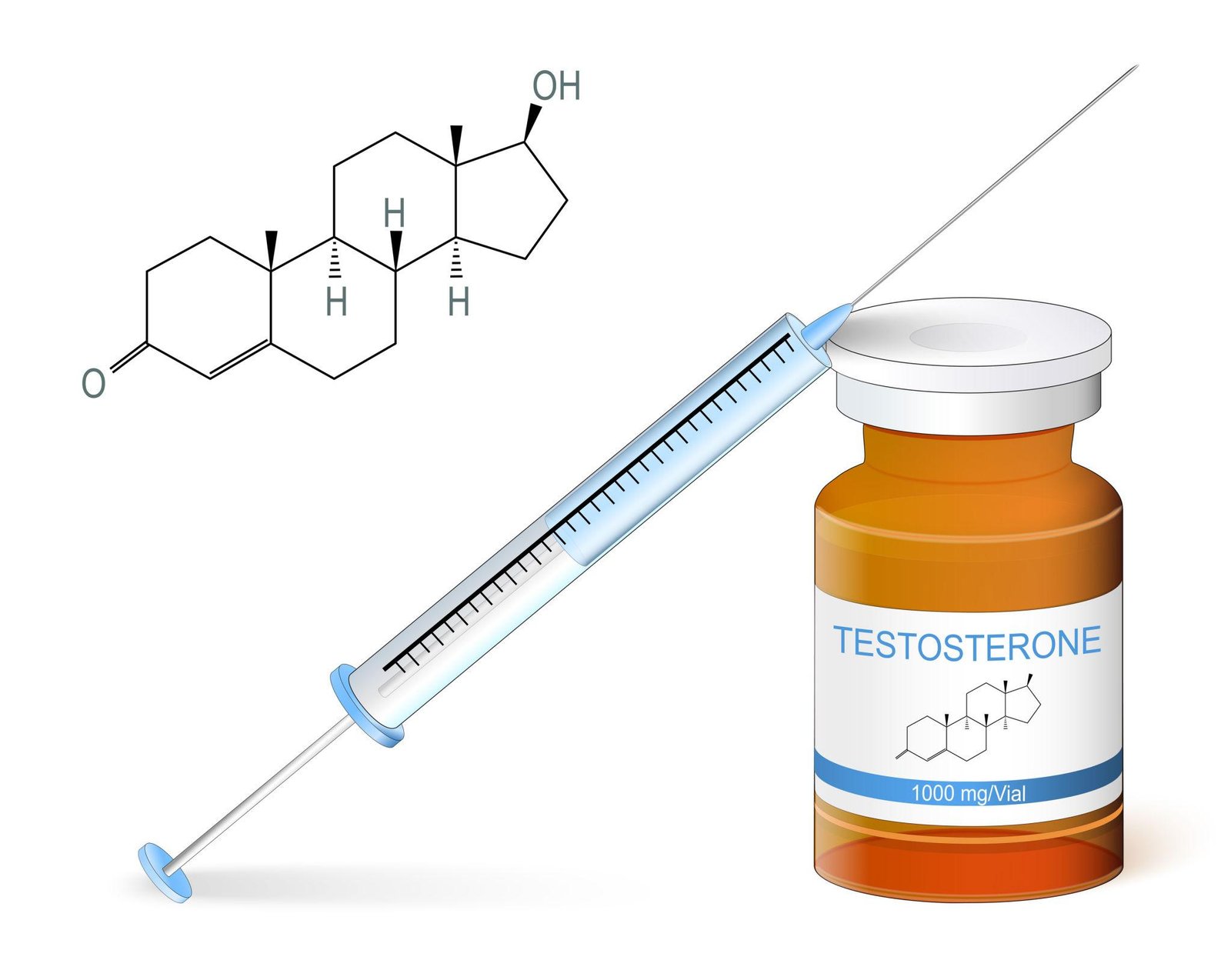
testosterone replacement therapy injection under medical supervision bodybuilding high haematocrit

So is testosterone responsible? Yes, particularly injectable testosterone. Testosterone is one of the most common causes of secondary erythrocytosis. Multiple studies show that men using injectable testosterone have a significantly higher likelihood of elevated haematocrit compared with other formulations.

One clinical comparison found that about 33 per cent of men on injectable testosterone exceeded a haematocrit of 50 per cent. Another analysis reported that men receiving testosterone therapy had a 315 per cent higher likelihood of developing erythrocytosis compared with untreated controls.

This is a well-documented physiological effect, not speculation.

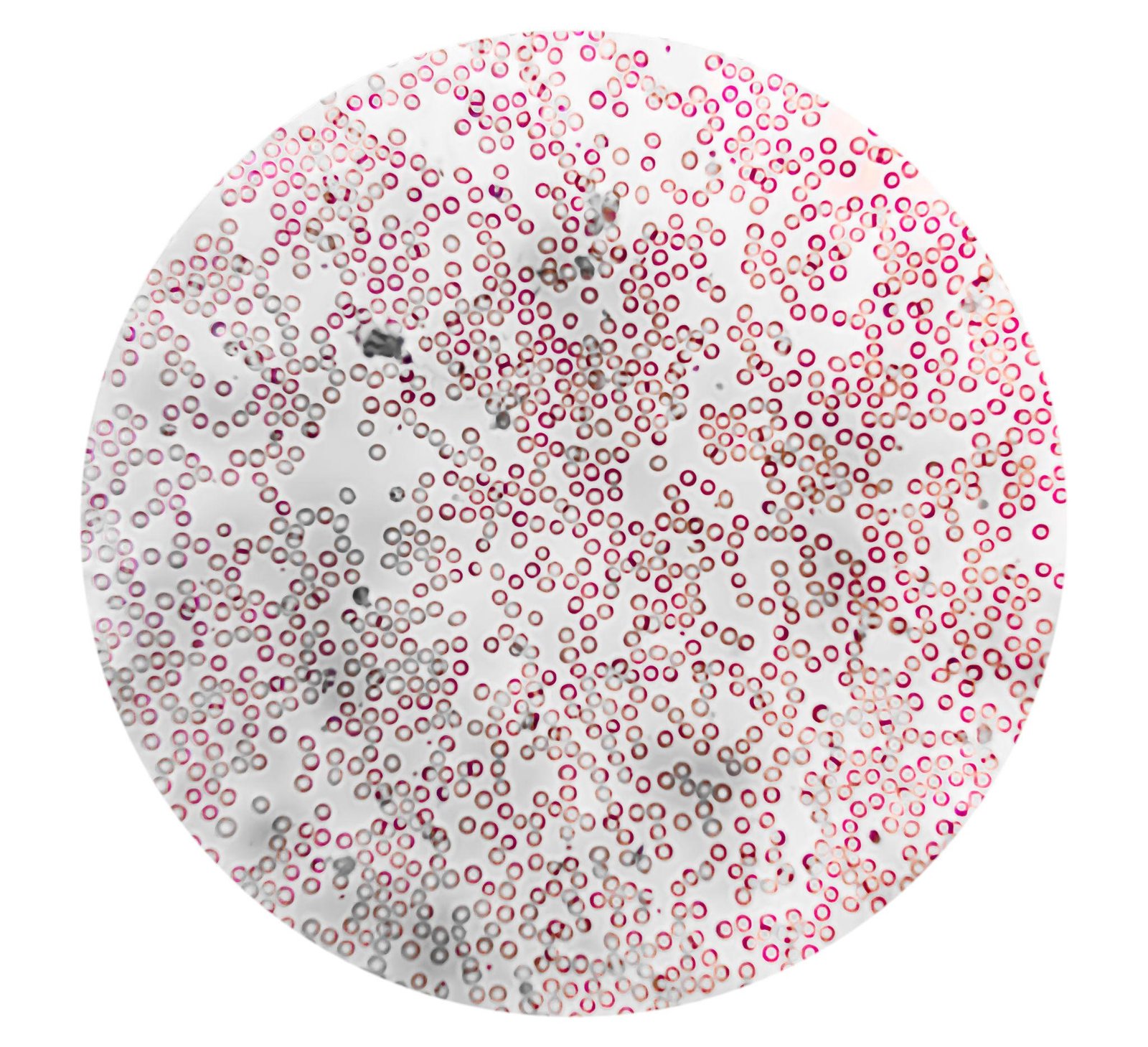
red blood cells viewed under a medical microscope high haematocrit bodybuilding

Does high haematocrit increase stroke or heart attack risk?

This is where gym lore diverges most sharply from evidence. Large population studies do show an association between higher haematocrit and increased cardiovascular or venous thromboembolic risk. However, these studies demonstrate association, not direct causation and many cannot fully control for smoking, obesity, hypertension or metabolic disease. In addition, most are not specific to athletes, bodybuilders or TRT patients

Even major clinical reviews conclude that, in secondary erythrocytosis, the independent contribution of elevated haematocrit to clot risk remains inconclusive.

In other words: elevated haematocrit is a risk modifier, not an automatic catastrophe.

Clinicians are less concerned with one isolated result and far more focused on patterns and context.

Key considerations include:

trained athlete during recovery and physiological adaptation high haematocrit bodybuilding

So is high haematocrit dangerous for bodybuilders?

It can be, particularly when combined with other risk factors. But it is not a “ticking time bomb” by default.

Clinical guidance (including NHS-aligned practice) treats persistent erythrocytosis as something to monitor and stratify, not an emergency unless accompanied by additional abnormalities or symptoms.

Typical clinical steps include:

In secondary erythrocytosis, interventions such as dose adjustment or controlled phlebotomy are used to manage overall risk, not to chase arbitrary numbers.

Interestingly, the American practice guideline on testosterone therapy recommends against the use of testosterone in patients with hematocrit above 50 percent or untreated obstructive sleep apnea, whereas the European guideline on male hypogonadism suggests that testosterone therapy is contraindicated at a hematocrit greater than 54 per cent.

therapeutic phlebotomy used to manage high haemoglobin and haematocrit bodybuilding

Why some athletes “reset” to a higher haemoglobin level

A frequently misunderstood phenomenon is why haemoglobin and haematocrit may remain elevated even after blood donation/letting or dose reduction. This is real physiology.

Red blood cell production is regulated primarily by the kidneys’ oxygen-sensing mechanisms. When oxygen delivery has been chronically challenged, through sleep apnea, large body mass, sustained androgen exposure, or prolonged high demand, the system adapts.

Over time, the body may defend a higher red cell mass as its new baseline, sometimes referred to clinically as a reset erythropoietic drive.

Once established, haemoglobin may rebound after venesection and levels may not normalise quickly after dose reduction.

Blood donation or letting removes red cells, but it does not alter the kidney’s oxygen-sensing logic. If the body perceives higher oxygen-carrying capacity as necessary, it will simply replace what was removed.

athlete monitoring health and blood markers over time high haemoglobin high haematocrit bodybuilding

This rebound effect is expected in secondary erythrocytosis and is not evidence of cancer or loss of control. Crucially, a higher baseline does not automatically equal danger, but it does reduce margin for error, as we will discuss next.

When baseline haemoglobin is already elevated, stacking additional erythropoietic stimuli, dehydration, stimulants or aggressive contest-prep tactics carries disproportionately higher risk.

That does not mean progression or competition is impossible, but it does mean escalation comes at a higher physiological cost. That is risk management, not fear.

So elevated haemoglobin and haematocrit are signals, not sentences. They warrant interpretation, monitoring and medical context, not panic fuelled by social media and gym folklore.

What bodybuilders often call a “catastrophe waiting to happen” is more accurately described as:

A marker that deserves careful evaluation, trend monitoring and informed decision-making. Clarity beats fear. Evidence beats myth.

References:

  1. McMullin MFF, et al. A guideline for the management of specific situations in polycythaemia vera and secondary erythrocytosis. Br J Haematol. 2019.
  2. Fox S, et al. Polycythemia Vera: Rapid Evidence Review. Am Fam Physician. 2021.
  3. Marchioli R, et al. Cardiovascular Events and Intensity of Treatment in Polycythemia Vera (CYTO-PV). N Engl J Med. 2013.
  4. Olivas-Martinez A, et al. Causes of erythrocytosis and its impact as a risk factor for thrombosis and mortality. Blood Res. 2021.
  5. Nguyen E, et al. Phenotypical differences and thrombosis rates in secondary erythrocytosis vs polycythaemia vera. Leukemia. 2021.
  6. Cervi A, et al. Testosterone use causing erythrocytosis. CMAJ. 2017.
  7. Bond P, et al. Testosterone therapy-induced erythrocytosis – can phlebotomy be justified? Endocr Connect. 2024.
  8. Kohn TP, et al. Rises in Haematocrit Are Associated With an Increased Risk of MACE in Men on Testosterone Therapy. J Urol. 2024.
  9. Neidhart A, et al. Prevalence and predictive factors of testosterone-induced erythrocytosis. Front Endocrinol. 2025.
  10. McMullin MFF, et al. Diagnosis and management of polycythaemia vera. Br J Haematol. 2019.
  11. Martelli V, et al. Prevalence of elevated haemoglobin and haematocrit in OSA. Sleep Breath. 2022.
  12. Medscape. Secondary Polycythemia – Overview. Updated 2024.

MORE FROM FRONTDOUBLE:

BODYBUILDING RESULTS

ATHLETE PROFILES

HEALTH AND EDUCATION HUB

Leave a Reply

Your email address will not be published. Required fields are marked *

High Haematocrit in Bodybuilding: The Silent Killer?

High haematocrit in bodybuilding is a growing concern, particularly among athletes using performance-enhancing drugs.

BODYBUILDERS using performance enhancing drugs (PEDs) should all know the importance of getting their blood markers checked on a regular basis. But how many consider whether their blood has started to become too thick?

Many understand the importance of keeping lipids, liver and kidney health in check. But what about those related to elevated haemoglobin, haematocrit levels and an increased red blood cell count? Haemoglobin, the protein in red blood cells that carries oxygen, is vital for overall health. But in bodybuilders using PEDs, an increase in haemoglobin can pose significant health risks. This, along with red blood cell count and haematocrit levels, can indicate how thick a person's blood has become.

The role of haemoglobin, RBC and haematocrit in the body

Haemoglobin’s primary function is to transport oxygen from the lungs to the tissues and organs. When the body requires more oxygen, such as during intense physical exertion, haemoglobin levels can increase to meet the demand. However, in athletes using PEDs, haemoglobin levels can, over time, spike to dangerously high levels. This condition, known as polycythemia, increases the viscosity (thickness) of the blood.

Blood that is too thick can increase the likelihood of blood clots, which can lead to strokes, heart attacks, or pulmonary embolisms. These complications arise because the heart and blood vessels must work harder to pump thicker blood through the body. The increased risk is compounded when PEDs are used, as they can elevate blood pressure and cholesterol levels.

high haematocrit bodybuilding blood test results

Red Blood Cells are the most common type of cell in your blood. They are primarily responsible for carrying oxygen from your lungs to the rest of your body. And returning carbon dioxide back to the lungs to be exhaled.

Haematocrit (Hct) is a measure of the percentage of your blood that is made up of red blood cells. It gives insight into the concentration of red blood cells in the blood.

UK reference ranges for haemoglobin, RBC and haematocrit

1. Haemoglobin levels

Normal Ranges:

Anything significantly above these values could be considered high. But it is important to look at the actual numbers in the context of your overall health.

2. Haematocrit (Hct)

high haematocrit bodybuilding blood test results

3. Red Blood Cell Count (RBC)

How high haemoglobin, RBC and haematocrit can be dangerous

  1. Increased risk of blood clots:
    • When these three levels are high, it is often a sign that your blood has thickened, which means it does not flow as easily through the arteries and veins. This increases the risk of blood clots, which can lead to serious conditions like deep vein thrombosis (DVT), pulmonary embolism, or even a stroke or heart attack.
    • Clots can form more easily in the body when blood is more viscous and, in the worst-case scenario, these clots can travel to the lungs, brain, or heart, causing life-threatening events.
  2. Strain on the heart:
    • Thick blood requires the heart to work harder to pump it throughout the body. Over time, this can strain the heart, potentially leading to conditions such as heart failure, especially in those with underlying heart issues, or other cardiovascular conditions.
    • The heart's ability to efficiently pump thickened blood can be compromised, leading to an increased risk of developing high blood pressure (hypertension) and heart disease.
  3. Stroke and other cardiovascular events:
    • The thickened blood can lead to clot formation, which may obstruct blood flow to the brain, causing a stroke. The haemoglobin danger level for a stroke is thought to be about 200 g/L.
  4. Impaired circulation:
    • High levels in these markers can cause poor circulation, as thicker blood struggles to flow properly through smaller blood vessels, such as capillaries. This can lead to symptoms like fatigue, dizziness and numbness in extremities due to inadequate oxygen and nutrient delivery to tissues.
  5. Potential kidney damage:
    • Over time, thickened blood can place stress on the kidneys, as they work harder to filter it. This can contribute to kidney damage or even kidney failure in severe cases. However, eGFR [estimated glomerular filtration rate], is not always the best way to determine how healthy you kidneys are performing, because it does not take into consideration higher than normal levels of muscle mass.
bodybuilding blood work hemoglobin rbc levels

Why thickened blood is a silent killer

Often, thickened blood is discovered incidentally during routine blood tests. Or when the individual presents with symptoms of related complications (like a stroke or heart attack). Many individuals with high haemoglobin, high RBC and high haemotocrit may not feel unwell initially, or experience obvious symptoms, especially if the increase is gradual. As a result, the condition can go unnoticed until more severe complications arise.

When getting regular blood tests during the year, do not rely on coaches to give you the green light to continue pushing unabated. Check and investigate these particular markers yourself. These factors, among others, are essential to ensure levels remain within safe ranges, mitigating the risk of stroke and other cardiovascular complications. One remedy to consider should you have thickened blood is professional blood letting. One blood let, usually a pint, is thought to lower haemoglobin levels by about 6-7 points.

References:

https://www.medicalnewstoday.com/articles/319842#causes

https://pubmed.ncbi.nlm.nih.gov/11153743

https://www.healthily.co.uk/blog/anabolic-steroids-blood-test

MORE FROM FRONTDOUBLE:

Bodybuilding kidney health

Growth Hormone doses: Just how much?

Retatrutide in bodybuilding

BODYBUILDING RESULTS

ATHLETE PROFILES

HEALTH AND EDUCATION HUB

Leave a Reply

Your email address will not be published. Required fields are marked *

Neil Andrews: From heart failure to bodybuilding comeback'

Bodybuilder Neil Andrews suffered life-threatening heart failure after a routine dental procedure, in a case that highlights the hidden health risks athletes can face.

By Gary Chappell

HOLDING his mobile phone in front of him, Neil Andrews fought back the tears as he tentatively pressed record.

He was making a video for his then 12-year-old daughter to tell her he was in heart failure due to endocarditis and that it was unlikely he would survive emergency surgery.

The reason she never got to watch it is one of the most incredible stories you are likely to hear.

Fast forward two years and this month Andrews will be trying to win the PCA British Championships. He will be shredded to the bone and in perhaps the best physical shape of his life.

It is a turnaround like no other. but his journey continues to be paved with danger.

How a dental procedure led to heart failure

When Andrews cut his forearm while shaving body hair for a competition this year, the nick caused by the blade did not stop bleeding for a week. But that is what happens when you need to take 15mg of the blood-thinning drug Warfarin every day, to ensure the £14,000 mechanical heart valve that is keeping you alive does not fail due to clots forming.

All this and more because two years previous he had made a visit to the dentist for a routine scale and polish.

The story in between those two dates from March 2022 to September 2024 has been well documented but remains astonishing.

It includes having a wire stitched into the lining of his heart pulled down through his body and out of his abdomen. "It felt like I was being gutted like a fish," said Andrews. "I was screaming in pain."

Bodybuilder Neil Andrews heart scare

And it included being told by a doctor that his heart valve had been eaten away by oral bacteria that had entered his blood stream from his gum and that he had already defied logic by still being alive.

"A few weeks after I came out of hospital, the dentist rang me," explains Andrews. "They said, 'Hi Neil, we heard about what happened to you. You have another dentist appointment next week, are you able to make it'?

There was no case to answer

"I explored my options about suing them but it seems there was no case to answer."

Within hours of that dental appointment, bacteria had already gushed into Andrews' bloodstream via a cut in his gum and was on its way to causing heart failure.

No case to answer.

He was forced to spend most of his three months in hospital alone because of rules by the Government surrounding the inflated risk of Covid, which has a survival rate of 99.97 per cent. He was all alone in his hospital bed when being told to "get your affairs in order".

No case to answer.

Bodybuilder Neil Andrews mechanical heart valve

After being referred to hospital by his GP following bouts of shivering and breathlessness, Andrews was initially sent home with paracetamol. This after having several scans and three attempts at a lumbar puncture that showed nothing untoward, let alone any indication of heart failure.

He said: "It takes me about 15 minutes to get home from the hospital. As soon as I got in I received a phone call from them. They said, 'you need to come back right away, we have found bacteria in your blood'.

At this stage there was still uncertainty from the doctors about what the specific issue was and still no indication of heart failure. "They did an echocardiogram [a medical imaging technique using ultrasound to create a picture of the heart]. And found vegetation the size of your thumb growing on my heart valve.

"By this point I was in ITU [Intensive Therapy Unit] being pumped with fentanyl and morphine."

Get your affairs in order, you may not survive surgery

He continued: "That evening, I had seven doctors at the end of my bed. One of them said: "Look, we do not know how you are alive. You've been in acute heart failure for two weeks. Probably because you are a bodybuilder, you are more fit and stronger than most. But you need urgent surgery to fit a mechanical heart valve as yours has been eaten away. We need to do something in the next eight hours or you're not going to be here. My advice is to get your affairs in order now.

"I broke down several times. All the way down to surgery the next morning I just kept thinking, 'well, this is it then'. I had no idea whether I going to wake up."

Andrews had his sternum sawed through and his chest cracked wide open in order for the surgery on his heart to begin.

"They collapsed both of my lungs and had to push them out of the way. Then they filled my heart with potassium and stopped it from beating. Then I was put on a bypass machine."

Bodybuilder Neil Andrews heart scare comeback
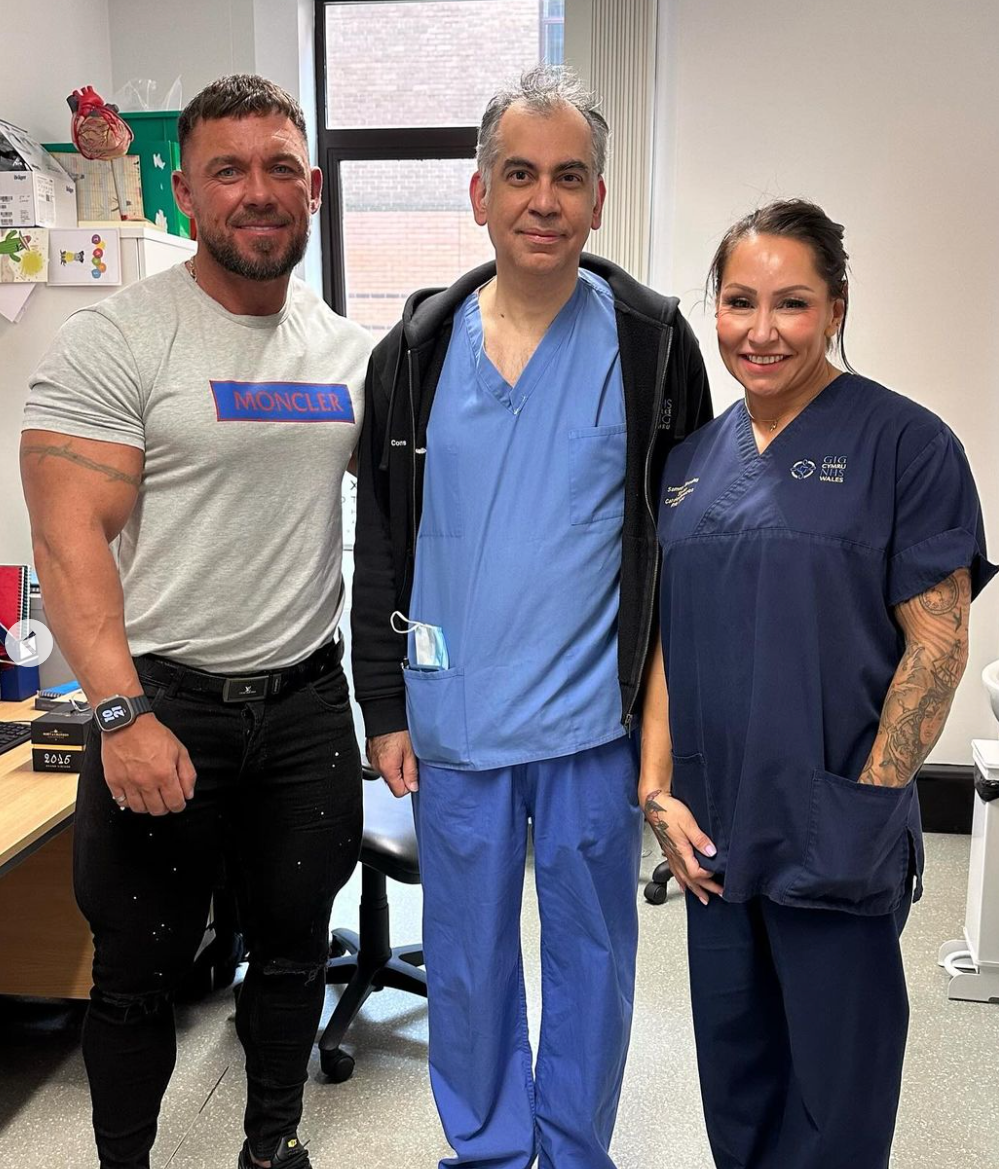
LIFE SAVERS: Andrews with his surgeon Mr Ziadi (centre) and one of the nurses at Morriston Hospital

Surgery to clear the valve and fit a mechanical one took six hours. He was put into an induced coma in which he stayed for roughly two days.

"When I came round the first thing I thought was – 'Oh my God, I'm alive'.

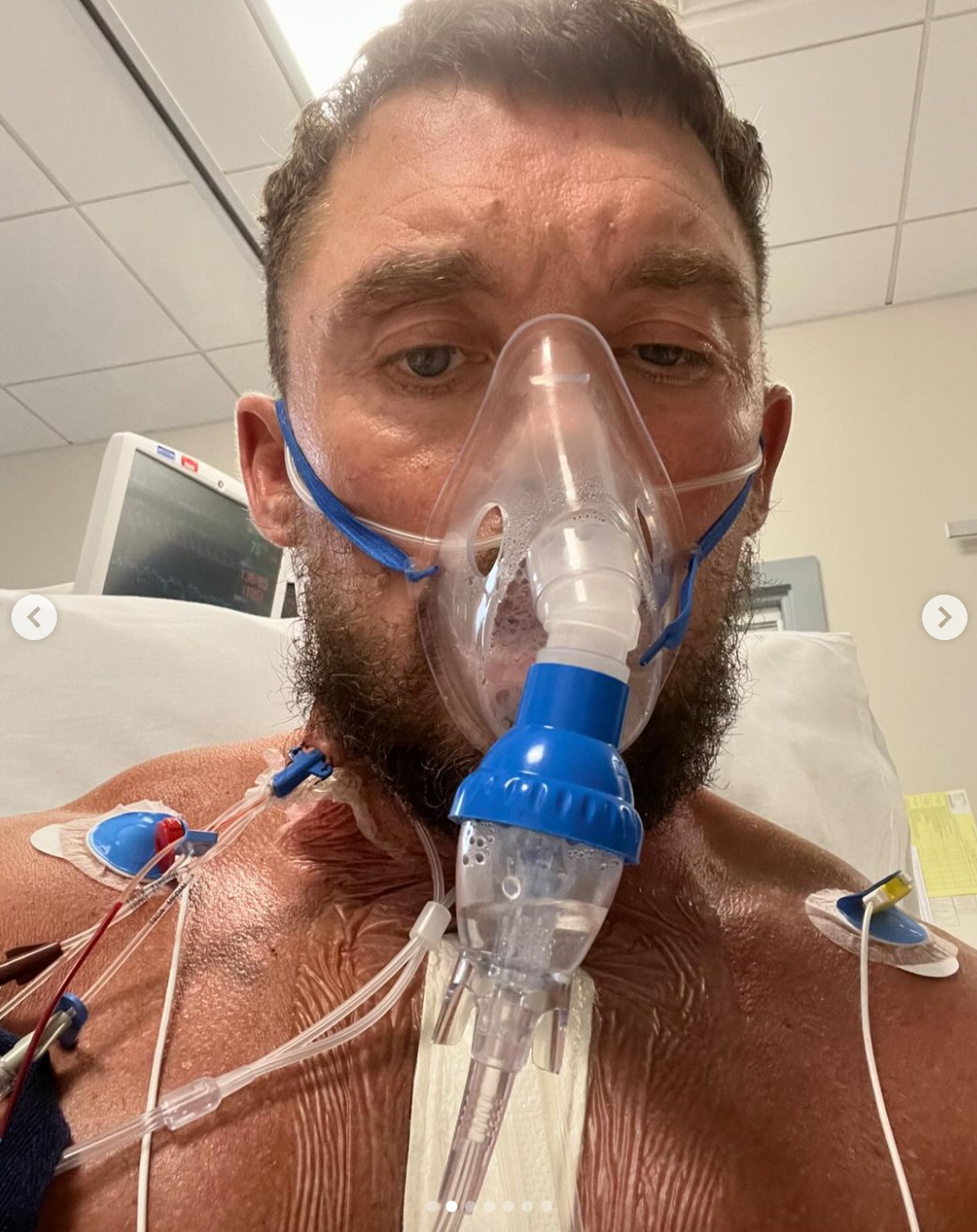
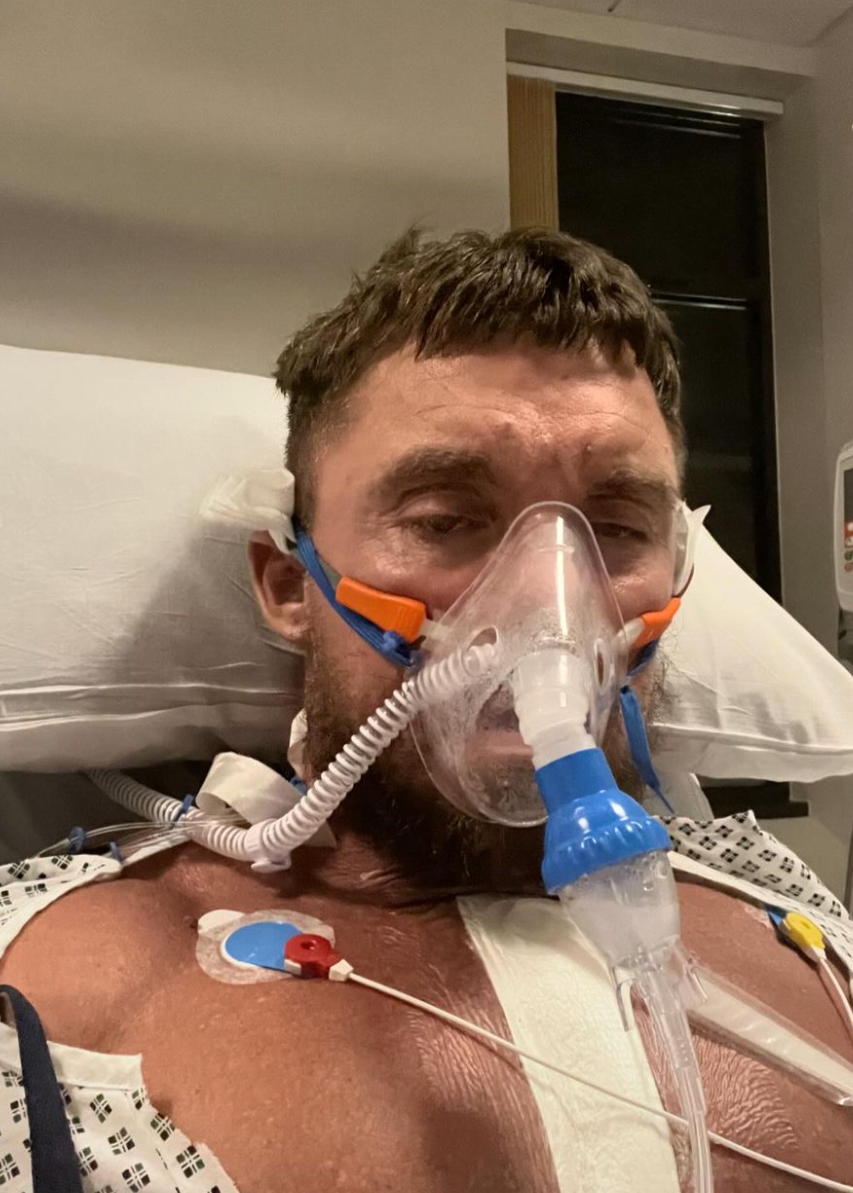
Cue another outpouring of sheer emotion. Tears cascading down his cheeks and on to his heavily bruised and swollen chest, his body peppered with wires and tubes.

I was suffering from anxiety and having hallucinations

At this stage, the light of recovery seemed so dim at the end of the tunnel it was almost non-existent. "I couldn't sleep because I couldn't lie in the hospital bed," he says. "I had to sit in the chair next to the bed and was so sleep deprived I ended up hallucinating.

"At one point I could see my father offering me a cup of tea. And there I was reaching out to take it and of course no one was there. I was having bad anxiety because there was just so much going on that I wasn't used to."

Andrews had a PICC [peripherally inserted central catheter] in his bicep. This connected to his heart in order to administer antibiotics. These were given every four hours for three months.

He was a shell of his former self. Twenty kilograms of weight had fallen off his 5ft 11in frame. He could barely walk a few feet without needing oxygen.

Bodybuilder Neil Andrews heart scare

Three days after surgery he was wheeled down to the hospital's main entrance to a coffee shop. Here, he finally embraced his father. Andrews says: "I was crying my eyes out again. I can't remember how many times I did that.

"It was here when I was told that, when they put the tube down my throat during surgery, I aspirated everywhere. This means water came spilling out. I had two litres of water in my lungs. Normally when that happens the patient does not survive."

How Andrews defied the odds remains a mystery. But his outlook on life now has changed.

I thought I'd never return to bodybuilding after heart failure

"At one point I did think that was it for bodybuilding," he says. "And certainly no more anabolic steroid use. But eventually you realise you do want to get back into it. Although I never use much anabolic steroids any more, not that I ever did.

"I only use 200mg of testosterone cypionate – and it is pharmaceutical grade. I will never use any UGL [underground labs] because it is not sterile. You do not know how or where it is made. And for me, I cannot take that risk of having another bacterial infection.

"When I got out of hospital I was told no upper body training for three months. I wasn't even allowed to carry the shopping or drive a car. I was back in the gym when I could, though, just to do hamstrings and quads. When I began upper training, I could not even lift 2.5kg for a side lateral raise."

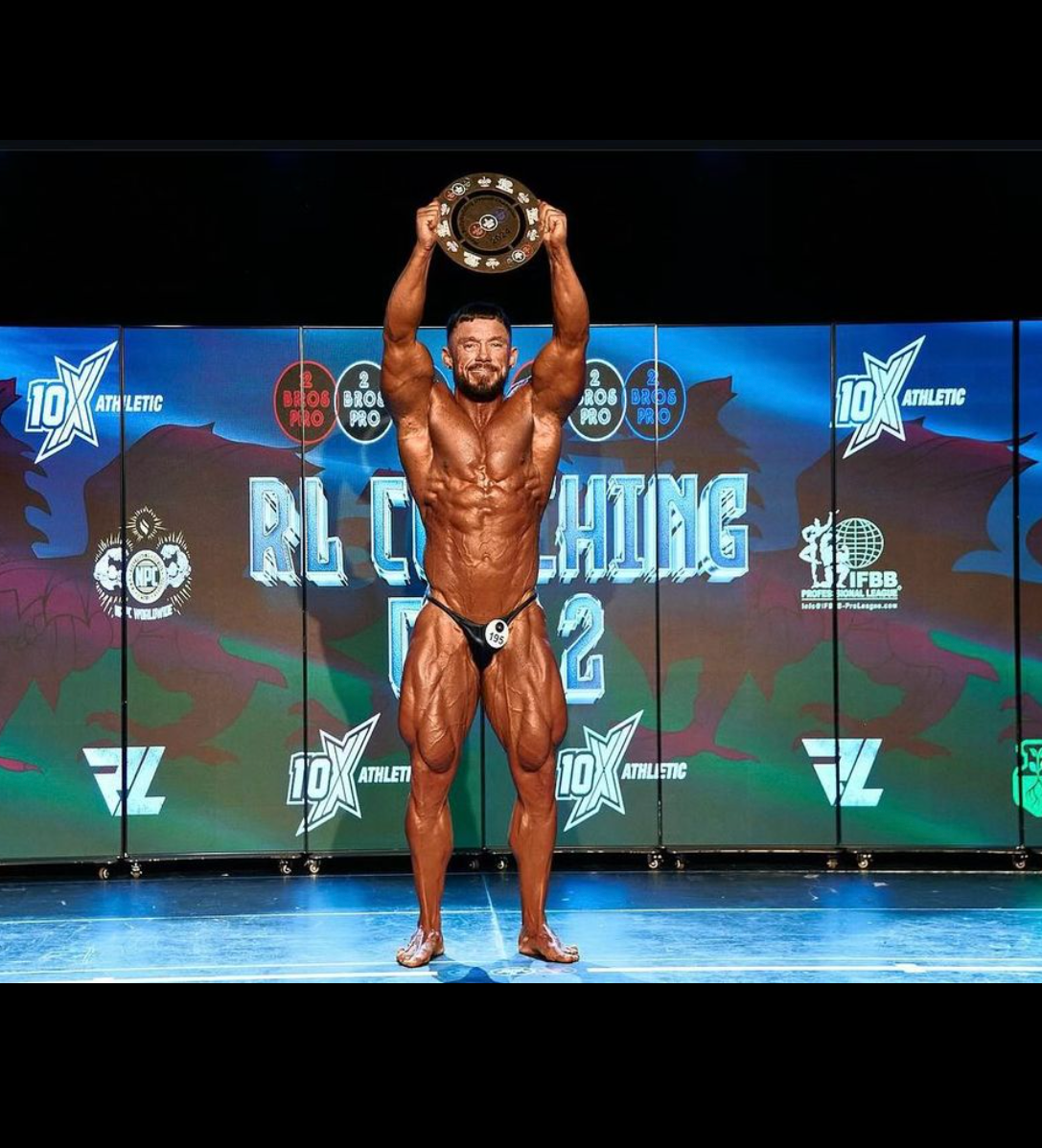
Considering his story, it is amazing how, even at 44 years old, Andrews became overall champion at the 2Bros RL Coaching Cup. And he did it with one of the most conditioned physiques they had seen in a long time.

Bodybuilder Neil Andrews wins 2Bros overall title

"I know exactly how to peak my body," says Andrews. "Next I will be doing the PCA Staffordshire on October 13, then the PCA British Finals on the 20th. I have never won a British title and that is the one I want. My son is due to born about a week later."

How fitting would it be if that healthy and thriving baby boy came into the world, opened his eyes and looked up at his dad as a British champion...

... and one hell of a fighter.

*Neil Andrews is sponsored by Strom and the original interview he did with Rick Foster can be listened to by clicking here.

MORE FROM FRONTDOUBLE:

BODYBUILDING RESULTS

ATHLETE PROFILES

HEALTH AND EDUCATION HUB

Bodybuilding and heart health: A serious warning for competitors

Leave a Reply

Your email address will not be published. Required fields are marked *

Bodybuilding and heart health: A serious warning for competitors

A YEAR ago Will Smart was at the top of his game having been crowned overall PCA world champion. A few months later, however, that world came crashing down after it was discovered he had a heart condition that ended his bodybuilding journey. Here, in his own words, is Will's tragic story:

IT IS coming up to 12 months since I started my journey to being diagnosed with a genetic heart condition. I have what is called a bicuspid aortic valve.

Talking about it actually makes it easier to deal with. I also want to raise awareness, as this condition effects two in every 100 people. It is the most common genetic heart condition. Anyone who has had news that they are not super human and have a health risk will understand.

What is my heart condition?

A bicuspid aortic valve is a genetic heart condition formed at birth. It means the valve does not close as effectively and leaks blood back into the heart. Because of this it’s diagnosed as a form of heart disease as it can impact other areas of the heart and its function. This is absolutely f**king terrifying to hear.

The aortic valve is the first valve out of the right side of the heart, which provides oxygenated blood to your body. This means that, when the valve leaks, some blood returns back to the heart after it contracts. It means the heart is pumping more blood out than it’s meant to. This results in higher systolic blood pressure than you should normally have. This has all the negative side affects of high blood pressure and can lead to:

This is why it’s advised to have surgery to replace the valve before further issues arise.  My valve is already leaking severely, which means early intervention will be required.

I found out about my heart condition through pure luck. I chose to participate in a study at Liverpool John Moore’s University on individuals using performance enhancing drugs. If I hadn’t, I’d have never known and would have been continuing to put my life at risk pushing bodybuilding.

Even TRT makes blood thicker and harder to manage

I have now retired from competitive bodybuilding. The advice from the cardiologist was to stop pushing gear and to stop increasing my body weight. All of this is added risk to my heart. I can’t compete to just go get on stage – I only competed to be the best version of me. So if I'm unable to make the last time I competed look like a child, I don’t want to do it. For me to continue to be competitive I’d need to push body weight up. That means slamming loads of food – which is more pressure on my heart and valve.

If I continued to take anabolic steroids then that would also put more pressure on my heart. It also leads to other risks, such as blood thickness and potential negative blood markers.

The consultant says my valve needs to be replaced sooner rather than later to avoid it causing further damage to other areas of my heart. So I need to come off gear all together – including TRT – because I will need a mechanical valve. This means I will need to take blood thinning medication to avoid clots around the titanium valve. Even TRT makes blood thicker and harder to manage, so I have to come off this too.

The saving grace is at least I have the all-clear to train

I have the all-clear now to continue training how I wish. But in order to prove this, I had to do a cardiac stress test on a bike. This shows my heart is performing and coping very well when under stress. Honestly, this has been a saving grace of this whole issue. If I couldn’t train, I’d have lost my head big time. At least now I can maintain my size and have the stress relief that training provides.

But I do have a request to all my fellow bodybuilders. PLEASE do more to check your health than just get your bloods checked. Get an echocardiogram to understand your heart and other organs. Bloods alone will not identify physical conditions. 

A echocardiogram is the best way to identify any issues to the heart. An MRI will then help view the full detail. But an ECG and monitoring blood pressure is a great start.

My bodybuilding heart condition timeline

HOW BODYBUILDER NEIL ANDREWS CAME BACK TO STAGE AFTER HAVING A MECHANICAL HEART VALVE FITTED

MORE FROM FRONTDOUBLE:

BODYBUILDING RESULTS

ATHLETE PROFILES

HEALTH AND EDUCATION HUB

Leave a Reply

Your email address will not be published. Required fields are marked *

Do bodybuilders still use Dianabol?

Dianabol (Dbol) was once one of the most widely used anabolic steroids in bodybuilding – with some calling it the breakfast of champions – but its place in modern cycles is often questioned.

By Gary Chappell

DIANABOL remains one of the most well-known anabolic steroids. Back in the late 1970s and 1980s it was considered by some as the "breakfast of champions". But its popularity appears to have waned.

When was the last time you read of someone including dianabol in their cycle? If you excuse the local 'gym bro', who can often be heard saying "can you get me some dianabol?" or "Yeah, just started some dianabol, bro", most serious competitors are using testosterone, primobolan and/or equipoise during their off-season.

But why? Reports of huge gains in muscle in just six or eight weeks, together with big increases in strength, could be heard of from dianabol users.

dianabol bodybuilding steroid muscle growth dbol use

Developed in the 1950s, the oral steroid became popular among bodybuilders and athletes for its powerful muscle-building effects. Here's an overview of what dianabol is, how it works, its benefits and its risks:

1. What Is dianabol?

2. How It Works:

3. Benefits:

4. Risks and side effects:

dianabol bodybuilding steroid muscle growth dbol use

One of the main pitfalls of dianabol is its effect on appetite. The only time someone might use it is in the off-season, because its water retention and estrogenic side effects make it a poor choice for prep. But it is also a pretty poor choice for the off-season too due to its negative effect on appetite, especially if it prevents a person from eating enough. However, that is person dependent and, in some, it could have the opposite effect.

How Dianabol affects hunger

  1. Increased Appetite:
    • Anabolic Effects: Dianabol’s anabolic properties can stimulate protein synthesis and muscle growth, which may increase the body's demand for nutrients. As a result, users often experience a heightened appetite to support the increased muscle mass and metabolic activity.
    • Caloric Needs: Since dianabol enhances muscle mass and overall body weight, the body may signal the need for more calories, leading to an increase in hunger.
  2. Insulin Sensitivity:
    • Carbohydrate Metabolism: Dianabol can affect carbohydrate metabolism and insulin sensitivity. This can lead to fluctuations in blood sugar levels, which might cause hunger pangs or cravings, especially for carbohydrates.
  3. Side Effects and Hunger:
    • Water Retention: Dianabol is known to cause water retention, which can sometimes mask the feeling of fullness or satiety, making users feel hungrier than they actually are.
    • Hormonal Influence: The steroid's impact on hormones, including insulin and possibly leptin (a hormone that regulates hunger), can alter appetite and feeding behaviour.

Managing increased hunger

For bodybuilders using dianabol, managing increased hunger is essential to avoid excessive calorie intake, which could lead to unwanted fat gain. Here are some strategies:

Here’s why Dianabol could have fallen further out of favour

1. Health Risks:

If you still use dianabol, please let us know in the comments below regarding dosage, timing during the season and the effects you have seen.

MORE FROM FRONTDOUBLE:

BODYBUILDING RESULTS

ATHLETE PROFILES

HEALTH AND EDUCATION HUB

Insulin 101 for Bodybuilders: Complete Guide, Protocols & Safety

Growth Hormone doses: Just how much?

Leave a Reply

Your email address will not be published. Required fields are marked *

From Leg Press injury to Mr England: A Bodybuilding Comeback

How bodybuilder Eddie Sykes' leg press injury turned him from big and powerful, to helpless and fragile, after NHS told him scan showed no damage when in fact it was so severe it could have changed his life for ever...

By Gary Chappell

AT the beginning of this video, you will see footage of Eddie Sykes' leg press injury which he suffered in May 2020. This has been reproduced with Eddie's permission and can also be seen alongside his explanation on his YouTube channel here.

In just three years he has experienced the depths of despair after being abandoned by the NHS. He spent thousands on private surgery to avoid permanent life-changing damage to his body. And he suffered with subsequent mental health issues.

But last September he achieved the seemingly impossible – returning to the stage to win the NABBA Mr England and finish runner up at the NABBA Mr Universe.

And now Sykes has revealed how he trains those legs after such a horror leg press injury.

We urge you to listen to this incredible journey from one of the most charismatic people in bodybuilding:

MORE FROM FRONTDOUBLE:

BODYBUILDING RESULTS

ATHLETE PROFILES

Health and Education Hub

Leave a Reply

Your email address will not be published. Required fields are marked *

CHECKING LIPIDS OFFERS INSIGHT INTO RISK OF FORMING PLAQUE

Understanding how lipids contribute to plaque build-up is critical for long-term health, particularly for bodybuilders managing high-calorie diets or performance-enhancing drugs.

In this video, Dave Crosland breaks down how cholesterol markers such as LDL and triglycerides influence cardiovascular risk and why regular bloodwork is essential.

Eval blood testing

HEALTH AND EDUCATION HUB

Leave a Reply

Your email address will not be published. Required fields are marked *