PCA British Championships 2026 – Day 1, International Centre, Telford
Day 1 of the PCA British Championships 2026 took place at the International Centre in Telford on October 17. JJ Grams won Physique Short before being crowned Overall Physique British champion, while Ike Agho won the Pro Physique and the £2,500 prize. Ben Holden added Junior Physique to his PCA England win, Ant Porter took Masters Physique 40+, Cameron won Physique Tall ahead of Vitor Rocha and Emma Perry won Fit Model. Results so far are below:
Results are being added as they land, so check back for the full placings. Competed today, or spotted a missing or incorrect name? Get in touch at info@frontdouble.com or message us on Instagram @frontdouble1 and we’ll update it.
FrontDouble results are sponsored by Physique Pro Coaching
Mixed Disability 1 Jonathan Griffiths 2 Cali Groombridge 3 Scott McPhillimy 4 Abiodun Daramola 5 Sergio Blasco 6 Luca Williams 7 Matt Elson
Physique Short 1 JJ Grams – New PCA Pro 2 Omkar Singh 3 @__ramin__fit [full name TBC] 4 Iking Ali 5 @richtrains [full name TBC] 6 Connor MacGregor 7 Paul Kamara
Physique Tall 1 Cameron [surname TBC] – New PCA Pro 2 Vitor Rocha 3 @john_efp_coach [full name TBC] 4 Jack Parlett 5 ethan Waterhouse 6 @shaunc10 [full name TBC] 7 Sam Neill
Junior Physique 1 Ben Holden 2 Louis Moger 3 Nasib [surname TBC] 4 Aaron Singh Kanda 5 Jack Kelly 6 Jamel Hartrey
Masters Physique 35+ 1 @andy_asb_coaching [full name TBC] – New PCA Pro 3 Mehmet Aytekin 4 @ruthless_athlete_ [full name TBC] 5 Daniel Wheeler 6 Simon Rigler
Masters Physique 40+ 1 Ant Porter – New PCA Pro 2 Chris B [surname TBC] 3 Maximo Edralin 4 @abritsythe [full name TBC] 5 David Small 6 Ron Kemp 7 Wayne Attewell
Fit Model 1 Emma Perry 2 @rachhfitt [full name TBC] 3 Zoe Calaway 4 Aneta S [surname TBC] 5 @angel.x [full name TBC] 6 Elisha Draper
Wellness Short 1 @naijaa_doll [full name TBC] 2 Tayla Hunter 3 Sophie Ward 4 @jo.wellness_ [full name TBC] 5 Becca Mardon 6 Lauren Lucas 7 Olivia O’Neill
Wellness Tall 1 Denise Glen – New PCA Pro 2 @theerealmissjackson [full name TBC] 3 Jen Bembridge 4 Kinga Hawryluk 5 Charlotte Bruton 6 Bev Vickers-Pieri
Junior Bikini 1 Milly Grunwell – New PCA Pro 2 Clodagh Nora 3 Aoife Daniels 4 Lisa Turton 5 becky Coulson 6 Keisha [surname TBC]
Masters 35+ [class TBC] 1 Jessy Payne – New PCA Pro
Bikini Short 1 Devon Eleanor – New PCA Pro
Bikini Tall 1 Emily Conroy – New PCA Pro
Pro Bikini 1 Val Steele
Pro Masters Bikini 1 Jade Simmons
Pro Physique 1 Ayesemuate Ike Agho (£2,500 prize winner) 2 Shaik Sameer 3 @promise_coach [full name TBC]
Physique Overall – British champion JJ Grams
Bikini Overall – British champion @naijaa_doll [full name TBC]
Every results board, athlete profile, interview and feature on FrontDouble is kept going by readers who chip in each month. Support us from £4 a month and get your name on the FrontDouble Supporters Wall.
From the archives: Eddie Hall on anxiety, depression and the mindset of The Beast
By Gary Chappell
FORMER World’s Strongest Man Eddie “The Beast” Hall is set to appear at the PCA British Finals on Sunday, October 18 and the British bodybuilding community has taken notice.
Since retiring from strongman, Hall has moved from the deadlift platform into combat sports, boxing and physique work. His appearance at one of the biggest weekends in UK bodybuilding is another sign of his drive to keep pushing physical boundaries.
Long before any of that, at the height of his strongman fame, I sat down with Hall for an interview that turned out to be far more personal than I expected.
The world saw an unstoppable force. But as a journalist and as a competitive bodybuilder who knows the mental side of forcing the body to change, I wanted to look past the trophies. During our chat in 2018, Hall spoke openly about severe childhood anxiety, depression and his mental health, with an honesty that is still rare among elite athletes.
For Hall, training was not just about winning. It was how he coped.
With The Beast heading to the PCA British Finals, here is my 2018 interview with him again, a reminder that the heaviest weights he ever carried were not made of iron.
*This article was written by Gary Chappell and was first published by the Daily Express in 2018.
Reporter Gary Chappell and World's Strongest Man Eddie Hall. Picture: Peter Luckhurst
EDDIE HALL is the strongest man in the world. He is the first and only person to lift half a tonne. He can walk along pulling a plane. There is almost no feat of strength that is beyond him. But to get there almost cost him his marriage and his relationship with his two children. But it may also have cured a depression and anxiety that threatened to end his life.
His skin-tight laser blue Superman T-shirt hugged his 27-stone frame and made him look more akin to a comic character as he bounded out of a black taxi on London’s Lower Thames Street.
Fresh from gracing ITV’s famous couch on This Morning, he laughed while regaling how he narrowly avoided swearing on live TV while chatting with Phillip Schofield and Holly Willoughby.
He has every reason to be relaxed; he is the World’s Strongest Man – the sporting title he craved for so long – his family are set up for life and acting lessons are well underway as he plans to emulate his hero Arnold Schwarzenegger.
As we walk alongside the Thames, Hall takes every giant step as if he does not have a care in the world, no hint of the time he locked himself in the school toilets, rocking back and forth in a desperate bid to ease his anxiety.
No hint of downing bottles of whisky as a 14-year-old to drown the depression, or the fact a future as an Olympic swimmer had gone terribly wrong, or the hours spent throwing up because he could not face the every-day task of meeting pals in Stoke-on-Trent or enjoying a family meal.
No hint of the fact his training for the World’s Strongest Man almost crushed his marriage and made him a stranger to his children.
No hint of enjoying the thought that his sporting ambition could lead to his death, thus ridding him of the plague of mental health problems.
Gary Chappell talks to World's Strongest Man Eddie Hall. Picture: Peter Luckhurst
In his autobiography, Strongman: My Story, first released last year but updated this month with a special diary of his World's Strongest Man victory, Hall's voice is captured brilliantly as he describes a boisterous childhood with his two brothers, a strong bond with his nan, fights with 20 police officers and how strongman saved his life.
Squeezing us both on to a bench in the baking heat, Hall finally gave a glimpse of the pain behind the hard-man exterior.
“When I was 12 or 13 my nan was diagnosed with cancer,” he says. “I was having a really hard time at school, I was thrown out of the swimming club – which was going to be my career – I was always in trouble with the police, in trouble with my parents, my family, always getting into fights and, I don’t know, it just f****** hit me hard. I got huge anxiety attacks where I couldn’t leave the house.
“Sometimes I just couldn’t go to school and ultimately that’s why I got expelled because, when I was there, I just didn’t want to be there. I was always in panic mode.
“I’d always be wanting to go to the toilet to sit on my own and just rock back and forth and just calm down and get the anxiety out.
“If I had to go out for a family meal or go out with mates, I’d be throwing up before I went out, I’d be that anxious.
“Doctors put me straight on Prozac and straight into counselling. I was on them for about four years and it did help. Then I started doing strongman and it just disappeared.”
Except that it did not. Not entirely. Thrown out of swimming’s World Class Potential Programme after clashing with its “military” discipline, Hall found he was naturally gifted elsewhere too. At just 17 years old he could deadlift a quarter of a tonne. His unbelievable early strength was his route from no-hoper to achiever.
Five years later he was the UK’s Strongest Man, a title he went on to win for six successive years.
The pinnacle, however, was the world title.
But such feats of strength appeared easy compared the road to get there.
Gary Chappell 'beats' World's Strongest Man Eddie Hall in an arm wrestle. Picture: Peter Luckhurst
Hall describes it as his suicide mission; when the big black dog returned.
“Five weeks before I won it, my wife was basically packing her bags... she was gone, she was out the house,” he says.
“I had to beg her to give me five more weeks just to let me win the World’s Strongest Man.
“I promised her I’d win it and that our life would get better. And thank f*** I won it because, honest to God, that saved my marriage.
“You see, because of my depression I didn’t really give a s*** if I died doing it because, unless I won the World’s Strongest Man, there was no point in me living anyway.
“In a way it was my suicide. It was a win-win for me; if I died along the way, I died, and if I won, I’d achieve the dream.
“I didn’t care about my well-being. I didn’t care about anybody around me – my wife, my kids, my family, mum, dad, brothers – I didn’t give a f***.
“I was training four hours a day, physio two hours a day, stretching an hour a day, hot-cold treatments an hour a day, hyperbaric an hour a day, meditation, I was sleeping 13 hours a day, food prep, eating food.
“Honestly, no joke, I would see my wife and kids for an hour or two a week at most.
“And that put so much strain on me mentally because, if I failed, all that f****** sacrifice would have been for nothing. And that in itself made me very anxious and very depressed.
“I was paying my wife no attention. I would f*** up Christmas, birthdays, meals out, I wouldn’t do anything because I was obsessed with strongman.
“It just got to the point where my wife just didn’t have a husband and my kids didn’t have a dad.
“My son Maximus didn’t know me. I’ve got a nine-year-old daughter as well who I don’t know. I’m getting to know her now but I didn’t because I spent so much f****** time obsessed with strongman.”
On May 28, 2017 Hall was finally crowned World’s Strongest Man – on the 40th anniversary of the competition – in Botswana.
Gary Chappell talks to World's Strongest Man Eddie Hall. Picture: Peter Luckhurst
Smoother times are now ahead.
“I can honestly say that, since I’ve won the title, the depression has disappeared,” he says.
“I can now look in the mirror and be content, happy and see success. And that for me made all the worries as a kid disappear.
“All that stress and strain of your career, your GCSEs; that was my middle finger to all those teachers saying, ‘You’re going to be a nobody, you’re going to be in jail or dead’."
If anything in this interview resonates with you, support is available. Visit FrontDouble's Helplines section for mental health resources.
Every results board, athlete profile, interview and feature on FrontDouble is kept going by readers who chip in each month. Support us from £4 a month and get your name on the FrontDouble Supporters Wall.
EXCLUSIVE: "My body went cold" – Marcus Benjamin-Privett on the moment he thought he'd won the Prague Pro
Marcus Benjamin-Privett tells FrontDouble about the moment he believed he'd won the Prague Pro, being "slept on" for years and his push for Olympia qualification.
By Gary Chappell
WHEN the judges moved him into the centre of the Men's Physique line-up in Prague, Marcus Benjamin-Privett felt it for the first time: this could be his day.
"I thought, oh my God, I could actually win this," he told FrontDouble. "My body went cold."
He did not quite get there. Fellow Brit Emile Walker defended his EVLS Prague Pro title, with Benjamin-Privett second in a British one-two, ahead of Olympia competitor Benquil Marigny. But for an athlete who finished 14th at the same show 12 months ago, the result says plenty about where he is heading.
"Bittersweet, mate. Completely bittersweet," said Benjamin-Privett. "It's made me more hungry to go for that first place.
"I've been slept on for a number of years. I knew I had the potential to be one of the best athletes. So the fact that it's now being recognised and I'm improving show by show, month by month, year by year, I'm happy. I'm starting to reap the rewards.
"Bittersweet, happy, humbled, but definitely not satisfied."
"This is my time"
The moment Benjamin-Privett started to believe came at prejudging. As the judges reshuffled the line-up, they moved Marigny – 13th at this year's Olympia – out of the centre and put Benjamin-Privett in the middle.
"I thought, I think I've got it. This is my time," said Benjamin-Privett. "That's when I thought, 'OK, you could win this here'."
By the time the final three were called, the belief was real, until his name was read out in second.
"A place of belonging"
Standing alongside some of the best physique athletes in the world, Benjamin-Privett says he finally felt he belonged.
"I didn't feel out of place. It's about time I started having confidence within myself. It felt like a place of belonging.
"I'd like to be known as one of the best in the world in the near future. I believe I have my space there, ready and waiting for me, as long as I keep working and improving."
Leaving the critique to the judges
Asked where he needs to improve, Benjamin-Privett was clear that he no longer picks his own physique apart in public.
"I leave the improvement comments down to the judges," he said. "I try not to speak badly of myself anymore, because that's something that used to affect me. I don't like pointing out what I believe are weak points, because I feel like that's no good for me. I do have personal things I want to improve, but I'll keep that personal. I try to improve all round and I take the judges' feedback on board.
"But motivation is through the roof. I'm so hungry to get what I've been working for, for over 15 years."
What's next?
There is no time to dwell. Benjamin-Privett heads to Slovakia [October 25] next, then Morocco [November 1], with one goal in mind.
"I'll do everything I can to try and get my Olympia qualification this year."
His coach, Nathan Smart, added: "It was a day I always knew that could come when he was at his best. He’s shown just how good he can be. Beating six Olympians and pushing undeniably one of the best MP athletes in the world all the way."
Every results board, athlete profile, interview and feature on FrontDouble is kept going by readers who chip in each month. Support us from £4 a month and get your name on the FrontDouble Supporters Wall.
PCA England 2026 – Royal & Derngate, Northampton, 11 October 2026
The PCA England 2026 took place at the Royal & Derngate in Northampton on 11 October 2026. Don Valley won a strong five-man Men’s Bodybuilding Medium line-up and Wayne Angus continued his remarkable run by winning Classic Bodybuilding Tall for the third PCA show in a row, after victories at PCA Yorkshire and PCA Central. Lukas Tarbaj took Classic Short, adding to his win at IBFA Teesside. Several PCA Central athletes went one better a day later: Jacob Tipper won Junior Bodybuilding and William Chaundy won Novice. Placings are below:
Mixed Disability 1 Abiodun Daramola 2 William Tell
First Timers Bodybuilding 1 Poul Parker 2 Chris Bielby
Junior Bodybuilding 1 Jacob Tipper 2 Jack Bell 3 Will Holmes 4 James Herring
Every results board, athlete profile, interview and feature on FrontDouble is kept going by readers who chip in each month. Support us from £4 a month and get your name on the FrontDouble Supporters Wall.
PCA Central 2026 Results – Wulfrun Hall, Wolverhampton, 10 October 2026
The PCA Central 2026 took place at Wulfrun Hall in Wolverhampton on 10 October 2026. Karl Grayston, an overall champion at FitX Leeds the week before, won Men’s Bodybuilding Medium. Wayne Angus continued his strong run by winning Classic Bodybuilding Tall, having also won it at PCA Yorkshire. Sam Udall took Men’s Bodybuilding Tall, and Solomon El-Shirbiny topped a six-strong Junior Bodybuilding line-up. Other winners included Hamzah Bondary (Classic Short), Alex Morrison (Masters 40+), Rebecca Davenhall (Toned Figure) and Emma Burton (Athletic Figure). Full placings for every class are below:
FrontDouble results sponsored by Physique Pro
Mixed Disability 1 Luca Williams
First Timers Bodybuilding 1 Adam Davis 2 Gino Allen-Necco 3 Alex Sweet
Junior Bodybuilding 1 Solomon El-Shirbiny 2 Will Holmes 3 Lewis Sutherland 4 Harley Dixon 5 Zeph Fergusson-Platt 6 Felipe Gomes
Novice Bodybuilding 1 Dan Northard 2 Jake Doidge 3 William Chaundy 4 Riki Davies 5 Luke Skidmore
Classic Bodybuilding Short 1 Hamzah Bondary 2 Jacob Tipper 3 Jacob Morgan
Classic Bodybuilding Tall 1 Wayne Angus 2 Kamil Lobaczewski 3 Ugur Solak 4 Jake Simpkin
Masters Bodybuilding 40+ 1 Alex Morrison 2 Dariusz Felczykowski
Men’s Bodybuilding Medium 1 Karl Grayston 2 Luke Thorley 3 Jakub Železnák
Men’s Bodybuilding Tall 1 Sam Udall 2 Rafal Bentkowski 3 Josh Davis
Every results board, athlete profile, interview and feature on FrontDouble is kept going by readers who chip in each month. Support us from £4 a month and get your name on the FrontDouble Supporters Wall.
WFF UK British Grand Prix 2026 results, 3 October 2026
The WFF UK British Grand Prix 2026 took place on 3 October 2026 in Burnley. Cam Cleaver and Szylvia Huszar took the Pro Overall titles. Five athletes earned pro cards: Freya Collinge, Harriet Devaney, Jon Smith, Jack Carless and Shane Dennett. Freya Collinge had a remarkable day, winning Open Bikini, earning her pro card and then winning Pro Bikini on her pro debut. Jack Carless won Classic and the Amateur Overall before finishing 2nd in Pro Classic Bodybuilding. Full placings for every class are below:
Amateur results
Class 1 1 Shane Dennett 2 Dean Hope
Class 2 1 Kurt Robinson
Class 3 1 Jon Smith 2 Jack Carless 3 Chris Jeffries
The IBFA UK Teesside 2026 took place on October 4, 2026. Several athletes won two titles on the day: Paul Norton took Men's Over 50 and Over 60, Damion Bush won Men's Over 40 and Novice and Kayleigh McKenzie won Women's Toned and Novice. Maxwell Herd won Classic Over 40 and placed 2nd in Classic Short, while Sarah Dunbar won Ladies Trained and was runner-up in Ladies Bodybuilding. Full placings for every class are below:
Men's Class 1 1 Alex Brown
Men's Class 2 1 Ant Shepherd
Men's Class 3 1 Neal Mayer 2 Mark (surname TBC) 3 Aran (surname TBC)
Classic Tall 1 George O'Gorman 2 Ryan Patton
Classic Short 1 Lukas Tarbaj (above) 2 Maxwell Herd 3 Robert Shaw
Classic Over 40 1 Maxwell Herd 2 Mark Coulson 3 Jed Moss
Men's Over 40 1 Damion Bush
Men's Over 50 1 Paul Norton 2 Jed Moss 3 Barry Hyslop
Men's Over 60 1 Paul Norton (below)
Men's First Timers 1 Aran Shark 2 Phil Reed 3 Byron Peel
Men's Novice 1 Damion Bush 2 Carl Thomson 3 Jack Regan
Men's Physique Open 1 Grant Coles
Men's Physique Over 40 1 Paul King 2 Grant Coles 3 Edward O'Connor
The FitX Leeds 2026 took place on October 4, 2026. Caitlin Macgregor and Karl Grayston were crowned overall champions. Paulina Baras had a standout day, winning both First Timers Figure and Ladies Figure. Other class winners included Grant Carney (Men's Class 1 Bodybuilding), Sean Ryan (Masters Bodybuilding), Nathan Flanagan (Junior Bodybuilding) and Emma MacDonald (Junior Bikini). Winners results are below:
First Timers Bodybuilding 1 Raul Paraianu
First Timers Men's Physique 1 Mubeen Khan
Junior Bodybuilding 1 Nathan Flanagan
Masters Bodybuilding 1 Sean Ryan
Men's Class 1 Bodybuilding 1 Grant Carney (below)
Junior Bikini 1 Emma MacDonald
First Timers Figure 1 Paulina Baras
Ladies Figure 1 Paulina Baras
Overall Champions Female: Caitlin Macgregor (above) Male: Karl Grayston (below)
PCA Yorkshire 2026 Results, Connexin Live, Hull, 4 October 2026
The PCA Yorkshire 2026 took place at Connexin Live in Hull on 4 October 2026, with athletes competing across bodybuilding, classic, physique, figure, bikini and wellness classes. Wayne Angus won Classic Tall before taking the Overall Bodybuilding title. Vitor Rocha won Men's Physique Tall and the Overall Physique crown, while Katie Barnes took Trained Figure and Overall Figure. Josh Tranter had a standout day of his own, winning both First Timers and Junior Bodybuilding. Moll Field claimed the Overall Bikini title. Results are below:
First Timers Bodybuilding 1 Josh Tranter
Junior Bodybuilding 1 TBC 2 Ellis Brown
Novice Bodybuilding 1 Erwin Furman (from Instagram handle, full name TBC)
Bodybuilding Short 1 Pete (surname TBC)
Bodybuilding Medium 1 Māris Martinsons 2 Sam Rogers
Prep diary of a Masters bodybuilder Ep.3: Teeth falling out, a prep kitten and my opening win
A week of contest prep, family life, work, fatigue and increasingly precise attempts to get my physique right for the next four shows – with the next one my 2Bros debut
Saturday, September 19, 2026 – show day:
I wake at 6am. No tan on the white bedding because both coats are being sprayed this morning. But as has happened once or twice over the past few weeks, I get sharp pains in my stomach. I struggle to find decent lighting in the Airbnb but take pics and weight and fire them over to Nathan, who has just landed in Vegas as he plots the 212 Olympia debut for his client Yinka Majolagbe. They are eight hours behind, he's had a 10-hour flight and it's getting late stateside. Without fail my phone lights up within minutes; espresso and 5-10min walk to get things moving. I venture out into the morning light, wander round a park, past a squirrel ruffling the feathers of a flock of hungry pigeons then, of course, a Ghostbuster van. Meal 1 goes in; 100g Hydrorice – rice pudding to you and me – whey and honey. Pics and weight in two hours. Water and salt consistent. As I prise the kids out of bed and the family gets ready, I wash up, make sure the place is clean for check-out and gather my bits together for the day ahead. I have tanning at 9am and expect to be on stage at 1.30pm. Short drive to the venue – seven minutes or so. Tanning is, as it always is, delayed. I chat to mass monster Don Valley in the changing room as we both wait to stand together, naked, except for a sock. Amiable chap. We talk bodybuilding and its problems. We're clearly on the same page and I reflect how these shows always create friendly bonds with people who live the other side of the country. It is one of competitive bodybuilding's positives. I finish tanning at gone 11 and realise the show has started and they are rattling through classes. That means they are ahead of schedule. I rush to get pics and weight to Nathan waiting more than 5000 miles away across the pond for my update. Messages struggle to go through due to dodgy reception and I'm feeling increasingly rushed. Finally they go through. I get my meal plan. Then I find out I'm going to be on much earlier than planned. We halve the meal and I just start pumping up. I'm now on in 30 minutes roughly, not 90. I stand behind the stage curtain as some guy I have never met rubs glaze into my skin. They call me on straight into my posing routine. I perform it to a backdrop of my wife and daughter's support. No rest as it finishes as they want me straight into mandatory poses. It is just me in the class. Happens sometimes. You just get on with it. At least I've won.
I'm surprised by my posing fitness - this never happened in 2024 BC [see previous diary entry]. My midsection control is excellent and breathing nicely under control. I'm confident, happy. It has gone well. As the chance is there, I step into Class 2 - open bodybuilding - just for extra stage time. It is me and the friendly Don Valley. What a battle. Don outmuscled me. I out conditioned him. Today they want muscle and he takes the win. I'm pleased for him. He messages me later with very complimentary words about how I've helped him realise what he needs to do condition-wise to achieve his PCA Pro Card. I always struggle with people being positive. That and self-belief. I am working on it. Later, I win best poser, even though in my head I cannot pose. Overall, it is job done as we prepare for two more shows back to back. I ditch my flip flops and change back into trainers for the three-hour drive home. As I drink a sugar-free energy drink and sugar-free fizzy to help navigate the M6 and M1, I start feeling more human again. I walk through the door at 8.30pm. Two meals to go and we reset for another competition in six days.
Sunday, September 20, 2026:
Back to baseline diet today. 1900 calories. Fully expected. I take my son to his football match for 9.15am. He is captain for the day and opens the scoring. The weekend seems to continue in a positive vein. He misses out on man of the match and seems upset afterwards. But I ask him: 'Did you put in a man of the match display today'? He did. I say: 'This is what we want. You keep your standards high, put in performance worthy of man of the match every single game, the rest is out of your hands. But do everything in your control to be the best'. It seems to lift him. I tell him he's done a good job, bank it and move forward. The depleted feeling starts rinsing through me late in the day as the lower food starts to bite. The dog walk gets hard when this feeling returns. I do what feels like mountains of washing up and fold what also appears to be two tonnes of washing. Full client check-ins too. Many have cheated on their diet this week. It reminds that I haven't done that ever. And had nothing off plan since May. I get an insta message asking me to do a podcast. I'm told some people think I'm an icon. I wonder if she means eyesore. Who knows.
Monday, September 21, 2026:
Baseline diet again. More food expected tomorrow as we polish for the next show, my 2Bros debut. I need to do this UK regional qualifier so I can compete at the NPC European Masters in Milan. Last leg session today. Lots of writing too as I catch up from the weekend's exploits. Son got in the school football team, albeit the reserves. That'll do. He can build from there. Things are looking up.
Tuesday, September 22, 2026:
Carbs start going back in after two days on baseline diet. Regardless, I start to feel washed out. Strange, because there isn't even any cardio at this point. I have an overtime shift until 1pm, then a PT client, training, then straight to get the kids. Tuesday is always manic. I need to take my youngest to football training by 5.45pm. I try to eat first – but there's no chicken already done so I have to prepare more. With my wife on a 12-hour ambulance shift, I'm juggling plates. I put washing on, wash up the mess left from the morning rush, eat – finally – then dash out the house for football. I take my laptop so I can do some writing in the car but the laptop is low on juice and it dies quickly. Training ends earlier than usual because of the fading light but I'm still not home till nearly 8pm. Then I prepare dinner for the kids, eat again and take the dogs out. It's now 9.30pm. I have one more meal left, my head's spinning with stuff I need to do and haven't done, a million emails from the kids' school [why do they insist on sending so many?!] and a message to deal with after my son was given a detention for forgetting to bring in a whiteboard. This is his third week of high school. Their arbitrary rules are just so unnecessary. I keep checking emails to see if anything has dropped from the literary agents I pitched. It's been about seven weeks since I finished re-polishing my children's picture book. I need another income stream and this idea has been in the works for years. I've had one rejection and silence from six others. Nothing from The Times, either, after two job applications for sports production and sports news editor; roles I have close to 20 yeas' experience in. At different points I remember I'm prepping for another four bodybuilding shows.
Wednesday, September 23, 2026:
I'm up at 4.30am to do fresh pics and weight to ping to Nathan, who is eight hours behind in Vegas and who has been up since 4am himself preparing Yinka for his 212 Olympia debut. We exchange a few messages, then I go back to bed until 6.45am when I take more pictures, this time in the garden for natural light. They are so much better. I keep referring to my post-workout pics in the best bog in Thurrock and how I believe that look is even better than the stage look from Saturday. I never think official photos do the physique justice somehow. Or maybe I'm never happy. I sent Nathan some stage shots overnight and his reply landed: "Some of these shots are crazy". He mocks up our 12-week transformation from when we started working together saying "crazy 12 weeks work" and "should be super proud of these". Still, the thought persists that I can improve that stage look.
I'm tired at work today. Client at 9.30am, train, then straight into holding a circuit class. I eat soon after then retreat into my shell for a bit. I clean the treadmills and crosstrainers as it helps me think. I leave at 4pm and head straight to collect my son from school football training. His training overruns and I'm nodding off in the car. Three days out from show number two of five.
Thursday, September 24, 2026:
Up before the alarm today at 4.15am. Pics sent across the pond to Nathan. Then back to bed for all of two hours. Weight holding after two days of higher carbs so a few more going in today. We are trying to land a similar look to my post-workout fullness; dry and vascular. I take them after two meals and 2.4litres of water. So what I need to do on Saturday for my 2Bros debut is improve my pump-up routine. I won't be working out obviously. But in the past I have not pumped up very much for fear of blurring detail in the muscle when in fact, with me, the opposite appears to be true – and these post-workout pics prove this. As the day goes on, I get that empty, quiet feeling again. So I hoover and clean the gym simply to be alone with my thoughts. I feel rushed when I leave; writing bits for FrontDouble, preparing stuff to get to Milton Keynes on Friday in time for tanning and registration. My mind is not clear. I don't like this feeling.
Friday, September 25, 2026:
One day out from show two of five, my 2Bros debut. I wake groggy after a bad night. Dreams were wild and weird. First, I dreamt my teeth suddenly starting falling out one by one. Then I dreamt my plans dropped from Nathan for my next show and he wanted to me to buy a kitten. I can remember thinking, why the hell do I need this? I already have four dogs. I work the early shift today 8-12. Food is pulled back slightly. We are trialling the look without Peak Max this time. Everything has looked ideal day after day, following two meals, two litres and a workout. So we are not adding any more variables. On Saturday we just repeat, two meals, two litres and I fix my backstage pump-up protocol by doing a bit more and not worrying whether I'm going to blur any lines. Looks like I need more of a pump up, not less. These two qualifying shows will serve the perfect purpose of refining for the more important trio to come; the PCA Masters next Saturday, October 3, the PCA Britain and the NPC European Masters. I finish work at 12, get home, get my bits together, collect the kids from school at 2pm – early finish Fridays – then head to the venue at Milton Keynes. Loads of motorway traffic as usual. And once again I have to stop at a services to use the toilet, which they helpfully locate 400,000 miles away from the car park. I switch to passenger and let Laura [my wife] drive. I click the heated seat button and doze off, waking on M1 to yet more traffic. We arrive just in time for me to dash behind an outbuilding and because I'm busting for the toilet yet again. Base coat of tan goes on. The spray is freezing. We then get diesel but due to a couple faffing at the pump and then the pump not reading the debit card, I somehow lose my reading glasses. Stress after stress. We finally reach the Airbnb, I eat and settle down to get some writing done ahead of tomorrow's second outing.
Road to Milan Ep3: Sibel Osman returns to the same judge to test feedback
Sibel Osman returns to the same head judge who scored her last, aiming to prove she has put his feedback into action on the road to an IFBB Pro card
AHEAD of the NPC/2Bros Physique Pro Open Classic, Sibel Osman is doing something deliberate: standing in front of the same head judge who scored her last.
Her previous 2Bros regional, the Mr JT Grand Prix on September 13, went well. She won her Masters class and, more importantly to her, walked away with detailed, specific feedback from the head judge on where to improve.
Rather than filing that feedback away, Osman has spent the two weeks since working on the exact area he flagged and jumped at the chance to get back in front of him this weekend. "I'm going to bite your arm off," she says of the opportunity.
The reasoning is strategic as much as it is physical. The judges she competes in front of know her end goal – turning IFBB Pro as a Masters Bikini athlete via Milan – and Osman sees returning to the same judge with visible improvements as a way of proving she takes feedback seriously, not just as a physique update. It is a signal to the people scoring her that she's coachable, responsive and moving in the right direction.
Follow Sibel Osman's Road to Milan on FrontDouble.com.And watch Episode 3 below:
James Hollingshead: “I contemplated the end of everything” – then he qualified for the Olympia
After planning to step away from competition, James Hollingshead went from questioning his future in bodybuilding to winning the Atlanta Pro and qualifying for the 2026 Olympia
By Gary Chappell
EARLIER this year, James Hollingshead was not even sure he wanted to compete again
After finishing eighth at the Japan Pro last November, his plan was to step away from competition.
Instead, he ended up winning the Lenda Murray Atlanta Pro, getting an Olympia motif tattooed on his neck and booking his place at the 2026 Mr Olympia in Las Vegas.
But the trophy is not really the story. The story is what happened before it. Because Hollingshead has now admitted that, at one point, he had contemplated “the end of everything”.
And the strange thing is that the thing which eventually saved his bodybuilding career may have been accepting that he might not be very good at it any more.
James Hollingshead: “It was sink or swim”
Speaking to Justin Shier on Shier and the Shed, Hollingshead was asked whether 2026 had been a make-or-break year.
His answer was unequivocal.
“Yeah, 100%. It was sink or swim," he said. "I had already contemplated the end of everything. I didn't see what I believed in any more.”
There was still brief signs of life, however.
He continued: “There was a flicker of belief because otherwise, I wouldn't have put one foot forward in front of the other. But it's just that what was happening in real life wasn't reflective of what I thought was potentially possible.”
That is a brutal place for any athlete to reach. Particularly one who has spent almost two decades building his entire identity around bodybuilding.
But then something changed.
James Hollingshead: “Maybe I have been the best I can be”
Hollingshead went into Portugal expecting to fail. Not win. Not qualify.
Not even necessarily be competitive.
Fail.
“Portugal, I thought, go to bomb. I was like, 'I might go here, I'm dead last'. But I was already accepting, I was accepting of where my place is in bodybuilding at the time. I was like, 'maybe I have been the best I can be and done the best I can do'.”
And that acceptance took the pressure away.
“It took the weight off, man. Took the weight off because, as I was doing the training, because I enjoy it, I was like, 'OK, well, I'm not doing this for a result on stage. I'm just doing it for me, a passion'.”
Then came the really important bit.
“And a byproduct of doing it for you is that you end up building something great, because it's honest.”
That became the theme of his season.
And the irony is obvious; the less he obsessed about proving himself, the better he became.
Why James Hollingshead was glad he didn't win earlier
Hollingshead did not win Portugal. Or the next show. Or the one after that.
He kept finishing second.
Hollingshead now thinks it was exactly what he needed.
“I'm glad I didn't win any of the shows prior. Because it's like, you don't know how much you love something until you're in that position. And if I'd won anything earlier, it wouldn't have created the best me.
“It would have made me content with less. Would have made me think I'm more than I am. Having to do so much meant I had to evolve.”
Then comes perhaps the most important lesson he took from the entire year.
“And that's the best lesson from this. Adversity is such an undervalued and under appreciated aspect of life. You don't really learn how to navigate problems if you've never dealt with adversity. You never have to evolve. You're never forced into this evolution to make sure that you can rise out of the flames and be your best.”
That's not really a bodybuilding lesson. It is a life lesson.
And Hollingshead is not interested in rewriting history now that it has worked out.
“I wouldn't have changed a thing," he said. "When I look at every moment of this and how it's unfolded, I'm like, 'that's perfect'.”
James Hollingshead's four-show comeback: “We did it”
After the Atlanta victory, Shier put the achievement into perspective.
Four shows. The comeback. The underdog story. The Olympia ticket.
Hollingshead's response was wonderfully understated.
“Yeah, dude, it's funny, because you're like, you have a show to win. And I'm just thinking to myself, I'm like, well, we four shows deep. We did it. We did it. We did it.”
And Hollingshead had another admission; he is nt naturally good at giving himself credit.
But this year, he has learned that perhaps he should.
“I'm not someone to pat myself on the back and give myself too much praise," he said. "But this year's philosophy has been to do that. But sometimes it's okay to do so. It's OK to be proud of yourself. I think that's really important.”
That sounds simple. In bodybuilding, it isn't.
Because the moment you finish a show, the sport – your own mind – immediately asks what comes next.
Bigger arms. Wider back. Better legs. Lower body fat. Better placing. Another show. Another prep. Another problem.
Hollingshead has finally learned to stop for a moment.
“You should feel pride in what you do," he said. "And you should feel a sense of accomplishment. Too many times, especially within bodybuilding, it's always like, ;what's next? I've got to improve this. OK, I looked great, I'm happy at this showing, but I need to bring my arms up and this needs to improve'.
“So just to be able to sit there in the moment, like just go, fuck, I did it. I'm proud of myself. I think it's a skill set, to be honest.”
James Hollingshead on self-doubt and the voice in your head
There is another part of Hollingshead's new philosophy that is worth paying attention to.
He talks about saying positive things out loud. Not because he thinks positive thinking magically fixes everything. Because he knows how loud the other voice can become.
“When you have internal dialogue, they're both the same volume, aren't they? So they're both in your head, same volume. Whereas if you take the positive and you say out loud, it becomes noisier than the other voice.
“In time, you actually swallow the other voice. It's really important not to give that other voice... not to speak it out loud.”
That matters because Hollingshead knows self-doubt is not something that disappears simply because you qualify for the Olympia.
It will come back. The bad show will come back. The criticism will come back. The comparison will come back.
The answer is not pretending those moments do not exist.
“We can't be naive and pretend those moments won't come again. It's about harmonising with them and knowing that they are just part of the life. I feel far more equipped to handle that.”
How fatherhood changed James Hollingshead
There is another reason for the change. Fatherhood.
Asked what had done the most to him, Hollingshead did not need a long answer.
“One word: fatherhood. Fatherhood's done that to me. Having Hailey.”
It has changed what bodybuilding means. The Olympia is not simply a trophy any more. The process matters. Being present matters.
And that feeds directly into a philosophy Hollingshead has now shared with his followers.
In an Instagram post following his qualification, he wrote: “You see, I’ve figured out finally that it’s OK to lose. It’s OK to not be what is wanted in the day. Why? Because that takes nothing and I mean nothing away from your work or your personal progress.”
That is the sentence that perhaps best explains his 2026 season.
He had to learn how to lose before he could learn how to win.
He continued: “With this mindset I’ve found it comforting and I’m happy to compete more. To show up for my fan base (the best) and be present in person to perform.
“The being there is always going to be better than the avoiding being there. What’s the worst that happens? You don’t present your very best? Or you don’t place high? Damn that must suck but you know the truth is this.”
The truth? You get up the next day. And you try to be better.
“You are going to wake up the next day motivated to be better at what you do... or you are not and if you are not. Well that tells me everything about your role in bodybuilding.”
That is the test. Not whether you win. Whether you still want to improve after you lose.
“A man or woman at peace will improve more”
There is a line in the Instagram post that is particularly important. Because bodybuilding has a reputation for being an industry built on dissatisfaction.
Never big enough. Never lean enough. Never good enough.
Hollingshead now argues that the opposite may actually produce better results.
“The urge to be better. That is the beauty, that is the passion and that is and has to be your reason through thick and through thin.
“Only then will you find peace on this path. And you know what? A man or woman at peace will improve more than one who is hating themselves.”
James Hollingshead heads to the 2026 Mr Olympia
There is, of course, still shows to do. Next weekend [September 5/6, 2026] comes the Italy Pro. Then the Mr Olympia
The Olympia is not a participation trophy. Hollingshead knows that. His last two Olympia appearances did not go the way he wanted. So he is not going to Vegas simply to make up the numbers.
But neither is he going to destroy the mindset that got him there. Six weeks is not the time to reinvent himself.
“The focus here isn't trying to change the game," he said. "It's just repeating the habits you've set in play and mindset, because that's what was good for you.”
That is the challenge now. Stay the course. Be kind to yourself. Appreciate how you got there.
And, as Hollingshead says, actually allow yourself to be proud.
IBFA UK launches new WPC Pro League with prize money and expansion plans
Matthew Ali says the new organisation will provide athletes with a professional pathway while allowing the IBFA UK to retain its amateur identity.
By Gary Chappell
THE IBFA UK has announced the launch of a brand-new professional bodybuilding circuit – the World Pro Circuit (WPC) – with plans to award professional status, offer prize money and expand across Europe from 2027.
Speaking exclusively to Front Double, IBFA UK President Matthew Ali revealed that the WPC has been created to provide a genuine professional pathway for athletes, while allowing the IBFA to remain focused on its role as one of Britain's leading amateur federations.
Amateur focus remains
Ali stressed that the IBFA has no intention of moving away from its amateur roots and that the WPC is a sister organisation, with athletes qualifying through IBFA UK events.
He said: "We've always seen the IBFA as an amateur federation and that's something we want to protect. We don't want to pretend to be something we're not. Our aim is to remain one of the best amateur federations while continuing to improve every year.
"At the same time, we recognise that many athletes want to earn pro status. They want professional opportunities, to travel internationally and represent Team IBFA UK."
Why the WPC was created
Ali continued: "Originally, I was working with the ACP in France. The idea was that we'd support each other by sending athletes to each other's events. I'd already committed to bringing a large UK team to the ACP Universe.
"However, when I asked how many French athletes were coming to our event, I was told there weren't any. At that point I decided I'd still honour my promise and take a team to France, but I wasn't prepared to invest in something that had stopped being a two-way partnership.
"That was really the catalyst for creating our own professional circuit."
The decision to establish the WPC follows months of discussions and planning between Ali and IBFA UK Head Judge Keith Williams.
Ali explained that, although the IBFA recognises the IFBB Professional League as the pathway to the Olympia, many competitors still want opportunities to compete professionally elsewhere.
The WPC has therefore been created as a standalone professional circuit designed to complement rather than replace the amateur federation.
Ali said: "IBFA only recognises IFBB professional status in terms of restricting amateur eligibility because the IFBB remains the route to the Olympia.
"Athletes holding pro cards from other federations are still able to compete as amateurs with IBFA UK, which is the same approach taken by many other federations.
"We didn't want IBFA itself to become a professional federation. Instead, the WPC gives athletes a separate route into professional bodybuilding."
Professional cards will officially launch at the IBFA Mr & Miss Universe on July 12.
Three professional shows planned for 2027
Although still in its infancy, Ali confirmed ambitious plans for the circuit's first full competitive season.
Three professional events are currently planned for 2027:
WPC World Championships (Alicante, Spain)
WPC European Championships (Portugal)
A major UK professional event
He said: "We're already in discussions with other countries and planning our first international professional events.
"The biggest project is a World Championships in Alicante, Spain, next year. I'm currently looking at venues and working with Muscle Finesse, who have been very supportive.
"Everyone who wins their class at our qualifying shows this season will be considered for invitations, while outstanding runners-up may also receive invitations if the standard is high enough."
One of the biggest talking points surrounding the new circuit is prize money. Ali confirmed that professional events will offer financial rewards, with sponsorship already attracting significant interest.
He admitted much of the logistical work remains ongoing, including establishing the WPC's banking arrangements before sponsorship income can officially be accepted.
Learning from established pro leagues
Rather than attempting to reinvent the wheel, Ali said he has been studying established organisations including the PCA and 2 Bros Pro Events.
He said: "I'm looking to learn from top people like the PCA, 2 Bros, anyone who's got a good pro league going."
One area Ali appears particularly passionate about is disability bodybuilding. Having previously introduced disability classes into the IBFA UK programme, he confirmed those athletes will also have opportunities to earn professional status through the WPC.
Plans are also underway to introduce dedicated wheelchair bodybuilding competitions once suitable venues have been secured.
Beyond bodybuilding itself, Ali also revealed ambitions for the organisation to support charitable causes.
Future fundraising initiatives are expected to focus on:
Autism charities
Bereaved children
The causes are both personal to Ali. He said: "Disability bodybuilding is something that's particularly important to me.
"My daughter is non-verbal autistic, so autism awareness and support will become a major part of what we're doing.
"I was the person who originally introduced disability classes into IBFA UK. Since becoming President, those classes have expanded and now feature throughout the qualifying season and at the British Championships.
"The next step is introducing disability professional classes within the WPC. We're also planning a dedicated disability event, including wheelchair bodybuilding. We couldn't introduce wheelchair classes immediately because our existing venues weren't suitable, but we're sourcing venues that can accommodate every athlete properly.
"Nobody should be excluded from bodybuilding.
"Alongside competition, we also want to support charities. Autism is naturally close to my heart because of my daughter.
"I'd also like to support bereaved children. I lost my own father when I was 14, so helping young people access counselling is something I'd like the organisation to contribute towards."
Raising standards
Ali added: "One thing I'm passionate about is raising standards. Whether it's trophies, medals, venues or presentation, I want the WPC to stand out.
"For this year's Universe we've designed new trophies inspired by classic bodybuilding shows from the 1980s.
"The overall men's trophy has been named the Martyn Yates Brown Trophy as a tribute to [former President] Martyn and everything he has done for IBFA."
Front Double verdict
The announcement represents one of the biggest structural changes within the IBFA UK in recent years.
While the WPC remains in its early stages, the promise of professional cards, prize money and international competition offers athletes another route into the professional ranks outside the traditional IFBB system. It also offers athletes another professional option alongside organisations such as the PCA and NABBA, whose own professional league launched this year.
Much work remains before the first professional shows take place but, if Ali delivers on his ambitions, the WPC could become a significant addition to the UK's bodybuilding landscape from 2027 onward.
NABBA needed change. The Worlds showed it's finally happening
There are still inconsistencies to address, but the World Championships demonstrated a federation with renewed energy, better leadership and plenty of reasons to be optimistic
By Gary Chappell
AHEAD of the NABBA World Championships one message was hammered home: Change was needed after leadership and direction problems.
After spending a full day in Gateshead, the verdict is perhaps exactly what NABBA needed: genuine progress, but plenty still to fix.
Yet failing to acknowledge the genuine steps forward NABBA has taken would be unfair. The federation is modernising, of that there is no doubt.
International chairman Eddy Ellwood has a clear passion and no-nonsense attitude the federation has been crying out for. He acted as compère for the day at the NABBA World Championships on Sunday, June 21, 2026, bringing it to the UK for the first time in living memory.
Progress is impossible to ignore
The nod to its history – arguably NABBA's strongest weapon against its rivals – should also be recognised, with Ellwood presenting John Citrone with a Lifetime Achievement award before proceedings with the words: "No one in the country does more for British bodybuilding than John Citrone."
As for the competitors, there were several absolute gems – and FrontDouble will detail those as we go. But some of the condition on show simply was not at World Championship level. If you're prepared to pay a £100 entry fee believing you are stage ready, then you should be stage ready. Some – not many, but some – looked weeks away from competing. They either need to hire someone or fire someone because that level of conditioning is not befitting of a World Championships.
Shiraz Mirza proves class is permanent
Still, one person who that could never apply to is the ageless Shiraz Mirza. In his first season competing with NABBA, the Masters Men's Physique athlete shone just as anyone who has ever watched him would expect. His carved physique screamed winner as soon as he appeared from behind the curtain, no matter the standard of others. Rivals' hearts must sink at the sight of him.
His presentation is flamboyant but every movement is as sharp as his physique. He flows naturally, controls his breathing superbly, keeps his midsection tight and isn't afraid to show off.
The UK's Lukasz Kasina could have won the Men's Physique Open easily. But his lack of midsection control and inability to crunch right down in his ab poses ultimately cost him dear. The winner, Mexico's Louis Teran, was sharper in those poses, which is what likely saw him take the victory, as Kasina was clearly the more muscular guy. And if he can nail that control he will be a threat wherever he goes.
The judging criteria debate continues
Some of the female classes remain a mystery in terms of criteria, however. Take Roslyn Johnston, who lined up in Trained Bikini. As good as she was, she simply looked like a bikini athlete, with her two rivals far sharper in definition and thus, you would have thought, more suited to the 'trained' category. Whoever suggested Johnston was most suited to Bikini Trained likely did her a disservice; she was far more suited to Open Bikini and would have done well.
Similar issues looked apparent in Toned Figure, with the disparity between some physiques quite baffling. Take Terri James, for example. Nothing wrong with her physique. In fact, she was very lean and very muscular. But herein lies the problem; she was perhaps too lean and too muscular for this particular class. And so it proved. The top two showcased a totally different look from the rest.
Rachael Turnbull, runner-up, boasted a tiny waist, beaming smile, great back, shapley glutes and strong side poses. Winner Jennifer Newton, above, had glutes slightly boxed, excellent condition and nice shape. The look of these two was far more 'toned figure' than the others.
As for Miss Over 45 open, it was almost impossible for the audience to follow despite the compere announcing which category they represent. You see, this class was judged not on which athlete was best, but which suited their own category the most. But after the initial announcement on which category they were representing, unless they were taking notes, spectators would simply have forgotten, especially with 12 in the class.
Teen bodybuilding was particularly impressive. Softer physiques than many of the men's classes, but winner George Holland – just 15 – had a decent midsection, good lat spread, was defined in the chest and had the best most-muscular pose. He just edged out Sam McClean, despite his tiny waist. Third-placed Modestas Nevardaus was very sharp in most poses but just lacked a little leg muscle. He was, however, probably the most conditioned up there.
Rafa De Pedro and Davide Pioggia steal the show
There were more gems scattered across the second half of the show, not least Rafa De Pedro, above, in the Men's Over 55s. Young skin, heavily muscled, enormous quads, he was the clear winner of this class. When he reappeared for Class 3 – taking third – he schooled younger competitors on posing and breathing control; you barely saw him struggle and his midsection remained tight throughout.
The battle between him and top two Connor Lewis and Rob Oldham was a delight; they were seriously put through their paces, but Waldon's sharpness and extra muscle saw him squeeze home. Lewis's structure is always going to be his strong point, however. Incredible aesthetics. Tad more muscle and he will be even more of a danger.
Another absolute star was Italy's Davide Pioggia, below, who went on to win his NABBA Pro Card, won the Pro Bodybuilding show and probably should have won the amateur men's overall too. That is not to take anything away from eventual winner Rob Oldham, who was fantastic in his own right. But Pioggia had the lot; incredible structure, tiny waist, big, broad shoulders, heavily muscled with strong aesthetics. If we were nit-picking, then he could work on his breathing and midsection control, but this was a physique no one could ignore.
One competitor that drives FrontDouble to distraction, however, is Classic bodybuilder Nick Smith, below. The man has enormous potential. And is likely better than he thinks he is. His structure is akin to the incredible Brian Buchanan; tiny, almost non-existent waist, wide clavicles, silky, flowing posing.
But just as he did at the NABBA South East, his condition could be so much sharper, particularly in his legs - which are huge. Despite winning the Classic class and coming second in the Pro Classic after being offered his Pro Card, Smith could have won everything here at a canter if he was fractionally sharper – and that is what frustrates.
Notable disappointments came in Class 3, with Matthew Seddon packing a ton of muscle and a very nice structure, but simply not bringing anywhere near the condition that could have bagged him this victory with ease. He looked disappointed at fifth place, but could count himself lucky with that. He's better than this showing by a mile and he probably knows it.
The other one was Class 1 athlete Gye Grauzinis. He took the overall victory at the PCA South West on June 7, but did not look in good enough condition here. But that is all that was lacking; the guy is enormous. Tall, massive calves, huge legs, big smile. Come in shredded and he is going to be hard to beat wherever he competes.
Class 2 is never a category to disappoint and certainly didn't on this occasion. Lee Dwayre had the edge over his rivals thanks to his superior structure, razor condition and size, though could showcase his rear double a little better by leaning back a fraction more in that pose.
NABBA finally feels like it is moving forwards
As for the women, Tracy Hutchison cleaned up, taking Miss Athletic Figure – Melanie Oman's fifth place was a shocker here, she really was much higher – and the ladies overall. Fantastic package, particularly for a taller lady. And Lithuania's Geidre Banaitiene will probably need to purcjase extra luggage for her journey home. She won Masters Bikini, Open Bikini and Pro Bikini. Great hysique, but could probably shorten her eye walk. At one point she was simply told to get back in line as she continued to strutt across the stage.
Talking of overalls, the impression of the show itself was one of success. It will take a while for NABBA to achieve what it wants given the creases in the folds; to borrow a football parlance, no one is bigger than the club...
But for the first time in a long time NABBA feels like a federation moving forwards rather than looking backwards. And that, perhaps, is the biggest victory of the weekend.
'NABBA was facing significant challenges': Ellwood's vision for the World Championships
NABBA International chairman Eddy Ellwood explains why he fought to bring the World Championships to Gateshead after concerns over leadership, direction and the federation's future
By Gary Chappell
THE NABBA World Championships will be held on UK soil on Sunday June 21, 2026 for what International chairman Eddy Ellwood believes is the start of a new era for a federation he says has struggled with "leadership and direction problems".
The event takes place at The Fed in Gateshead, with Ellwood describing it as a pivotal moment following "significant challenges" for NABBA, both internationally and in the UK.
Ellwood revealed he actively sought to bring the World Championship to the North East after becoming concerned about the federation's future. He revealed that this move was exacerbated after the 2024 Mr Universe in Birmingham – a show he describes as "one of the most disappointing and poorly managed" versions of the prestigious competition.
"Why did I bid to bring this prestigious event here? Quite simply, because NABBA was facing significant challenges," said Ellwood. "Internationally, the federation was struggling under leadership that presented a clear conflict of interest, while here in the UK we were also experiencing difficulties with management and direction."
'NABBA was facing significant challenges'
His ambition to host a major international event dates back to 2023, when he submitted a bid to stage the 2024 NABBA Universe in Gateshead. The proposal was narrowly defeated by a 5-4 vote.
"The event subsequently took place in Birmingham and, sadly, became one of the most disappointing and poorly managed Mr & Miss Universe competitions in NABBA's history," said Ellwood.
'One of the most disappointing Mr Universe competitions in NABBA history'
Determined to help restore the federation's reputation, Ellwood successfully secured the right to organise the 2026 World Championships independently. He was also entrusted with hosting the 2025 Mr Universe, an event he says exceeded expectations.
He was also quick to acknowledge the support of Peak Bodies founders John and Carlo Citrone.
"None of this would have been possible without the passion, commitment and generous sponsorship of Peak Bodies' John and Carlo Citrone," he said. "NABBA UK owes them a tremendous debt of gratitude for their unwavering support."
Angel of the North medals and championship rings await winners
Ellwood says no expense has been spared for Sunday's event, with the top six in every class receiving commemorative medals featuring the Angel of the North, while every world champion will also receive a championship ring presented in a display box.
"I genuinely believe it is going to be a fantastic day for athletes, supporters and bodybuilding fans alike," he said.
'NABBA is being talked about once again'
The International chairman also believes the federation is beginning to rebuild under a new leadership team.
"Under the leadership of myself, UK vice chairman Tim Rosiek and UK chairman Mark Taylor, NABBA UK is once again moving forward with energy, professionalism and purpose," said Ellwood.
He also praised Matt Moody for helping modernise the federation's image through design and social media, adding: "Most importantly, our entire administration team is now working together with a shared vision for the future."
For Ellwood, Sunday's World Championships represent more than another bodybuilding contest.
"NABBA is being talked about once again," he said. "As the world's oldest bodybuilding federation, established in 1950, it is rising once more with renewed strength and ambition.
"This Sunday is an important milestone. We know the event must succeed, not only for the competitors but also to further strengthen and cement the future of our federation. I have every confidence that this will be an outstanding show."
Jim Georgiou Q&A: “Without routine, I would fall apart”
Jim Georgiou talks bodybuilding injuries, mentality, routines, sacrifices, social media pressure and why he still trains with the same intensity decades into the sport
By Gary Chappell
JIM GEORGIOU has built a reputation as one of the most recognisable physiques on the UK bodybuilding scene.
The PCA Pro recently added a NABBA Pro Card to his collection and continues to compete at a high level despite injuries, wear and tear and decades in the sport.
In this FrontDouble Q&A, Georgiou discusses bodybuilding, discipline, grief, routines, injuries, social media pressure and why he believes routine is essential to keeping him grounded, ahead of his participation in the PCA Universe this weekend [May 23/24, 2026].
1: What first drew you to bodybuilding?
As a kid I use to watch WWF and seeing the likes of The Ultimate Warrior, Hulk Hogan, Legion of Doom and others like The Warlord, I wanted to be massive and strong like them. Therefore that naturally made me interested in weight training and bodybuilding. Soon after this, I came across a VHS video of eight-time Mr Olympia Lee Haney – and after watching it I was totally hooked. So I started buying more and than came across Pumping Iron which is the GOAT of all bodybuilding movies. The Flex mags too. I never missed a copy. I used to read them over and over to learn as much as I could!
2: What’s your 'why'? What keeps you pushing through hard preps and off-seasons?
Pure self satisfaction. I absolutely love the hard work and discipline that goes into it. I need routine. Without routine I would fall apart.
3: How would you describe your relationship with your body today?
Hit and miss. I’m older now. I have lots of wear and tear. It’s not so easy now. I suffer from Carpal tunnel syndrome, arthritis in the knees, cartilage damage, which is irreversible. Both my lower pecs have huge muscle deterioration, which in a lot of front shots ruins my look. Three ruptured discs on the back but I manage all these very well to the point where I’m still able to keep going. The good points are I’m far more balanced now compared to before and I have some very good attributes, particularly when it comes to muscle mutuality, density and conditioning – especially from the rear.
4: Was there a turning point where you started to see yourself as an athlete, not just a gym-goer?
I’ve been an athlete since I was six years old. I used to play football and was very good at it. I was semi-pro level but was never good enough to be a pro footballer. I used to do track and field and participated in the 100m, 200m and 400m. I broke every record in Southgate School in those events. All these sports certainly contributed to weight training and bodybuilding, as my strength and conditioning was at a good level and only got better and better through lifting weights.
5: What’s something people often misunderstand about you, or about bodybuilding in general?
I’m pretty intimidating to look at and most people are scared to approach me. But when they do they are always surprised to see that I’m actually not like that – but only after training that is. I absolutely hate people coming up to me when I’m training – and especially in prep. These people genuinely have no idea about competitive bodybuilding. When you see someone like that just let them be and let them do their thing.
6: How do you mentally handle show-day nerves or physique comparisons?
Absolutely never phases me. I never get nervous for a show. I’m so relaxed and chilled. Also, I don’t look at this person or that person. My only focus was and will always be the best me on stage. You win some, you lose some. That’s bodybuilding.
7: What does your ideal off-season look like, mentally and physically?
Back in the day, I use to get up to 320-330lbs. That is absolutely not optimal now for me. I stay a little under 300lbs now and that gives me a decent-ish look with blood markers in a decent position and blood pressure at a nice stable level.
8: What sacrifices have you had to make to chase this goal?
Missed a ton of family events and gatherings through my life. A lot of failed relationships. Silly amount of money spent. But on the flip side I’ve made a huge living doing this too and I'm now settled down with someone, as she shares the same passions as I do.
9: If you weren’t bodybuilding, where do you think your focus would be?
I still do security but I would have probably put everything into owning and running my own security firm.
10: Is there a quote, book, or philosophy you live by – inside or outside of bodybuilding?
Lee Haney “If you don't train, you won't gain and your body will remain the same.”
11: What’s the hardest thing you’ve ever overcome, in life or in sport?
We’ve all had some tough moments in sports but compared to life that means nothing. I’ve dealt with a lot of grief in life, over the last two years especially.
12: How do you unwind or reset when you’re not training or dieting?
Even in off-season I have a structured diet and eat the same food everyday. I may have an off-plan meal once or twice a week if that. I don’t miss workouts ever so can’t answer that one!
13: How has bodybuilding changed your view of confidence, discipline, or self-worth?
Doing bodybuilding gives you no option other than to be confident and disciplined. I mean, to go on stage with trunks on posing to hundreds of people watching, as well with everything being shared online, you just have to be confident to put it out there. If not then you shouldn’t do this sport. Without discipline you will absolutely never get your best look, because those who fail will most likely fail the diet and cheat most of time. Then wonder why they look how they do on stage – and blame the coach!
14: What is your current training split and why?
Bro split. I’ve done every training split there is a d I get on the best with this one. I like to annihilate each body from all angles and rep ranges.
15: Do you feel pressure to always look a certain way outside of prep?
Absolutely not. Because of instagram, most people want to stay super lean year round and ultimately that hinders you from progressing. I’d rather do what’s needed outside prep to improve for the competitive season, rather than staying super lean year round just to get extra likes on social media.
16: Have your relationships (friends, family, dating) changed because of your lifestyle?
A little. When you are so busy in life you do tend to see, or message friends and family a lot less. However ,they mostly do the same anyway so goes both ways!
17: Can you give us one of your favourite prep meals and one of your favourite off-season meals?
Easy one, favourite prep meal is steak and eggs. Favourite off-season meal is steak & eggs!
18: What’s next for you; as an athlete, as a person, or both?
As an athlete I’ve got a few shows I will doing in the near future, the last show which has been planned from day one is the NPC Italy pro qualifier [European Masters] in November. I’m also fixing up my new house and it’s a big project. It will take several months before it’s fully finished. As a person it’s simple, be better than I was yesterday!
19: Who inspires you and why? Could be in bodybuilding or beyond.
Oleksandr Usyk. He’s the GOAT. The way he conducts himself in life. Just everything he does, will never be anyone like him!
20: If you could send one message to your younger self, what would it be?
You are going to fail a lot. It’s not a sign to stop, just learn from it and be better.
ALL official NABBA South East images are the copyright of James Lineham Media. These and other images can be purchased by contacting James here: JAMES LINEHAM MEDIA
NABBA South East 2026 Report: Georgiou dominates but federation still needs wake-up call
From Jim Georgiou’s pro-level dominance to Rita Trotter’s inspiring battle against adversity, NABBA South East 2026 had plenty of highlights – but organisational issues again highlighted the federation’s ongoing struggle to modernise
By Gary Chappell
OVER the past two years, NABBA has been very public about wanting to bring its federation into the 21st century. But regardless of the improvements it has made – and there have been improvements – the machine still needs more oil to run as slick as its rivals.
This was never more evident than at the NABBA South-East on Sunday, May 17.
Nigel Gordon-Rae, below, brings 40 years of experience to the role, but his style can feel somewhat old-school. Communication issues surfaced several times. He repeatedly failed to deliver the key photography instruction ("winner on his own"), forcing snapper James Lineham to scramble to prevent athletes exiting prematurely. He also overlooked posedowns for initial classes and later called for them while two athletes were still off-stage.
Gordon-Rae was, to his credit, at least on top of the misfiring DJ. It is one thing not playing the right track for athletes' routines, but Shaggy's Massive Roadshow appeared not to have a Scooby-Doo when to play background music, or when to play music at all.
That was not all. Some judges even missed the start of the Men's Physique Open class after the break, having taken too long to return. Surely somebody should be making sure every person involved is ready to reconvene. Gordon-Rae, perhaps? Who knows...
Tommy Broomfield impresses in junior classes
Still, the athletes come to NABBA regardless. Junior and Teenage winner Tommy Broomfield will be happy with his two trophies after just four years' training. Arguably the hardest thing for any competitor is bringing condition and Broomfield nailed it here.
Karl Lette, below, appeared confused and surprised when his name was called for second of two in the First Timers. But despite clearly winning on mass, his condition was simply not there, especially in the lower body. Very little quad separation or detail cost him heavily here and he was slightly soft in some upper-body poses. Nail this and he will be a threat.
His rival Chris Anderson, below, however, was razor sharp. He did not match Lette for size, but his condition could not be denied; detail all over. He could do well to bring up his legs and work on his posing, as he came across a little jittery at times, but there was no confusion from this viewer on class placings here. Very well deserved.
Masters Over 45 saw veteran Rafal Kwiatkowski cruise to victory. Plenty of muscle, decent quads – a rarity at this show – maybe a little distension but not enough to nudge him out of first place.
Local hero Phil Parsons is a proper showman. Great routine, likes to get the crowd going during judging, very confident. Condition, particularly in the lower body, would certainly see him place higher.
The Over 60s produced some vocal crowd reaction. John Swaby won clearly in strong shape, but when Nick Pappa placed third, heckles of "Judges, you need your eyes tested" and "absolute rubbish" rang out. Paid spectators are entitled to their opinions, even if strongly expressed.
Robert Fraser dominates the Novice category
Robert Fraser stole the Novice category from the get-go. Fraser boasts great shape and structure, had striated glutes – pretty much the sharpest on show on the day – and excellent condition.
Joe Bourne, below, won a tough Men's Classic. Great shape, lots of tissue, sharp condition. Not a lot wrong. Runner-up went to Nick Smith; superb classic shape, tiny waist and arguably the best posing of the day. What let him down was lower-body condition – so often the case here. Quads separated but not sharp enough to be awarded victory. He did, however, beat Fraser, who could count himself slightly unlucky to place third, although he was far less a Classic shape than Smith.
James Morris, who went on to win Class 3, was unlucky to miss out on placing here. He had good legs, great, deep insertions, strong condition – could perhaps flex the glutes more in his rear shots – but had no obvious weak points and had a good overall physique.
The wardrobe malfunction in the Men's Physique Over 45 saw Over 60s winner Swaby return to the stage in his posing trunks – and not in the required shorts associated with this class. How do you judge someone in Men's Physique without the correct stagewear? Just don't look at their quads, perhaps?
As lean and conditioned as Swaby was to win the 60s, he did not have the beating of Gareth Jones. Jones carries a load of muscle for a Physique guy and is tall with it. Presence was good, condition strong – so much so that he won both this and the Men's Physique Open.
Female numbers were low, but several of the athletes who did compete stood out. Holly Planson, above, deserves a special mention. A regular at the NABBA South East and training out of Evolve Fitness in Eastwood near Southend, Planson's stage presence is electric. Her opponent here, Jade Costen, probably edged her in some rear shots, with Costen's upper back more detailed, but she looked nervous and only smiled a few times, which was a shame. She can take confidence, however, that this was her first show and that she will undoubtedly grow more confident from here.
Planson had confidence in spades, edged the whole package and looked more accomplished.
BEHEMOTH: The impressive Jim Georgiou
Jim Georgiou looks every inch a professional
Rita Trotter, below, was show-stopping despite being the only competitor in the Miss Trained Figure. Lots of muscle, fabulous definition, great structure – all with no feeling whatsoever from the knee down following a serious illness. That she was not awarded a Pro Card there and then despite taking the overall was a mystery – but fortunately one that was quickly solved when she revealed that later, at dinner, she received a phone call from NABBA officials saying she had in fact been awarded one.
As for Jim Georgiou, what is there to say that has not already been said over the past few years. The guy looks like a pro bodybuilder. Already a PCA Pro, he is now a NABBA Pro and is packed with beef from top to bottom. He had fabulous hamstring definition, bowling-ball shoulders and triceps with their own postcode. Georgiou is, for all intents and purposes, insane.
In fairness, he was pushed by Bourne in the overall. Bourne's shape and midsection was certainly tighter than Georgiou's. But there was to be no Bourne supremacy. He couldn't beat Georgiou on sheer size - but then again, there are not many who can.
As for NABBA itself, given its history, the vibe one gets is of a sleeping giant.
It just needs someone to give it a damn good shake and wake it up.
Sasan Heirati wins FIBO 2026: “We’re going back to the Olympia”
Sasan Heirati secured early Mr Olympia qualification with victory at FIBO 2026, declaring ‘it feels unreal’ after his first-place finish in Germany
By Gary Chappell
SASAN HEIRATI has qualified for the Mr Olympia after winning the 2026 FIBO Pro in Germany – securing his place on bodybuilding’s biggest stage far earlier than last season.
Heirati, who qualified for the Olympia in 2025 following a string of strong performances, returned to FIBO this weekend and went one better than last year’s runner-up finish. This time, he took the title.
Footage emerging from the event described the performance as an “absolutely lights-out showing”, as the Briton delivered what many are already calling his best package to date.
A step forward from 2025
Twelve months ago, Heirati pushed hard but fell just short at FIBO, finishing second. That result formed part of a run that ultimately saw him qualify for the Mr Olympia later in the season.
Now, there is no waiting. No chasing. No near misses. Just qualification, secured in April.
Writing on social media, Heirati said: "We’re going BACK to the OLYMPIA!! First place at FIBO Germany last night and it feels unreal."
Heirati’s rise has been built on steady improvements in condition and presentation, but this showing felt different.
Where previous contests saw him edged out, this time the overall package, size, condition and shape, appeared to land decisively in his favour.
And with qualification already secured, the focus now shifts entirely to refinement.
Olympia focus begins now
At 39, Heirati has previously suggested his competitive window may be limited. That makes moments like this count even more.
Instead of chasing qualification deep into the season, he now has time – time to improve, time to dial in and time to bring his best possible version to the Olympia stage.
For UK bodybuilding, Heirati’s win adds further strength to an already growing presence at the top level.
With Samson Dauda already established among the elite, Heirati’s continued progression ensures Britain remains firmly in the conversation.
Is online bodybuilding coaching worth £300 a month? Athletes are questioning the cost
Is Ryan Mackins right?
By Gary Chappell
THE debate around online bodybuilding coaching prices has been simmering for years – but this week bodybuilder and coach Ryan Mackins said the quiet part out loud.
In a series of Instagram stories, Mackins questioned whether athletes are being asked to pay £200–£300 per month for what amounts to “a couple (at most) messages a week” to coaches who juggle 120–150 clients at a time.
Are online bodybuilding coaching prices too high?
“Crazy to me that people pay £250-300 for a couple (at most) messages a week and to a coach with 120-150 clients. You’re funding their lavish lifestyle is all. Personal touch matters.”
Those words were blunt. But he went further, suggesting that peak week, the most critical stage of any contest prep, is sometimes being mishandled because coaches apply the same protocol to everyone.
“A lot of coaches that charge this are also f***ing up the peak because they apply the same protocol for everyone,” he said.
Mackins claimed he has experienced it himself. He says he knows others who have too. Indeed, frontdouble.com was told by one top-level bodybuilder at a competition last season that "none of these coaches are worth the money'. In fact, some coaches in the USA costing 'top dollar' will leave you waiting for days for an answer to emails and check-ins.
So the question is: Are rising online bodybuilding coaching prices justified, or has the industry drifted into volume-based business models?
How much do bodybuilding coaches really earn?
Let’s look at numbers. If a coach has 120 clients paying £300 per month, that’s £36,000 in monthly income. At 150 clients, that rises to £45,000 per month.
Over a year? That’s £432,000 to £540,000 annually before tax. We are no longer talking about “side-hustle” money. We are now talking about serious money. Half a million pounds a year is not small-scale coaching. It is a substantial business operation.
Scalability is where the conversation about online bodybuilding coaching prices becomes uncomfortable. Online prep used to mean intense oversight. Daily communication during peak week [in some cases, that still applies]. Adjustments based on digestion, stress, sodium retention, sleep and psychological state.
Now? In other cases, it resembles a subscription model; upload photos, receive macros, weekly message, repeat. That does not automatically mean it is poor coaching. But it does raise a question: Can true individualisation exist at high volume?
You see, peak week is not a template exercise. As we know, carb loading response varies wildly, sodium manipulation can flatten or spill a physique, water handling differs athlete to athlete and stress response alone can alter appearance hour to hour.
If one protocol is applied across dozens – or hundreds – of competitors, statistically some will miss.
Mackins’ allegation is that some coaches are prioritising scale over precision. And that is where this debate becomes uncomfortable. Because bodybuilding is judged on millimetres; Fullness. Dryness. Timing. If an athlete peaks incorrectly, they do not get that day back.
The business coach effect
Another point Mackins made was more pointed: “Coaching now for some reason people been doing it a year or two and think that £200–£250 a month is what they’re worth (I blame business coaches).”
This is not a random dig. Over the last five years, online coaching has almost been corporatised, with business coaches actively targeting online coaches with promises of expanding their businesses to six-figure sums.
Charging more is not inherently wrong. In fact, experienced coaches with a proven track record should command premium rates. But the question remains: Is price now being set by marketing psychology rather than coaching quality? And if so, are athletes paying for prestige rather than performance?
It would be disingenuous not to acknowledge the other side, however. There are coaches charging £250–£300 per month who answer daily, provide video analysis or are available in person, customise every phase, travel to shows and deliver consistent results.
High volume does not automatically equal low care. Some systems are efficient and some coaches – despite the level of the athlete – really do have a sharp eye and can instill calm. But others will enjoy success because the level of their client/athlete is already high; few, if any, are turning water into wine, they are literally hand-holding someone who cannot manage their own diet. Is that worth £300 a month?
Transparency is key. If you are one of 150 clients, do you know it? Do you feel it? If your peak protocol matches 10 others, are you aware?
Mackins’ core argument is not about price. It is about personal touch.
The bodybuilding industry is no longer underground. Coaches now build brands before they build athletes. And that is not inherently negative, until it starts affecting outcome.
When the focus becomes client acquisition over client execution, quality inevitably strains. Athletes need to ask themselves one simple question: Are you paying for access, or are you paying for attention? And really, do you actually need the 'service' you are getting?
Is Ryan Mackins right about coaching prices?
He may not be right about everyone, but he is right about something. Online coaching has scaled rapidly, prices have risen sharply and some athletes are quietly disappointed with what they receive.
That does not mean the entire industry is broken, but it does mean scrutiny is overdue. And that is because bodybuilding is not Netflix. It is not a subscription service and it is not passive consumption.
It is preparation for a stage where mistakes are magnified under lights. So if you are paying £300 per month, you should not be wondering whether your coach remembers your digestion patterns. You should know.
In the end, results settle the argument. Not follower count. Placings. Conditioning. Consistency. That is the only scoreboard that matters.
And if Mackins’ comments spark athletes to question value versus volume, perhaps the industry needed the shake.
Neil Andrews: From heart surgery to IFBB Pro in three Years
UK bodybuilder Neil Andrews completes remarkable comeback from life-threatening heart surgery to earn IFBB Pro status at the European Masters
By Gary Chappell
IN 2022 Neil Andrews was told he could die from heart surgery. On Saturday, November 15, 2025 he became an IFBB Pro bodybuilder.
A routine scale and polish three years ago turned into a nightmare for Andrews. Bacteria entered his bloodstream from a small cut in his gum and subsequently devoured his heart valve.
It left him needing life-saving surgery and requires a £14,000 mechanical valve that now keeps him alive.
Since that time Andrews has returned to the stage not only to win a PCA Pro card but now the coveted IFBB Pro League card, after winning the European Masters Over 40 in Milan.
Writing on social media, Andrews said: "I have achieved something I have been chasing for years. I became an IFBB Pro.
"This one hits different because of everything that goes on behind the scenes that most people never see. Balancing multiple businesses. Being a father to a 12-month old. Being a present partner. Running a big coaching team. And still showing up every day with relentless intent to be better.
"There were days I questioned if I could keep all the plates spinning but moments like this remind me exactly why I never stopped.
"Thank you to every single person who sent messages. The amount of love and support that came through my phone was unreal and I appreciate every single one of you."
Andrews was not the only one to enjoy success at the European Masters.
Perhaps regarded as often the bridesmaid and never the bride, Matt Tofton also secured IFBB Pro status when winning the Over 35 class.
He said: "What a day! A day that many people have said has been a long time coming. Now, I don’t know about that but I do know this day wouldn’t have come at all if it wasn’t for the people that surround me.
"I have the most incredible family and friends that support me, encourage, inspire and motivate me. That pick me up when needed but also kick my ass when needed.
"I'm also very fortunate to have some incredible sponsors. The best supplement company in the world @strom_sports_nutrition and all of the Strom family. I can’t thank Rich enough for what he has done and continues to do for me. I love the man to bits and he also well and truly comes under friends and family.
"As do @youth.revisited, a company that has supported me since they began. The reason I am able to stay on top of my bloodwork so well and keep me as healthy as possible in this game called bodybuilding.
"Thirdly @thoroughbredlabs7, who have recently taken me on to their team and helped me out in a big way in such a short space of time. Also a special mention to the ones I don’t know that still take the time to message me words of support. It means so much. Thank you."
Over 40 and dominant: Why Masters bodybuilding is raising the bar
Over 40 bodybuilding is no longer a secondary category. Across the UK, Masters athletes are raising the standard, bringing size, condition and experience that often rivals – and sometimes surpasses – open competitors.
By Gary Chappell
FOR years, Masters bodybuilding was treated as an afterthought. A place for older competitors to dust off the trunks, show they had still “got it” and then quietly make way for the younger lads in the Open. That view is finished. The truth is this: Masters Bodybuilding is now one of the strongest, most competitive divisions in the UK.
Go to any PCA, NABBA or 2Bros show and the evidence is there. The Over-40s are turning up fuller, harder and sharper than many half their age. Far from being a second-tier class, Masters has become the proving ground for dense, mature muscle and serious condition.
Why over 40 bodybuilding is growing
Why? Experience, for one. By 40, the average competitor has spent two decades under the bar. Mistakes have been made, lessons learned and physiques built layer by layer. That maturity shows. Where juniors and first-timers often bring nice lines but lack thickness, Masters physiques carry the granite look only years of training can produce.
GRANITE: Masters Over 40 and Open boddybuilder Neil Andrews
Take competitors such as Neil Andrews and Jay Davies, both of whom are in their early 40s but who routinely compete and win Open bodybuilding classes. Indeed, Andrews is a PCA Pro, won that federation's Masters Pro British title last season and defends it on Sunday, October 19.
And that is to name just two. You can include in that list the likes of 2025 NABBA Masters Mr Britain Ricky Moore, 2024 NABBA Masters Mr England Nader Zareinoor and 2023 PCA Britain Over 40s winner Alan Carson.
The standard in Masters categories
The simple fact is that many of Over 40 Masters bodybuilding competitors are stepping on stage every bit as ready as the so-called young guns. You can even stretch this to the Over 50s, with Sunday's PCA British Finals having to split that class into Over 50 short and Over 50 tall due to the sheer numbers competing.
And it is not just size. Conditioning is often better in Masters. There is less chasing of social media “fullness” and more attention to detail. Glutes, hamstrings, abs – the cuts are there, the stage presence is polished, the professionalism obvious.
SIMPLY MAGIC: Jay Davies will be heading to Milan for the European Masters in November
This isn’t to say Opens are weak. Far from it. But the stereotype that Masters is the warm-up act simply does not hold any more. Classes are routinely stacked – and stacked with great physiques. You will often find Class 2 bodybuilding categories with far fewer competitors than the Masters. Britain’s bodybuilding backbone is being carried by athletes over 40 who are proving longevity, maturity and discipline still matter.
Federations should take note. If Masters is consistently drawing deep line-ups of high calibre athletes, maybe it deserves more spotlight – not less.
Over 40 is not the end. In UK bodybuilding right now, it is very often the standard.
Samson Dauda: ‘I paid the price for not being bigger’ after Mr Olympia loss
Former Mr Olympia Samson Dauda admits chasing condition cost him size as he finished fourth in 2025 behind Derek Lunsford
By Gary Chappell
SAMSON DAUDA says losing his Mr Olympia title "hurts" as he admitted chasing condition saw him sacrifice too much size.
Dauda, winner in 2024, was awarded fourth place at the Olympia contest in Las Vegas, USA. Derek Lunsford was announced the winner, reclaiming the title he first won in 2023.
Standing alongside Lunsford, Hadi Choopan, who finished second, and third-placed Andrew Jacked, Dauda appeared somehow slimmer than last year – if that is possible at a weight of about 280lbs plus.
But writing on social media afterwards, the Briton said: "Sometimes doing everything right still doesn’t give you the result you hoped for.
"We came in fourth this year at the Olympia. I won’t lie, it hurts. I listened, adjusted and brought the best version of myself to the stage… leaner, sharper and in the best condition of my life.
"But in chasing perfection, I paid the price for not being the bigger version."
Dauda's setback, however, has made the "fire burn even brighter" – which means it is definitely game on in 2026.
He said: "Still, I hold my head high. Because what we [coach and wife Marlenka] achieved was something special. The journey, the growth, the resilience… that’s what defines a true athlete.
"Massive congratulations to Derek on winning his second title and to all the incredible competitors who brought their absolute best this weekend. Sharing the stage with you all is an honour every single time.
"This isn’t the end, it’s a chapter. The fire burns even brighter now.
"Thank you all for the love, support and belief. We’ll be back. And we’ll make sure I'll be better and stronger."
Sasan Heirati, also from the UK, finished joint 16th, effectively out of the placings, on his Olympia debut, while Britain's Ryan Terry successfully defended his Men's Physique Olympia title, winning for a third consecutive time.
First-Time bodybuilding: Is the judging standard clear enough for beginners?
For anyone entering their first bodybuilding competition, one of the biggest unknowns is judging. While federations outline criteria such as symmetry, muscularity and conditioning, the reality on stage can feel far less clear, especially for first-time competitors.
COMMENTBy Gary Chappell
ARGUABLY the biggest show on the British amateur circuit in terms of sheer competitor numbers is the PCA First Timers. It’s enormously popular: well run, slick and carries an electric atmosphere. But in some of the so-called “bodybuilding” classes, the physiques being rewarded don’t actually look like bodybuilding physiques. Instead of dense muscle, maturity and mass, it’s the slimmer, more aesthetic look taking the top spots.
That raises an awkward but unavoidable question. What exactly are some of the first-timer categories supposed to be about? If they are bodybuilding classes, then muscle and condition should be king. If they more about symmetry and flow, then call them Classic. At the moment, competitors are chasing one ideal while the judges often seem to reward another.
For athletes and coaches, that inconsistency matters. Months of prep, dieting and posing can be undone by judging that doesn't appear to be aligned with the category title.
CHAMPION: Alan Costa delivered an incredible package but was arguably more bodybuilder than Classic
A First Timers show of incredible standard
Take the recent PCA First Timers Five, which took place on Sunday, September 21 in Telford.
The quality and standard of the competitors was incredible. These did not look like first timers – they were polished. The 450 entrants tell their own story of just how popular the PCA First Timers has become. There is no criticism here. The PCA has its way, does its own thing and clearly does it well.
Take the overall winner, for example – Alan Costa. A very deserving champion. He brought a superb physique, dense muscle and the kind of bodybuilding look that would stand out in any line-up.
But to reach that overall title he came through Classic Tall. With the greatest respect to Costa, there was very little that could be described as “classic” about him. He looked every inch the bodybuilder. It raises the question: if a physique like Costa’s – clearly bodybuilding in nature – is winning Classic and classic-looking physiques are winning 'bodybuilding' categories, how are competitors supposed to know what look to aim for?
MATT FINISH: Ford was awarded fourth place in Junior Bodybuilding Tall
Size not always rewarded
Then look at the Junior Bodybuilding class, an enormous category that had to be split into height classes due to the sheer numbers. Even then, the Junior Bodybuilding Tall class had 14 athletes.
As they took their positions on stage, one stood out. Matthew Ford was considerably bigger than any of his 13 rivals. He had incredible mass and good condition — enough, you would think, to win a bodybuilding class. But he was awarded fourth place.
The three men given the nod ahead of him all had good physiques, but not nearly as much muscle. And remember, this was Junior Bodybuilding, not Junior Classic.
It is this inconsistency that confuses. Think of it like trying to hit a moving target while riding the world’s fastest rollercoaster. Bodybuilding will always be subjective, but when results don’t match the class criteria, competitors paying their fees are entitled to question it.
TALL ORDER: Michael Wallaberger's classic lines were given the nod in Junior Bodybuilding Tall
Another example came in Bodybuilding Medium. Luke Blake displayed pro-level muscle and will surely earn his IFBB Pro card at some point. He had more than enough size to dominate his class. Yet the victory went to a much smaller competitor.
Blake’s midsection wasn’t as sharp as it could have been – his condition likely cost him. But when someone carries that much muscle, to overlook them almost feels like an active avoidance of rewarding the bodybuilding look.
TIGHT AT THE TOP: The mass of Luke Blake (far left) was not enough to beat Bodybuilding Medium winner Stephen Eley
Has the PCA drifted from bodybuilding?
You do have to wonder whether the PCA is moving away from bodybuilding per se and leaning toward a “prettier” look in their winners.
Because as good as Costa was — and he was outstanding — if his look was “Classic,” then how did he manage to beat Bodybuilding Tall winner Josh Davis for the overall? Davis was peeled, with full striations across his glutes, carrying both size and condition. Yet he wasn’t considered good enough for that overall sword.
So the question remains: is the judging criteria at these First-Timer shows clear enough?
Either way, the competitors — the lifeblood of the sport — deserve clarity.
“This Is For You, Faith”: A Bodybuilding Motivation Story
How IBFA Mr Universe made his baby girl in heaven proud
This bodybuilding motivation story reflects on loss, purpose and the drive to keep moving forward – both in life and in the gym.
PROFILE: NEAL MAYER
NEAL MAYER has kept his promise to the baby daughter he lost eight years ago. Playing in heaven, she is undoubtedly looking down very proud of her dad. This season he has become IBFA Mr Universe, with three first-place finishes under his belt and two overalls. This is his story:
1: What first drew you to bodybuilding?
Like a lot of bodybuilders who were born in the 80’s and who grew up in the 90’s, watching Arnold and Sylvester Stallone movies was without doubt my earliest influence. I was in awe of how they looked. The reason I joined a gym, however, was when I left school weighing over 16 stone. I was very overweight and self conscious about it. Back then there was no You Tube or social media and I didn’t have access to information on how to lose weight properly. I thought you just didn’t eat. I saw the old Special K diet ad on TV and would just have two bowls a day and go running for miles. This developed into an eating disorder to the point I was having just a bowl a day. I would try to go as many days as possible without eating. At my lowest weight I was just over eight stone and became obsessed with seeing seven on the scale. Eventually I made a promise to my parents to stop, so I joined a gym to try and build some muscle and improve how I felt about the way I looked.
2: What’s your ‘why’? What keeps you pushing through hard preps and off-seasons?
My why is the memory of my little baby girl who I lost eight years ago. I’d stepped away from bodybuilding to start a family and become a dad. Unfortunately that wasn’t to be. I fell into a dark place after and the gym was the thing that saved me. It gave me a reason to get out of bed in the morning and to keep going. I decided to return to competing and made a promise to Faith that I would make her proud. She’s my drive to this day to never give up and to keep going no matter what.
3: How would you describe your relationship with your body today?
Like most bodybuilders, I do suffer with body dysmorphia. There are days I can be happy with how I’m looking, think everything is improving and by the next day think it’s the worst I’ve ever looked! I still carry my eating disorder that I had in my teens, only now it’s in reverse. Whereas no matter how skinny I got I thought I was fat, now no matter how big I get I think I’m small! Before, I’d struggle to eat, whereas now if I miss a meal it’s practically the end of the world! I think it’s something that stays with you no matter what. Over the years I have learnt to use it as a positive though, as it keeps me driven to keep working hard and pushing to be better. The day I finally look in the mirror and am truly happy is the day I lose that drive inside of me.
4: Was there a turning point where you started to see yourself as an athlete, not just a gym-goer?
The biggest turning point for me was last year. Having competed for 10 years, I was never the most confident. I was happy to place in the top three in a regional and didn’t really have that confidence to believe in myself. I started working with a new coach three years ago and he brought me to a different level physique wise, but mentally I still didn’t really believe in myself. After a year off, I won my first show upon my return, then went on to place second at the Worlds in Rome and third at the Britain. I remember people congratulating me after coming second in the world but I struggled to reply as I genuinely believed I was going out there to win and was so disappointed. The old me would have been delighted with second but I had finally found that winner's mentality and now expect and demand from myself that I win these shows. So it was a huge turnaround in my self belief.
5: What’s something people often misunderstand about you — or about bodybuilding in general?
That I’m scary when I’m really the biggest softy! People see the tattoos and size and there’s a certain stereotype attached with that. Everyone is always shocked to find once they talk to me I’m nothing like that, which is always nice to hear. I never want anyone to think I’m not approachable.
6: How do you mentally handle show-day nerves or physique comparisons?
I’m honestly pretty chilled show day. I tend to go find a little quiet spot to chill out until it’s time to get ready. I do have a little ritual backstage just before I go on, where I say a prayer to Faith and ask her to look after her dad out there and not make me fall over in front of everyone. And that I love her. Then I’m all good to go.
7: What does your ideal off-season look like, mentally and physically?
My off-season now looks a lot different than it used to. On prep I’ve always been very disciplined but during my off-season I would get carried away with chasing the scales and eating the wrong types of food and put on too much body fat. My coach’s biggest feedback was that I approach prep like a professional but off-season like an amateur. I realised that was the difference in winning shows and coming second and third. Now my off-season is a lot more structured. I eat basically the foods I do on prep, just more of them and keep the processed food and junk to a minimum. We only had a small three-month off season this time between my last two preps and the improvements I made in such a short period were more than I made in the previous year. So moving forward my mentality is to approach my off-season like a professional just as I do on prep. I’m excited to see the improvements I can make with a full year off.
What sacrifices have you had to make to chase this goal?
There are definitely sacrifices you make when it comes to bodybuilding. Relationships suffer, your social life suffers, financially it’s not cheap. However, I run a gym and bodybuilding has also given me a career that I love, in the industry I’m passionate about. I’ve also met some of the most amazing people along the way and had the best experiences chasing my dreams. Bodybuilding has given me so much in life, so I gladly give back to it.
9: If you weren’t bodybuilding, where do you think your focus would be?
If I wasn’t bodybuilding I genuinely don’t think I’d be here. Without being dramatic, bodybuilding saved my life. It gave me a reason and purpose to carry on when I didn’t want to be here any more at my darkest time. I’m very lucky I had the gym as a place to go and heal.
10: Is there a quote, book, or philosophy you live by — inside or outside of bodybuilding?
My philosophy in life is to just always try to be a good person. To help people when it’s possible. One thing I’m very lucky with is that I was raised by two amazing parents who instilled good old-fashioned values and beliefs in me and my brother. I’m very grateful for that.
11: What’s the hardest thing you've ever overcome — in life or in sport?
I’ve spoken about losing my baby girl Faith. Without a doubt nothing comes close to that. Shortly after that I did tear my pec off the bone. I was training so angry that I became reckless and one day in the gym I overloaded a bar and tore it straight off. I was told my bodybuilding career was over and it couldn't be fixed. After going for a second opinion, the surgeon agreed to repair it but it would never be 100 per cent. We had the surgery and the surgeon did an amazing job, which I’m for ever grateful for. The downtime out of the gym was very hard. I was still going through the loss of Faith and now my one release had been taken away from me. You watch yourself downsizing and there’s nothing you can do about it but rest and heal and promise yourself that you’re going to come back stronger and better than before. After three months I was able to start rehab. I was back in the gym light training after five months. But that was definitely a very challenging period for me that I do feel made me a much stronger person.
12: How do you unwind or reset when you’re not training or dieting?
I love movies. I’m a massive horror fan, particularly from the 80’s and 90’s. I’m also a big wrestling nerd. I think most people grow out of it as a kid but not me! Im a football fan also and support Arsenal and Celtic. My party days are long over but a fun night out for me would be cinema or the theatre and a good meal.
13: How has bodybuilding changed your view of confidence, discipline, or self-worth?
Bodybuilding has given me so much. It’s given me a purpose. It’s given direction in life. I’m someone who needs structure and routine and my whole day revolves around my meals and what time I’m training. The discipline I take from bodybuilding I use in my career and have worked my way up as a gym instructor to running my own club. My biggest satisfaction is hiring young, newly qualified PTs and helping them develop the skills and knowledge they need to build their business to progress in the industry and be successful.
14: What is your current training split and why?
I do the old school bro split. I do a three-day split and rest, followed by a four-day split. So it would look like, chest, back, shoulders, rest. Followed by legs, chest, back, shoulders. I’ll put small muscle groups like biceps and triceps in with one of the large upper body days, with Sunday always being leg day. Push, pull, legs never appealed to me. I really like to focus on one large muscle group in a workout and destroy it from every angle.
15: Do you feel pressure to always look a certain way outside of prep?
Not really. The biggest thing I say to kids in the gym is if you want to grow real tissue then you need to get comfortable with being uncomfortable and not try stay looking in shape year round. Putting on body fat is part of the process of growing muscle. Obviously the better quality of food, the harder you train the better you’ll look, but don’t be afraid to put on some fat in your off-season. I’ve never been one to wear vests in the gym. You’ll always see me in big baggy oversized T shirts and joggers. I like to train in comfort. Even when I’m on prep I’m covered up and won’t post any updates on instagram about how I’m looking. I prefer to keep covered up until it’s time to step on stage.
16: Have your relationships (friends, family, dating) changed because of your lifestyle?
Dating and friendships certainly have but my family are very supportive of me no matter what I chose to do in life. Friendship wise, I grew up with a close group of mates but we're no longer close due to none really being into the gym lifestyle. It was very much a friendship based on nights out and a drinking culture. I've been lucky to meet some good friends and training partners from being in a gym environment over the years. I try to surround myself with similar minded people that are not only driven to succeed but also more knowledgeable and experienced than me in order to help me grow and improve. Relationship wise, I’ve never actually dated someone who competed, which has caused issues as they don’t necessarily understand what you go through during a prep. If I was to get in a relationship moving forward, it would have to be with someone in the industry as not only would they understand what a challenge prep is but would be someone to share those experiences with. I’ve always loved the idea of being with someone you can train with, prep food with, support each other at shows and push each other to achieve our goals. Also, the cheat meals in the off-season would be epic! This reminds me of a famous pic of Arnold with Franco in the gym together and under it the caption “maybe the real gains were the friendships we made along the way”. I think that phrase perfectly sums up my recent trip to Italy for the Universe.
17: Can you give us one of your favourite prep meals and one of your favourite off-season meals?
Favourite prep meal is without doubt my post-workout meal, which is currently 100g cream of rice sticky toffee pudding mixed with 50g whey iso choc brownie batter. The trick is you only mix a small bit of water into the whey powder so it’s very thick and becomes like melted chocolate. Pour that over the cream of rice and not only is it the perfect easy digestible meal for after training but hits that sweet treat craving you get on prep with zero sugar. When I’m off prep I make it even better by adding things like banana, 80 per cent dark chocolate, raisins, berries or peanut butter. For my off-season meal, I'll give you my favourite post competition cheat meal I’ve had this season so far. This was a Papa Johns extra pepperoni XXL pizza, with cheesy tater tots and cheese and bacon, with garlic pizza bread. Then I had chocolate chip cookies with chocolate filled doughnuts! Was unreal!
18: What’s next for you — as an athlete, as a person, or both?
I just won the overall at the IBFA Mr Universe, which was an unbelievable moment for me and my biggest achievement in competitive bodybuilding to date. It was my second overall win this season, so I’m very happy with how this year has gone. I’ll then be taking a full year off to grow and make the improvements needed to get me to the next level. I’ve done two very long preps back to back now, with just three months off in between, so a full year off is something that’s very much needed. I’ll then be aiming to be back on stage towards the end of next year with the focus on becoming a British champion.
19: Who inspires you and why? Could be in bodybuilding or beyond.
There are the obvious answers in bodybuilding, of course Arnold who, as I touched on earlier, was a huge influence on me to go to the gym when I was younger. My two all-time favourite bodybuilders are Lee Priest and Markus Ruhl, as I’ve always preferred the freaky mass-monster look. Lee Priest I believe was the most incredibly structured and complete bodybuilder I’ve ever seen. If I’m honest though, my real inspiration is my mum. As you get older, you appreciate the things your parents had to do to provide for us that you didn’t understand as a child. We didn’t have much growing up but my dad worked very hard to keep a roof over our head and put food on the table. And my mum would take on carer or cleaning jobs to have extra money to make sure we didn’t go without. Even though she couldn’t afford it she would always find a way to get me and my brother things like football boots, kits, bikes, PlayStations, birthday parties. She worked herself so hard to give us the things they never had growing up. I was very lucky to have such amazing parents and they are my real inspiration.
20: If you could send one message to your younger self, what would it be?
To just slow down, take your time and don’t rush things. Everything will fall into place in its own time and you will get to where you’re supposed to be when the time is right, not before.
YOU'D think trying on a cute dress would be the easy, fun part of a shopping trip. The reward after endless hours of training and meal prepping. But for female bodybuilders, stepping into a high-street changing room can feel like entering an escape room – only with worse lighting and no guarantee you’ll get back out again.
Take it from me. Not long ago, I was in TK Maxx, browsing the racks like any normal woman looking for a little retail therapy. I found this gorgeous dress, floaty, pretty, in my size (or so I thought) and just the thing for keeping cool when the sun's turned up to the max. I squeezed into the changing room, pulled it over my head – and got stuck.
And I don’t mean slightly snug. I mean full panic. Arms jammed above my head like I was trying to signal for rescue, the fabric glued around my shoulders and lats like shrink-wrap. Within seconds I was sweating, make-up smudging, hair stuck to my forehead. There was this fleeting, horrifying moment where I genuinely pictured myself waddling out on to the shop floor in my underwear, half-dressed, begging a stranger to help peel me out of the prison I’d willingly stepped into.
Funny now, but humiliating at the time. That moment perfectly sums up the hidden headache of being a muscular woman in a world of cookie-cutter sizing.
When we talk about the challenges for female bodybuilders, people usually think about heavy weights, strict diets, or stepping on stage in tiny sparkly bikinis. But no one talks about the everyday battles, like trying to find a pair of jeans that will fit over your quads and hug your waist without gaping open like a tent.
Standard women’s clothing is designed for an ‘average’ female shape; narrower shoulders, slim arms, soft curves. That really doesn’t leave much room for broad lats, thick glutes, or triceps that look like you could smuggle dumbbells under your sleeves.
Here’s the reality:
If it fits your legs, the waistband is a baggy mess.
If it fits your waist, good luck getting it past your thighs.
Shirts and jackets that fit your torso can trap your shoulders like a straitjacket.
Shirts gape at the chest, sleeves squeeze your arms like sausages and fitted dresses? Let’s just say, RIP to seams everywhere.
Add in that we actually want to show off our muscles (we work hard for these physiques) and suddenly the dressing room becomes a battlefield of fabric, zips and broken dreams.
Some people might say, “Just wear gym clothes then.” And sure, we do. Stretchy leggings, hoodies and racerbacks are our daily uniform. But we’re not machines, we’re women, too. We want to feel feminine, to dress up for a wedding, put on a power suit for work, or rock a cute sundress on a date.
That’s where the real frustration kicks in, because the message from the mirror sometimes feels like: “Your body is too much for ‘normal’ clothes'.
The mainstream does not provide clothing for female bodybuilders
It’s a reminder that the same muscles we’re so proud of make us ‘different’, that mainstream fashion still hasn’t caught up with strong female physiques. And while we wouldn’t trade our muscle for anything, the fitting room struggle can test your confidence faster than any competition prep.
So, what’s the solution?
Do we just accept the struggle? Not exactly. Many of us become part-time tailors, amateur stylists and bargain-hunters in the men’s section. Some brands have caught on, a handful now offer ‘athletic fit’ jeans and jackets with extra room for biceps and quads. But options are still limited.
Until the fashion world wakes up to the fact that women can be both muscular and stylish, we do what we always do, adapt, improvise and share our hacks with each other.
So, for my fellow muscle queens stuck in changing room limbo, here are my Top Five Tips to survive:
Top 5 Tips for Dressing a Muscular Body
1: Size Up, Tailor Down:
Don’t be afraid to buy a size (or two) up if it fits your biggest areas; shoulders, arms, quads. Then pay for alterations to cinch the waist or taper sleeves. A good tailor is a muscular woman’s best friend.
2: Embrace Stretch Fabrics:
Look for clothes with a bit of lycra. A small stretch percentage can make a huge difference when pulling jeans over quads, or bending your arms into a blazer.
3: Men’s Section Magic:
Don’t be shy! The men’s department often has better options for broad shoulders or longer torsos. Men’s blazers, shirts and coats can be surprisingly flattering when styled right.
4: Belt It and Own It:
If you end up with a dress that’s roomy at the waist, add a belt. It’ll accentuate your shape instead of hiding it and stop you looking like you borrowed someone else’s clothes.
5: Know Your Brands:
Hunt for brands known for ‘athletic cut’ or ‘curvy fit.’ Some jeans and sportswear labels design specifically for bigger thighs and glutes. Read reviews and join bodybuilding forums, word of mouth is gold.
At the end of the day, I’d rather break a dress than break my confidence. I worked for these shoulders. I built these quads. If they don’t fit the standard high-street sizing? That’s the high street’s problem, not mine.
So next time you see me laughing at myself in a changing room mirror, arms pinned up, stuck halfway into a dress know this: it’s not a weakness. It’s proof that I chose strength over squeezing into someone else’s idea of ‘normal.’ And I’d choose that again every single time.
Anthony Chia-Bradley saves IBFA Liverpool 2025 after show nearly scrapped
The IBFA Liverpool show was set to be cancelled before photographer Anthony Chia-Bradley stepped in to save it and introduce a new format for 2025
By Gary Chappell
The IBFA Liverpool 2025 show has been saved after photographer Anthony Chia-Bradley stepped in at the last minute to prevent it being cancelled.
Anthony Chia-Bradley, whose stage photos have graced the bodybuilding scene for almost 20 years, has introduced some exceptional trophies for this season's incarnation.
And to top that there will be three overall winners – men, women and male Classic Physique. The latter overall winner will receive a trophy of the iconic pose from Masters bodybuilder James Room, captured from his now infamous posing routine (below).
"The trophies for the IBFA Liverpool are going to be really good," said Chia-Bradley during an exclusive interview with frontdouble.com. "We've got this warrior style trophy. One for the ladies and one for the men's. Mark Fox is doing all of those. The men's ones are more like Conan the Barbarian type. And the girls' ones are kind of like a Viking warrior princess.
"And one thing that's going to be different from the other IBFA shows is that we're having an overall Classic winner. We're going to have a Masters Classic, Short Classic and Tall Classic – then we're going to have the overall Classic. And we've got the James Room statue, which is going to be for the overall Classic. And James is going to present that himself."
Chia-Bradley has been capturing iconic images across the bodybuilding world since 2008 after a period producing digital artwork of competitors. He explained: "I did digital artwork of bodybuilders from taking a photograph, manipulating it on the computer and changing colours. I started producing them for gyms and stuff like that. Then I had an exhibition in London with the artwork and they hired four bodybuilders as part of the event.
"I took some photographs of them. I'd never really done any kind of photography before that. But people started to say, 'why don't you take my photos and then use that for the artwork rather than taking pictures off the internet and stuff like that'?. So that's what I started to do. And the guy who was the official photographer of the event called me and he said, 'I think you have a real eye for the physique and the way you capture it'. So that was really how it started."
If that can be considered a lucky break, then his expertise and talent behind the lens can be considered as the reason he was chosen to save the IBFA Liverpool.
He said: "When Matthew Ali took over the presidency of the IBFA, he said: 'I want you at all the shows. Then what happened was somebody let Matthew down with regard to the IBFA Liverpool, so then he was going to scrap the show.
"I have a really good relationship with Matthew and he said, 'people are asking about the Liverpool. Why don't you do it'? It'll be great. We'll call it the IBFA Liverpool ACB [Anthony Chia-Bradley] Classic'. And I was like, I don't know, I'm not sure I've got the money to kind of invest. And he went, 'I'll go half with you'."
Chia-Bradley continued: "I've brought in about 14 or 15 sponsors and I'm very grateful to them all. It's incredible that they've shown so much support. Some of it, some of it. Some of my friends I've known in the industry, Lee Kemp, from the UK Drug Free Bodybuilding. He's going to sponsor two of my classes and has been really supportive. And some of my other friends, like Debra Shelton, who's a PT. So I've been very fortunate.
The show will take place in the Grand Hall at the Florey in Liverpool and former promotor and Masters Over 60s competitors Alex Large has also been helping out. Chia-Bradley said: "Alex has been great. He's going to guest pose for me. Drew Walker [bodybuilder] going to open the show too.
"I'm hoping that it's going to be a really good family atmosphere. That we're going to bring a fun Liverpool feel to it. And hopefully have a lot of support from the Liverpoodlians themselves. Because I think they've all got a great sense of humour. I've got Ronnie Orr who is going to compare for me. He's quite a big name in Liverpool. He's fantastic on the stage. He knows exactly what he's doing. Which is great as, because I'll be doing the photos. We've got some really nice prizes and I'm going to give everybody a little key ring with the weights on. So everybody who comes and competes will get one of those." I don't think there's, there's not going to be prizes for every class. I just financially can't do it. "
Membership for the IBFA remains competitive at just £35 a year. Competing in one class will cost £30, with two classes coming in at £50. Registration closes on June 23, but they may be able to accommodate later entries. Chia-Bradley added: "There's so much more to promoting a show than I realised. And I'm only doing half of it because Matthew's still doing the registration. But I think the IBFA is in good hands with Matthew. He's really trying."
Carly Thornton-Davies and Llewellyn Davies qualify for Masters Olympia at Toronto Pro
Carly Thornton-Davies and Llewellyn Davies secured Masters Olympia qualification after winning at the Toronto Pro following a 25,500-mile journey
By Gary Chappell
IT IS said that bodybuilding is the loneliest of sports. But if you have your spouse in tow maybe you really can conquer the world.
As the sun began to set in the leafy Canadian city of Toronto on Sunday evening, a married British couple were emerging as the stars of the weekend. By winning their respective classes at the Toronto Pro in women's Wellness and Men's Classic Physique, the pair secured their place at the Masters Olympia.
By the time they return home, Carly Thornton-Davies and Llewellyn Davies would have flown almost 25,500 miles. To offer some perspective, the earth is 24,901 miles in circumference.
But the biggest journey is yet to come. And it is one they will cherish for ever.
The Masters Olympia will take place in Toyko, Japan, across the weekend of August 9 and 10. And it will mean a further round-trip of almost 12,000 miles. This is bodybuilding on the professional, world stage.
Some might consider it third-time lucky for the pair, this being the third competition after shows in Seattle and Miami. But luck would discount the hard graft that has been put it in at the gym, the relentless slog of cardio, the extreme discipline of what must seem now like continuous dieting. Make no mistake, reaching the pinnacle of your sport over the age of 40 has very little to do with luck.
"Mindset of success isn’t always achieving something when you want it," said Carly. "You have to work hard on becoming the character within, in order to be rewarded. I work, I show up and I believe in myself so much that the power that resides within my mind will eventually be displayed."
Llewellyn added: "What a whirlwind the past five weeks have been. We have done three shows in America and Canada and have experienced what it actually takes to make a magnificent obsession become a reality.
"We made a promise to one another and held hands each step of the way. And we refused to take no for an answer. And I can finally say we are coming home as IFBB professional bodybuilding champions and Olympians."
British success did not there, either. Open bodybuilder Sas Heirati secured his place at the Mr Olympia in Las Vegas in October. He took the Toronto Pro title, beating Regan Grimes, who had pipped him for first at the previous show in California.
Heirati said: "We did it! Finally a win, finally I’m going to the Mr Olympia after taking first place at the Toronto Pro Supershow. It was a pleasure to attend this awesome event. To say it feels unreal would be an understatement.
"I want to say a quick thank you to everyone who’s helped me get this far. We aren't done yet this season."
Masters bodybuilder Ian Christopher is one of the most consistent competitors in the UK right now, with multiple wins and pro cards to his name.
1: What first drew you to bodybuilding?
Honestly, I began training to try and get attention from girls when I was younger (typical lad thing to do). But seeing my body change was addictive. When I attended my first bodybuilding show (UKBFF in Port Talbot) I was hooked. Hearing the crowd shouting and seeing the pose down (which was far more physical back then), I knew i wanted to compete one day.
2: What’s your ‘why’? What keeps you pushing through hard preps and off-seasons?
My 'why' normally is not to let myself or others in my circle down. But this season there have been a few additional reasons. Mainly my last outing in 2022 didn't really go according to plan. I placed second three times (something I didn't like after placing first in all my other previous regional shows). I felt I could have done more and that I competed for the wrong reasons. Like thinking more about friends and family seeing me win again, rather than treating the prep itself as the main focus. Also a previous coach said to me when I was forced to leave him due to financial reasons: "Those that stay with me progress, those that don't won't." That stuck with me every day, driving me to give him the big 'f*ck you'. What's comical now looking back is that this season I actually beat one of his athletes. So the feeling after was twice as nice for that reason alone.
3: How would you describe your relationship with your body today?
I'm far more consistent now and dedicated to the sport. Previously I would binge and go out on the p*ss drinking during the off-season and try and play catch-up. Now I live like a bodybuilder day in, day out and treat my body in the best way I can. As I own and operate a coaching business also, my body in terms of appearance and functionality is a key element to this, so I try and prioritise it. Regular physio, good food, limited alcohol, etc. Without it I would not be able to do what I love.
4: Was there a turning point where you started to see yourself as an athlete, not just a gym-goer?
I'd always played team sports but found that you were always reliant on others, or they were reliant on you. So you could be the best player and still lose, or the worst player causing others to lose. And I didn't like it. The first prep I did taught me a lot about myself. How to push past limits, how I was happy being on my own focusing on myself and my goals. Winning my first show and the feeling on stage will not be rivalled. I realised that bodybuilding, in terms of competing, was something I was pretty good at because I was willing to commit everything, sometimes more than most.
5: What’s something people often misunderstand about you — or about bodybuilding in general?
That I'm cool with having a 'boring' life – I prefer it. I often get asked, don't you wish you could just go out more, or come out on this night out, etc. I'm someone now who likes routine and structure. I don't think I could live without it now and I choose to do this, it's not forced upon me. Bodybuilding makes me a more organised, focused and driven person. And I like that, as I'm someone who always chases 'more'.
6: How do you mentally handle show day nerves or physique comparisons?
When approaching a show now I tend to stay off social media and just focus on myself. I used to be awful for comparing myself to others. And what I realised recently is, everyone can look good and big and lean in a photo with decent lighting or after a pump. But it's when you're stood next to other bodybuilders on stage that the true comparisons can be made. A younger me thrived off the challenge of going against others. The more calm and relaxed me still uses it as motivation when training. But I'm a lot calmer now IF I know I've done everything I can for the show. As for show day, I try and keep myself to myself and do as little as possible until it's time to walk out on stage.
7: What does your ideal off-season look like, mentally and physically?
Life for me is busy, so I have to have structure and be organised to fit everything in, what with my main job, plus the coaching business, as well other things that need to be done as part of my personal life, including training. So off-season is similar to prep on the whole now. But ideally with more time and energy to spend with family and friends enjoying life, being happy and be present. Things like the diet and training don't change, except there's more food. And training perhaps includes a little less output (ie cardio).
8: What sacrifices have you had to make to chase this goal?
Countless. But personally I wouldn't call them sacrifices, as for me this season was more than I could ever have imagined, so everything was worth it. The early morning alarms, late nights, missing social events, limited energy to do things I wanted to, being unable to spend time with people close to me, etc. Most people would feel time was wasted. But me, I have no regrets and I'm content with every decision made.
9: If you weren’t bodybuilding, where do you think your focus would be?
Oooooh tough one, as bodybuilding and training has been a big part of my life for so long. Something to do with physical activity and fitness, as without this I am not a happy person to be around, ha! Possibly a different type of business owner of some sort. My extra time and effort would need to be invested somewhere. I can't just chill and sit still for some reason.
10: Is there a quote, book, or philosophy you live by – inside or outside of bodybuilding?
Not really, other than 'you get out what you put in'. And I'll always try and focus on the fact other people/competitors are pushing just as hard, if not harder, to reach their goals. So I need to try and do that little bit more, each and every day, if possible.
11: What’s the hardest thing you've ever overcome – in life or in sport?
There's been a few but I would say finding out both of my parents have a form of cancer was probably the hardest and took the longest for me to deal with. I buried my head in the sand and didn't want to talk about it for months.
12: How do you unwind or reset when you’re not training or dieting?
To be honest I don't get much downtime what with the coaching. I've recently requested to drop to a four-day week in my main career to get some time back for myself. But I'm someone who always sees the opportunity to do more. So I have no doubt that free time will be taken up by something else. When I do get any downtime, my girlfriend and I like to go out for food and try different places and really just chill in front of the TV. We don't get the chance often. I can't remember the last time we settled down and watched a film from start to finish without doing something during it, other than when I'm hung over – and that's extremely rare nowadays.
13: How has bodybuilding changed your view of confidence, discipline, or self-worth?
It's made me a better person 100 per cent. It teaches you so much about yourself as a person, what true dedication and focus is, long-term vision and objective setting, what you will and won't put up from others. Not to mention how to be a more organised and time-efficient person. It can show you what you really believe to be important in life, regardless of what others believe or think.
14: What is your current training split and why?
Currently training a five-day split, Pull/Delts, Legs, Push, Chest/Arms, Posterior/Delts. And this would be based on trying to bring up areas of development that were flagged by judges this year.
15: Do you feel pressure to always look a certain way outside of prep?
Yes, now I do and this was one of the reasons I started coaching, to make myself accountable (and not turn into the Marshmallow Man every off-season). Clients would be looking at me to set the example. Once you've been in show shape, there's an expectation you can stay in this shape and it can play tricks on the mind. I'm more relaxed about things now the older I am. But before it used to really f*ck with my head when I could see condition slipping.
16: Have your relationships (friends, family, dating) changed because of your lifestyle?
Most certainly – my circle has got smaller. I don't go out as much now, or to as many social events. I just don't have the time (or desire if honest). One, to go, but two, to waste the following day if tired or feeling a little worse for wear. And as such 'acquaintances' then disappear. But I'm cool with that. Bodybuilding has taught me to be independent. And I'm happy spending my time with a select few or even by myself.
17: Can you give us one of your favourite prep meals and one of your favourite off-season meals?
Ha! I'm not much of a chef so this going to be boring. My girlfriend does the cooking side of things, unless its something easy to prep and then it's down to me. But oats, flavoured whey (salted caramel for me in the morning, or mint choc in the afternoon), peanut butter and honey hits the spot every time. More recently and when in prep, the old Ninja creamie is a bit of a life saver too.
18: What’s next for you – as an athlete, as a person, or both?
In terms of bodybuilding, an off-season to bring up weaker areas to be even more competitive when I return. I have seven years in the Over 40s class and came third in the PCA Universe this year. So I have time. And I'm likely to need it to be just as, if not more, competitive in future. As an individual, I'm treating loved ones to a few holidays, planning events and just basically giving back a little. I'm still looking to grow the business and help more clients than ever before.
19: Who inspires you and why? Could be in bodybuilding or beyond.
In terms of bodybuilding, Dorian Yates was always the one I looked up to. Nothing fancy and no ego, just hard work, grit and determination. He kept himself out of the limelight not to get distracted as he had a job to do. While others were living the high life, he used this as fuel to come back each year bigger and better. In terms of real life, my parents. Both have managed to give me what I have needed and wanted through life. And they worked extremely hard to do so, giving up their own needs for mine. I haven't always shown that appreciation either. But the older I have become the more I try to emulate it and give something back.
20: If you could send one message to your younger self, what would it be?
Focus on the things that matter. I wasted too much time in my younger years on things that had no relevance, on people that didn't really care for you. I wasted money on things that didn't matter and weren't important. If I could have looked into the future, there'd have been a number of things that I would have changed. But I suppose all those experiences brought me to where I am today – happy and content with my life.
Online hate in female bodybuilding: What drives the stigma?
Female bodybuilding has grown significantly in recent years, with more women stepping on stage across multiple divisions. But despite that progress,Female bodybuilders continue to face criticism online and much of that stems from a deeper female bodybuilder stigma that still exists within and outside the sport.
WE LIVE in an era that preaches body positivity. We're told to celebrate diversity, to embrace different shapes and sizes, to "be kind" and not to judge others for how they look. It is no longer OK for someone to be bashed for being too fat, or too thin for that matter – and rightly so. But that message seems to stop short at women with muscles. For female bodybuilders, the rules are different. We’re met not with support but with scorn.
“You look like a man.” “That’s disgusting.” “Put down the steroids.”
Despite all the progress in how society views women's bodies, it still seems entirely acceptable to hate on muscular women.
The moment a woman begins to visibly build muscle, the comments and the female bodybuilder stigma starts. Strangers online, often hiding behind anonymous profiles, feel entitled to tear us down. We're called "manly," accused of being on steroids, or told we're "ruining" our femininity. And it’s not just passive disapproval – it’s aggressive, mocking and sometimes deeply personal. Somehow, muscular women have become fair game in a culture that claims to be anti-judgment and pro-body autonomy.
The irony is that these same people would never dare fat shame someone publicly. They wouldn't mock someone for being too thin or too curvy, at least not without consequences. But a woman with visible abs, capped shoulders and quads she worked years to build? Suddenly, all bets are off.
Over the years, I have given this topic a lot of thought. In my opinion, part of this female bodybuilder stigma stems from discomfort. Female muscle challenges long-standing gender norms. We’re not dainty, delicate, or decorative. We are powerful. And that power unsettles people. Strength in a man is expected, however strength in a woman is often seen as unnatural, even threatening.
We’re told we’ve gone “too far,” that we’re “trying to be men”. But building muscle doesn’t erase femininity, it redefines it. The real issue isn’t with our bodies, it’s with outdated beliefs about what women are supposed to look like.
What’s especially frustrating is the glaring double standard. Male bodybuilders (no matter how extreme) are worshipped. Their discipline is praised, their physiques admired. But when a woman achieves the same muscularity, she’s “gross” and "masculine." Social media platforms celebrate shredded men but quietly suppress muscular women. Algorithms often penalise female bodybuilders, shadow banning content or removing posts under vague community guidelines – usually because our physiques are wrongly sexualised or labelled “offensive”.
This online hostility isn’t harmless. It wears you down. Even the most confident athletes can feel the sting of constant judgment. It creates self-doubt, anxiety and a sense of isolation. Some women stop posting progress pictures altogether. Others retreat from online spaces they once used for motivation and connection.
For those of us who love bodybuilding, it’s heartbreaking. We work hard, sacrifice and strive to better ourselves, not to be told we’re “too much” or that we’ve “ruined our bodies”.
Still, we’re not going anywhere. Female bodybuilders continue to rise, build and post with pride. We speak up, we educate and we connect with others who understand the struggle. We won't shrink ourselves to fit others’ comfort zones. And we show what’s possible when women own their strength unapologetically.
This isn’t just about muscles – it’s about respect. It’s about broadening the definition of beauty to include all bodies, even the ones society still finds uncomfortable.
To those who claim to support body positivity, here’s a challenge: Mean it. That means supporting all women, even the ones with biceps and six-packs. Muscles don’t make us less feminine. They don’t make us less human. What they do make us is strong and that shouldn’t be controversial.
If you truly believe in empowerment, then you should celebrate all expressions of it. And for many of us, that expression just happens to be made of muscle.
To the ones who get it
Amid all the online noise, it's moments of real-life kindness that stick with me most. Like the woman at the kebab van one night, someone I didn’t know well at all, who came right up to me, smiled and said: “You look incredible. I can’t imagine how much work it takes to look like that.”
She didn’t flinch at the muscle. She didn’t mock or question. Instead, she praised the strength, the dedication, the power it takes to build and maintain this kind of physique. It was so unexpected – and so genuine. May I just add, I was getting food for my teenagers who ADORE a chicken shish wrap. To people like her, who see past the stereotypes and celebrate what we do... thank you. Your words stay with us longer than the hate ever could. You remind us that there are people out there who truly respect female muscle, who understand what it represents and who cheer us on without condition.
Lewis Breed: “I wouldn’t be the bodybuilder I am today without my wife”
IFBB Pro bodybuilder Lewis Breed opened up in an exclusive FrontDouble interview about his training, mindset and the support system behind his career.
By Gary Chappell
LEWIS BREED might be facing a "slow road to recovery" after being injured in a head-on car crash but he certainly had all his cards aligned prior to the setback.
Two weeks before the smash, Breed had given an exclusive interview to frontdouble.com, in which he discussed his competitive plans as he targeted Mr Olympia qualification. The China and Portugal Open both featured heavily. Breed revealed how he needed to "pick shows with the right judges". He also spoke about how he is not the bodybuilder he is today without the support of his wife, Holly.
It remains to be seen how the season pans out for Breed, who suffered a fractured hand, internal bleeding and who required an operation on his coccyx. But he was certainly on course to deliver a new standard of physique this year, as he explained his massive caloric needs, his method of slowing down his metabolism during prep and his bid to mobilise his physique more in order to open up his chest and back during posing.
This week he published a heartfelt message to fans on social media in the wake of his crash. He said: "I have had hundreds messages from you guys wishing me well through what has been a rough few days. There was a head-on collision, both cars are written off, both drivers are injured but we will both make a full recovery.
"I have fractured my hand in a couple of places. And there is some internal bleeding which still needs to be resolved. So I have a CT scan for that. And I'm most likely going to have an operation on my coccyx, another issue that has arisen through the trauma of the crash.
"So once I get that out of the way, fingers crossed I can then start the slow road to recovery. It's not just been tough physically the last few days but definitely mentally. Knowing my plans have changed in terms of competing. Knowing I'm not going to be able to train in the way that I normally would. So I've got to shift my mindset now to just focusing on rest and recovery and recovering as quickly and efficiently but as safely as possible.
"A big thank you to all you guys in the bodybuilding and fitness community. That's why I love it so much because times like this I've had so many messages from fans, fellow athletes, friends all around the world wishing me their best. And that's what I love about this community. In times of need those messages have really meant a lot. I hope they'll continue to keep me focused and keep me driven and keep me positive for what's going to be a slow road to recovery. But I will try and document it and keep you guys informed as I move forward. But I wanted to just say thank you to each and every one of you that has reached out."
Lewis Breed on training and progress
As mentioned, two weeks prior to this crash, Breed had given an exclusive interview to frontdouble.com about his plans for the new season. He had posted on social media an incredible five-year transformation picture. It showed how he had added 40lbs to his 5ft 6in frame. Catching up at the opening 2Bros show of the season, the Condition Coaches Cup, Breed said: "It [the transformation] was kind of since turning pro.
"When you're in the amateur league and you're sort of the top end, when you jump from being an amateur to a pro, it's a whole different ball game. I stepped on stage for my pro debut and knew where I was, but knew where I needed to be. And I'm a man that's like, I don't miss a meal, I don't miss a workout. Haven't done for about 15 years. I'm that sort of old-school, chicken and rice, train hard, chicken and rice, train hard person.
"The biggest difference is that extra one per cent. Everything else in between, which I've never really delved into. Making sure I'm optimising my recovery, making sure my health is at its absolute best. Because if the body's healthy, the body's going to respond, the body's going to recover better, the body's going to work better. So all those little things, making sure my health is on point, making sure my recovery is on point, making sure my sleep is adequate, all those things. I've always trained well and I've always trained very fucking hard. Sometimes I would train so hard but then not recover enough. And I can't not train that way. I'm not going to do a deload, or take it easy, only training 70 per cent. That's not me and that's not what I enjoy.
"So if I'm training at 100 per cent every single workout, I need to go, 'right, hold on a minute, what am I doing in between that to make sure my body's rested, make sure my body's recovered'?"
Breed went on to explain how he only trains for a short time but the intensity remains high. He explained: "I only train for an hour and I train for two days then take a rest day. I'm not in the gym five, six days a week. And I'm not in the gym for two, three hours at a time. But the intensity in which I train at, you couldn't train longer than an hour. Anybody who says they train for two to three hours, the intensity's not there, sorry.
"And in this day and age, because we have the powers of social media and the powers of all these sort of influencers, they're so obsessed with being optimal. But they forget about the most important thing, which is effort and intensity. That's got to be number one. And my effort and intensity has always been at the top level. But if I'm honest, it's in between where I lacked. Making sure I was resting enough, making sure I was doing enough to make sure I'm recovered for my next session. And that's the biggest difference in the last five years and why I've managed to put on that amount of muscle in that time."
And with Breed's crazy metabolism, that is no easy task. He notoriously diets on 6,000 calories. And the off-season would be almost double that, which presents a whole host of issues. He said: "In an off season, it's not unusual for me to hit 10,000 calories. The thing is, I have a lot of issues with my gut. I am lactose intolerant. I don't get on well with wheat. So I don't get on well with gluten. I have to be very specific in my nutrition, so it is very basic. It's gluten-free oats, jasmine rice and then I have chicken, steak. And you can make up your calories through things like carb drinks, cyclic dextrin, nut butters, olive oils. But we're at the stage now where I've needed to consume so much food in order to grow, that one of the downsides is midsection control.
"When you're consuming vast amounts of food, naturally you get bloated. And if you do that consistently, the midsection is going to expand. So we put on a lot of muscle. I'm five foot six and I sit about 250 on stage. But a thing that we've got to be aware of now is, because I've got a lot of muscle on my frame and I eat a vast amount of food, my midsection control. So for example, when I dieted last year for a competition, my calories were no lower than 6,000, right the way up to a show.
"So in prep we actually do the opposite [of everyone else]. What we try to do is almost slow my metabolism. We don't want to have to eat so much food. When you get into a prep, people start utilising things like T3, T4, all those things. We keep that out for as long as possible because as soon as we do that, my body goes into overdrive. Then I need more food, which most people think is great. But when you're trying to control your midsection, we don't want more food. So I'm sort of an exception to the rule.
"Don't get me wrong, I still need a lot of food. But we actually try to force my metabolism to slow down to make it a little less stressful on my GI, less stressful on my gut so I can control my midsection better. I can pose better. So that's quite unusual. It's a bit against the grain, but my metabolism is just on fire 24-7.
"People think you're lucky you get to diet on 6,000 calories – but I'm still in the deficit, aren't I? I'm still hungry at that level. I have a big appetite, but even on 6,000 calories, I'm in a deficit. You're still down to sub five per cent body fat, so naturally you're fatigued, you're tired. But it's trying to balance food consumption alongside the training performance, alongside the conditioning. And I've worked with Martin Winston, my coach, for quite some time."
Support and personal life
Winston is not the only person to have valuable input. Breed's wife, Holly, is a huge influence and Breed paid tribute to the role she plays in his bodybuilding career.
My wife has a massive input," he said. "She's more invested in the sport than I am. She invests all of her time, all of her effort, researching everything that I need to be done. I am the bodybuilder I am today – I have gone from amateur, to pro, to top 10, to top six, to top three, because of my wife. Because she's so invested. Every single time I'm on stage, she analyses it. She speaks to the judges and says, 'they said this, this and this'. And we'll spend hours going, 'right, you need to do this, this is how we do it, this is how you apply this etc'. She books all my appointments, she books all my treatments. She tells me where I'm going, what I'm doing.
"My sponsors are enough to support both of us. She does do a little bit of work. She's also a photographer and does some bits on the side. But she hasn't got to commit to a nine to five. When I'm away, she has to also juggle the kids – and between us, we have six. So she does do a bit of work, but thankfully she hasn't got to juggle a nine to five and the kids and me – because we're just big babies as bodybuilders at the end of the day."
As a family man too, Breed admits time away from the kids while competing can be tough. But again it is his wife who steps up to the plate. Breed said: "I struggle massively with being away from family. It's my wife that reassures me. She's like, 'if you were in the forces, if you were in the Navy, you'd be away for months on end'. But kids are resilient. Whether you're away for a week or a month, they don't really understand. You give them a PlayStation or a chocolate bar and they don't care where dad is. So they're quite resilient. We miss them more than they will miss us. And that's what my wife reiterates to me.
"And we also understand that you have a shelf life in this sport. I want to be one of the best in this sport and I do know that I've only got so many years to apply myself. I'm 36 now. But I always said once I hit 40, then I've got to look at, 'okay, am I going to retire'?
"So I need to make a statement now, not just for my own personal goals, but for the future. If I can make a statement and build a name within the sport now, when I do retire, I can still use that name to take it into different avenues within the sport. So that's why I'm applying myself now. Being away from the children for a couple of weeks here or there is all to benefit us as a family. Not just achieving my own personal goals but being able to support them."
Breed had not long started prep when this interview was held. He discussed his plans for two shows in his bid to qualify for the Mr Olympia – the China Open and one in Portugal. Following his car crash, these plans are now in disarray and will depend largely on how quickly he manages to recover.
But he offered an interesting insight into his thought process coming into this competitive season.
Breed said: "We've done the American shows the last couple of years and I do well at those. I'm always placed inside that top five. But we're going to be a little bit more tactical because, once you get to that level, you've got to pick your show. Especially in open bodybuilding. There are only 19 qualifications for the Olympia. Men's physique and Classic, there's like 50. So only 19 people a year are going to qualify for the open Olympia. So you've got to think, 'right, who's going to be at that show'? If you've got two top six Olympians at one show, you're not going to do that one. So you've got to be a little bit more strategic in the shows you pick.
"And not only that, with the judging panel as well, because different judges prefer a different look. I know the look I bring, I have that sort of gnarly, muscular, grainy sort of look. I am not blessed with amazing structure and symmetry. I'm just raw muscle with good condition. And certain judges like that, certain judges don't. So again you have to look at the judging panel. I've got a couple of judges, who I know have placed me well. And you look at the other shows they do, they place guys with similar types of physique well. So you know they like that look. You've got to pick the shows that will suit your physique."
What’s next for Lewis Breed
Breed was also asked what he believes will be the main difference between the bodybuilder who stepped on stage last season and this one. He explained: "We all take feedback from the judges in order to improve. There are areas I need to work on physique wise. But a lot of the issue with me is actually mobility and opening up. So in my back, specifically my back double bicep. I've got a lot of muscle in my back, but I can't quite showcase it well. Same with my chest. I'm sort of very tight to my chest. I can't open up the shots.
"So what I have is my physical therapist and my yoga instructor who has a background in biomechanics. We work together as a three to develop a program that allows me to stretch, mobilise and open up the muscle. I need a little bit more back width. And I'm not quite able to open everything up because I'm so tight through the mid-back.
"I know I can show more. Because even when I hit the pose, I'm like, there's more, but I'm just not able to quite show it. So that's why all the mobility work, all the stretching, really emphasising on my posing. I do this with my wife, alongside the mobility work to really open up and showcase everything that I have. It's just a case of showcasing it to the best of my ability to give me that edge, to take me from third or fourth, which I got last year, into first."
Frontdouble.com wishes Lewis Breed a speedy recovery.
Sasan Heirati Vows to qualify for Mr Olympia after second at FIBO
Briton Sasan Heirati promises to reach the Mr Olympia after pushing Andrew Jacked close at FIBO with his best physique to date
By Gary Chappell
SASAN HEIRATI has vowed that he "will qualify for the Mr Olympia this year" after finishing second at FIBO in Germany.
With what many perceive was his best look to date, Heirati pushed eventual winner Andrew Jacked to the limit. It was Heirati's second successive runner-up placing, after he also finished second at the Detroit Pro, missing out to William Bonac.
Writing on social media, Heirati said: "I WILL keep going, I WILL keep improving,and I WILL get to the Mr Olympia THIS year.
"I may not have won FIBO, but I won in many other ways. And I’ve never been more driven to keep climbing. Thank you EVERYONE for the endless support, comments and messages, I’m extremely grateful, I’m going to do my best to get back to you all. But for now it’s time to fly home to my amazing family."
The support for Heirati was not in short supply. Reigning Mr Olympia and fellow Brit Samson Dauda said: "Great job brother. Had no doubt you were going to kill it."
Renowned coach and former IFBB Pro Milos Sarcev added: "You earned LOVE and RESPECT from all of us. Keep going. Keep climbing."
While Jacked was clearly the bigger man, Heirati's condition was second to none, particularly his quads. Heirati's shape and aesthetics were also superior to the winner.
In a recent podcast, Heirati hinted that this run could be his last and that he could retire within two years.
He told the Think Big Bodybuilding podcast: "I'm 39 now. And I have seen some aging in certain body parts and some aches and pains. But as a whole, after speaking to Chris [coach, Chris Aceto], I'm at my best, definitely. So for the foreseeable I'm going to try and keep going. Not for too long, because I want to be around for my kids. So I reckon I'll give it the next year or two."
PCA Pro bodybuilder Ryan Mackins on his Arm Gods contest, how nose surgery put an end to sneezing and his off-season size goals for 2025
By Gary Chappell
RYAN MACKINS says he was more nervous ahead of his arm wrestling debut than stripping half naked for a bodybuilding competition.
In an exclusive video interview with frontdouble.com Mackins, 37, described the technique required to avoid injury and enjoy success at the arm wrestling table.
He also described how septum surgery put an end to 15 years of snoring and why he prefers the flat look to his physique over carbing up.
Mackins said: "Turns out there's an arm wrestling club 20 minutes from my house, so I came down and I was naturally good at it. And you know what, to be naturally good at something for me is rare because bodybuilding I'm not naturally good at – because I'm so tall.
"So all of a sudden I'm beating these guys who were really experienced. Fast forward a year and a half, I have my first proper match and the guy who I beat was a professional – and he's actually won some pretty big titles."
How I ended 15 years of snoring
Mackins added: "One side of my nose was blocked up and it affected my recovery during sessions when I was training. After a very taxing set I'd be out of breath and couldn't catch my breath.
"I snored, probably for 15 years, pretty excessively and the reason why this happened, it could partly genetic, but also I had a fight when I was 17. Somebody head-butted me.
"So what they [surgeons] have actually done is they've put a bit of my cartilage from my ear into my nose. They've lifted the tip of my nose and straightened out the septum and guess what, I don't snore at all any more."
Why my physique looks better flat
Most bodybuilders carb up in the final week to bring their physique back to life. At 6ft 3in, Mackins believes his body looks better without it.
He said: "When I'm a bit flatter. I show more detail. So because I'm 6ft 3in and I've got a very wide clavicle, when I'm on stage this is a problem. It's actually a negative because I've got so much frame to fill out. In almost every single show I've ever done, I'm the largest guy in terms of skeletal structure. But that's not a good thing. I rely on detail because I'm not going to be the thickest guy."
Nick Elliott is one of the UK’s most promising bodybuilders, with his sights firmly set on earning IFBB Pro League status.
WHEN Nick Elliott was just a lad all he dreamt of was becoming a professional footballer. And until the age of 15 he was bang on track.
Pain in his ankles spoiled his enjoyment of the beautiful game and cut short his promising career. But fast forward 18 years and he is now bang on track to becoming a professional bodybuilder.
With a thick, dense, muscular physique, Elliott's 5ft 7in frame came close to doing just that in 2024. Few would doubt him achieving IFBB Pro League status this year.
From football to bodybuilding
His sporting journey appeared to earmark him for success from early on. As a boy, Elliott was signed by Bradford City's academy and he had high hopes of rubbing shoulders with the sport's footballing elite.
Picture: Anthony Chia-Bradley
"I spent most of my football career at Bradford City academy," he said. "I was picked up from a young age. I had offers from a few big teams but the logistics were too difficult to travel there multiple times a week, so we [me and my family] opted for Bradford City.
"But I was about 15 when I was released, then went to play for Guiseley, then Bradford Park Avenue. By then I'd decided I didn’t enjoy it any more and gave it up – I suffered badly with tendinitis in my ankles and a lot of the time I couldn’t last a full game. That contributed massively towards ending my football career."
By the age of 22, however, Elliott had found bodybuilding.
Picture: Anthony Chia-Bradley
Training style and philosophy
He said: "When I first started training, I followed the trend of high volume, high frequency. But after attending a Dorian Yates seminar, I soon figured this wasn’t the way to go for me.
"Dorian said to me personally, 'try my methods and watch how strong you get'. I immediately implanted his plan – and never looked back."
One look at Elliott's physique and you can tell he is a no-nonsense lifter; a strong bodybuilder with a focus on compound exercises. He is also not one to chop and change his routine to follow the latest social media trend.
"All my progress has come from training HIT style, four times per week," he says. "I’m a big believer of mastering the basics and not for all this new-school scientific training approach.
Picture: Anthony Chia-Bradley
"My advice is to get strong at the hard stuff. Once you have acquired the muscle mass, then of course you can get away with some isolation work of specific body parts. But my workout plan hasn’t really changed in the last five years.
"I would advise all the up and coming aspiring bodybuilders to avoid all the rubbish you see on Instagram and just get strong at the basics. Progress your lifts, whether it’s an extra rep, more control, or extra weight and watch how fast you grow when you train to true failure.
"It really is as simple as 'train hard, eat in a surplus of calories, minimal supplementation, adequate rest'. And you will grow.
Picture: Anthony Chia-Bradley
"You should be getting that anxious, nervous feeling before every training session, knowing you have to go in and aim to beat your lifts from the week before. If you go in with no structure, full of excuses why you can’t do the hard exercises, your progress is going to be minimal in comparison.
"Regarding training, I’ve always done a typical bro split and never fallen for the new style of push, pull, legs."
Nick Elliott training split
Monday: Chest and shoulders
Tuesday: Back and calves
Thursday: Arms and calves
Friday: Legs
Picture: Anthony Chia-Bradley
Nick Elliott's typical back routine
Three sets of pull ups to failure
Two working sets of Barbell rows
Two working sets of Dorian deadlifts
Two working sets close grip seated low row
Two working sets Dumbbell rows
Two working sets single-arm hammer rows
Picture: Anthony Chia-Bradley
He added: "I also don’t have your typical textbook-bodybuilder approach to diet in the off-season. I’m very relaxed, eat a variety of different foods, eat off-plan meals whenever I want. I believe you’ve got to enjoy the process, or you won’t last.
"Come contest prep I will be on it, but off-season I’m not scared to eat a pizza or burger post workout."
Competition results and future goals
In his last competition, the William Bonac Classic in Holland in December, many people thought Elliott had been unfairly treated. He finished third in the heavyweight division, despite looking better than the winner, who was awarded his pro card.
Picture: Anthony Chia-Bradley
But after a much-needed break and off-season, Elliott will return to the stage at the 2Bros British Finals in October. Few would bet against him achieving pro status in his home city of Bradford.
He said: "I’ve had a long five-week break from the gym and diet after my last showing in the Netherlands.
"I will be looking to compete in the 2Bros British Finals in Bradford October, my home town. So it will be typical if I win there after travelling all round Europe and not being successful."
Lee Priest interview: “If you’re on your phone in the gym, you’re not serious”
IFBB Pro bodybuilder Lee Priest believes phone use in the gym is one of the biggest signs of a lack of focus, arguing that serious bodybuilders approach training with intensity and purpose. In this interview with FrontDouble, he also discusses off-season food and why the NABBA Universe made him nervous
By Gary Chappell
LEE PRIEST has told competitive athletes: "If you're using your phone in the gym, you are not a serious bodybuilder."
And he has had his say on the current gym habit of mobile phone usage, with some sitting on machines scrolling and working out their thumbs more than their muscles.
He said: "If you're serious about being a bodybuilder and you've got your phone in the gym, you're not fucking serious. Unless you're a heart surgeon on call. People say, 'Oh, but Lee, I use it for music'. If you have to use your phone for cardio, that's fine. Back in the day, people would talk to each other in the gym, help each other out. There was a comradeship in the gym. Now everyone's in their own little world with their fucking headphones in.
"Guys are training and I'm like, 'don't you talk and spot each other? You've both got your fucking headphones on in your own little world'. They're like, 'well I use it for music' and I'm like, 'there's music in the gym'. I couldn't even tell you what song was playing because I'm so focused on the training.
Picture: Anthony Chia-Bradley
"It's like when people say, 'you've got to look at yourself in the mirror'. OK, when I squat seven plates I don't look at myself in the mirror and think, 'oh, Lee you're so strong'. You see an image there but you're so focused on the exercise, you're just going up and down. And I was the same with music.
"So I don't buy the excuses of 'I just want to listen to my music'. You go to pick a song, you look at your phone and you've got messages – 'I'll just have a look'. Whatever's on your phone, whether it's Facebook, Instagram, it's going to be there an hour or two later. That's why I love it when I go on a plane somewhere. It might just be an hour flight but, as soon as the plane lands, what do you hear? Ding, ding, ding. You're like, 'fuck, what did I miss'? People are so glued to their phones, it's just crazy. So just leave it out, you'll have a better workout without it.
"I'll go in the gym now and I'm not training crazy but sometimes I'll do two different exercises and one guy's only done two sets and I look over his shoulder and he's on YouTube or something. But they think you're just 'old fashioned' and blah, blah, blah. No, you're focused in the gym. What other sport would you see someone doing that? Mike Tyson, or any fighter, sparring, ding, ding, bell's gone and then they're sitting in the corner scrolling through their phone.
Why phone use kills serious training
"Back in the day, you saw someone struggling you'd go over and just give them a spot. You don't see that any more. People are in their own little world. It's just stupid. As I said, phones and listening to music is good for cardio but if you're serious about your training that's just a distraction all the time."
In a previous interview, Priest revealed how he "hated competing" but still did at least 11 shows one season. But he also detailed how competing at the NABBA Universe in 2013 made him more nervous than any other show.
He said: "I remember getting ready for the Universe in 2013. I was kicked out of the IFBB, so I took seven years off. But I thought, 'if I make a comeback and don't look good, or even if I look good and don't do well, I don't want to read the internet the next day'.
Picture: Anthony Chia-Bradley
"So when I started getting ready for that the pressure I was putting on myself was quite high. I was single and all I thought about was training, dieting and I was burning myself out mentally. Then I met a girl who had four kids and she moved in with me, but it was a good distraction because I could go to the gym and train and when I got home I'd take them to the beach and stuff, come home, have another meal, go to the gym.
"So it was good having that other thing on the side just to keep your mind off it, because if you're constantly talking about eating, talking about drugs, talking about training, you're just going to go crazy and it's going to drive people around you crazy. As long as you've got your training done and you're sticking to your meals, you can still go and do other stuff. Your muscles are not going to disappear."
In between the clean food, I'd throw in some shit food
Building those muscles came with mountains of food. Priest is known for blowing up in weight during his off-seasons back in the day. And he provided a little insight into how he ate.
"Generally, most days breakfast might have been scrambled eggs on toast. But then two hours later, McDonald's," he said. "Then after that I might have had steak and rice, then two hours later a big Chinese meal. It's almost like you're doing a clean diet but in between the clean diet I'm just throwing shit food in. So there might have been two and a half thousand calories of clean food and three thousand of shit food. Then when it comes time to diet, I just take the crap in between out.
"I still liked drinking full cream milk or half and half where it's like milk and half cream that sort of stuff, so I might just sit down and have a liter of milk, a loaf of bread and a whole load of chicken and stuff. In the off season, the biggest my waist became was 44 inches and when I dieted down it would be 29."
Pictures by Anthony Chia Bradley. Visit his website here.
More dates for Lee Priest, The Unholy Tour can be found here.
READ LEE PRIEST COMPARING SAMSON DAUDA TO FLEX WHEELER HERE
The key was in the detail of what Rosiek revealed next. The reason for this, he revealed, was because the federation were looking to introduce a Pro League in 2026. Basically, they need to build an army first.
That NABBA Pro League, says Rosiek, will look to include pro shows at every area show. As it stands, there are nine NABBA area shows, not including the NABBA England.
A BRIT SPECIAL: Matt Griggs won his NABBA Pro Card at last year's British Finals
Then, don't forget, there is the NABBA British Finals and NABBA Universe. Altogether, that means a potential Pro League of 12 shows.
Which other federation currently offers 12 competitions for professional athletes? The IFBB Pro League and the IFBB Pro federation. That's it.
The PCA currently offers pro competitions at the Universe, British Championships and World Finals.
But what NABBA are offering could change the landscape entirely. A proper British-based Pro League.
The key question, however, is this: Where is the money coming from?
Naturally, frontdouble.com has already asked NABBA this very question. The response was: "Our marketing team will be releasing and sending out a press release regarding this soon."
First of all – and with the greatest amount of respect – who knew that NABBA had a marketing team?
Secondly, we must return to something else Rosiek (below) said in his post from Tuesday, January 7.
"This means there will be lots of prize money. And it means a pro can earn proper money, which is what a pro is deemed to be," said Rosiek.
So how much is "proper money"? Some pros in both the IFBB Pro League and the IFBB Pro federation offer £15,000 as first prize. Is this what we are looking at? Or are we looking at something akin to the current PCA top prizes of £2000? Maybe it is somewhere in between. Whatever the case, NABBA must have some pretty concrete deals in place in order to be confident enough to use the language in which they have used.
What is certain is that if NABBA get this right, a proper British pro league is something UK bodybuilding is crying out for. Money talks at the end of the day. So for all their shortcomings over the past few years, NABBA could just have struck gold.
And why this is the only sport where athletes pay to be a pro
The cost of competitive bodybuilding is often underestimated. From federation fees and show entry to coaching, food and supplements, the financial commitment quickly adds up. This article breaks down the real cost of stepping on stage in the UK, and why bodybuilding is one of the few sports where athletes pay to compete.
THE promotion of 2025 bodybuilding shows has already begun – but just how expensive is it to be a competitive bodybuilder?
There are federation membership fees to consider, show entry costs, additional classes, tanning, official photos, coaching. And that is without even mentioning food and supplements.
The true cost of competitive bodybuilding in the UK
1. UKBFF (United Kingdom Bodybuilding and Fitness Federation)
6. IBFA (International Bodybuilding & Fitness Association)
Membership Fee: £35 per year
Entry Fee: £30-£50 per class
Additional Classes: £20-£30 per class
Tanning (optional): £60-£80
Stage Photos (optional): £30-£50
7. UKDFBA (United Kingdom Drug Free Bodybuilding Association)
Membership Fee: £35 per year
Entry Fee: £35-£60 per class
Additional Classes: £25-£40 per class
Tanning (optional): £50-£80
Stage Photos (optional): £40-£60
The hidden costs of bodybuilding
Travel and accommodation: Depending on where the competition is held, travel and overnight stays may add significant costs.
Posing trunks/bikini: £50-£300 (depending on custom designs and quality)
Coaching and prep: This can vary widely, from £100 to £1,000 plus depending on the coach and length of prep.
Supplements and nutrition: Monthly costs of supplements and a competition diet plan.
Let's take competing with the PCA as an example. If a person had ambitions to compete at the PCA British Finals and Universe, this would first involve competing at a regional qualifier. So it would roughly work out as follows:
Remember, as we have mentioned in our additional expenditure, this is without travel and hotel costs, which could easily push the cost of bodybuilding for a season to more than £650.
Then when you factor in the cost of hiring a coach and add in nutrition and supplements, preparing for just two or three shows a season could cost a single competitor well in excess of £1000 a year. When you consider too that some people compete overseas, the cost of competing could come in more than double this amount.
Let's not forget that if you are lucky enough to win a pro card with any federation, this also costs money to register – upwards of 250 Euros per season.
In any other sport, professional means you are the one being paid. So the true cost of being a competitive bodybuilder is certainly something to consider when federations trot out their favoured line of: "We are all for the athletes..."
Written and edited by Gary Chappell, UK Masters bodybuilder, Personal Trainer, Nutrition Advisor, prep and lifestyle coach and former national newspaper sports journalist.
From injuries to insults, how Louise Plumb got the IFBB's attention – the story of the first female bodybuilder to turn Pro since Lisa Cross in 2018
By Gary Chappell
BACKSTAGE she had already retired. A decade of female bodybuilding extinguished in the stretch of a pump-up band. All due to the lack of competitors.
Louise Plumb was in Romania, competing at the Amateur Olympia as part of its Wings of Strength weekend at the end of August. Once again she found herself as the only female bodybuilder. IFBB rules state that there must be at least five athletes for professional status to be achieved.
But after three attempts at trying spanning almost four years, it took just 30 minutes to make her the first female bodybuilder to turn pro since Lisa Cross in 2018. And 10 days from the moment she had decided to retire.
Such a quick turnaround for a journey that had seen its fair share of ups and downs, not to mention hard graft and, sadly, body-shaming.
Roughly 16 years before this triumph, however, bodybuilding was barely on Plumb's radar.
"I came into it [female bodybuilding] late," she says. "And I had kids, I was in my thirties. I fell into it totally by accident. I lived abroad when I had my daughter. My husband back then was out all the time. We lived in France and I didn't know anyone. I had a cesarean, so I couldn't go anywhere. I had nothing to do, no one to talk to. And I just thought, well, I'll lose my baby weight later. Because I had two cesareans, I had to wait until after I was ready to exercise again. But when I was able to drop the weight, I got really heavily into running.
"When I came back over here, to help my running, I joined a gym. I did a bit of cross-training, did some spinning classes and stuff like that. And then I just kind of fell in love with body pump class. Then I started out-lifting the instructor and started getting muscly. I was getting bigger. But then I split with my husband and ended up moving to a cheaper gym, which was a bodybuilding gym. And I saw the pictures of the girls on the walls and I was like, 'I want to be like all of them'. And I thought, well, what if I could push myself to do a comp? It was just a little far-off dream. A little goal to reach. And I did it – and I came dead last.
From last place to wild card pick
"So I just sort of fell into it. It was never like a dream that I ever had to be a bodybuilder. I was doing some fitness modeling at the time after I had dropped all the baby weight and I started getting quite a good physique on me, in a small gym bunny kind of way. I did a few photo shoots as a fitness model. My husband didn't really like it. He thought I was getting too big, which is hilarious because I was tiny – I'm so much bigger than him now.
"I competed first with Pure Elite and came dead last in the Muscle Model class and the Mums That Lift class. But then I got an email off the guy who runs Pure Elite and he's nominated me as the wild card to go into the British or the World Finals later that year. He said to me, 'your posing was terrible, that's why you came last. But your physique was good'. So they wanted to give me another chance.
"Basically, all the poses my coach at the time taught me were hard poses. And that was completely wrong for the class. I said, it should be bikini poses, so I was terrified. I didn't smile once and was stiff as a board. It was hilarious. So because they gave me a chance to come back I made it a mission to nail my posing – and I came second. So I've got a Pure Elite Pro Card! And then from then on I just got the bug.
"Then I took a year out of bodybuilding and started doing strong woman. I did about 18 months of work in strong woman, did a couple of competitions for that as well. I did pretty well, but really injured my shoulder as a result of doing heavy benching all the time. They thought I tore a tendon, which I didn't, I got this huge bursa [fluid-filled sac] in there. I had it scanned and, every time I moved, this bursa was nudging on a nerve. It was so painful.
"So for a long time I couldn't do any benching and so shoulders and chest were both really difficult to train. But then I realised I had to stop doing strength training and come back to bodybuilding so I could work around the injury, otherwise I'd just never train."
By this point, it was 2020 and the Government had imposed the draconian UK-wide lockdown as part of their response to Covid. Undeterred, Plumb used her journey into strength training to her advantage during this period.
"I managed to pilfer some equipment," she says. "I got a bar, weights, a squat rack and a bench. So I just did bench, deadlift, squat, overhead press the whole lockdown. I got really muscly as well, it was mad. And then I got on a little food plan with my new coach over lockdown thinking, 'I just don't want to do what the rest of the world is doing and put on a ton of weight, I'm going to keep in shape and I'm going to train'. And I looked probably the best in the off-season I've ever looked. I trained hard, stuck to my food, did all cardio and felt pretty good."
Comeback at the Arnolds in 2021
"In 2021, before I started prep for that season, I spoke to my new coach, Afser Choudry, and I said to him, 'what do you reckon the chances are? Do you reckon I'm good enough to do bodybuilding? A, to get in that class, and B, do you reckon I'd have a chance at a pro card, even if it's coming down to women's physique'? And he was like, 'absolutely, yeah, go for it', go for it'. He's a very positive coach anyway. He's always going to say, yes do it.
"The majority of people hadn't trained through 2020, so I felt like I was in a really good position because I trained a lot and I was in pretty good nick. So that first prep was a breeze. The [excess] weight just fell off me, I've never been more shredded. I did the IBFA British Finals in 2021 and won that. Then I did the Arnolds, which I won won but there was only two of us on stage, so they couldn't give me a pro card because, at that time, the rules were a class had to include at least five competitors. And there wasn't even the option to apply for it [pro card] afterwards.
"The following year, 2022, I think I expected it [prep] to be the same and it wasn't. It was bloody hard. For whatever reason, the weight just wasn't shifting like it was before. And I wasn't cheating, I was doing everything by the book. I'm pretty strict when I'm on prep, I'm blinkered. I'm a bit of a control freak; if I can control it, I'll control it. The bits that are out of my control, I don't worry about it, because I can't change it.
"But I ended up doing the 2Bros British final – and I was the only one in the class. So by default I won and I became the champion. But it was pretty gutting."
Plumb tried to apply in writing for her IFBB Pro Card after this second victory but was told her legs were lacking; a strange comment given her legs are arguably her strongest body part.
She added: "Later, I ended up getting a tooth infection, which ultimately resulted in my tooth being pulled out. This is all while in the latter stages of prep. So I couldn't eat anything, I had to blend all my food. It was awful. And then I got something called dry socket, which is basically where they've pulled the tooth out, it doesn't heal and you just have a hole going straight down to your bone. Agony. I can't tell you how bad that was. Then I had to go on antibiotics, then the antibiotics messed up my prep.
"I had to just say, that's it, I've got to come off prep. So I decided to take a whole year out. I thought, 'my body's knackered, it's not working'. So I took 2023 off to bulk and to give my body a complete break thinking that, if I came back in 2024, hopefully the prep would be just as good as it was in 2021. And it was. It was a breeze."
The voice in your head that screams, 'you're not big enough'
Another reason why she took an entire year off was to add size. Much like all bodybuilders, Plumb is plagued by the false notion that she is not big enough.
She explains: "I wanted to just bulk during 2023 because, in my head, I thought I'm just not big enough. You see these girls, the pros, they're bloody massive. We all know pictures kind of make you look bigger than potentially you are in real life but I wanted to do a full on bulk.
"I know I normally lose roughly 20kg in a prep. So I thought if I could get myself up to 90kg, solid, then I'll lose my 20kg. I wanted to step on stage at about 70kg, because that's a really good weight for a female bodybuilder [Louise is 5ft 5in]. And I knew a lot of the pro girls are 70kg or over when they get on stage. So that was my target for the off-season.
"I ended up getting to 93.5kg – but it was horrific. Seven meals a day, force feeding, lethargic, low energy, having to train through it all the time. I considered it prep, but just like the bulking stage of prep, rather than your cutting stage. And I wasn't doing tons and tons of cardio, but a little bit just to get it [food] moving.
"I don't mind getting a little bit out of shape but, when you get to that kind of size, it's a whole different ball game. I felt like I was pregnant again and I could barely bend over to put my socks on. You're out of puff getting up the stairs and it's just the sheer extra amount of weight you're carrying. I had to get a whole new wardrobe of clothes. Nothing fit me. Nothing. I had to buy extra large men's size clothes across the board. Nothing else would fit. So I've got these shoulders... women's clothes just don't fit.
"I got to 93kg and ended up losing 25 in total. I did actually dip under 70 but for the first comp I did, I was hitting around 70kg and kept losing. So I did a warm-up show, the 2Bros MK Classic this year [qualifier], then I did the IBFA A1 Classic. I knew I was going to be out of shape for the qualifier but I thought, it doesn't matter. I'm aiming for Romania [Amateur Olympia] to peak in. So I wasn't in anywhere near decent enough shape, I don't think. But again, I was the only competitor. There's just so few women that compete in female bodybuilding that, over the last three seasons, I've had a grand total of four competitors.
"In my opinion, female bodybuilding over the last few years seems to have swung more towards the bikini girls. It's a more accessible and easier-to-achieve shape. And aesthetically, a lot of girls would prefer to look like that, which is fair. I can understand that. And as well, from the opposite sex, a lot more guys appreciate that look, which means more girls will want to look like that. And also, it's just not a long, hard slog [as female bodybuilding]. You could be training for a year or two, just diet down and you can step on stage. But if you're a bodybuilder, of course, you need to have been training for years and years.
"Female bodybuilding as a class, aesthetically, it's not a look that most women aspire to. You're on the fringe of kind of what's considered normal in society. You do get a lot of crap from people, more so as a woman than you do as a man."
Unacceptable insults – even from male bodybuilders
This was another hurdle Plumb had to overcome. Outside of the limited number of competitors, the injury setbacks and lockdown, the nasty side of the sport was never far away.
"For me, it's kind of water off a duck's back a little bit," she says. "I've had it since I started training. You divide opinion, don't you? It [female bodybuilding] is very Marmite. The majority of people say, 'you look like a man'. I've been called transsexual more times than I can remember. One TikTok post I put up, I had a comment saying I was an inspiration to the trans community, which I thought was hilarious. I thought it was either an amazing compliment or an amazing insult, one or the other.
"When I first started, it did bother me a little bit. The only time it really bothers me is when someone in the street says something to me in front of my children. There was one in particular I can remember. This was a good few years ago, 2017, actually. I was about two or three weeks out from comp and I took the kids to Longleat Safari Park. We were just queuing to go on a boat trip or something and there was a woman who was like, 'oh, my God, she looks absolutely disgusting'. She was looking me up and down and being really loud. And my girl heard. And at the time, she was about 10 years old and she was pretty upset about it. That bothered me a lot. But online, I don't really care. It's just trolls, isn't it? I think it's quite funny."
By this point, despite her relatively short competitive career, Plumb had been successful enough to make two attempts at achieving an IFBB Pro League card. Both times, however, she was scuppered by the rule over the minimum number of competitors in her class. Oh, and the seemingly laughable comment about her genetically gifted legs not being big enough.
Plumb needed a plan, one that would see her compete with a host of other female bodybuilders. She thought she had nailed it. But more disappointment was round the corner.
"I had a really good think about competitions for 2024," she said. "I needed to find myself a competition where there' would be quite a few girls. I'd kept a good eye on all the European shows to see how many girls were competing. I needed to pick a show that would be busy and that meant it's probably going to be the toughest one. I thought, OK then, I will just have to pitch myself against the best in Europe – which was terrifying.
"So I decided to go for the Romania Amateur Olympia, Wings of Strength one. The year previous, loads of girls turned up and a Pro Card was awarded. And I was like, well that's the one. The girl that won, I thought, bloody hell, she's good. So that was the other thing that kind of motivated me to work as hard as I did through the off-season and during prep."
"Like a starstruck fan in Romania"
"I turned up in Romania feeling like I was some little fan. I was walking around like, oh my God – I was starstruck. It was such a huge venue, massive banners everywhere. It was bigger than anything I'd ever seen. And then you've got Lenda Murray there. Alina Popa. And they were doing this kind of seminar. So I'm sat there thinking, I love them. People you've grown up admiring and adoring. Irene Anderson was sat in front of me. I thought it was brilliant.
"I'd entered women's physique and female bodybuilding because, again, I kept thinking I was too small. In female bodybuilding, you've got to have a cross-frame. And you need to have a significant hip sweep. You need to have a very good level of muscle separation. Muscularity. But really, you just need to be pretty big. Physique is similar, but just a bit smaller. So I thought, well, I'll enter both because I was still not convinced I was big enough.
"It turned out there was one other girl in the physique class – and just me in the female bodybuilding class. I couldn't believe it. Honestly, I was like, I've travelled all this way and it wasn't cheap. I got there a good three days before I had to compete because I wanted to be completely relaxed, I didn't want to be holding any water from the travel. I wanted to be settled. Plus the entry fee was about 250 quid. But you know, you just think, what the hell. And I did think this would be my final go at it; if I don't win it now, I'm going to retire. If I don't get it, I just can't keep banging my head on a brick wall. I can't keep going around the world trying to find people to compete against.
"When I saw it was only me I thought, 'brilliant, no pro card again'. I've done all this work, two year's worth. I thought, 'well, I've won Again. By default. Again'. It's pretty disappointing.
"But a guy called AJ, who runs a female bodybuilding channel, messaged me while I was backstage and he said, 'so you're competing today. how many people are in your class'? When I told him, he was outraged as well. He put a post up about me on Instagram, basically saying it's an outrage, in that there's not enough female bodybuilders and so no IFBB Pro Card would be awarded."
Plumb believes the problem stems from federations not marketing those female bodybuilding classes well enough. That and the ugly issue of body-shaming.
She explains: "It [the lack of female bodybuilders] is because the class isn't being pushed. Pages of Federations seem to allow people online to slag off the female bodybuilding class. I notice it a lot. The amount of people that were saying it's because female bodybuilders are disgusting – on bodybuilding forums. You'd assume these guys are bodybuilders themselves and they're all saying, 'no one wants to look at that, it's unnatural, it's gross'. There's so many comments like that. You may not like the look of it but you can appreciate the work, surely? You can respect them for what they're doing and not be a complete knob. They don't have to say that sort of stuff. You don't have to fancy it or want to f**k it. That's fine. But you don't have to slag it off publicly.
"It's crazy. Anyway, that's why I refuse to slag off bikini girls. I won't slag them off. I do think it's an easier route, but that's fine.
A future in female bodybuilding
"Anyway, so he wrote this post and Jake Wood [owner of the Olympia] was watching. So you had him, Alina Popa and Lenda Murray – and they all saw the post. I had Jake Wood and the head judge come backstage and find me. And they just said to me, 'are you going to apply for your pro card after this? I went, 'yeah, maybe'. And Jake Wood says to me, 'apply for it'. So I said, 'all right'. And he said, 'no, apply for it'.
"And then he found me after I'd done the finals [following pre-judging] and told me again that I should apply. We [Louise and Jack Wood] followed each other on Instagram and he messaged me three more times telling me to apply. You have to send stage photos with your application and it took a while for those to arrive. But within half an hour of sending it, I got an email back saying it [Pro Card] had been approved."
An unexpected reality check...
Naturally, Plumb was elated at the news of what she had achieved. All the years of hard work and sacrifice had paid off. She said: "I was over the moon. I took an instant screenshot sent to Mark [bodybuilder Mark Taylor, her partner]. It was a weird feeling. I spent that day just sort of floating around a little bit. But the next day I was like, well, now what? I've spent the last four years gunning for this. That's been the sole focus. I was hoping to get it [pro card] that day so I could do a pro show the following day. So I would have done the pro show the next day happily and then just gone, 'right, that's it, I'm going to retire'.
"What was interesting is that there was another female bodybuilding pro and she'd come from Iran and her luggage had got lost. She hadn't put a bikini in her hand luggage, so she didn't have one. And I got some random woman messaging me on Instagram saying, 'I see you're at the Olympia, you look about the same size as my friend. Can she borrow a bikini'? Now, I bought three bikinis in my hand luggage. And I just said, yeah, of course. Can you imagine the stress that she's under? I met her to give her the bikini and bloody hell, if we weren't the same size. And I thought, 'oh, that's interesting, because I just assumed all the other girls were going to be tons bigger'. So that was a bit of a reality check for me."
The key question is: What's next?
That reality check opened a whole new avenue of possibilities for Plumb. But she is taking her time on making a decision over her competitive future.
She said: "I've got to be honest with you, I'm fairly undecided at the moment. I've not written off anything. I'm taking a massive break from really strict food, really strict cardio and really strict training. I am still on somewhat of a plan. I am still training and I am still doing cardio. But I'm not killing myself over it. I've worked so tirelessly for the last four years doing this.
"I really just wanted to get a bit of life balance back. I've got kids as well. OK, they're are a bit older, they're teenagers – but they need me. They've got GCSEs, A-levels, doing university visits, driving lessons. I've competed really for the last 10 years, more or less. Even in the years I haven't competed, I've still been training and eating like I had been competing. My kids have been brilliant, they're so understanding. I never have any grief from them. But as a mother, you've got a constant sense of guilt.
"You go out with them and you can't enjoy food with them. You take them to the cinema, you're eating out of Tupperware in the cinema. My little girl, especially when she was smaller, is a bit of a feeder. So if ever she'd have anything, like a muffin, she'd always want me to have some. And I'd always have to say no and she'd always be upset. So I just wanted to have a bit of balance back in my life.
"But come January, I'm going to get back on a plan. I'm going to get back into training. Everything's going to go back into normal. I'll have my normal routine again. I think as bodybuilders, you're never satisfied, so you're always going to train and you're always going to try and improve. I'll carry on with that. But I'm not young anymore. And I've been competing for 10 years now. And I've done more than 20 shows. But I've been asked to do the guest posing at the IBFA A1 Classic, so that means I've got to go back on a prep. If I'm in prep and if I start getting in shape and I start thinking, 'oh, I look all right here', then I might look to jump into something."
With such iron determination, a killer physique and one which is clearly big enough, it would be a foolish person to bet against Plumb making some serious waves on the pro scene. For now, however, it is just a case of 'watch this space'.
BPA apologise after IFBB Pro Card confusion at Super Show
Last-minute rule changes at the BPA Super Show left some athletes choosing not to compete, while others faced confusion over IFBB Pro Card eligibility
By Gary Chappell
The British Physique Alliance has apologised after last-minute rule changes at the BPA Super Show caused confusion over IFBB Pro Card eligibility, leaving some athletes unable to compete.
Changes at the 11th hour meant some athletes were prevented from competing at the BPA Super Show. And some did not step on stage at all as planned at the IFBB Pro Night of Champions.
Some competitors had planned to compete for the last time as amateurs at the BPA Super Show. The event was a double-header with the IFBB Pro federation, combining the Night of Champions event in the evening.
The IFBB Pro Night of Champions was advertised as a 'try before you buy' event. At the time of announcing the news in June, BPA President Helen O'Reilly had said: "It's a try before you buy sort of thing. You've won it [invitation to compete as a pro ], try it, continue as a pro or go back to amateur. Then within the year decide to be a pro or continue as an amateur."
Registration for the show was set for between 4pm and 7pm the day before at the venue in Heathrow. It left many competitors battling up to four-hour delays due to rush-hour traffic. Upon arrival, some were informed that anyone who had been offered an invitation to apply for an IFBB Pro Card at the BPA British Finals in September would now not be able to compete in the Super Show. This despite the fact some had not registered their pro card with the IFBB and so were still amateurs.
It is understood the late change came from sponsor Dr Vic. He did not want those who had already gained an invitation to turn professional preventing others from doing the same. However, this question had already been put to the BPA weeks in advance of the competition. Frontdouble.com was assured this would not be the case. In fact, frontdouble.com were told that IFBB Pro Cards could be awarded to those who were of that standard, regardless of their placing.
Within the rules but within the spirit of competition?
To add to the confusion, another competitor who won their invitation for an IFBB Pro Card at the UKBFF British Finals was allowed to compete in the Super Show.
The reason they were allowed to do this is because the UKBFF/IFBB had cancelled that invitation for an IFBB Pro Card after they chose to compete at the NABBA England.
Some confusion in the rules remains, however. The competitor won a NABBA Pro Card in that event and will compete in the Pro Mr Universe on Sunday, November 3.
Despite this, the competitor was still considered an amateur by the BPA and were allowed to compete at the BPA Super Show to have a chance of re-winning their IFBB Pro Card. They did this by winning the class and subsequently competed in the IFBB Pro Night of Champions on Saturday.
However, they will now cancel that IFBB Pro card in order to compete as a NABBA Pro on Sunday.
This is clearly within the rules, however confusing they might be.
Try before you buy offered to some but not others
The confusion did not end there. At registration, some were also told that the IFBB Pro federation had just informed the BPA that the "try before you buy" option to compete at the Night of Champions was no longer on the table. They said in order to compete in that show athletes must fork out €250 to register their pro cards.
Frontdouble.com has since been told, however, that some competitors were asked to pay €180 rather than €250. And some were told they did not have to pay anything at all. Some were later even offered the "try before you buy" option that others were told was no longer available.
One person, having been told they could not compete in the Super Show but must pay €250 for the pro show, decided not to compete at all. It is understood they did not have the funds to pay the €250, especially after being told it was "try before you buy". They later travelled home only to discover the following day that others had indeed been offered the "try before you buy" option.
"The BPA can only apologise for the issues"
O'Reilly sympathises with those caught up in the miscommunication. She believes the root cause was because of the BPA dealing with a new federation for the first time.
She said: "The IFBB Pro head judge wanted bodybuilders to compete [and not be offered try before you buy] because there were only three [originally] registered. He then offered everyone either an opportunity to compete in the show and return to amateur, or go full pro and pay the €250.
"With regard to the Super Show and the British, IFBB Pro Cards were given in order to allow competitors to compete in the Night of Champions. After putting on prize money, Dr Vic said he didn't want anyone who had been awarded the card to compete at the Super Show. He said this would stop others gaining that opportunity.
"The person who won his pro card with UKBFF had it taken from them by that federation. This is because he had then competed with NABBA. We [the BPA] gave him the chance to win it [IFBB Pro Card] back. But the provision was he couldn't win prize money in the amateur show. He agreed to compete under that provision.
"A female competitor was allowed to compete as an amateur [despite winning her Pro Card at the BPA British Finals]. This is because there wasn't a route to the pro in the evening for her.
"BPA can only apologise for the issues. But the IFBB Pro is a new federation we were dealing with and there was obviously miscommunication."
Honorary Life President Jim Charles has defended the federation’s future, insisting it is “not going anywhere” despite growing competition and the increasing role of finance in bodybuilding – but tells his young reps to "calm down" because "it's not all about money"
By Gary Chappell
NABBA'S Honorary Life President Jim Charles has defended his federation saying it is going nowhere – much like the Royal family.
In an exclusive interview with frontdouble.com, Charles – who has been with NABBA for 66 years – believes amateur bodybuilding has become 'all about money'. And ahead of the 75th Anniversary of the Mr Universe on November 3, he has revealed how he has extended an invitation to Arnold Schwarzenegger – saying how the bodybuilding icon and actor still owes him 7 shillings and 6 pence.
This Sunday, October 13, marks the final qualifier for the Mr Universe, with the NABBA England taking place at Brierley Hill in Dudley. Charles described entries as 'going crazy' and believes this will translate to the big one at the Birmingham NEC on November 3.
The history of NABBA bodybuilding
Established in 1948, the NABBA Universe was the first major international bodybuilding competition, setting the stage for what would become the modern era of the sport. Over the decades, it has been synonymous with excellence, attracting the world’s top physiques and producing legends that would inspire generations of bodybuilders.
LEGENDS: Arnold and Bill Pearl at the 1967 Mr Universe
The inaugural NABBA Universe competition, held in London, marked the beginning of a tradition that would elevate bodybuilding to new heights. The early years of the competition saw the emergence of iconic figures such as Steve Reeves, Reg Park and Arnold Schwarzenegger. Schwarzenegger’s victories in the late 1960s and early 1970s not only cemented his status as a bodybuilding legend, but also brought unprecedented attention to the sport.
For many, winning the NABBA Universe title was seen as the pinnacle of a bodybuilder’s career. The event was a proving ground for the best of the best, showcasing physiques that combined mass, symmetry and aesthetics in a way that defined the golden era of bodybuilding.
NABBA’s place in modern bodybuilding
But many would argue that NABBA's influence and prestige have waned in recent years. The emergence of other bodybuilding federations has fragmented the sport, offering athletes more choices and opportunities. This has not just affected the federation's flagship competition, but NABBA as a whole.
The resurrection of the pro division at the NABBA Universe this year may give the federation some cause for optimism. Many reps were keen to stress earlier in the season that they "must make NABBA relevant again". But when asked to provide results from their shows, some reps said they were "too busy" to do so. It is akin to shooting themselves in the very foot that has just taken one step forward.
Asked where he sees NABBA's future within an increasingly tough market, Charles (above) said: "Basically, NABBA, how can I put it? It’s a bit like the Royal family. It’s there and it’s not going to go away.
"All these people who have bright ideas – in fact quite a lot of them are cancelling their shows. With the PCA, their attitude was to do it [the federation] as a limited company. Whereas we’re an amateur organisation and happy with that and it's what we want to be.
"Look what happens in football. I’m a real football fanatic. This blasted money is coming into it to such an extent, it’s ridiculous. I support Wolves and I've supported them ever since the 1950s when we were absolutely incredible. All we can do now is build a great team and along comes one of the premier sides and buys this player, then somebody buys that player and this player and that player. Until in the end, we’ve lost all our best players. It’s all about money."
Tradition vs money in the sport
Challenged on the slim chance of amateur bodybuilding becoming so extreme in that financial sense, Charles said: "We’re offering expenses now [as prizes], so we’re modernising. Otherwise if we don't do anything... It’s a case of going forward.
"And we've got some young new councillors [area representatives], who are full of great ideas. So we’re trying to combine it. Even I followed the one councillor and I’m going around the gyms with a huge poster, having pictures taken with the guys who run the gyms [in order to promote shows]. And that was because of that new rep we had from Southport, Tim Rosiek (below right).
"He’s all excitable. I said to him, 'Don’t worry, I’m copying you'. When I go, I take a bigger poster. He was taking the A4 poster that he’s handing out at all the gyms. Well, I take the A4 poster, but I also had a really big poster done, so that when the organiser or the guy at the gym holds it, it could be clearly seen [in photographs].
"I’m doing some of the things that these young people want us [NABBA] to do, but I’m trying to calm them down that it ain’t all about money.
"I mean, I had 150 competitors [at the NABBA England] in 2019 and I was frightened to death. I was thinking, 'where am I going to stack them all'? It was more than we had at the Britain. So we were going in the right direction then and then Covid came along [the Government's response was to implement a national lockdown]. And that really gave us a bending. But we're on the way back."
Some critics would argue that this is not the case and that the federation's lack of a serious social media presence is a marketing disaster. One example is rival federation the PCA, who churn out results of their shows in real time on competition days. They also heavily promote shows on social media, the number of sponsors they have and pay for professional athletes to fly to their World Championships.
But Charles said: "We've got a social media [presence] now. We're doing all that. Tim Rosiek's very excited about taking everything on. So as far as I'm concerned we're going that way."
How will the 75th Anniversary of the NABBA Universe differ?
When asked how this 75th Anniversary of the Universe would be different from previous editions, Charles said: "We've got all the countries coming. It’s been non-stop. It’s going crazy. I've got it at the NEC, which is one of the major vendors in the country. We’re in a situation where all the countries can register at the NEC. And it's also very convenient to come by train and plane. I’m hoping that’s a good move.
"But we’re also involved with Fit X and their exhibition. They are holding their British Finals on the Saturday. And if any of the competitors are really good enough, we’ll invite them to have a go in the Universe. It’s going crazy.
"I’ve also dropped a line to Arnold because he’s been there that many times. And I asked him if he could come [to the NABBA Universe] and take a bow because, without the Universe, he wouldn’t be where he is today. I haven’t asked him to reply or anything, I just wanted him to come. I don’t want to use him in any form or advertise him. My friendship’s too important for that.
"I don’t want to use him as a pawn to sell tickets. I’ve been friendly with him since we met when he was 20 years of age. I still tease him that I took him over to the cafe and ordered him baked beans on toast and a black coffee, which cost me seven and six. No – he hasn't paid me back. Every time we have an interview they say to him, 'Jim Charles has said that you still owe him seven and six'. He said, 'Yeah, tell him I’ll be back'."
Charles also spoke of how he tries to keep a tight reign on those working on the shows in which he is directly in charge. He was keen to stress that Master of Ceremonies Nigel Gordon-Rae will be told exactly what he has to do, after he received criticism for telling some competitors at the NABBA South East show in May that "obviously you have won because you are the only competitor in the class".
"I don't see the point in saying that," said Charles. "They'd have known they were the only ones when they were on stage. At the Universe, even though he has sent me an A4 of all his bright ideas, I will be telling him exactly what he's got to do. He's being paid and the rest of us are doing it because we want to, not about payment. Nigel is a good compare and is a nice guy but sometimes he gets a bit excited.
"Sometimes you give a bit of leeway to some people and they go crazy. I mean, I'm the Honorary Life President – which I've got to die to lose. I'm the chairman, I'm the show manager and I'm the general lackey. People in my gym said, 'you're cleaning the lavatory' and I said, 'yeah? It doesn't clean itself'. If the lavatory is blocked, I unblock it.
"Whoever you are dealing with, it's about trying to get their feet to stay on the ground. A lot of them [NABBA officials] are excited about putting their blazer on and being self important. With this Universe, which is going to be a really hard day, I can tell you now that the new reps and all the other reps will be working hard – otherwise they'll get a real bollocking. I won't be pulling any punches.
"We've got to kick off at 9am because we've got to get all of those categories in by 6pm. At 6pm they [the NEC] pull the plug out [stop the electric]. That's the sort of ruling at the NEC. So I have to condense 23 categories into that time. There will no interval, either. So if they [reps/judges] want something to eat and drink, Val [wife and NABBA secretary] will have to arrange someone to bring it to them. Because they won't be stopping and yakking for 40 minutes and coming back late.
"I'm going to be very popular on the day. But I've got a job to do and it's got to be done. And I'm hoping we will have a terrific show."
NABBA has what many federations do not; a strong and rich history and tradition. But is that enough in modern-day bodybuilding? Only time will tell.
Charles, 85, said: "Since Covid we have been gradually building up and all of a sudden it's gone mad. So yes we are going in the right direction. It's like I told the rest of them [NABBA officials], have a bit of patience."
Jay Howlett: From anxiety to success at IBFA South East show
Jay Howlett admits anxiety nearly derailed preparations before the IBFA South East proved a success
By Gary Chappell
IN the weeks leading up to their first show as promoters the anxiety was flowing freely.
The panic manifested itself in daily phone calls to a colleague with an outpouring of negative vibes. The worrying was off the scale.
The reality, as it often is, was distinctly different. The first IBFA South East show was a roaring success and ran smoothly. It had some fantastic athletes and was put on with a friendly, jovial ambience that will be hard to match.
Enter Jay and Carly Howlett. Husband and wife, they decided to promote their first ever show, having been competitors and judges over the years.
DREAM TEAM: Carly and Jay Howlett
It was dubbed the Married to Muscle Classic, so called because of a forthcoming television documentary starring the bodybuilding couple.
Writing on social media, Jay Howlett, who suffers from mental health issues, summed up his emotions candidly: "Honestly, we were so nervous but also excited about creating a decent show for the athletes and the spectators. We've both competed, coached, judged and watched a ton of shows but never been promoters before.
"I suffer from a bunch of mental issues – acute anxiety disorder being one of the main ones – so the build up to this properly tested my sanity. I know 100 per cent that I've been a complete pain in the arse to so many people in the lead up to the event.
"Chris "Hulk" Williams [judge] was on the receiving end of daily phone call panic attacks with me saying, 'Hulk, there's gonna be no athletes and no audience'.
"He maintained a gritted-teeth-level of friendly reassurance, which I'm eternally grateful for. And Mrs H had to endure in-house pre-comp promoter insanity from Mr H.
"We're no promoter gurus, far from it. But we like to think we did OK for our first attempt. The feedback from athletes, staff, spectators etc has been overwhelming. Thank you to everyone that supported us because it's all of you that made it happen."
Frontdouble.com was in attendance for this competition at the Wyllotts Theatre in Potters Bar. Yes, you certainly "did OK" for your first attempt. More than OK. "Smashed it", as the kids might say.
Given the anxiety issues leading up to the show, the only shame was that there were not more IBFA officials in attendance, especially as most of the competitors based in the south have had to travel north since its inception in 2011.
MEN'S OVERALL WINNER: Lewis Marshall
From their special guest, Joe Egan – the toughest white man on the planet according to Mike Tyson, to 83-year-old competitor Michael Harendence. His posing routine based on ED209 from the film Robocop was a real inspiration.
And Egan's tales of how he used to be pummelled in the face by Tyson and Lennox Lewis, though was never put down, provided some fantastic insight. Egan went on to not only provide a few laughs but also expressed his respect for bodybuilders and what they endure during the depths of contest prep.
Then there was the photographer James Lineham. Patrolling the floor at the edge of the stage, Lineham captured perfectly the drama of each competitor's stage time. The deep blacks of the background, the smoke, the lighting. Just check out some of his stage pictures embedded in this article. These were made especially sharp with the expert tanning and attention of Kelley Szostak from Physique Spraytans.
As for anxiety, there was not a hint of that from Jay. He was top notch behind the microphone last Sunday [September 15]. At ease, complimentary to athletes and all delivered with a warm sense of humour.
So while competitors wonder whether they have got the final tweaks right, you can rest assured they are not the only ones worrying. Promotors too have their own kind of peak week. Or maybe call that, freak-out week.
Bodybuilding and heart health: A serious warning for competitors
A YEAR ago Will Smart was at the top of his game having been crowned overall PCA world champion. A few months later, however, that world came crashing down after it was discovered he had a heart condition that ended his bodybuilding journey. Here, in his own words, is Will's tragic story:
IT IS coming up to 12 months since I started my journey to being diagnosed with a genetic heart condition. I have what is called a bicuspid aortic valve.
Talking about it actually makes it easier to deal with. I also want to raise awareness, as this condition effects two in every 100 people. It is the most common genetic heart condition. Anyone who has had news that they are not super human and have a health risk will understand.
What is my heart condition?
A bicuspid aortic valve is a genetic heart condition formed at birth. It means the valve does not close as effectively and leaks blood back into the heart. Because of this it’s diagnosed as a form of heart disease as it can impact other areas of the heart and its function. This is absolutely f**king terrifying to hear.
The aortic valve is the first valve out of the right side of the heart, which provides oxygenated blood to your body. This means that, when the valve leaks, some blood returns back to the heart after it contracts. It means the heart is pumping more blood out than it’s meant to. This results in higher systolic blood pressure than you should normally have. This has all the negative side affects of high blood pressure and can lead to:
the heart wall thickening
hypertrophy of the heart
hypertrophy of aortic valve
degradation of the aortic valve
This is why it’s advised to have surgery to replace the valve before further issues arise. My valve is already leaking severely, which means early intervention will be required.
I found out about my heart condition through pure luck. I chose to participate in a study at Liverpool John Moore’s University on individuals using performance enhancing drugs. If I hadn’t, I’d have never known and would have been continuing to put my life at risk pushing bodybuilding.
Even TRT makes blood thicker and harder to manage
I have now retired from competitive bodybuilding. The advice from the cardiologist was to stop pushing gear and to stop increasing my body weight. All of this is added risk to my heart. I can’t compete to just go get on stage – I only competed to be the best version of me. So if I'm unable to make the last time I competed look like a child, I don’t want to do it. For me to continue to be competitive I’d need to push body weight up. That means slamming loads of food – which is more pressure on my heart and valve.
If I continued to take anabolic steroids then that would also put more pressure on my heart. It also leads to other risks, such as blood thickness and potential negative blood markers.
The consultant says my valve needs to be replaced sooner rather than later to avoid it causing further damage to other areas of my heart. So I need to come off gear all together – including TRT – because I will need a mechanical valve. This means I will need to take blood thinning medication to avoid clots around the titanium valve. Even TRT makes blood thicker and harder to manage, so I have to come off this too.
The saving grace is at least I have the all-clear to train
I have the all-clear now to continue training how I wish. But in order to prove this, I had to do a cardiac stress test on a bike. This shows my heart is performing and coping very well when under stress. Honestly, this has been a saving grace of this whole issue. If I couldn’t train, I’d have lost my head big time. At least now I can maintain my size and have the stress relief that training provides.
But I do have a request to all my fellow bodybuilders. PLEASE do more to check your health than just get your bloods checked. Get an echocardiogram to understand your heart and other organs. Bloods alone will not identify physical conditions.
A echocardiogram is the best way to identify any issues to the heart. An MRI will then help view the full detail. But an ECG and monitoring blood pressure is a great start.
My bodybuilding heart condition timeline
I did the study in June 2023, following a two-year off-season.
I was 280lbs – the heaviest I've ever been.
I’d just started prep for 2023. I needed to get my weight down anyway and after pushing hard to grow for two years.
After coming second at the PCA British in 2021, I wanted to return and take the title. I also wanted to win a pro card. After discussing this with the cardiologist he said this was low risk. I got the nod to do prep long as I minimised the risk. So I didn’t run any clenbuterol. This meant I got to compete and leave bodybuilding on my terms.
I didn’t win the British as I came second by one point to Rikki Varney!
But I did win the PCA World Championships – so I did everything I wanted.
Contest prep in bodybuilding isn’t just about training – it’s about adherence. These simple tips from Men's Physique athlete ADAM NUGENTcan help you stay on track and make your prep easier.
PREPPING for a bodybuilding show is easy, or at least the foundations of the prep are easy. The difficulty lies in the adherence to your plan and the self discipline required. But there are things you can put in place to reduce the want to venture outside of your plan.
So here are my three key tips to making your prep as easy as possible.
Food choices during contest prep
Food choices - Your food choice during prep should very closely replicate the foods you consume in the off season. By doing this, you’re taking away (or at least limiting) any stress of sacrificing foods you enjoy. Now this will of course be determined by how clean your off season food choices are too. Sticking with similar food choices also helps to prevent digestive stress that can occur with new foods, particularly if you require large quantities. A supplement I use regularly is Strom Sports Nutrition DigestMax (vanilla) to help with my digestion.
Structuring meals for adherence
Meal Structure - Meal structure has always been important for me during my preps and especially helped when calories are low in the final weeks. What I mean by meal structure is to base your meals around your activity levels during the day. For example, if you train during the evening, with the majority of your output compacted into a small window, keep your meals smaller in the morning. This allows your meals to be larger surrounding your activity window. This isn’t strictly ‘science’, but your body will be in a much better position to utilise calories following a higher level of output. And it will also stop you feeling famished, helping with adherence.
Keeping your diet sustainable
Don’t be so bland - Now some people will disagree, but keeping your food exciting can be the difference between falling off the wagon and driving that wagon to success. Using herbs and spices, as well as low-calorie sauces (Tabasco, Sriracha, low-calorie Tomato Ketchup etc) gives your food that taste boost that can actually lead to improved digestion. Make sure you stick to sauces that are zero fat. Otherwise the calories will begin to compound and disrupt your progress. I run my sauces right up to peak week. If you produce a look you want to bring to the stage with the sauces in, why cut them out?
As an added extra, another tip that can be extremely beneficial for most athletes is to prep your meals ahead of time. Most of us don’t have the time to make every meal fresh. So batch-cooking your meals will take away the unnecessary stress of cooking four, five, six times a day. This will also help to free up more time to spend with your family and friends. Or keep up with other tasks you can’t afford to let slip while prepping for your show.
These are just a few of the ways you can improve adherence and make your prep much simpler. The main thing is to find a method that works for you and stick with it.
NABBA Mr Britain Class 1: school teacher Matt Griggs targets title
PE teacher Matt Griggs entered a show on a whim just weeks ago – now he heads to the NABBA British finals chasing a Class 1 title.
By Gary Chappell
THREE weeks ago PE teacher Matt Griggs was gearing up for a simple summer cut. Come Monday, however, he hopes to return to the classroom after the half-term break as Class 1 NABBA Mr Britain.
"It was the Tuesday before the Sunday of the show [NABBA South East]. Before that I didn’t have any clue I was going to compete, he says. "I thought about it overnight and decided to just do it and see how it goes. So by that Wednesday I'd signed up for it."
Griggs, from Thurrock in Essex, went on to win Class 1 and qualified for the NABBA British finals in Bradford on Saturday.
He said: "From then I was like, if it’s going to be the finals, there’s going to be some good athletes, so I need to dig a bit more and get into better shape."
The past two weeks he has been doing exactly that, cutting his carbs to 50g a day in a bid to bring through his trademark chest striations and deeper cuts in his glutes. Luckily for him, the past week has been half-term, making it easier to manage than facing a classroom of inquisitive teenagers.
A teacher from the age of 18 and a career that has taken in countries from Kuwait to Poland, Griggs is one of the few who combine it with competitive bodybuilding. He has always been into sport. A promising goalkeeper with Colchester United at the age of 12, Griggs also had trials with several top clubs, including Chelsea.
A dislocated shoulder and changing interests put paid to any path to the Premier League. But his focus changed when a physio told him he needed to fill out more. Griggs began pumping iron and the rest is history.
As for combining bodybuilding and teaching, Griggs sees it as a positive. "There is a fantastic rapport you can build with some quite-difficult students," he said. "Boys who are 14, 15, 16, start to become quite conscious about how they look. I developed quite good rapport with students that are quite difficult to manage, because they’re interested in what I do.
My social media is on lockdown – but kids accessed my coach's!
"It’s quite funny because my social media is on lockdown because of safeguarding and all that kind of stuff. I don’t have any students follow me or anything like that. But when I used to have a coach, I used the hashtag 'coached by teambenbo'. So the students used to go on my coach’s account. And my coach, for example, would post like a competition that I had done at the weekend.
"I’d go to school and the students would say tell me what they had seen. So it’s actually quite a nice thing. But I do get questions such as what’s your training split? How do you get as big as you are? Then the obvious question that I get asked all the time is, do I take steroids?
"But it’s nice having that interest in something other than what you are doing in school. I’ve worked in different schools and played sport against different schools and there’s not many teachers who are bodybuilders. So it' i's a very unique thing."
How bodybuilding's structure is a saviour to many
The discipline which appears to help so many who turn to bodybuilding is also something Griggs relies on.
"This is how I manage things with teaching and bodybuilding," he said. "I’m very structured and very organised and very routine. I love routine. That that just helps with everything regarding time management. I know that I wake up and I’ve got to eat at this time. Then I have to eat at 11am because that’s when break time is. I have to eat at 1pm because that’s when lunchtime is.
"Then I have to eat after school because I'm just about to go to the gym etc. Having that routine, that structure, I thrive on that. When I don’t have that, like in the holiday time, a six-week holiday, I struggle."
There is also the inevitable banter, something which adds to the rapport Griggs has been able to build with students.
"You always want to be quite big as a bodybuilder. But then when you start prepping, you start leaning up and you do get smaller," he said. "And then the students are like, 'sir, are you still training...'."
But there is also a serious side. Most people in prep are stressed, tired and have what we bodybuilders refer to as 'prep brain'. This manifests itself as an inability to function at your normal level.
Most people would not dream of juggling that with a classroom full of teenagers. Griggs, on the other hand, manages it with style.
He said: "It’s having that structure, having that discipline to go to bed and get that rest and recovery. It is extremely important. The most important thing is that I don’t let what I’m doing in my personal life affect my teaching life.
"I’m very conscious of that. I’m aware of my responsibilities as a teacher and I want to give my students everything I can. And if that is ever affected, then I would look very seriously what I’m doing.
"So having that discipline and that routine, having that structure, is absolutely fundamental to everything. If I didn’t have that it would be extremely difficult to manage those situations.
"But don’t get me wrong, there are certain times where you might get a late night, just because you can’t sleep. And that overspill does lead to maybe being a touch more sensitive, a touch more tired, for example.
Being open and honest with students helps – they're human too
"But you just have to manage it and be adaptable. Just being open and honest with the students as well because they are human beings. For example, if I’ve been ill and I’ve got low energy, I’d say, 'look guys, I’m really sorry, but my energy is quite low today'. And and generally they understand if you seem to be human. They respect it.
"There is that element of it, the human side. They see I’m a teacher, but I’m not just a teacher. I also have other things I do outside of school. And when you start to build that rapport with them and they take an interest in something you’re doing, it’s reciprocated.
"I always take an interest in what they’re doing. For example, if they like training, I always make a big effort to have a conversation about how their training is going. I ask what they’re doing, what they’re trying to achieve. Is their diet good enough? They ask whether they can show me their diet. That's another question I get asked quite a bit.
"At William Edwards School, we’ve got a fantastic facility which is well equipped with weights and pin-loaded machines. We take the students there and, for me, it’s a passion. I take them through certain principles of training methods and hopefully it’s enjoyable to them. And that’s what ultimately my job is as a teacher, to enthuse students to lead a healthy lifestyle."
Come on Mr Griggs!
For now, all that is left is to polish his own physique ahead of Saturday's NABBA British finals, to ensure he is at his best in his bid to bring home that title. He won the PCA First Timers British finals in his debut season as a competitive bodybuilder. This would no doubt trump that achievement.
"I'm at a level now where I'm pretty happy and believe I'm going to be competitive at the weekend. It just depends who turns up, doesn't it?" he said. "I just enjoy it and I'll just go there with the thought that I've done the best I can in the time frame I've allowed myself and we'll see how it goes."
Bodybuilding off season: The growth phase Explained
The Physique Coach MATT ADAMS explains why the end of prep is actually where the hard work starts
WHEN it comes to bodybuilding and physique training, the term "off season" often conjures images of relaxed routines and less stringent discipline. However, I’ve always found this term misleading. The so-called "off season" or growth phase is, in reality, a period that demands just as much, if not more, discipline, focus and mental fortitude as competition prep.
Why the off season is misunderstood
The term "off season" implies a break or downtime, suggesting that we are somehow less focused or committed. This couldn't be further from the truth. In fact, the growth phase is where the real magic happens. It's the time when we lay the groundwork for future success, building the muscle, strength and mental resilience needed to excel on stage.
The Importance of the Growth Phase
Building muscle in the growth phase
In the growth phase, we're not just maintaining what we've built; we're pushing boundaries and setting new standards. This period is about progressive overload, increasing training intensity and meticulously managing nutrition to support muscle growth while minimising fat gain. It’s a strategic approach that requires detailed planning and execution.
Mental Fortitude
While competition prep has its own challenges, the growth phase tests your mental strength in different ways. Without the immediate goal of a looming competition, it can be easy to lose focus. This phase demands unwavering commitment and the ability to stay motivated over the long haul. It's about maintaining a vision for the future and working tirelessly towards it, day in and day out.
Nutrition and discipline
Contrary to what some might think, the growth phase isn’t a free-for-all when it comes to diet. Precision nutrition is crucial. It’s about finding the right balance of macronutrients to fuel intense workouts, support recovery and promote muscle hypertrophy, while keeping fat gain in check. This requires a high level of discipline and constant adjustments based on progress and feedback.
Injury Prevention and Recovery
The growth phase also provides an opportunity to address any nagging injuries and focus on recovery. It's a time to listen to your body, incorporate mobility work and ensure that you're setting yourself up for longevity in the sport. Proper recovery protocols and smart training decisions now can prevent setbacks during competition prep.
The importance of posing
One often overlooked aspect of the growth phase is posing practice. Nailing your poses is crucial and it shouldn't be left until the last minute. The best physique on stage can finish last if not presented well and, conversely, a well-presented physique can outshine a better one. Practising posing regularly during the growth phase ensures that, when it's time to compete, your presentation is flawless. This is a non-negotiable aspect of your preparation.
The Role of a coach
During this critical phase, having a coach who understands the nuances of the growth phase is invaluable. A good coach provides the necessary structure, accountability and support to keep you on track. They help adjust training and nutrition plans as needed, ensuring that you’re continually progressing towards your goals.
Conclusion
The "off season" or growth phase is a time of intense focus and dedication. It’s when we build the foundation for future success, develop mental resilience and hone our discipline. As athletes, we must approach this phase with the same, if not greater, level of commitment as we do during competition prep. Remember, champions are made in the off season. Embrace the growth phase with the seriousness it deserves and you’ll be setting yourself up for unparalleled success when it’s time to step on stage again.
In summary, the growth phase is not a break – it's a critical part of your journey. Approach it with dedication and you'll see the results in your next competition. Stay disciplined, stay focused and keep pushing forward. And don't forget to nail your posing – it's a non-negotiable that can make or break your success on stage.
Matt Adams is a coach and bodybuilder. You can enquire about hiring Matt by clicking here.
Bodybuilding has the power to change lives – and for Zoe Miller it did exactly that, transforming her from a difficult past into a champion athlete in just two years.
By Gary Chappell
MANY people hope their childhood years are filled with joy, hope and a feeling of invincibility. For Zoe Miller, nothing could be further from the truth. Little did she know then that bodybuilding would change her life.
She only picked up a weight two years ago but today she is the IBFA Granite City overall champion, the BPA Scottish Grand Prix overall champion and has just become a new professional with the NFMUK, after winning the AM & PRO Figure Toned class. Bodybuilding, she says, has saved her life.
"I came from foster care and had a very hard upbringing with a lot of trauma," she says. "I wanted to change my life.
"After I had my daughter, I spent the past 10 years raising her on my own and working to give her the best life and upbringing I could.
"Once she got older and started to get her own life, I knew I could now get some of mine back, because I had her young.
"I joined the gym to give me some discipline and routine... some purpose in life. When I first started it was just to get more healthy and take better care of myself.
"Within the first three months I knew I wasn’t exercising like everyone else. I naturally started bodybuilding – I had always looked up to the sport – and found it fascinating. It was like a work of art – I never imagined I could actually do it.
"I coached myself for a year and a half and thought, 'maybe I can do this'. So now my daughter is 12, I knew this was a perfect time to try my first prep. I’ve never looked back – it’s totally saved my life."
From trauma to transformation
Miller admits she was drifting through life, struggling to maintain a normal outlook because of how she had been mistreated as a youngster.
But alongside her daughter, the discipline of bodybuilding had given her additional purpose.
She said: "It has given me a proper focus. I spent years of my life trying to numb my pain as I was a broken soul. This is why I’m so passionate about the natural side of the sport.
"My health and well-being now is like night and day compared to how it was before. I eat whole foods, rarely drink, love training and cardio. I've never even touched a fat burner.
"I could write a book about my life and things I’ve been through but I truly owe this sport a lot, it’s honestly the best thing to have happened to me – aside from having my daughter."
UNDER THE MICROSCOPE:
Name: Zoe Miller
Height: 162 cm
Occupation: Assistant practitioner for NHS community nursing and personal trainer and coach.
At what age did you start bodybuilding and why?: 28 – and to change my life.
Hobbies: Travelling and visiting new places, helping people, going out with friends, spending time with my daughter. Love documentaries and learning about things, travelling and visiting new sights.
What did you look like before bodybuilding?I was out of proportion. Overweight slightly, no muscle mass, weak – and couldn’t run to save my life.
Current training routine: I work out four to five times per week, with cardio seven times a week.
What is your off-season diet like?I was about 3400 calories or just over.
What is your prep diet like? I started prep in January, with my lowest calories about 1200.
Favourite music: I love all genre of music depending on my mood. Spotify has 20 different albums of various stuff.
Favourite films: Anything funny, anything scary – and maybe the odd chick flick.
Favourite foods: Mexican or Italian, love Chinese and Indian too, but for prep it’s chicken and rice lol.
From Leg Press injury to Mr England: A Bodybuilding Comeback
How bodybuilder Eddie Sykes' leg press injury turned him from big and powerful, to helpless and fragile, after NHS told him scan showed no damage when in fact it was so severe it could have changed his life for ever...
By Gary Chappell
AT the beginning of this video, you will see footage of Eddie Sykes' leg press injury which he suffered in May 2020. This has been reproduced with Eddie's permission and can also be seen alongside his explanation on his YouTube channel here.
In just three years he has experienced the depths of despair after being abandoned by the NHS. He spent thousands on private surgery to avoid permanent life-changing damage to his body. And he suffered with subsequent mental health issues.
But last September he achieved the seemingly impossible – returning to the stage to win the NABBA Mr England and finish runner up at the NABBA Mr Universe.
Bodybuilding training advice: Why keeping it simple works best
Social media is full of ‘experts’ pushing secrets but simple training, consistent nutrition and time remain the real keys to building muscle By Gary Chappell SOCIAL MEDIA is awash with so-called experts and thinly veiled attacks but keeping it simple when it comes to bodybuilding is always key. You will see a constant steam of...
Continue reading frontdouble.com, the online bodybuilding magazine, for just £2.99 a month.
Body Dysmorphia in Bodybuilding: When Top Condition Isn’t Enough
Masters bodybuilder James Room details battle with body dysmorphia, how he almost died two days before PCA Worlds and tells the story behind The Spartan
By Gary Chappell
BODYBUILDER James Room says he cannot stand looking at himself in show condition when stepping off stage because his severe body dysmorphia makes him "feel sick".
The Masters Over 50 icon, promotor of the Prepare for Glory shows in the Midlands, has suffered from severe body dysmorphia since his school days. He used to describe himself as a skinny teenager.
Room also details the row with the NAC, which ended his association with the federation after one year.
He also explains how, two days prior to flying to Spain for the PCA World Championship, he was rushed to hospital with "stomach pains that brought me to my knees". He had suffered an extreme reaction to fibre that almost cost him his life.
And Room also details the story behind The Spartan, the nickname and persona which he has adopted since 2015.
Recently Room announced he was postponing his 2024 version of Prepare for Glory to concentrate on winning the PCA Britain.
But added: "There are a few personal issues that need to be sorted. Plus, I also want it [the show] right for athletes. And after what happened with the NAC, it wasn't enough time to make changes with a different federation.
"I want to include qualification for some sort of world championship. Ao doing this [postponement] means that, in 2025, we have the possibility of two Prepare for Glory shows. One to qualify for a Worlds and one for a Universe."
Eighteen shows in one season, now Daniel Smith Junior is preparing for his fifth fight as a boxer Bodybuilder Daniel Smith Junior is preparing for his fifth fight as a boxer – having competed 18 times this season as a bodybuilder. The athlete is bringing a different kind of discipline and mindset to his training....
Continue reading frontdouble.com, the online bodybuilding magazine, for just £2.99 a month.
Bodybuilding Judging Tips: What Judges Really Look For
Bodybuilding judge STEVE JOHNSON has revealed the simple mistakes that can ruin a competitor’s chances on stage, highlighting what judges are really looking for.
YOU have spent the best part of 16 weeks preparing for this one moment. The hard work is done. Or so you believe. Actually, some competitors can win or lose a show based on their stage presence. Don’t fall into that trap. Here are my tips for adding that final gloss:
What judges are actually looking for
SMILE
First and foremost, you only get one chance to make a first impression on the judges, so please look like you are enjoying yourself. Nobody wants to watch someone who looks miserable, but a big smile and body demeanour that makes you look like you’re enjoying yourself will always attract the eye of the judges.
POSING
As a judge, I regularly see athletes unintentionally hide their body from the judges and to be fair it’s frustrating at times. It can make a difference to your placing, as the judges can only judge what they can see and not what they can’t. You are judged on the shapes you create on the day and not what your body is really like. For example: if someone has a huge wide back but doesn’t open it on their lat spreads and the guy at side of him does, even though you know he is not as developed, you have to judge with the guy who’s back looks best in front of you. This is why its so important these days to practice posing as much as training and getting a posing coach if necessary. Your aim is to create the illusion you are better than what you are.
Make sure you practice your tan in advance of the show and that it is applied by someone who knows what they are doing. You are trying to avoid streaks and tans that will run onstage under hot lighting. There are many different tans out there as well as many different skin types, so choose appropriate tanning (and glaze) that will enhance your physique/figure. Even on the judging table (close-up view) a physique can fade into the background if too light in colour. Some federations allow instant tans backstage and some don’t, so always check up on this and follow the pre-tanning protocols for skin preparation.
SHAVING
One thing that is off putting to a judge is body hair, so please make sure you remove visible hair as necessary. Guys need to be more on point with this than girls and I have seen many athletes do a partial job and its very distracting to the eye and ruins the professionalism of your overall appearance. I have seen it this year and, although in this case it didn’t affect placing (they won) it is the one thing I will remember him for and not his physique. In this instance it was shaved thighs but unshaven glutes and calves. Also, I have seen underarm hair left which again just ruins the look of the physique. This might sound pedantic but if a judge is trying to find a reason to split two athletes because it’s a close decision, then this could indeed come into their way of thinking (right or wrong).
These are just some very basic tips as there are many other things I see on a regular basis and in particular with posing, which I can cover at another time.
Don’t ruin your chances of success by not nailing these simple areas.

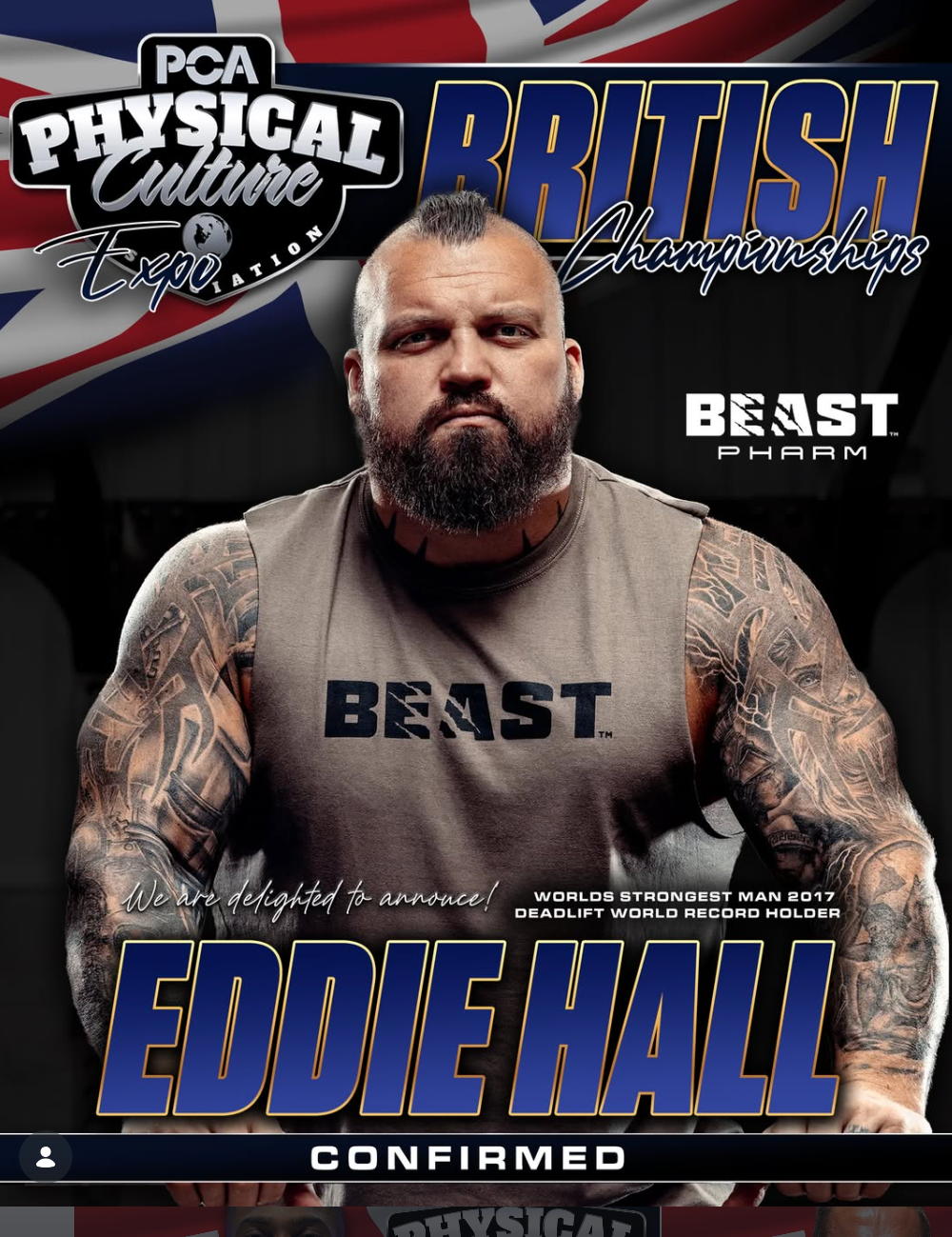
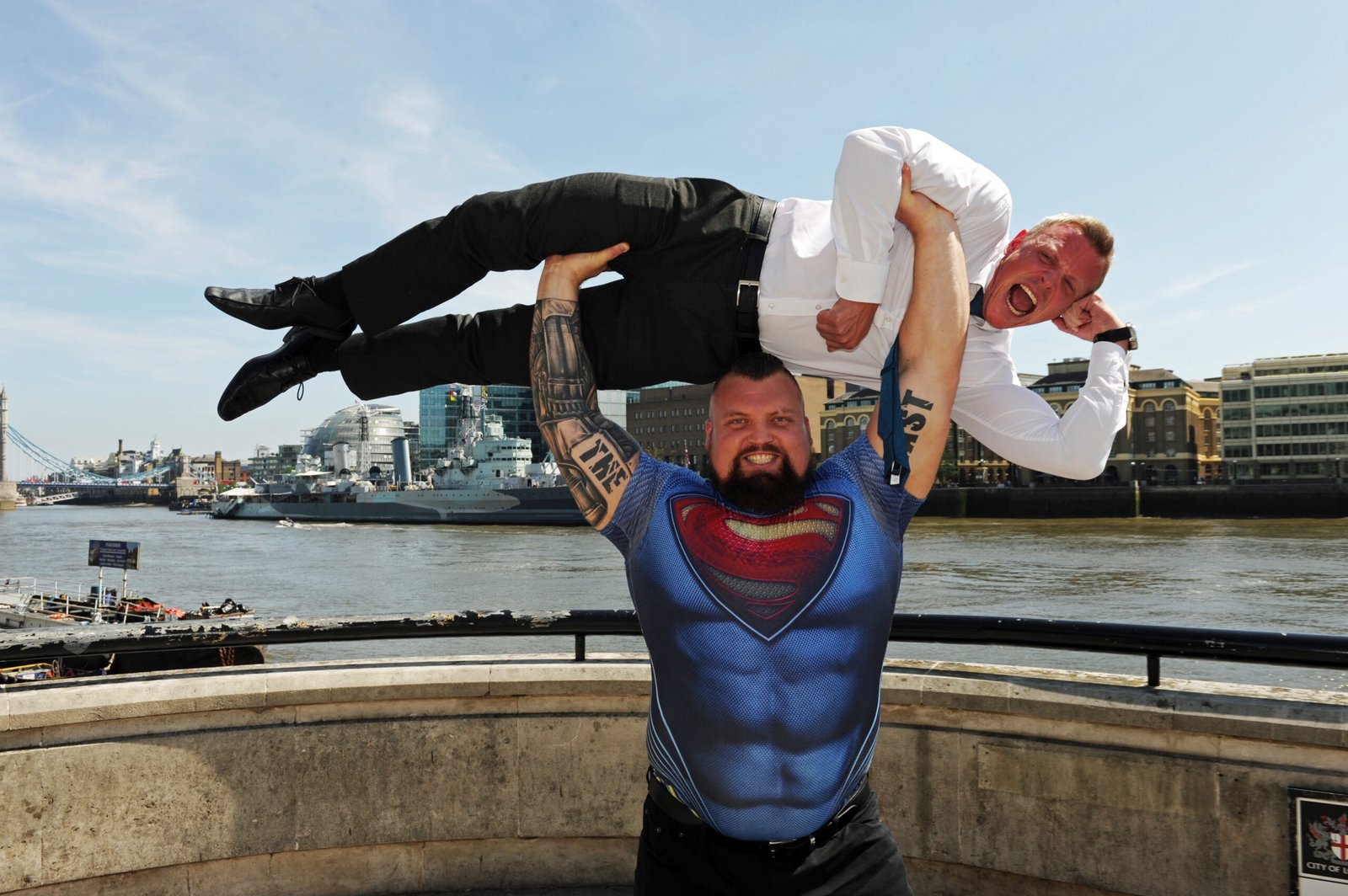
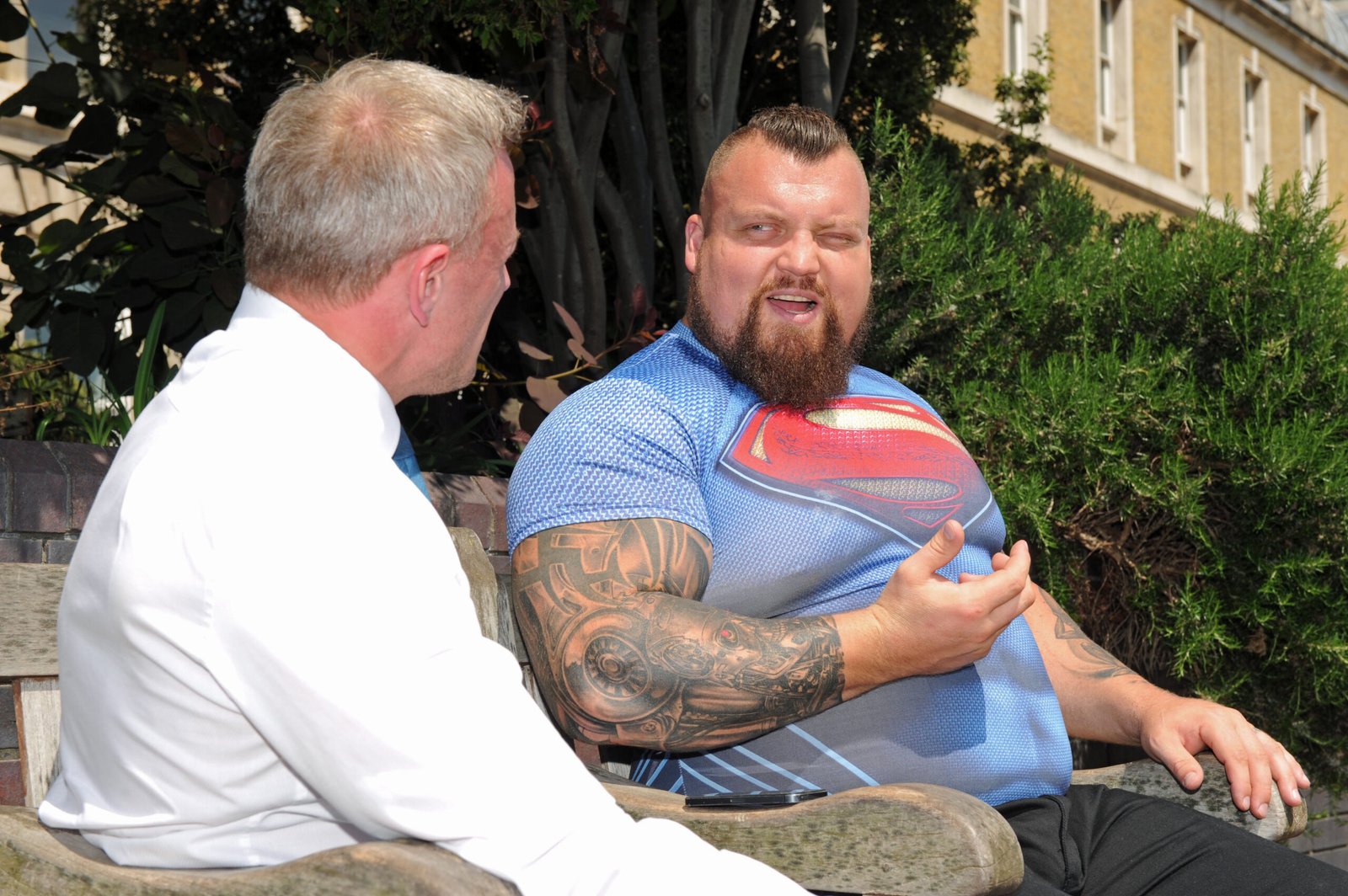
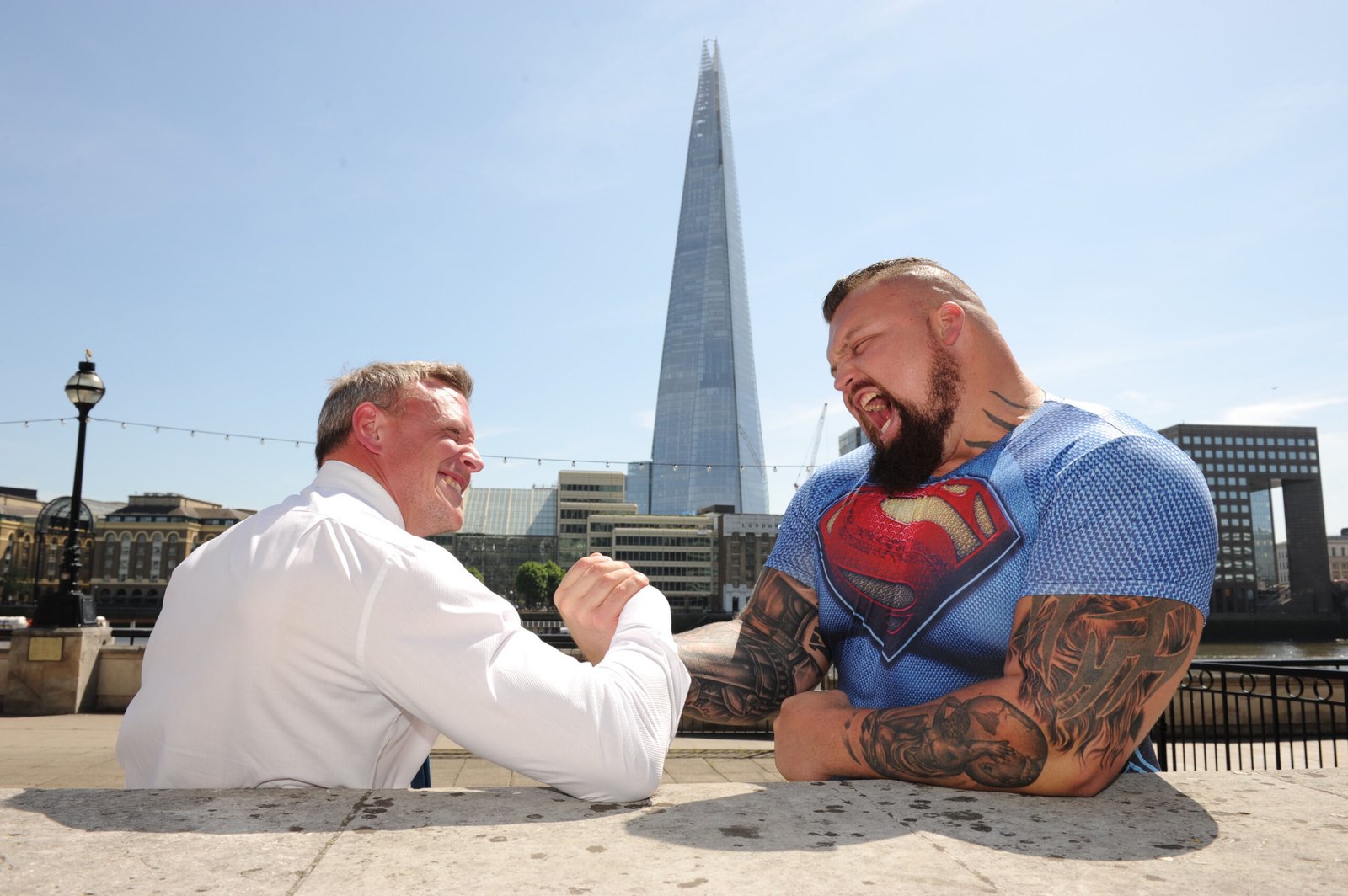
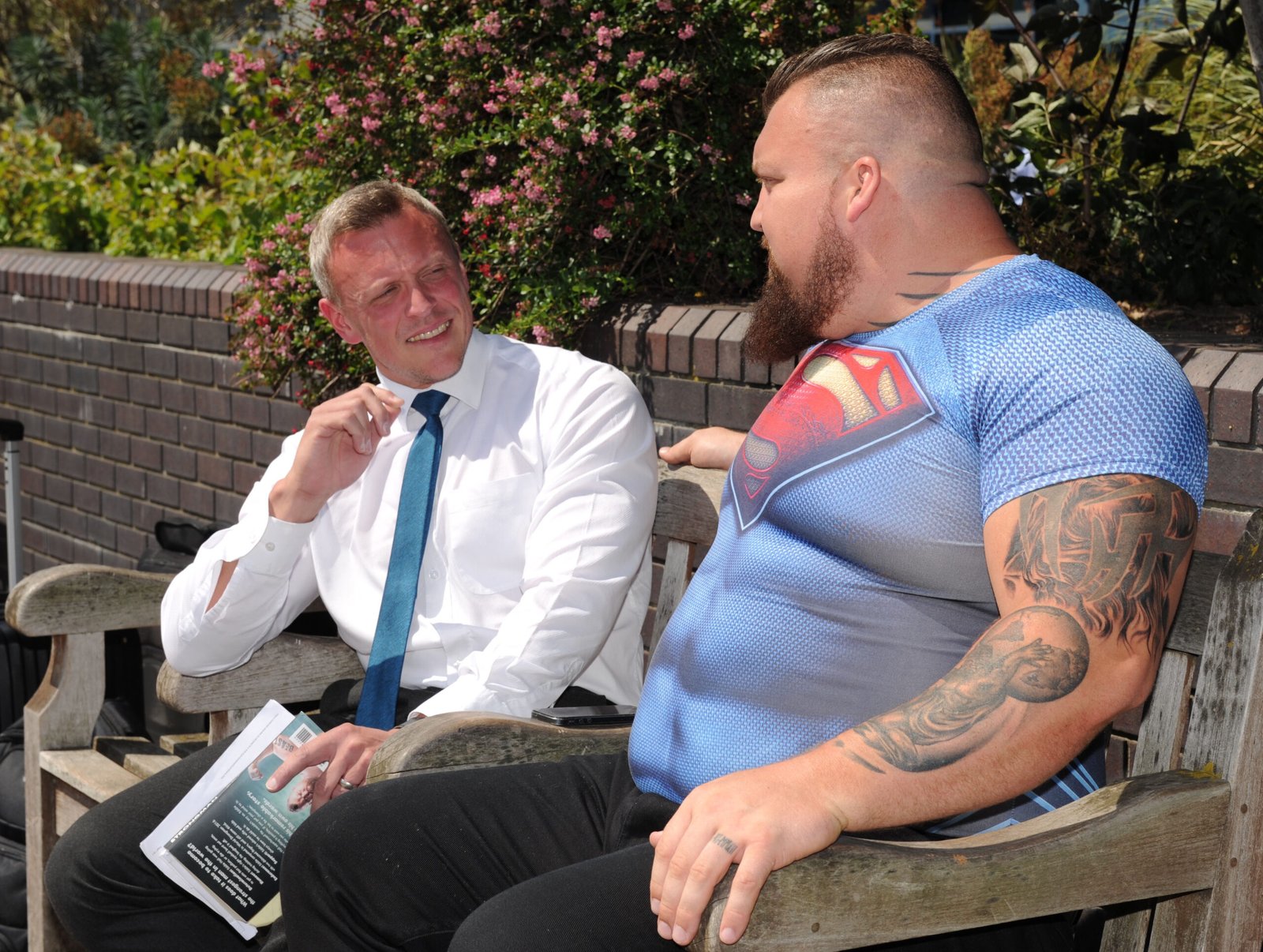
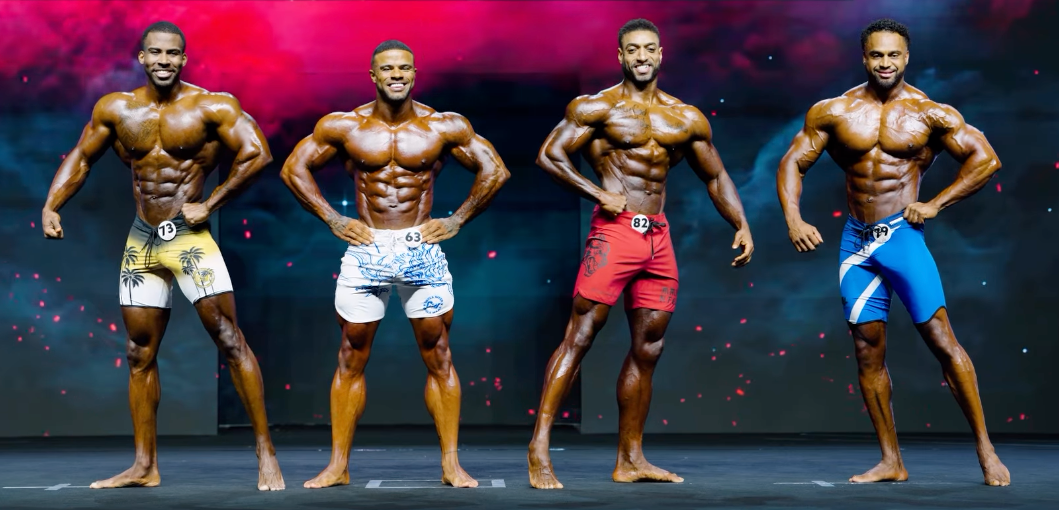
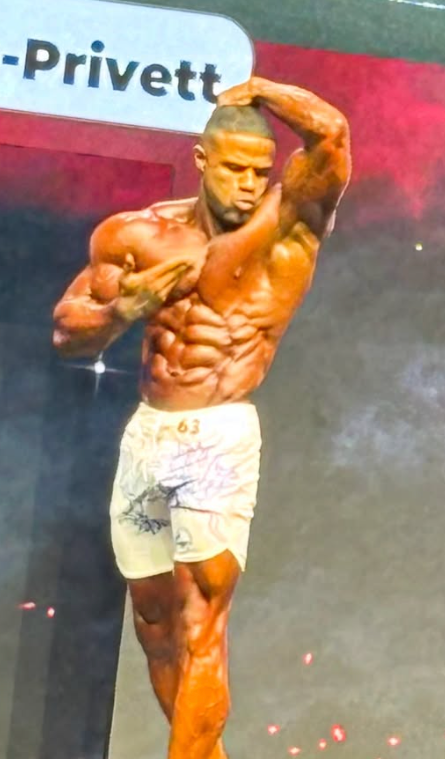
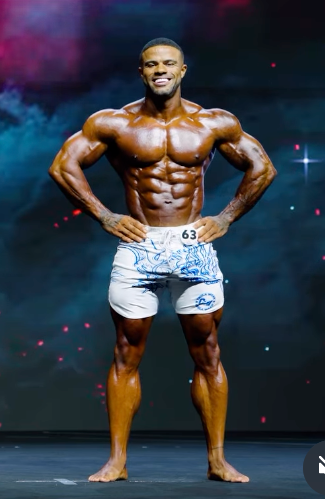
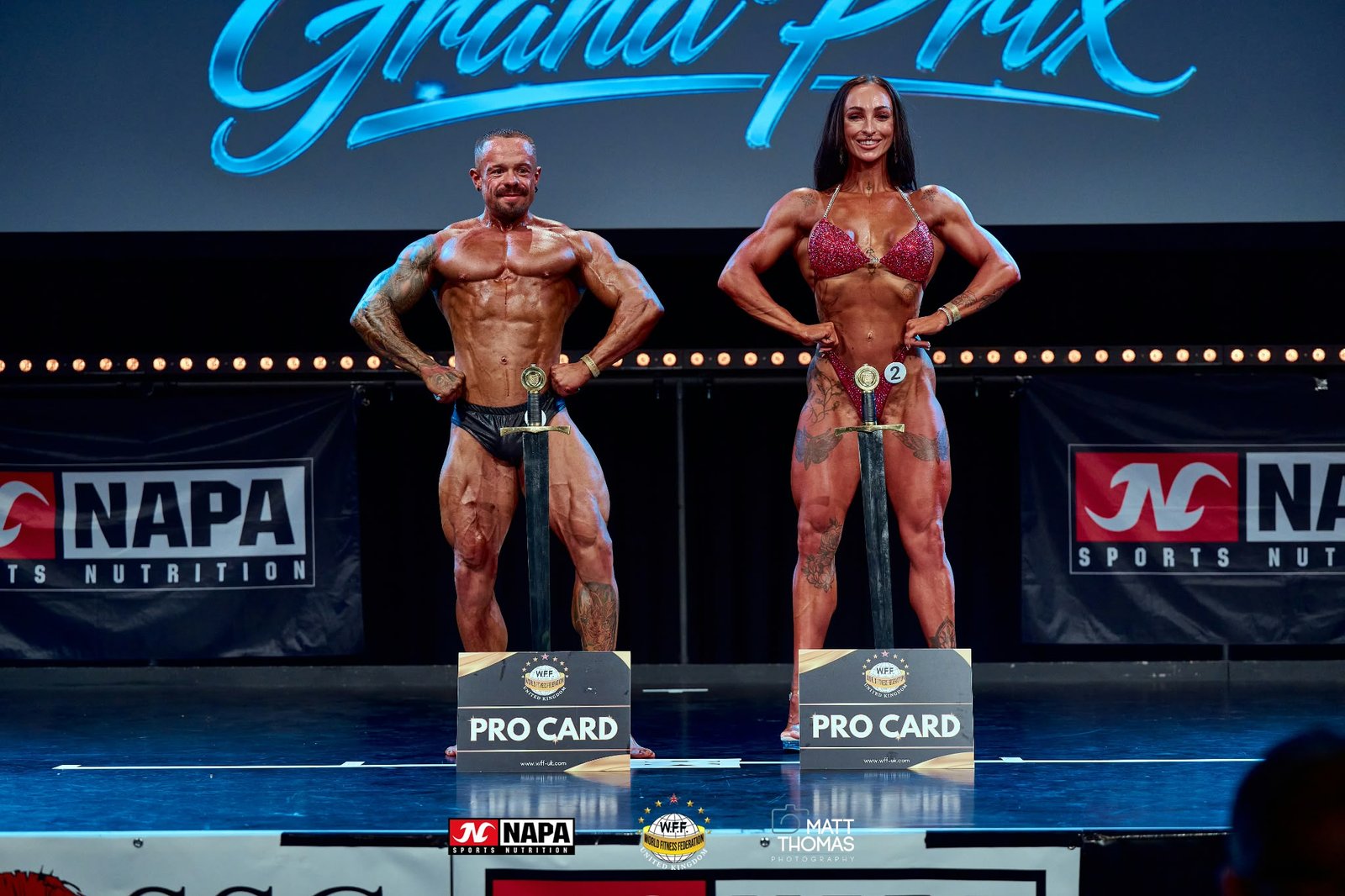
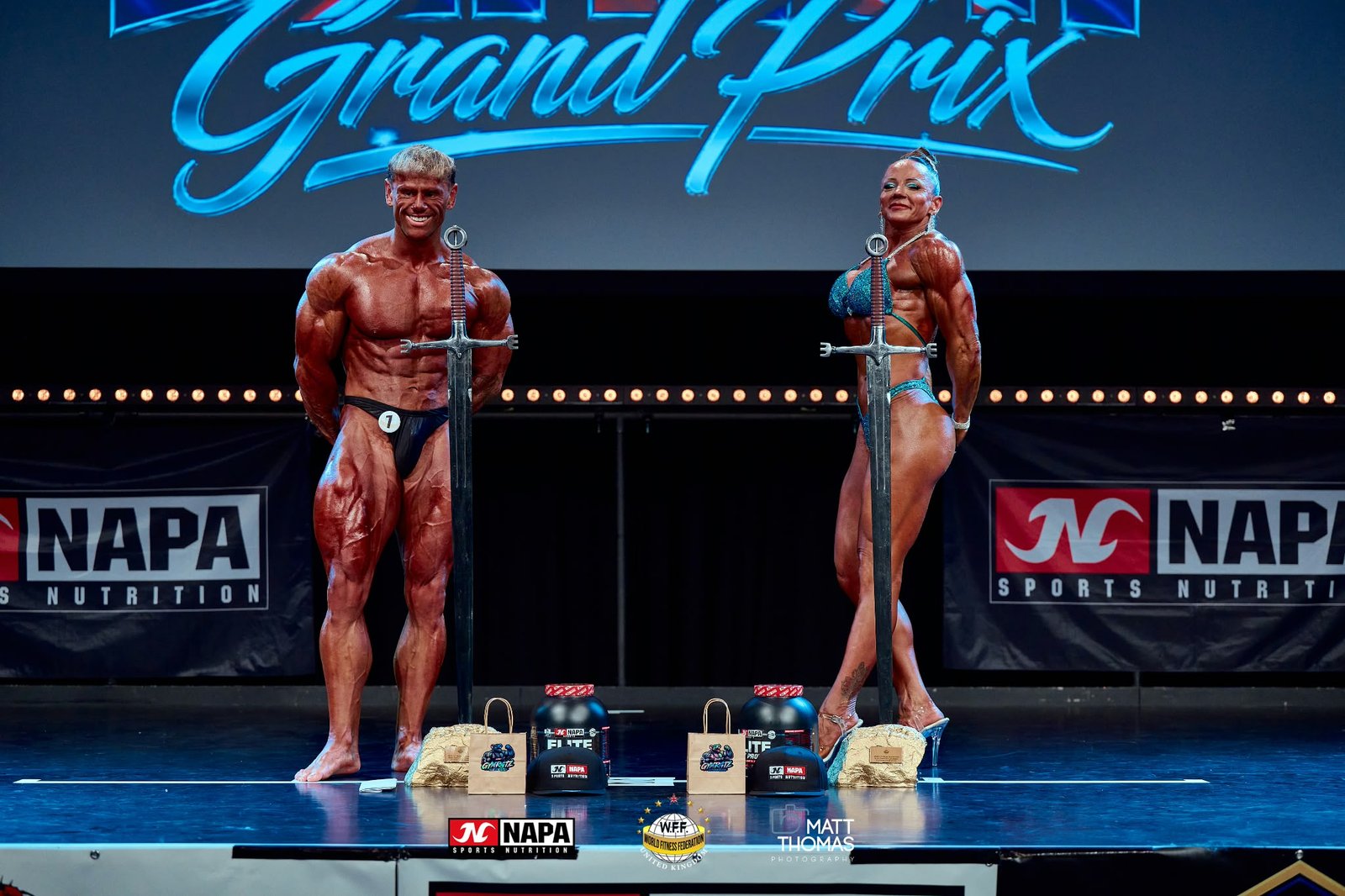
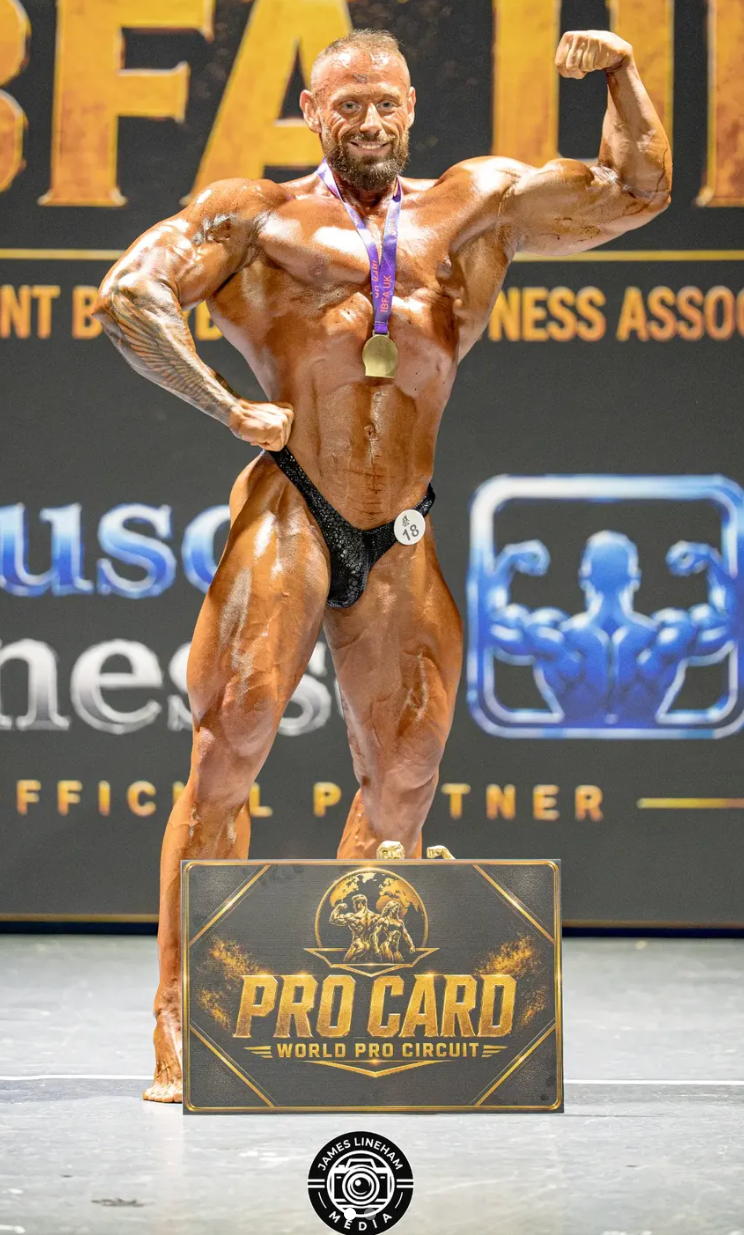
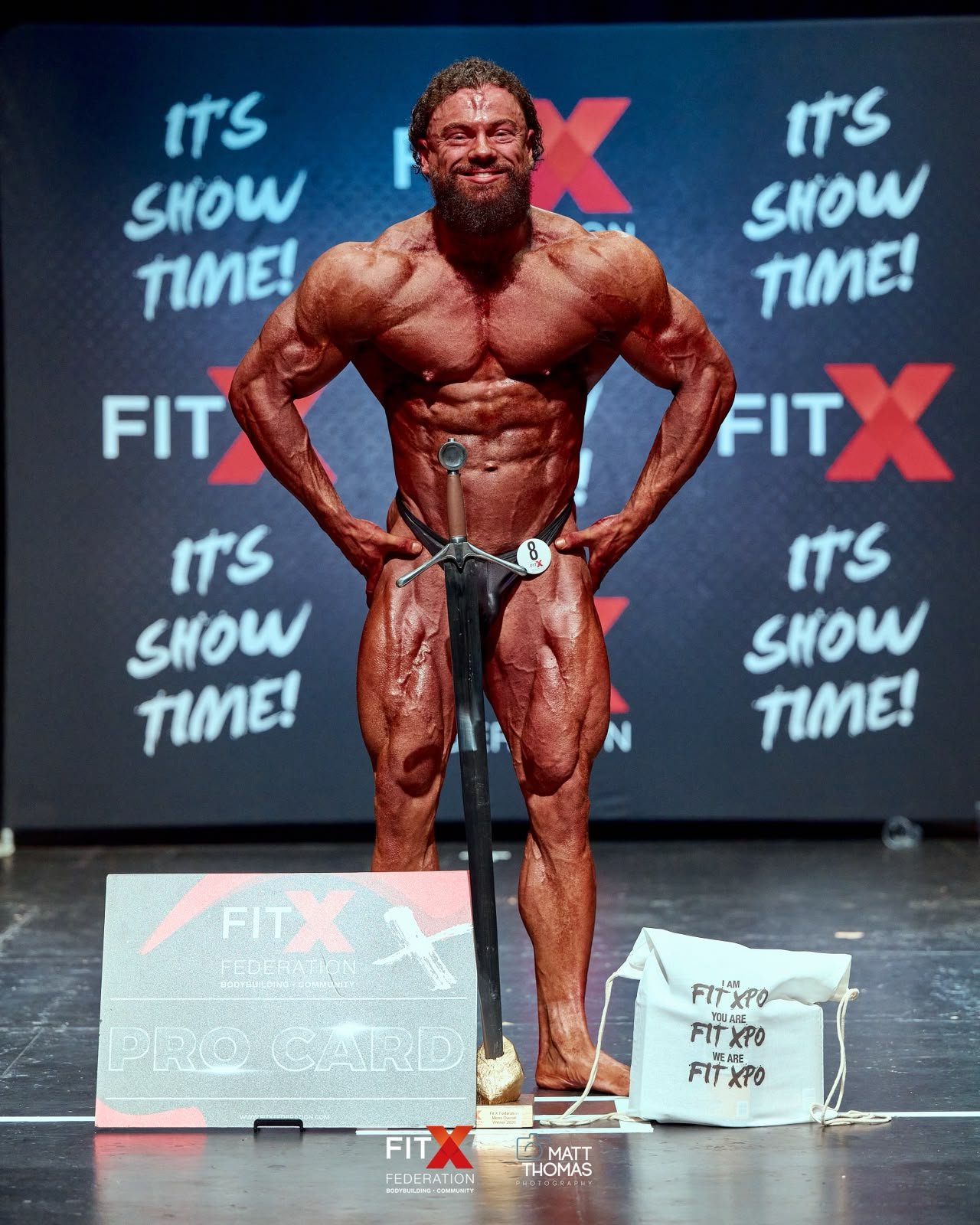
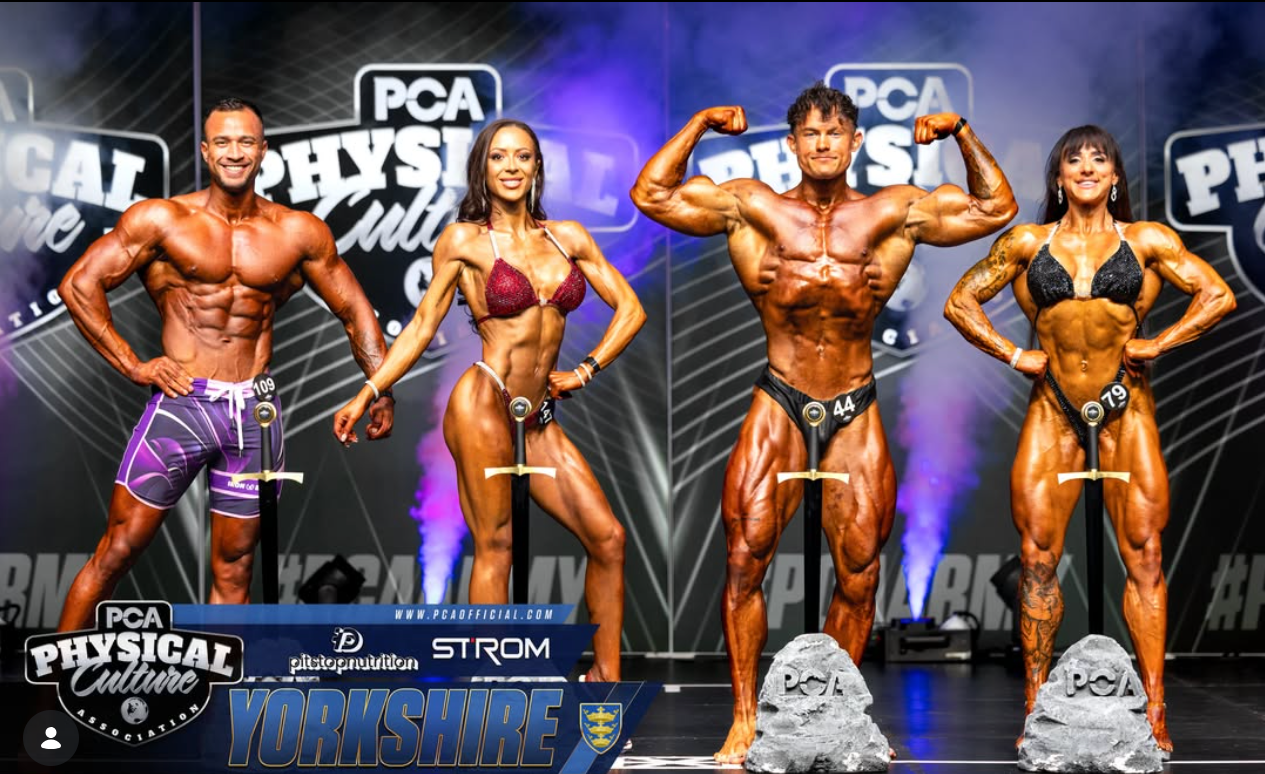
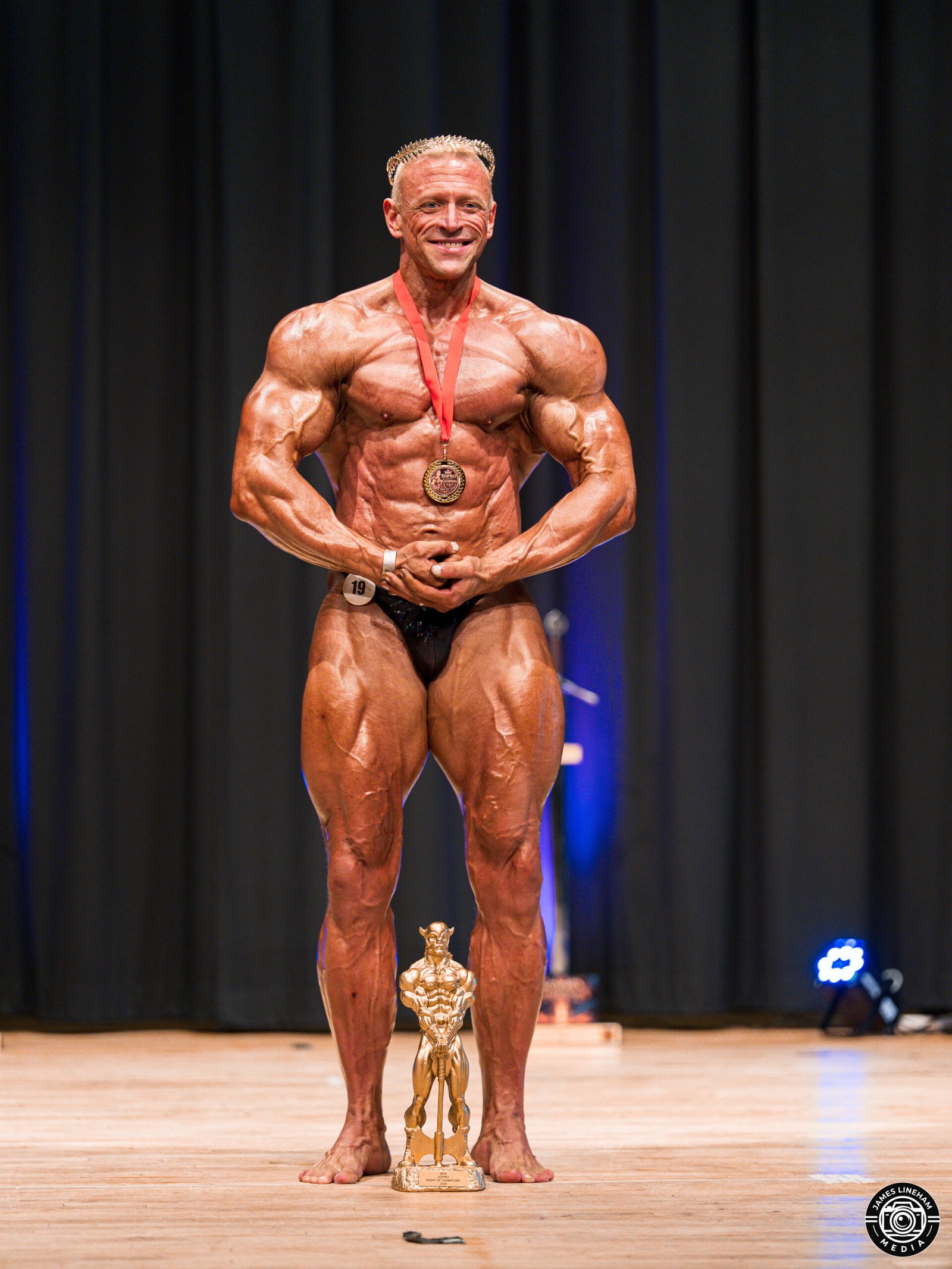
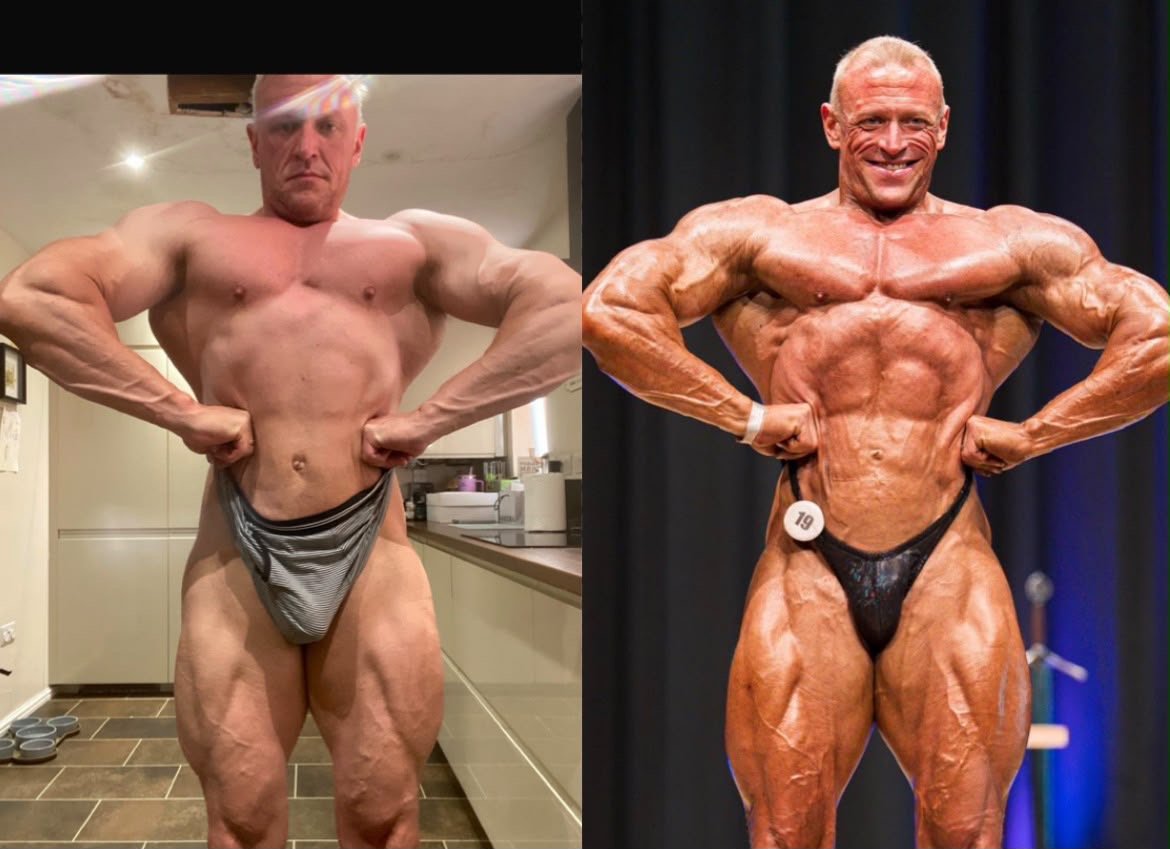
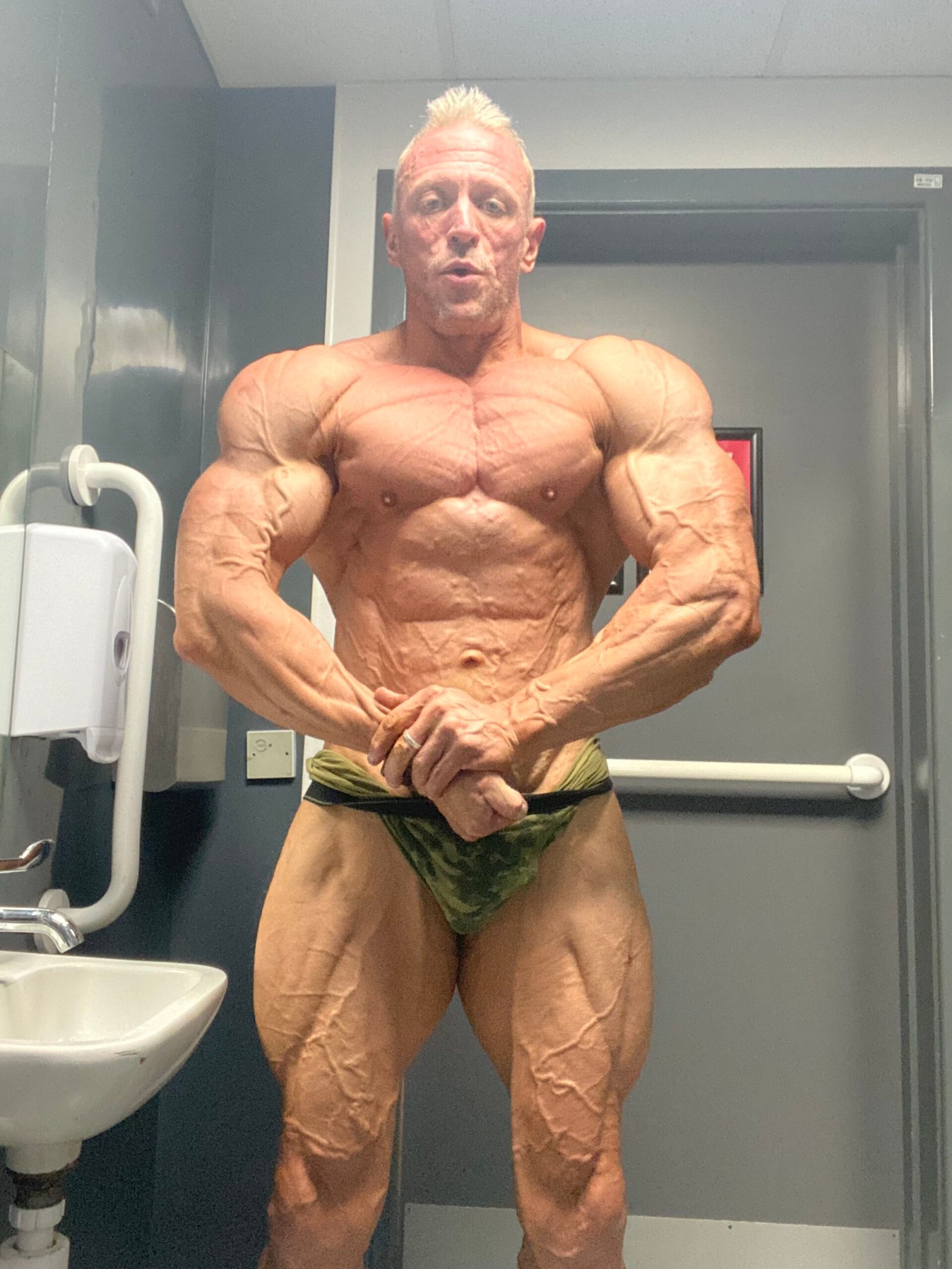
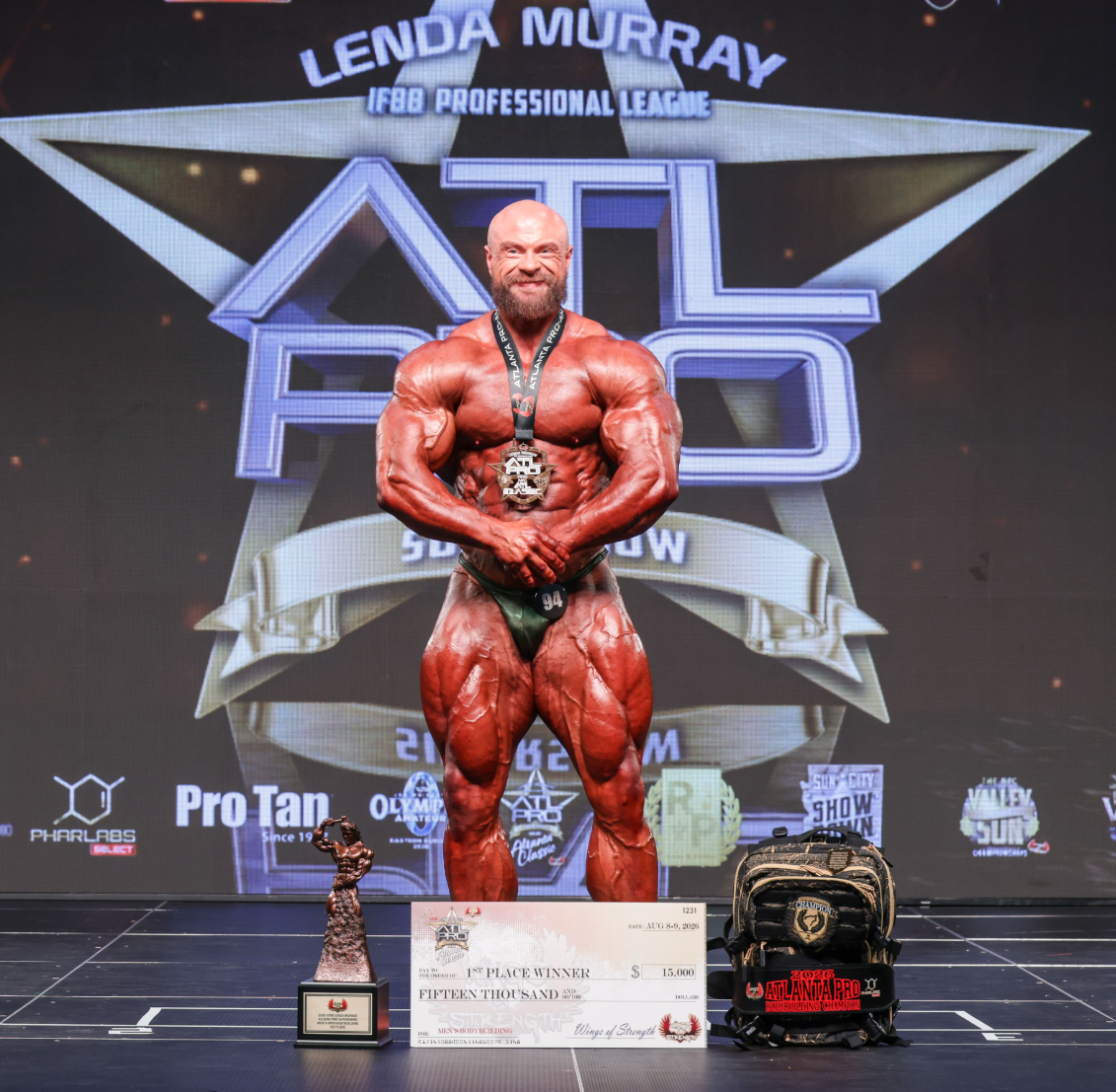
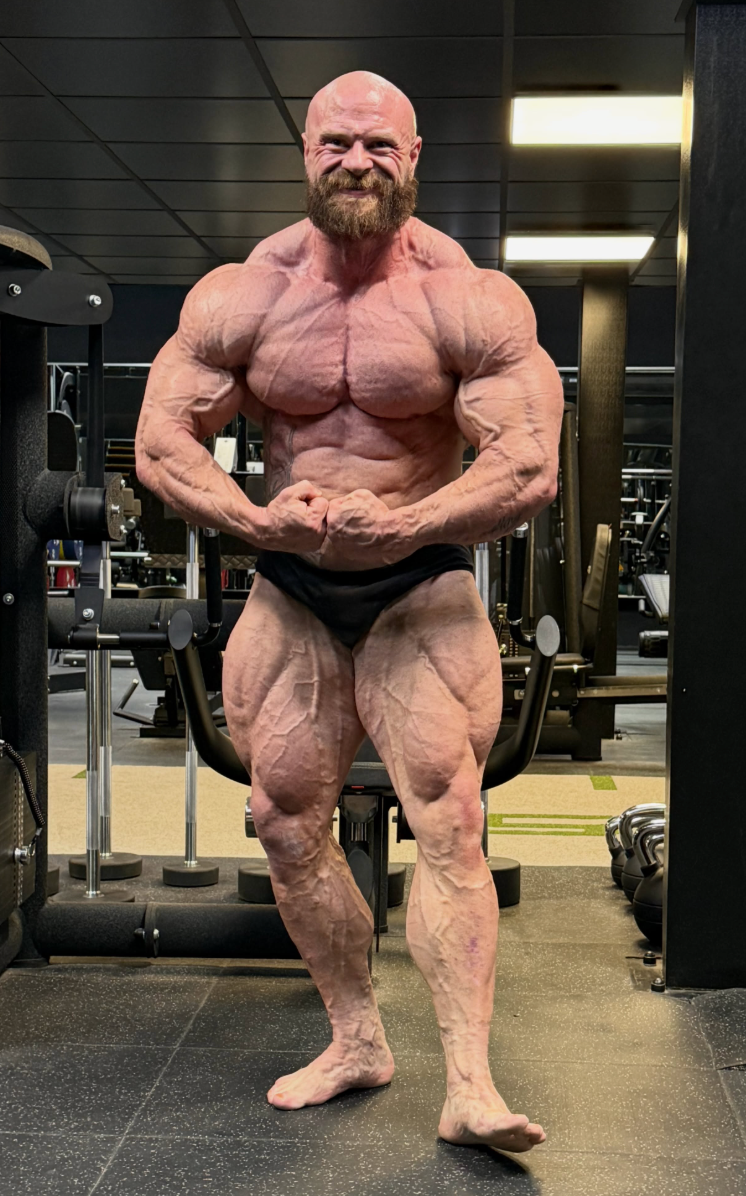
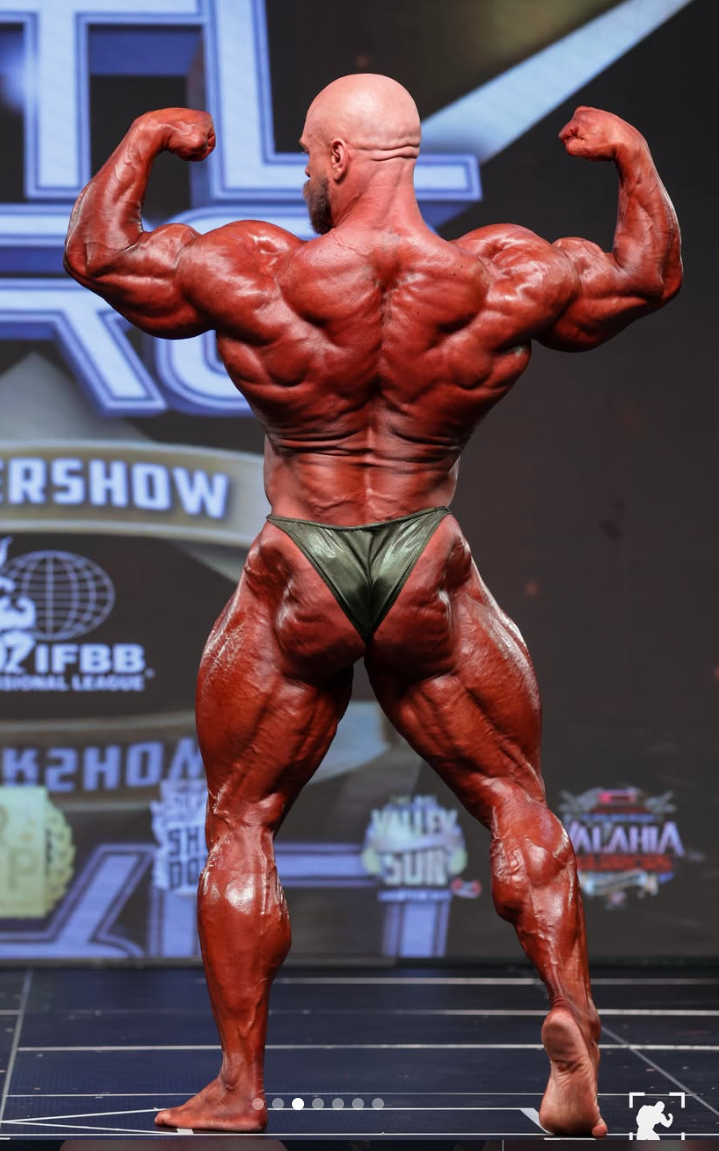
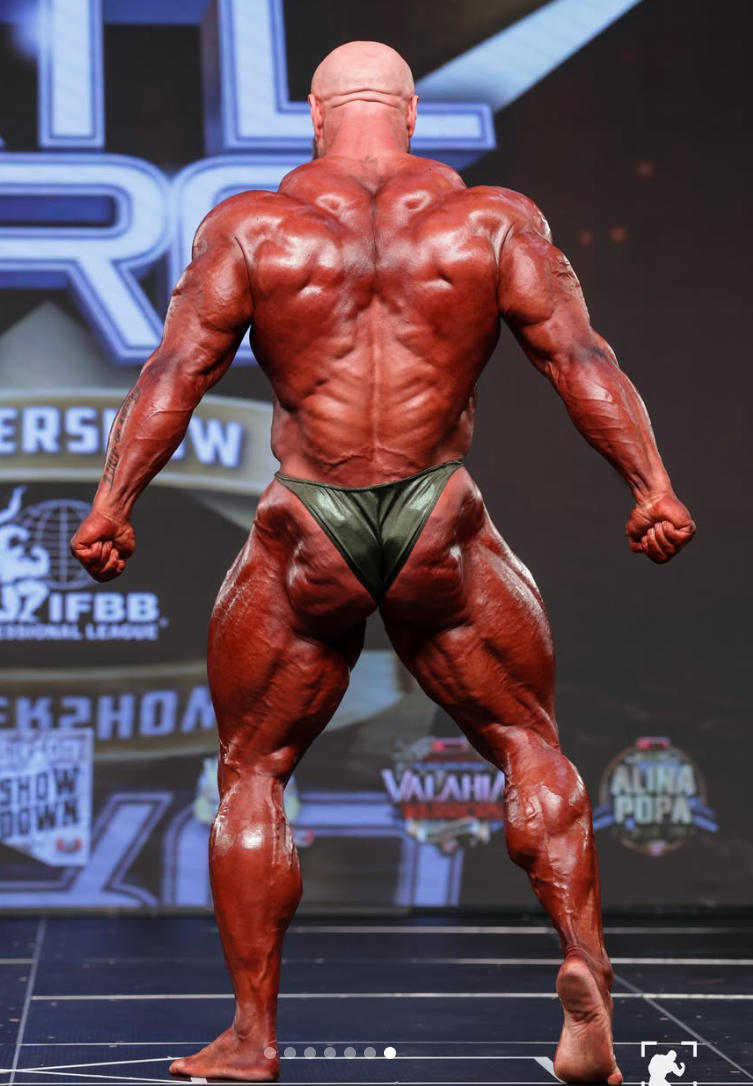
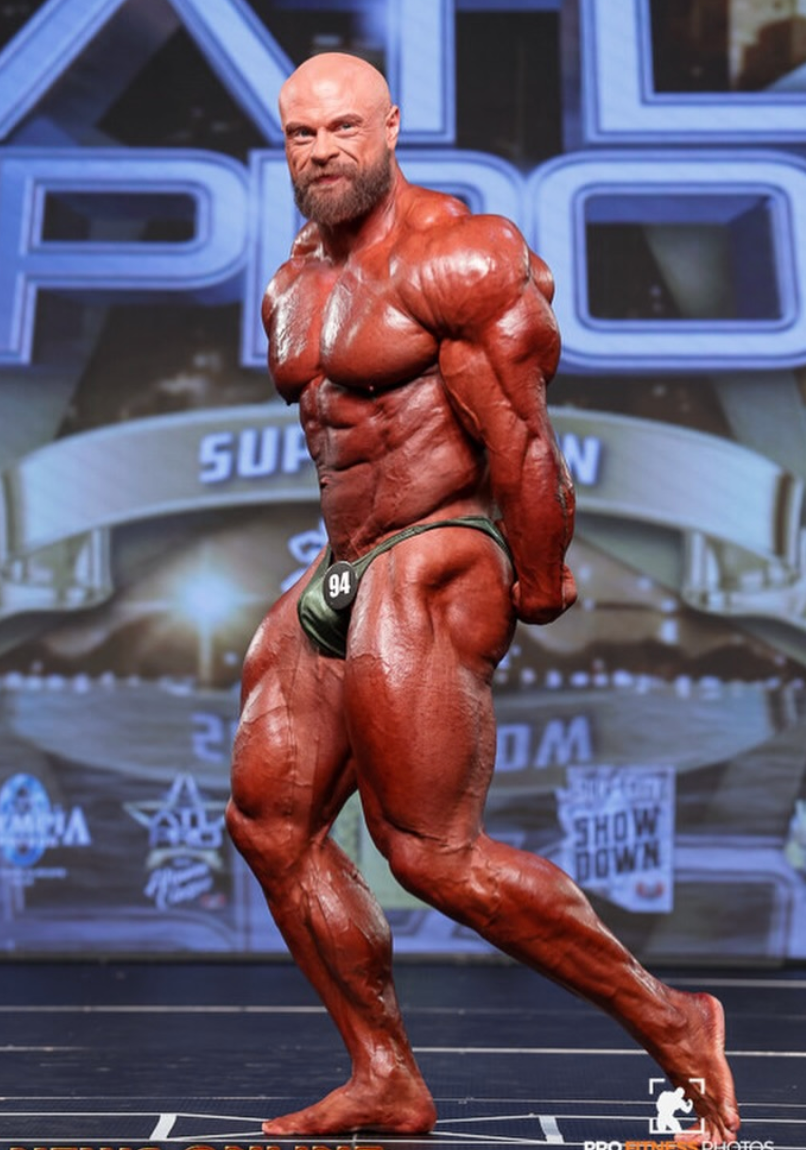
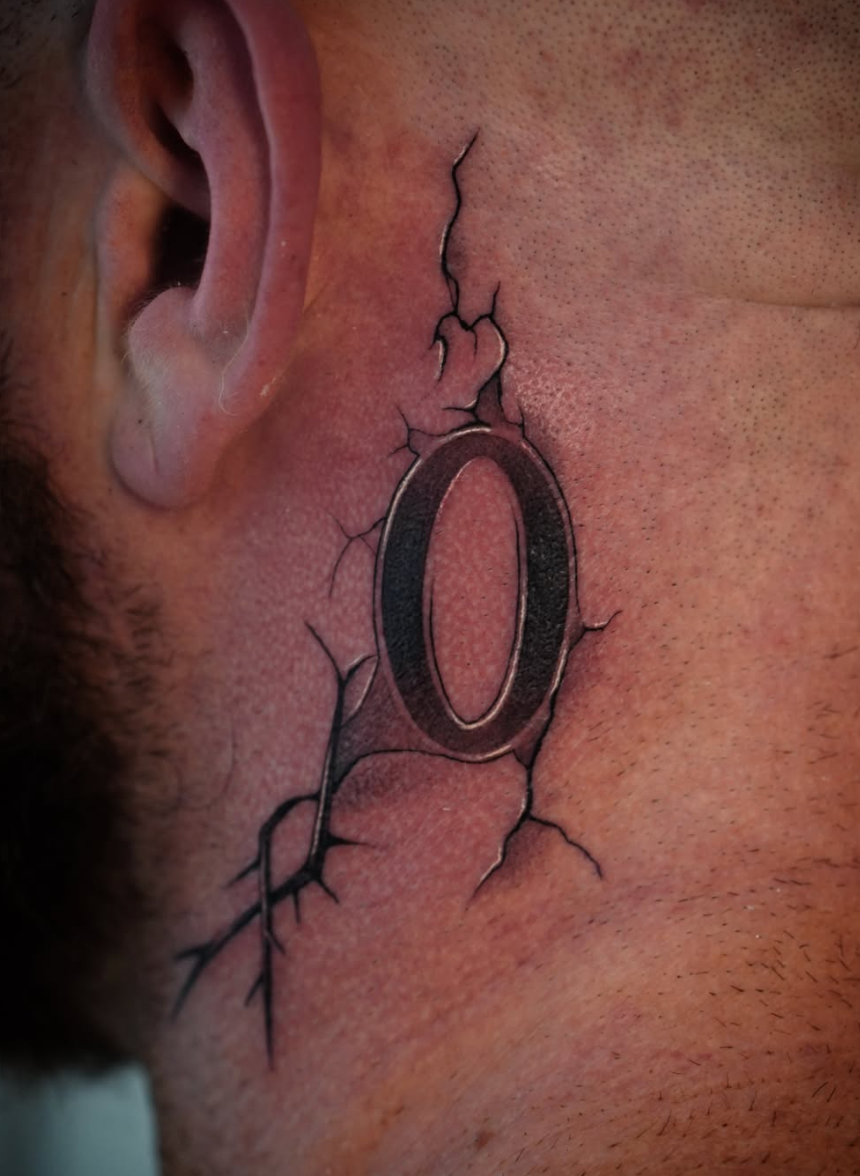
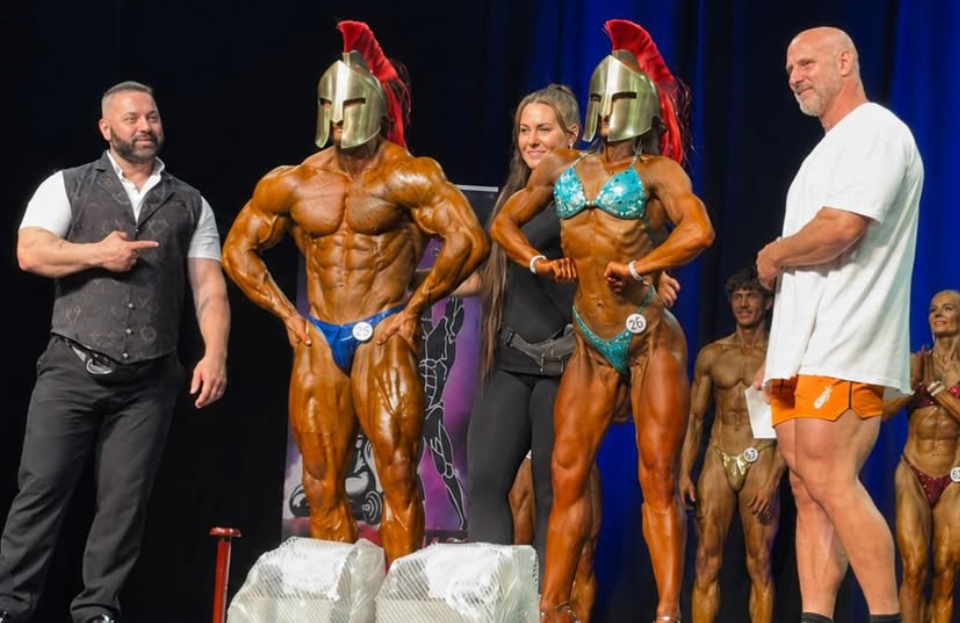
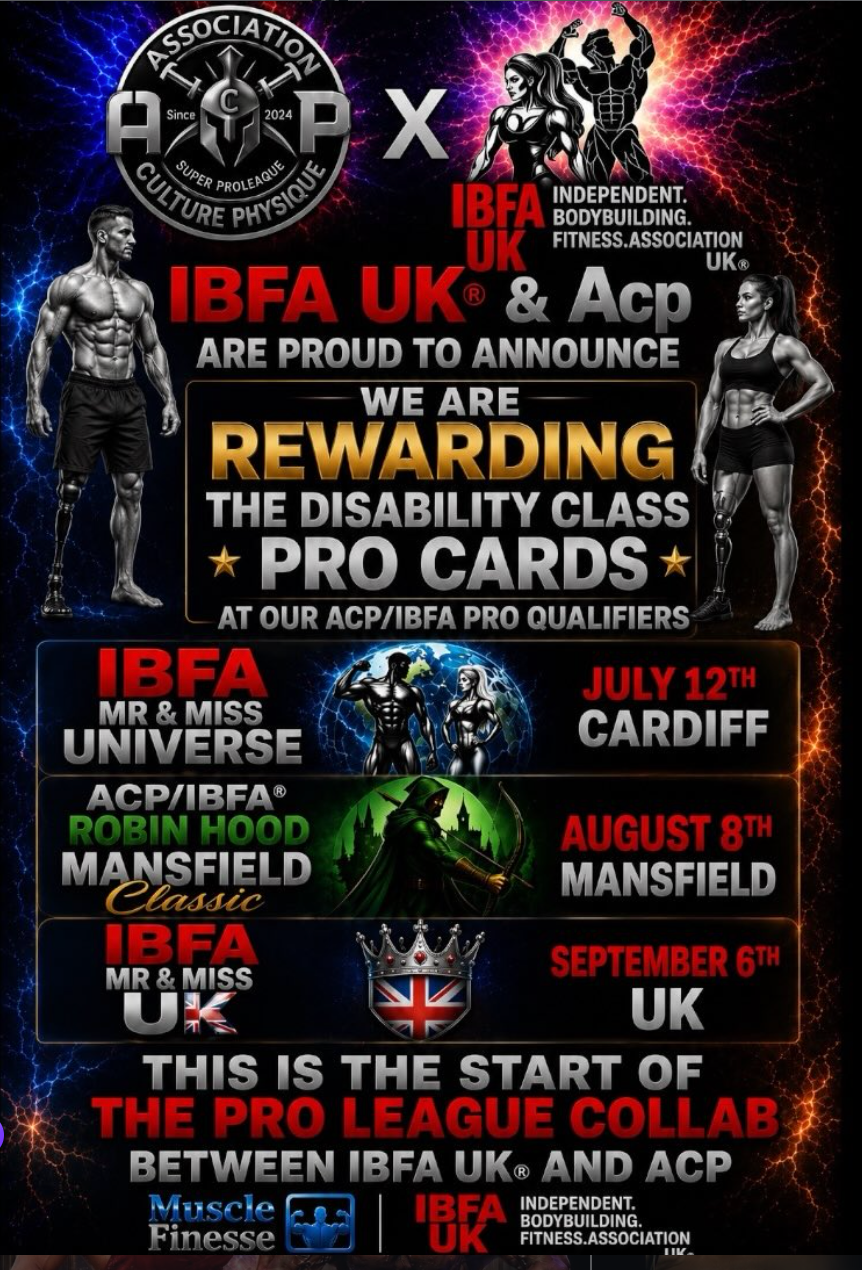
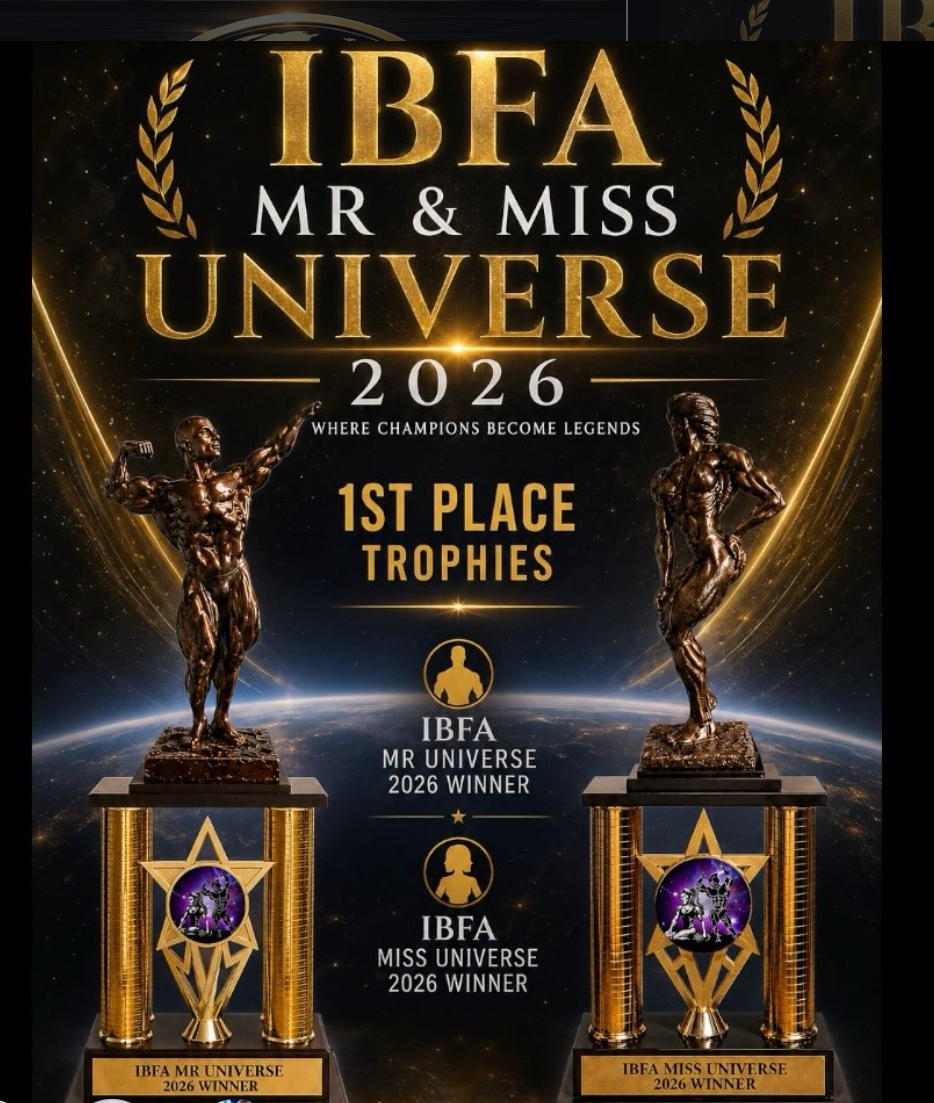
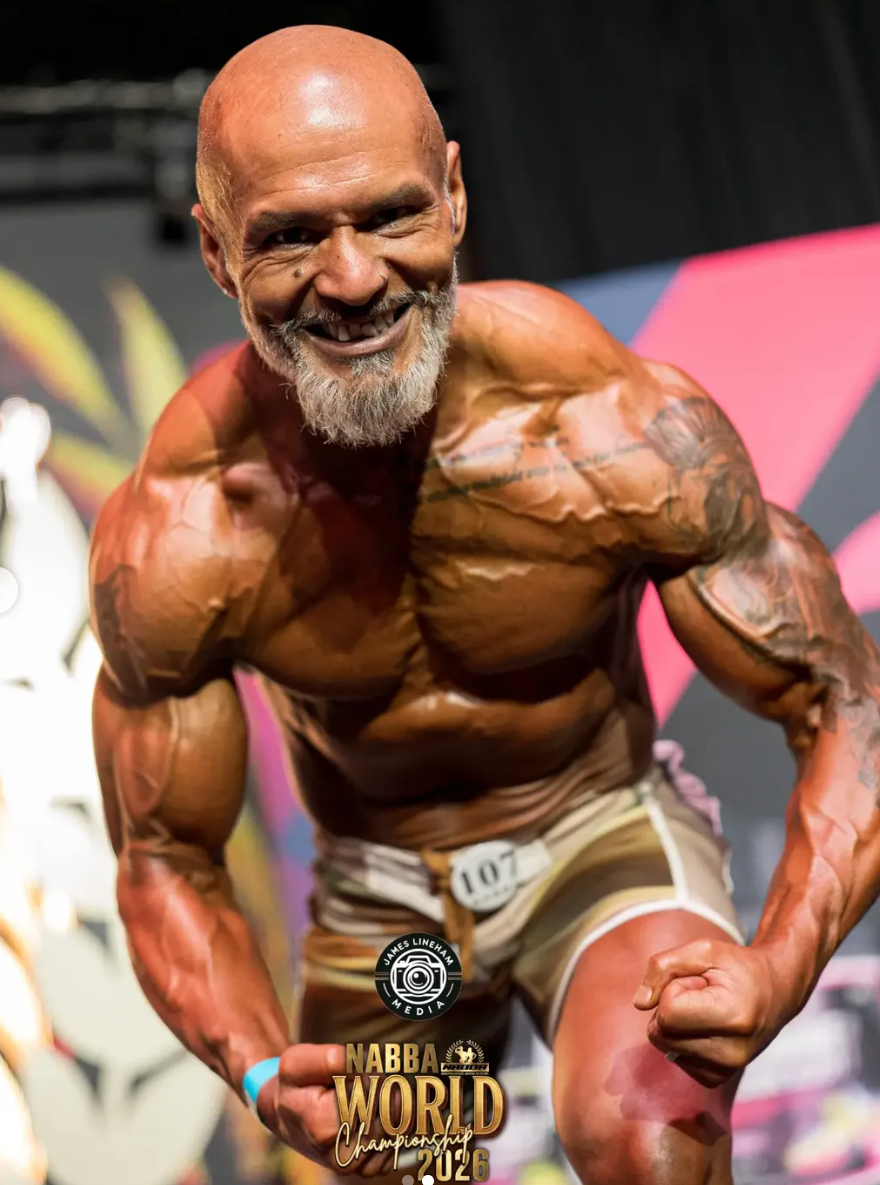
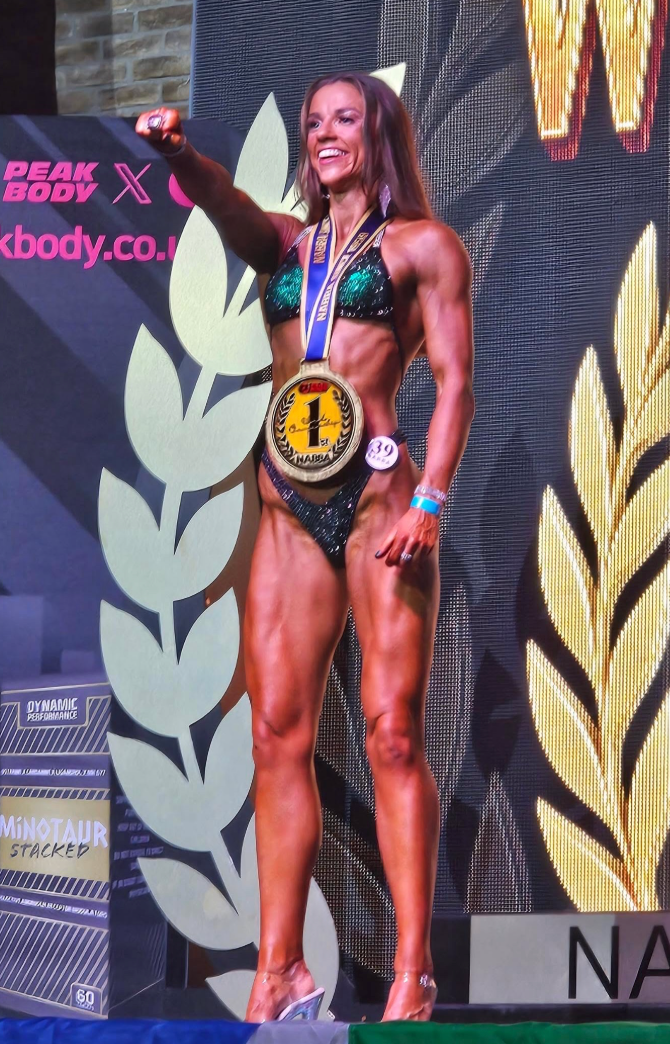
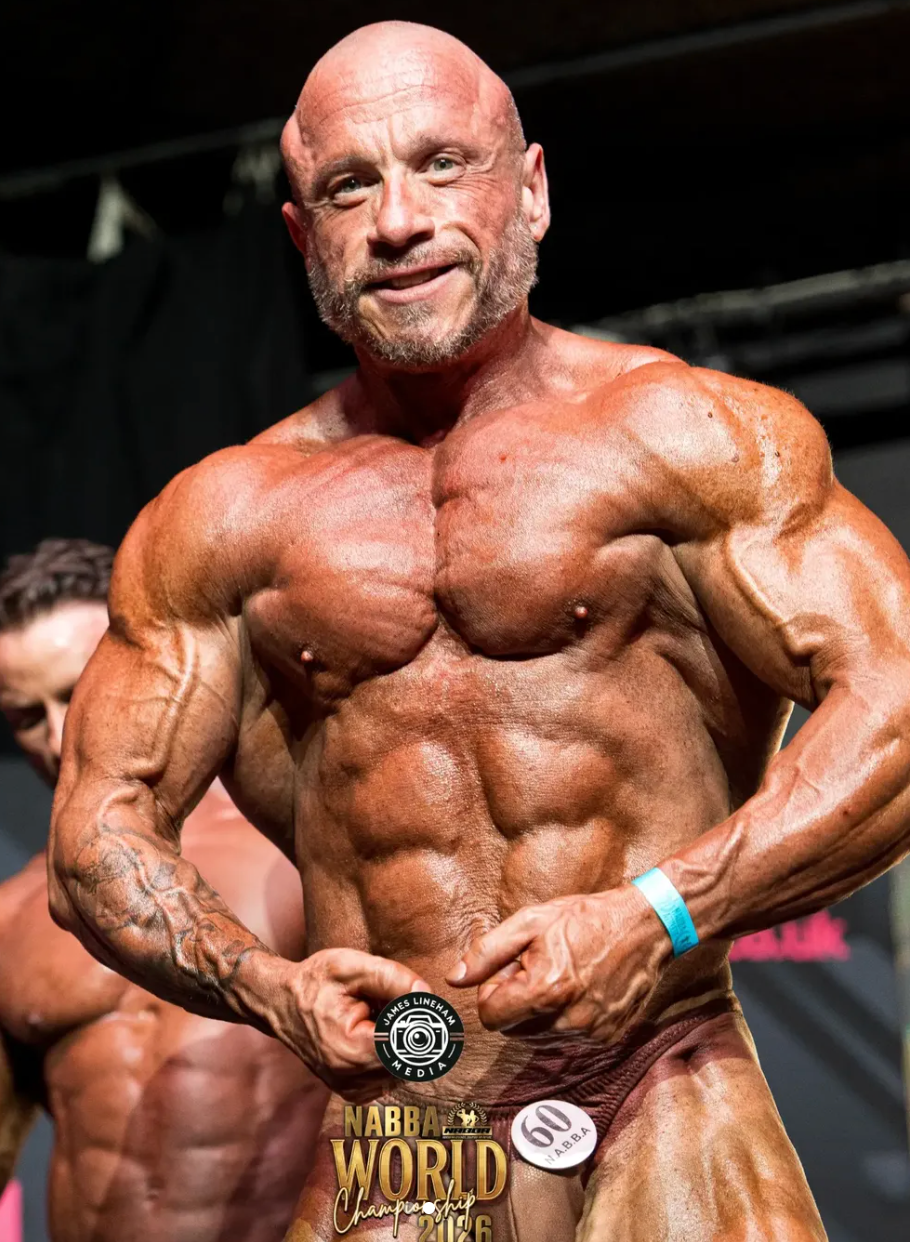
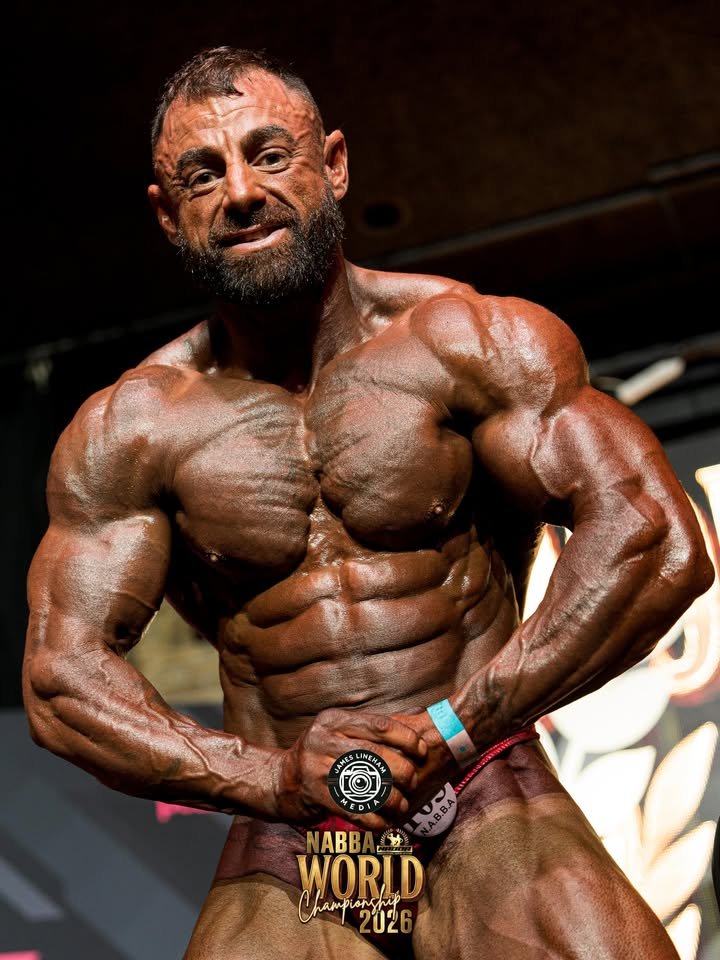
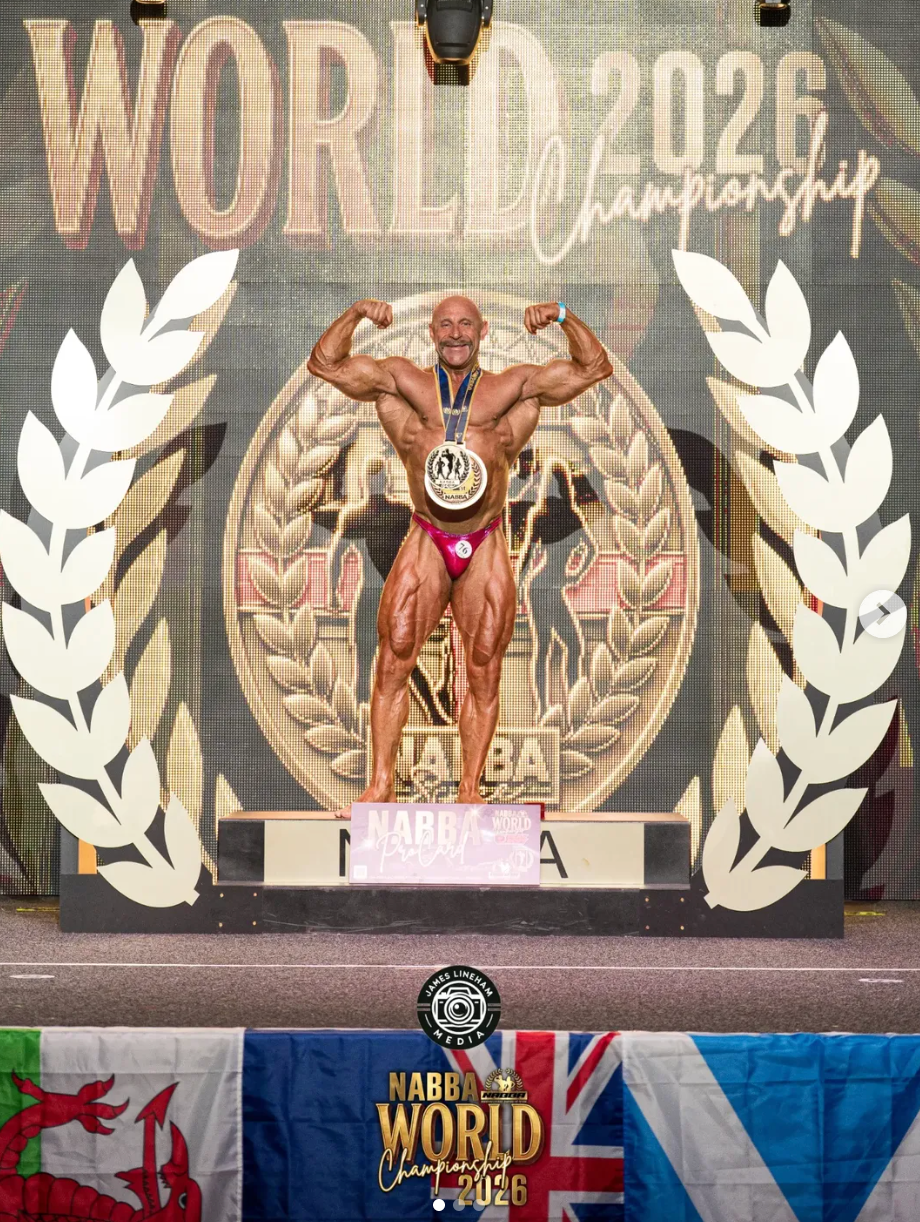
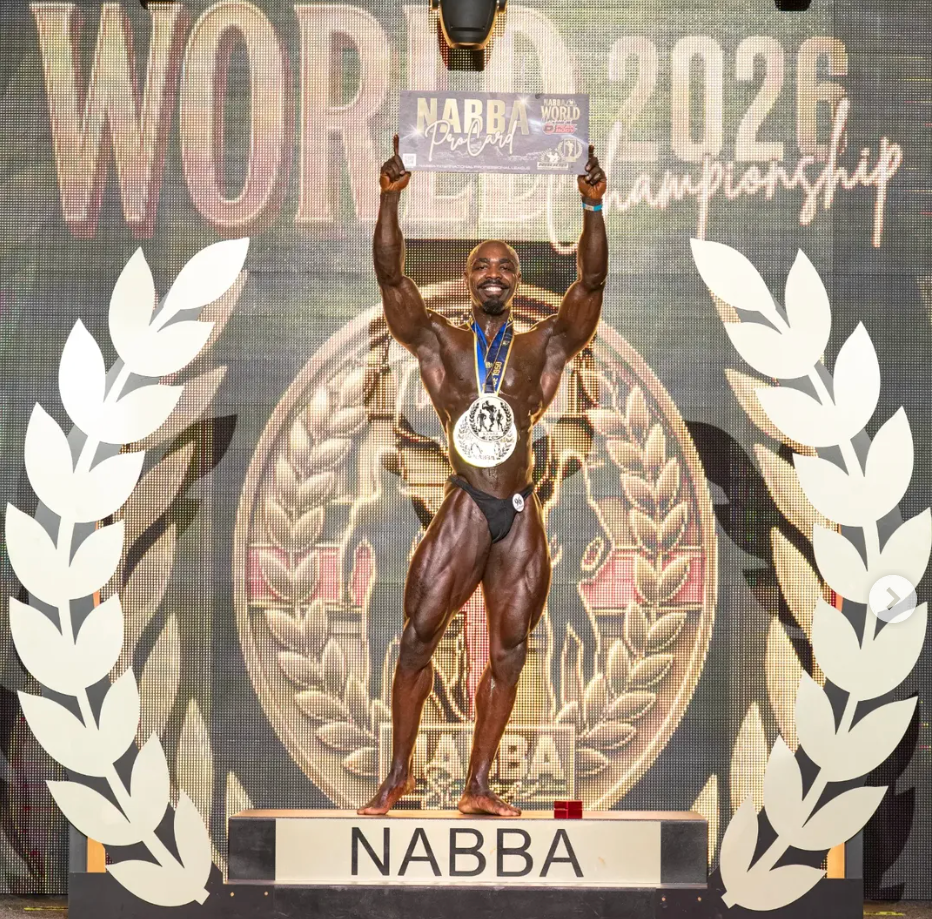
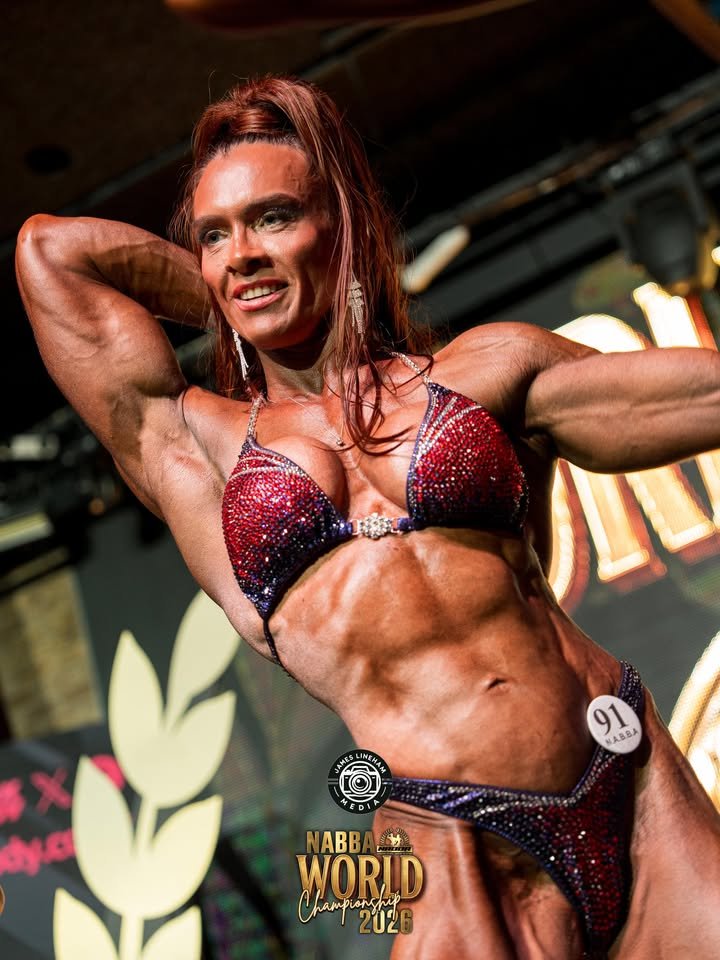
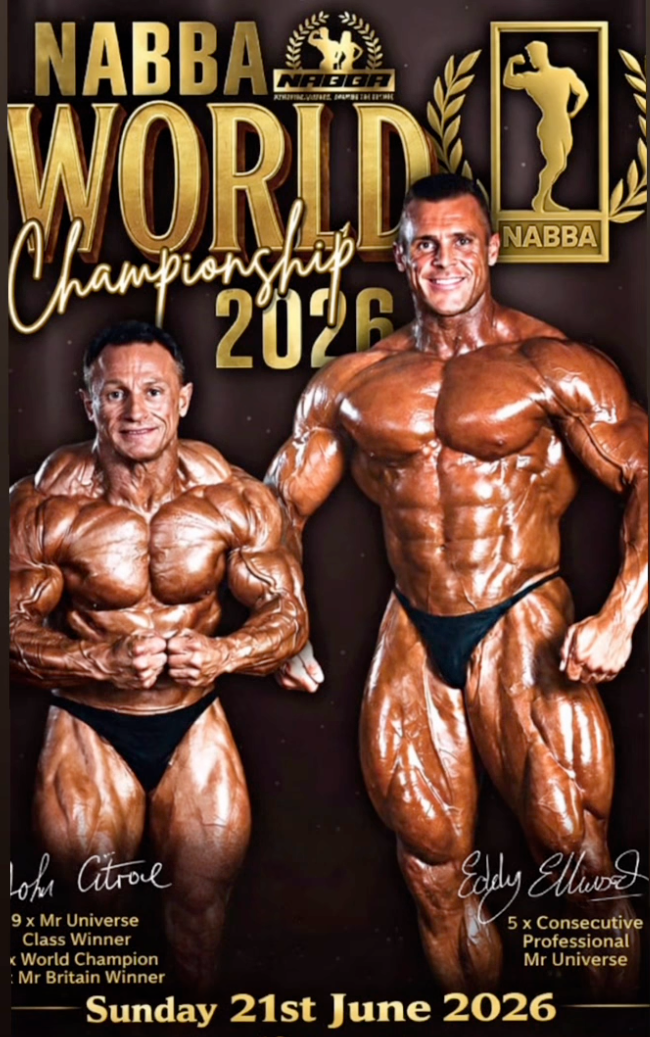
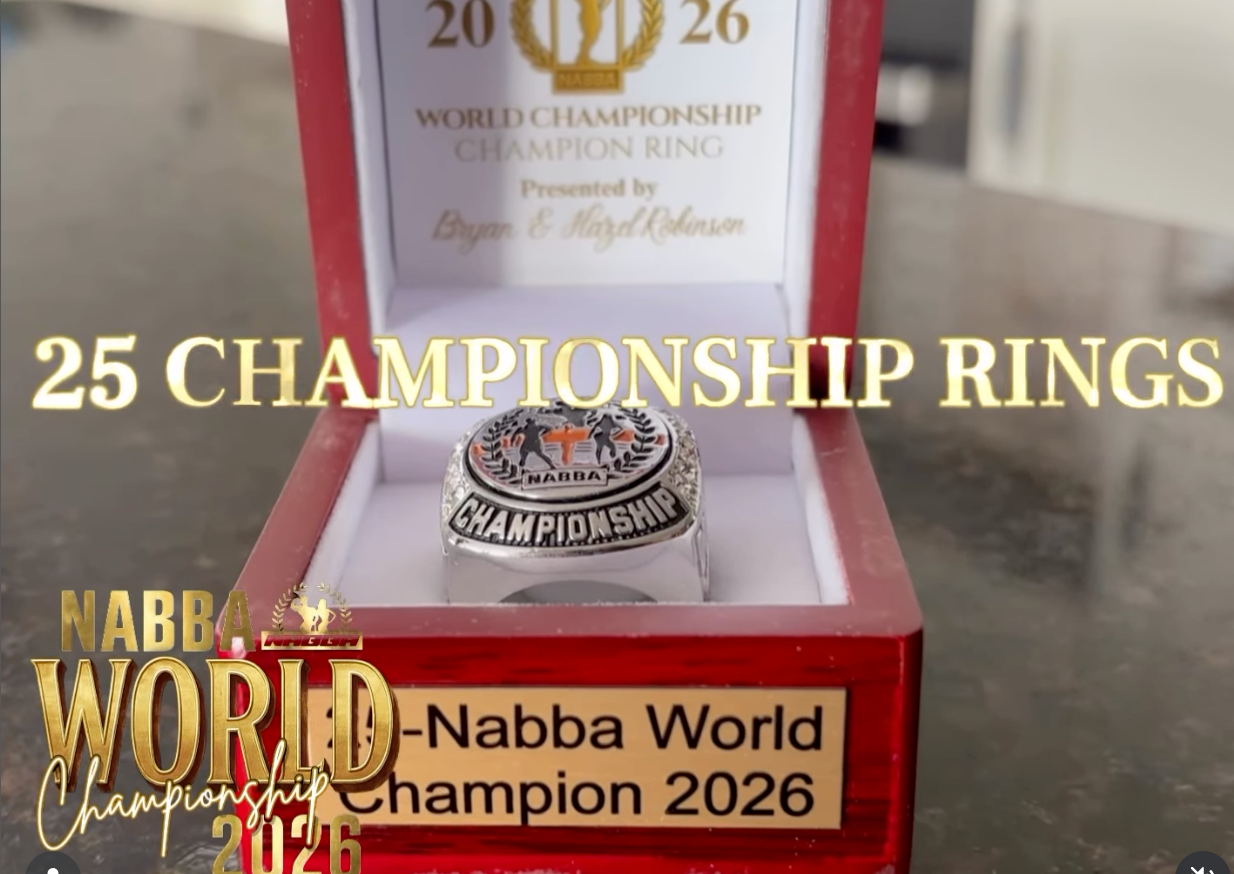
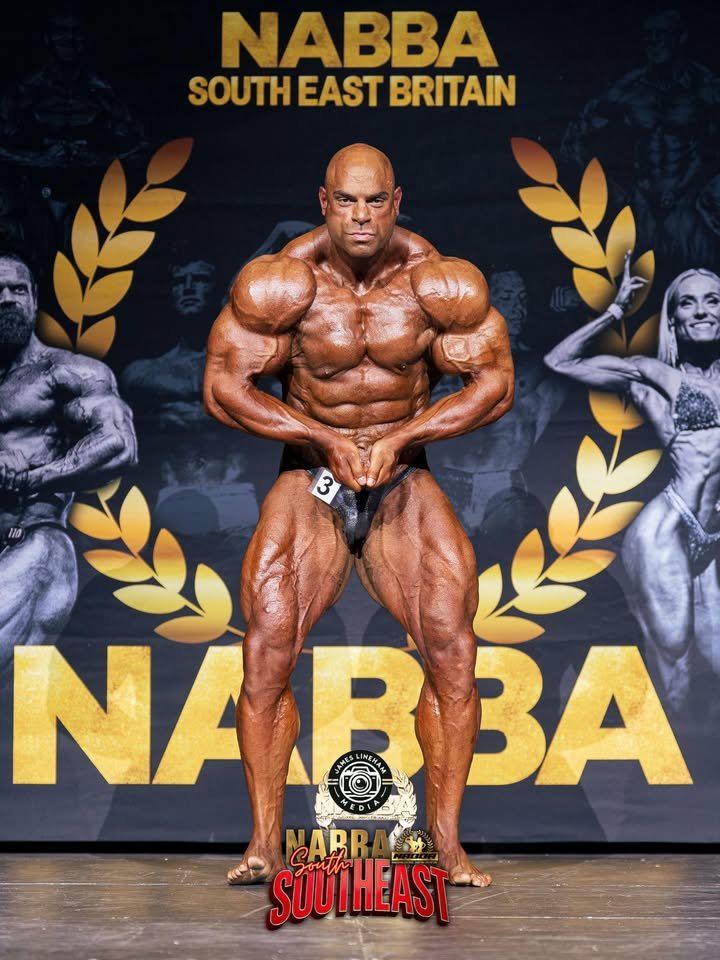
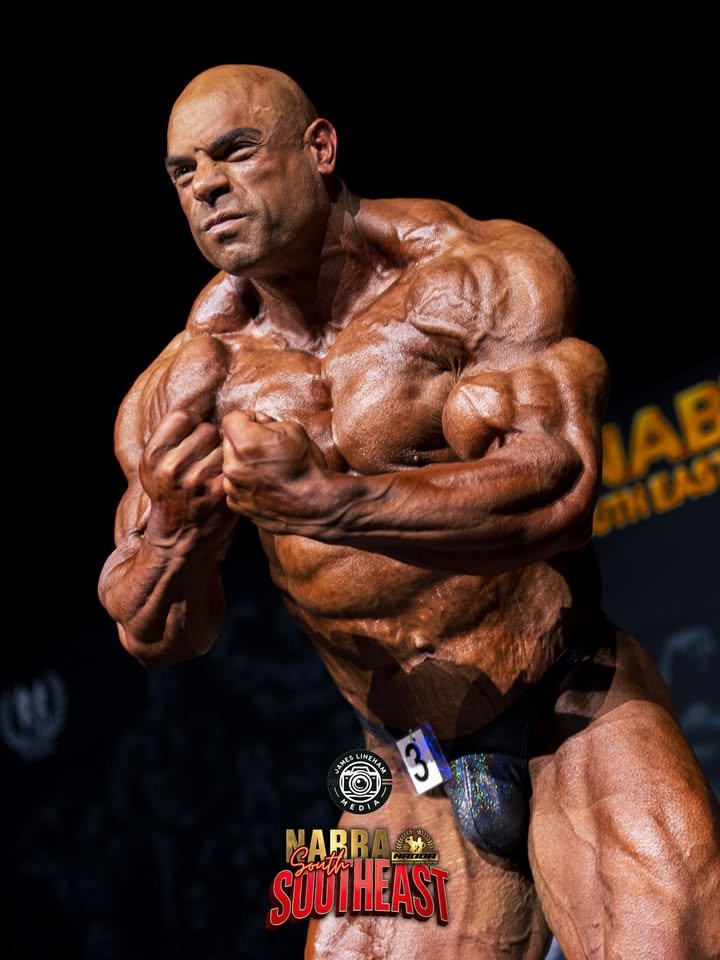
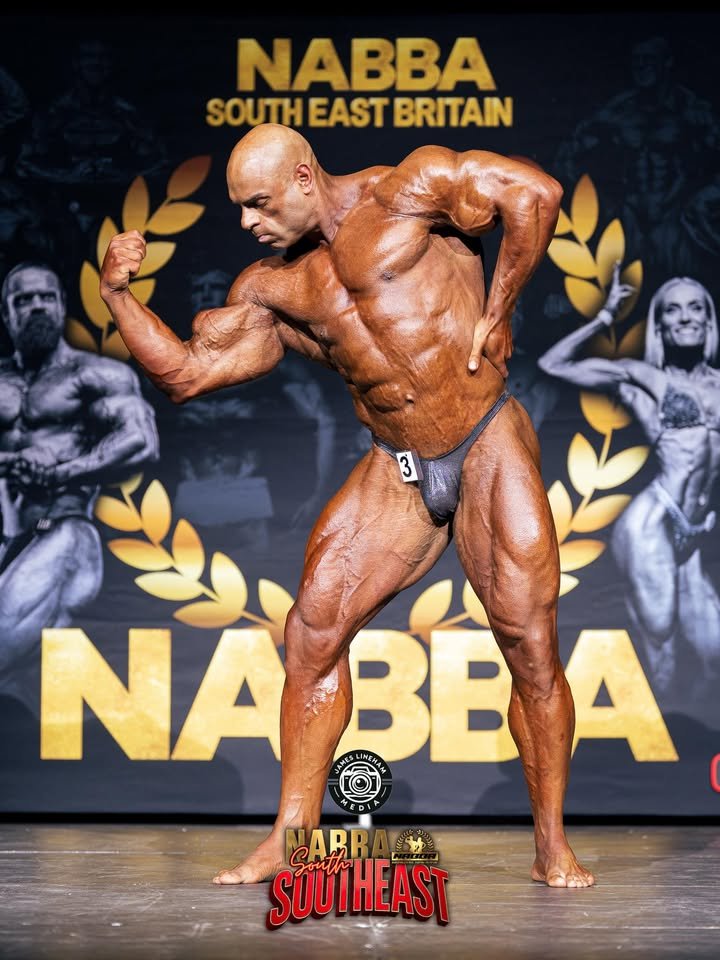
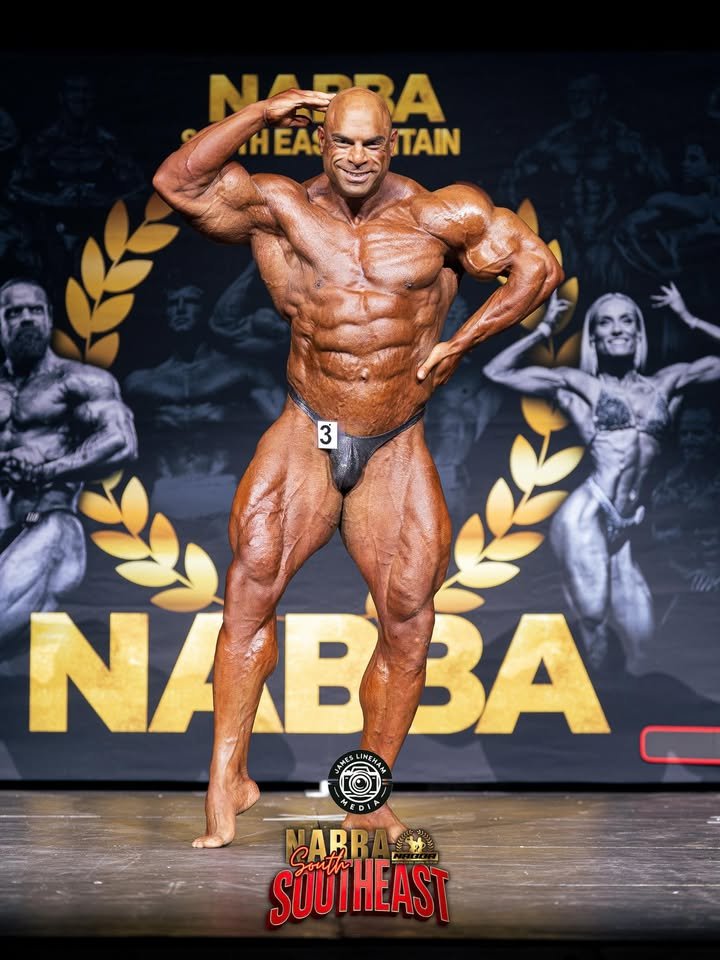
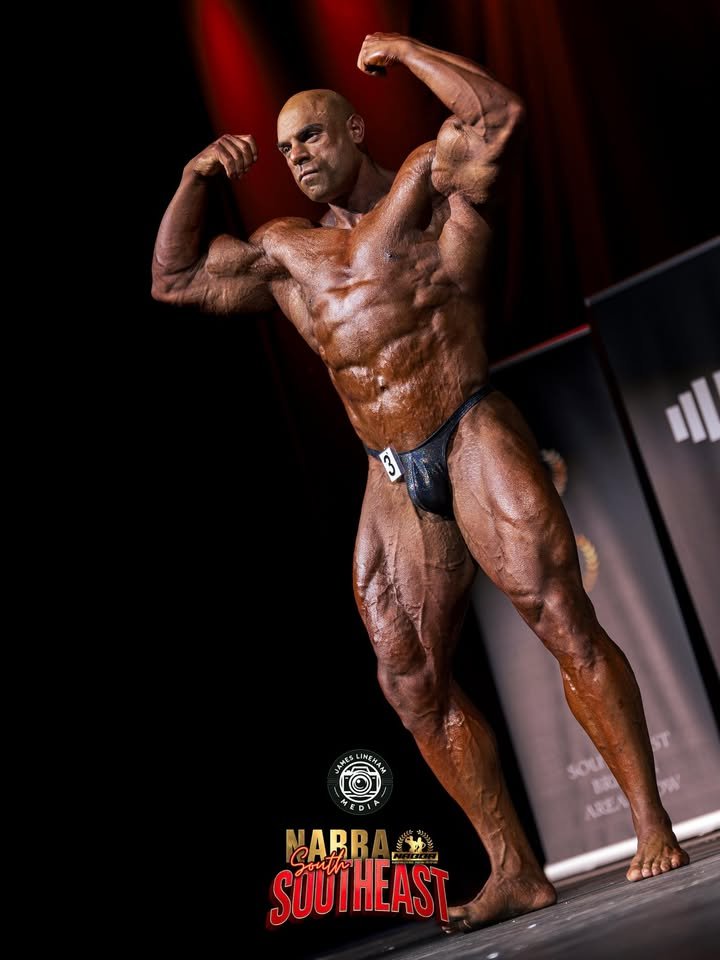
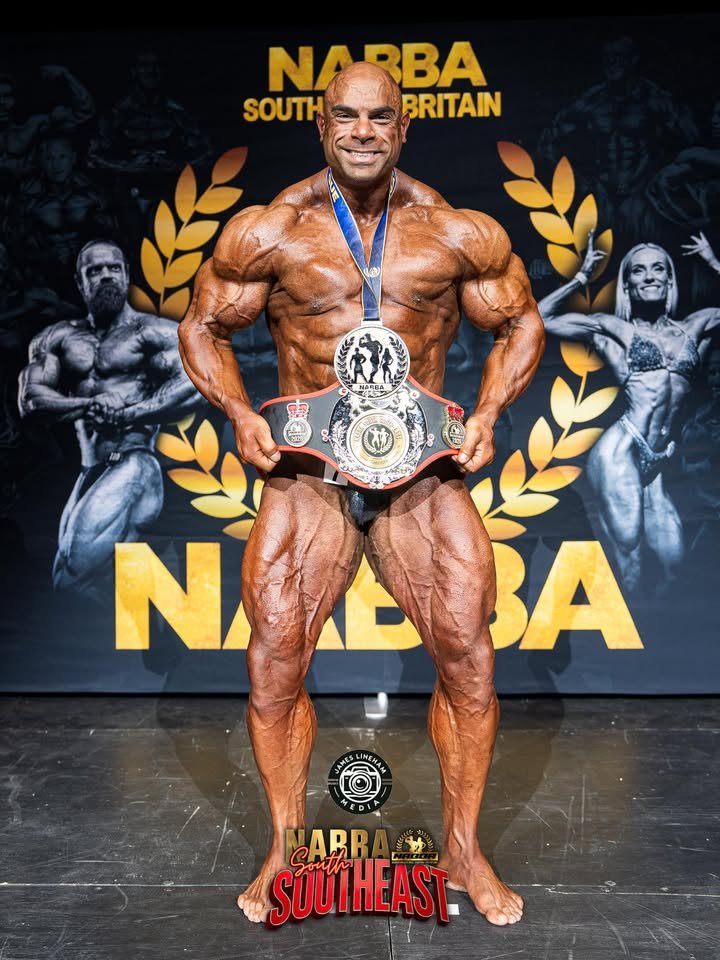
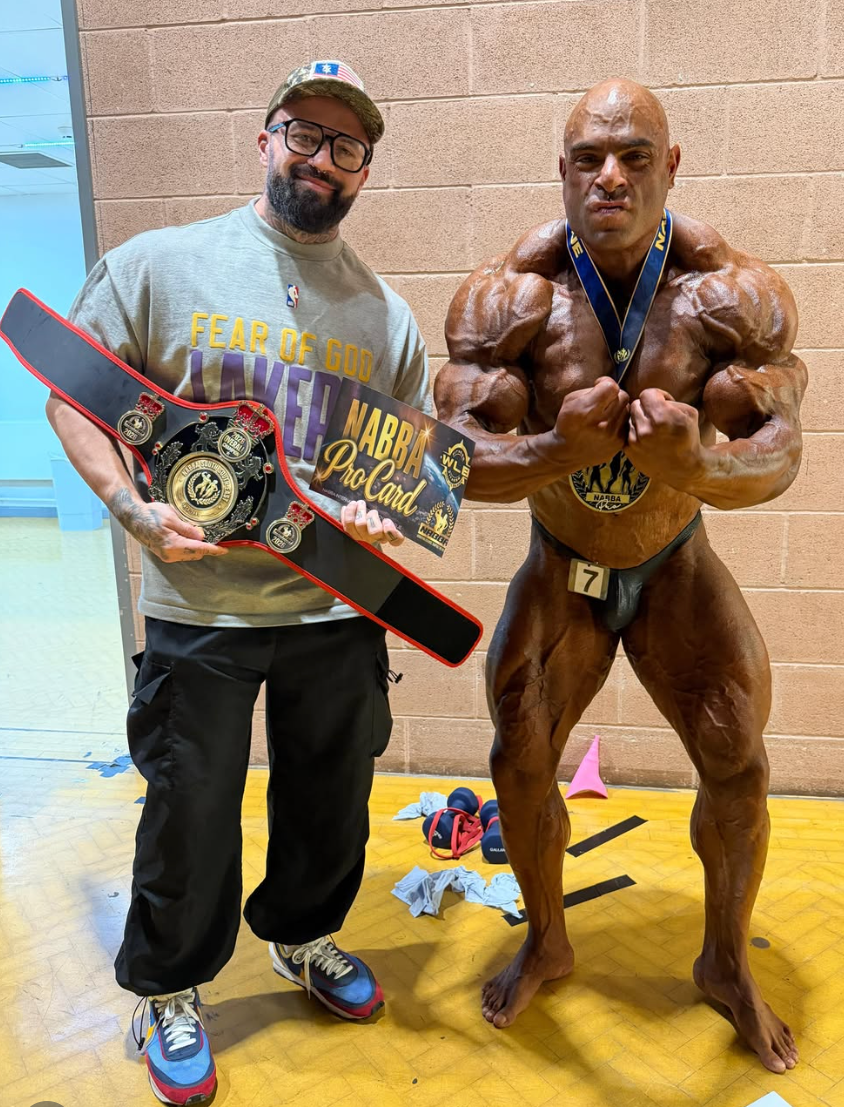
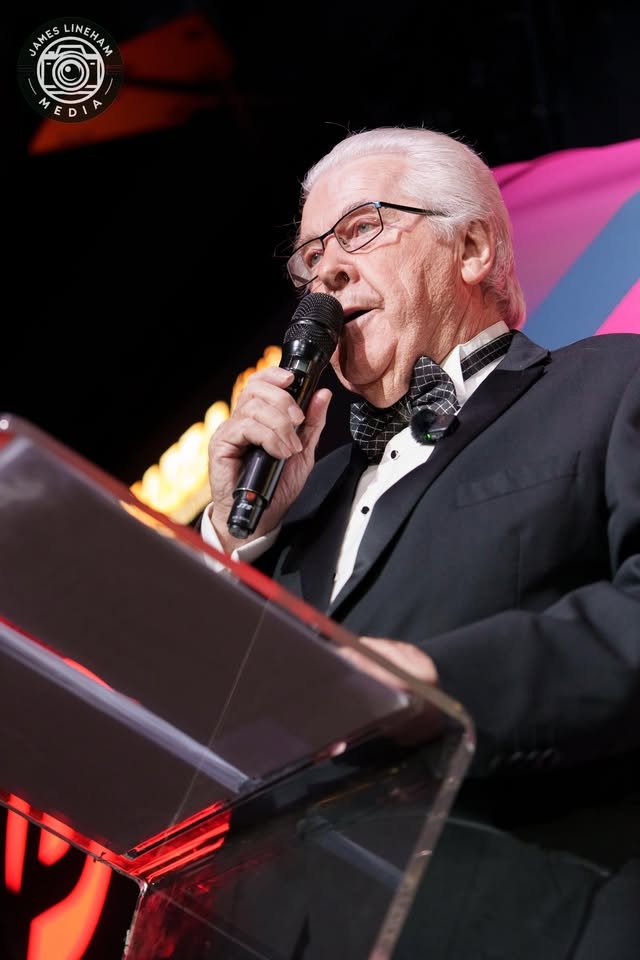
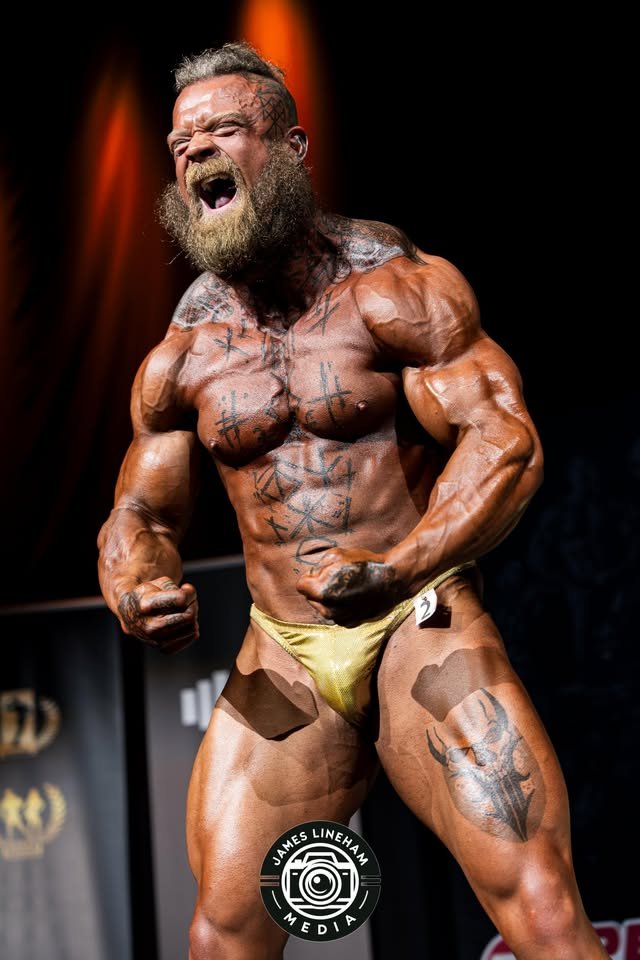
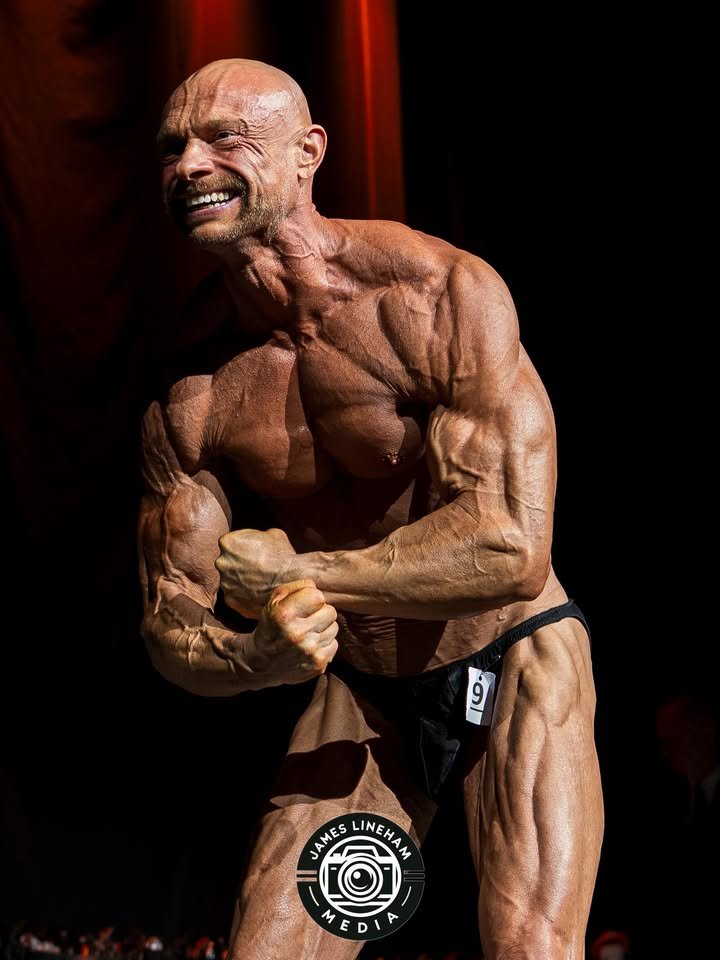
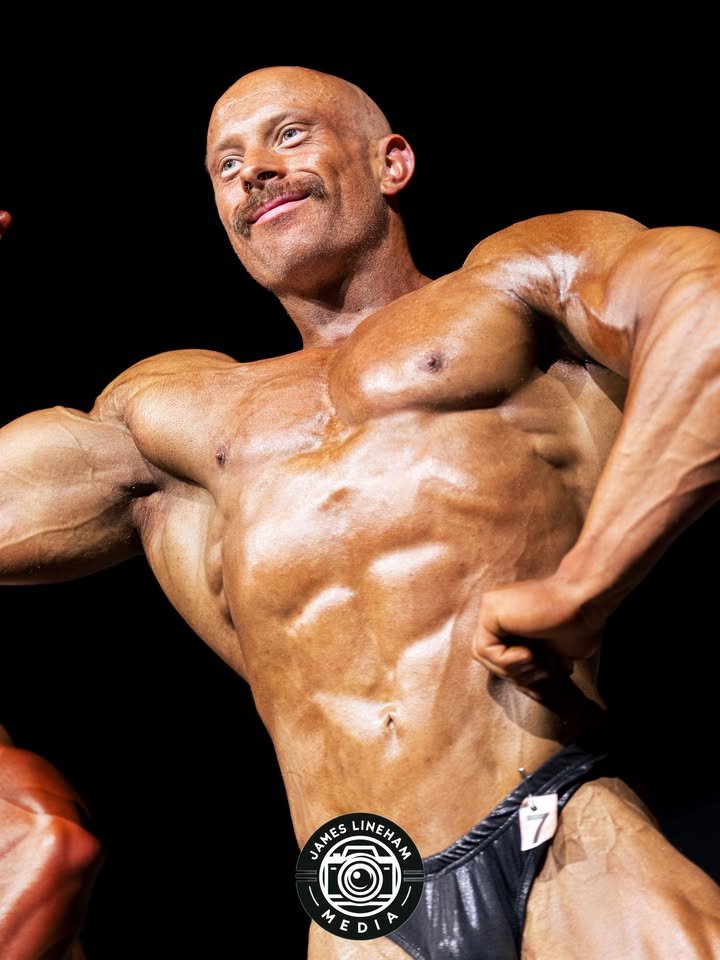
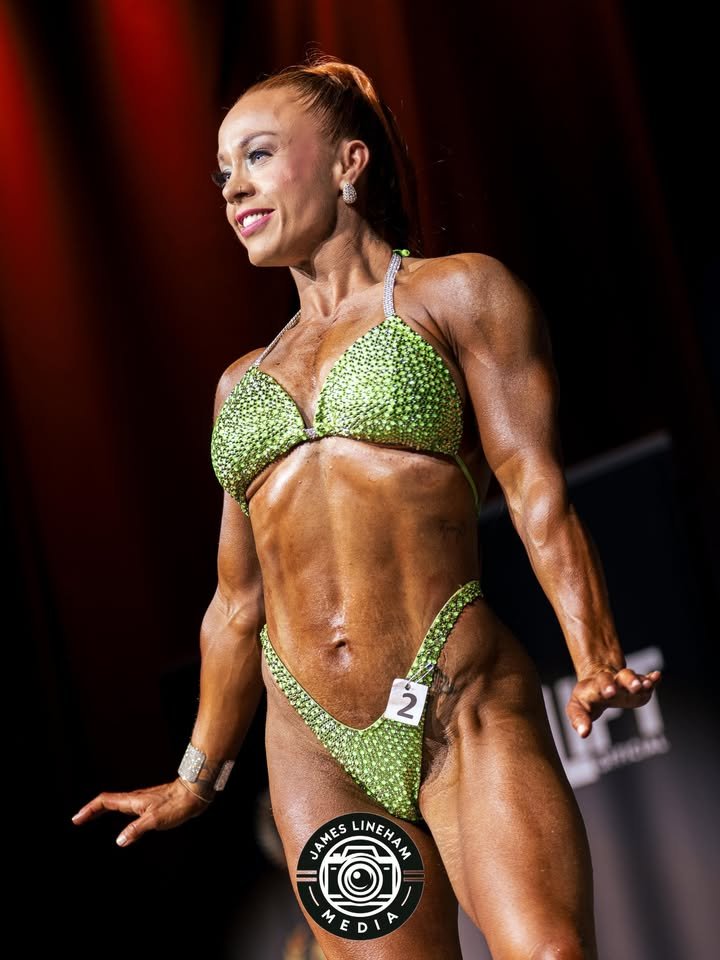
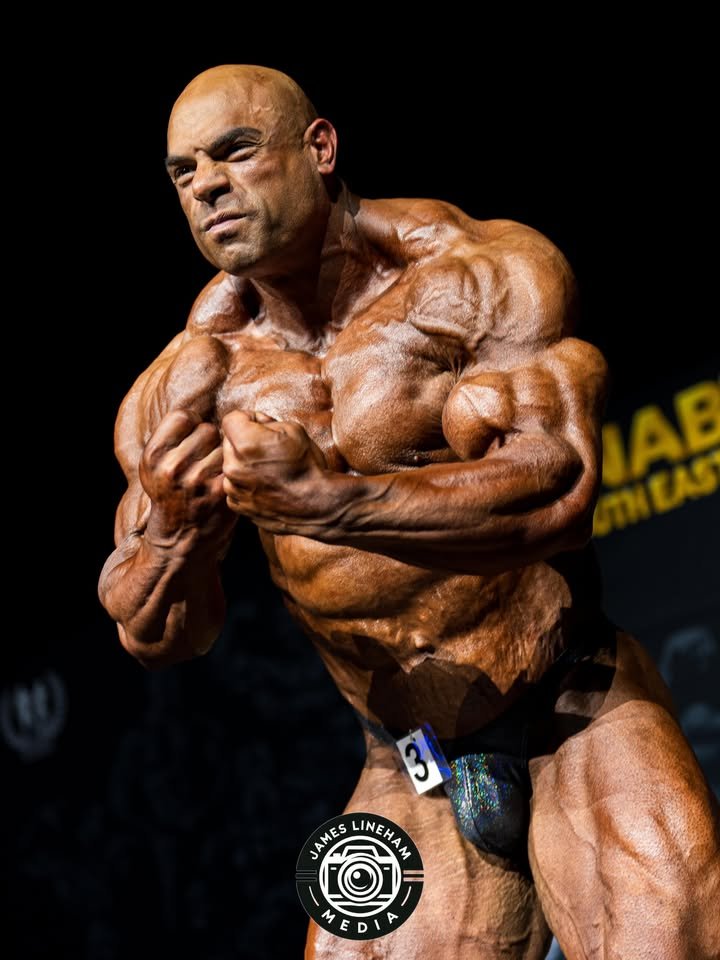
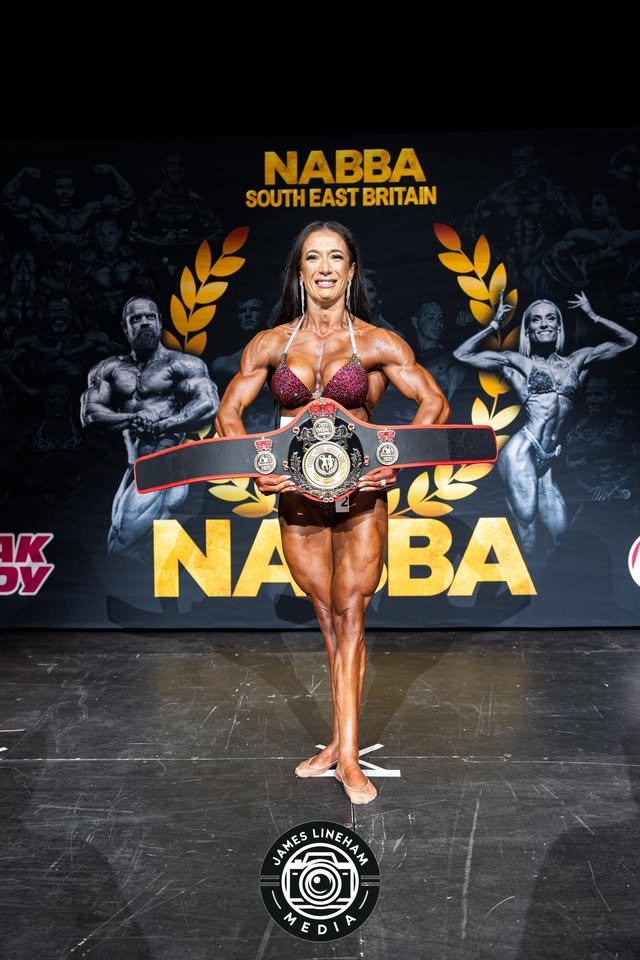
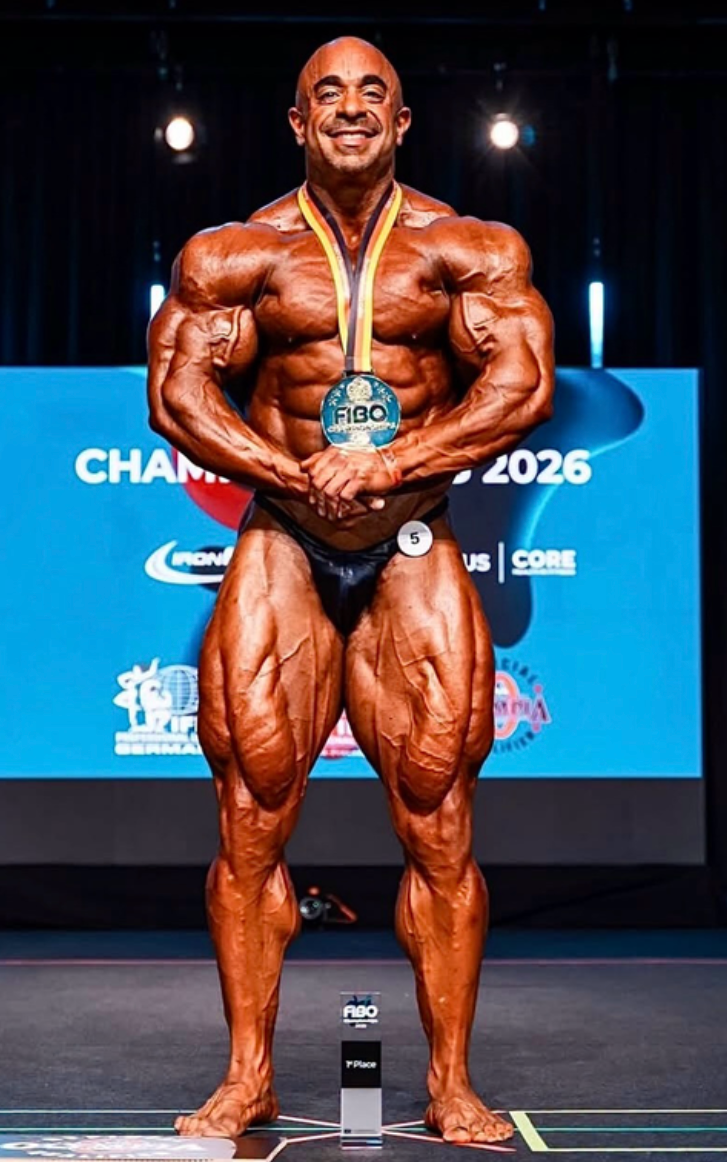
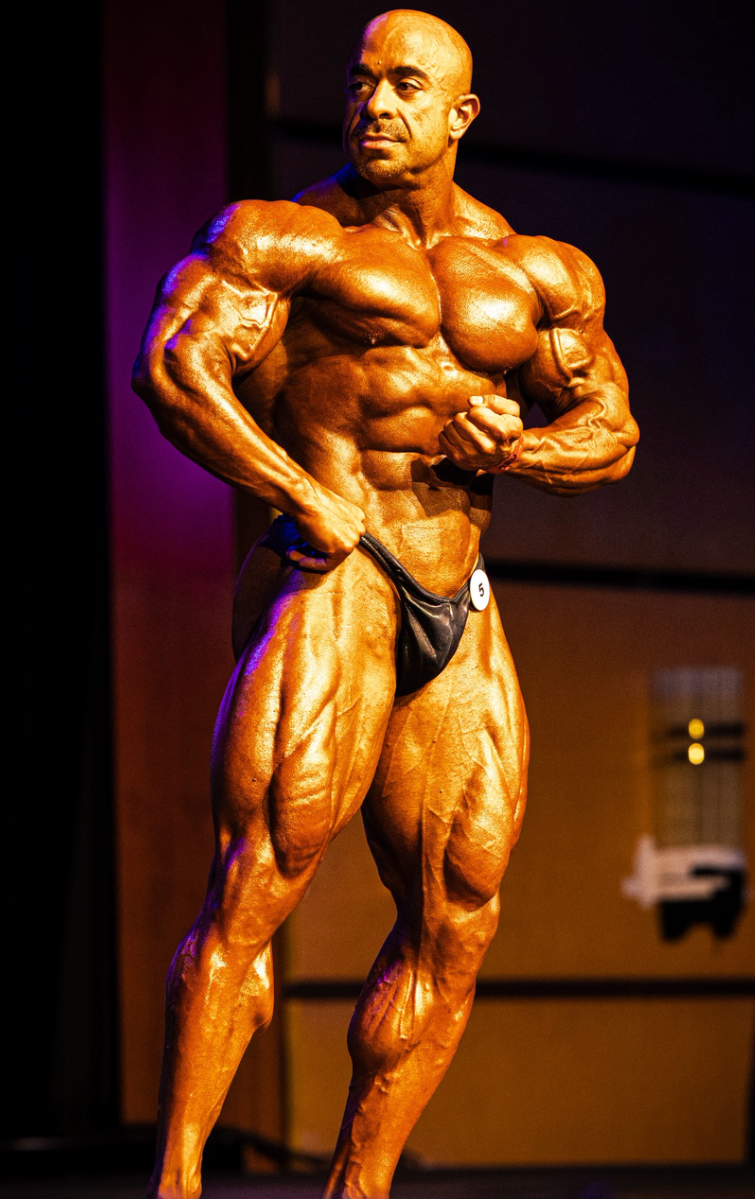
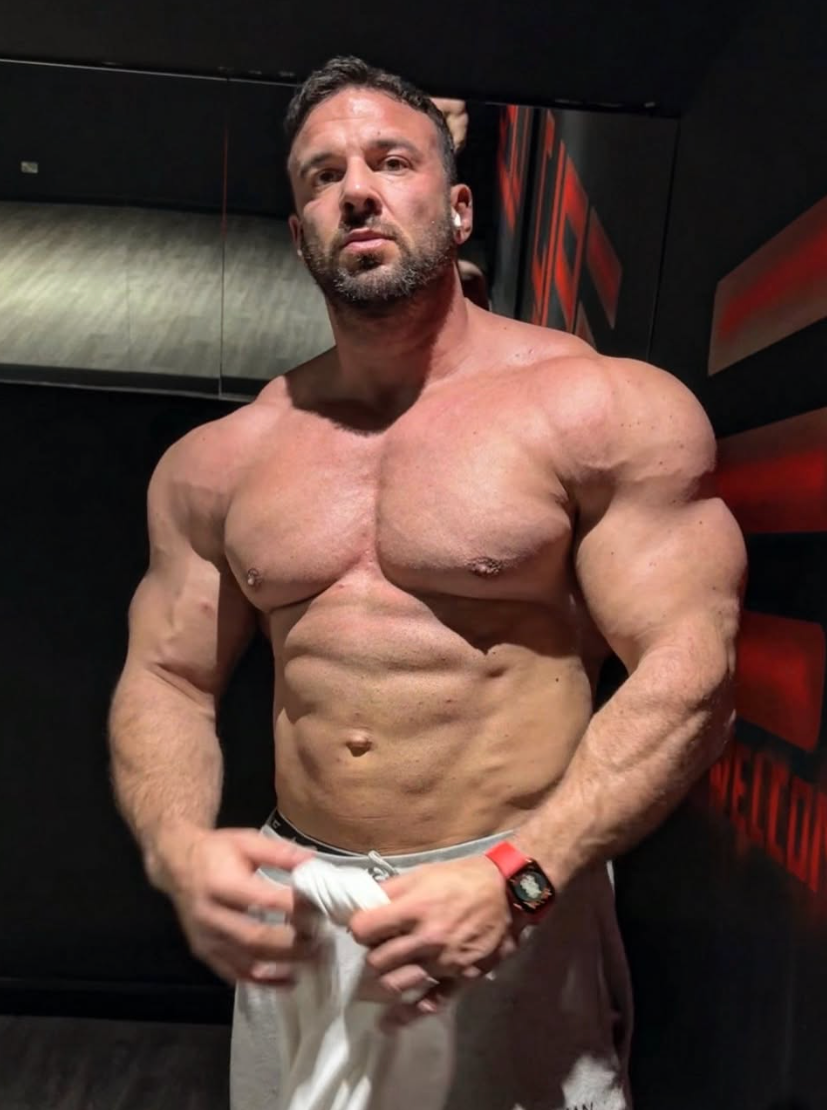
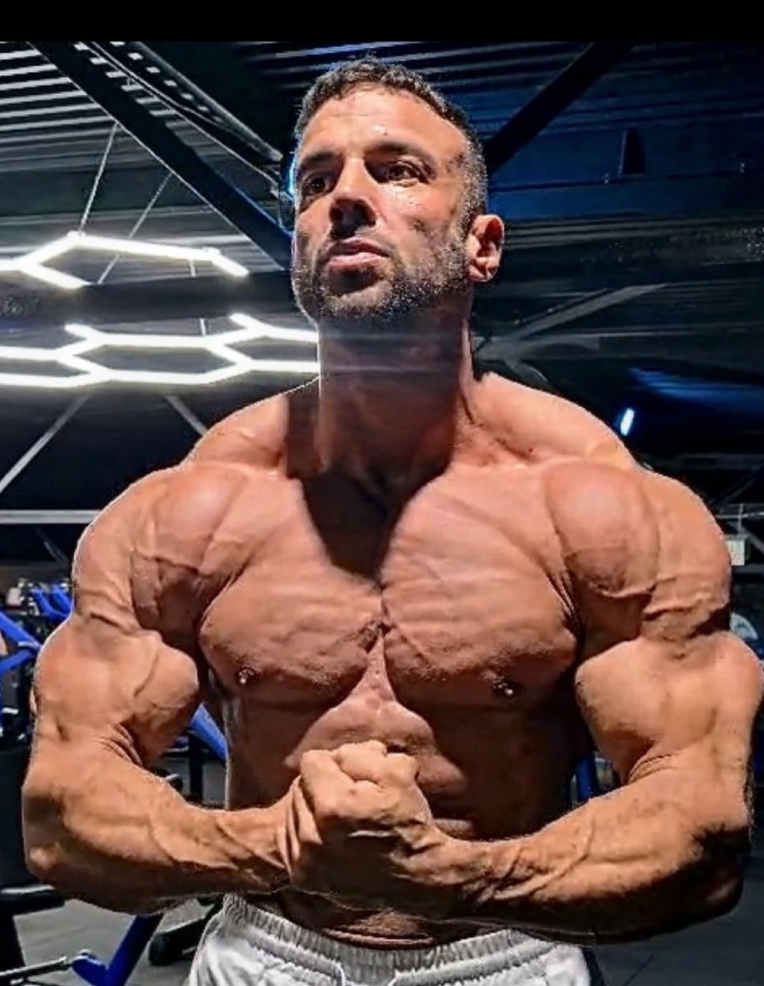
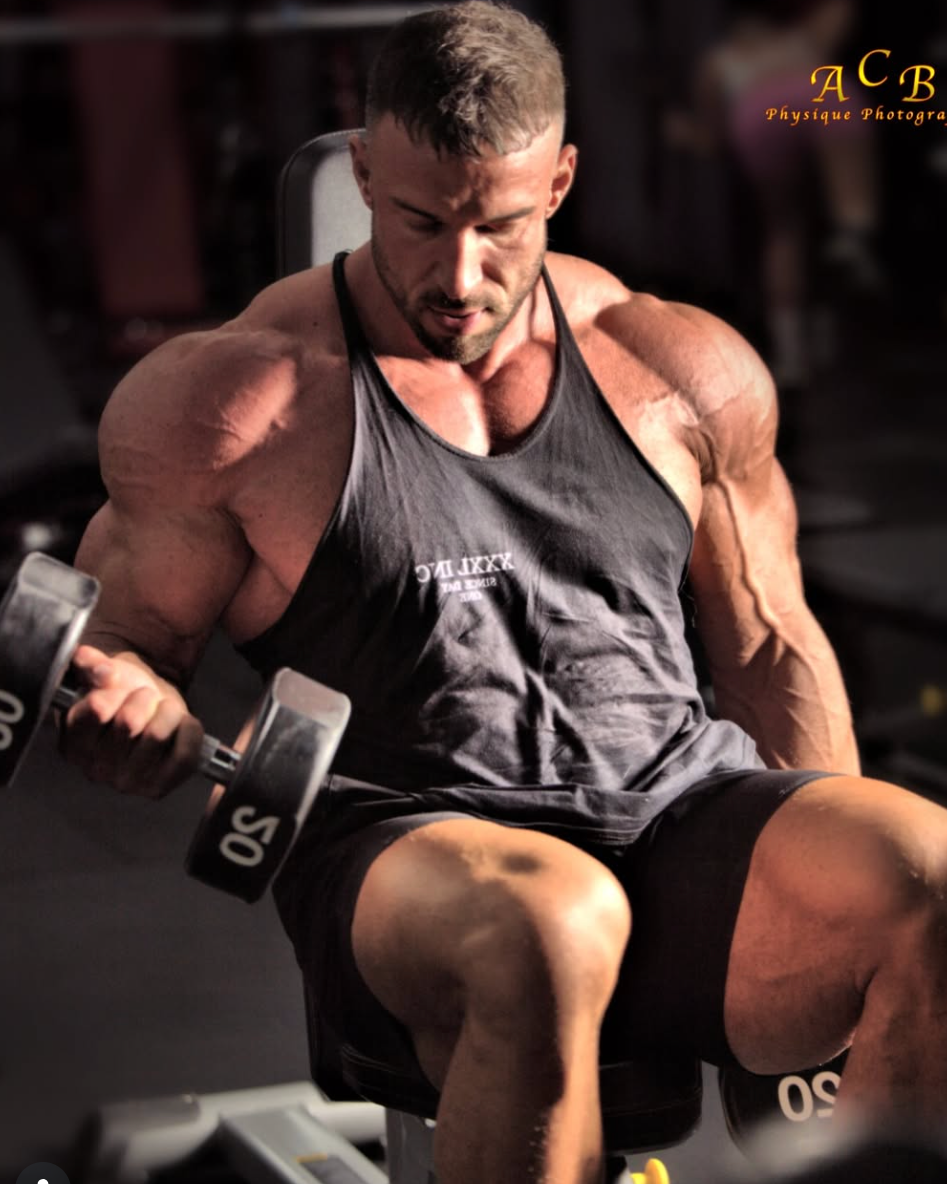
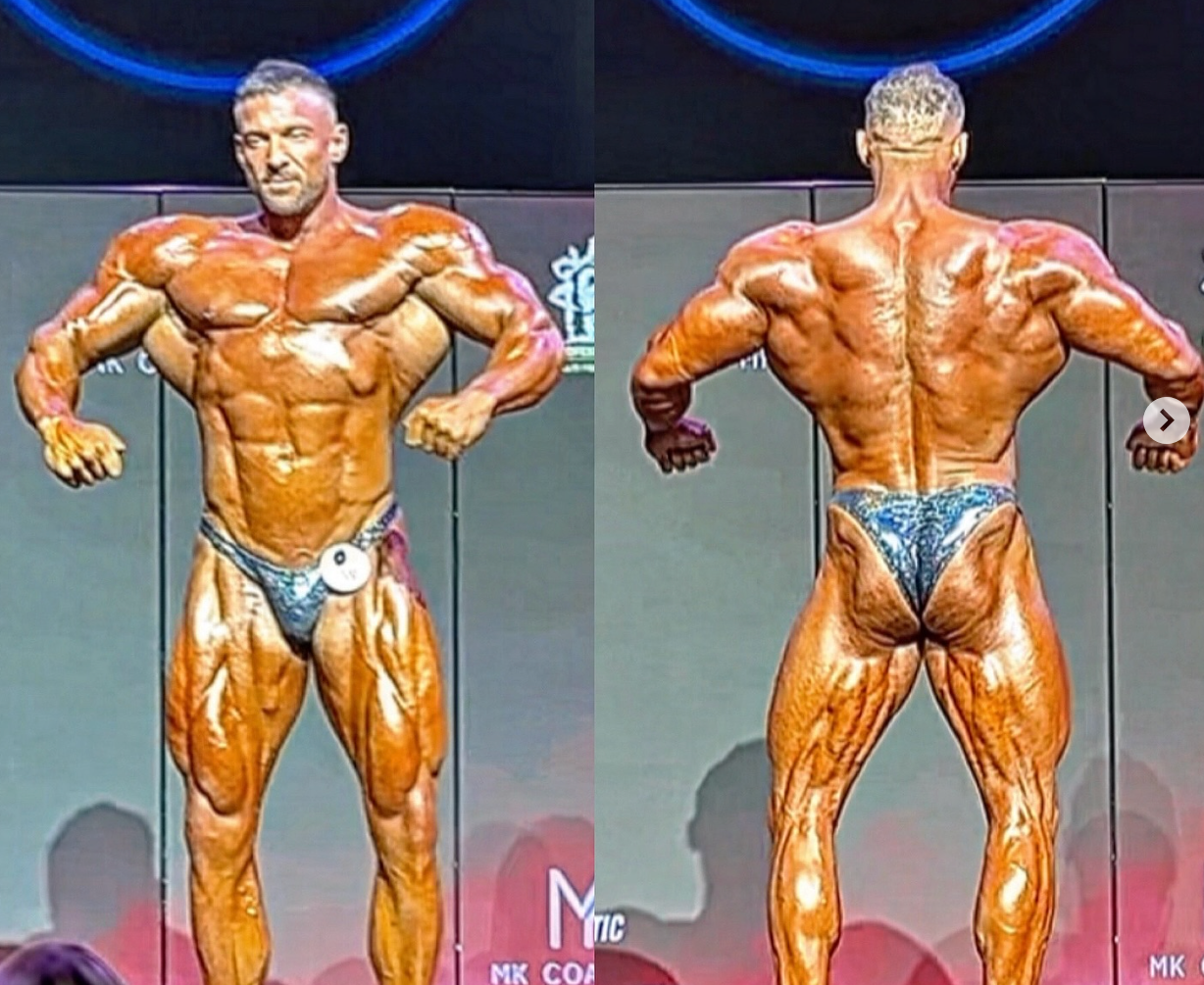
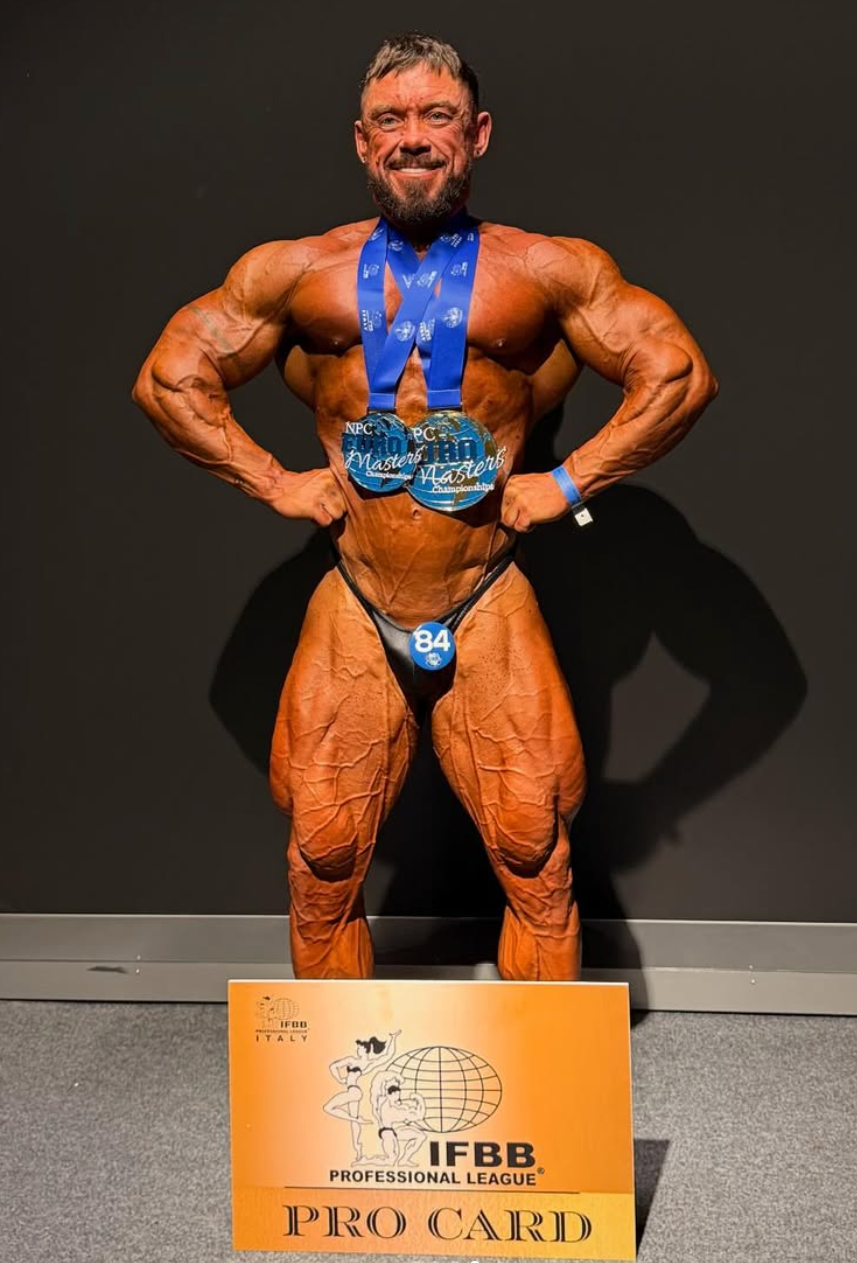
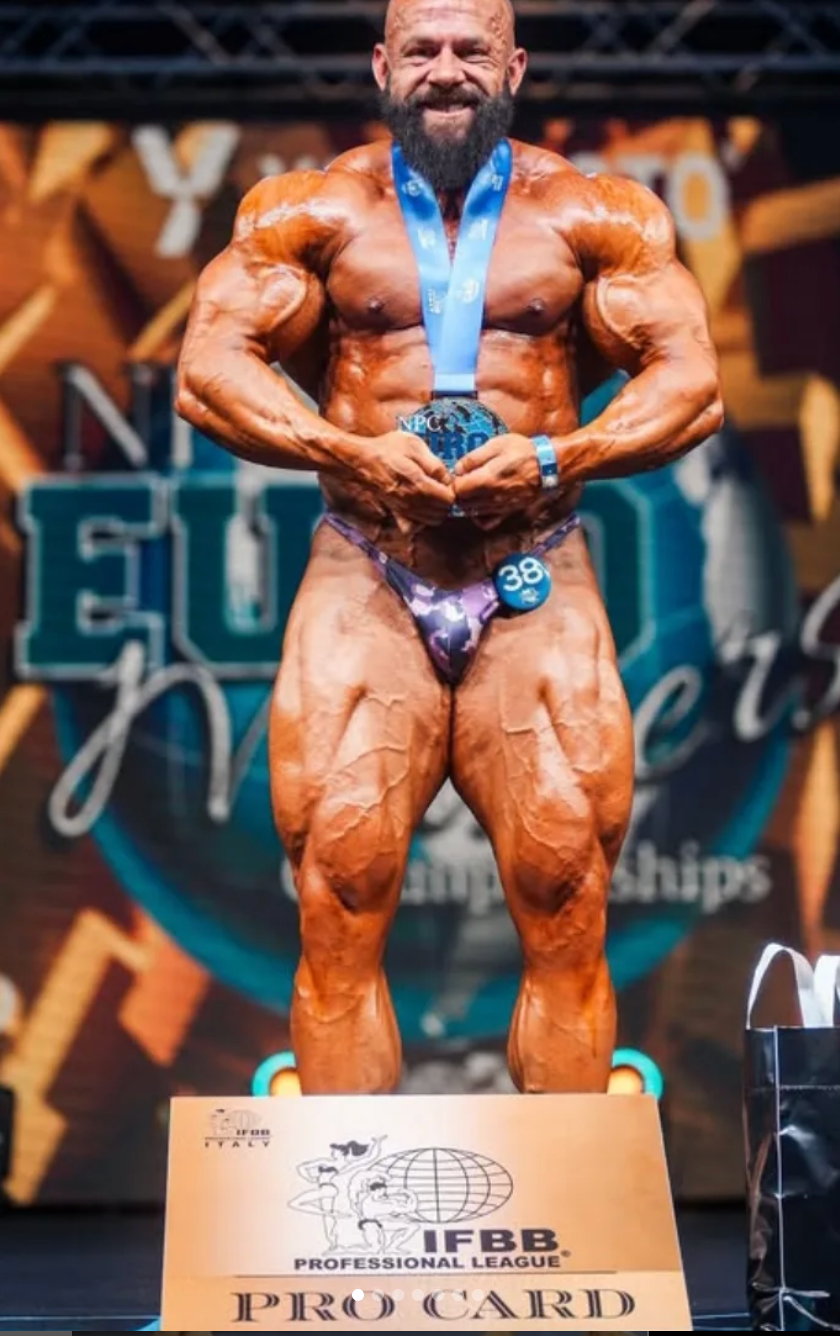
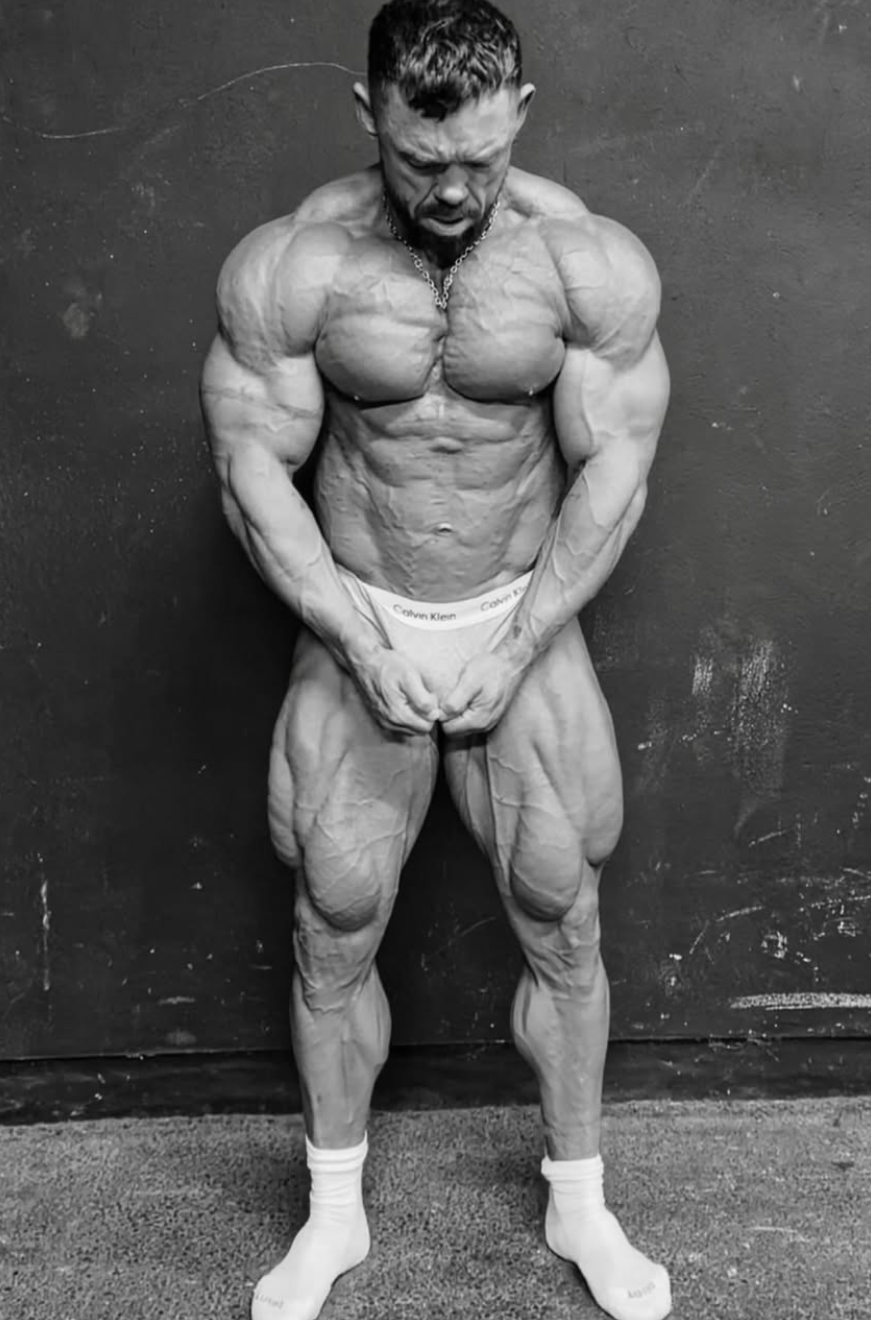
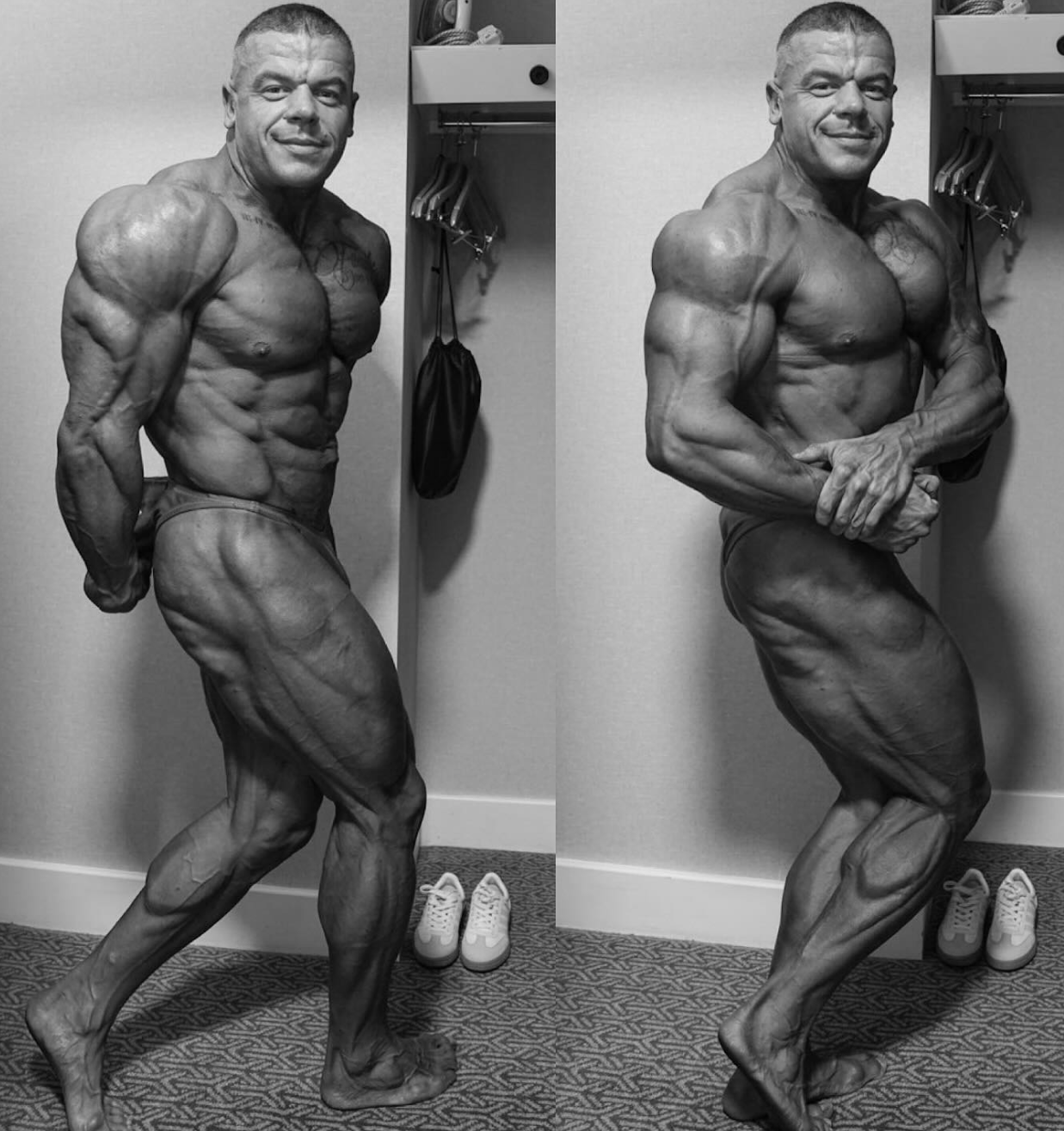
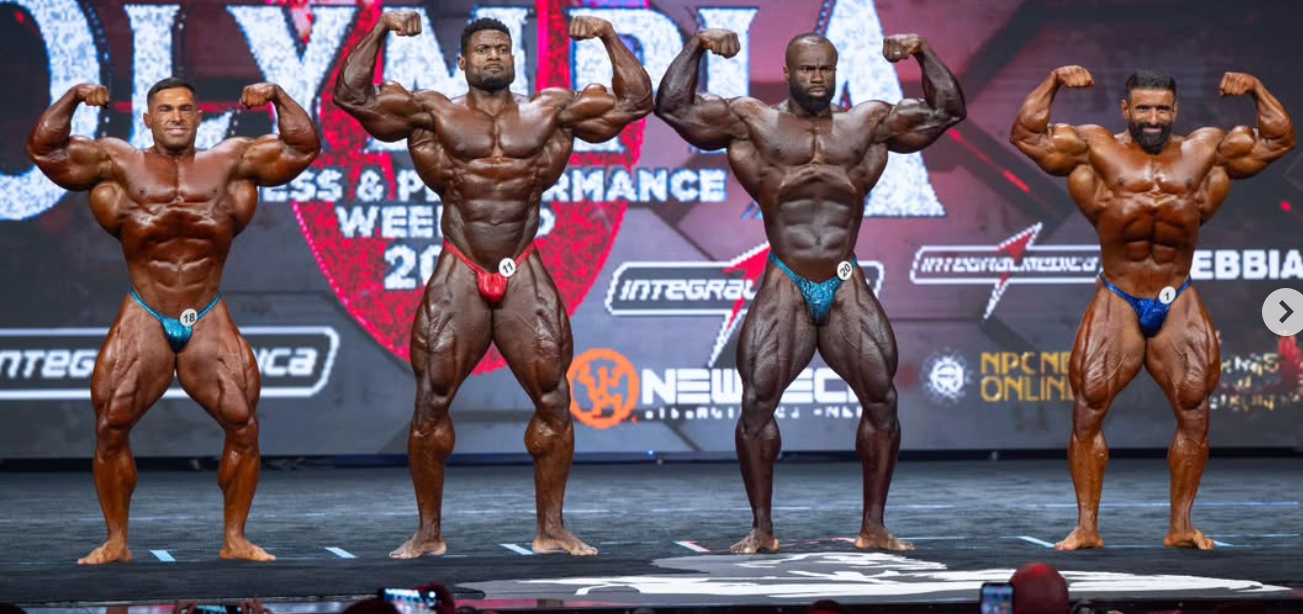
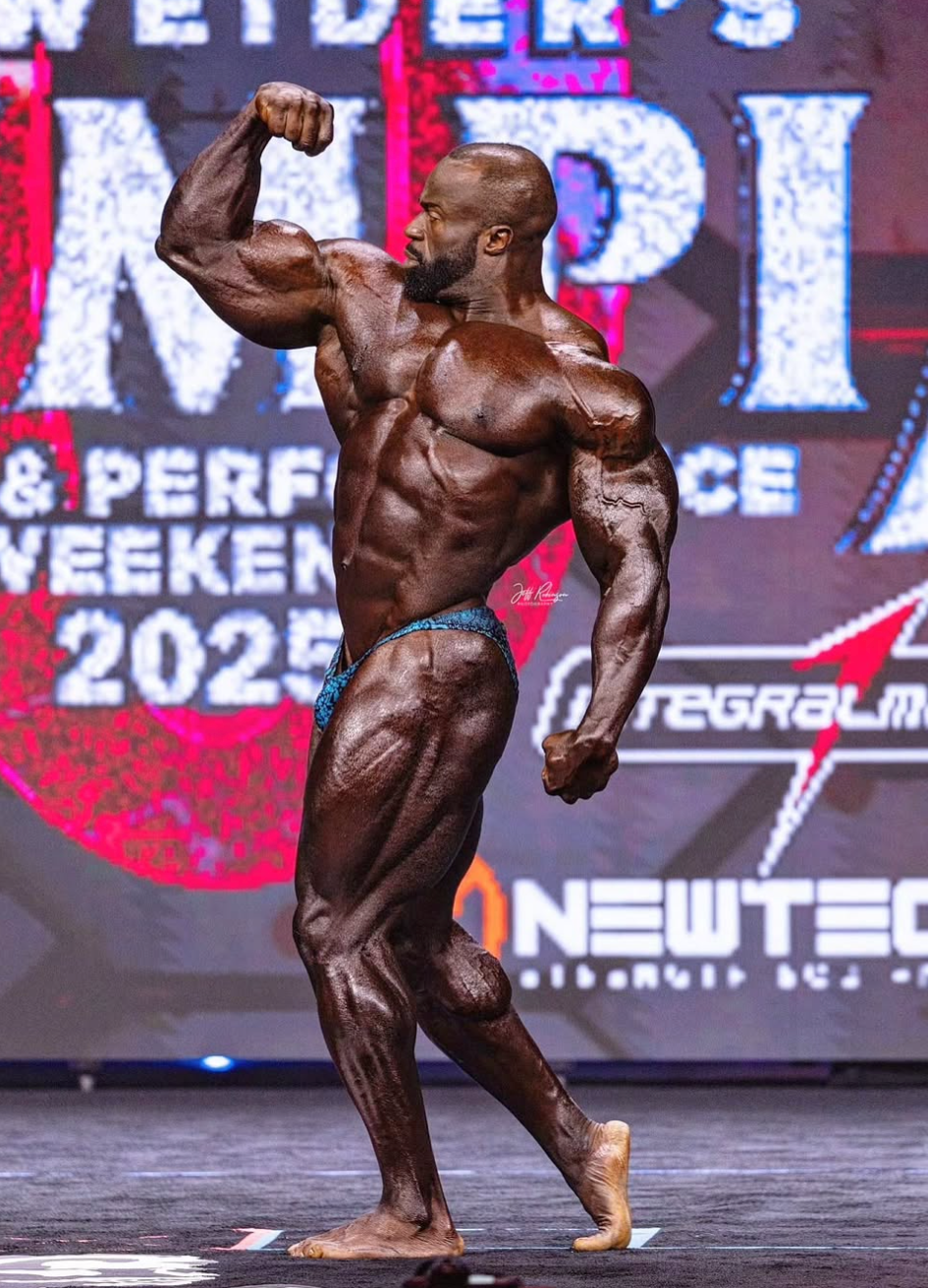
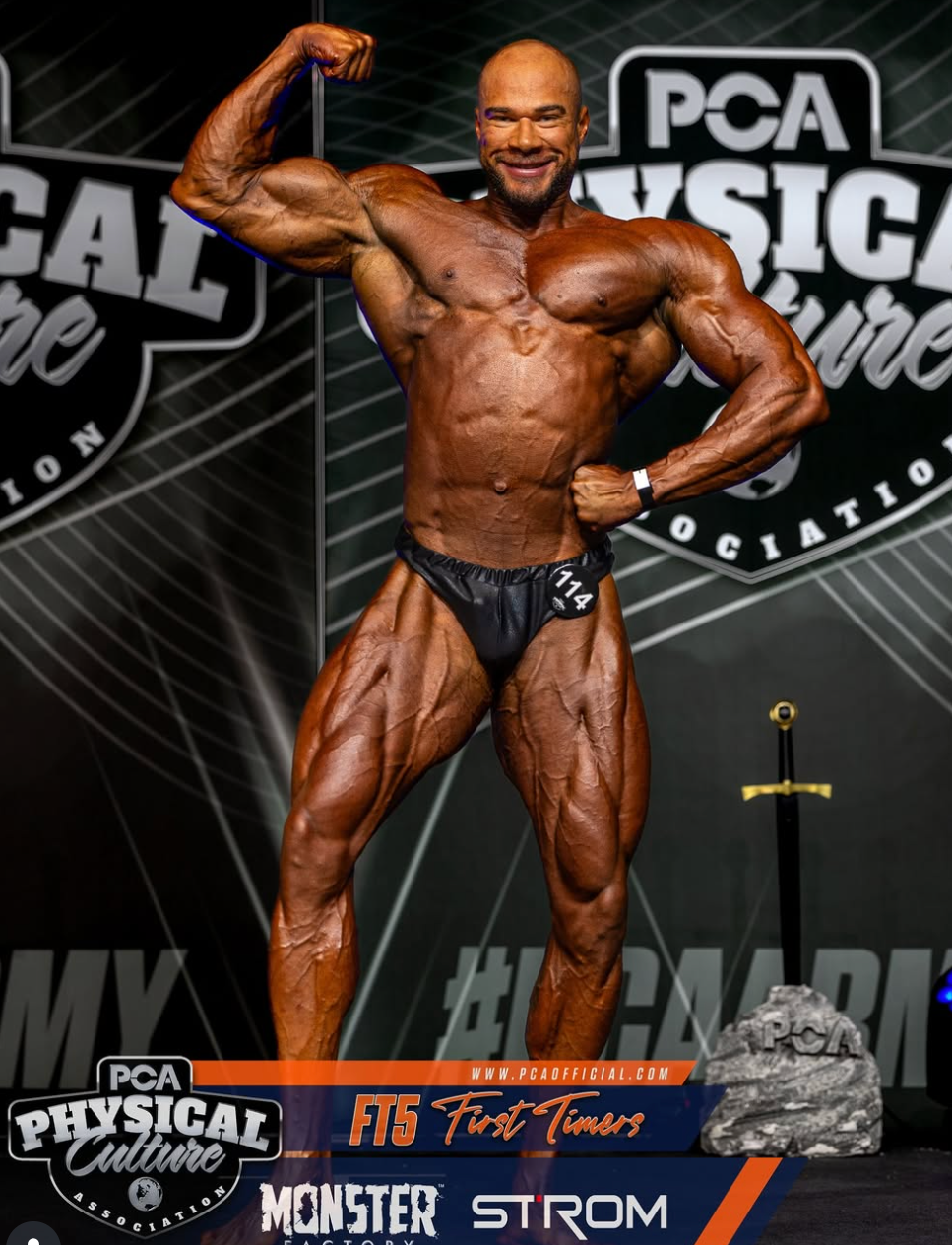
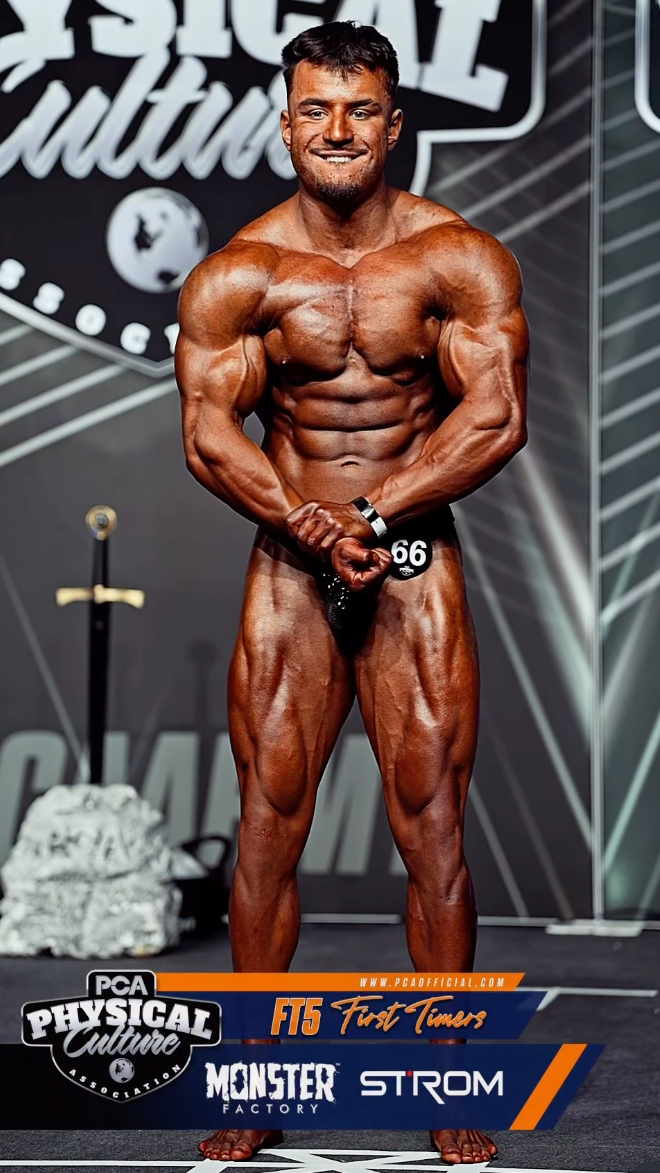
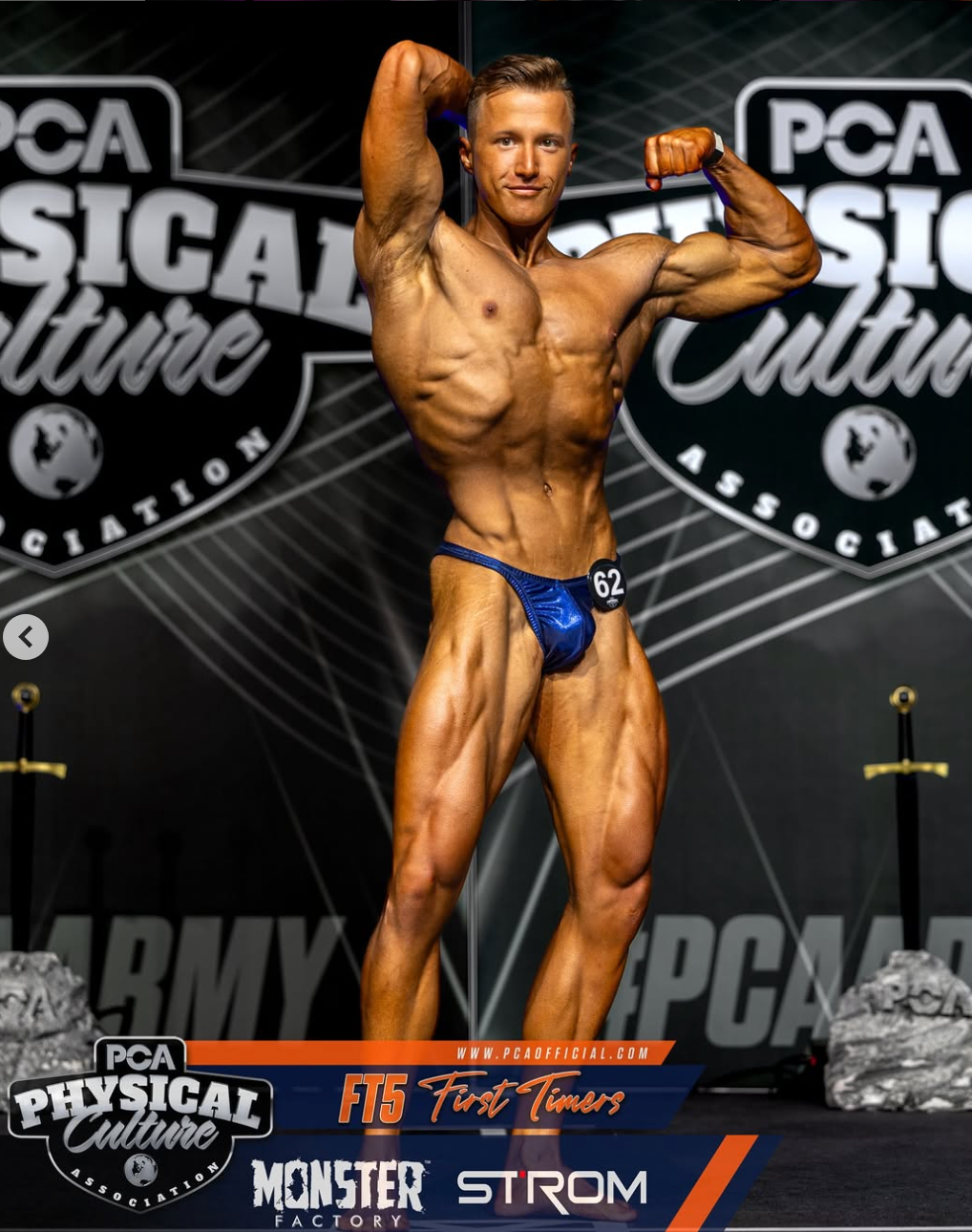
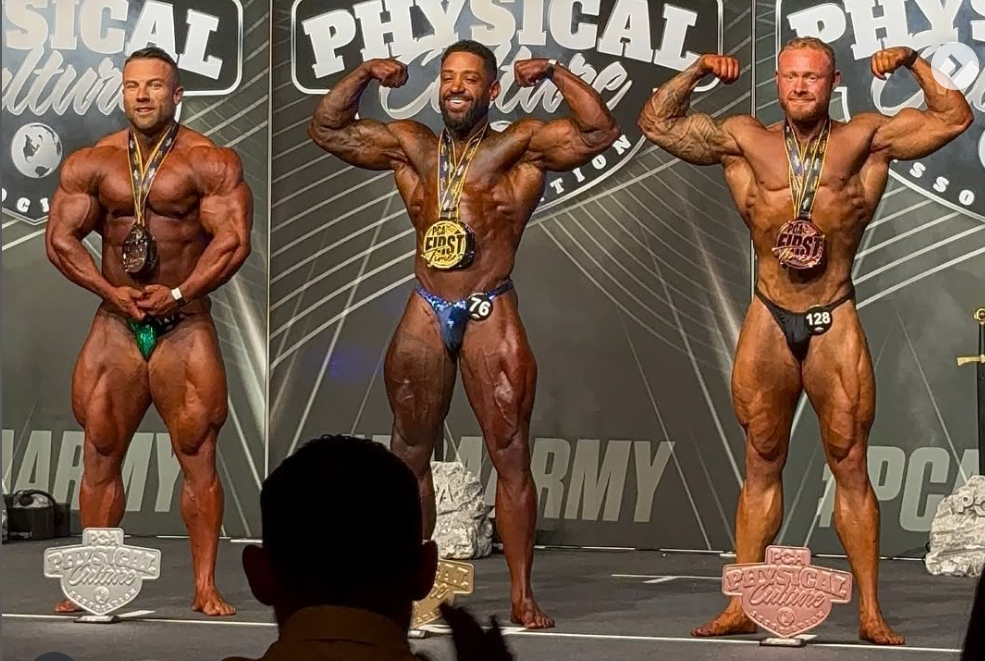
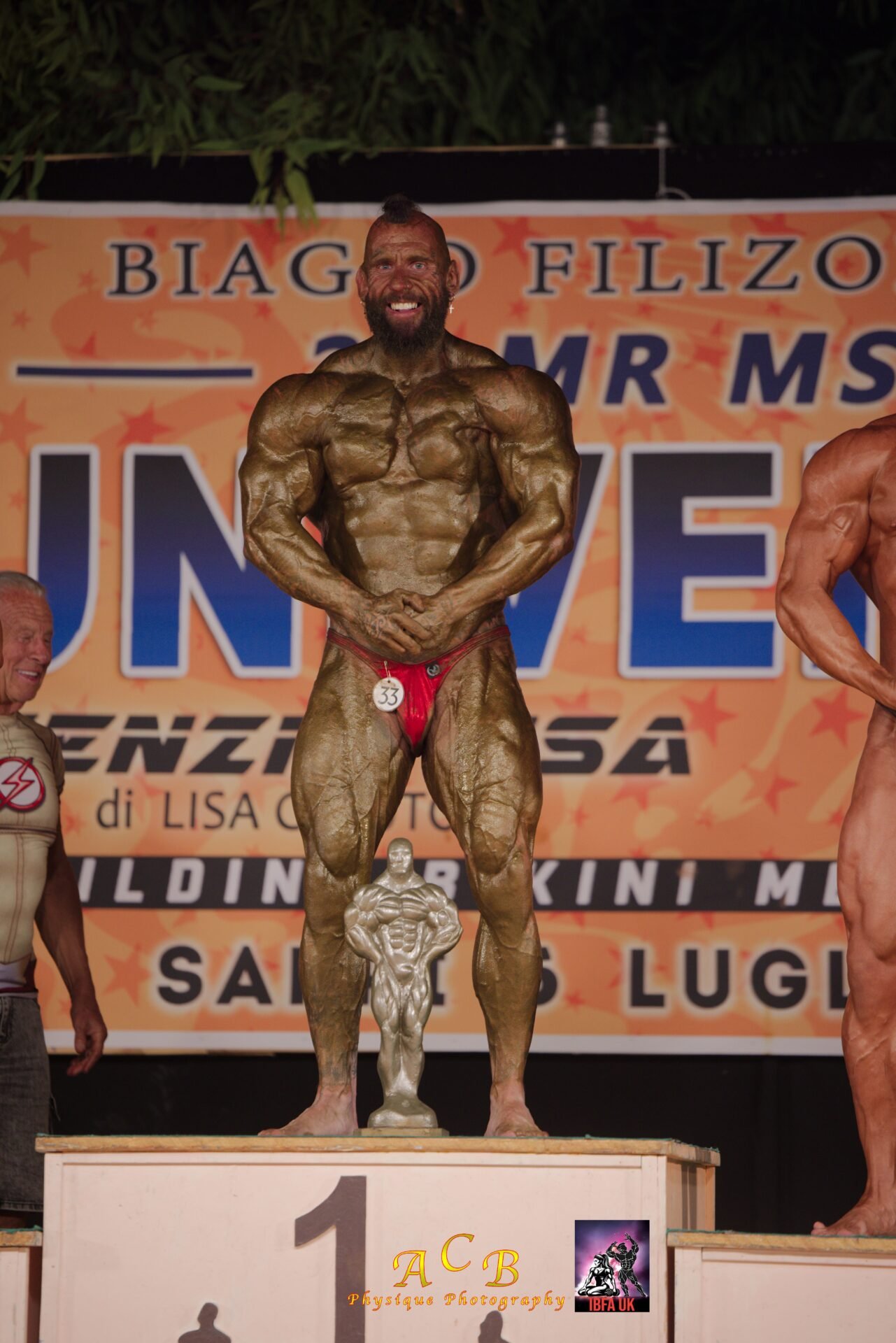
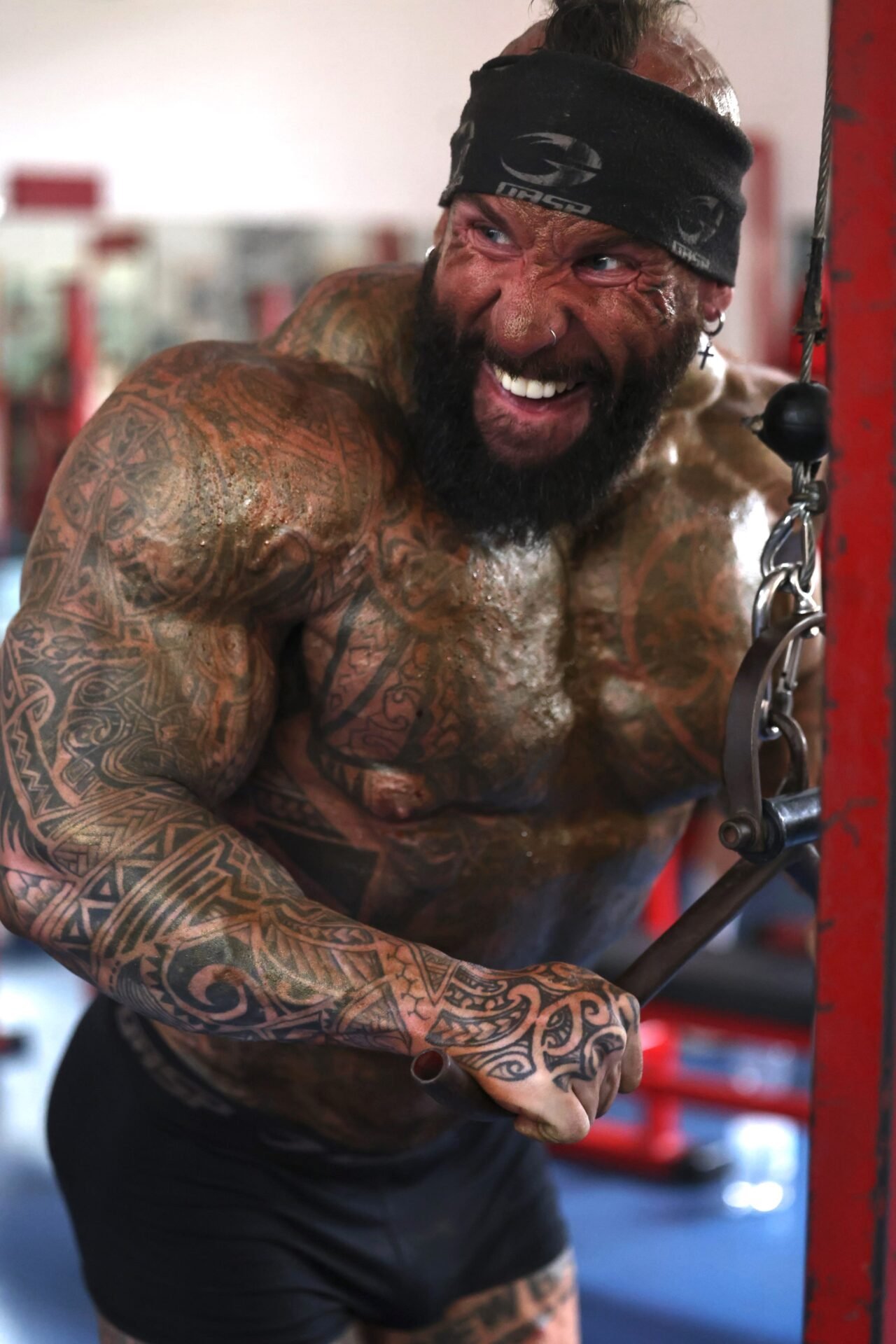
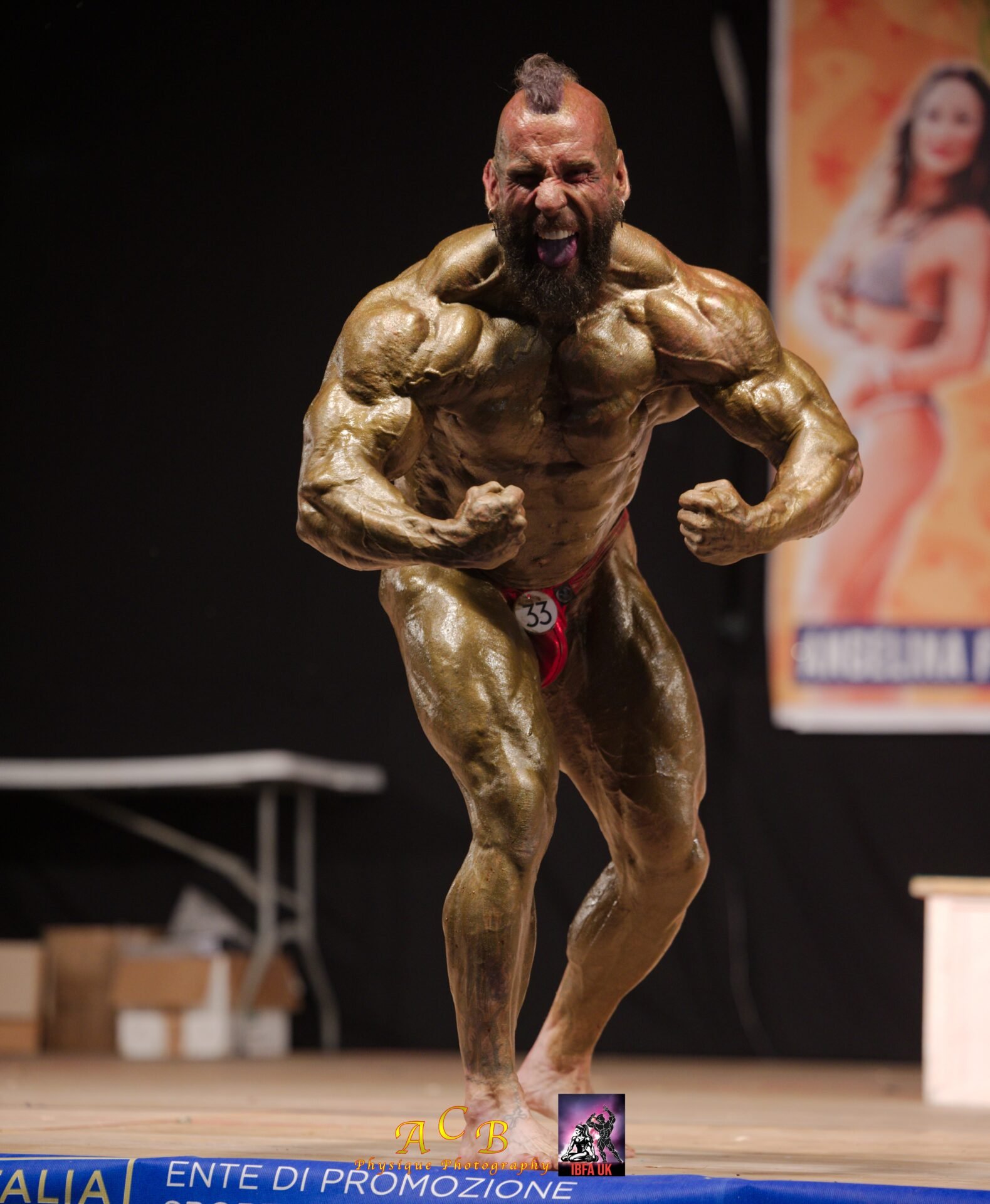
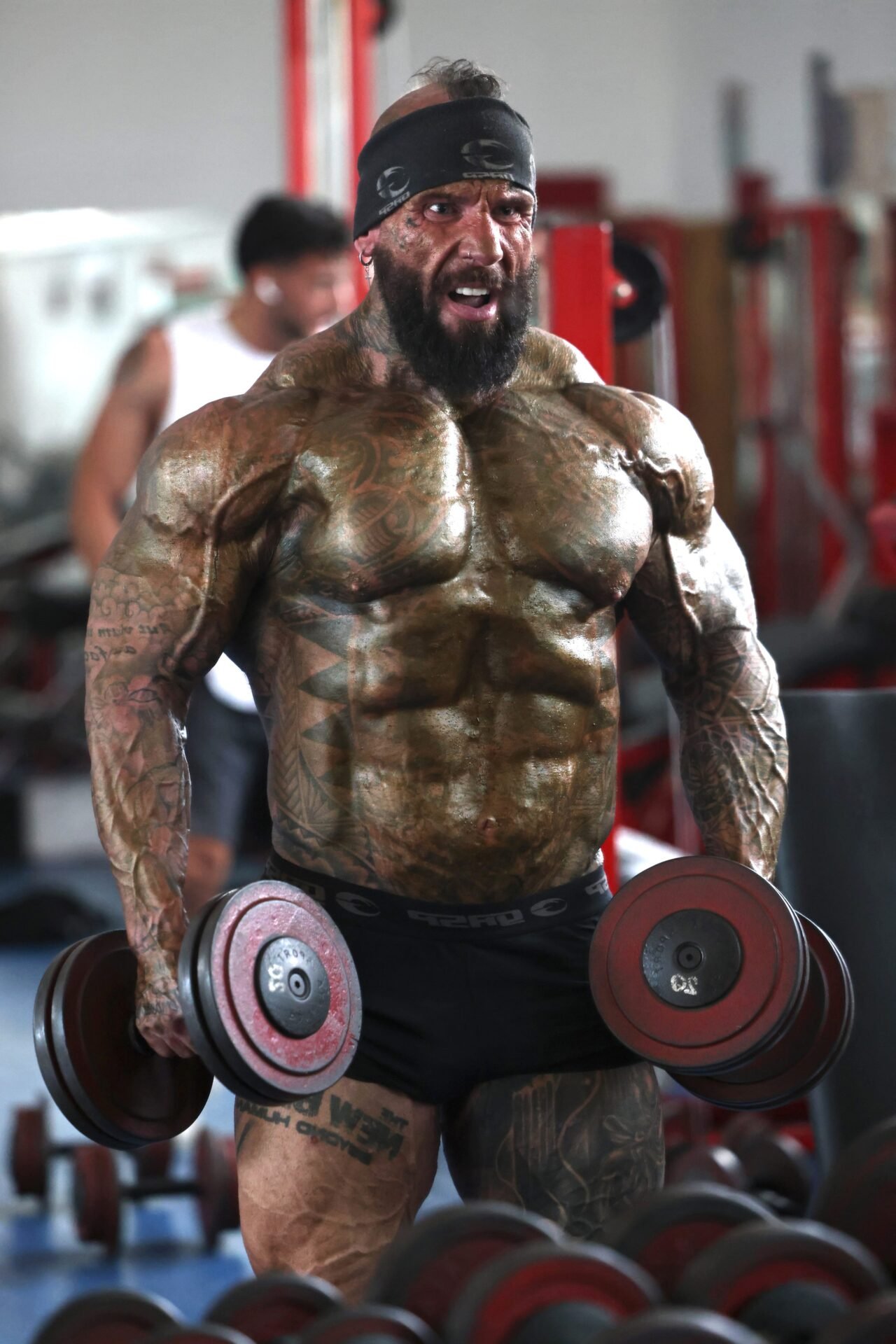
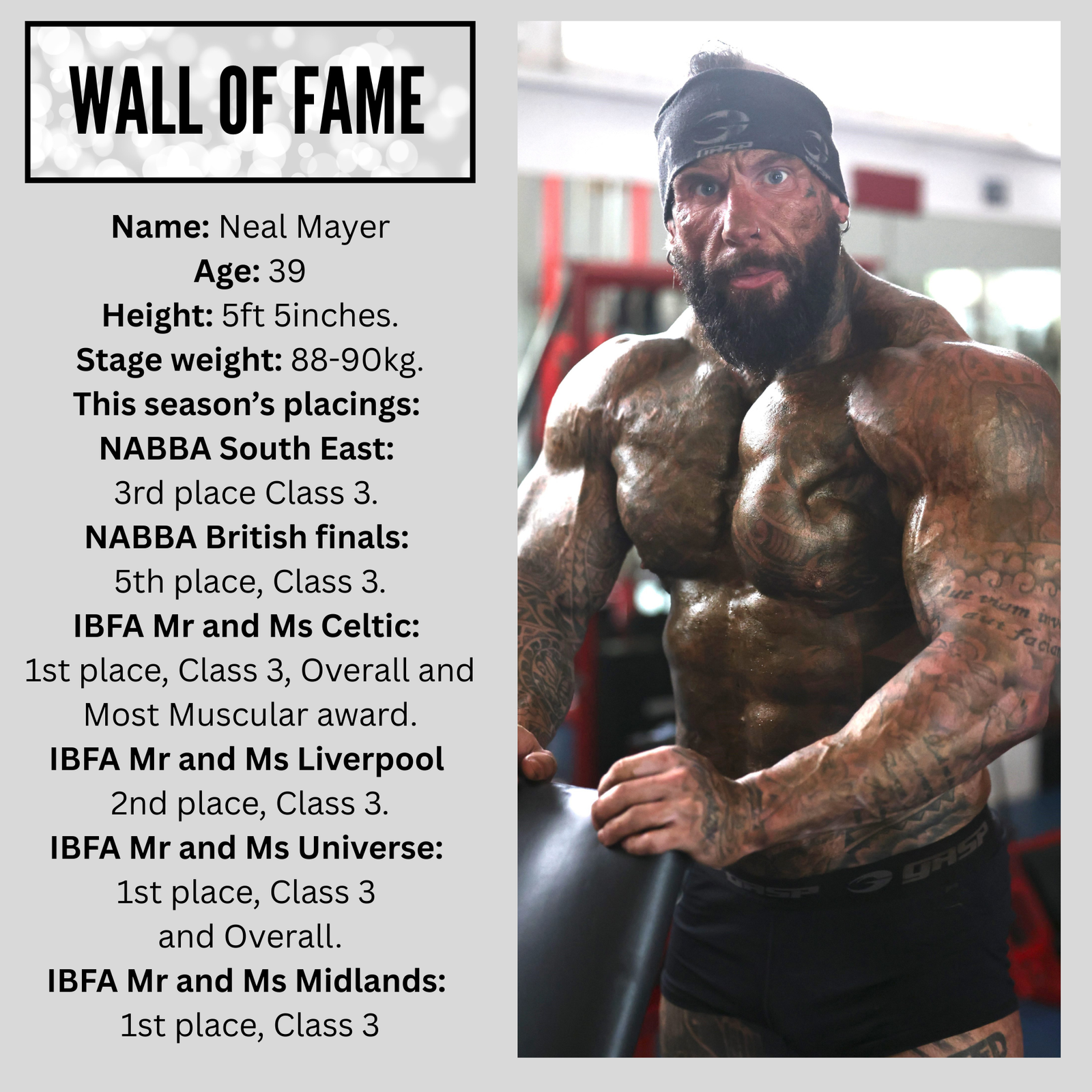
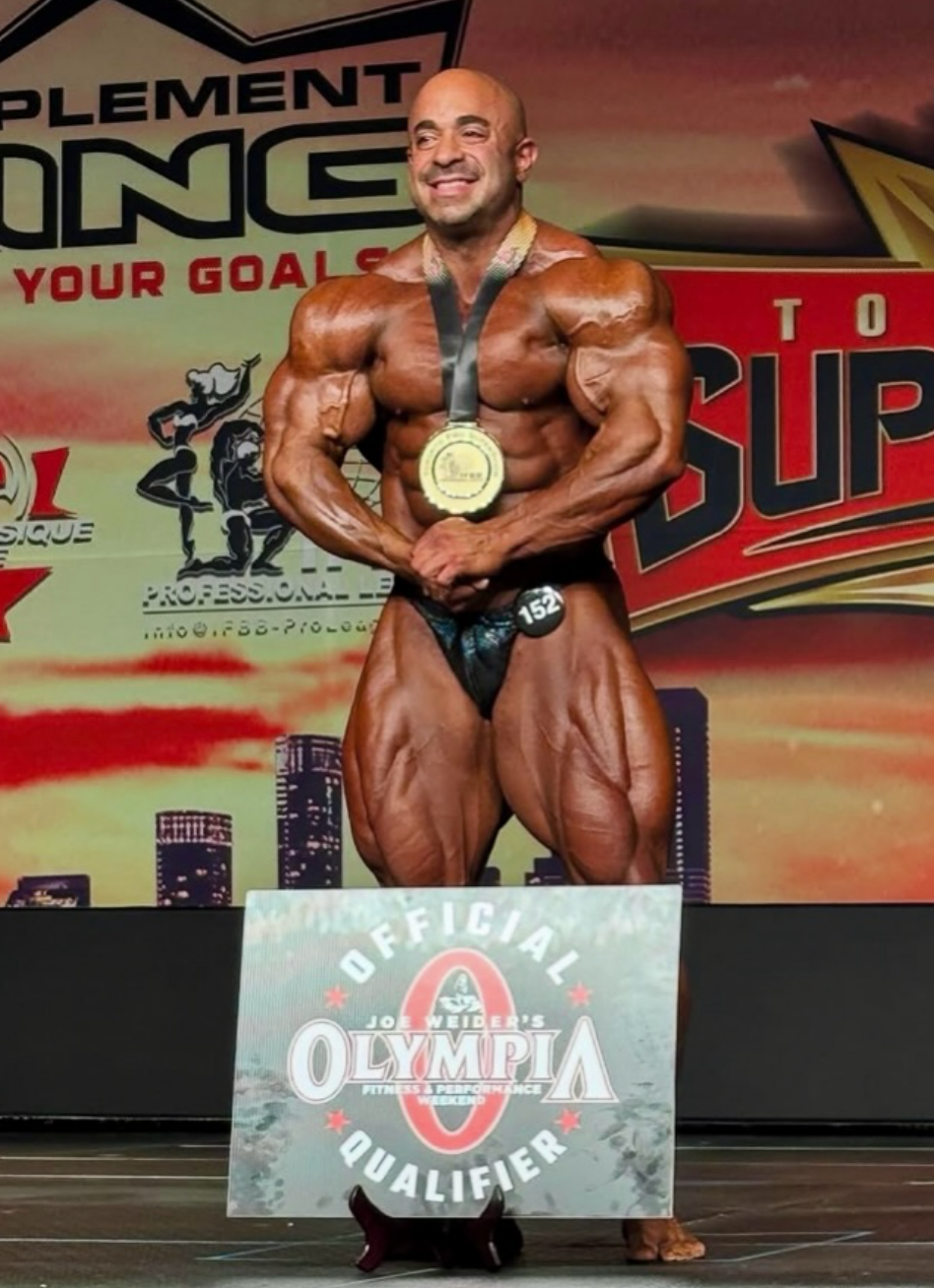


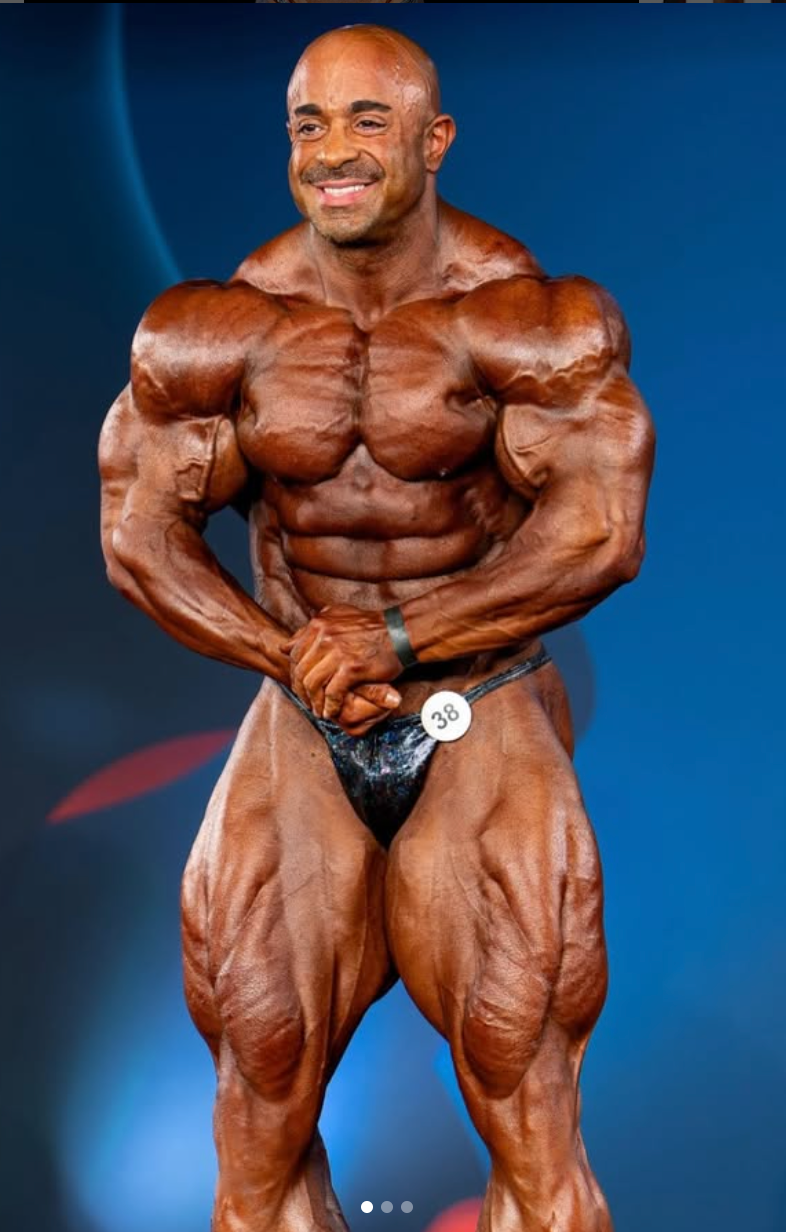

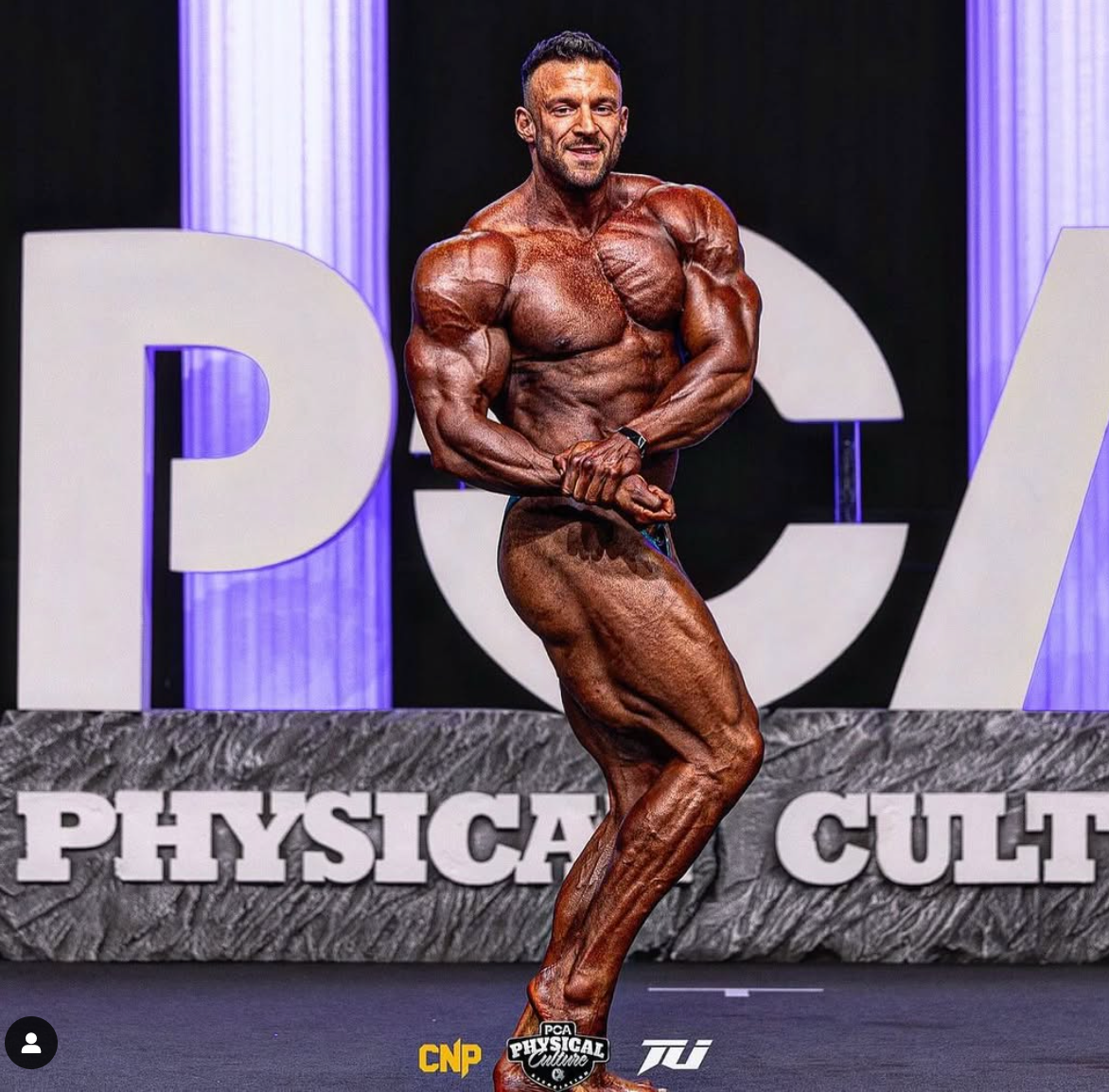
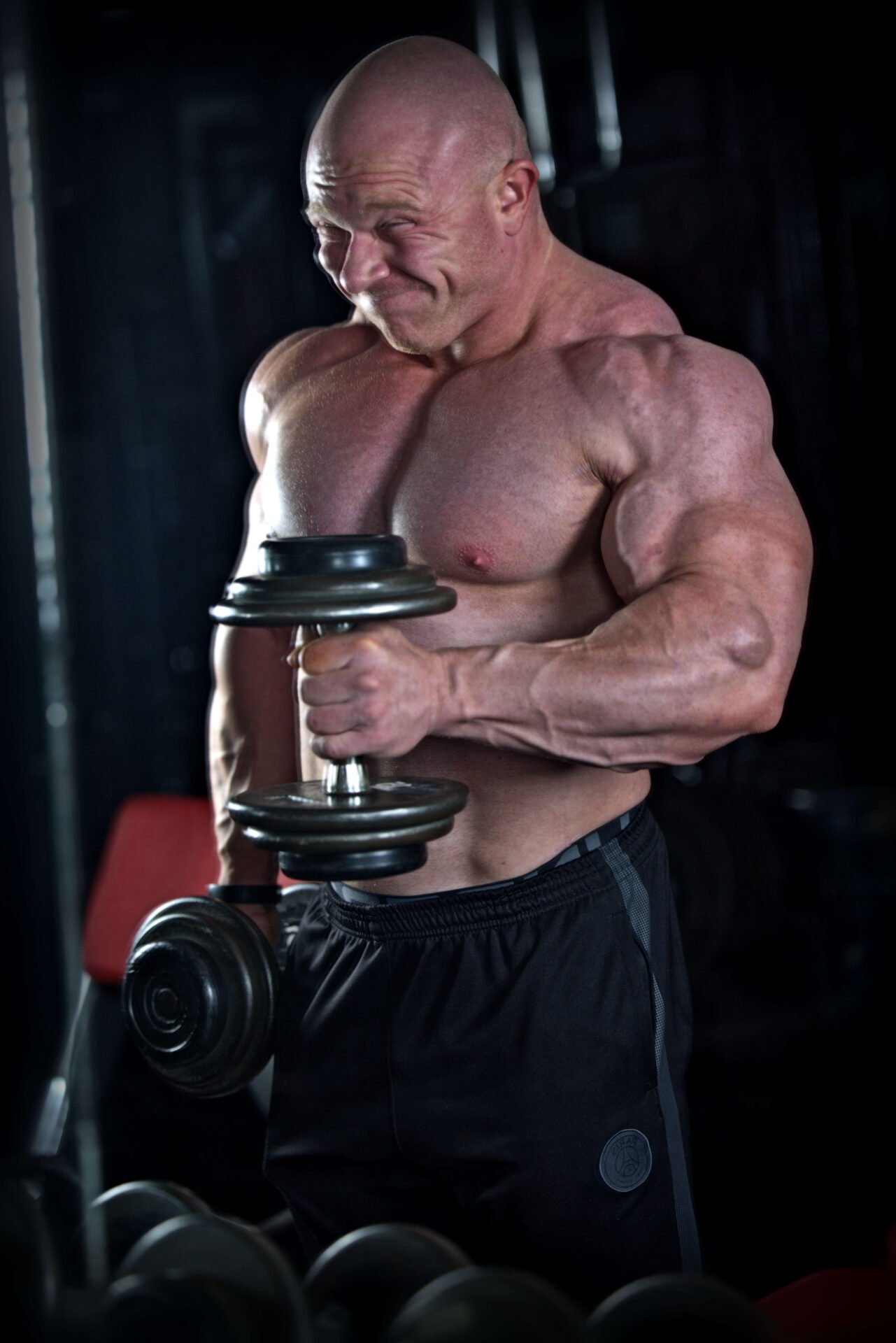
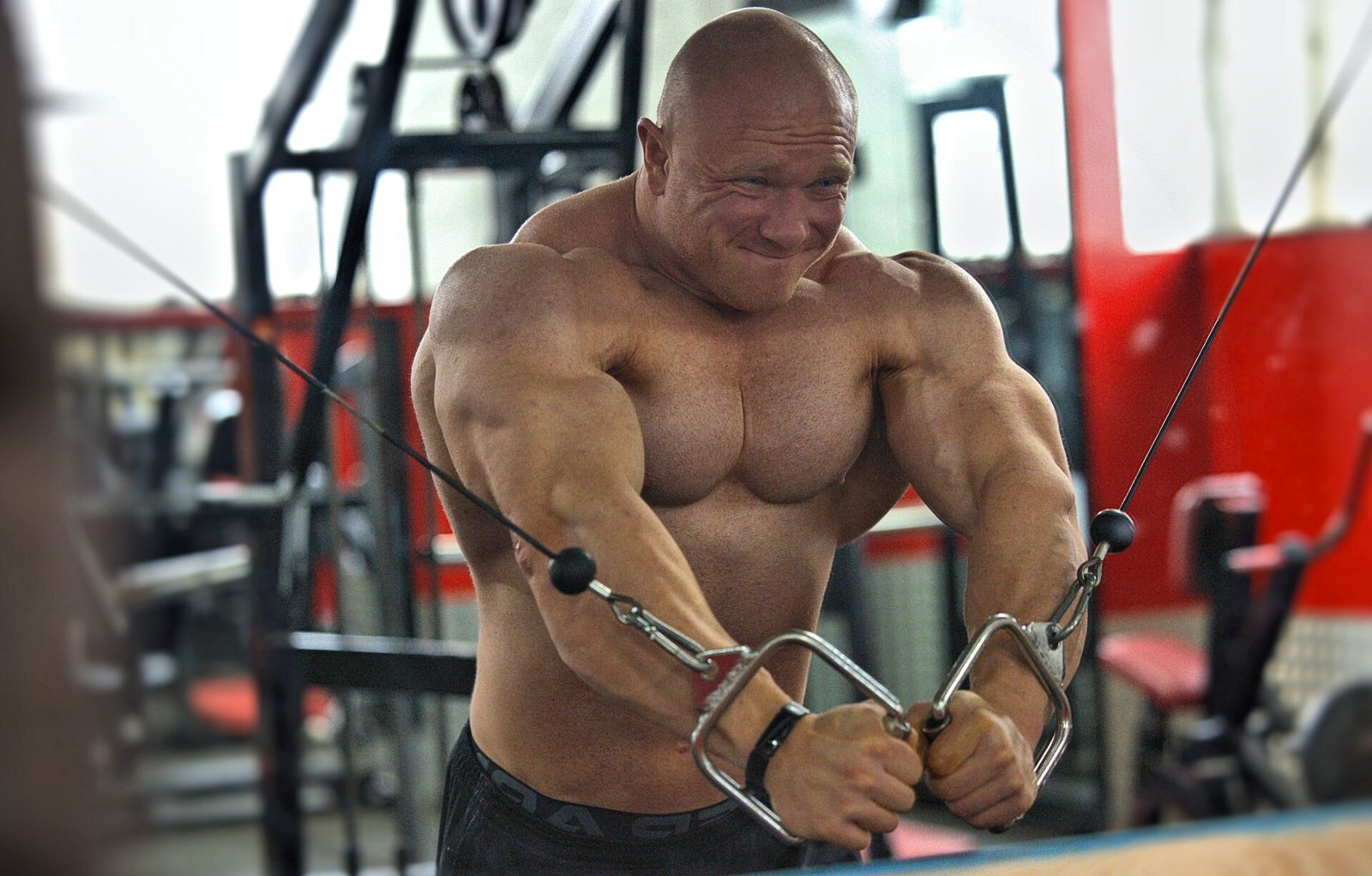



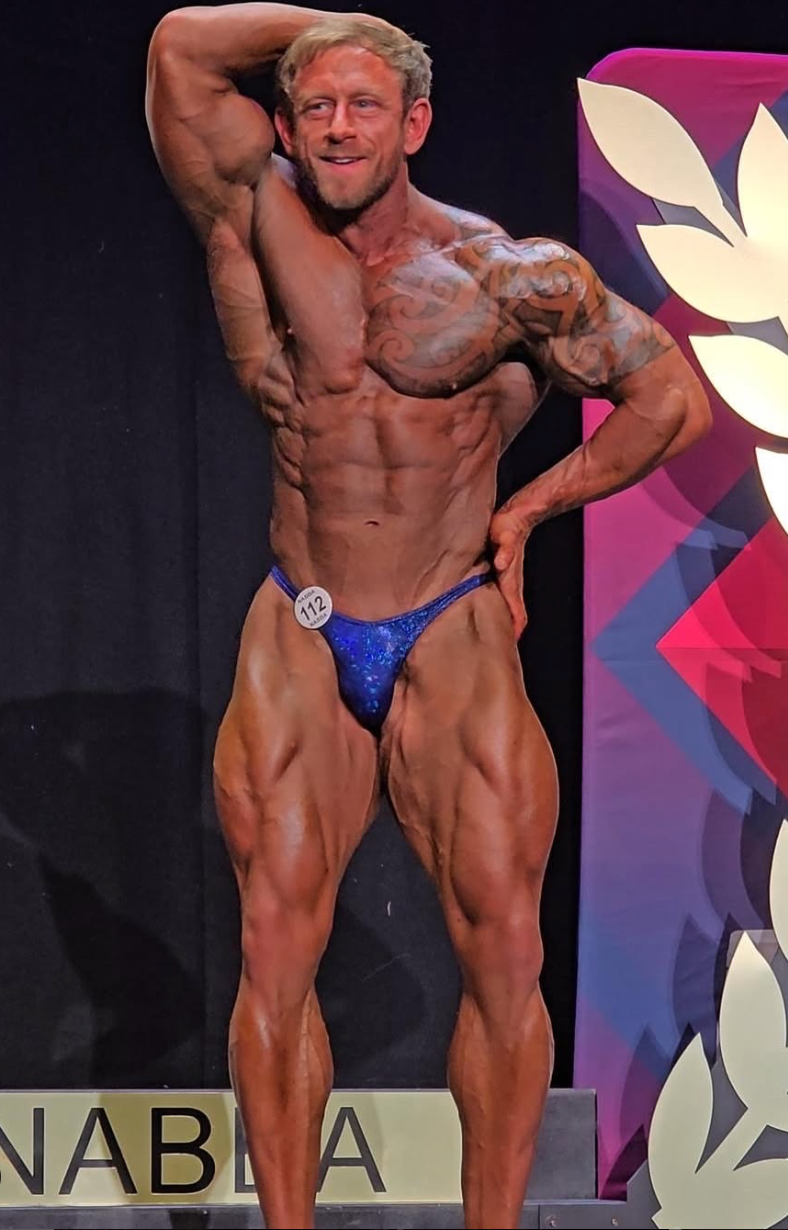
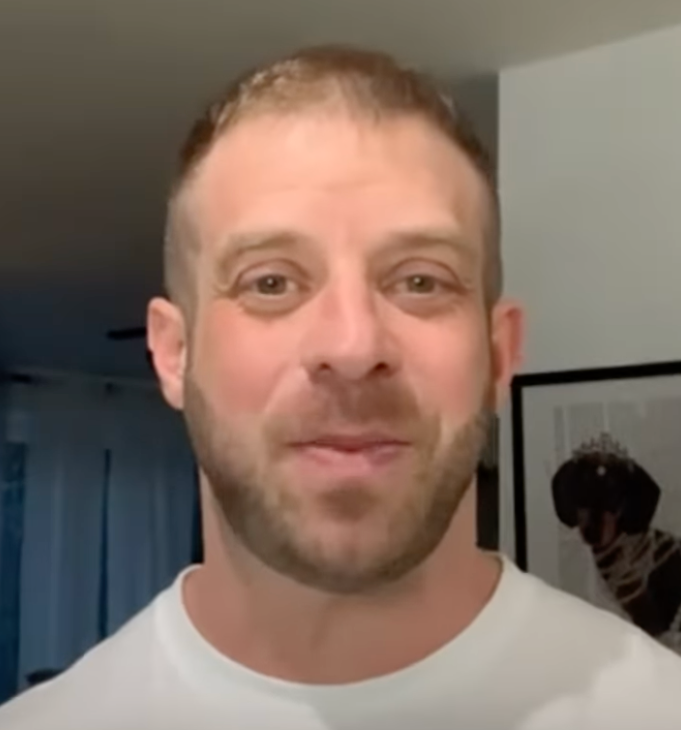


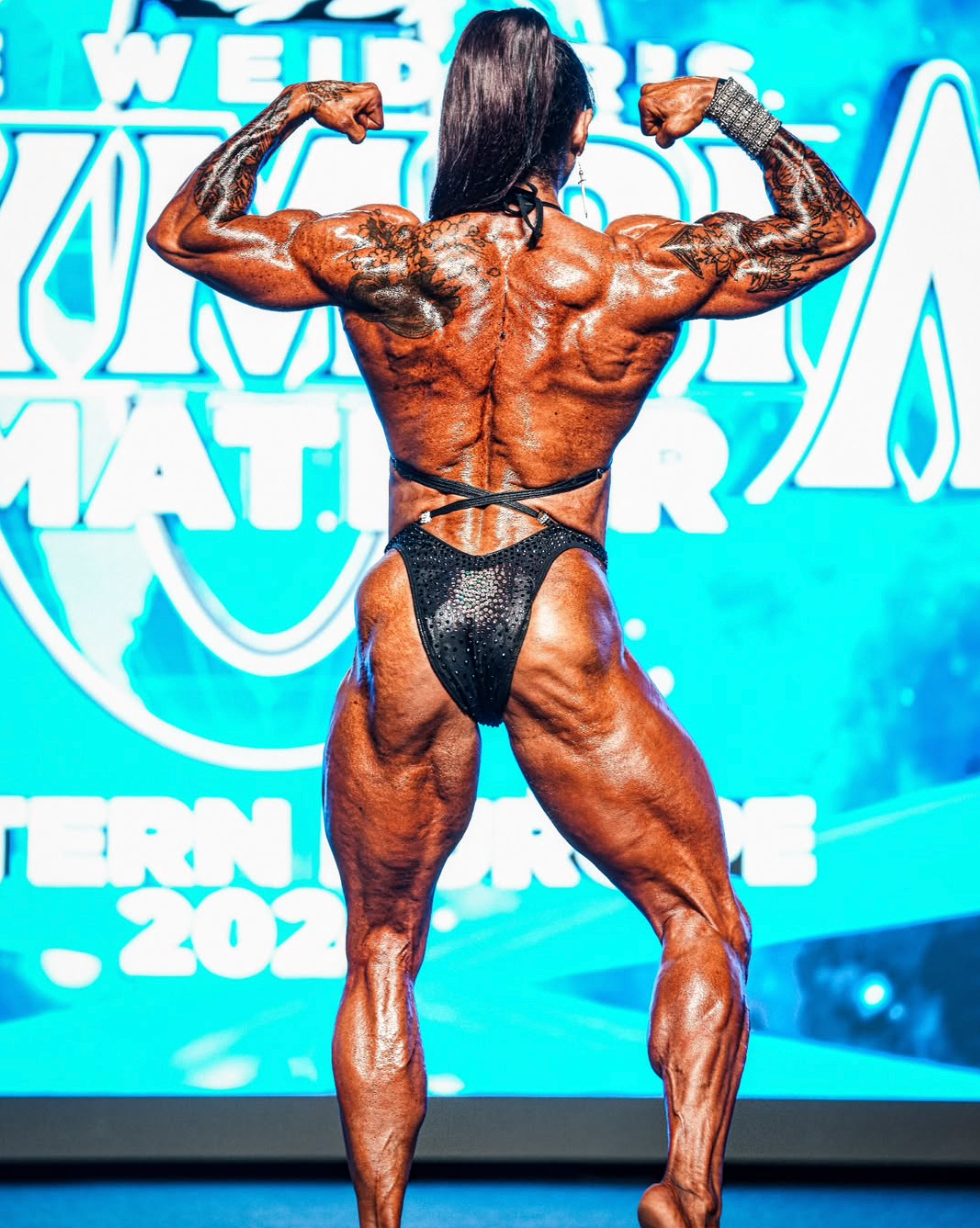




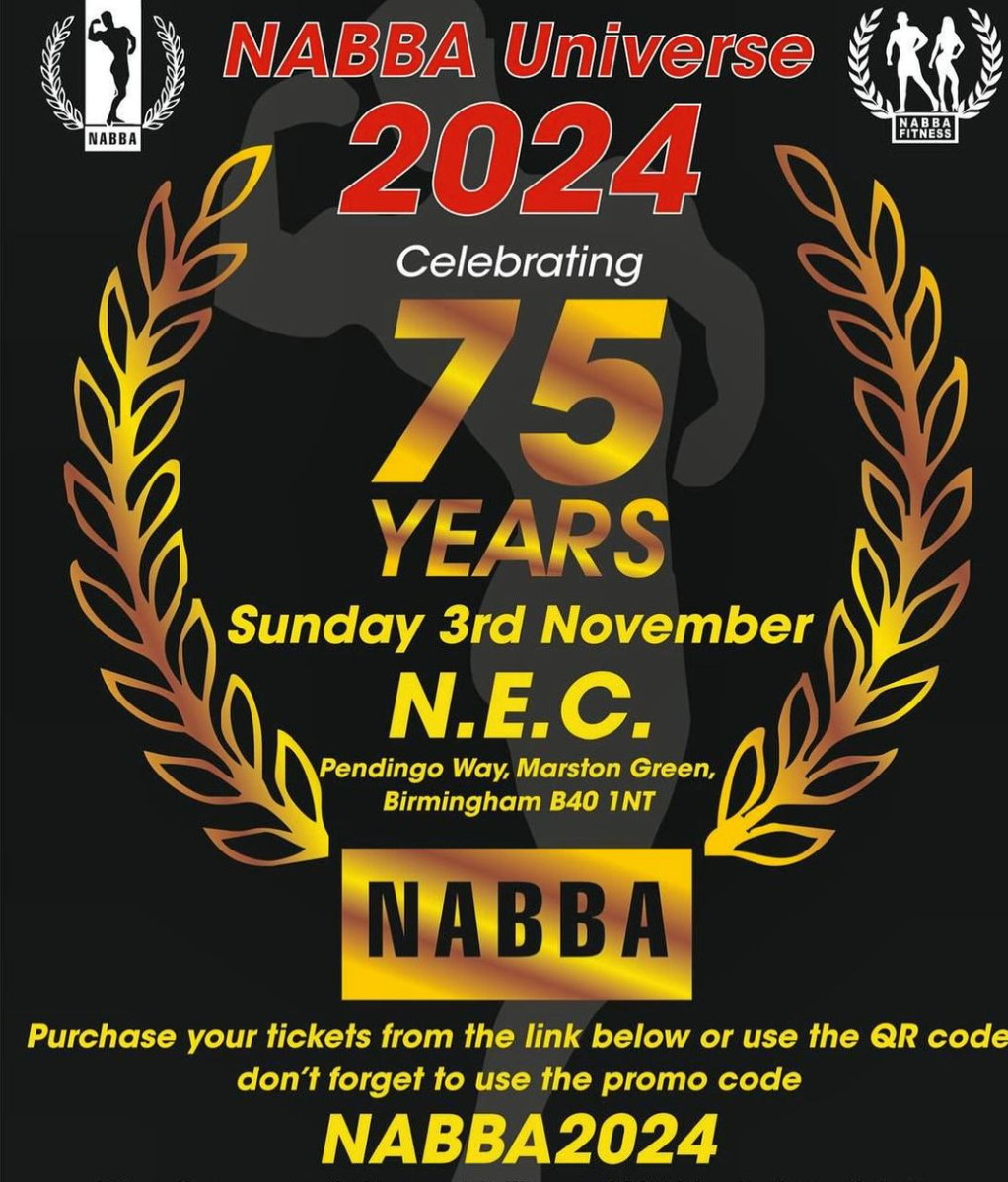



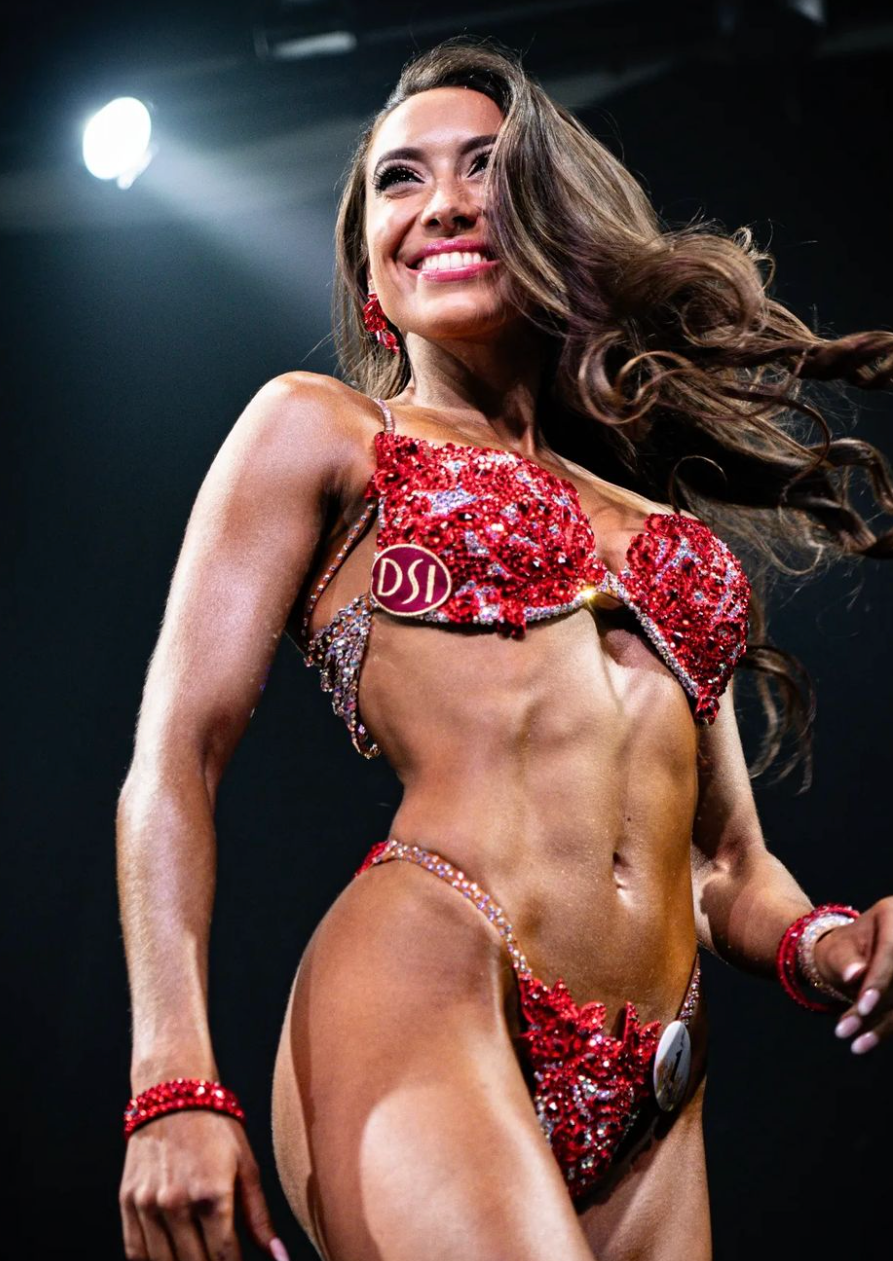

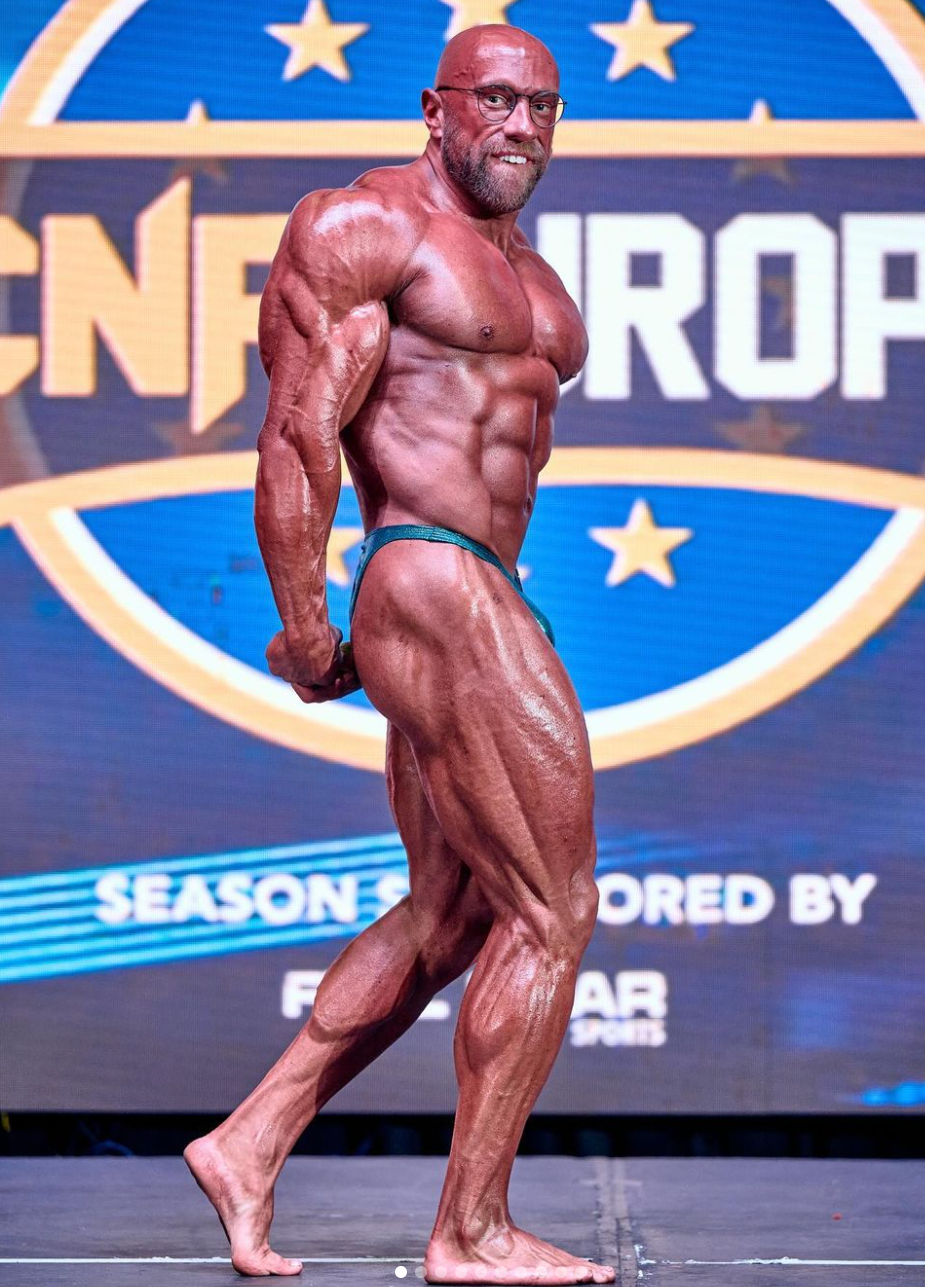

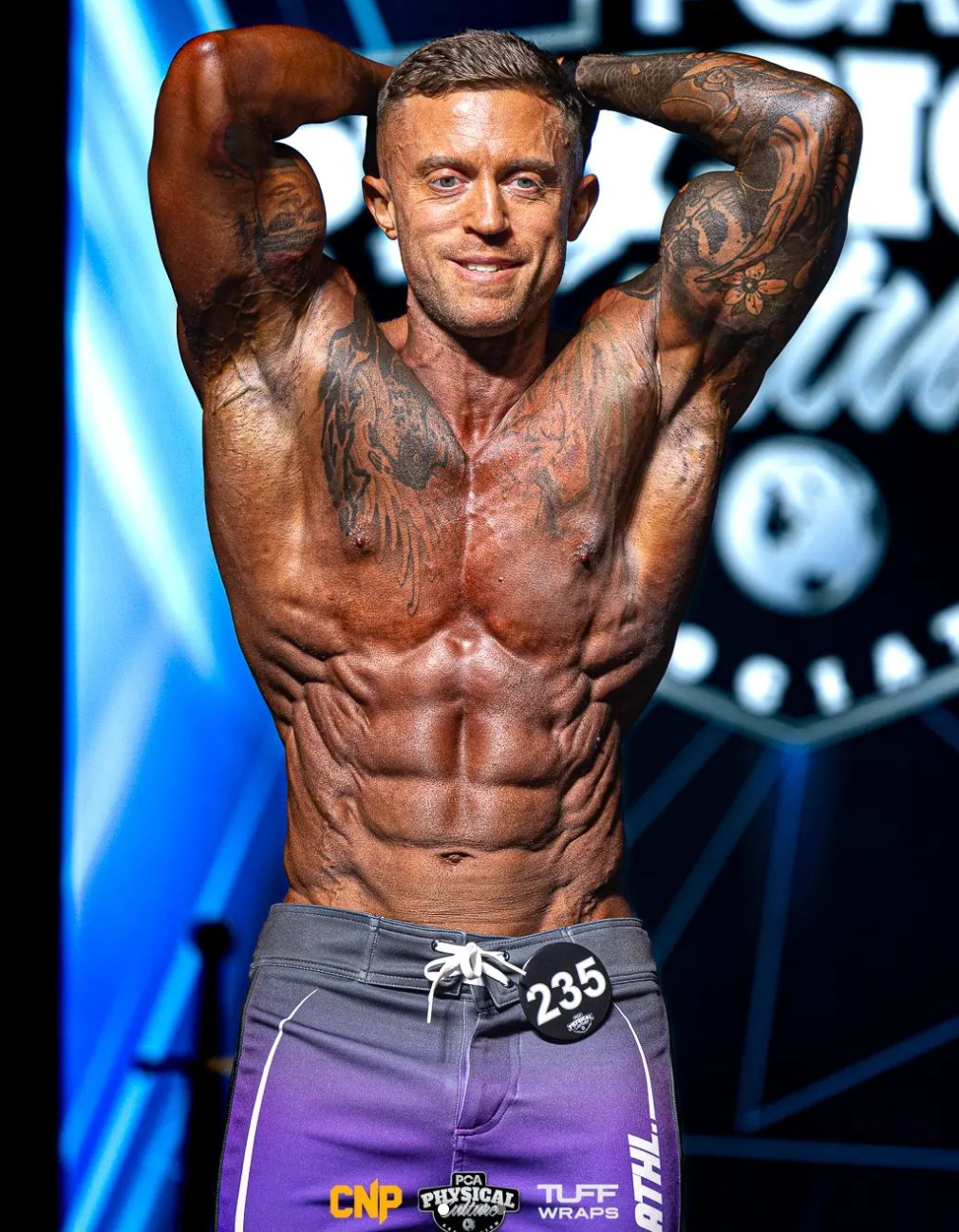
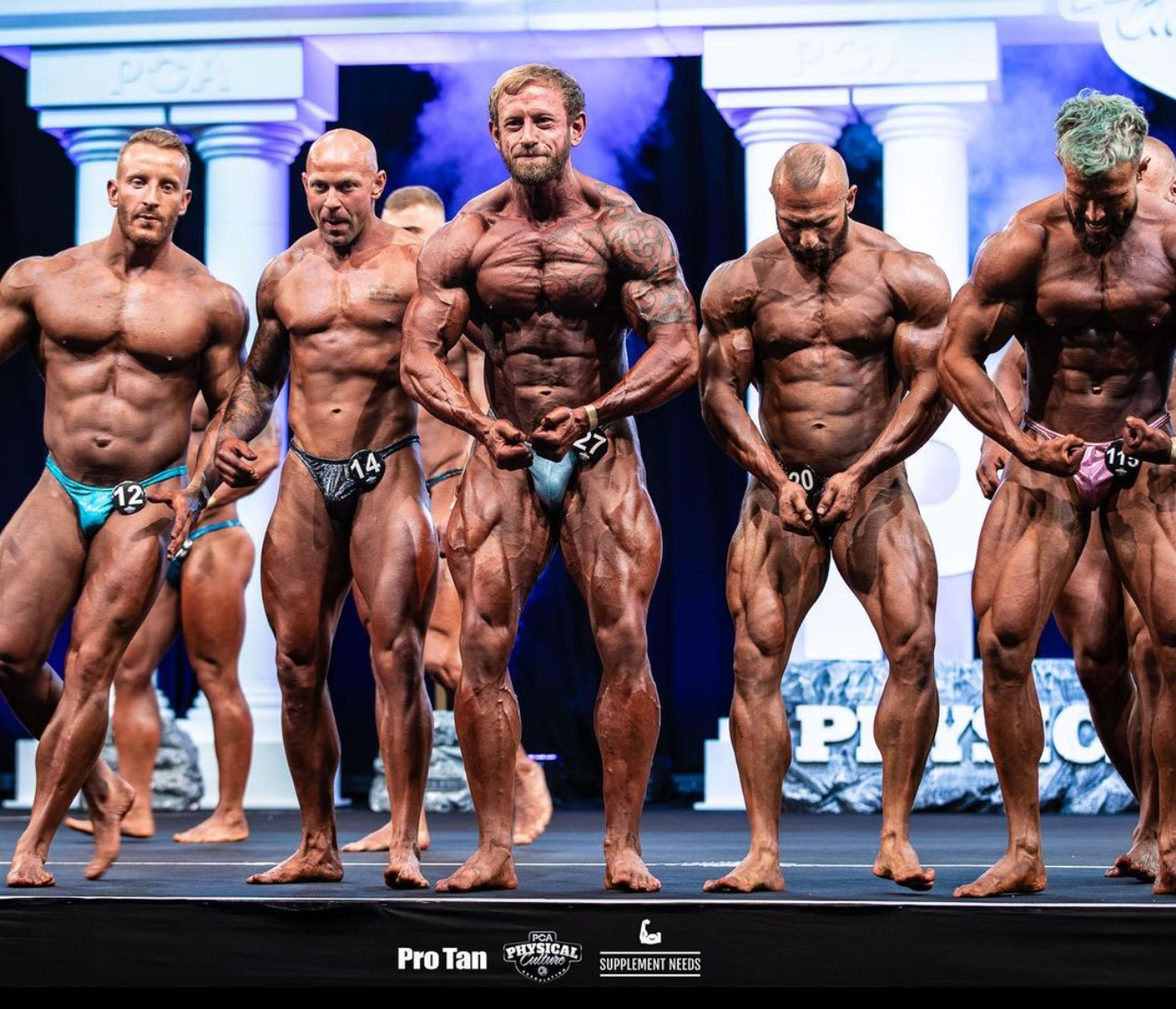


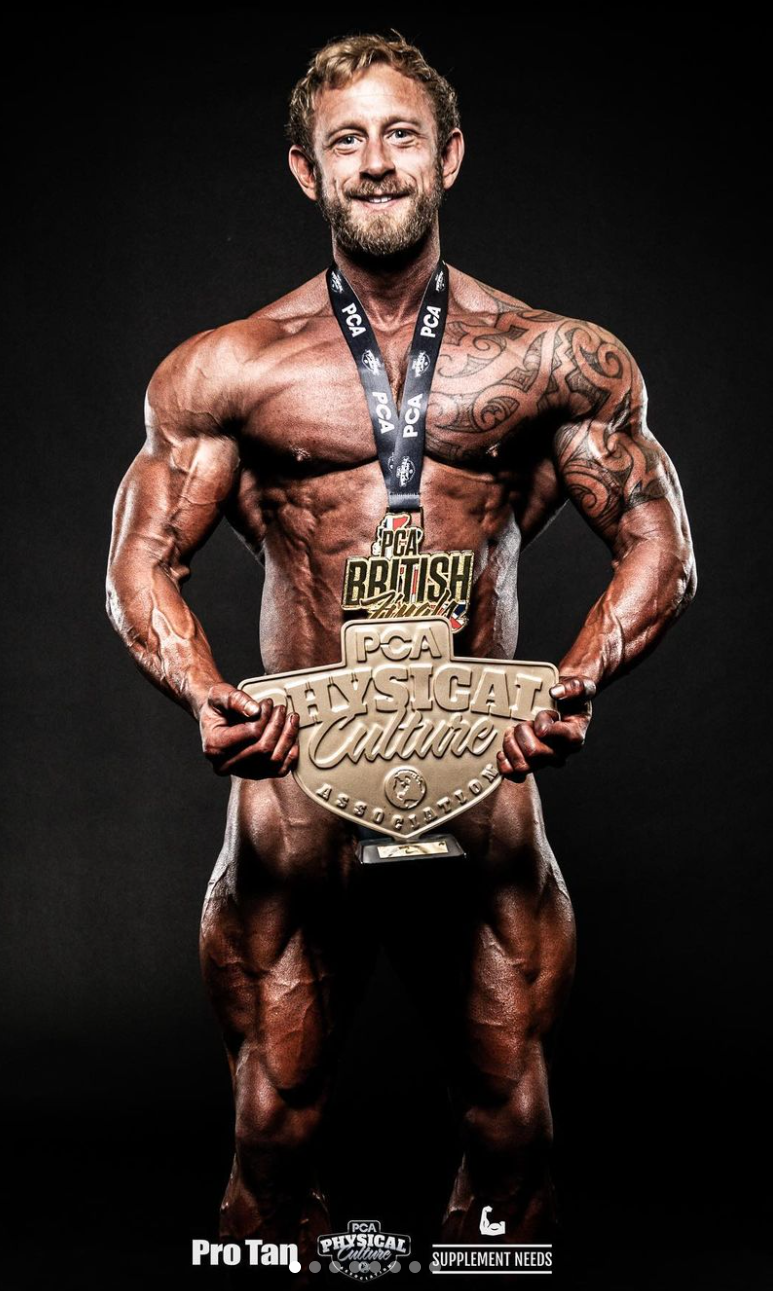



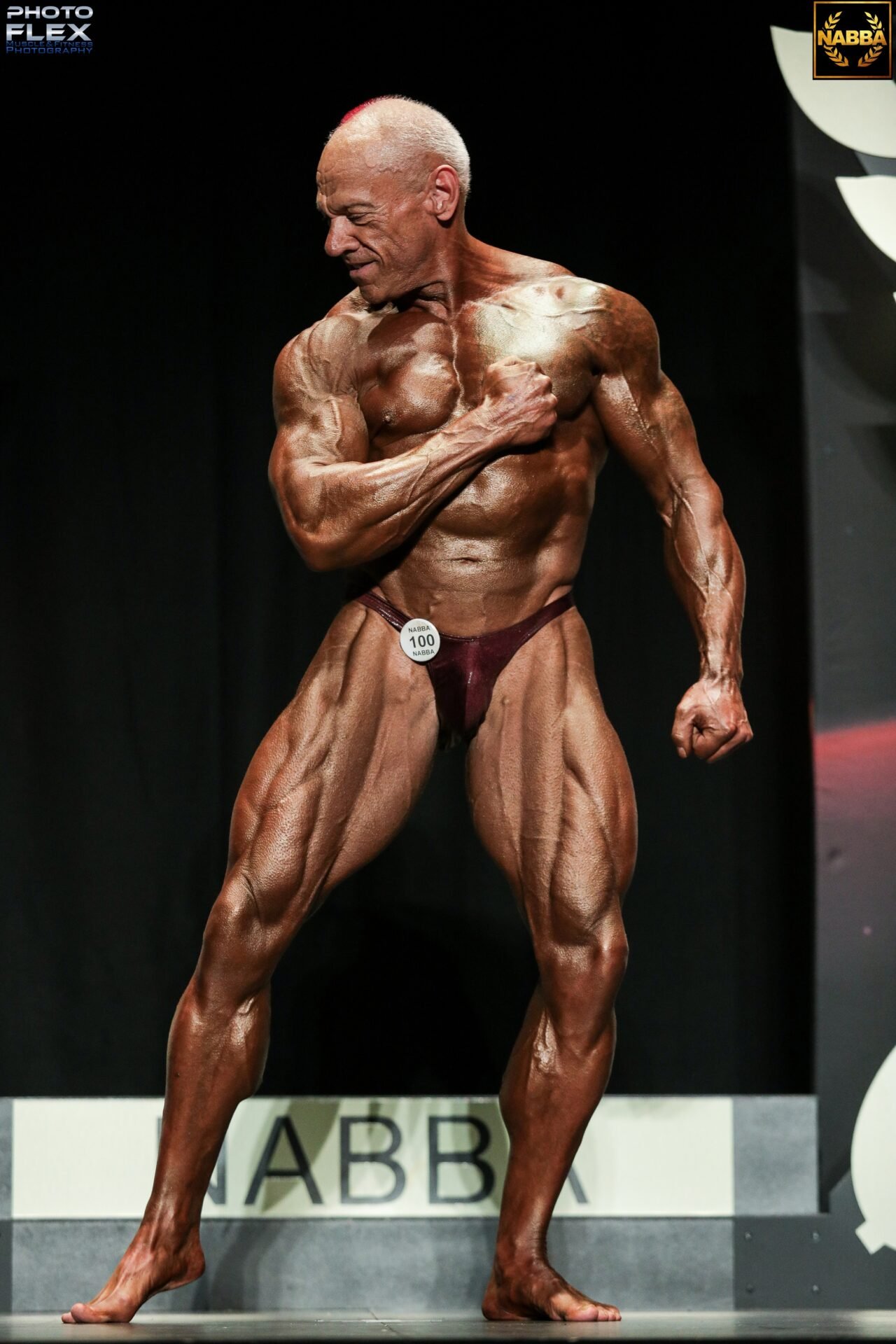
Leave a Reply