Home » Six grams of protein a day for 24lbs gain a year?

Six grams of protein a day for 24lbs gain a year?

December 24, 2024
Editor

Why pushing upwards of 400g, 500g even 600g a day is likely a waste of time and money

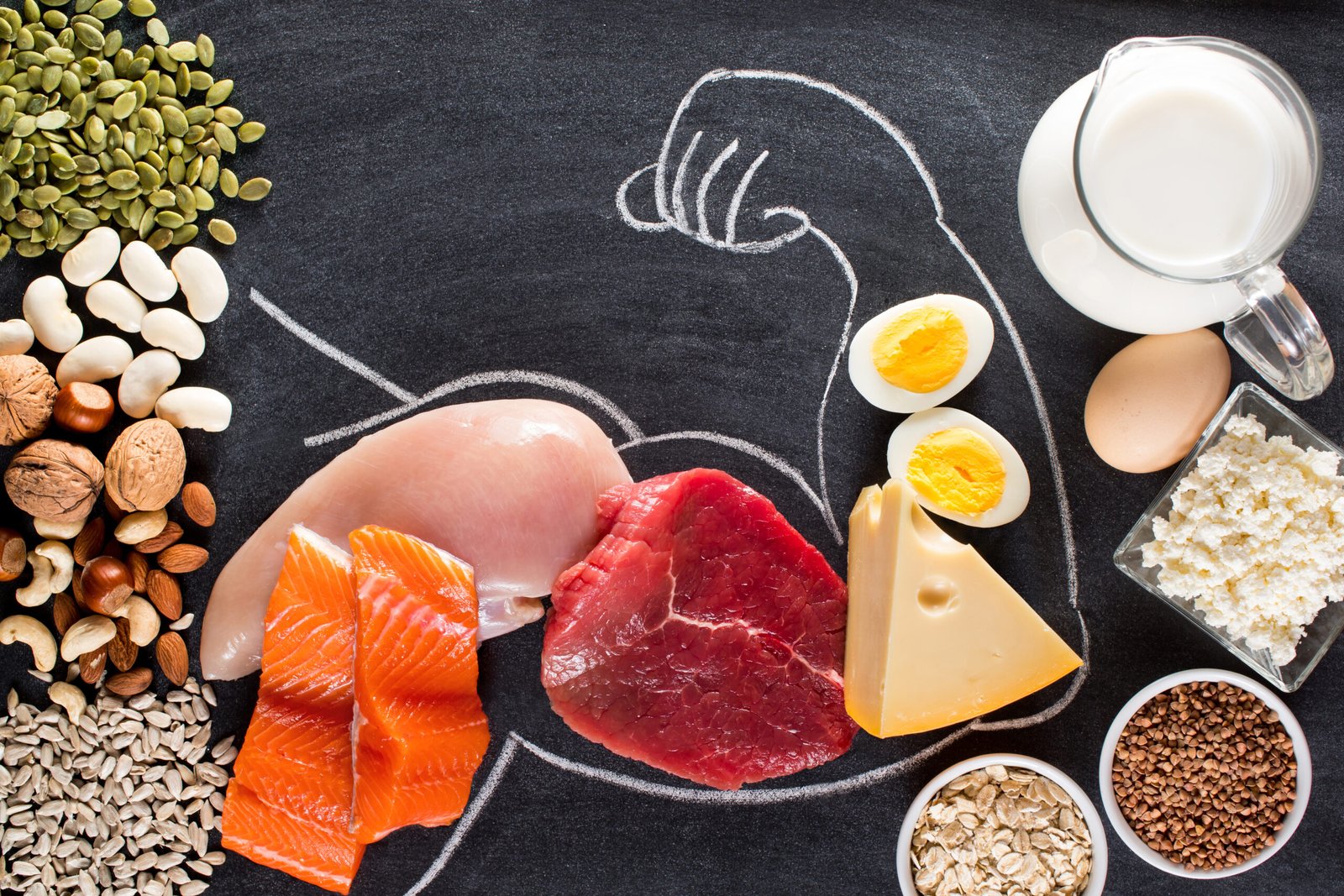
IF the body synthesized just six grams of protein per day into new muscle tissue you could gain 24lbs of lean bodyweight a year.

Yes, the argument of how much protein per day is required for muscle growth is as old as the hills. But one thing appears to be certain – you do not need as much as you think.

One IFBB Pro bodybuilder detailed on social media this year how he eats 600g of protein per day. Justifying this, he wrote: "Carbs don't build muscle, protein does."
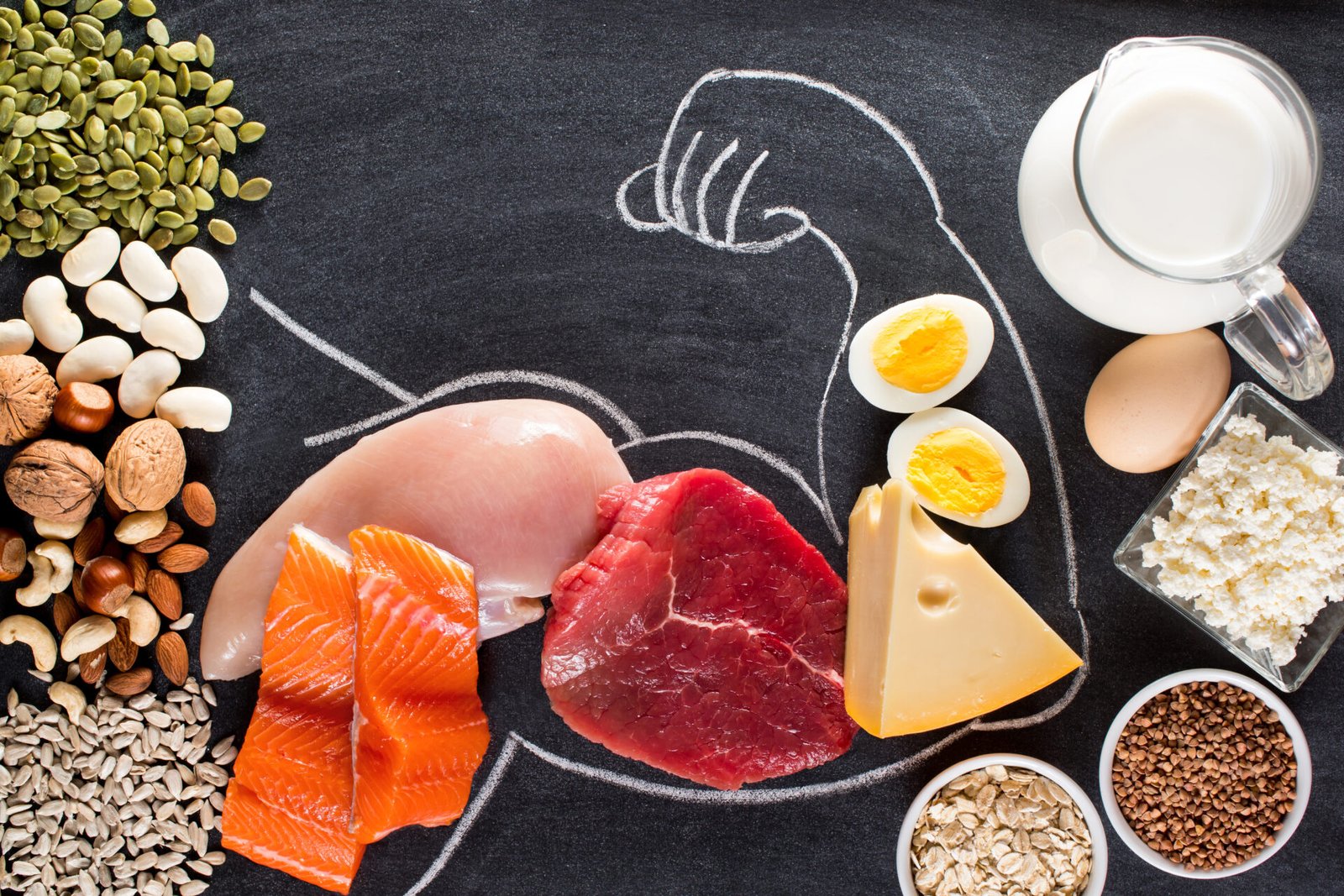
He is right, of course. But if were as easy as simply eating more protein, then why not increase it to 1000g per day or higher? Well, because the human body just does not work like that.

Let's take his 600g per day as an example and see how much muscle someone consuming that much protein could expect to build over a year, if they were to synthesize all of that as muscle tissue.

Excessive protein: A case study of 600g per day

If a bodybuilder consumed 600g of protein per day and all of that protein were used exclusively for muscle protein synthesis [MPS] which, as we will see, is not realistic, we could estimate the potential muscle gain. Here is a rough calculation based on how much protein is required to synthesize muscle tissue:

  • It is generally estimated that for every one gram of muscle protein synthesized, the body gains approximately three to four grams of lean muscle mass (since muscle tissue is made of more than just protein; water, blood, minerals and other components contribute to total muscle mass). Let’s calculate the muscle gain based on 600 grams of protein per day:
    • Low estimate: 600g of protein × 3g of lean mass per gram of muscle protein = 1,800 grams of muscle (1.8 kg) per day.
    • High estimate: 600g of protein × 4g of lean mass per gram of muscle protein = 2,400 grams of muscle (2.4 kg) per day.

This would suggest a massive muscle gain of 1.8 – 2.4 kg per day – an implausible scenario.

If this extreme intake could indeed result in 1.8 – 2.4kg of muscle gained per day, over the course of a year, the total muscle gain would be:

  • Low estimate: 1.8 kg/day × 365 = 657 kg (1,448 pounds) of muscle in a year.
  • High estimate: 2.4 kg/day × 365 = 876 kg (1,928 pounds) of muscle in a year.

Clearly, this is entirely unrealistic. In reality, the maximum natural muscle gain for even the most genetically gifted and dedicated bodybuilders is much lower – typically between six to 12 pounds per year (approximately 2.5 – 5.5 kg per year) under optimal conditions.

Why 600g of protein per day is inefficient

  1. Diminishing returns on protein: While consuming adequate protein is essential, excessive protein, beyond the body’s needs, does not result in linear increases in muscle mass. Studies suggest that protein intake well beyond 2.2 grams per kilogram (or roughly one gram per pound) does not contribute significantly to muscle gain.
  2. Excess protein is wasted: Consuming 600g of protein per day far exceeds what the body can use for muscle growth. The excess protein is either:
    • Converted to energy [carbohydrates] through gluconeogenesis if the body is in need of fuel.
    • Excreted as waste in the form of urea and contributing to unnecessary metabolic waste.
  3. Increased fat storage: Excess protein contributes to excess calories and, in a caloric surplus, this will likely result in fat gain rather than muscle gain, particularly if the body is already getting enough protein to support muscle growth.
  4. Logistical and financial unfeasibility: Consuming 600g of protein per day is not only impractical but also expensive. Even if someone could physically consume such an amount of protein, it may likely lead to digestive discomfort and will likely be financially unsustainable in the long term, given the cost of high-quality protein sources.

How much protein intake to sustain one pound of muscle?

For competitive bodybuilders, the recommended protein intake falls within the range of 1.6 to 2.2 grams per kilogram of body weight (approximately 0.7 to 1.0 grams per pound of body weight) per day. This range supports muscle growth, recovery and the maintenance of lean body mass during intense training and competition preparation.

Each pound of muscle requires 0.9 – 1.8 grams of protein per day to survive and maintain itself. However, dietary protein intake must be higher to meet overall bodily demands and ensure sufficient protein is available for muscle maintenance. This is why protein recommendations for active individuals are often set at 1.6 – 2.2g/kg/day (0.7–1 g/lb of body weight).

Just 6g of daily protein needed in order to build 24lbs a year?

There is, in reality, seriously little protein used for muscle protein synthesis per day. And as we are about to show, using a little as six grams for MPS per day can result in a gain of 24lbs of muscle per year.

Assumptions:

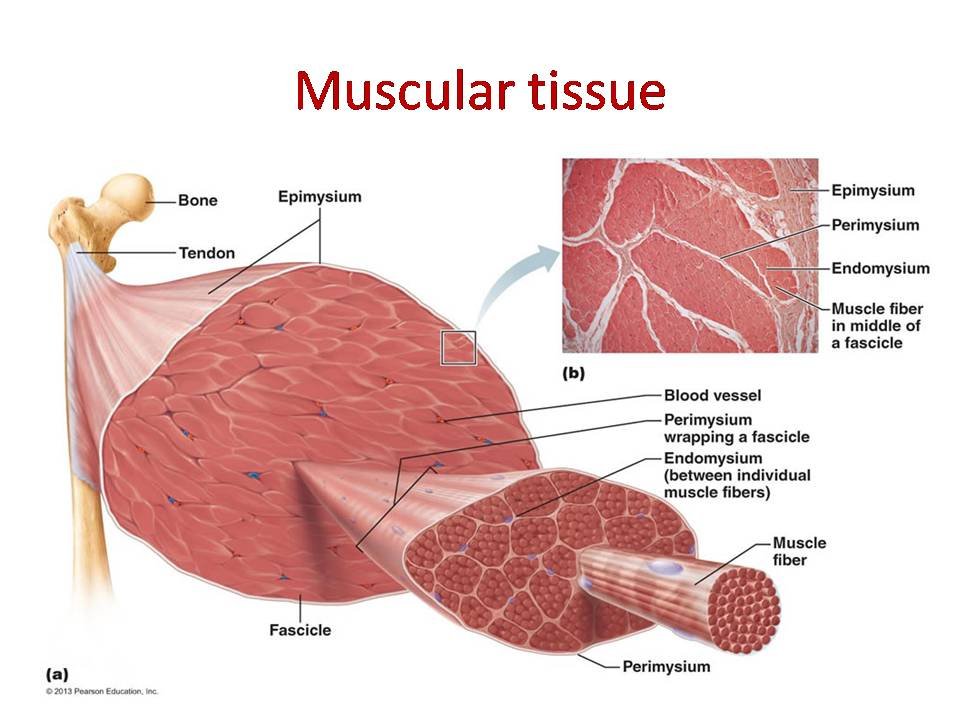
  1. Composition of muscle: Skeletal muscle tissue is about 75% water, 20% protein and 5% other components (eg. glycogen, lipids, minerals).
  2. Muscle protein content: Each kilogram of muscle contains approximately 200 grams of protein (20% of its mass).
  3. Time Frame: 1 month = approximately 30 days.

Calculations:

1. Protein needed for muscle gain:

For each kilogram (or pound) of muscle gained:

  • Protein in one pound of muscle: 1  pound = 0.454 kg
  • 0.454 kg × 200 g/kg = 90.8 g of protein

So gaining 0.5 – two pounds of muscle requires synthesizing approximately:

  • 0.5 pounds: 90.8 g × 0.5 = 45.4 g of protein
  • Two pounds: 90.8 g × 2 = 181.6 g of protein

2. Daily protein synthesis:

To distribute the required protein synthesis over 30 days:
  • For 0.5 pounds/month: 45.4 g divided by 30 days = 1.51 g/day
  • For two pounds/month: 181.6 g divided by 30 days = 6.05 g

Summary:

To gain 0.5 – two pounds of muscle per month:

  • Your body needs to synthesize 1.5g – six grams of protein per day into new muscle tissue.

Clarifying the Calculation:

  1. Theoretical protein synthesis:
    • If six grams of protein are synthesized into muscle daily, that equals: 6 g/day × 365 days/year = 2,190 g of protein
    • Since muscle is 20% protein, this translates to: 2,190 g divided by 0.2 = 10,950g (10.95 kg) of muscle/year.
    • This is approximately 24 pounds of muscle a year.

Most of us are not gaining 24lbs of lean muscle per year. We might be gaining well above 24lbs in our off-season. But after a competition prep, very few are 24lbs heavier than the last time they stepped on stage. So in reality, all that protein you have paid for and scoffed down has been used for a lot of other things aside from actually building muscle. All of which makes it appear to be a waste of money to set your protein intake at the top end of the scale and beyond. It seems excessive protein just turns out to be expensive carbohydrates.

Sources:

Phillips, S. M., et al. (2009). "Dietary protein and muscle mass: translating science to application and health benefit." Nutrition Reviews, 67(6), 402–410.

Maughan, R. J., et al. (2004). "Muscle Protein Turnover and Exercise." The Journal of Physiology, 554(Pt 3), 613–623.


Leave a Reply

Your email address will not be published. Required fields are marked *

Next show

April 18: PCA Naturals 1 – Wulfrun Hall, Wolverhampton; 2Bros Pro Events Open Regional Qualifier – Scotland
April 19: Granite City Classic – Aberdeen Beach Ballroom, Aberdeen; BPA Rising Star (First Timers) & Masters Allstars – Brierley Civic Hall, Dudley

Federations

120/80 abs workout Amateur bodybuilding anabolic steroids Arm wrestling Athlete Profiles Back Training Blood Health blood pressure guidelines blood work bloodwork Body Dysmorphia bodybuilding Bodybuilding advice Bodybuilding analysis bodybuilding basics bodybuilding cardio Bodybuilding comebacks Bodybuilding Competitions Bodybuilding Contest Prep bodybuilding costs Bodybuilding Culture bodybuilding debate bodybuilding drugs Bodybuilding federations Bodybuilding health bodybuilding history bodybuilding influencers Bodybuilding injuries Bodybuilding interviews Bodybuilding judging Bodybuilding Kidney Health bodybuilding lifestyle Bodybuilding mental health Bodybuilding mindset Bodybuilding mistakes Bodybuilding motivation Bodybuilding news UK Bodybuilding nutrition Bodybuilding Off Season bodybuilding opinion Bodybuilding Prep Bodybuilding Psychology Bodybuilding Quiz Bodybuilding risks Bodybuilding science bodybuilding sponsorship Bodybuilding Stigma Bodybuilding stories Bodybuilding Supplements Bodybuilding training Bodybuilding Transformation Bodybuilding Trivia bodybuildingnews Boxing British bodybuilding carb loading cholesterol Chris Jones Christmas bodybuilding Class 1 bodybuilding Conditioning contest prep core training Creatine and Kidney Function Daniel Smith Junior Deadlifts Dianabol Diuretics Dorian Yates Eddie Sykes eGFR and Cystatin C Testing European Masters Fat Loss female bodybuilding First-Time Bodybuilding fitness industry Front Double Genetics growth hormone bodybuilding gym clothing Gym culture gym fashion Haematocrit haemoglobin heart health Hematocrit HGH dosage bodybuilding High Protein Diet and Kidneys HIT Training hypertension UK hypertrophy Ian Christopher IBFA IBFA GB IBFA International IBFA UK IFBB IFBB bodybuilding IFBB Pro IFBB Pro League injury recovery is bodybuilding a sport Lee Priest leg day leg day video leg press injury Lewis Breed lipids Louise Plumb Masters Bodybuilding Matt Griggs Matthew Ali men’s physique Mental Health midsection Mr Britain Mr Olympia Mr Olympia 2024 Muscle Growth muscle growth hormones nabba NABBA Universe nabbaproleague nabbaproshow Neil Andrews Nick Elliott normal blood pressure NPC Worldwide off-season cardio Online Coaching Over 40 bodybuilding PCA PCA Masters Championships PCA Pro Card peak week PEDs peptides physique competition Prep Coaches Pro Card debate quad workout Rep Ranges Retatrutide Rick Foster Ryan Mackins Sam Sulek Samson Dauda social media reach sponsored athletes steroids Steroids and Kidney Damage Strength Training Striated glutes testosterone bodybuilding Todd Payette Training Volume trt UK Bodybuilding UK bodybuilding news water manipulation Women in Bodybuilding Zoe Miller

Subscribe to receive the latest articles and updates.

We strictly obey no spam policy.
© 2026 Frontdouble
Front Double is the UK's only independent bodybuilding site covering shows, athlete profiles, interviews, education and industry news.