
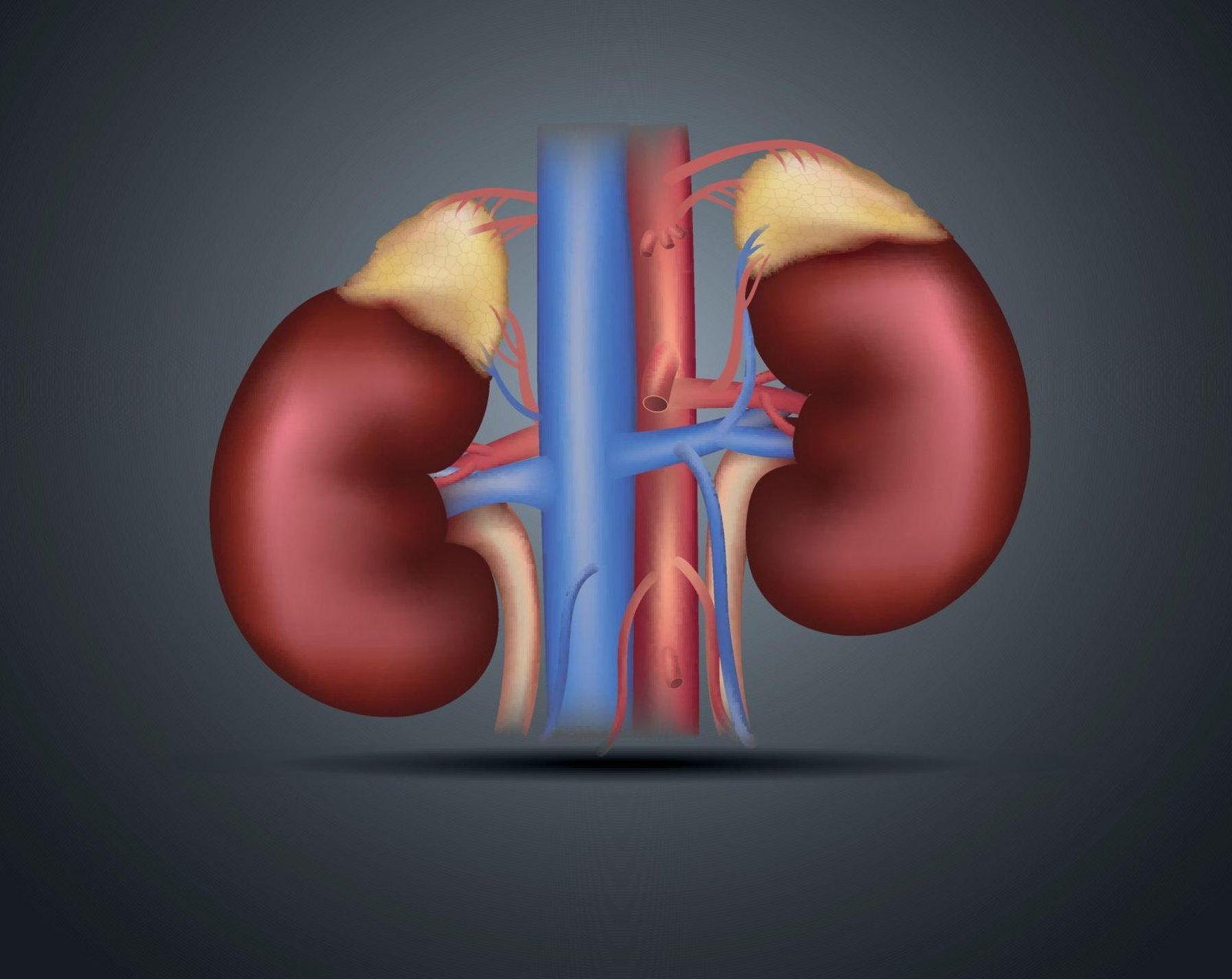
Kidney health is a key but often overlooked aspect of bodybuilding, particularly in the context of high protein diets, supplementation and performance-enhancing drug use.
By Gary Chappell
BODYBUILDING kidney health is not a sexy topic. Nobody posts an instagram reel of their eGFR. But if you lift hard, eat big and especially if you use PEDs, your kidneys sit quietly in the background taking a beating. Until they don’t.
This guide breaks down what bodybuilders need to know about kidneys, how blood tests for creatinine, urea and eGFR [estimated glomerular filtration rate] actually mean and work, better testing options such as cystatin C and 24-hour clearance, what really ruins kidneys in a bodybuilding context and which “kidney support” supplements actually make a difference versus just hype.
Blood and PED expert Dave Crosland probably explained it best in a video for frontdouble.com. He said: "When you have large protein molecules passing through holes in the filters of your kidneys, it's a bit like having change in the pocket of your jeans that have a hole in."
Your kidneys are not just a “filter” you occasionally think about when a blood test looks off. The job they perform in your body includes:
For bodybuilders, kidney health sits at the centre of how you cope with high protein diets, how heavily you can push anabolics and orals, how far you can mess about with diuretics, dehydration and the last week before a show and your long-term risk of hypertension, heart disease and kidney failure.
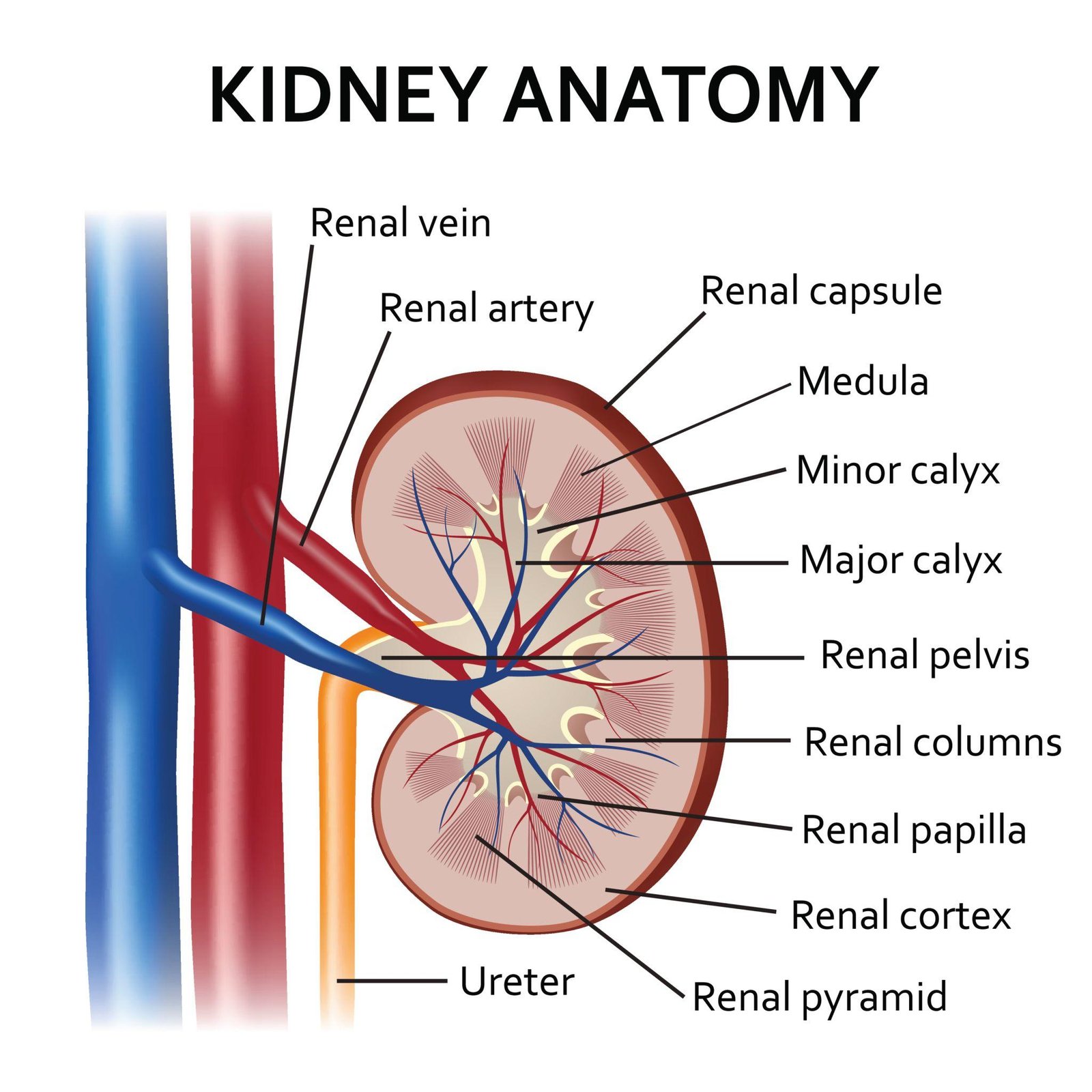
Anyone with experience of blood tests through their local GP surgery will have seen the word creatinine. This is a breakdown product of creatine in muscle. What many GPs will not emphasise, however, is that the more lean mass you carry, the more creatinine you naturally produce each day. Your kidneys' job is to clear it from the blood. In healthy individuals, this system works efficiently. But generally when filtration declines, creatinine rises.
Doctors often treat a high creatinine as a red flag. But the catch for bodybuilders and strength athletes is that high muscle mass means a higher baseline creatinine, even with healthy kidneys. And on paper this can look like “stage 3 CKD” when your actual filtration is fine.
Urea (reported as BUN in some countries) reflects protein metabolism and hydration. It goes up with high-protein diets, dehydration, GI bleeding and catabolic illness. And it may go down with good hydration or liver problems.
For bodybuilders smashing protein, a raised urea with normal other markers often just means you eat a lot and you are a bit dry. On its own it tells you very little about true bodybuilding kidney health.
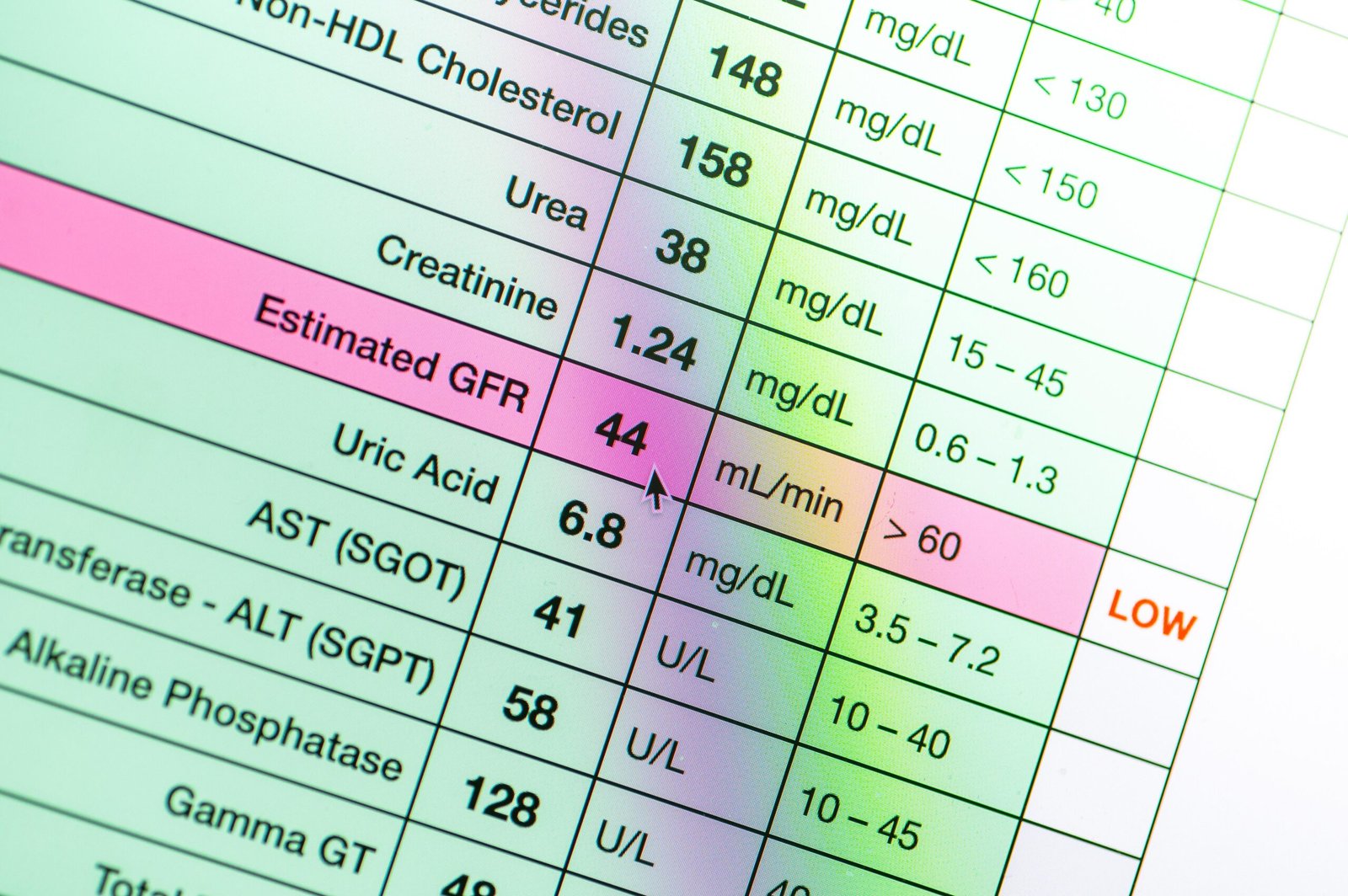
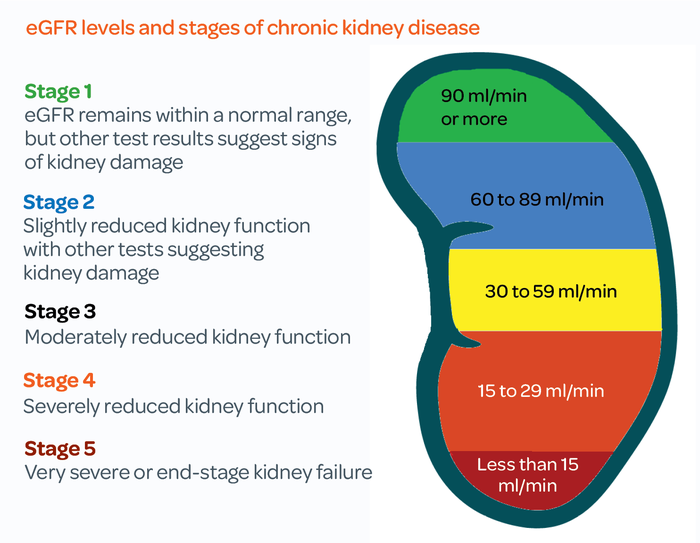
Labs run creatinine, age and sex through an equation to produce an estimated glomerular filtration rate (eGFR). You will see it reported as a number, such as “eGFR 72 mL/min/1.73m²”.
In simple terms, GPs often interpret it as:
The problem for bodybuilders however, is that these equations assume an average person with average muscle mass. So if you are 95–110 kg on stage or just heavily muscled, your creatinine will be naturally higher. And therefore the formula interprets that as “poor filtration” and will tell you a lower eGFR than you actually have – possibly alerting you to stage three chronic kidney disease when in fact your organs are working fine.
That is why bodybuilding kidney health cannot be judged from a single creatinine-based eGFR number in isolation.
There are better tools to measure kidney function than just standard creatinine-eGFR. Long before eGFR drops, kidneys that are starting to fail often leak small amounts of albumin into the urine.
A urine albumin–creatinine ratio (ACR):
For bodybuilders, ACR is arguably more useful than obsessing over a single eGFR. A big lifter with eGFR 55 but normal ACR and stable results may simply be “too big for the equation”. But a normal-looking creatinine with a raised ACR is a genuine red flag.
The other option is a cystatin C test. Cystatin C is a small protein produced by all nucleated cells at a relatively constant rate. Unlike creatinine, it is much less affected by muscle mass, less influenced by diet and sex and cleared by the kidneys in a predictable way.
Equations using cystatin C, or combining cystatin C with creatinine, often:
For someone serious about bodybuilding kidney health with suspicious creatinine-based eGFR, asking for cystatin C and a combined eGFR is one of the most useful tests you can request.
The third option is a 24-hour creatinine clearance test. This involves:
For most bodybuilders, a combination of creatinine-eGFR, cystatin C, ACR and blood pressure gives you a very solid view of bodybuilding kidney health without needing a specialist.
Case studies of bodybuilders using high-dose anabolic steroids for years have shown focal segmental glomerulosclerosis (FSGS) — scarring of sections of the kidney filters — leading to heavy protein loss in the urine (often producing foamy urine), swelling in the legs and progression to chronic kidney disease in some athletes. High blood pressure can also damage kidneys. American coach Justin Harris, of Troponin Nutrition, likens it to a pressure washer blasting into a coffee filter.
Peak week “witchcraft” creates a perfect storm of:
There are documented cases of acute kidney injury (AKI) in physique athletes and fighters using extreme dehydration protocols. Repeated AKI episodes are not harmless; they increase the risk of later chronic kidney disease.
Non-steroidal anti-inflammatory drugs (NSAIDs) like ibuprofen and naproxen can interfere with blood flow into the kidneys and, therefore, increase the risk of AKI. This is especially the case when combined with dehydration and heavy exertion.
If your default is “couple of ibuprofen before legs” on top of AAS, dehydration and diuretics, your kidneys are quietly paying the bill.

You always hear the question, how much protein is enough? And GPs will often tell you that "too much" protein – and protein powders – can damage kidneys. But what is the truth? Well, multiple studies in healthy adults show that: higher protein intake increases GFR slightly (hyperfiltration). But over the study periods examined, there is no convincing evidence of kidney damage in people with normal kidney function.
If you already have reduced kidney function, then things differ. Very high protein on a damaged kidney is extra workload your nephrologist probably does not want you to add without supervision.
There is a also a myth surrounding creatine monohydrate and kidney health. Yes, its use can raise serum creatinine a bit. But it does not seem to reduce true GFR or cause kidney disease in healthy users at standard doses (3–5 g/day). This has been examined repeatedly in controlled studies.
Where the confusion comes in is that doctors see “high creatinine” without context and assume the kidneys are failing. If there are concerns, then requests for further tests, as outlined above, can be made. Frontdouble.com is aware of some GPs who do not even know what a Cystatin C test is...
Astragalus is heavily promoted in bodybuilders circles as a must-have kidney shield. Although some trials show improvements in proteinuria and creatinine, the evidence quality is mixed and there is almost no data in healthy athletes or steroid users. Some of the social media hype may well come from anecdotal evidence, however.,
Right now, there is no solid evidence that astralagus prevents or reverses steroid-induced kidney damage or peak-week abuse in bodybuilders.
In people with established CKD and proteinuria, omega-3s can modestly reduce protein loss in the urine and possibly slow progression in some subgroups. For bodybuilders with normal kidneys, their main value is improving triglycerides and overall cardiovascular risk, while offering general anti-inflammatory benefits. In short, fish oil is a good idea for heart health, but they are not a magic pill for bodybuilding kidney health.
Most “kidney detox” or “renal support” blends on the supplement market have little to no human data. Most of them use small, under-dosed amounts of herbs and essentially ride on vague promises about “cleansing” and “detoxification”. Be mindful of these. If a product claims to “repair your kidneys” without showing actual clinical data, treat it as marketing copy, not medicine.

If you care about bodybuilding kidney health for the long term, focus on what really moves the needle. Aim for at least yearly (and more often if enhanced) checks of:
In addition:
So remember: bodybuilding kidney health cannot be judged from creatinine alone. Bigger lifters often look worse on paper. Use ACR, cystatin C and trends over time, particularly alongside eGFR. High protein and creatine are usually not the villains in healthy athletes. The real damage comes from chronic high blood pressure, excessive AAS use, diuretics, repeated dehydration, NSAIDs and reckless supplement stacking.
Astragalus and other supplements may offer marginal support. They cannot undo long-term abuse.
The big wins are boring: blood pressure control, intelligent cycle design, hydration and regular monitoring.
If you are going to push PEDs and big weights, treat your kidneys as a limited-edition part. Once they are gone, they are gone.
Written and edited by Gary Chappell, UK Masters bodybuilder, Personal Trainer, Nutrition Advisor, prep and lifestyle coach and former national newspaper sports journalist.



Leave a Reply