Home » How modern blood-pressure targets are creating anxiety

How modern blood-pressure targets are creating anxiety

February 22, 2026
Editor
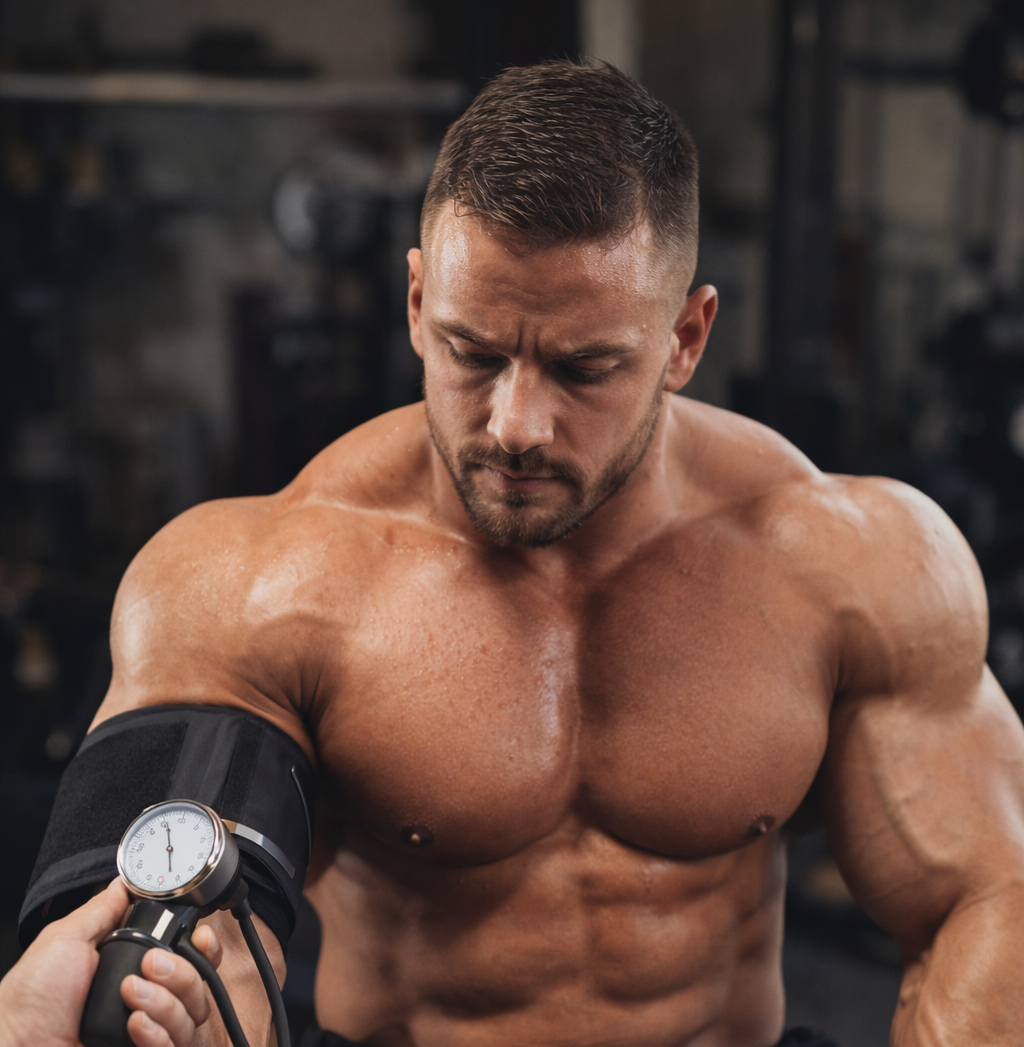
bodybuilding blood pressure targets anxiety

Why 120/80 might be "guideline normal" but is far from "real world normal"

By Gary Chappell

WE ARE told 120/80 mmHg represents normal blood pressure with anything significantly above that labelled hypertension.

Yet many people in the UK, especially men over 40, report being told something very different in real life. In fact, frontdouble.com has been told that paramedics see 150/90 as "normal".

So which version is correct? And more importantly, are modern blood-pressure targets unintentionally creating anxiety in people who may never realistically sit at 120/80 again?
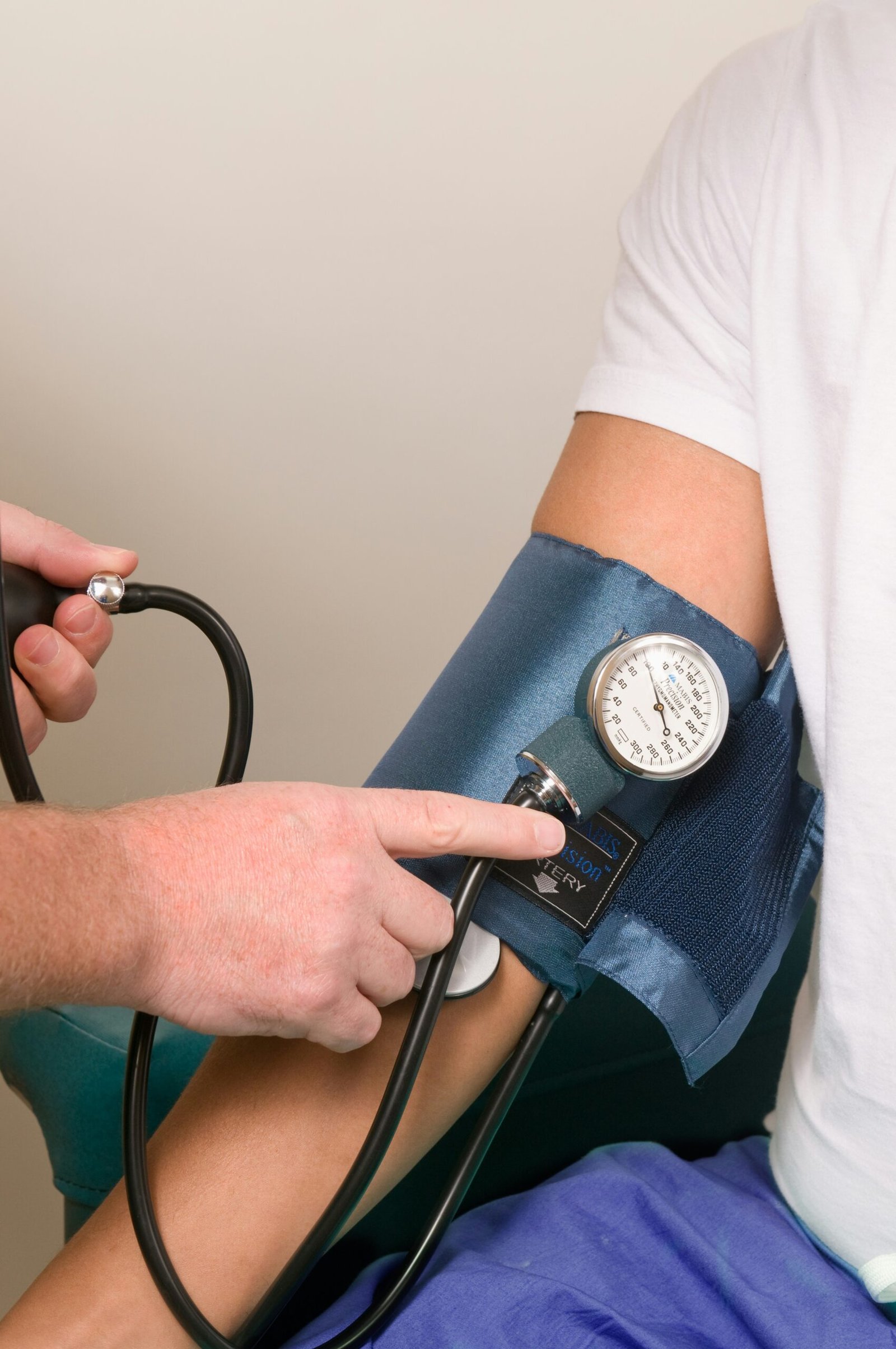
blood pressure bodybuilding

Where 120/80 came from

Blood pressure guidelines tightened significantly over the past decade. Large trials such as SPRINT suggested that targeting lower systolic blood pressure (about 120 mmHg) in higher-risk populations, reduced cardiovascular events compared with higher targets.

That influenced global guidance and shifted public messaging toward lower “optimal” numbers.

But consider this. SPRINT:

  • Studied higher-risk individuals
  • Used automated measurement techniques that often read lower
  • Excluded certain patient groups
  • Reported higher rates of side effects in the aggressively treated group

It was not a study of healthy, active middle-aged adults trying to stay within a textbook ideal. And this is where a now-global problem has manifested.

Systolic pressure naturally rises over time due to structural changes in blood vessels. For many adults over 45, particularly men, maintaining a consistent 120 systolic reading is not physiologically typical.

While this does not mean high blood pressure should be ignored, it does raise a question: Are we treating natural ageing as pathology?
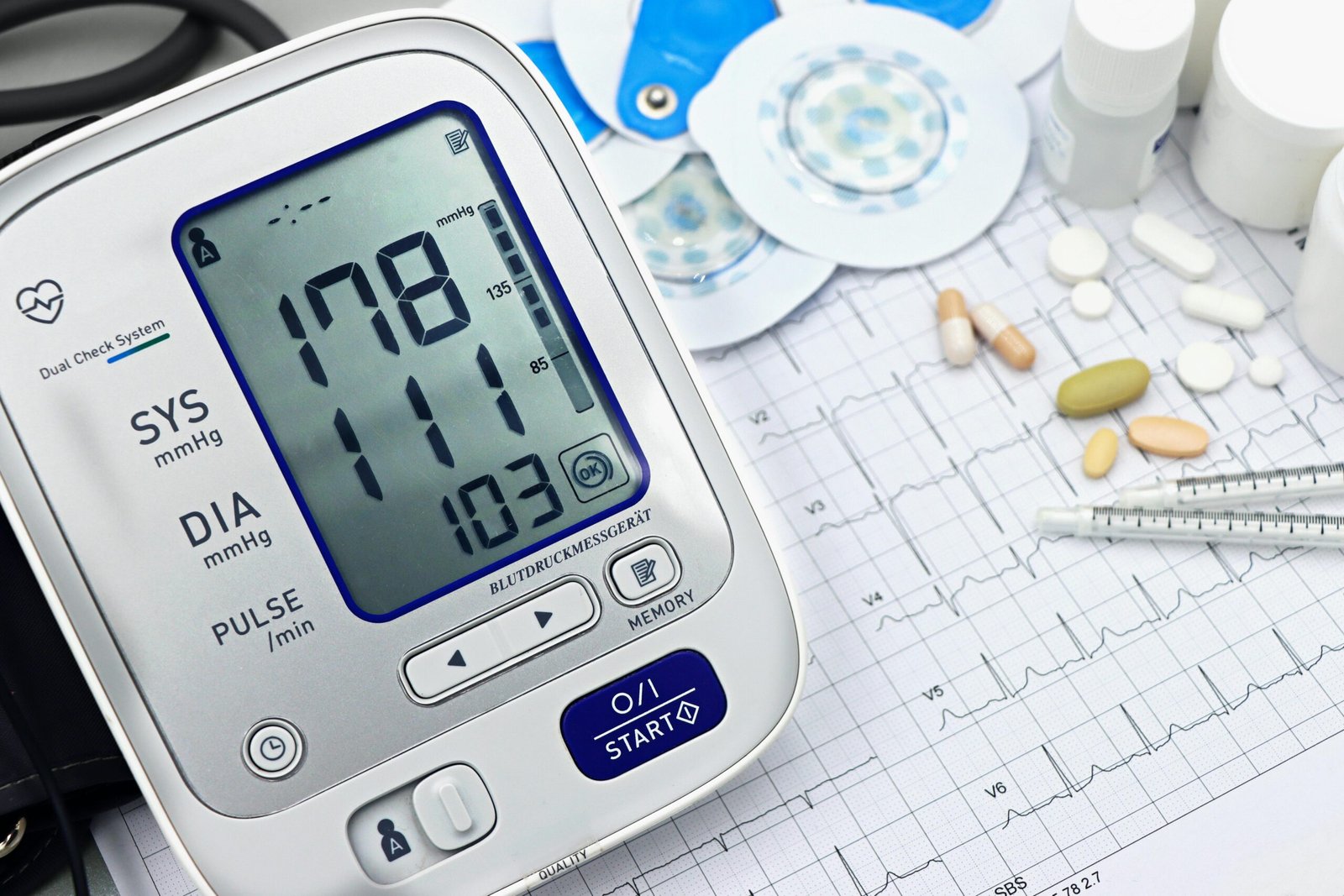
blood pressure bodybuilding

Blood pressure: Risk versus reality

Guidelines are built for population-level risk reduction. This means they are largely generalised. They are designed to try to lower stroke rates, reduce heart attacks and improve long-term outcomes across millions of people.

They are not written for individualised athletic physiology, heavily muscled strength athletes and bodybuilders, or people with above-average body mass.

A 110kg resistance-trained male with elevated cardiac output and high muscle mass may not map neatly on to public health charts derived from sedentary populations. Yet the same 120/80 benchmark is applied universally.

And there is another uncomfortable layer to this; being told you are “hypertensive” when you feel well can trigger health anxiety, repeated checking, hypervigilance and stress. All of which can trigger high blood pressure. Especially in isolation.

The irony is difficult to ignore. For some individuals, constant focus on chasing 120/80 may increase sympathetic nervous system activation, potentially driving readings higher.

This does not mean high blood pressure is imaginary, but it does suggest that messaging matters.
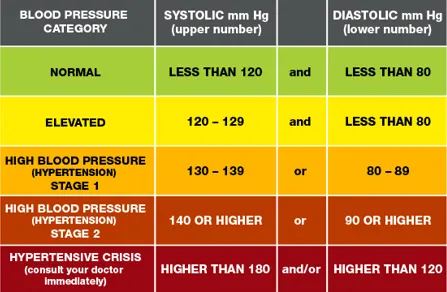
blood pressure bodybuilding numbers
GUIDELINES: But are they too simplified?

Why paramedics say 150/90 is “normal”

In acute care settings, clinicians assess danger, not long-term optimisation. A stable adult at 150/90 is not in crisis or regarded as a hypertensive emergency and so does not require urgent intervention. So reassurance is given that it is not acutely dangerous.

What this means is that official guidelines may be simplified for public messaging. There is a difference between:

  • Optimal cardiovascular risk
  • Common physiological reality
  • Emergency thresholds
  • Medication triggers

For some people, especially older adults, aggressively pushing systolic blood pressure down can cause dizziness, falls, reduced cerebral perfusion and lower diastolic pressure. This means that lower is not automatically better for everyone.

Let's take bodybuilders, for example. They often present with higher bodyweight, increased left ventricular mass (physiological adaptation), higher haematocrit, elevated sympathetic tone, stimulant use and sleep disruption. Their cardiovascular profile differs from sedentary populations.

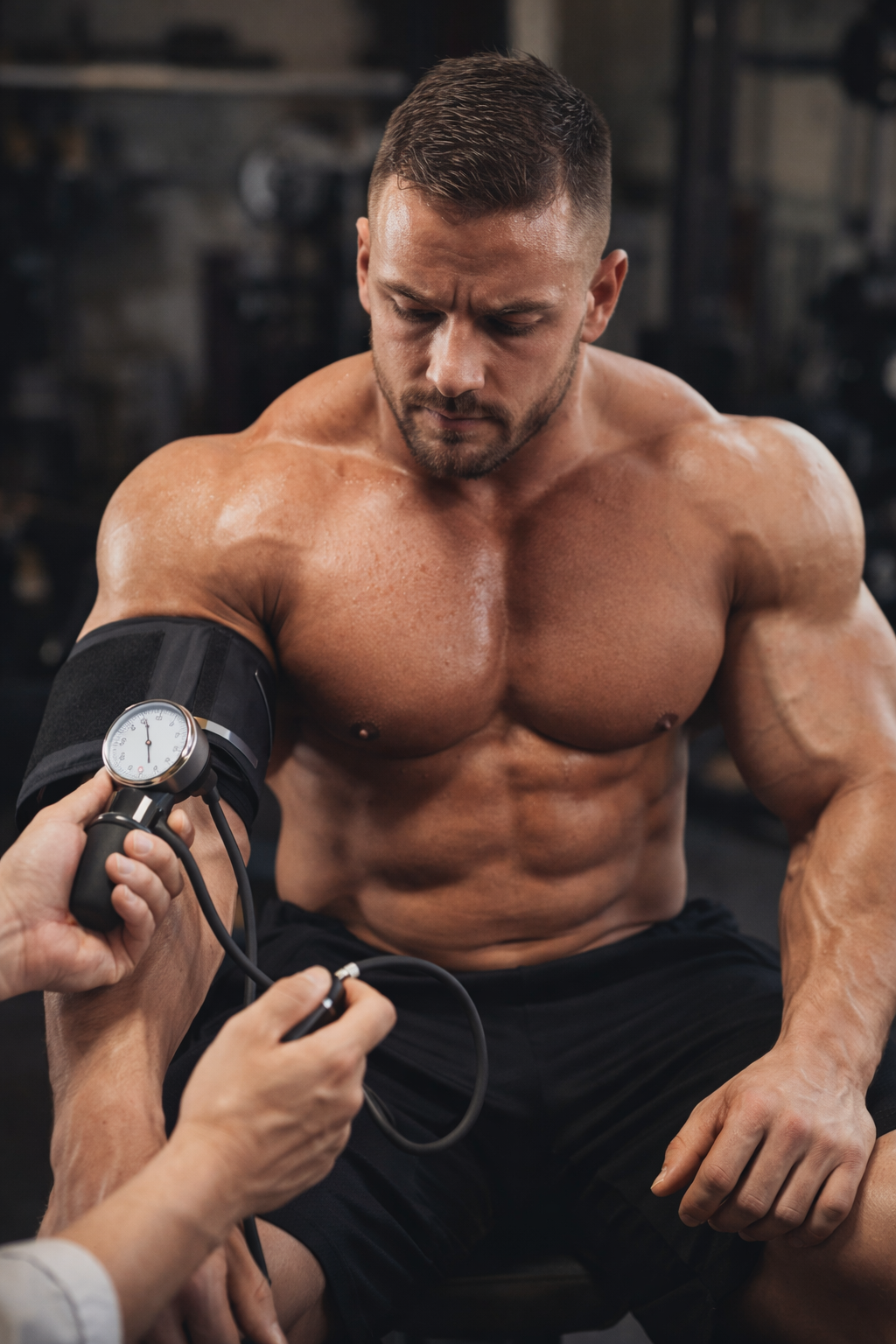
So while this does not make elevated blood pressure harmless, it means it complicates blanket statements. Bodybuilders not showing 120/80 blood pressure does not mean they are suddenly a walking heart attack or stroke. And those parading such numbers on social media does not mean they are a bastion of health, either. It does mean boasting about 120/80 simply to tick a box on the "official guidelines" is likely doing more harm than good to those watching.
bodybuilding blood pressure

So what should people do?

Instead of asking: “Is 150/90 normal?”, better questions may be:

  • What is my overall cardiovascular risk?
  • What is my resting average over weeks?
  • What are my lipids?
  • What is my haematocrit?
  • What is my coronary calcium score?
  • How is my sleep?
  • Am I chronically stressed?

Blood pressure is one dial on a much larger dashboard.

While 120/80 may be optimal in an "official" statistical sense, optimal is not always achievable for every adult at every age. And that does not automatically signify imminent danger.

There is a risk that simplified public messaging turns nuanced cardiovascular risk into a binary label – normal versus abnormal – creating unnecessary worry.

The goal should not be chasing a single number. The goal should be understanding risk and reducing it intelligently.


References

  1. NICE (UK) – Hypertension in adults: diagnosis and management (NG136)
    Official UK guidance defining clinic threshold of 140/90 mmHg.
    https://www.nice.org.uk/guidance/ng136
  2. NHS – High blood pressure (hypertension)
    Public-facing UK explanation of blood pressure categories and risk.
    https://www.nhs.uk/conditions/high-blood-pressure-hypertension/
  3. SPRINT Research Group (2015)
    A Randomized Trial of Intensive versus Standard Blood-Pressure Control.
    Found lower cardiovascular events with intensive systolic target (~120 mmHg) in higher-risk adults.
    https://pubmed.ncbi.nlm.nih.gov/26551272/
  4. ACC/AHA Guideline for the Prevention, Detection, Evaluation, and Management of High Blood Pressure (2017)
    Influential US guideline lowering hypertension definition to 130/80 mmHg.
    https://pubmed.ncbi.nlm.nih.gov/29133356/
  5. Franklin SS et al. (1997)
    Hemodynamic patterns of age-related changes in blood pressure.
    Explains age-related arterial stiffness and rising systolic pressure.
    https://pubmed.ncbi.nlm.nih.gov/9116922/

MORE FROM FRONTDOUBLE.COM

High Haematocrit in Bodybuilding: The Silent Killer?

Health and Education Hub

UK bodybuilding results

Leave a Reply

Your email address will not be published. Required fields are marked *

Next show

April 18: PCA Naturals 1 – Wulfrun Hall, Wolverhampton; 2Bros Pro Events Open Regional Qualifier – Scotland
April 19: Granite City Classic – Aberdeen Beach Ballroom, Aberdeen; BPA Rising Star (First Timers) & Masters Allstars – Brierley Civic Hall, Dudley

Federations

120/80 abs workout Amateur bodybuilding anabolic steroids Arm wrestling Athlete Profiles Back Training Blood Health blood pressure guidelines blood work bloodwork Body Dysmorphia bodybuilding Bodybuilding advice Bodybuilding analysis bodybuilding basics bodybuilding cardio Bodybuilding comebacks Bodybuilding Competitions Bodybuilding Contest Prep bodybuilding costs Bodybuilding Culture bodybuilding debate bodybuilding drugs Bodybuilding federations Bodybuilding health bodybuilding history bodybuilding influencers Bodybuilding injuries Bodybuilding interviews Bodybuilding judging Bodybuilding Kidney Health bodybuilding lifestyle Bodybuilding mental health Bodybuilding mindset Bodybuilding mistakes Bodybuilding motivation Bodybuilding news UK Bodybuilding nutrition Bodybuilding Off Season bodybuilding opinion Bodybuilding Prep Bodybuilding Psychology Bodybuilding Quiz Bodybuilding risks Bodybuilding science bodybuilding sponsorship Bodybuilding Stigma Bodybuilding stories Bodybuilding Supplements Bodybuilding training Bodybuilding Transformation Bodybuilding Trivia bodybuildingnews Boxing British bodybuilding carb loading cholesterol Chris Jones Christmas bodybuilding Conditioning contest prep core training Creatine and Kidney Function Daniel Smith Junior Deadlifts Dianabol Diuretics Dorian Yates Eddie Sykes eGFR and Cystatin C Testing European Masters Fat Loss female bodybuilding First-Time Bodybuilding fitness industry Front Double Genetics growth hormone bodybuilding gym clothing Gym culture gym fashion Haematocrit haemoglobin heart health Hematocrit HGH dosage bodybuilding High Protein Diet and Kidneys HIT Training hypertension UK hypertrophy Ian Christopher IBFA IBFA GB IBFA International IBFA UK IFBB IFBB bodybuilding IFBB Pro IFBB Pro League injury recovery is bodybuilding a sport Lee Priest leg day leg day video leg press injury Lewis Breed lipids Louise Plumb Masters Bodybuilding Matthew Ali men’s physique Mental Health midsection Mr Olympia Mr Olympia 2024 Muscle Growth muscle growth hormones nabba NABBA Universe nabbaproleague nabbaproshow Neil Andrews Nick Elliott normal blood pressure NPC Worldwide off-season cardio Online Coaching Over 40 bodybuilding PCA PCA Masters Championships PCA Pro Card peak week PEDs peptides physique competition Prep Coaches Pro Card debate quad workout Rep Ranges Retatrutide Rick Foster Ryan Mackins Sam Sulek Samson Dauda social media reach sponsored athletes steroids Steroids and Kidney Damage Strength Training Striated glutes testosterone bodybuilding Todd Payette Training Volume trt UK Bodybuilding UK bodybuilding news water manipulation Women in Bodybuilding Zoe Miller

Subscribe to receive the latest articles and updates.

We strictly obey no spam policy.
© 2026 Frontdouble
Front Double is the UK's only independent bodybuilding site covering shows, athlete profiles, interviews, education and industry news.