OFFICIALMUSCLEBODYART has spent more than a decade turning bodybuilders into striking digital artwork, picking up a loyal following along the way. Behind the account is Philippe Narten, 48, born in Belgium and based just outside Oslo, Norway, since 1992. FrontDouble caught up with him to talk origins, process and why the account will never go fully commercial
By Gary Chappell
How did you first get into digital art, and what drew you specifically to bodybuilding physiques rather than other subjects?
Ever since my youth, I have been deeply fascinated by the human capability to sculpt one's own physique into something truly extraordinary – almost God-like. I've always gravitated toward creating art that highlights and celebrates the pure aesthetics, lines and classical symmetry of bodybuilders.
When did Official Muscle Body Art start and was there a specific athlete or image that made you realise this could become a permanent project?
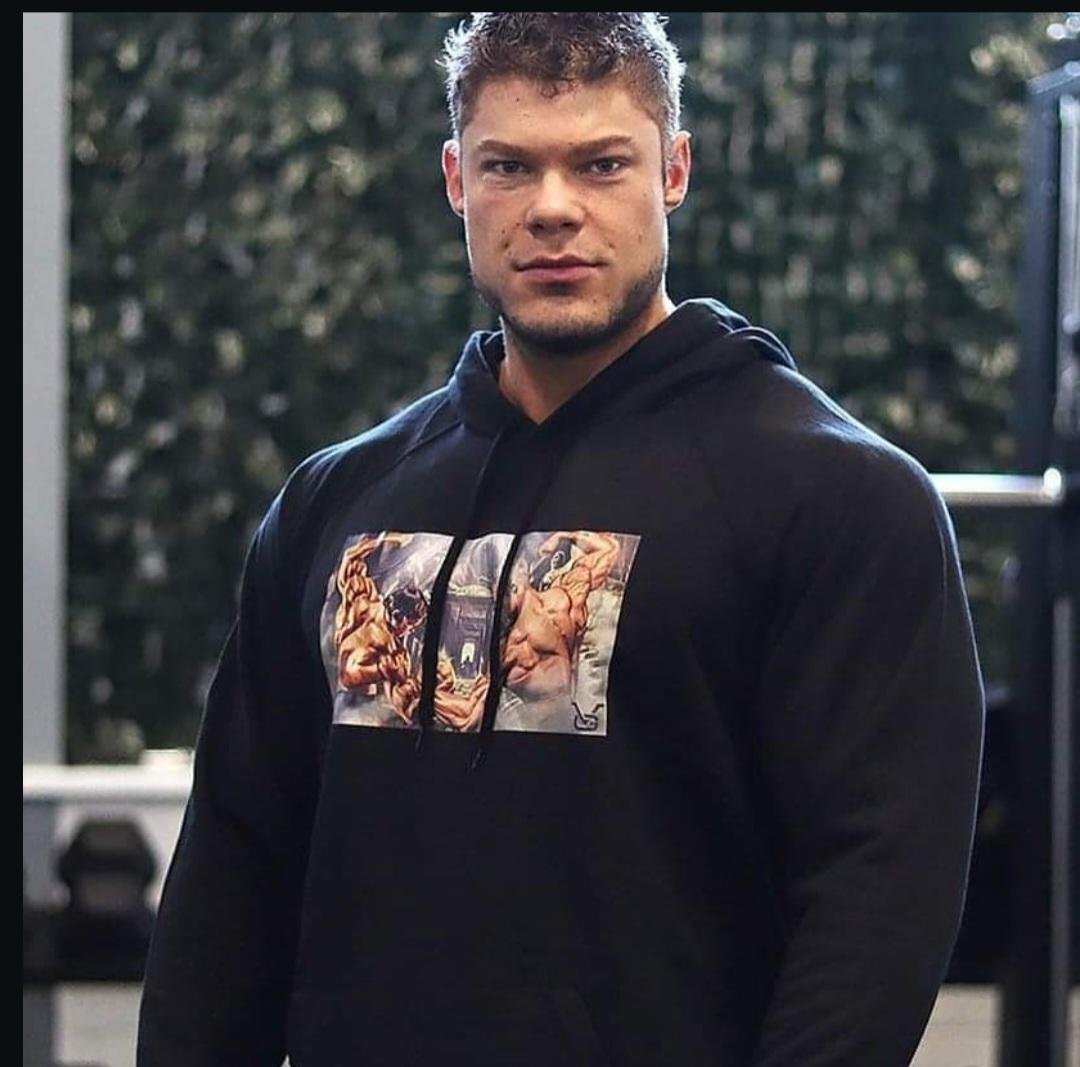
I officially launched the account in September 2012. Early on, I gained traction on Instagram, particularly through my work featuring Wesley Vissers (below) during the very beginning of his journey. He was an athlete I frequently featured and drew inspiration from as the project found its footing.
You often credit both @officialmusclebodyart and @the_king_philippe. What is the relationship between the two, and how did they come about separately?
For a long time starting in 2012, I combined my personal posts with the Official Muscle Body Art content on the same feed. As the brand grew and evolved, I decided in 2019 to spin off a dedicated personal account, @the_king_philippe. I still wanted to properly credit the creator behind Official Muscle Body Art, which is why my personal profile bridges that connection.
Take us through a typical piece, from the initial photograph or reference to the finished image.
I usually start by thoroughly reviewing various photos of the athlete. From there, I try to capture inspiration from their personality, personal interests, signature expressions and – most importantly – their unique physique, building the concept from the ground up.
What software and techniques do you lean on most and how has your toolkit changed as the page has grown?
In the beginning, it relied heavily on traditional Photoshop work, cutting and pasting. Today, I utilise AI tools like Gemini to streamline the process, but I constantly experiment with new styles and current trends without ever losing sight of what matters most: the authentic presentation of the physique.
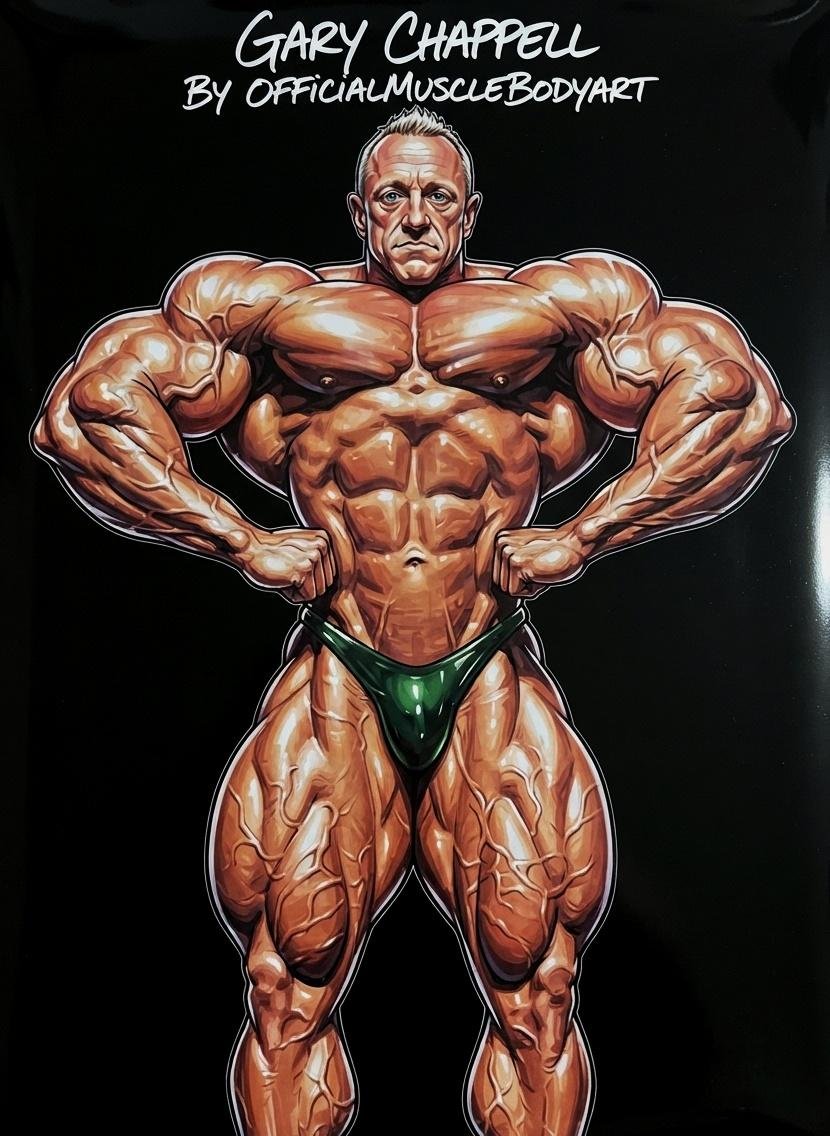
Some of your work looks almost hyper-realistic, while other pieces are much more stylised. How do you choose the aesthetic for each subject?
I let the mood of the reference photo and the athlete's persona dictate the style. Some physiques demand a gritty, hyper-realistic showcase of conditioning and hard lines, while others lend themselves better to a bold, artistic and stylised interpretation.
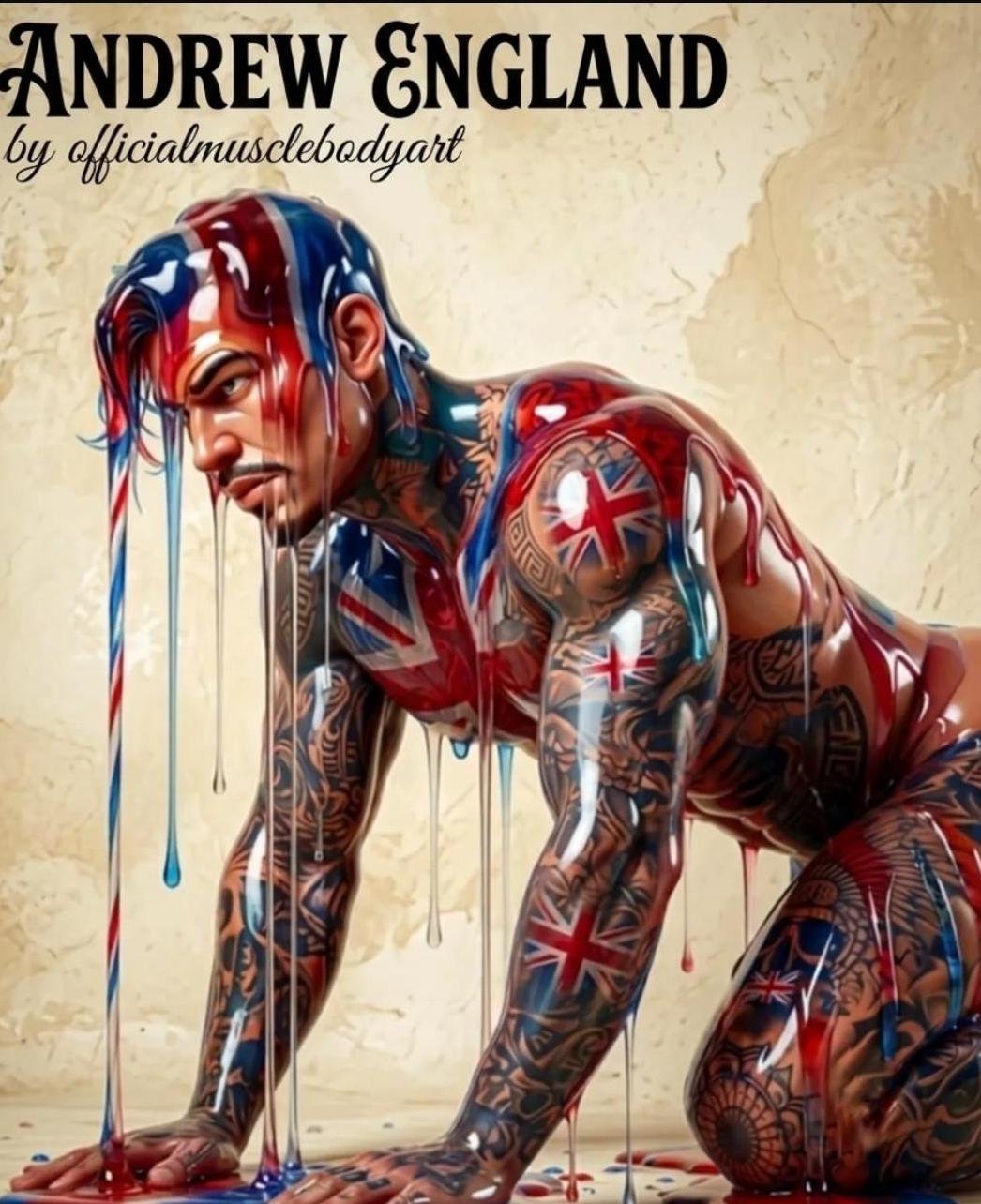
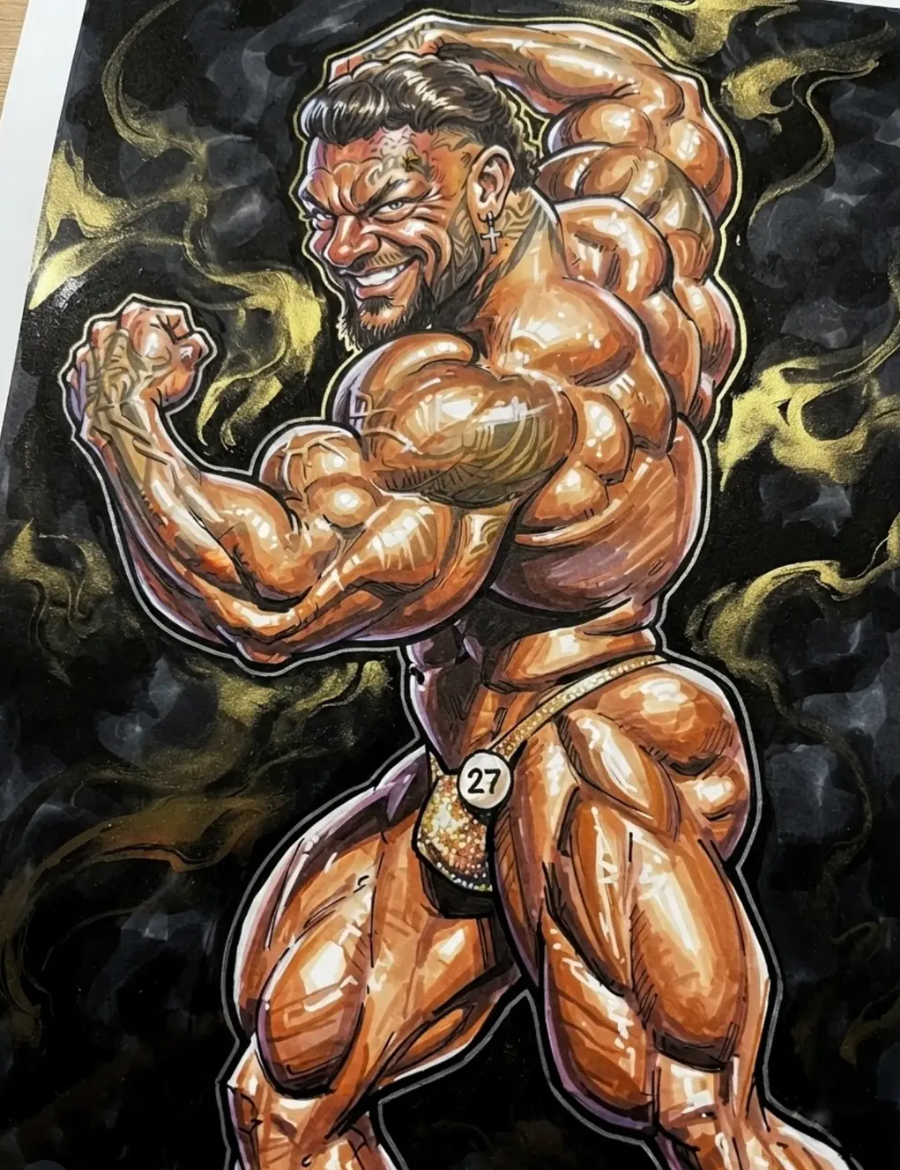
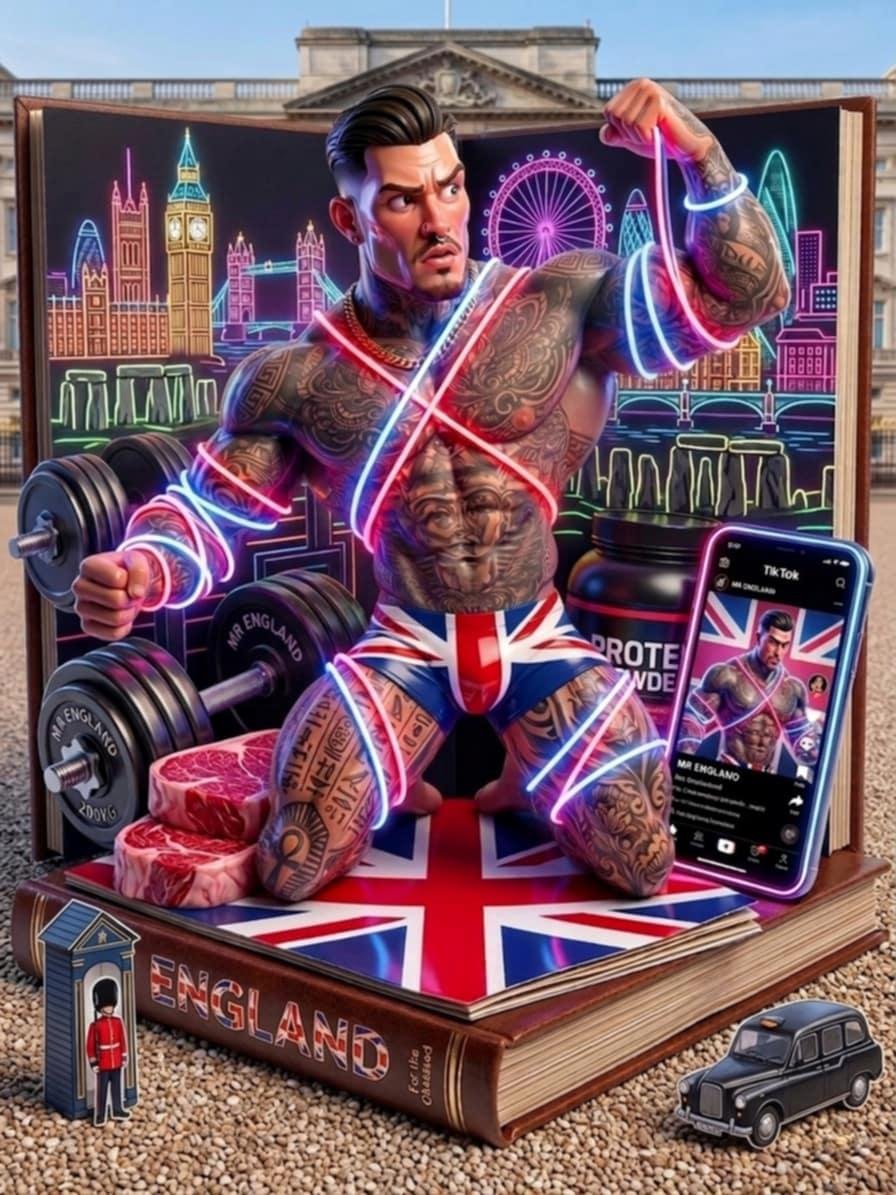
You've featured a number of UK athletes, including Andrew England (above). How do athletes usually end up being featured – do they reach out to you, or do you reach out to them?
It's usually me making the first move. However, as I build a closer rapport and an ongoing dialogue with the athletes, it naturally evolves into a two-way street where we collaborate on new ideas and concepts.
What is the difference between working from the imagery of a UK bodybuilder compared to an Olympia-level open competitor like Samson Dauda?
Honestly, there isn't a massive difference for me. My focus has never been on how famous an athlete is or how many followers they command. Every competitor is treated with the same respect and approached creatively based purely on what their physique demands.
FrontDouble readers live and breathe the UK competitive scene. Has working with British physiques changed how you view posing, conditioning or presentation compared to international names?
Not necessarily in terms of the physical training or posing, but I have to say that UK athletes are particularly great to communicate with. In my experience, they are remarkably down-to-earth and show a genuine, heartfelt appreciation for my artwork.
Have any athletes ever asked you to change something after seeing a draft and how do you handle that?
Yes, absolutely – that happens quite often! When it does, I'm more than happy to make adjustments or even start fresh if needed. My ultimate goal is always to make sure the athlete is genuinely happy with how they are represented.
What is the best reaction you've ever gotten from an athlete after seeing themselves transformed into one of your pieces?
That has to be when Wesley Vissers reached out to me back in 2019 and asked if he could use one of my artworks for official merchandise hoodies he was releasing. Coming from a bodybuilder I have always deeply admired, that was an incredible and humbling compliment.
Bodybuilding already has a strong photographic tradition. Where do you see digital art sitting alongside stage photography and studio shoots?
I believe photography and AI-assisted digital art will have a fantastic future walking hand in hand, as long as it doesn't completely detach from reality. The audience must still be able to instantly recognise the authentic athlete behind the art.
Tattoos and inked physiques frequently feature in your work. Is that a personal preference, something athletes request, or something the audience reacts particularly strongly to?
That primarily comes down to personal taste – I simply find that tattoos add a unique artistic layer and visual contrast that look incredible when combined with a heavily muscled physique.
You push a lot of extra content out on TikTok. How does that platform differ from Instagram for this type of art?
My TikTok profile is vastly different from my Instagram feed. TikTok is much more spontaneous and community driven, often focusing on every-day internet culture and live-streaming events rather than strictly revolving around bodybuilding art.
How does the reaction from the bodybuilding community compare to people who simply appreciate muscle art in general?
The response has been overwhelmingly positive across the board from both dedicated bodybuilding insiders and general fans of muscle aesthetics.
Do you take on commissions and what does a typical commission look like from an athlete or a fan?
I used to do them quite often, but after the explosion of AI tools made it easy for almost anyone to generate basic images, the demand shifted. Nowadays, my focus isn't financial gain; rather, it's about giving something meaningful back to a community that I deeply look up to and admire.
Has Official Muscle Body Art become a business in its own right and how do you balance the creative side with the commercial?
No, Official Muscle Body Art has always been and will always remain, a pure hobby for me. This is something I do purely out of passion and joy. The day this becomes strictly commercial and solely about revenue is the day the joy disappears – and with it, the account would end too.
What is the one piece you are most proud of and why did that specific one hit differently than the others?
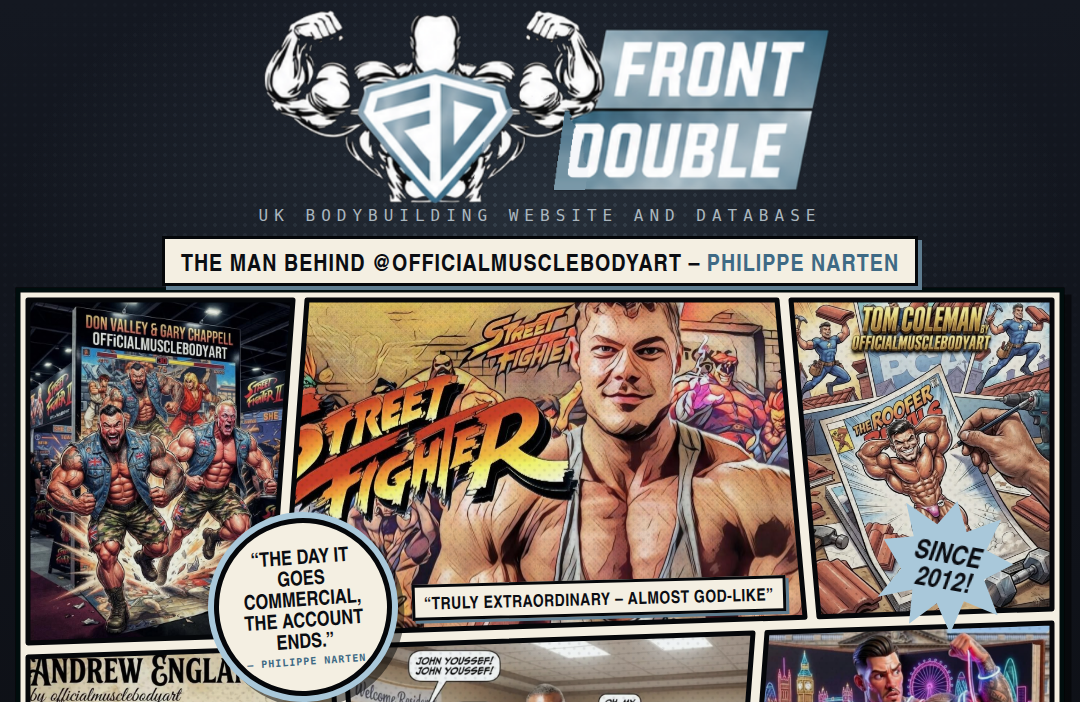
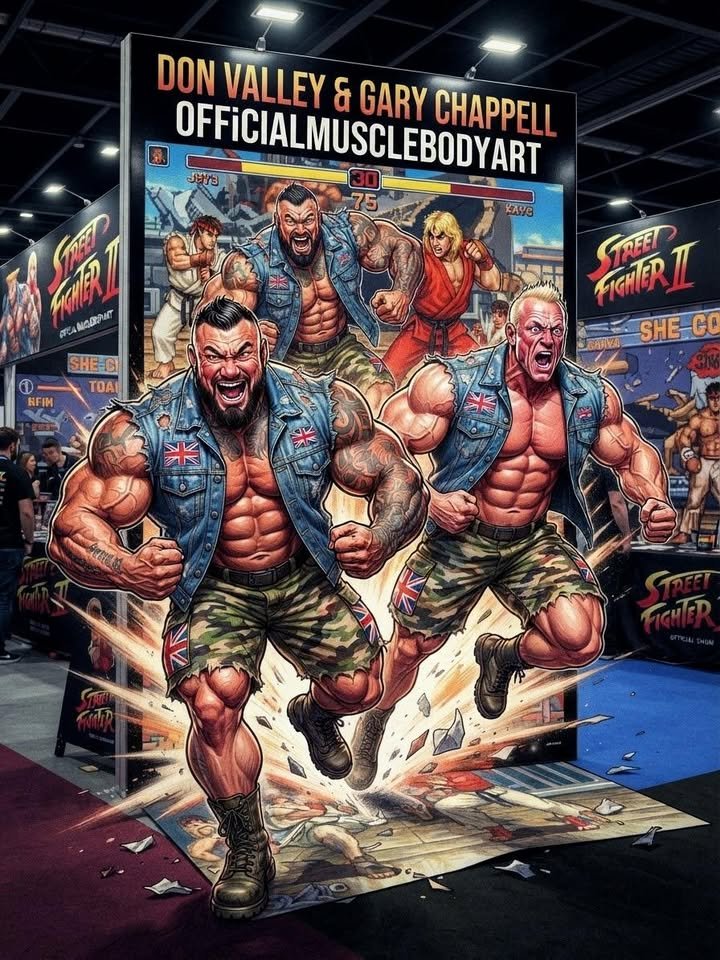
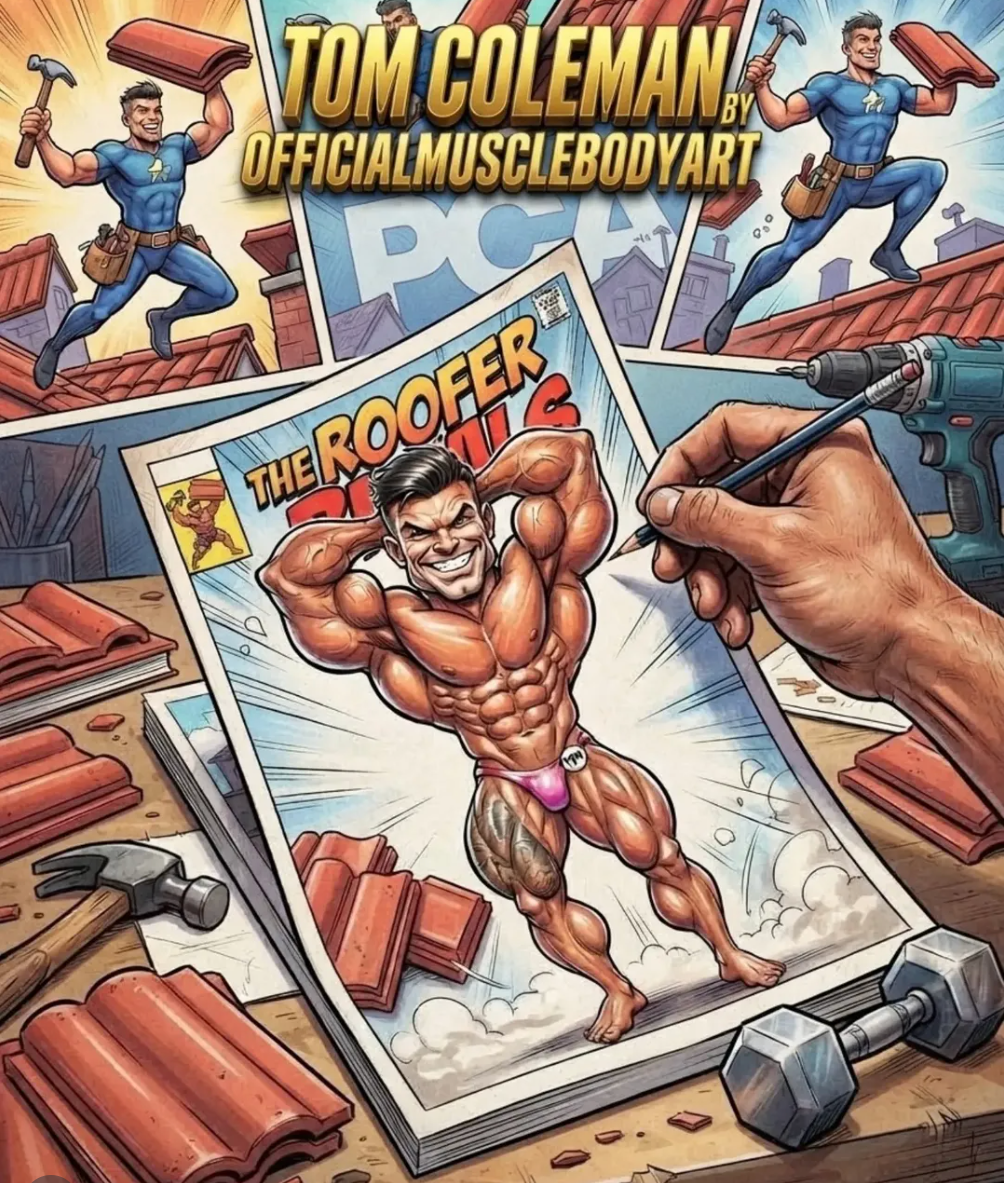
I hold a special pride for my pieces featuring Tom Coleman, Mike O'Hearn, Wesley Vissers, Don Valley (above) and Andrew England. Those particular works stand out to me as some of my absolute best achievements.
Where do you want Official Muscle Body Art to go next – more UK athletes, motion work, prints, or something entirely different?
The road ahead for me is all about keeping that pure enjoyment alive and simply continuing to give back to an incredible community that I love being a part of.
In Their Words
A tribute to Philippe Narten from the athletes he's brought to life
Wesley Vissers, Dutch IFBB Pro bodybuilder
"What stood out to me from the beginning was how Philippe managed to capture not just the physique, but the character behind it. His artwork had this classic bodybuilding feeling to it while still looking very unique and recognisable as his own style. That is what made me want to use one of his pieces on a hoodie. It did not just feel like a cool drawing of me, it felt like something that represented the whole image and identity I was building at the time.
"His work has become much more refined over the years. The anatomy, detail, lighting and overall presentation have all gone to another level, but he has kept that same signature style that made his work stand out in the first place. I think that is probably the hardest thing for an artist to do: keep improving technically without losing what made people recognise your work to begin with."
Andrew England, Fitness Model
"It's definitely grown over time. Others have become more aware of what Philippe has been doing and how skilled he actually is. I really love working with him. He's easy to work with and he always does a good job. If I ever have an idea and I give it to him, he always runs with it and makes it his own, but always keeps the bits that I wanted in there.
"Putting the British names on the map gives me a proud sense of feeling. And that he chose to use me as well, it's a very nice feeling."
October 10: UKUP Ultimate Naturals Open Championship – The Venue, Milton Keynes; PCA Central – Wolverhampton October 11: PCA England– Northampton; Fit X Finals – Wolverhampton